2027 Online Environmental Science Degrees for Nonprofit Environmental Careers

Co-Founder and Chief Data Scientist
Professionals aiming to enter nonprofit environmental careers face a significant hurdle: balancing urgent workforce demand with limited time and geographic constraints. As reported by the National Center for Education Statistics in 2024, enrollment in fully online environmental science programs grew by 18% in just two years, reflecting a broader shift toward flexible education suited for working adults. This surge highlights a growing preference for asynchronous, accessible learning modes that accommodate career pivots without sacrificing current employment or personal obligations. Understanding how these programs align with sector-specific skill requirements and nonprofit hiring trends is essential for making informed education choices.
This article examines current online environmental science degree options tailored to nonprofit career pathways, offering strategic guidance to navigate program selection with practical workforce outcomes in mind.
Key Things You Should Know
- Employers emphasize applied field experience over online credentials alone; 68% of nonprofit environmental orgs rank internships and project portfolios as decisive in hiring, signaling online degrees require strategic experiential supplements.
- Cost-effective online environmental science degrees average 25% less than on-campus options according to 2024 NCES data, yet extended program durations for part-time learners increase total opportunity costs by 15%-20%.
- Labor market analyses from the U.S. Bureau of Labor Statistics show a 12% wage premium for graduates with hybrid or in-person components within five years, reflecting persistent employer bias toward traditional training pathways.
What is an online environmental science degree and how does it prepare for nonprofit work?
Employers in the nonprofit environmental sector increasingly seek professionals who can balance scientific rigor with pragmatic program execution. An online environmental science degree benefits for nonprofit careers by combining ecosystem analysis with real-world skills such as grant proposal writing and impact assessment. This training mirrors the complex demands of conservation organizations, where conveying technical data to diverse stakeholders is essential.
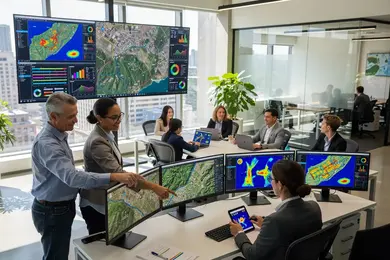
This degree prepares graduates to navigate nonprofit budget constraints by integrating project management with technical coursework like GIS technology and environmental law. Many programs use asynchronous online learning to accommodate working professionals, enabling them to develop data analysis skills and regulatory familiarity without disrupting employment.
Labor market data reinforces this focus: the U.S. Bureau of Labor Statistics projects approximately 8,500 annual openings for environmental scientists and specialists through 2034, reflecting steady demand for expertise connecting science and policy in the nonprofit space. Candidates with targeted training in nonprofit environmental contexts hold an advantage by addressing funder requirements for measurable outcomes and compliance reporting.
Academic pathways leading to nonprofit roles should be evaluated not just on scientific content but also on how well programs equip students for advocacy, education strategies, and cost-sensitive project execution. For more detailed program options, consider reviewing the online environmental health and safety degree rankings.
Such nuanced understanding of educational content versus workforce realities clarifies the practical value of pursuing an online environmental science degree and how it prepares for environmental nonprofit work within a competitive hiring landscape.
How do online environmental science degrees compare with campus programs for nonprofit careers?
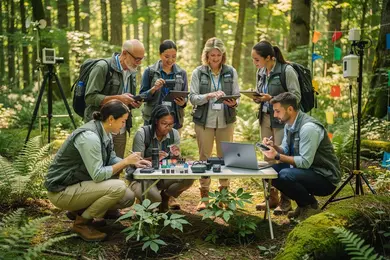
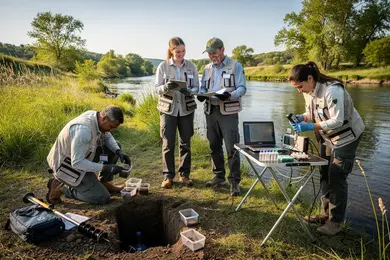
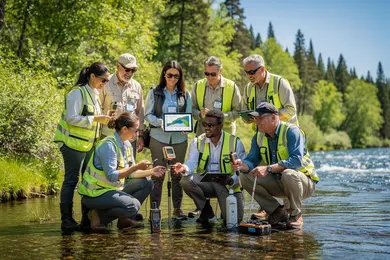
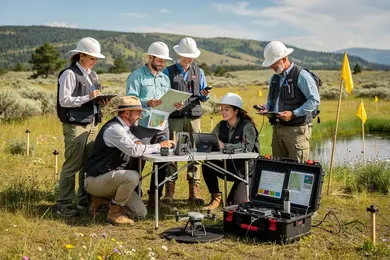
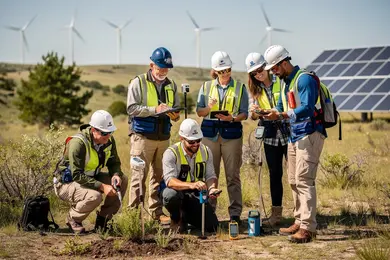
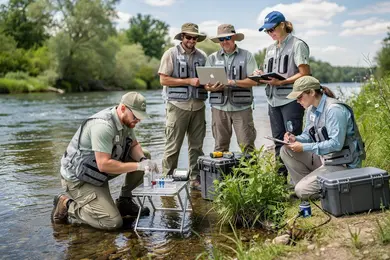
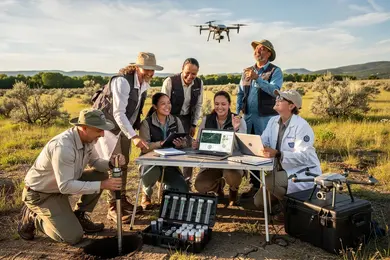
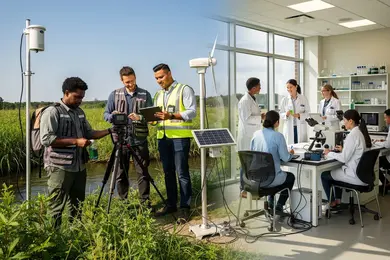
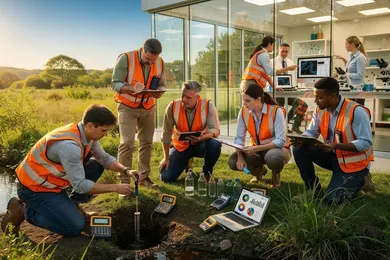
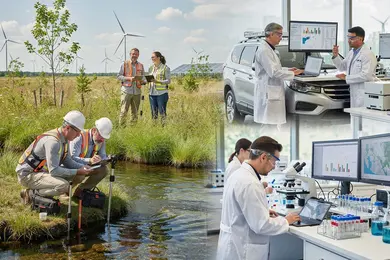
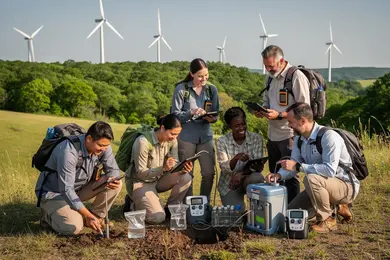
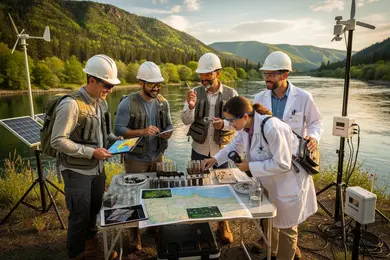
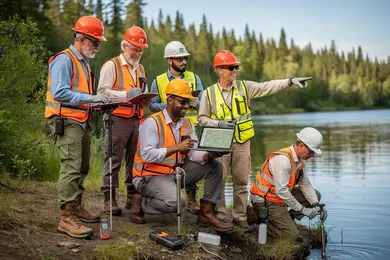
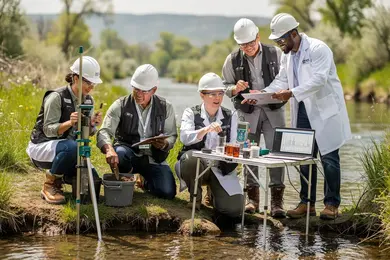
Hands-on experience remains the defining factor separating online environmental science degrees versus campus programs for nonprofit careers. While online options provide theoretical parity, on-campus programs embed applied skills through direct lab access, field research, and internships-elements nonprofit employers often prioritize. For example, candidates pursuing conservation work typically must demonstrate field data collection ability gained through campus-based or closely affiliated projects, a requirement less consistently met by fully online learners.
Advantages of online environmental science education for nonprofit career paths include flexible scheduling that accommodates working professionals seeking specialization or advancement without halting their careers. To address the experiential gap, many online programs now offer virtual labs, remote sensing modules, and mandate local fieldwork, but these still fall short of immersive, collaborative campus environments essential for networking and mentorship.
Employer outcomes support this divide: approximately 68% of graduates secure environmental or related nonprofit roles within three years, yet nonprofit hiring managers often favor candidates with specific technical proficiencies and established professional connections typically developed on campus or through internships. Online students benefit from proactive engagement in local volunteer or internship opportunities to bridge this divide.
Decision-making for prospective students hinges on career stage and goals: entry-level pioneers needing extensive field experience are better served by campus programs, while experienced professionals targeting focused growth may choose online routes. Additionally, those contemplating a speech pathologist career pivot can examine this model of balancing theoretical knowledge with applied skills.
Which accredited online environmental science programs are best for nonprofit-focused students?
Programs delivering accredited online environmental science degrees for nonprofit careers must balance academic rigor with direct applicability to nonprofit environments. For instance, Iowa State University's environmental science graduate program offers nonprofit-specific sustainability tracks, enabling about 91% of alumni to secure relevant roles within six months. This highlights how aligning curricula with nonprofit hiring practices improves employability in fields such as NGOs, policy advocacy, and community environmental work.
Students should evaluate programs based on practical skill development that nonprofits prioritize, including grant writing, nonprofit management, applied GIS, and environmental policy. Internships or project collaborations with recognized nonprofit organizations provide critical hands-on experience and strengthen networks. Nonprofit-focused environmental science programs online often differ in their emphases: some prioritize field research or data analytics while others integrate social justice and environmental economics to meet evolving nonprofit demands.
Working professionals must also weigh flexible course schedules and verifiable accreditation, which influences NGO hiring credibility. Prospective students balancing full-time jobs might find asynchronous coursework essential to completing their degree without sacrificing income. Additionally, comparing this environmental science pathway with alternatives like a computer science degree online can reveal tradeoffs between technical expertise and sustainability management specific to nonprofits.
What courses and specializations support careers in environmental nonprofits?
Enrolling in online environmental science degree programs for nonprofit careers demands a focused skill set bridging policy analysis, project oversight, and community stakeholder coordination. Specialty courses emphasizing environmental data analysis and Geographic Information Systems (GIS) enhance the capacity for evidence-based advocacy, essential for nonprofits targeting legislative or funding outcomes. Prioritizing programs with internships or applied collaborations addresses a significant gap: many candidates lack tangible field experience that employers value more than academic reputation alone.
Specialized courses in environmental science for nonprofit sector roles often cover climate adaptation, conservation biology, and renewable energy technologies, aligning academic preparation with operational demands. For example, a nonprofit managing wetland restoration must integrate ecological assessment expertise with budget controls and grant proposal development to balance ecological and financial targets effectively. This reflects a broader tradeoff between scientific literacy and administrative acumen required for sustained impact.
Compensation data indicates experienced program managers and policy analysts earn between $80,000-$130,000 annually, underscoring how navigating regulatory complexity and multifaceted project management skills drive market value. Prospective candidates should also weigh options related to affordable degree pathways, such as a computer science bachelor degree online, which can complement environmental data competencies, expanding technical versatility and employability in data-driven nonprofit environments.
What are typical admission requirements for online environmental science degrees?
Admission requirements for online environmental science degrees reflect the discipline's blend of scientific rigor and practical skill demands. Applicants generally need a high school diploma or equivalent with solid foundations in biology, chemistry, and math, alongside a GPA typically between 2.5 and 3.0. Prospective bachelor's students may be expected to have completed introductory courses in related sciences, while master's applicants usually require a bachelor's degree and may bypass GRE tests if they show relevant professional experience.
Key practical considerations include reliable technology access and time management capabilities vital for fully remote learning environments. Due to the data-intensive and lab-oriented nature of this field, programs might assess quantitative skills through placement tests or look for coursework demonstrating numerical competency.
From a workforce perspective, these academic thresholds correlate with entry-level salaries ranging roughly between $55,000 and $70,000. Candidates meeting these standards tend to outperform peers in less specialized nonprofit roles. For working professionals or career changers, the decision to pursue these degrees involves balancing the burden of prerequisites and assessments against the tangible salary and employability gains in environmental consulting or science positions.
How long do online environmental science degrees take and what do they cost?
Completing an online environmental science degree requires careful assessment of time investment versus career goals, especially for those targeting nonprofit roles that demand GIS technical skills. Associate degrees generally take about two years and offer quicker entry points, while bachelor's programs extend to four years but may shorten to three with transfer credits and heavier workloads. Master's degrees range from 18 to 24 months full-time; part-time study can double duration, delaying labor market entry and increasing costs.
Cost structures reflect institutional factors and online-specific fees for technology and specialized GIS software-integral for data analysis roles in environmental nonprofits. Public institutions charge approximately $10,000-$15,000 annually for in-state bachelor students, whereas private or out-of-state learners often face fees between $20,000 and $35,000 yearly. Master's programs span $15,000 to $40,000 total, depending on residency and program prestige.
Mid-career professionals face tradeoffs between accelerated credentialing via certificates for immediate GIS proficiency and comprehensive degrees that broaden long-term employment options. Government and consulting GIS specialists report salaries in the $70,000-$90,000+ range, but those with full environmental science education access wider nonprofit career pathways with similar earning potential. Prospective students must weigh whether faster but narrower skill acquisition or a longer, thorough academic route better aligns with their strategic career pivot.
What nonprofit environmental career paths can you pursue with this degree?
Nonprofit roles for environmental science graduates foreground the challenge of translating complex regulatory frameworks into actionable programs amid a projected 4% sector growth through 2034. Professionals in these positions must balance strict compliance with creative strategic adaptation to shifting policies at federal and state levels.
Consider a community engagement specialist tasked with reducing urban runoff: this role demands analytical skills to interpret watershed data and the capacity to mobilize volunteers through targeted sustainability campaigns. Success hinges on merging scientific insight with effective communication aimed at measurable behavioral change.
Environmental education coordinators face the practical difficulty of converting intricate ecological science into accessible curricula that resonate across diverse audiences without oversimplifying. Meanwhile, conservation program managers operate under tight budgets, juggling funding procurement, volunteer coordination, and mixed-method program evaluation to maintain accountability and demonstrate impact.
Key tradeoffs include fewer high-paying roles compared to private industry and the frequent need for supplemental skills such as grant writing or nonprofit administration. Candidates who invest in these additional competencies increase their employability in this multifaceted sector.
What are salary ranges and advancement opportunities in environmental nonprofit roles?
Environmental nonprofit roles generally start with salaries between $45,000 and $65,000, falling below the median annual wage of $80,060 reported by the U.S. Bureau of Labor Statistics for environmental scientists and specialists. This reflects the constrained funding typical within nonprofit organizations. Career progression in this sector hinges on acquiring technical expertise, grant writing proficiency, and leadership skills. For instance, a program coordinator adept at securing grants may outpace a field technician who remains in entry-level duties without additional credentials.
Advancement opportunities are often linked to the size and funding stability of the nonprofit. Unlike government or private sectors, nonprofits usually lack formal promotions, requiring professionals to combine technical capabilities with fundraising or policy advisory roles to target upper salary brackets, which for the top 10% exceed $134,000. This complexity means those pursuing an online environmental science degree should pair it with hands-on experience or certifications aligned with these skill demands.
Given slower salary growth and limited immediate financial gains, strategic planning is essential. Candidates must weigh mission-driven work against compensation realities and pursue credentials that bridge skill gaps while recognizing organizational constraints.
How strong is the job outlook for environmental nonprofit careers in the U.S.?
The environmental nonprofit sector's projected 8% job growth through 2032 outpaces general occupational trends but masks significant practical challenges for graduates of online environmental science programs. Positions like field technicians, conservation specialists, and sustainability coordinators demand direct field experience and stakeholder engagement, which purely online curricula often fail to provide. Without strategically integrated practicum components or local internships, candidates risk limited access to entry-level roles.
Key employer expectations center on applied competencies rather than theoretical knowledge alone. Skills in GIS, grant writing, data collection, and community coordination are not optional but foundational, especially when navigating complex permitting or volunteer mobilization in regional land trusts and similar nonprofits. Candidates lacking structured, mentored fieldwork frequently face competitive disadvantages.
Environmental nonprofit employers typically operate with constrained budgets, amplifying competition and prioritizing multi-skilled applicants with proven project contributions. To address this, supplementing online degrees with targeted certifications in compliance or community organizing can improve hiring prospects. Graduates must balance the convenience of online learning with practical experience acquisition to align with workforce realities rather than assume credentials alone guarantee employability.
How do you evaluate accreditation and credibility of online environmental science programs?
Institutional accreditation verified by the U.S. Department of Education or the Council for Higher Education Accreditation remains the foremost indicator of a legitimate online environmental science program. This baseline is essential since employers, particularly in nonprofit settings, prioritize credentials that guarantee rigorous curricula and credit transferability. For example, graduates relying on programs without clear accreditation often face hurdles entering competitive nonprofit roles, where median mid-career salaries hover between $70,000 and $80,000 according to Iowa State University's Environmental Science Graduate Program data.
Beyond institutional status, specialized accreditation from entities like ABET or environmental science-focused organizations adds status but is relatively uncommon and should not overshadow foundational accreditation verification. Candidates should systematically confirm accreditation through official government or recognized accreditor websites to avoid misleading claims prevalent on some platforms.
Curriculum alignment with sector-relevant skills such as Geographic Information Systems (GIS), environmental policy, and data analytics materially impacts career trajectories. Programs that neglect these areas risk limiting graduates' upward mobility, particularly for professionals targeting leadership or specialized positions within environmental nonprofits.
Assess faculty qualifications for active research and nonprofit experience, as practical engagement correlates with experiential learning opportunities essential for workforce readiness. Consider these practical steps:
- Confirm institutional accreditation through recognized government sources
- Check for any specialized programmatic accreditation
- Evaluate faculty credentials and engagement in current research
- Review alumni employment outcomes in nonprofit environmental fields
- Verify curriculum incorporates skills critical for nonprofit environmental career advancement
Other Things You Should Know About Environmental Science
In 2027, employers at nonprofit environmental organizations increasingly recognize the value of online environmental science degrees. These programs often provide comprehensive coursework and practical techniques that align with nonprofit goals. A degree from an accredited institution is typically sufficient to meet their expectations, although employers may favor candidates with hands-on experience gained through internships or fieldwork.
Online environmental science degrees typically demand self-discipline and time management, as the workload is structured for asynchronous learning which can intensify time pressure for working students. Many programs compress lab work and group projects into limited windows that clash with full-time jobs. Applicants should assess programs' flexibility and support services carefully to avoid burnout and ensure the degree fits alongside their professional commitments.
Look for regional accreditation from a U.S. Department of Education-recognized agency, such as HLC, SACSCOC, or WSCUC. For specialized environmental programs, accreditation from ABET matters most when the degree includes engineering or environmental technology coursework; most nonprofit employers accept regionally accredited degrees.
References
- Don’t risk your reputation – 10 points to look for in a credible certification https://www.thinkstep-anz.com/resrc/blogs/dont-risk-your-reputation-10-points-to-look-for-a-credible-certification
- Online Environmental Science Degrees: Compare Schools https://www.degreesforgood.org/online-degrees/environmental-science/
- Explore Career Opportunities in Environmental Science https://www.neefusa.org/story/environmental-education/explore-career-opportunities-environmental-science
- Environmental Science https://www.ualberta.ca/en/undergraduate-programs/bachelor-of-science-environmental-science.html
- Top 15 Environmental Science Colleges https://www.collegeadvisor.com/resources/environmental-science-colleges/
- EcoJobs.com - Environmental Jobs & Conservation Jobs - Best Source of Green Jobs for over 20 years https://ecojobs.com/
- Frequently Asked Questions - Careers | Climate KIC https://www.climate-kic.org/get-involved/careers/frequently-asked-questions-careers/
- A Framework for Evaluating Distance Learning of Environmental Science in Higher Education using Multi-Criteria Group Decision Making https://informatica.si/index.php/informatica/article/view/3401
- Environmental Non Profit Jobs | Conservation Job Board https://www.conservationjobboard.com/category/non-profit-development
- 10 green jobs with strong growth potential | U.S. Green Building Council https://www.usgbc.org/articles/10-green-jobs-strong-growth-potential