2027 Online Environmental Science Degrees for Environmental Scientist Roles

Co-Founder and Chief Data Scientist
Professionals seeking to transition into environmental scientist roles face a critical challenge balancing career advancement with the time constraints of full-time employment and personal obligations. The demand for flexible education options has intensified, as evidenced by the National Center for Education Statistics reporting a sustained 17% rise in online degree enrollment among adult learners over the past two years. This surge reflects a broader shift toward asynchronous learning models that accommodate nontraditional students without sacrificing program rigor or credibility.
Navigating this evolving landscape requires careful evaluation of program structure, accreditation, and employer recognition to ensure practical career mobility. This article examines current online environmental science degrees tailored for environmental scientist roles, providing actionable guidance to optimize educational investment and workforce alignment.
Key Things You Should Know
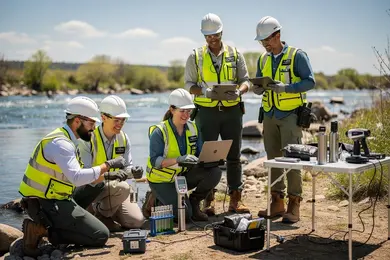
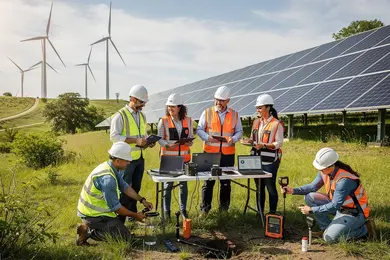
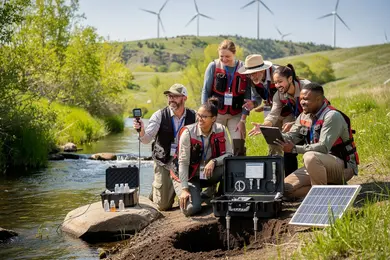
- Online environmental science degrees reduce geographic barriers but often lack essential hands-on lab components, lowering readiness for roles 37% reliant on fieldwork per U.S. Bureau of Labor Statistics, requiring supplemental training.
- Employers in environmental consultancy prioritize candidates with internships and state certifications, with 58% of job postings in 2024 demanding proof of practical experience beyond online coursework, complicating direct entry.
- Program completion times averaging 3-4 years and costs near $30,000 in public online universities create critical timing and financial tradeoffs versus accelerated bootcamps with narrower scopes but faster workforce entry.
What is an online environmental science degree and how does it prepare environmental scientists?
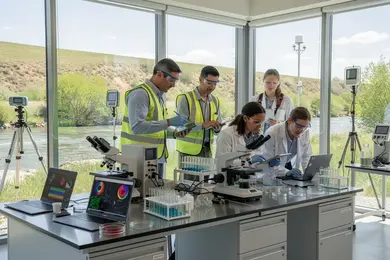
Online environmental science degree programs are designed to equip students with comprehensive knowledge in ecology, chemistry, geology, and data analysis, delivered through remote learning formats that emphasize applied competencies alongside theoretical understanding. These programs integrate virtual labs, GIS software training, and environmental data interpretation to address both scientific principles and digital proficiency.
Graduates face distinct workforce challenges, notably in securing hands-on experience required for many roles. For example, those aiming for EPA consulting positions must independently arrange compliance fieldwork, a logistical complexity absent from traditional campus programs. This gap underscores the importance of evaluating program curricula for practical components and support in remote internship placements to ensure market readiness.
By 2024, U.S. institutions awarded over 10,600 bachelor's degrees in environmental science and related studies, reflecting a 35% rise over ten years, which aligns with growing industry needs. The rise of online environmental science degree benefits working professionals balancing jobs and study, particularly in sectors like urban planning and environmental compliance where immediate application of skills is possible.
Supplementing the degree with certifications in environmental GIS or data analytics enhances employability; prospective students should consider GIS degree programs for this purpose. These focused credentials augment the online learning experience by bridging theory with crucial technical expertise.
How do online environmental science degrees compare to campus programs for credibility and outcomes?
Online environmental science degree credibility compared to campus programs hinges on how well practical skills are developed and demonstrated, not solely on delivery mode. Regionally accredited institutions offering curricula aligned with industry standards ensure equivalence in legitimacy. However, campus programs inherently provide integrated lab work and field exercises, essential for real-world competencies in environmental assessment and compliance monitoring.
Graduates from online formats lacking these applied experiences often face initial underemployment or slower integration within environmental consulting roles, where employers prioritize proven hands-on skills and regulatory familiarity. The career outcomes for online versus campus environmental science degrees diverge significantly when graduates miss experiential components.
Students in online programs must proactively secure internships or local fieldwork and engage deeply with faculty to build networks and mentorship valuable for employer recognition. Developing technical proficiency through supplementary workshops or certifications is also critical.
The U.S. Bureau of Labor Statistics projects 4% growth in environmental scientist positions through 2034, with 8,500 openings annually driven by retirements and occupational shifts, making demonstrated competency and program reputation decisive amid steady competition.
Students choosing an online path should:
- Verify program accreditation and alignment with industry and certification requirements.
- Obtain internships or fieldwork concurrent with coursework.
- Engage actively with faculty and peers for mentorship and networking.
- Supplement technical skills through certifications or workshops.
For working adults, online studies may accelerate progress but demand disciplined planning to develop hands-on abilities campus programs more readily provide. Career outcomes depend largely on selecting programs with robust experiential options and taking personal initiative to close practical training gaps.
Those interested in flexible graduate paths may consider related options like a data science master online, which blends analytical skills increasingly relevant in environmental roles.
What types of online environmental science degrees qualify for environmental scientist roles?
Employers hiring environmental scientists prioritize candidates holding a bachelor's degree or higher from accredited online environmental science programs qualifying for environmental scientist careers, as associate degrees or certificates alone rarely meet the minimum qualification threshold. Robust quantitative skills, proficiency in geographic information systems (GIS), and a foundation in natural sciences are non-negotiable.
For professionals pursuing an online environmental science bachelor's degree for environmental scientist roles, selecting programs with integrated project-based learning and practical GIS training can differentiate candidates in competitive urban planning or environmental consulting markets. While entry-level roles in conservation may accept more generalist degrees, specialized programs embedding fieldwork or internships yield stronger employability returns.
Salary outcomes correlate closely with degree level and applied experience. Environmental scientists earned a median annual wage of $80,060 in May 2024, with the top 10% surpassing $134,000. This wage stratification makes targeted program selection critical. Students looking to augment foundational degrees often pursue complementary certificates in environmental data analysis or hazardous materials management that enhance practical skills but seldom replace degree requirements for full professional roles.
Those considering alternative science paths should note, for example, that some specialized degrees like an exercise science degree online follow different workforce trajectories, underscoring the importance of deliberate educational alignment with career objectives.
Which accreditation and program quality standards should online environmental science degrees meet?
Accredited online environmental science degree programs in the United States must offer more than basic compliance; they should align tightly with employer expectations to ensure graduates can meet immediate workforce demands. Regional accreditation recognized by the U.S. Department of Education is essential but insufficient without programmatic accreditation from bodies like ABET or SETAC, which certify that curricula equip students with vetted technical competencies.
Programs often falter when they neglect hands-on experience, a critical gap in many online offerings. Students aiming at roles in regulatory agencies or consulting firms benefit significantly from training in EPA guidelines, data analytics, GIS mapping, and sustainability project management. Without such practical components, graduates frequently face costly delays acquiring necessary skills on the job.
Employers in expanding sectors-where clean energy jobs grew by 11-12% while qualified candidate numbers lagged-prioritize candidates whose educational pathways reflect current industry realities. Tradeoffs are real: programs emphasizing theoretical knowledge without applied training risk limiting graduates' immediate employability.
Quality standards for online environmental science degrees should also ensure differentiated curricula based on career goals, whether regulatory, fieldwork, or policy-driven. Moreover, strict quality control in assessments and faculty expertise can help maintain program relevance and credit transferability, supporting smoother career pivots.
Students comparing educational paths might also consider related fields such as a library science master's, which can offer alternative routes into environmental information management.
What courses and specializations are typical in online environmental science curricula?
Specialized technical skills and sector alignment heavily influence the practical value of online environmental science degrees. Those targeting regulatory compliance roles must prioritize courses in environmental law and risk assessment, while conservation-focused professionals benefit more from biodiversity and ecosystem services training. Programs often integrate GIS, remote sensing, and statistical modeling, reflecting employer demand for data-driven decision-making.
Students should anticipate tradeoffs between tuition costs, program content, and hands-on experience. For instance, advanced degrees priced between $25,000 and $40,000 correspond to potential salary increases of $15,000 to $35,000 annually, with tuition recouped within 2-3 years. However, internship opportunities and field training critically affect credential value in heavily regulated or technical subfields.
Final projects typically emphasize applied problem-solving, such as environmental audits or compliance documentation, reinforcing workforce readiness. Mid-career professionals pivoting into environmental management should focus on course selections that develop expertise in regulatory frameworks and stakeholder engagement to maximize return on educational investment.
- Core curriculum covers ecology, environmental chemistry, and geospatial analysis
- Specializations include climate change adaptation, environmental health, and renewable energy systems
- Multidisciplinary insight outweighs generalist credentials in hiring preference
Decision-making requires weighing curricular relevance against specific career goals and market demand, particularly given the varied sector-specific priorities from urban planning to corporate sustainability roles.
What are common admission requirements for online environmental science bachelor's and master's programs?
Admission criteria for online environmental science bachelor's and master's programs often differentiate candidates based on prior academic rigor and relevant experience, directly impacting their readiness for workforce demands. Bachelor's admissions usually require a high school diploma with strong foundations in math and sciences like biology and chemistry.
While submission of SAT or ACT scores is commonly optional or waived, consistent academic performance remains a critical filter. Practical experience in sustainability projects can enhance applications but rarely constitutes a firm prerequisite. Master's programs expect a completed undergraduate degree in environmental science or related STEM fields, emphasizing solid transcripts in prerequisite courses.
Professional experience in environmental consulting or regulatory roles significantly influences evaluation, especially at institutions with competitive or research-driven contexts. Letters of recommendation and purpose statements must demonstrate alignment with evolving environmental challenges. Although some still request GRE scores, more programs recognize these tests' limited value for applied environmental roles and waive them accordingly.
The employability rate of over 85% for recent graduates within 15 months indicates heightened employer expectations for applied skills and clear career direction. This trend informs admission preferences for candidates who exhibit adaptable, interdisciplinary competencies rather than purely academic credentials. For working professionals pursuing a career pivot, programs that value prior achievements can reduce redundant coursework and shorten time-to-degree, balancing academic depth with practical advancement.
How long do online environmental science degrees take and what do they cost?
Completing an online environmental science degree demands strategic consideration of time, cost, and practical skill acquisition, which directly affect workforce readiness. Associate degrees typically take around 2 years, while bachelor's range from 3 to 4 years, with part-time or accelerated paths influencing timelines significantly. For working professionals juggling employment and study, extended durations are common due to limited course loads and mandatory internships that ensure job-relevant experience.
Costs vary markedly. Community colleges generally charge about $8,000 for associate degrees, public universities range from $20,000 to $40,000 for in-state bachelor's programs, and private or out-of-state tuition often surpasses $50,000. These figures often exclude fees for essential lab work or specialized geospatial software-crucial tools for climate risk and environmental impact analysis careers.
Market demands stress timely degree completion combined with strong technical proficiency in GIS and climate modeling. Projected market growth in geospatial analytics by 2030-2035 values graduates who can rapidly integrate with AI-driven, smart city initiatives. Delays or insufficient hands-on exposure can erode employability, signaling the importance of programs supporting remote labs and mentor access during the learning process.
Prospective students must weigh:
- Program duration versus immediate entry into a swiftly expanding field
- Tuition costs balanced against potential return on investment through employment gains
- The quality of digital resources and industry connections enhancing skill relevance
Without robust technical grounding, graduates risk underemployment or longer job searches, highlighting the tight coupling between curriculum rigor, delivery modality, and career pathway viability.
What environmental scientist careers can you pursue with an online environmental science degree?
Holding an online environmental science degree can open a variety of specialized career paths, but employment prospects hinge on integrating theoretical knowledge with practical experience. Roles such as environmental consultant require not only interpreting scientific data but also navigating regulatory frameworks like EPA standards, emphasizing the necessity of regulatory familiarity alongside technical skills.
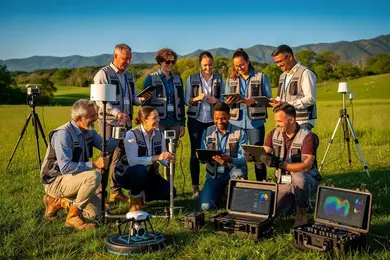
Field-based positions, including habitat restoration or climate research, often mandate verified hands-on experience, which online programs cannot fully provide without supplemented internships or lab work. Students who neglect these elements risk limited career mobility despite academic qualifications. This tradeoff between the flexibility of online study and employer demand for experiential competence is a critical consideration.
Employment areas where online graduates may apply their skills include:
- Environmental compliance officers enforcing policies under the Clean Water Act in government agencies
- Environmental health and safety coordinators managing pollution controls at industrial sites
- Natural resource management specialists with conservation organizations focusing on sustainability
- Environmental data analysts supporting GIS and remote sensing for urban planning projects
Growth in online environmental science enrollment points to increasing competition, highlighting the importance of distinguishing oneself through certifications, unique project work, or niche technical proficiencies. Early career advancements demand proactive navigation of this landscape by acquiring complementary field experiences, otherwise the pathway may stall.
What salary ranges and job outlook can environmental scientists expect in the United States?
Earnings for environmental scientists in the United States range widely, with entry-level positions near $48,000 and seasoned professionals earning up to $110,000 annually. This disparity reflects sector-specific conditions: government roles generally offer more stable but lower wages, while private consulting firms typically pay higher salaries paired with increased project variability. Candidates with technical expertise in geographic information systems (GIS) position themselves favorably.
Projected job growth for environmental scientists is 8% through 2032, surpassing the average for all occupations. Positions focused on GIS and spatial data analysis are growing even faster-around 9% annually through 2028-creating tens of thousands of new openings. This sharp increase demands that prospective students prioritize advanced spatial analytics training, as lacking these competencies limits opportunities in competitive fields such as environmental data science, remediation, and policy analysis.
From a workforce perspective, environmental science programs without substantial GIS integration risk leaving graduates underprepared for current hiring preferences. Students should weigh this when selecting educational pathways, especially if aiming to pivot or advance within the rapidly evolving environmental sector. The labor market favors specialists who combine foundational scientific knowledge with applied technical skills relevant to real-world environmental challenges.
Key takeaways for applicants include:
- Government roles offer stability but often lower wages compared to private consulting.
- GIS proficiency significantly enhances employability and salary potential.
- Specialization in emerging technical domains reduces vulnerability in a competitive job market.
Given these parameters, practical training and workforce integration determine long-term career viability more than traditional academic credentials alone.
How can prospective students choose a reputable online environmental science program for their goals?
Choosing an accredited environmental science program directly affects employability and eligibility for federal aid, especially when targeting governmental roles. For example, a candidate aiming to work at federal or state environmental agencies must verify that the program's accreditation is recognized by entities like the Council for Higher Education Accreditation to avoid disqualification.
Curriculum focus significantly shapes career readiness. Programs that emphasize applied skills-such as GIS mapping, environmental sampling, and data analysis-equip graduates to enter technician roles with starting wages near $49,000, rising to over $64,000 with experience, according to data presented by MSU Billings summarizing U.S. News & World Report. In contrast, programs heavy on theory risk delaying workforce entry for students seeking immediate, hands-on technical positions.
Delivery methods incorporating online labs, internships, or fieldwork partnerships bolster practical skill development necessary for roles in environmental impact assessment and regulatory compliance. Without these elements, even highly ranked degrees may hinder job placement in specialized or technical job markets.
Financial investment should be measured against realistic salary expectations. Because entry-level salaries are modest, students relying on personal funding must weigh tuition costs and aid availability carefully to avoid poor return on investment. Strong career services and active alumni networks further impact job placement rates by connecting graduates with employers in consulting, government, and manufacturing compliance sectors, accelerating workforce entry.
Other Things You Should Know About Environmental Science
Many environmental scientist roles rely on practical lab and field skills that fully online programs can struggle to provide. Programs that incorporate local internships, partnerships with regional labs, or hybrid practicums better prepare students for workforce expectations. When evaluating programs, prioritize those with clear, supervised experiential components, as purely theory-based online degrees may limit your job readiness and weaken your resume compared to candidates with hands-on experience.
Employers often regard hybrid degrees more favorably because these programs demonstrate a candidate's ability to engage in both online learning and face-to-face collaboration. Fully online degrees can be acceptable if earned from accredited institutions but may require additional proof of practical skill development. If your goal is immediate employability, consider programs that embed some in-person labs or field work to align more closely with employer demands.
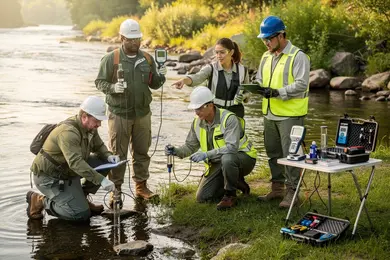
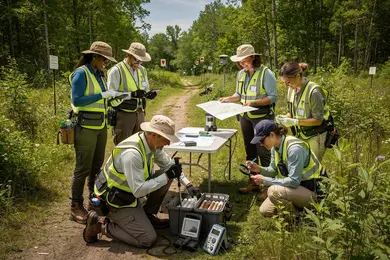
Yes. Many programs require 1–2 field experiences or a capstone with field data collection, usually completed through local approved sites, summer residencies, or supervised research. Some universities also require GPS mapping, sampling, or environmental monitoring labs before graduation.
References
- Online Environmental Science Degrees: Compare Schools https://www.degreesforgood.org/online-degrees/environmental-science/
- How to Become an Environmental Scientist | University of Phoenix https://www.phoenix.edu/articles/environmental-science/how-to-become-an-environmental-scientist.html
- Choosing a bachelor's in environmental science | edX https://www.edx.org/resources/how-to-choose-a-bachelors-in-environmental-science
- Environmental Scientist in Ireland https://www.greenjobs.ie/browse-jobs/environmental-scientist/
- Environmental Scientist https://augstudy.com/careers/environmental-scientist/
- Online Environmental Science Degrees | OnlineColleges.net https://www.onlinecolleges.net/degrees/environmental-science/
- Quality Standards and Accreditation of Distance Education Programs in a Pandemic - OJDLA https://ojdla.com/articles/quality-standards-and-accreditation-of-distance-education-programs-in-a-pandemic
- Strong Programs in Environmental Studies https://toptieradmissions.com/strong-programs-in-environmental-studies/