2027 Best Online Bachelor's in Environmental Science With Practice-Ready Environmental Curricula

Co-Founder and Chief Data Scientist
Environmental professionals increasingly confront the challenge of acquiring practice-ready skills without interrupting careers or relocating, as many urgent projects require immediate impact in policy, conservation, or remediation. The National Center for Education Statistics notes a 19% surge in online bachelor's enrollment since 2022, signaling a shift toward flexible learning suited for working adults balancing complex schedules. This trend reflects both rising demand for accessible credentials and employer expectations for graduates who can apply technical knowledge practically across diverse ecosystems and regulatory landscapes.
This article evaluates the best online bachelor's in environmental science programs that combine real-world training with adaptable structures, guiding students toward strategic choices that align with workforce readiness and career advancement.
Key Things You Should Know
- Online bachelor's in environmental science with practice-focused curricula average 25% lower tuition than traditional programs but typically require 18-24 months of synchronous fieldwork, limiting immediate workforce entry despite cost savings, per NCES 2024 data.
- Employers increasingly demand demonstrated applied skills, with 62% preferring graduates who completed integrated internships or project collaborations, emphasizing experiential learning over theoretical credits, according to a 2024 Environmental Workforce Association survey.
- Programs emphasizing local ecosystem case studies align with regional job markets, reducing placement mismatch by 15%, but narrow specialization may restrict geographic mobility, affecting graduates' career flexibility, evidenced by Department of Labor trends.
What is an online bachelor's in environmental science and who is it best suited for?
An online bachelor's in environmental science programs with practical experience must address a fundamental challenge: balancing flexible, remote learning with the sector's demand for hands-on skills. Students most successful in this pathway are typically self-directed learners juggling professional or personal obligations who can independently secure fieldwork or local lab access. For those aiming to transition or advance into roles such as sustainability consulting, data analysis, or regulatory compliance, program components like real-world case studies, GIS, and laboratory skill building are essential.
Working professionals from related domains-biology, chemistry, or urban planning-find particular value in curricula that integrate community-based projects or collaborations with local agencies, since these bridge theoretical frameworks with practical solutions. For instance, a mid-career public health specialist pivoting to environmental risk assessment benefits from targeted instruction in pollutant impact modeling and environmental policy. Yet, students should anticipate dedicating extra effort to independently completing required field experiences, given the limited centralized lab access in online formats.
Employers prioritize graduates demonstrating proficiency in digital environmental tools and regulatory frameworks, a qualification reflected in the median annual wage of $78,980 for environmental scientists and specialists according to the U.S. Bureau of Labor Statistics. Prospective students should carefully evaluate programs, including their partnerships and experiential learning offerings, to ensure alignment with sector expectations. Among relevant resources, colleges with GIS programs provide useful guidance for integrating geographic information systems skills, vital in many environmental science roles.
In assessing best suited students for online environmental science degrees in the United States, those prepared to navigate the practical constraints of digital learning while leveraging local opportunities will gain the most from this degree path.
How do online environmental science degrees compare to campus-based programs in quality and outcomes?
Online environmental science degree outcomes compared to campus programs often converge significantly when curricula are accredited and anchored in practice-ready content. While several well-regarded online programs integrate virtual labs, GIS software training, and require fieldwork managed via local partnerships, limitations persist around immediate access to advanced lab equipment. Such gaps can postpone proficiency in technical tools vital for environmental consulting or remediation roles, a nuance not always apparent in broad program comparisons.
Employers emphasize applied skills and project experience over whether a degree is earned online or on campus. Graduates holding accredited online environmental science degrees who engage in internships or capstone projects with authentic analysis and problem-solving often match the hiring potential of their campus-educated peers. This quality parity matters as employment for environmental scientists is projected to grow 6% from 2024 to 2034, faster than average.
Quality differences between online and campus environmental science degrees become especially pronounced when considering location flexibility against face-to-face mentorship and networking. Full-time professionals may benefit from online options that allow balancing work with field tasks. However, campus-based programs can accelerate access to government or academic research through immediate onsite interactions.
Students should scrutinize the presence of verified field placements and employer relationships since these directly impact experiential learning quality and technical certification readiness. Without this, online degrees risk weaker preparation for multidisciplinary teamwork common in environmental science careers.
For prospective students evaluating further specialization, options like a masters degree in data science online can complement environmental science studies by enhancing data analysis capabilities increasingly demanded in the field.
How can you verify that an online environmental science program is properly accredited and reputable?
Regional accreditation verified by the U.S. Department of Education or the Council for Higher Education Accreditation (CHEA) remains the only reliable standard for assessing legitimate online environmental science programs. Supplementary national or programmatic accreditations add context but do not substitute for this baseline. Employers and graduate schools habitually favor graduates from regionally accredited institutions, a critical checkpoint often overlooked by prospective students evaluating a library science degree online or environmental science path.
Curriculum quality should be judged by the presence of applied coursework such as Geographic Information Systems (GIS) and data analysis labs-skills essential for workforce readiness in government roles or technical positions. Graduates missing these proficiencies face reduced employability; for instance, the U.S. Bureau of Labor Statistics reported top environmental science specialists earned over $130,760, reflecting market recompense for technical competence. Programs without hands-on components impose a tradeoff of theoretical knowledge over practical skills that could stagnate career progression.
Evaluate faculty qualifications through their active professional engagement and published outcome metrics, including graduate employment rates and average time to completion. Transparency in these metrics correlates with a program's alignment to real workforce demands and reduces the risk of investing in less-effective degrees. In fields bound by state regulations, confirmation of licensure recognition ensures educational credits translate smoothly into certification eligibility.
Leverage independent third-party assessments and student satisfaction data to gauge program reputation beyond marketing narratives. Prospective students should also consider library science degree online research resources for comparative program evaluations within broader academic disciplines.
What practice-ready environmental science curricula and hands-on learning experiences do top programs offer?
Online bachelor's programs targeting environmental science increasingly emphasize practice-ready environmental science curricula in online bachelor's programs, responding to employer demand for candidates with applied technical skills. For instance, the University of Arizona Online's rate of $525 per credit supports access to GIS technology and contamination modeling software-tools essential for spatial mapping and real-world data analysis within regulatory and consulting environments.
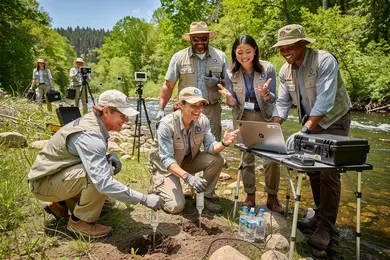
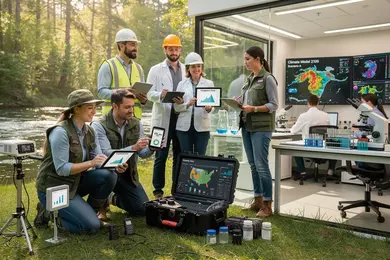
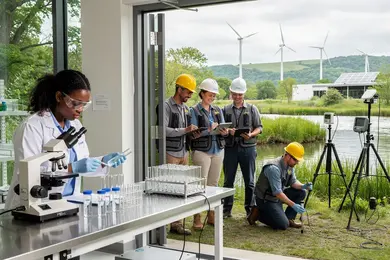
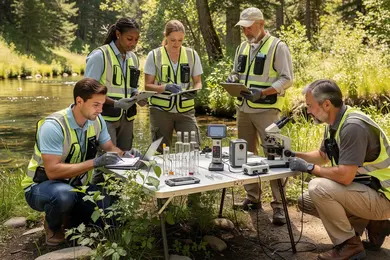
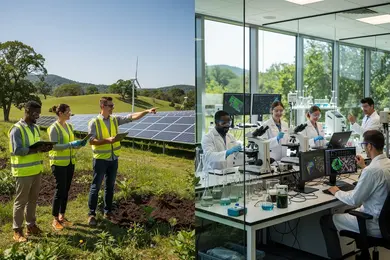
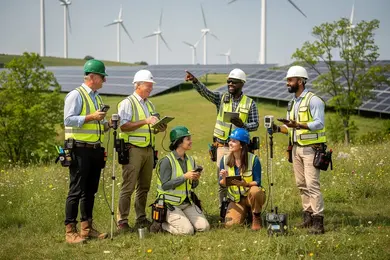
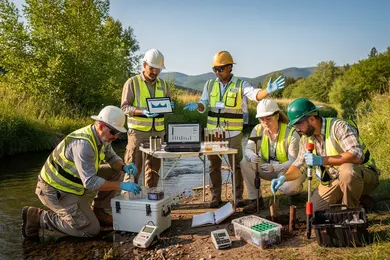
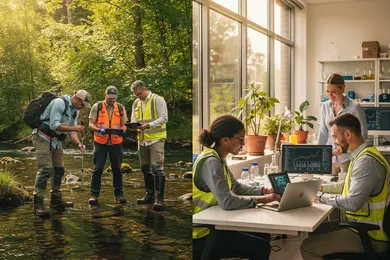
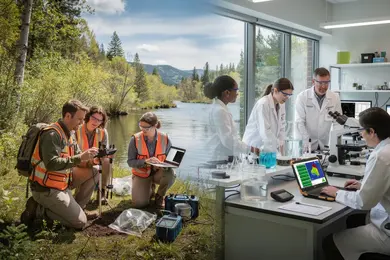
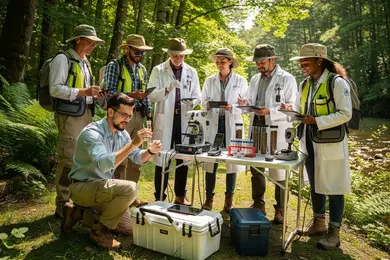
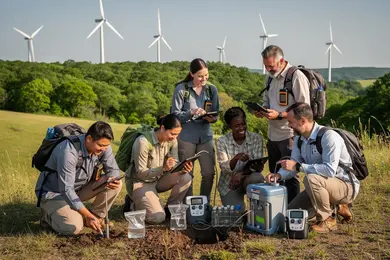
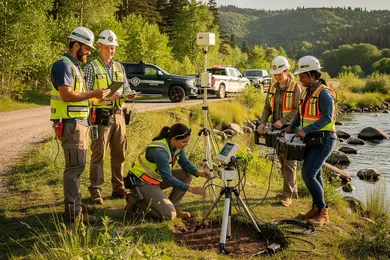
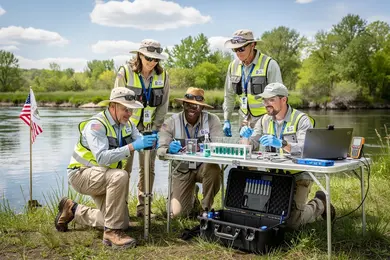
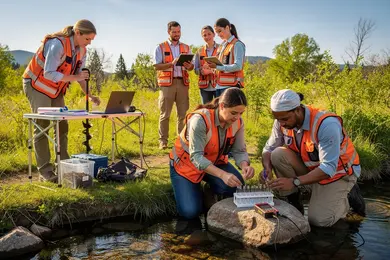
Hands-on learning experiences in environmental science degrees typically extend beyond virtual lectures, involving remote lab kits, virtual field stations, and collaborations with local agencies. These enable students to conduct ecological assessments or water quality tests with professional oversight, developing skills immediately transferable to sectors like agricultural monitoring or urban planning where precise environmental data shapes project approvals.
Career changers must scrutinize programs offering internships or cooperative education, as embedded experience in government or industry settings strongly influences employability. Without this experiential learning, graduates often struggle to meet expectations related to federal environmental compliance and sustainability strategies. Additionally, programs that integrate quantitative skills such as environmental modeling or statistical data analysis better position learners to interpret complex datasets for actionable insights.
Prospective students evaluating environmental science degrees should also benchmark costs and outcomes, considering financially viable options including programs linked to broader offerings such as an MLIS degree online for complementary multidisciplinary skills.
What are the typical admission requirements for online bachelor's programs in environmental science?
Admission to online bachelor's programs in environmental science requires more than just academic credentials; it demands a strategic alignment of prior coursework and professional readiness. Applicants typically need a high school diploma or equivalent with a GPA around 2.5 to 3.0, alongside documented foundational studies in biology, chemistry, and math, which are essential given the discipline's interdisciplinary nature.
Many institutions have shifted away from mandatory standardized tests like the SAT or ACT to ease access for working adults, though competitive programs may still consider these for comprehensive evaluation. Candidates must also articulate their motivation and relevant experience through personal statements, which are critical in reflecting genuine commitment beyond academic metrics.
For professionals changing careers, transfer credits from accredited institutions can accelerate progress and lower tuition expenses, but course equivalency assessments can be a significant hurdle. Additionally, technical proficiency requirements for laboratories and data analysis tools introduce practical barriers that may influence student success and time to completion.
Financially, online environmental science bachelor's degrees averaged $25,910 in tuition during 2020-2021, a substantial investment contingent on post-graduate employability and employer networks. Selecting programs with clear articulation agreements or industry partnerships offers tangible advantages for reducing costs and improving immediate workforce integration.
- Core admission: diploma, minimum GPA, foundational science courses
- Optional standardized testing but personal statements required
- Transfer credits beneficial but require evaluation
- Technical skills essential for lab/data components
- Tuition averages near $26,000 with cost-offset potential
How long does an online environmental science bachelor's degree take, and what does it cost?
Completing an online environmental science bachelor's degree requires careful consideration of time and cost versus career trajectory. Full-time students typically finish in four years, but those transferring credits or enrolling in accelerated terms may reduce this to three. Part-time study-common among working professionals-often extends the timeline to five or six years due to limited course loads. This duration matters because the speed of degree completion directly influences when graduates can access a median annual salary of $67,950, according to U.S. Bureau of Labor Statistics data from May 2024.
Costs fluctuate significantly depending on institution type and residency status. Total tuition plus fees generally range from $40,000 to $80,000, with public in-state rates averaging about $300 per credit hour, while private and out-of-state options often surpass $500. Additional expenses such as lab fees and technology costs add several thousand dollars, which should be factored into budgeting.
Professionals balancing employment with part-time study maintain income continuity but face longer degree completion periods, potentially delaying mid-career salary milestones. Conversely, full-time enrollment can accelerate workforce reentry but may require temporary income sacrifice. Prospective students should also verify program accreditation to ensure credit transferability and employer recognition and explore financial aid, employer tuition benefits, and scholarships to reduce out-of-pocket costs.
What environmental science courses and concentrations can you expect in an online bachelor's program?
Online bachelor's degrees in environmental science demand careful assessment of practical skill delivery, as employer expectations hinge on demonstrated competence in both scientific analysis and regulatory frameworks. Core coursework typically includes ecology, environmental chemistry, geology, and policy, while specialized tracks might address conservation biology, toxicology, or geographic information systems (GIS). However, the critical differentiator is how hands-on experience is integrated, especially for students balancing employment alongside study.
Programs offering mailed lab kits or virtual simulations address common logistical barriers but often provide less depth than traditional labs, potentially limiting readiness for lab-intensive roles such as remediation technician or environmental scientist. For example, Oregon State University's mailed kits enable remote experiment engagement, yet real-world employer feedback suggests that graduates without in-person lab hours may face hurdles in competitive scientific roles.
Data competencies also underpin career viability: courses in statistics and environmental modeling prepare graduates for interpreting complex datasets in applied settings. Concentrations focused on environmental policy and law support pathways into government or compliance roles, where understanding regulatory frameworks is paramount.
Graduates targeting GIS or sustainability roles should prioritize programs that emphasize technical proficiency aligned with industry standards, given the operational impact these skills have in urban planning or energy sectors. Ultimately, the choice between flexible virtual labs and comprehensive hands-on training represents a tradeoff affecting employability and practical readiness in workforce niches.
What careers can you pursue with an online bachelor's in environmental science?
Graduates with an online bachelor's in environmental science enter a labor market where technical proficiency and regulatory knowledge are prerequisites but not guarantees of employment. For instance, state environmental agencies hire compliance officers who must interpret pollution data to prevent violations and mitigate public health risks, an operational reality that demands both data acumen and legal awareness.
Environmental consultants typically balance scientific rigor with client communication, managing impact assessments while translating findings for non-technical stakeholders. This dual demand often necessitates coursework focused on project management and report writing, reflecting employer expectations for immediate workplace readiness.
Careers in natural resource management emphasize applied GIS and collaborative stakeholder engagement, which requires interdisciplinary coordination far beyond textbook theory. Practitioners' success depends on understanding ecosystem dynamics alongside policy and social factors affecting conservation efforts.
Enrollment growth of 1.2% in undergraduate environmental science indicates expanding interest, yet competition remains stiff for niche roles. Enhancements such as internships or certifications in environmental health, hazardous waste, or renewable energy sectors serve as critical differentiators.
- Advancement in fields like environmental education and sustainable urban planning often calls for graduate education.
- Pivoting careers may involve developing data analytics or policy advocacy skills tailored to specific local environmental challenges.
This pragmatic approach highlights that while an online bachelor's offers foundational skills, students must strategically supplement education with practical experience or further credentials to navigate a complex, evolving job market.
What is the salary potential and job outlook for environmental science graduates in the U.S.?
Graduates in environmental science can expect significant variance in salary and job stability based on sector and specialization. Entry-level roles in government or nonprofits start near $50,000 annually, reflecting stable but slower salary growth, while consulting positions often exceed $100,000 but involve irregular hours and frequent travel. Data analysis and GIS expertise consistently command higher pay due to limited candidate pools and increasing demand for technical proficiency in corporate sustainability and compliance.
The field projects 8% growth over the next decade, outpacing average occupational expansion, fueled by stronger regulatory mandates and corporate environmental accountability pressures. Online bachelor's programs, typically completed in four years, provide a practical path for timely workforce entry; however, graduates needing elevated earning potential should plan for additional certifications like Certified Environmental Scientist, which require further study and professional experience.
Prospective students should weigh tradeoffs of job security versus income volatility across sectors and prioritize gaining technical skills linked to well-funded areas such as renewable energy. Practical internships and networking with industry-specific associations improve access to competitive roles that balance compensation with stability more effectively.
This strategic approach aligns with U.S. Bureau of Labor Statistics (BLS) 2024 data, emphasizing that optimizing technical competencies and certifications substantially influence long-term career trajectory within environmental science.
Are licenses, certifications, or professional credentials needed for environmental science roles?
Licensing and professional certifications serve as critical gatekeepers in environmental science careers, often determining access to specialized roles and higher compensation. For example, hazardous waste management consultants must hold state-level hazardous waste operator licenses to comply with regulatory frameworks, while environmental health and safety roles typically require Certified Industrial Hygienist (CIH) or Certified Safety Professional (CSP) credentials. Conversely, research and policy analyst positions rely more heavily on advanced degrees and relevant experience than formal certifications.
Employers value credentials that verify proficiency in regulatory compliance and technical standards. Holding certifications such as Board Certified Environmental Engineer (BCEE) or Professional Geologist (PG) can be decisive for roles in environmental site assessment or remediation projects, especially within government contracts. Candidates without these qualifications often face limitations to entry-level or support functions, restricting career progression and salary potential.
Certification processes routinely demand documented field experience and successful completion of standardized exams, a significant hurdle for professionals pivoting into environmental science without prior exposure. Academic pathways requiring upper-level coursework, like those offered by Unity Environmental University's bachelor's in environmental science program, can align graduates with industry expectations and better position them for credentialing.
- Licensing impacts eligibility for federal jobs and regulated sector leadership roles.
- Absence of certification constrains job options and impedes advancement.
- Credentialing demands experience and exam passage, posing challenges for career changers.
Other Things You Should Know About Environmental Science
Online environmental science degrees vary widely in workload intensity and pacing. Programs with accelerated timelines or intensive lab courses can strain students who work full time, often requiring clear time management and sacrifices outside employment. When balancing work, select programs with flexible pacing options and avoid those stacking multiple lab-based or field-intensive courses in a single term to prevent burnout and ensure consistent academic performance.
Employer perception hinges less on online delivery and more on program accreditation, curriculum rigor, and graduate skillsets. Graduates from accredited, practice-oriented online programs with recognized industry-aligned projects perform similarly in job placement to traditional cohorts. Focus on programs offering applied skills, including data analysis and environmental policy, since employers prioritize capability over mode of instruction.
Many online environmental science bachelor's programs require a supervised field or lab component, usually 1 to 3 credits, completed in person at an approved site. Some also require a capstone or practicum in the final year, often tied to local environmental data collection or site assessment.
References
- Online Environmental Science Degrees: Compare Schools https://www.degreesforgood.org/online-degrees/environmental-science/
- Environmental Certifications for entry-level and career changers https://www.theenvironmentalcareercoach.com/certification-links
- Join-Board Certified Environmental Scientist https://www.aaees.org/bces
- Inspiring Action, Efficacy, and Connection: Weaving Sustainability into Environmental Science Curriculum through a Connected Learning Model https://www.susted.com/wordpress/content/inspiring-action-efficacy-and-connection-weaving-sustainability-into-environmental-science-curriculum-through-a-connected-learning-model_2020_12/
- CES - Certified Environmental Scientist https://www.nrep.org/certifications/certified-environmental-scientist-ces
- BA in Environmental Studies Online | Naropa University https://www.naropa.edu/programs/undergraduate-academics/environmental-studies-online-degree/
- Certification Guide for Young Professionals - Board for Global EHS Credentialing https://gobgc.org/professional-environmental-certifications-professionals/
- REP Certification: Registered Environmental Professional Guide https://ehscareers.com/employer-blog/rep-certification-registered-environmental-professional-guide/
- Online Environmental Science Degree | BS Environmental Science | University of Phoenix https://www.phoenix.edu/online-liberal-arts-degrees/environmental-science-bachelors-degree.html