2027 Environmental Science Specializations That Build the Most Transferable Field Skills

Co-Founder and Chief Data Scientist
Environmental science students and professionals frequently confront evolving job market demands that require broad yet adaptable skill sets. With over 45% of postsecondary learners now balancing part-time study with full-time work, according to the National Center for Education Statistics, the flexibility to shift between technical specializations can define career trajectory.
Employers increasingly prize candidates able to navigate interdisciplinary tools and rapidly emerging challenges such as climate resilience or resource management. Choosing a specialization that builds transferable skills maximizes agility across sectors, mitigates risks from industry fluctuations, and speeds advancement.
This article examines environmental science specializations that equip students with versatile competencies, facilitating strategic career moves and long-term professional resilience.
Key Things You Should Know
- Specializing in remote sensing and GIS analytics improves adaptability as 67% of employers in the EPA's 2024 workforce survey prioritize spatial data fluency, yet requires steep upskilling that delays market entry by 6-12 months.
- Environmental policy and regulatory compliance skills align with a 14% annual job growth reported by the Bureau of Labor Statistics but limit versatility to government and consultancy roles, reducing cross-sector mobility.
- Ecohydrology and climate modeling expertise command median salaries 22% above field averages per National Science Foundation data, though high technical barriers increase educational costs by approximately 30%, impacting affordability.
What environmental science specializations build the most transferable field skills?
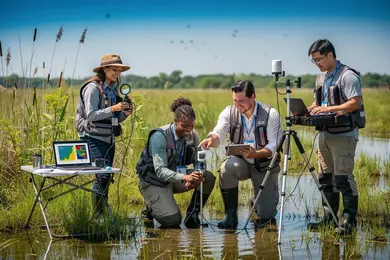
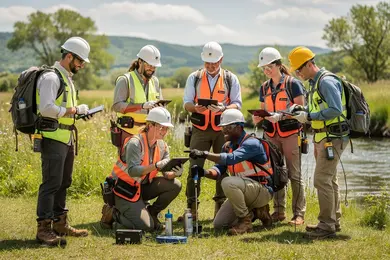
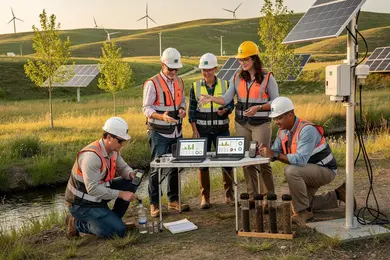
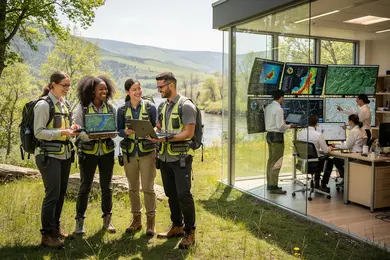
Specializations emphasizing climate and atmospheric field methods produce the most transferable field skills by focusing on real-time data collection, environmental monitoring, and handling complex instrumentation. These competencies serve as a foundation across government, industry, and research institutions, supporting roles such as urban air quality assessment and disaster response planning.
This makes them among the top environmental science specializations for versatile career skills by contrast with narrower fields like soil science or marine ecology, which often require specialized certifications or access to unique field sites, limiting cross-sector mobility.
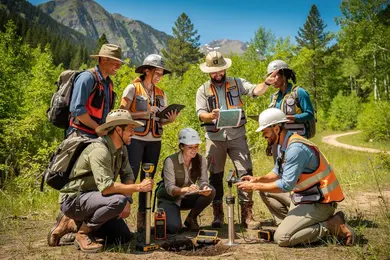
Employers seek candidates proficient in crafting and implementing field protocols under variable conditions, a core strength in atmospheric science training. Essential skills include calibrating advanced sensors, managing large datasets to identify environmental trends, and interpreting meteorological data—functions valuable to sectors from energy production to federal environmental regulation enforcement.
Workforce trends show atmospheric and space scientists command a median annual wage of $98,580, reflecting demand for these broadly applicable skills. However, pursuing these environmental science specializations with the highest transferable field skills involves challenges such as mastering high-tech tools and operating in extreme environments.
Students develop a robust skill set recognized across multiple industries, minimizing retraining time when switching roles. This contrasts with specializations more reliant on laboratory work, which typically have less immediate applicability beyond academic or research contexts.
Those seeking flexible career pathways in environmental science might consider exploring environmental engineering degrees online as a complementary or alternative option to expand practical and technical proficiencies.
How do accredited environmental science programs differ online and on campus?
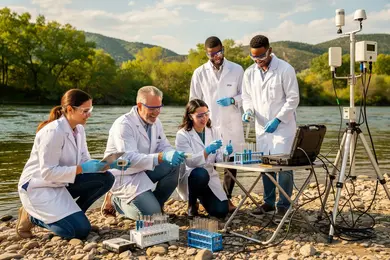
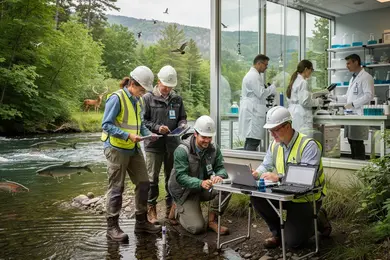
The decisive factor separating accredited environmental science online vs campus programs lies in the delivery of practical, hands-on training essential for workforce readiness. On-campus degrees consistently embed fieldwork and laboratory experiences, such as soil analysis, water sampling, and operation of specialized instruments, that align with industry demands.
This direct exposure is particularly relevant for hydrology and aquatic ecosystem monitoring roles, where understanding physical environments is critical. For example, with hydrologist employment expected to rise 5% from 2022 to 2032 and roughly 600 annual openings, graduates lacking field competencies risk diminished employability.
Differences between online and on campus environmental science degrees become apparent when considering how online learners access practical experiences. Virtual simulations or local fieldwork arrangements vary markedly in quality and availability, and remote students often face logistical hurdles securing sufficient supervised training. Online programs require students, especially career changers pursuing flexibility, to proactively pursue internships or partnerships to gain meaningful hands-on exposure.
Employers in areas like water resource management and environmental consulting prioritize applicants with documented field skills verified through in-person activities and access to modern analytical tools.
Therefore, prospective students evaluating accredited environmental science online vs campus programs should verify that online curricula include structured, accountable in-person components. Without these, graduates may lack the experiential knowledge essential to meet evolving technical standards.
Balancing convenience with skill acquisition demands careful assessment; choosing an environmental science program affects readiness for technically demanding roles in a workforce emphasizing practical field expertise. Professionals considering related fields might also benefit from exploring programs in other disciplines, such as masters in data science online, expanding their quantitative skill set.
What should you look for in an environmental science degree program?
Degree programs in environmental science that prioritize transferable skills in environmental science programs heavily influence employability by integrating hands-on training in conservation biology, wildlife techniques, and GIS mapping.
For instance, U.S. wildlife biologists earned a median wage of $70,460 in May 2024, with top earners exceeding $118,120, demonstrating how applied competencies directly affect income potential. Programs lacking practical skill development often produce graduates less competitive in a job market favoring field-ready expertise.
Integrated internships or cooperative education arrangements serve as decisive factors linking academic knowledge with workforce demands. Training in regulatory compliance and impact assessment is increasingly vital for roles in environmental policy and industrial site management, reflecting employer preferences for measurable competencies over purely theoretical understanding. Students evaluating environmental science degrees should consider these partnerships carefully.
Balancing quantitative methods with ecological field skills shapes career trajectories, especially for those targeting urban environmental planning or climate resilience. Proficiency in statistics, modeling tools, and remote sensing increasingly complements traditional biology, signaling a shift in key competencies for environmental science degrees toward multidisciplinary fluency.
Graduate outcomes data-employment rates, wage levels, and sector placement-offer the clearest evidence of program-market alignment. Avoid programs with weak external engagement or overemphasis on theoretical study at the expense of practical application. For those seeking a strategic pivot, programs similar in rigor and structure to an online nutritionist degree provide an example of balancing workforce readiness with academic content.
Which environmental science courses develop field-ready technical skills?
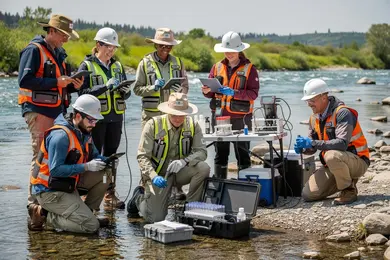
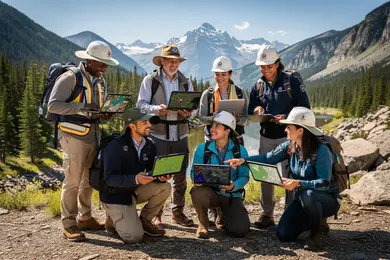
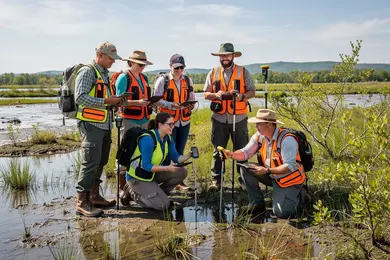
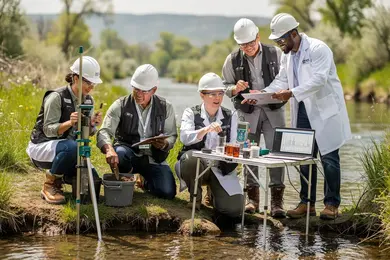
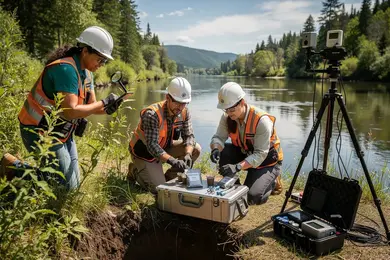
Technical skill development in environmental science fieldwork hinges on hands-on training with Environmental Geology and Soil/Water Sampling, giving students experience with GPS mapping, soil augers, sediment corers, and water quality testing kits. These tools are essential for roles requiring field-based environmental science courses with practical skills training, as they replicate conditions found in contaminated site assessments and groundwater monitoring projects where data precision and adherence to safety protocols are non-negotiable.
The U.S. Bureau of Labor Statistics projects a 5% job growth for geoscientists from 2022 to 2032, with a median wage near $91,000, illustrating employer demand for these applied competencies.
Integrating GIS coursework with field data capture adds critical skills in spatial analysis and environmental modeling, useful in urban planning or natural resource management. However, access to quality field sites varies greatly among programs, which can limit practical exposure, a key consideration when selecting a course. Effective partnerships with external field sites enhance learning outcomes and improve employer confidence in graduates.
For professionals pivoting careers, the balance between classroom theory and immersive field deployment has direct implications on employability and job readiness. Students should weigh time and resource commitments against tangible skill acquisition, especially since some programs offer less consistent access to soil and water sampling stations.
Choosing courses emphasizing applied field experiences better positions graduates in an increasingly competitive environmental science labor market. Those interested in cross-disciplinary transitions may also consider a master of library science to complement environmental data management expertise.
What hands-on experiences matter most in environmental science training?
Labor market data reveals a significant gap between the demand for environmental data skills and worker proficiency. Job postings requiring expertise in environmental data analysis and remote sensing rose 22.4% between 2022 and 2023, yet only about 12.3% of candidates demonstrate these competencies. This mismatch makes hands-on training in GIS software, satellite imagery interpretation, and statistical programming essential for graduates to be operationally relevant.
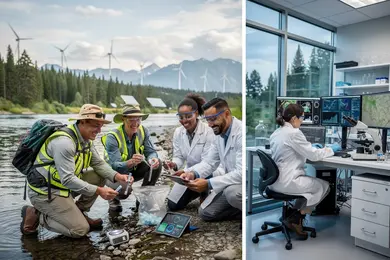
For example, practical exposure to real-time environmental monitoring, such as calibrating sensors to detect non-point source pollution in water management, bridges classroom concepts with employer expectations. Similarly, applying spatial data analysis in urban heat island assessment develops immediately transferable skills valued across sectors.
Employers expect graduates to navigate large environmental datasets, collaborate across sectors, and comply with regulatory frameworks while balancing field data collection and analytical duties. Students relying solely on theory risk underpreparedness for fast-moving, technology-driven roles in renewable energy, conservation, or government agencies.
Effective training programs integrate field deployment with data science modules, optimizing students' readiness for complex, multitasking positions. Prioritizing internships or co-ops that offer direct environmental data management experience can be a differentiator in a market where practical competence outweighs academic credentials alone.
What admissions requirements are common for environmental science programs?
Admission to environmental science programs involves more than just academic metrics; candidates must navigate a blend of practical and strategic requirements that influence both acceptance and career outcomes.
Mastery in biology, chemistry, physics, and math is foundational, demonstrated typically through high school coursework with strong grades. Some programs remain reticent about standardized tests, shifting toward optional policies, which demands applicants verify submission expectations upfront.
The application's qualitative elements, particularly the personal statement, offer insights into an applicant's motivation and alignment with realistic environmental roles, revealing whether they possess relevant field experience or clearly defined career objectives.
Work experience or volunteer involvement in environmental health, field sampling, or data analysis significantly enhances competitiveness. This is important since environmental scientists earn a median wage of $80,060 with an anticipated 8,500 job openings annually through 2034, underscoring the value employers place on applied skills alongside academic credentials.
Applicants must also manage logistical challenges like meeting prerequisite deadlines, securing recommendation letters emphasizing analytical and collaboration capabilities, and accurately navigating application portals. For working professionals aiming to pivot, programs with flexible schedules require a balance of time management and relevant experience to manage concurrent work and study demands effectively.
How long does an environmental science degree usually take?
Completing an environmental science degree within four years aligns closely with industry demands for candidates equipped with up-to-date skills and regulatory awareness. Graduates who extend beyond this period risk entering a job market where foundational methodologies and compliance frameworks have evolved, possibly diminishing their immediate employability.
For instance, a professional pivoting into sustainability assessments while studying part-time might face a five- to six-year timeline, which could delay access to green-skill-intensive roles that grew by 22.4% in postings year-over-year, according to LinkedIn data summarized by the Institution of Environmental Sciences.
Key factors influencing time-to-degree include balancing fieldwork, internships, and lab requirements, which dictate course sequencing and availability. Programs integrating experiential learning reduce the gap between graduation and workforce readiness by fostering practical competencies alongside theoretical knowledge.
Students changing majors or returning after breaks should critically evaluate transfer credits and develop a realistic four-year completion plan augmented by applied projects to avoid unnecessarily extended timelines. This strategic approach mitigates risks associated with outdated academic exposure and aligns graduates more accurately with labor market expectations offering career entry in environmental consulting or governmental fields.
What careers do transferable environmental science skills support?
Graduates holding environmental science degrees often face a pivotal decision between broad skill acquisition and targeted specialization, with nearly one-third in the UK occupying roles as environment, conservation, or health and safety professionals. Success in these roles requires more than foundational expertise. Employers demand a blend of technical skills, regulatory knowledge, and real-world project management experience.
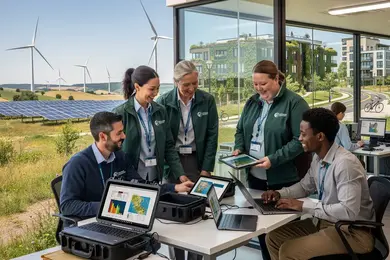
For example, proficiency in geographic information systems (GIS) enables fluid transitions, from conservation biology to urban planning or environmental impact assessment, highlighting the advantage of transferable field competencies. However, pursuing corporate sustainability often necessitates adapting skills toward interpreting environmental policies and mastering corporate reporting frameworks, a shift that can pose challenges for graduates more accustomed to hands-on fieldwork.
Tradeoffs persist between versatility and sector-specific depth. Understanding contaminated land assessment unlocks environmental remediation roles, whereas natural resource economics aligns with sustainable development planning. Such distinctions directly influence employability and salary trajectories.
Prospective students must weigh workforce demands pragmatically. Maintaining relevance also demands ongoing training in data analytics and updated regulations, as employers increasingly prioritize candidates who demonstrate measurable project outcomes and compliance adherence over theoretical knowledge alone.
What salaries can environmental science graduates expect?
Starting salaries in environmental science vary sharply based on specialization, geographic location, and sector, creating distinct earning trajectories early in graduates' careers. For example, environmental engineers earned a median annual wage of $100,270, reflecting the premium on technical certifications and skills demanded by industries such as infrastructure, renewable energy, and pollution control.
In contrast, typical entry-level roles centered on environmental compliance or fieldwork begin between $45,000 and $65,000, often requiring proficiency in Geographic Information Systems (GIS) and regulatory knowledge but offering slower salary growth.
Professionals merging environmental science with engineering or instrumentation frequently exceed $80,000 early on, benefiting from transferable skills that facilitate movement into project management and related leadership roles. By comparison, those without these technical qualifications may encounter limited advancement and plateau in compliance or reporting-focused positions.
Employers increasingly value candidates capable of applying cross-disciplinary methods to solve environmental challenges, making hands-on experience critical. Geographic mobility also influences compensation, as urban and industrial hubs provide higher wages but demand relocation or commute trade-offs.
Which certifications help environmental science graduates advance?
Credentials like Certified Environmental Professional (CEP) and Leadership in Energy and Environmental Design (LEED) distinctly influence employer decisions in fields requiring regulatory adherence and sustainable design expertise.
For instance, consulting firms managing remediation projects heavily rely on CEP certification due to its direct impact on navigating federal and state environmental statutes. Failure to comply can delay project approvals and inflate costs.
Certification choices should align tightly with career targets rather than broad appeal. While LEED holds tangible value in sustainable construction and green building sectors, its relevance diminishes in roles centered on ecological fieldwork or environmental health and safety, where hands-on qualifications like HAZWOPER often weigh more.
In wildlife conservation, the Certified Wildlife Biologist (CWB) credential functions as a recognized benchmark for skills that federal agencies prioritize, influencing hiring outcomes and potential salary increments typically exceeding 10%.
Conversely, environmental education careers, anchored by certifications such as Certified Environmental Educator (CEE), offer salaries competitive with secondary educators, usually around $51,000 annually, reflecting the niche's blend of communication and science competence within nonprofit or governmental contexts.
Other Things You Should Know About Environmental Science Degrees
Choosing a specialized track usually enhances skill depth but narrows career flexibility, while a broad focus fosters adaptability across industries. Employers in environmental consulting or regulatory agencies often value specialization for technical roles but expect broad knowledge for policy or management positions. For faster entry and versatile career paths, prioritize programs that combine specialization with interdisciplinary coursework to balance immediate employability with long-term growth.
While math and data analysis underpin many environmental science roles, students can still develop transferable skills in communication, project management, and regulatory compliance. However, limited quantitative proficiency restricts access to technical positions involving modeling or environmental data interpretation. Prioritize strengthening at least foundational data skills through targeted coursework or workshops to maintain competitive advantages across most employer expectations.
Geospatial environmental analysis usually gives the strongest GIS and remote sensing training, because it teaches ArcGIS or QGIS, GPS data collection, map interpretation, and image analysis. Many programs require 6 to 12 field or lab credits plus a capstone project using satellite data, which employers value in consulting, conservation, and planning.
References
- Bachelor of Science in Environmental Science | Royal Roads University https://www.royalroads.ca/programs/bachelor-science-environmental-science
- Online Environmental Graduate Programs: Are They Right for You? https://www.cjbnetwork.com/articles/online-environmental-graduate-programsare-they-right-for-you
- What Can You Do With an Environmental Science Degree? https://willamette.edu/academics/college/environmental-science/career-options
- Environmental Certifications for entry-level and career changers https://www.theenvironmentalcareercoach.com/certification-links
- What Certifications are most Valuable for Environmental Science Graduates? https://www.nrep.org/blog/certifications-environmental-science-graduate
- Certification Guide for Young Professionals - Board for Global EHS Credentialing https://gobgc.org/professional-environmental-certifications-professionals/
- 5 Powerful Skills That Make Switching to a Green Career Surprisingly Easy https://www.jobsinecology.co.uk/resources/blog/2025/08/5-powerful-skills-that-make-switching-to-a-green-career-surprisingly-easy/
- How to Get Into a Career in Environmental Sciences - Association of Learning https://associationoflearning.com/blog/how-to-get-into-a-career-in-environmental-sciences/