2027 Online Environmental Science Degrees for Conservation Roles

Co-Founder and Chief Data Scientist
Professionals seeking to enter or advance in conservation roles frequently encounter the challenge of balancing rigorous field demands with the need for timely, flexible credentials. Traditional on-campus programs often clash with full-time work or familial obligations, delaying career transitions by years. Recent data from the National Center for Education Statistics reveals a 20% surge in online bachelor's enrollments within environmental programs since 2022, signaling shifting learner preferences driven by accessibility and workload management.
This trend indicates not only growing acceptance of online formats but also the critical need for strategic program selection aligned with occupational competencies and employer requirements. This article evaluates online environmental science degrees tailored for conservation careers, focusing on practical outcomes, admission flexibility, and workforce alignment to guide informed educational choices.
Key Things You Should Know
- Online environmental science degrees often reduce costs by 25-40% compared to on-campus options, per the National Center for Education Statistics, but extended completion timelines increase opportunity costs, challenging career pivot speed.
- EPA data shows 32% of conservation employers prefer candidates with fieldwork experience, pressuring online students to secure external internships to match hybrid program competencies for competitive hiring.
- Bureau of Labor Statistics projects 8% growth in environmental roles through 2032, yet saturation in entry-level jobs raises employer preference for candidates with specialized, accredited online credentials tied to conservation.
What is an online environmental science degree for conservation careers?
Online environmental science degree programs for conservation careers offer crucial scientific foundations and sector-specific skills, but prospective students face tangible tradeoffs between academic knowledge and field expertise. While such programs provide instruction in ecology, hydrology, GIS, and applied conservation techniques through distance learning environmental science degrees focused on conservation, they often necessitate local internships or supervised fieldwork arranged independently.
This practical requirement can restrict access for students without nearby field sites or professional networks. This constraint makes program flexibility-especially in practicum options-and employer connections essential factors for securing relevant experience that employers value.
Candidates who can navigate these demands enhance their ability to assess ecosystems, monitor biodiversity, and implement sustainable practices across government, nonprofit, and consulting environments. Salary data from the Bureau of Labor Statistics, as referenced by Texas State University Online, indicate that environmental scientists and specialists earn a median annual income of $80,060, with top professionals exceeding $134,000.
This wage distribution signals the premium placed on advanced analytical skills and conservation specialization, the very focus of many online programs. Those weighing an online environmental science degree must consider career-entry versus advancement implications. Committing to an accredited, research-driven degree with verified career support substantially improves job market outcomes. For a practical comparison of affordability and program structure, see the online environmental engineering degree listings that illustrate varying tuition models applicable to related fields.
How do you choose an accredited online environmental science program?
Selecting accredited online environmental science programs in the US demands rigorous validation of recognized accreditation, ensuring both academic quality and federal financial aid eligibility. For candidates targeting conservation careers, programs must embed applied competencies like GIS mapping, environmental impact assessment, and policy analysis relevant to current workforce expectations.
The distinction between coursework-heavy curricula and those incorporating meaningful fieldwork or lab components often dictates job readiness; purely asynchronous programs without hands-on elements may hinder skill development crucial for conservation roles. Programs connected to established conservation employers, such as government agencies or nonprofit organizations, offer internships or capstone experiences that translate directly into practical skills.
A graduate considering such programs should examine graduation rates, alumni outcomes, and job placement success, especially as environmental scientist and specialist roles are projected to grow 7% through 2033. Robust alumni networks within governmental or consulting sectors can significantly enhance career mobility.
Working professionals evaluating the best online environmental science degrees for conservation careers must weigh scheduling flexibility. Programs requiring synchronous attendance without accommodating work commitments present barriers to those pivoting careers.
Additionally, transparent policies on prerequisite coursework and credit transfers impact ease of transition from unrelated fields. For those comparing costs and value in graduate education, exploring programs alongside data like the online ms data science offers perspective on affordability and outcomes across related disciplines.
What conservation jobs can an environmental science degree lead to?
Environmental science degree careers in conservation vary significantly by role and employer expectations, influencing both job function and necessary skills. Wildlife biologists often require expertise in fieldwork and regulatory compliance, while environmental consultants focus on impact assessments and client engagement.
Conservation scientists tend to emphasize sustainable land use and enforcing environmental regulations. Federal agencies such as the U.S. Fish and Wildlife Service prioritize competencies like GIS mapping, environmental impact evaluation, and data interpretation.
Candidates pursuing conservation job opportunities with an environmental science degree should ensure their online program integrates practical experience-such as internships or lab work-to meet employer demands beyond theoretical knowledge.
The tuition cost of online environmental science degrees, like the Southern New Hampshire University's fully online BS program at $31,860 before transfer credits, requires candidates to carefully evaluate financial return. Entry-level conservation roles typically start at around $40,000 annually, suggesting the importance of balancing educational expense with job market realism.
Regional differences also affect opportunities; conservation positions in states with diverse ecosystems favor specialization in local flora, fauna, or water resource management. Building networks with regional organizations and obtaining relevant credentials, such as Certified Wildlife Biologist or GIS Professional, enhances employability and career sustainability.
For professionals comparing pathways, considering related fields can add strategic value. For example, exploring a nutritional science degree online may open interdisciplinary roles in environmental health and sustainability sectors.
How does online study compare with campus-based environmental science degrees?
Selecting online environmental science degrees versus campus programs hinges on tradeoffs in practical experience and networking critical to conservation jobs. Campus offerings integrate hands-on fieldwork and lab exposure essential for skill sets like GIS mapping and ecological surveying, which employers in conservation prioritize.
Without structured field components, online formats risk graduates lacking applied competencies required for direct ecosystem management roles. However, the benefits of studying environmental science conservation online include increased accessibility and specialization in quantitative skills tailored for data-centric careers.
Professionals balancing jobs or remote locations can pursue advanced proficiency in statistics, modeling, and remote sensing-high-demand areas correlated with a national median salary of $104,350 for environmental scientists with statistical expertise. This aligns with market realities favoring candidates comfortable with complex data analysis over purely field-based knowledge.
Key challenges for online learners relate to diminished peer collaboration and limited access to local internships, necessitating proactive virtual networking or regional partnerships to gain mentorship and experiential learning. Conversely, campus programs capitalize on proximity to faculty and informal exchange, aiding work on nuanced conservation efforts like species restoration projects.
Prospective students should weigh career goals carefully: data-intensive or policy-oriented pathways often suit online degrees, while those targeting direct ecological management benefit from campus immersion. Considering the cost of computer science degree analysis may also provide insight into expenses and return on investment when comparing modalities.
What courses are included in an environmental science curriculum?
Environmental science curricula demand a precise balance between multidisciplinary knowledge and practical skill application to align with labor market needs. Core courses in ecology, environmental chemistry, geology, and atmospheric science provide foundational expertise, but graduates must also master quantitative tools such as statistics and Geographic Information Systems (GIS) to adequately support data-driven environmental decision-making.
This technical proficiency is critical when performing tasks like pollution assessment or habitat restoration. Applied conservation skills are embedded through specialized classes in wildlife management, environmental policy, and natural resource economics, preparing students to navigate the regulatory complexities and economic realities typical in government or consulting roles.
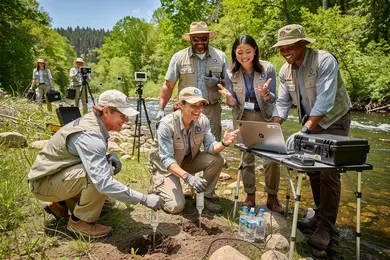
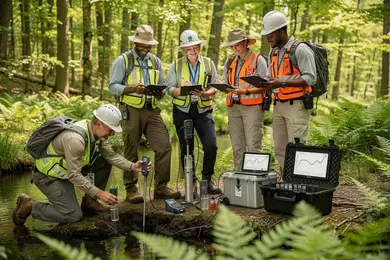
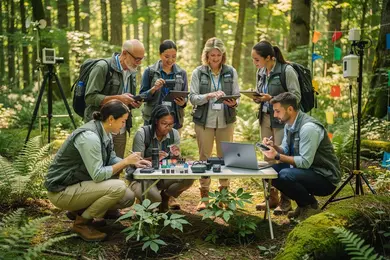
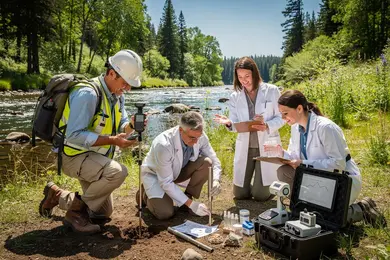
For example, a consulting ecologist assessing endangered species habitat must integrate biological understanding with relevant legal frameworks to ensure compliance - a practical challenge these curricula address. Hands-on laboratory and field training are indispensable, fostering competencies in sample collection, environmental monitoring, and instrument use, which are non-negotiable for site evaluations or regulatory compliance work.
Professional development in scientific communication and project management enhances graduates' capacity to engage multidisciplinary teams and negotiate stakeholder interests effectively. Given that online students face significant pressure balancing coursework with internships or fieldwork, it's notable that about 68% of environmental science graduates find related employment within three years, reflecting strong employer alignment despite these challenges. Real-world readiness and ability to adapt remain decisive factors in leveraging environmental science education toward sustainable career outcomes.
What admission requirements do online environmental science programs ask for?
Admission to online environmental science programs demands more than general qualifications; they reflect stringent expectations tied to program rigor and career readiness. Bachelor's level entry requires a high school diploma or equivalent, but graduate applicants face heightened scrutiny.
A completed undergraduate degree in environmental science or a closely related discipline is essential, alongside relevant professional experience in fields such as biology, chemistry, or environmental policy. Letters of recommendation and personal statements play a decisive role, especially for candidates transitioning mid-career-like urban planners shifting toward environmental roles-where demonstrated background influences admission decisions.
Applicants lacking prerequisite coursework must plan for potential foundational classes that extend time and cost before formal acceptance, a practical tradeoff often overlooked. Additionally, some programs mandate proof of access to field sites for hands-on components, posing logistical challenges for students in densely urbanized or remote locations.
Financial considerations require balancing upfront tuition against long-term salaries. Data from Texas State University Online via Indeed reports the average environmental scientist salary at $73,919 as of October 2025, but this median masks the investment needed for extended study due to prerequisites or bridging requirements.
How long does an online environmental science degree usually take?
Completion times for an online environmental science degree vary widely, typically ranging from 2 to 4 years based on degree level and enrollment status. For example, associate degrees often require about 2 years of full-time study and primarily serve as entry points or transfer credits toward a bachelor's degree.
In contrast, most conservation-related roles expect a bachelor's degree, which usually takes 4 years full-time but can be accelerated to about 3 years or extended beyond 4 for part-time students balancing work or family. Part-time learners should note that practical components such as labs and fieldwork cannot be easily compressed, often extending the timeline and impacting how quickly they can enter the labor market.
Conservation scientists and foresters earn a median wage of $69,060 with projected 5% job growth through 2033, according to Arizona State University Online citing 2024 BLS data, making timely degree completion an important factor in accessing stable demand roles. Students must weigh program duration against curriculum depth, as accelerated programs may limit vital internships and research experience that employers prioritize.
Mid-career professionals should explore programs granting credit for prior learning to shorten pathways. Additionally, a solid foundation in GIS, environmental modeling, and data analysis is essential, given the technological focus of many environmental science curricula. Ultimately, selecting the right pacing strategy aligns with individual career objectives and capacity for sustained commitment, crucial for maximizing employability in this competitive field.
How much do online environmental science degrees cost?
Cost variation in online environmental science degrees reflects key tradeoffs between affordability, program quality, and career relevance. Tuition ranges broadly-from around $15,000 to over $60,000 for bachelor's or master's programs-largely driven by institution type and credit pricing.
Public universities usually charge $300 to $700 per credit for in-state students, whereas private or out-of-state options may exceed $1,000 per credit hour. Professionals targeting mid-career pivots often find programs priced $25,000 to $40,000 balance cost with access to field-specific content tied to conservation careers.
Choosing cheaper programs without accreditation or experiential components can hinder employment in competitive sectors like government agencies or environmental NGOs, where demand reflects approximately 8,500 annual job openings for environmental scientists through 2034. Programs incorporating internships and lab work justify higher upfront costs by improving practical skills and network access.
Prospective students should also budget for non-tuition costs such as specialized software, field gear, and professional certification fees relevant to sustainability consulting or ecosystem management. Flexible pacing options can lower immediate expenses while enabling steady workforce participation. Employer tuition reimbursement requires confirming alignment with conservation competencies to qualify.
Comparing total expenses alongside graduation rates and employment outcomes clarifies which programs genuinely facilitate career mobility. Strategic budgeting for academic and professional milestones ensures that the investment in an online environmental science degree yields measurable returns in an evolving job market.
What salaries and job outlook apply to conservation roles?
Entry-level conservation roles tied to environmental science degrees typically start between $55,000 and $70,000, mainly for positions such as environmental data analysts, where employers expect a combination of data literacy and practical application. For example, federal agencies seek candidates with internships or fieldwork experience alongside their degrees, which can accelerate salary growth and job placement.
In contrast, private conservation consulting often prioritizes candidates who balance data analytics with client communication skills, affecting earning potential and promotion prospects. The U.S. Bureau of Labor Statistics forecasts about 8% growth in environmental scientist roles through 2032, underscoring consistent demand but highlighting the need to target specialized technical skills like GIS, statistical modeling, and environmental impact assessment.
Online and on-campus degree programs can both deliver these core competencies, yet supplementary certifications or hands-on experience are increasingly necessary to meet employer expectations. Senior environmental managers and conservation specialists can surpass $120,000, reflecting how expertise and sector-specific experience influence upward mobility. For working professionals weighing an online environmental science degree, understanding these salary benchmarks and workforce realities clarifies the trade-offs between education delivery modes, time investment, and job-readiness strategies.
Do conservation careers require licenses or certifications?
Licensing is uncommon across most conservation careers, but certifications often define employability and eligibility. For example, field roles in wildlife management or habitat restoration typically require credentials such as Wildlife Biologist certification or permits for handling protected species.
Conversely, federal agency positions-such as environmental science graduates working as mathematical statisticians within NOAA, EPA, or USGS-prioritize advanced statistics and data skills over licenses, with salaries ranging from $60,000 to $130,000 based on government career data from EnvironmentalScience.org. Common certifications include GIS Professional (GISP), Certified Ecologist, and OSHA safety credentials.
These credentials ensure compliance with regulatory standards and workplace safety, especially in roles aligning with legal mandates. Candidates holding graduate degrees coupled with these certifications increase their chances of accessing specialized positions with higher compensation.
Job seekers must weigh their target roles carefully: positions dealing with endangered species management or environmental impact assessments often require government-issued permits or professional certificates. By contrast, consulting firms and nonprofits may value demonstrated experience and advanced degrees over formal licensing.
An effective educational plan integrates the prerequisite coursework required for certifications while providing hands-on data or fieldwork experience. This approach mitigates the practical skill gaps employers identify, particularly in data-heavy federal and state agency roles that demand technical rigor alongside academic credentials.
Other Things You Should Know About Environmental Science
Online environmental science students in 2027 can gain practical field experience by participating in local internships, volunteering with conservation organizations, and attending field schools during summer breaks. Many institutions collaborate with local agencies to offer hands-on learning opportunities to bridge the gap between theoretical knowledge and practical skills.
Faculty specialization directly impacts the relevance and depth of online coursework, especially in conservation-focused studies. Programs staffed mainly by researchers without applied conservation experience may underprepare students for practical roles. Prospective students should examine faculty backgrounds to ensure mentors understand current employer expectations for conservation science positions.
Many conservation employers remain cautious about candidates with fully online degrees, especially if the program lacks strong practical components. Online degrees must demonstrate rigorous scientific training and ideally include credible field experience to be competitive. Candidates should strategically combine online study with internships or certifications that showcase applied skills to improve hiring prospects.
Yes. Many 2027 online environmental science programs require a supervised field placement, internship, or practicum, often totaling 120 to 300 hours. Students may complete it at a wildlife refuge, park agency, nonprofit, or environmental lab approved by the program and site supervisor.
References
- Key Conservation Roles | Conservation Careers https://www.conservation-careers.com/key-conservation-roles/
- Is Online Learning Better for the Planet? - The National Wildlife Federation Blog https://blog.nwf.org/2009/05/is-online-learning-better-for-the-planet/
- Careers at Conservation International | Conservation International https://www.conservation.org/conservation-international-jobs
- Operation Wallacea | Conservation Career Paths https://www.opwall.com/article/conservation-career-paths/
- TWS Certifications https://wildlife.org/tws-certifications/
- Most Popular Online Environmental Science Degrees 2025 https://www.onlineu.com/degrees/environmental-science
- Wildlife & Conservation Careers without a University Degree https://www.volunteerlatinamerica.com/blog/posts/wildlife-and-conservation-careers-without-going-to-university
- Online Environmental Science Degree | BS Environmental Science | University of Phoenix https://www.phoenix.edu/online-liberal-arts-degrees/environmental-science-bachelors-degree.html
- Environmental Science Curriculum Bundle – Complete Full Year Course – Science from Scratch https://sciencefromscratch.com/product/environmental-science-growing-curriculum/
- Environmental Studies and Environmental Science Curriculum https://www.dickinson.edu/homepage/418/environmental_studies_and_environmental_science_curriculum