2027 Best Online Environmental Science Degrees for Natural Resource Management Careers

Co-Founder and Chief Data Scientist
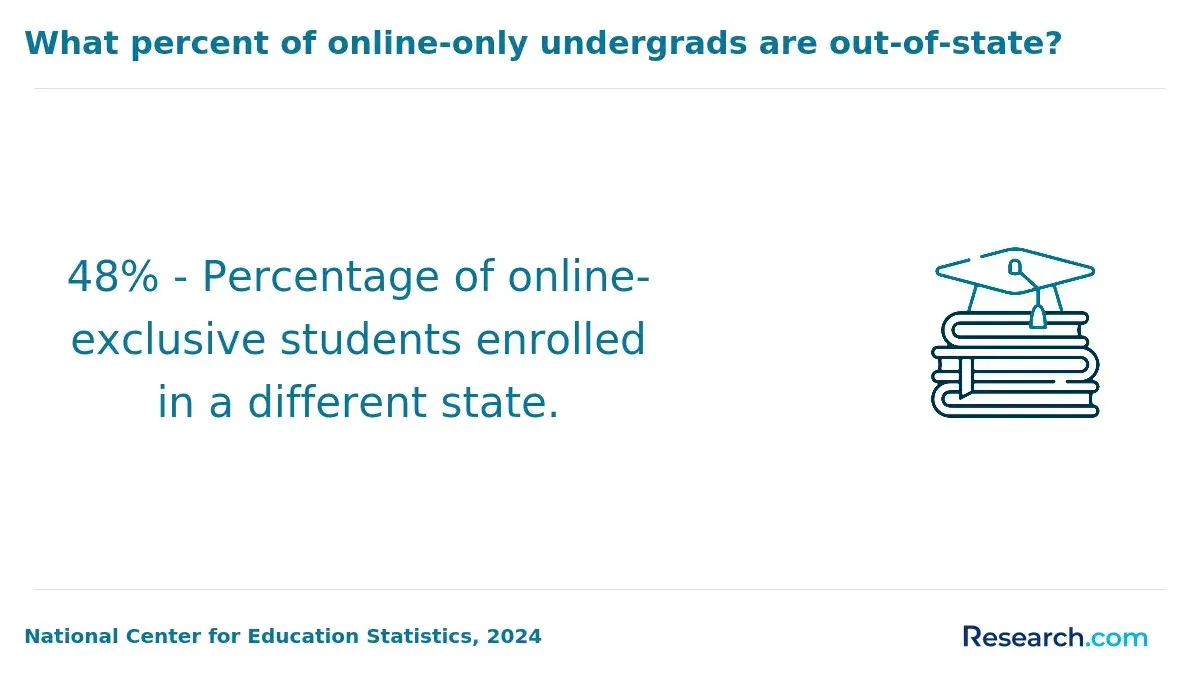
Facing the urgent task of managing dwindling natural resources, many professionals must upskill quickly without pausing their careers. Yet, the rigidity of traditional degree programs often conflicts with workplace demands and family commitments. Recent data from the National Center for Education Statistics shows online enrollment grew over 15% in 2024 alone, revealing a clear shift toward flexible learning amid adult learners prioritizing accessibility and timing.
This trend matters because success in natural resource management depends not just on knowledge but timely, actionable skills acquisition amid evolving regulations and ecological pressures. This article evaluates top online environmental science degrees that align academic rigor with career mobility and practical applicability for prospective students navigating these constraints.
Key Things You Should Know
- Employment data from the U.S. Bureau of Labor Statistics shows a 7% growth in natural resource management roles through 2031, favoring degrees that emphasize GIS and data analytics, pressuring candidates to invest in specialized online coursework despite higher costs.
- Employer surveys indicate 62% of environmental science hiring managers prioritize practical field experience over theoretical knowledge, complicating fully online degree holders' entry into government and nonprofit sectors focused on land management.
- State residency restrictions and accreditation variance mean that online environmental science programs often limit access to licensure pathways crucial for resource management roles, making program selection critical for timely credentialing and career mobility.
What is an online environmental science degree focused on natural resource management?
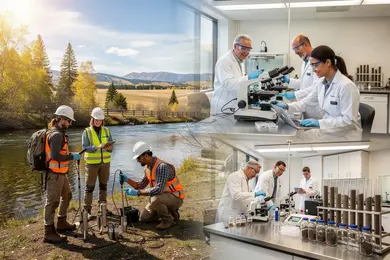
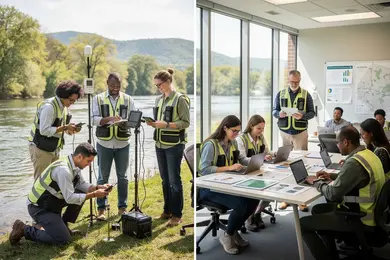
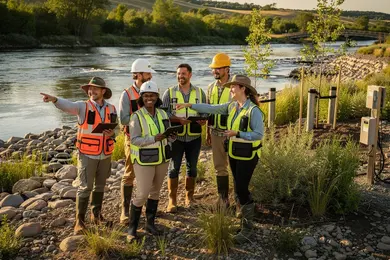
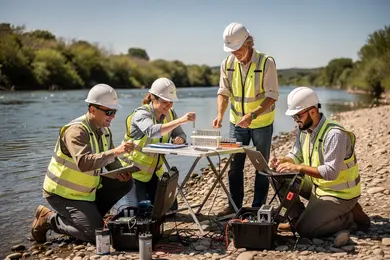
Choosing an online environmental science degree program focused on natural resource management requires evaluating how well it prepares students for regulatory complexities, data analysis, and employer expectations in government and private sectors. Practical experience-access to virtual labs, remote fieldwork, and internships-is essential to develop skills employers demand in natural resource management careers with environmental science degree backgrounds.
The median wage for environmental scientists and specialists was $80,060 in May 2024, with a projected 7% job growth through 2033, indicating above-average demand. However, the pathway is not without challenges. Professionals shifting from unrelated disciplines must acquire relevant certifications such as Certified Environmental Professional (CEP) to meet credential requirements alongside their degree.
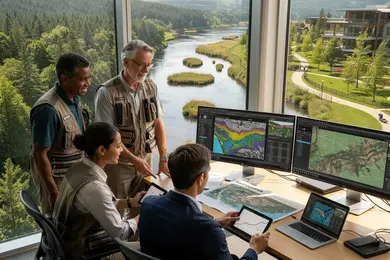
Students should assess programs for faculty expertise in applied disciplines like GIS mapping, hydrology, and conservation biology, as well as a curriculum balancing quantitative analysis and policy knowledge. Reliable technology access to manage GIS and data tools remains critical. Graduates also benefit from institutions offering robust career services to navigate a competitive employment market shaped by sustainability mandates and regulatory oversight.
For a clear picture of post-degree opportunities, consult resources explaining what can you do with an environmental science degree. Navigating this educational path realistically frames expectations and helps align choices with specific professional outcomes.
How do online environmental science programs compare to campus-based options for resource management?
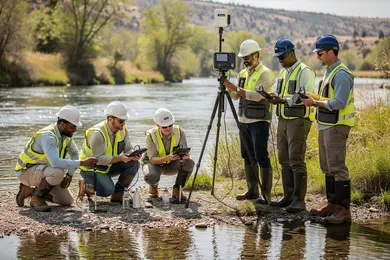
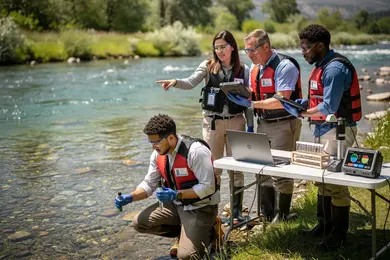
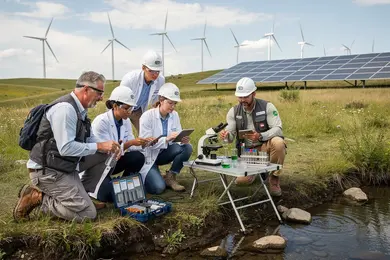
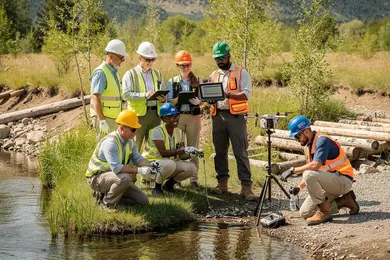
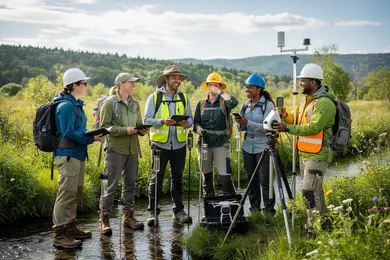
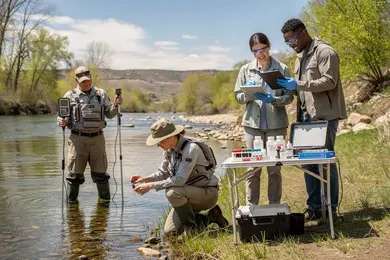
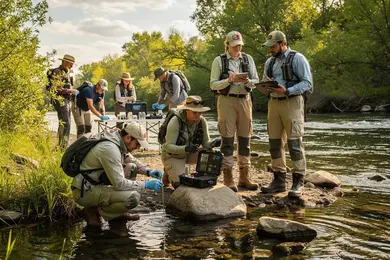
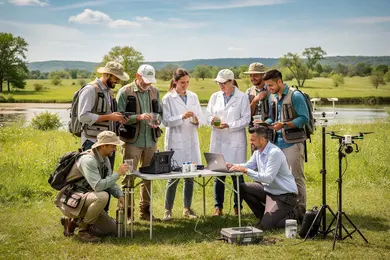
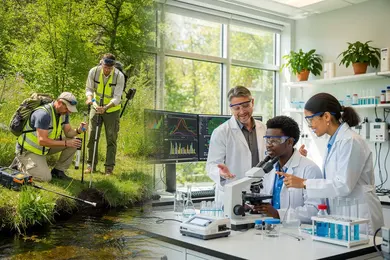
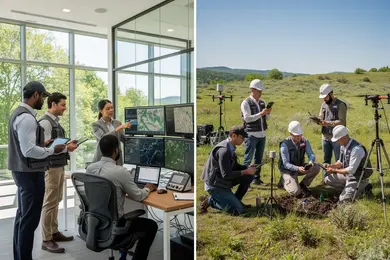
Online environmental science programs versus campus-based resource management degrees reveal a critical disparity in hands-on skill development. While theoretical coursework translates effectively online, the absence of consistent fieldwork risks leaving graduates underprepared for practical tasks like soil analysis, ecosystem assessment, and GIS technology application-skills that employers prioritize. Campus programs provide direct access to labs and supervised field experiences that are challenging to replicate virtually.
Students currently employed in forestry or conservation can leverage hybrid online models or local field placements to integrate learning with real-world application immediately. Those without current work exposure face potential gaps that may limit entry into government or consulting roles, where demonstrated applied competence is often a hiring prerequisite. Comparing online and traditional environmental science education for natural resource careers often hinges on these experiential opportunities.
Employers demand proficiency in natural resource management informed by regulatory understanding and monitored practice. The U.S. Bureau of Labor Statistics projects a 5% job growth for conservation scientists through 2033 with competitive wages, favoring candidates who combine academic and practical experience. Private-sector specialists may find online degrees beneficial if paired with relevant workplace training, whereas federal agency roles commonly require direct, in-person skill verification.
When evaluating programs, candidates should prioritize rigorous experiential components such as capstone projects with public lands or internships. Those considering this pathway might also explore the best online animal science degree resources to understand costs and structure in comparable environmental disciplines.
Which accredited schools offer the best online environmental science degrees in resource management?
Choosing the best online environmental science degrees for natural resource management careers requires assessing how well programs prepare students for distinct regional ecosystems and employer expectations. For example, Oregon State University's focus on Pacific Northwest watershed management suits students targeting that labor market, while the University of Florida's strong emphasis on coastal conservation aligns better with local job demands. Such geographic specialization impacts job placement rates and salary potential in this field.
Top accredited schools for online environmental science programs in natural resource management typically hold regional accreditation from bodies like the Higher Learning Commission or SACS, ensuring federal aid eligibility and employer recognition. Beyond accreditation, candidates should evaluate curricula for practical skills valued by employers, such as GIS mapping, regulatory compliance, and habitat restoration. Schools providing certificates or minors in geospatial analysis and environmental policy alongside the degree enhance employability.
Working professionals must weigh program delivery formats: asynchronous lectures and minimal residency requirements accommodate those balancing full-time jobs. Hands-on learning often occurs via virtual labs and project-based assessments that simulate fieldwork challenges. Graduates are positioned to fill roles where environmental scientists earned a median annual salary of $76,480 in 2022, with projected 8% job growth through 2032, according to U.S. Bureau of Labor Statistics data cited by EnvironmentalScience.org.
Those evaluating advanced study options might also consider related pathways, such as an online bachelor's degree in nutrition, for interdisciplinary career diversification or pivoting within natural resource and environmental sectors.
What admissions requirements do online environmental science programs typically have?
Admission to online environmental science programs typically reflects a balance between academic readiness and workforce suitability rather than a uniform checklist. For bachelor's degrees, a high school diploma or equivalent is essential, while graduate-level entry requires an accredited undergraduate degree. Minimum GPAs often hover between 2.5 and 3.0, critical for navigating rigorous scientific coursework. Although standardized tests like the SAT or ACT are increasingly optional, certain competitive programs still require them, affecting candidate pools and institutional selectivity.
Typical admission requirements for environmental science degrees emphasize proficiency in core subjects such as biology, chemistry, and mathematics, demonstrated through prior coursework or testing. Beyond transcripts, admissions commonly call for letters of recommendation and personal statements that reveal the applicant's motivation and career focus in natural resource management or sustainability roles. For working professionals, transfer credits from related courses can accelerate completion and reduce costs, although those lacking STEM background might face additional prerequisite burdens, extending program duration.
Graduates who meet and surpass these admission baselines report tangible career benefits. For instance, a University of Maryland Global Campus online environmental science bachelor's program alumnus cohort achieves median early-career earnings around $72,828, as noted in OnlineU's 2026 rankings. This underscores how meeting admission criteria aligns not only with academic progression but also with employer-valued competencies and income potential. Prospective students weighing an online library science masters should similarly evaluate practical outcomes alongside entry demands.
What courses and concentrations are included in online natural resource management curricula?
Natural resource management online programs often segment into specialties like forestry or wildlife management, addressing distinct sector challenges that shape graduate roles. For instance, forestry professionals focus on conservation plan development, whereas wildlife biologists prioritize habitat restoration strategies. These curricular tracks are not interchangeable; the practical demands and regulatory frameworks differ significantly, influencing employability and day-to-day responsibilities.
Core coursework integrates technical proficiencies in geographic information systems (GIS), data analysis, and resource economics-skills that federal agencies and consulting firms explicitly require. For example, fluency in GIS software facilitates land-use planning essential to government positions, while economic analysis frames resource allocation debates in private sector projects. Navigating complex regulatory environments demands both interdisciplinary knowledge and the ability to interpret evolving local and federal policies.
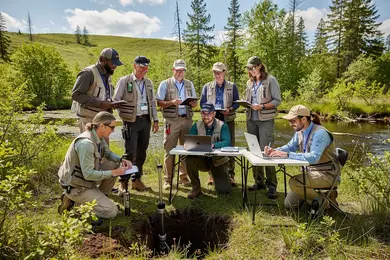
Flexibility in course selection supports working students balancing professional and academic commitments, but most programs mandate capstone projects or practicums to bridge theory with local resource management issues. These experiential components cultivate negotiation and communication skills needed to manage multi-stakeholder conflicts and policy trade-offs, areas where graduates frequently encounter grey zones.
Tuition models present a substantial upfront cost that must be justified by expected market returns. For example, Virginia Tech's online master of Natural Resources charges $850 per credit hour, totaling $25,500 for the 30-credit degree, a flat rate regardless of residency. Prospective students should weigh these expenses against the realistic earning potential and sector demand for specialized expertise.
How long do online environmental science degrees take, and what do they cost?
Choosing an environmental science degree requires a careful tradeoff between program length, cost, and workforce timing. Traditional full-time bachelor's pathways typically span four years, but accelerated options can shorten this to three, while part-time enrollment stretches it to five or six years. This pacing significantly impacts when graduates become competitive for environmental roles where timely credentialing matters.
Cost variability is significant, with public universities charging between $200 and $600 per credit hour, leading to total in-state expenses of roughly $40,000 to $80,000. Private institutions may more than double this figure, frequently surpassing $100,000, presenting a critical financial decision point, especially for working professionals managing budgets alongside academic commitments.
Specialization choices, particularly in natural resource management fields like forestry, fisheries, or water policy, add complexity. Programs listed by Oregon State Ecampus illustrate that opting for certain tracks often involves extended fieldwork or internships, potentially increasing both duration and cost.
Prospective students should consider how pacing affects employer expectations:
- Accelerated completion aligns with faster workforce entry but demands intensive time investment.
- Part-time study offers balance but delays credential acquisition, possibly affecting job market competitiveness.
This nuanced balancing act between time, cost, and specialization impacts long-term career trajectories and earning potential within environmental science.
What careers can you pursue with an online environmental science degree in resource management?
Jobs for environmental scientists and natural resource managers require more than technical expertise; successful candidates must navigate complex regulatory frameworks and stakeholder interests. For example, forestry professionals balance timber harvesting with conservation, demanding nuanced ecological assessments and negotiation skills. Government roles often involve interpreting multifaceted environmental regulations to ensure compliance across local and federal levels, frequently utilizing geographic information systems (GIS) and environmental impact analyses.
The U.S. Bureau of Labor Statistics projects a 7% growth in environmental scientist employment through 2033, adding roughly 6,900 new jobs primarily within government, private consulting, and renewable energy sectors. However, growth rates are steady rather than explosive, signaling the importance of specialization and continuous skill development to remain competitive.
Certifications such as Certified Environmental Professional or Project Management Professional are practical differentiators for senior roles that blend scientific knowledge with strategy and leadership. Communication skills are vital too, enabling professionals to translate complex data into actionable policies or community initiatives-a frequently undervalued aspect of the role.
Those targeting sustainability consulting should anticipate the need for interdisciplinary expertise in both business and environmental compliance, making internships or practical field experiences essential. Because regulatory standards and environmental technologies evolve rapidly, ongoing education is less an option and more a necessity for maintaining career resilience.
What salary ranges and earning potential exist in natural resource management careers?
A salary in natural resource management strongly depends on specialization and location, with environmental engineers often realizing the highest pay due to their technical expertise in sustainability initiatives. Data from the U.S. Bureau of Labor Statistics, reported by ASU Online, shows environmental engineers earned a median wage of $104,170 in May 2024. This figure reflects roles that integrate infrastructure sustainability, pollution control, and resource conservation, where applied technical skills such as GIS mapping or environmental impact assessment are highly valued.
The field's projected 7% growth from 2023 to 2033 signals moderate demand but a competitive market that favors candidates with advanced degrees or certifications. Early-career roles like technician or field specialist typically start between $40,000 and $60,000 annually, where limited formal education constrains upward mobility. Mid-career professionals handling resource management projects can expect $70,000 to $90,000, illustrating a clear salary gradient tied to responsibility and expertise.
Decisions about education should consider that engineering credentials, often requiring environmental science-backed engineering coursework, substantially elevate earning potential. Conversely, those pursuing policy analysis or community resource planning may accept lower starting pay in exchange for broader job stability.
Geographic differences are significant: natural resource managers in resource-intensive states such as California or Colorado consistently earn above the national average, underscoring the importance of location in salary outcomes.
What is the job outlook and industry demand for environmental and resource management roles?
Employment growth for environmental and natural resource management professionals is projected to exceed average occupational expansion rates, with an 8% increase expected through 2032. This trend is underpinned by tightening regulations, expanded corporate sustainability efforts, and intensified climate resilience priorities. Demand, however, varies regionally and sector-wise; urban areas with active environmental consulting firms or proximity to public lands provide more frequent openings compared to rural regions, which may offer niche specializations but fewer jobs overall.
Prospective students and career switchers should weigh the practical outcomes of available programs. Graduates from large online degrees like Southern New Hampshire University's online BS in environmental science contribute substantially to workforce supply, but the oversaturation in certain markets necessitates differentiated skills. Prioritizing curricula that integrate GIS, environmental impact assessment, and natural resource policy strengthens alignment with employer expectations.
For employment in government agencies, internship experience often predicates hiring eligibility due to competitive processes, whereas corporate roles tend to value technical certifications paired with academic credentials. Navigating these nuanced hiring preferences requires targeted educational planning and credentialing strategies that match sector-specific job openings and regional demand.
How do certifications, licensing, and professional standards impact resource management careers?
Certifications and licenses directly determine who qualifies for specialized roles within resource management, often outweighing degree completion alone. For instance, positions managing federal or state lands typically require credentials like Certified Resource Manager (CRM) or Professional Wetland Scientist (PWS) to verify compliance expertise. This credentialing is mandatory not just for regulatory adherence but also to maintain employer confidence in oversight of sensitive environmental projects.
Employers systematically prefer candidates holding recognized certifications to mitigate liability and ensure ongoing alignment with shifting environmental regulations. Candidates missing these qualifications frequently experience stalled career growth despite practical experience or a related degree. Continuing education to uphold professional standards remains a non-negotiable aspect influencing salary progression and job retention.
Financially, environmental science degree holders invest between $50,000 and $150,000 in education, with median entry salaries around $76,480, reflecting a positive return on investment. However, without supplemental certifications, wage ceilings tend to remain near entry-level standards, limiting upward mobility in supervisory or niche technical roles.
For example, aspiring water resource managers aiming for agency leadership roles must navigate state-specific licensing requirements alongside a bachelor's degree. This dual credentialing addresses public safety mandates and broadens eligibility for positions demanding regulatory oversight and community health considerations.
Other Things You Should Know About Environmental Science
Value depends on program quality and alignment with career goals. Programs with hands-on components, data analysis, and resource policy courses offer better preparation for employer demands. Choose degrees that emphasize applied skills over purely theoretical knowledge, as these translate directly into workplace competence and improved job prospects.
Yes, many online environmental science degree programs in 2027 offer financial aid options, including scholarships, grants, and student loans. It’s important for prospective students to research specific programs and contact financial aid offices to explore eligibility and assistance opportunities tailored to their needs.
Specialization significantly impacts employability and career trajectory. Focused tracks in areas such as wildlife management, soil science, or water resource management better match specific job requirements and signal expertise to employers. If uncertain about a niche, prioritize programs offering broad foundational knowledge combined with elective options to tailor skills as needs evolve.
Many online environmental science programs require 1 internship or field practicum, often for 3 to 6 semester credits. Students may also need a local, approved site for field-based work in ecology, conservation, or resource assessment before graduation.
References
- Environmental Career Profiles Australia https://environmentaljobs.com.au/resources/environmental-sustainability-careers
- Environmental Job Market Trends | ECO Canada https://eco.ca/research-and-resources/environmental-job-market-trends/
- The importance of professional certificates in the labor market with the Institute for Total Development of Training https://mdit.edu.sa/en/blog/the-importance-of-profe-ional-certificate--in-the-labor-market
- Search Online Natural Resource Management Degree https://www.cjbnetwork.com/search/category/natural-resource-management/setting/online
- Top 15 Environmental Science Colleges https://www.collegeadvisor.com/resources/environmental-science-colleges/
- Online Environmental Science Degrees: Compare Schools https://www.degreesforgood.org/online-degrees/environmental-science/
- Environmentalscience https://www.environmentalscience.org
- The Importance of HR Certification in Today’s Workplace Article https://auroratrainingadvantage.com/articles/importance-of-hr-certification/
- What Can You Do With an Environmental Science Degree? https://willamette.edu/academics/college/environmental-science/career-options
- Online Environmental Science Degree | BS Environmental Science | University of Phoenix https://www.phoenix.edu/online-liberal-arts-degrees/environmental-science-bachelors-degree.html