2027 Best Online Bachelor's in Environmental Science for Graduate School Preparation

Co-Founder and Chief Data Scientist
Securing admission to a top graduate program in environmental science increasingly demands applicants who balance rigorous academic preparation with meaningful field experience. Yet, traditional bachelor's pathways often clash with work commitments or geographic constraints. A 2024 National Center for Education Statistics report shows a 12% rise in online degree enrollment among adult learners, underscoring a shift toward flexible, career-compatible education.
This trend signals a growing opportunity for prospective graduate students to earn their foundational environmental science credentials without pausing professional growth or relocating extensively. This article evaluates the best online bachelor's programs tailored to preparing for graduate school admission efficiently and strategically.
Key Things You Should Know
- Graduate school admission increasingly favors applicants with quantitative skills; data from NCES 2024 shows only 35% of bachelor's in environmental science majors meet advanced math prerequisites, impacting direct progression options.
- Employers in environmental consulting and policy sectors prioritize interdisciplinary experience and applied research proficiency, with 68% of surveyed firms identifying field-specific internships as a key hiring criterion.
- Online program costs average 15-30% below campus-based equivalents according to IPEDS 2024, yet variations in lab access and networking disparities create tradeoffs affecting skill acquisition and postgrad trajectory timing.
What is an online bachelor's in environmental science and how does it prepare you for graduate study?
An online bachelor's in environmental science designed for graduate school preparation demands deliberate alignment with both advanced academic expectations and evolving workforce needs. Unlike traditional degrees, the remote format challenges students to develop self-discipline and compensate for limited hands-on research through virtual labs and intensive software training.
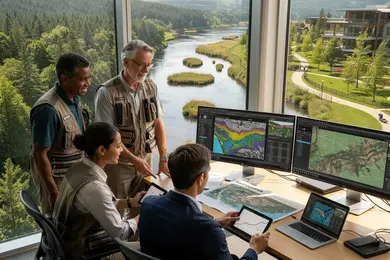
These programs prioritize skills in quantitative reasoning, GIS mapping, and environmental modeling, which are essential for succeeding in research-intensive master's or doctoral studies. Graduate admissions increasingly value applicants who demonstrate independent research capabilities, proficiency in scientific software, and practical application of sustainability principles.
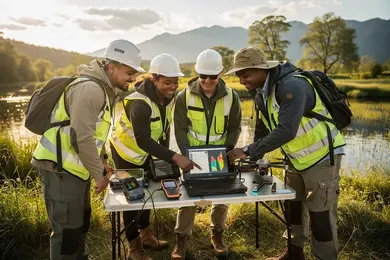
Capstone projects or virtual internships embedded in these online degrees simulate tasks like designing conservation strategies or analyzing pollution data, substantiating competencies demanded by faculty and employers. This practical approach prepares students for real-world environmental challenges and academic rigor.
Environmental science jobs offer a projected growth rate of 7% through 2033, signaling steady demand for graduates who can navigate complex issues from climate adaptation to resource management. Balancing an online environmental science degree for graduate school preparation with professional obligations requires selecting programs that provide strong mentorship and access to academic databases.
Interested students should evaluate options including the best GIS undergraduate programs to complement their scientific skill set and improve graduate and career prospects.
How do online environmental science bachelor's programs compare to campus-based options for grad school readiness?
Online environmental science bachelor's programs for graduate school preparation require significant self-discipline to achieve equivalency with campus-based degrees, particularly in practical skills acquisition. Graduate programs and employers prioritize candidates who combine coursework with robust research experience, lab competencies, and strong professional recommendations.
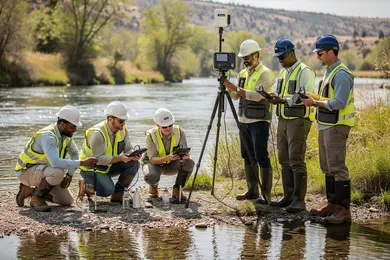
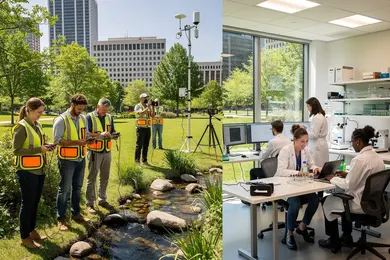
Campus-based vs online environmental science bachelor's degree readiness diverges mainly on access to hands-on learning environments, where campus students benefit from direct faculty mentorship, immediate lab access, and fieldwork embedded in the curriculum. The lack of physical labs online necessitates proactive engagement for virtual internships or regional field opportunities to replicate essential technical proficiency.
Time management challenges and variable internship availability in different regions further complicate the ability of online students to attain comparable experiential learning.
- Limited access to on-site labs requires supplemental regional or virtual resources to develop technical skills.
- Building faculty relationships remotely takes deliberate effort to secure meaningful research mentorships and referrals.
- Balancing work with remote study can delay mastery of applied skills critical for graduate-level research roles.
- Internship quality often hinges on a student's initiative in securing local or virtual placements aligned with specialization.
Working professionals leveraging online programs for a career pivot must strategically supplement lab and field components, whereas campus students experience an integrated, structured skill-building environment. Those weighing online options should consider these differences carefully relative to their ability to independently compensate.
For pathways into advanced environmental roles, understanding how program format impacts readiness can affect both graduate admissions prospects and labor market outcomes, where the median annual wage for environmental scientists is $80,060. Students considering a related transition might also explore options such as an online master in data science to strengthen quantitative and analytical components valued in the field.
What accreditation and institutional quality standards should online environmental science programs meet?
Regional accreditation remains the most critical benchmark for evaluating online environmental science program accreditation standards, as only institutions recognized by U.S. Department of Education-approved agencies like the Higher Learning Commission or the Southern Association of Colleges and Schools ensure credit transferability and degree legitimacy.
Without this foundational accreditation, students risk non-transferable credits and diminished credibility with employers and graduate schools, particularly federal agencies such as the U.S. Environmental Protection Agency, which prefer graduates from recognized programs. Specialized programmatic accreditation, though less prominent in environmental science than in fields like nursing or engineering, adds value when the curriculum emphasizes environmental engineering.
Employers expect graduates to emerge with practical skills in GIS, environmental policy, and quantitative analysis rather than outdated theoretical knowledge. A failure to meet these regional quality benchmarks for environmental science degrees can result in limited workforce options and delays in professional certifications. Applicants should scrutinize faculty qualifications-active research and relevant professional experience are essential-and verify the availability of tailored advising and career services.
These supports are vital for navigating licensure such as Certified Environmental Scientist credentials and connecting alumni with relevant employers in environmental consulting or government roles. The market rate median salary of $104,170 for environmental engineers underscores the demand for applied competencies tied to accredited programs.
Prospective students comparing pathways might also explore allied routes like online exercise science degrees to weigh practical demands and workforce outlooks aligned with their career objectives.
What courses, concentrations, and research experiences best support future environmental science graduate work?
Graduate preparation in environmental science demands mastery of advanced quantitative methods, ecosystem evaluation, and regulatory frameworks, reflecting employer priorities in consulting and research sectors. Courses such as multivariate statistics, geographic information systems (GIS), remote sensing, environmental chemistry, and environmental law are imperative.
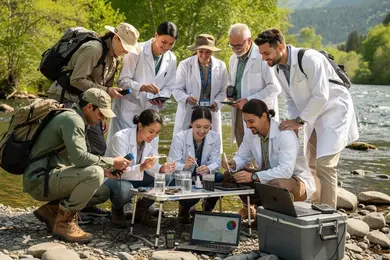
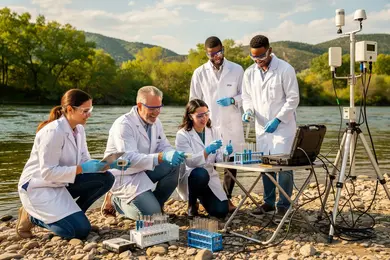
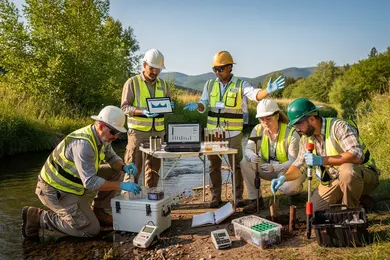
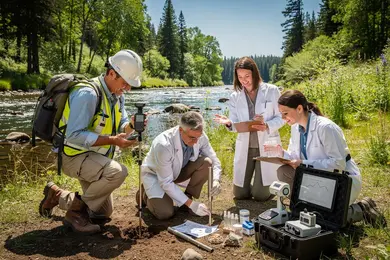
Students should consider concentrations supporting advanced studies in environmental science like climate science, conservation biology, or sustainable resource management, which align with specialized roles in federal agencies or private environmental impact firms. Incorporating practical research opportunities into undergraduate programs improves readiness for graduate-level challenges by emphasizing applied fieldwork, data collection, and laboratory methods.
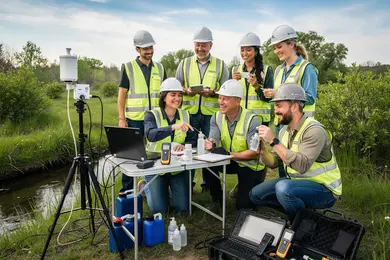
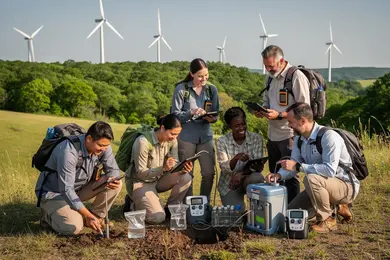
For example, students engaged in ecosystem monitoring projects outperform those limited to classroom instruction when pursuing thesis-driven graduate study. Programs that integrate internships with governmental or non-governmental organizations enhance employability by fostering skills in investigative analysis and policymaking essential to the field.
The University of Arizona Online's BS in Environmental Science charges $525 per credit, a relevant budgeting factor for prospective students. This cost-benefit consideration is pivotal for working professionals seeking targeted credentials without excessive tuition burdens. Those evaluating whether do you need a master's to be a librarian might find parallels in weighing degree costs against career requirements.
Prioritizing programs with accessible research mentorship and interdisciplinary coursework spanning biology, chemistry, and data science increases flexibility across environmental research topics and enhances prospects in sectors focused on environmental risk assessment, remediation technologies, and sustainability analytics.
What are typical admission requirements for online environmental science bachelor's programs?
Admission requirements for online environmental science bachelor's programs often create practical barriers that affect working professionals' timelines and costs. A baseline GPA of 2.5 to 3.0 on a 4.0 scale is common, but applicants must also complete specific college preparatory coursework in biology, chemistry, and mathematics, sometimes including calculus or physics.
Institutions vary in their demand for standardized test scores, with many shifting toward waivers; this flexibility can reduce friction but isn't universal. Transfer applicants face a crucial decision: submitting prior college transcripts can accelerate degree completion and reduce tuition burdens, but acceptance of transfer credits varies widely, influencing how quickly students reach advanced coursework.
Practical implications emerge when professionals pivot roles. For example, a water quality technician seeking supervisory positions must verify completion of STEM prerequisites upfront; otherwise, remedial subjects can delay employability gains by a semester or more. Those balancing full-time work and family must identify programs with transparent GPA cutoffs and clear documentation policies, minimizing costly application delays or reapplications.
- Letters of recommendation and personal statements enhance acceptance chances by demonstrating alignment with environmental science research, policy, or applied work focus.
- International applicants should prepare for additional language proficiency testing requirements such as TOEFL or IELTS.
The average tuition cited in recent data is roughly $25,910, a figure that underscores the urgency for prospective students to strategically evaluate program flexibility, admissions demands, and credit transfer policies before committing financially or academically.
How long do online environmental science degrees take and what do they cost?
Online environmental science bachelor's programs generally align with traditional four-year degrees, but the timeline varies significantly based on enrollment choices. Accelerated tracks can shorten duration to about three years, mostly benefiting students able to manage heavier course loads or transfer credits. However, this intensity often creates conflict for working professionals balancing full-time jobs, which can undermine study consistency and graduate readiness.
Conversely, part-time students may take five or more years, risking delays in entering graduate programs or the workforce, affecting long-term career progression. Financially, the divide between public and private institution costs is substantial. Public colleges average around $19,374 annually, while private universities charge nearly $45,920-figures that exclude additional fees and living expenses.
For students targeting graduate studies, public universities tend to offer a stronger balance of cost-efficiency and academic rigor with lower debt burdens. Private programs might provide specialized networking or niche environmental law and policy resources, but these advantages come at a steeper price and often longer debt repayment horizons.
Working professionals considering online bachelor's pathways should realistically assess their capacity for sustained study hours and institutional support like employer tuition assistance. Importantly, scheduling choices-whether accelerated or extended part-time-may affect critical coursework fulfillment, with direct consequences for graduate admissions competitiveness and subsequent employability in environmental science roles.
Expected total tuition ranges from roughly $77,496 for public to $183,680 for private institutions over four years. Prospective students must weigh these investments against the timeline implications of their enrollment pace and career objectives to optimize graduate preparation.
- Accelerated programs may reduce time but increase stress and compromise depth of study
- Public universities typically provide better financial value for environmental science degrees
- Part-time enrollment extends completion time, potentially delaying workforce entry
How can you evaluate and choose the best online environmental science program for your goals?
Choosing an online environmental science program demands precise alignment with your graduate school objectives and labor market realities. Programs should offer advanced coursework directly relevant to your specialization-whether that's ecosystem management, regulatory policy, or spatial data analysis. Accreditation by entities such as the Council for Accreditation of Environmental Education (CAEE) or regional bodies safeguards the academic rigor necessary for employer recognition and graduate admissions.
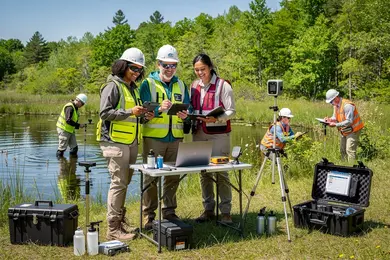
Practical training differentiates programs meaningfully. For example, a student targeting environmental consulting benefits from curricula emphasizing applied data techniques and compliance frameworks, while conservation-focused learners require robust ecology and biodiversity content. Fieldwork opportunities or virtual lab simulations combined with partnerships with environmental agencies enhance critical hands-on experience.
Flexibility plays a strategic role, especially for working professionals. Programs offering asynchronous classes and transparent credit transfer can reduce time-to-degree and mitigate financial strain without sacrificing depth. Monitoring graduation rates and alumni career trajectories helps assess institutional support and long-term employability. Industry reports median salaries around $72,828 for environmental science bachelor's graduates, underlining steady workforce demand.
Reliable technology infrastructure and accessible advising services further influence educational continuity and graduate readiness. These components contribute to the tangible outcomes that separate theoretically strong programs from those that prepare students for successful transitions into competitive graduate environments.
What environmental science careers and job roles are accessible with a bachelor's and graduate degree?
Graduates holding bachelor's or graduate degrees in environmental science face a labor market with clear differentiation between entry-level and advanced roles. Entry-level positions-such as environmental analysts, field technicians, and compliance specialists-center on data collection, regulatory reporting, and environmental assessments.
In contrast, graduate degrees open pathways to specialized roles like environmental consultants, sustainability managers, policy advisors, and ecological modelers, which demand interdisciplinary coordination and strategic influence. For instance, a master's-level professional in urban planning might lead projects that integrate environmental data with infrastructure design to satisfy both regulatory and sustainability objectives.
Alternatively, specialists in environmental health rely on advanced skills in complex risk assessment tools that typically exceed the scope of bachelor's programs. This distinction reflects a workforce trend evidenced by the U.S. Bureau of Labor Statistics projecting 8% job growth through 2032, largely driven by enhanced regulatory scrutiny and climate adaptation needs.
Employers increasingly expect hands-on expertise in Geographic Information Systems (GIS), data analytics, and field techniques-skills often cultivated through applied research or internships rather than theoretical coursework alone. Remote learning options use mailed or virtual lab kits to sustain practical skill development, addressing barriers faced by non-campus students.
However, graduates must weigh tradeoffs between academic breadth and applied skill depth; supplementing degrees with certifications in project management or environmental auditing enhances competitive employability and mitigates advancement gaps in leadership or policy-oriented careers.
What salary ranges and earning potential can environmental science graduates expect over time?
Environmental science graduates in the U.S. face variable starting salaries primarily influenced by employer type and region, with typical entry earnings between $45,000 and $60,000 annually according to U.S. Bureau of Labor Statistics 2024 data. Those joining government agencies or large private firms generally approach the upper range, while non-profits and small consultancies may offer lower initial pay and slower salary progression.
An environmental analyst employed by a state protection agency might begin at about $50,000, advancing to roughly $75,000 within seven years due to promotions and increased responsibilities. By contrast, consultancy roles often present fluctuating income tied to project availability but can surpass typical public-sector earnings over time once a client portfolio is established.
Online bachelor's programs in environmental science generally cost between $28,000 to $55,000. This expenditure level requires assessing the return on investment (ROI) critically, since less expensive programs might restrict access to vital internships and industry networks that accelerate income growth. Students should also anticipate that pursuing advanced degrees or certifications can temporarily reduce income or necessitate further expenses before higher pay scales materialize.
Employers emphasize practical skills and accredited qualifications; thus, coursework choices and internship experiences exert significant influence on both initial job placement and long-term earning potential across sectors like natural resource management and regulatory compliance.
What certifications, licenses, and professional credentials matter in environmental and sustainability careers?
Credentials in environmental and sustainability fields directly shape employment possibilities and role eligibility, with distinct certifications aligning to specific career functions. For instance, Certified Environmental Professional (CEP) certification is targeted toward consulting and regulatory compliance, while Leadership in Energy and Environmental Design Accredited Professional (LEED AP) certification is tailored for sustainable design and infrastructure projects.
Meanwhile, Hazardous Waste Operations and Emergency Response (HAZWOPER) certification is legally mandatory under OSHA for hazardous materials roles, effectively disqualifying uncredentialed candidates from related positions. Licenses such as the Professional Wetland Scientist (PWS) differentiate candidates by experience and regulatory expertise, especially within government contracting and environmental assessment firms, where rigorous testing and work history form barriers to entry.
Academic pathways in environmental science bachelor's programs today must balance foundational science-like chemistry and ecology-to enable eligibility for technical certifications such as Certified Environmental Auditor (CEA), which in turn influence opportunities in audit and compliance roles. Applicants must weigh tradeoffs involving cost, renewal cycles, and continuing education demands.
LEED AP, for example, requires professional development every two years, a significant time commitment that may conflict with full-time employment. Employers consistently prioritize credentials as proof of technical competence and regulatory knowledge, but professionals should strategically select certifications aligned with their target sector and job function rather than pursuing credentials indiscriminately.
Other Things You Should Know About Environmental Science
Online environmental science programs vary widely in rigor, especially regarding lab components and hands-on research. If a program limits fieldwork or lab access, you may struggle in graduate programs that expect strong practical and experimental skills. Prioritize programs that integrate synchronous labs, internships, or local research partnerships to ensure readiness for grad school's technical demands.
Balancing interdisciplinary skills with core environmental science expertise improves long-term career flexibility, but specialization is generally better for competitive graduate school admission. Programs offering environmental policy, data analysis, and GIS alongside strong science fundamentals equip students for both technical roles and advanced study. Prioritize curricula with a clear path to your intended graduate focus rather than overly broad programs.
A strong program should include at least 12 to 15 upper-division lab or research credits, plus a senior capstone or thesis-style project. For graduate preparation, look for courses in statistics, ecology, chemistry, and field methods, because many master’s programs expect this quantitative and scientific foundation.
References
- Environmental Career Profiles Australia https://environmentaljobs.com.au/resources/environmental-sustainability-careers
- REP Certification: Registered Environmental Professional Guide https://ehscareers.com/employer-blog/rep-certification-registered-environmental-professional-guide/
- Understanding Academic Accreditation for Online Universities https://www.qahe.org/article/understanding-academic-accreditation-for-online-universities/
- Top 15 Environmental Science Colleges https://www.collegeadvisor.com/resources/environmental-science-colleges/
- Top Research Programs to Apply For High School Environmental Studies https://pioneeracademics.com/news/top-environmental-studies-research-programs-for-high-school-students/
- Online Environmental Science Degrees: Compare Schools https://www.degreesforgood.org/online-degrees/environmental-science/
- Is a degree in environmental science worth it? | edX https://www.edx.org/resources/is-a-degree-in-environmental-science-worth-it
- What Can You Do With an Environmental Science Degree? https://willamette.edu/academics/college/environmental-science/career-options
- Top Certifications for Remote Environmental Jobs 2025 https://redrockconsultinggroup.com/top-certifications-that-help-you/