2027 Environmental Science Specializations With the Strongest Employer Demand

Co-Founder and Chief Data Scientist
Facing a tightening labor market for environmental science graduates, many seeking specialization confront the risk of investing years in fields with soft employer demand or limited advancement. A recent Department of Labor report reveals that 60% of environmental science job openings now favor candidates with niche expertise and cross-disciplinary skills, highlighting a shift toward specialized roles in climate resilience, regulatory compliance, and sustainable resource management.
This dynamic intensifies pressures on students and professionals to select specializations aligned with current and projected workforce needs, particularly as practitioners balance retraining logistics with evolving employer expectations. This article identifies environmental science specializations with the strongest employer demand, providing actionable guidance for strategic career planning and education investment.
Key Things You Should Know
- Climate modeling specialization commands a 12% salary premium but requires advanced math skills, narrowing candidate pools and elongating education-to-employment timelines, per 2024 Bureau of Labor Statistics data.
- Environmental compliance roles lead employer demand in heavy industry sectors, driving a 7% annual job growth rate and emphasizing certifications over research credentials, according to the EPA's 2024 workforce analysis.
- Renewable energy integration tracks reveal cost-access tradeoffs; internships in grid modernization yield 30% higher starting wages but delay graduation by 6-12 months, based on National Renewable Energy Laboratory reports.
Which environmental science specializations are most in demand by employers today?
Demand for environmental science career paths with high employer demand centers predominantly on climate change and climate risk analysis. With $70.1 billion invested globally in climate-tech startups, over a quarter targets climate risk and analytics, pressing employers to seek candidates skilled in large-scale data management, scenario modeling, and integrating predictive analytics into financial and operational frameworks.
This group commands more opportunities than traditional ecology or toxicology fields, where hiring momentum is slower.
Environmental professionals specializing in water resource management and environmental compliance remain vital, especially where drought or strict regulations pose challenges.
These roles require blending technical expertise in hydrology and pollutant transport with regulatory navigation and stakeholder collaboration, emphasizing practical legal and communication skills alongside science.
Renewable energy impact assessment specialists balance ecological rigor with project constraints, addressing infrastructure siting and ecosystem evaluations for wind, solar, and bioenergy. Success here demands interdisciplinary problem-solving tuned to strict timelines and budgets.
Employers increasingly insist on a fusion of technical and soft skills, including GIS proficiency, programming languages like Python or R, and interdisciplinary teamwork. For those seeking to bridge environmental science specialties, focusing on quantitative skills and real-world regulatory contexts is key.
Students investigating the best routes to pivot or advance in environmental science should consider established colleges with GIS programs for technical capability development.
Prioritizing these skills aligns career paths with what employers seek in top environmental science specialties sought by employers.
What jobs and career paths do high-demand environmental science specializations lead to?
Employment in environmental science specializations with strong job growth typically requires navigating specific tradeoffs between technical skills and sector-specific knowledge. For instance, specialization in environmental data science and GIS leads to roles such as GIS analysts or environmental modelers-positions critical to urban planning and resource management agencies.
Demand for GIS capabilities increased by 36% between 2022 and 2024, illustrating the premium employers place on data proficiency in this niche.
Those focusing on environmental policy and compliance enter fields such as regulatory affairs and corporate sustainability management, where staying current with evolving legislation is non-negotiable. This specialization suits professionals prepared for continuous learning but can be challenging due to complex and shifting regulatory environments.
Environmental engineering and remediation roles often entail a blend of fieldwork and interdisciplinary coordination, requiring candidates to balance hands-on site management with communication across stakeholders. Meanwhile, ecology and conservation biology positions emphasize field research and ecosystem management-frequently under budget constraints and policy unpredictability.
Prospective students must align their specialization with employer needs and geographic considerations, since demand fluctuates regionally. Prioritizing data-intensive skill sets enhances adaptability to emerging environmental crises and technological advances.
For those evaluating pathways to pivot or advance, exploring online masters data science programs can complement environmental science specializations by enhancing analytical capabilities.
The landscape of high-demand environmental science career opportunities rewards those who combine technical expertise with practical adaptability to shifting market conditions.
How strong is the job outlook and industry growth for key environmental science fields?
Labor demand for environmental science specializations centered on renewable energy and decarbonization is rapidly reshaping regional job markets, especially where policy incentives and infrastructure investments are strongest.
In the United States, clean energy roles encompass over 57% of energy-sector employment, with 13.7 million workers recorded in 2024 and more than 300,000 net new positions added annually. This dynamic growth demands that students align technical proficiency with nuanced regulatory knowledge and interdisciplinary collaboration to remain competitive.
The job outlook for environmental science specializations reflects a premium on practical experience and certifications, particularly in solar, wind, and energy storage technologies. For example, mastering battery chemistry and grid integration challenges is essential for candidates targeting energy storage roles. Those without hands-on training often face longer job searches due to employer preferences for proven skill sets.
Geographic concentration is a notable workforce implication, as clean energy jobs cluster in states with aggressive climate policies or established hubs, forcing prospective workers to consider relocation or flexible remote options.
Sustainability consulting careers also grow steadily but require advanced expertise in environmental regulations and impact assessments. Prioritizing experiential learning and understanding regulatory contexts improves long-term career resilience amid shifting market demands.
For students weighing educational options, it's crucial to evaluate programs on how well they deliver applicable skills versus theoretical knowledge. Those interested in complementary fields might explore online library science programs tailored to environmental data management, adding a strategic edge in interdisciplinary roles.
What degree levels and majors best prepare you for in-demand environmental roles?
Employers clearly prioritize environmental science degree programs with high employer demand that align academic credentials with specific workforce expectations. By 2024, 96% of S&P 500 firms issued sustainability or ESG reports, fueling a sharp rise in roles requiring ESG reporting and compliance expertise.
Strong graduates combine quantitative skills-data analysis, environmental modeling, life cycle assessment-with knowledge of environmental law and corporate governance.
For example, bachelor's degrees paired with coursework or minors in policy analysis are prized for entry-level environmental compliance jobs in sectors like manufacturing and energy. Conversely, master's degrees emphasizing ESG strategy and corporate sustainability prepare candidates for leadership positions demanding stakeholder engagement and familiarity with evolving SEC sustainability standards.
Technical degrees in environmental engineering or geosciences maintain relevance for operational roles such as pollution control or remediation, where practical certification and field experience can offset the absence of advanced study.
Prospective students must weigh the longer timelines and financial costs of master's programs against the typically faster access bachelor's degrees provide to technician or analyst roles.
Choosing from top environmental science majors for sustainable career paths means mapping education precisely to employer needs and career stage. Continuous credentialing and hands-on internships are essential to sustained employability in this evolving sector. Practical exposure can include pathways similar to those found in veteran friendly online electrical engineering degree options that integrate flexible learning with industry demands.
How do online environmental science programs compare with campus-based options?
Online environmental science programs often lack the hands-on training critical for roles in environmental health and industrial hygiene, where employers prioritize direct experience with exposure assessments and compliance.
For instance, an environmental health and safety (EHS) manager must demonstrate proficiency through site visits and exposure analysis-skills more reliably developed via campus labs or local partnerships than in virtual classrooms.
Employer demand for EHS professionals increased by 21% from 2019 to 2024, with median compensation for managers around $115,000 according to the Board of Certified Safety Professionals and American Society of Safety Professionals.
This growth rewards candidates who combine theoretical knowledge with verified practical skills. Campus-based programs typically integrate mandatory internships or cooperative education, providing structured access to real-world industrial settings-a key advantage when navigating certification and regulatory environments.
Online options offer flexibility for those balancing other commitments but require proactive efforts to secure local field experience, which can delay certification and limit immediate employability.
Candidates often must independently arrange lab access or employer-sponsored training to supplement online coursework. Ultimately, campus programs better support connections, hands-on expertise, and credentialing aligned with employer expectations in environmental health sectors.
What core courses and skills are emphasized in high-demand environmental specializations?
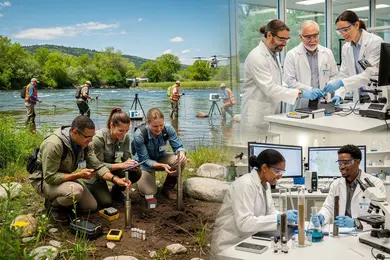
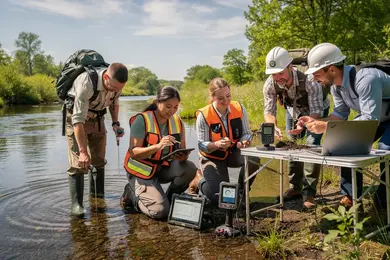
Water resources and hydrology programs demand a mix of quantitative expertise and hands-on skills aligned with complex, evolving environmental challenges. Candidates skilled in Geographic Information Systems (GIS) and remote sensing hold a clear advantage when employers seek professionals able to analyze watershed data or track pollutant movement in real time.
These technical competencies, combined with strong analytical capabilities such as data modeling and statistical software use, enable effective environmental impact assessments and resource forecasting critical for compliance roles.
Operational proficiency in designing monitoring systems and conducting hydrogeological surveys directly supports real-world applications like managing urban water supplies or sustainable irrigation projects. Communication skills tailored to diverse audiences are equally essential, facilitating stakeholder engagement and policy reporting within governmental and private sector contexts.
The median wage for water resources and hydrology hydrologists was $92,060 in May 2024, with employment growing at an average rate of 3% from 2023-2033 (U.S. Bureau of Labor Statistics Occupational Outlook for Hydrologists).
However, graduates from programs lacking robust lab work or internship components may face lower hiring rates. Integrating interdisciplinary skills-including environmental policy and climate science-broadens career pathways and lessens vulnerability to shifting regulatory landscapes.
What are typical salary ranges for major environmental science career tracks?
Salary potential in environmental science depends heavily on specialization and employment sector, underscoring the necessity of strategic decision-making for career pivots or growth.
For instance, conservation biology roles-growing 15% globally-offer entry salaries near $50,000-$60,000 but pay scales diverge sharply thereafter, with senior project managers exceeding $100,000. This range reflects tradeoffs between fieldwork in remote areas and higher pay in urban policy or consulting jobs.
Environmental consulting firms, a major employer, tie salaries closely to certifications and technical expertise, such as GIS proficiency. Entry-level positions hover around $55,000 but can quickly rise above $90,000 for specialists. Government and academic roles typically start lower, $45,000-$55,000, but provide steadier income growth linked to tenure and institutional funding cycles.
Crucially, candidates must weigh the cost and time investment of advanced degrees or certifications against delayed earnings and increased marketability. Fields like ecosystem restoration and species monitoring currently show robust growth, meaning targeted educational credentials directly influence employability and remuneration trends.
How do accreditation and program quality affect environmental science career opportunities?
Employers in the environmental consulting sector, a $43 billion U.S. market shaped by regulatory compliance and permitting, prioritize candidates from accredited programs due to liability and client trust concerns.
Firms managing complex regulatory projects routinely dismiss applicants lacking recognized credentials or curricula aligned with current standards. This gatekeeping reflects practical industry demands rather than abstract credentialism.
Graduates of quality accredited programs benefit from coursework integrating up-to-date policies, real-world data analysis tools, and cross-disciplinary methods essential for navigating compliance-heavy roles. These candidates are better positioned to capitalize on an employment growth rate of approximately 4% annually in consulting and government sectors.
Conversely, those emerging from unaccredited programs often face significant skill gaps-such as limited exposure to environmental impact software or regulatory procedure practice-resulting in underpreparedness and stalled employability. Employers expect immediate productivity in a workforce driven by evolving environmental law frameworks and stringent project requirements.
Prospective students should assess programs for:
- Verified accreditation status.
- Curricula emphasizing regulatory compliance and environmental data modeling.
- Practical training aligned with consulting industry workflows.
Failing to align education with these criteria risks underemployment and restricted advancement opportunities, whereas graduates from accredited pathways access higher-paying, diverse roles including environmental project management within expanding consulting careers documented by the IBISWorld Environmental Consulting Services Industry Report 2024.
Are licenses or professional certifications required for certain environmental science roles?
Licenses and certifications often serve as gatekeepers in environmental science careers, especially where regulatory adherence and technical precision are non-negotiable.
For example, environmental consultants must secure credentials such as the Certified Environmental Professional (CEP) to independently conduct site assessments and remediation projects, with many states requiring specific licenses for these tasks. Professionals in water quality or hazardous waste fields face similar requirements, reflecting rigid federal and state compliance standards.
In fast-growing sectors like sustainable agriculture, certifications impact employability directly. The Sustainable Agriculture Professional (SAP) credential is increasingly valued amid a 28% global job expansion since 2020, but over 40% of agribusinesses still struggle to find candidates with verified expertise in sustainable methods and environmental impact assessments. This trend reinforces the practical advantage of targeted certifications in niche areas.
However, tradeoffs include time-consuming exam preparation, ongoing education commitments, and eligibility barriers tied to field experience. Candidates without formal certification often encounter longer job searches or must rely heavily on accumulated practical experience, which can delay role advancement.
For instance, soil scientists shifting toward regulatory responsibilities typically need state certification to validate environmental impact statements, aligning with employer expectations.
Balancing certification costs and labor market benefits requires strategic consideration of one's career goals and sector-specific demands.
How can students evaluate and choose a reputable environmental science specialization program?
Prioritizing accredited environmental engineering programs with direct alignment to labor market needs is imperative for measurable career outcomes. Graduates from specializations emphasizing green infrastructure command a median annual wage of $104,170, with job growth projected at 7% from 2023 to 2033, which exceeds average rates reported by the U.S. Bureau of Labor Statistics.
Candidates should target curricula embedding applied skills in pollution control, regulatory compliance, and sustainable design, as these competencies remain in sustained employer demand.
Evaluating faculty credentials through recent publications, ongoing industry partnerships, and active research participation offers insight into program rigor and relevance. Student decision-making improves when programs disclose granular employment data, such as graduate placement in environmental roles and connections to employer networks facilitating internships or entry-level positions.
Geographic variations in green infrastructure demand require careful assessment of program location and regional employment trends; certifications and experiential projects with municipal or private partners often accelerate job market entry by matching real-world employer expectations.
Financial and temporal considerations, including program length and internship availability, impact the depth of project experience needed for workforce readiness. Those pursuing career pivots benefit from programs blending environmental science with data analysis or project management to diversify skill sets for evolving market needs.
Other Things You Should Know About Environmental Science
A master's degree is often essential for mid- to senior-level environmental science positions, especially in research, policy development, or specialized technical roles. Many employers prioritize candidates with graduate degrees because they demonstrate advanced analytical skills and subject-matter expertise. Without a master's, professionals may face limited upward mobility and lower salary potential. Prioritize graduate programs that integrate practical internships or partnerships with agencies to enhance employability.
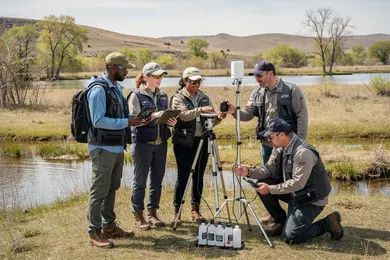
Yes. Many employers expect 1–2 field seasons of experience, including GPS/GIS data collection, soil or water sampling, and chain-of-custody procedures. Regulatory agencies and consulting firms often prefer candidates who have completed 6–12 credit hours of laboratory or field methods coursework.
Employers expect candidates to possess strong technical skills such as GIS mapping, statistical analysis using software like R or Python, and data visualization techniques. Communication skills tailored to translating complex environmental data into policy or public recommendations are also critical. Programs lacking hands-on training in these areas may leave graduates unprepared for workplace challenges. Therefore, choose programs offering experiential learning, real-world projects, or cross-disciplinary collaboration opportunities.
Yes, interdisciplinary expertise or dual specializations combining environmental science with areas like economics, public health, or engineering enhance job prospects. Employers increasingly value candidates who can approach environmental challenges from multiple perspectives and apply integrated solutions. However, pursuing two specializations can extend study timelines and increase academic workload, so weighing the added credential benefits against time and cost is crucial.
References
- Program Goals and Career Opportunities - Environmental Quality Sciences, B.Sc. | Jerusalem Multidisciplinary College (JMC) https://www.jmc.ac.il/en/schools/interdisciplinary-faculty-for-sciences-health-and-society/environmental-quality-sciences-bsc/about-the-department/program-goals-and-career-opportunities/
- 2025 Most Affordable Online Environmental Science Degrees https://www.onlineu.com/most-affordable-colleges/environmental-science-degrees
- Certification Guide for Young Professionals - Board for Global EHS Credentialing https://gobgc.org/professional-environmental-certifications-professionals/
- Explore Environmental Career Profiles | ECO Canada https://eco.ca/career-profiles-index/
- CES - Certified Environmental Scientist https://www.nrep.org/certifications/certified-environmental-scientist-ces
- Environmental Certifications for entry-level and career changers https://www.theenvironmentalcareercoach.com/certification-links
- Top 15 Environmental Science Colleges https://www.collegeadvisor.com/resources/environmental-science-colleges/
- Online Environmental Science Degrees: Compare Schools https://www.degreesforgood.org/online-degrees/environmental-science/
- Join-Board Certified Environmental Scientist https://www.aaees.org/bces
- Environmental Career Profiles Australia https://environmentaljobs.com.au/resources/environmental-sustainability-careers