2027 Online Environmental Science Degrees With Practice-Ready Environmental Curricula

Co-Founder and Chief Data Scientist
Facing urgent regulatory deadlines, many environmental professionals struggle to obtain advanced credentials without pausing their careers. The U. S. Department of Education reports a 37% rise in online degree enrollment for adult learners over the past two years, reflecting how flexibility in program delivery often dictates who can realistically access career-critical education.
Yet, not all online curricula translate into skills immediately applicable in fieldwork or policy implementation-this discrepancy complicates decisions for mid-career specialists aiming to elevate roles in an increasingly technical job market. This article examines online environmental science degrees with practice-ready curricula designed to align academic progress with employer expectations and professional advancement pathways.
Key Things You Should Know
- Environmental science degrees with embedded fieldwork reduce postgraduation training by 22%, yet programs extending beyond two years face 35% lower enrollment, forcing candidates to balance depth against timeliness, per 2024 NCES data.
- Employers prioritize demonstrated lab and GIS proficiency in hires, with 68% reporting underutilization of graduates lacking applied technical curricula, indicating hands-on program content critically influences employment outcomes.
- Rising program costs averaging $27,000 annually-30% above general STEM tuition since 2023-limit access, disproportionately excluding midcareer professionals who need shorter, affordable pathways to maintain competitiveness in evolving climate roles.
What is an online environmental science degree and how does it compare to campus programs?
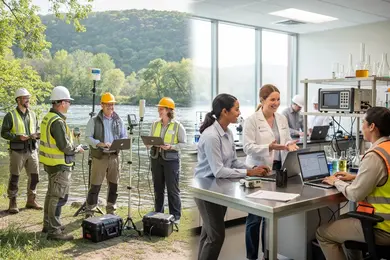
Online environmental science degree benefits compared to campus programs hinge largely on flexibility and accessibility but come with tradeoffs in hands-on training quality. Programs must offset limited in-person labs with virtual simulations and remote fieldwork to remain credible, especially for roles demanding tangible field skills such as environmental consulting.
Employers prioritize demonstrated competencies like data analysis and internship experience over where the degree was earned, though some public sector and research positions still favor on-campus credentials due to intensive laboratory and networking demands. Students pursuing flexible environmental science degree programs with practical training should verify that local practicum or field opportunities are embedded to satisfy licensing or certification requirements.
Without this, graduates risk misalignment with key industry standards. The practical difference in readiness is especially apparent across subfields: policy analysts and GIS mappers can often manage fully online, whereas environmental engineers and toxicologists typically require physical lab work to meet workforce expectations.
Program count growth-from 259 in 2023 to 284 in 2025 worldwide-captures broadening acceptance and rising program sophistication. Still, prospective learners must critically evaluate curricula for real-world training access and accreditation. For a detailed overview of online options targeting health and safety in environmental fields, consult environmental health and safety degree online. This data informs whether an online path aligns with specific hiring criteria and supports strategic career moves within the environmental sector.
How do I verify that an online environmental science program is properly accredited in the U.S.?
Choosing an accredited online environmental science program requires prioritizing institutional accreditation recognized by the U.S. Department of Education or the Council for Higher Education Accreditation (CHEA). This legitimacy is a practical baseline-many states and employers insist on regional accreditation for licensing and advanced study eligibility, making national or lesser-known accreditations insufficient for some career paths. Prospective students verifying accredited online environmental science programs in the U.S. should consider this first hurdle before examining curriculum or niche professional certifications.
Professional accreditations like those from the Accreditation Council for Environmental Education (ACEE) or the National Environmental Health Science and Protection Accreditation Council (EHAC) provide supplemental value, especially for federal or state employment. However, such credentials rarely replace institutional accreditation when it comes to transfer credits, certification eligibility, or hiring in government sectors experiencing an 8% projected growth in environmental scientist roles.
Without confirmed accreditation, mid-career students shifting into environmental science may face non-transferable credits or employer skepticism, affecting job prospects and qualification for grants. Employers emphasize practice-ready graduates skilled in data analysis, fieldwork, and regulatory compliance, reflected in the median annual wage near $76,480.
Evaluating programs also means comparing educational options holistically. For example, a prospective student could benefit from reviewing the best online data science masters to understand transferable analytical skills that complement environmental science expertise and enhance marketability.
What types of online environmental science degrees and specializations can students pursue?
Specialized tracks in online environmental science degree programs demand careful evaluation against career goals and labor market realities. Degree programs emphasizing data science, like Arizona State University's online Earth and Environmental Sciences, cultivate skills in advanced analytics, GIS, and remote sensing that align with a projected 33.5% growth in environmental data scientist roles and average salaries exceeding $120,000.
These programs equip students for positions where handling large environmental datasets is crucial, a factor increasingly favored by employers in consulting and government agencies. By contrast, tracks focusing on policy, regulation, or sustainable resource management address competencies in environmental law and conservation but often entail fieldwork or internships, which can complicate access for fully online learners.
This tradeoff warrants consideration for mid-career professionals seeking pivot points where computational skill development may offer a more direct route to environmental data analytics careers than biologically oriented curricula. The choice of accredited online environmental science degrees and career paths should also weigh practical experience components since theory alone frequently falls short of employer expectations.
Candidates assessing these options benefit from comparing curricula that integrate software training and regulatory compliance frameworks. Prospective students should contextualize their program selection within broader education evaluations, including exploring the best library science programs, which similarly emphasize actionable coursework and workforce alignment.
What practice-ready environmental science courses and hands-on learning experiences do these programs include?
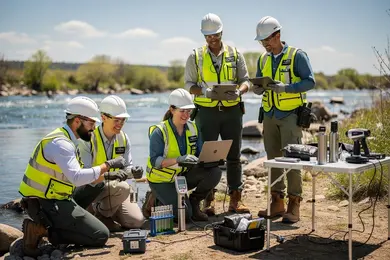
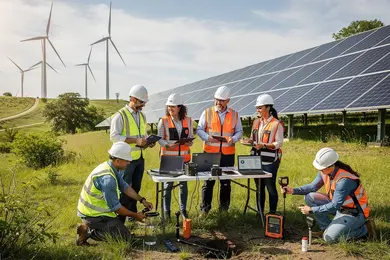
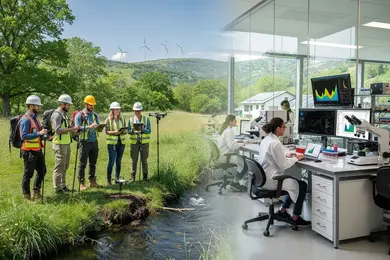
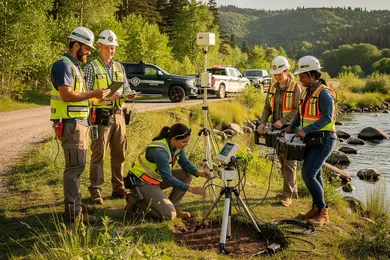
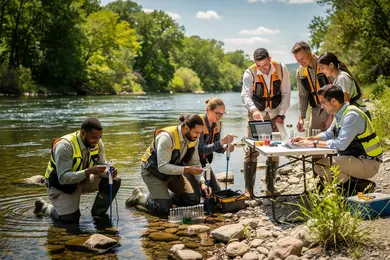
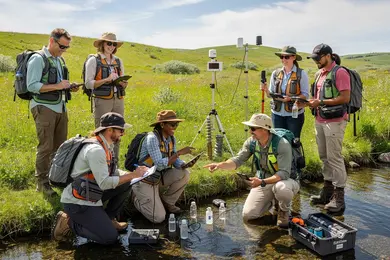
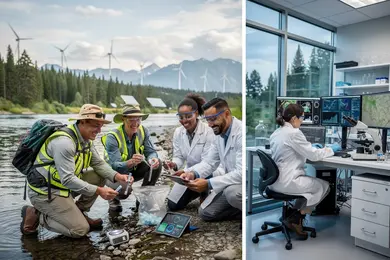
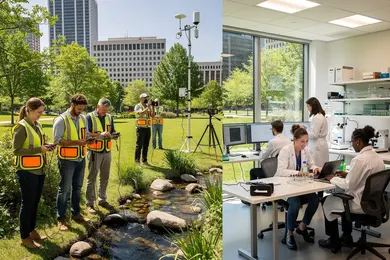
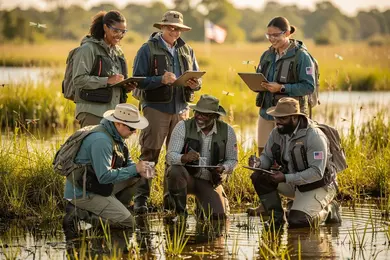
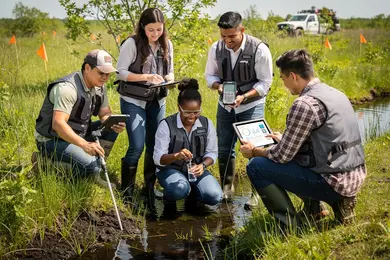
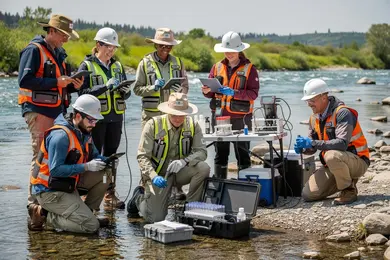
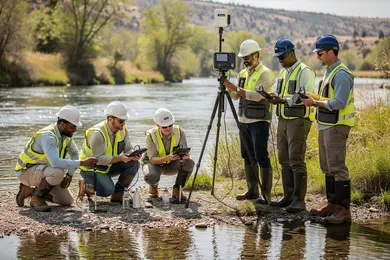
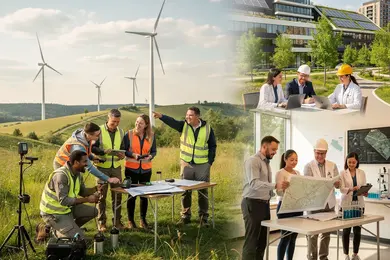
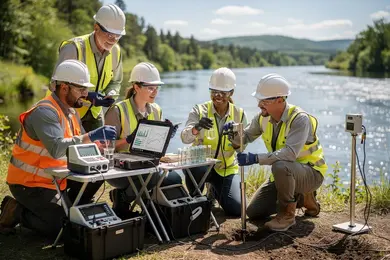
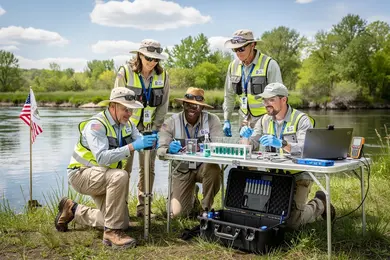
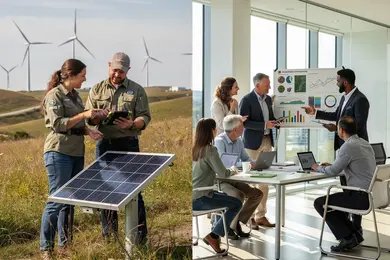
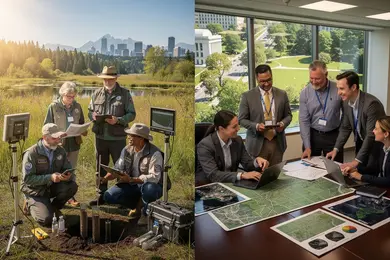
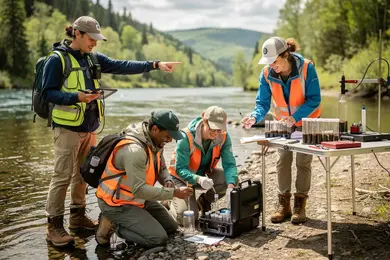
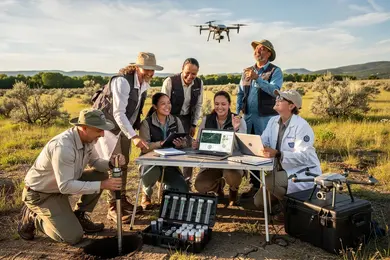
Employers in environmental science demand demonstrable applied skills beyond academic credentials, making hands-on environmental science learning opportunities in online programs essential for graduates. These programs integrate practical environmental science courses with applied fieldwork components such as virtual labs and local fieldwork partnerships to bridge the experiential gap remote students often face.
Missing these elements risks producing graduates underqualified for site-specific assessments or regulatory compliance tasks. Core curricula emphasize technical competencies including GIS mapping, environmental data analysis, and ecological field methods, often employing advanced software like ArcGIS and MATLAB.
This equips students for roles spanning government regulation to sustainable urban planning, where spatial data interpretation and modeling are standard. A real-world scenario would involve analyzing water quality datasets to design EPA-compliant remediation plans, bridging classroom theory and workforce demands.
Internships or capstone projects with environmental agencies provide critical professional experience, recognized by hiring managers as a threshold for job readiness. With median salaries around $76,000 and top quartile earnings exceeding $100,000, these experiential elements can significantly influence career trajectory and earning potential.
Prospective students should scrutinize programs for mandatory fieldwork and the availability of practical projects to avoid limitations in job market competitiveness. Those evaluating educational pathways should also consider affordability and compare options such as a library sciences degree when exploring interdisciplinary opportunities or budget constraints.
What are the typical admission requirements for online environmental science bachelor's and master's programs?
Admission to online environmental science programs demands strategic evaluation beyond checklist qualifications, particularly for those balancing career pivots or upskilling. Bachelor's level entry primarily mandates a high school diploma with GPA expectations between 2.5 and 3.0; standardized tests are increasingly optional but remain a differentiator where competition is tight.
Master's cohorts require a completed bachelor's degree with a GPA generally above 3.0 and demonstrable proficiency in core sciences and quantitative methods. GRE requirements vary, sometimes waived for professional experience, yet letters of recommendation must underscore hands-on research or applied fieldwork, aligning with employer emphasis on practical expertise.
Professionals shifting from unrelated fields face a notable compromise: prerequisite or bridge courses can extend program duration and raise costs, often overlooked in program descriptions. International applicants add layers of credential evaluation and English proficiency testing, complicating timelines and preparatory demands.
These nuanced admission realities shape employability outcomes in environmental consulting, policy, and technology sectors, making it critical for candidates to assess programs with calibrated rigor and realistic expectations.Educations.com research cites over 70 U.S. online programs by 2025, yet selectivity and practical fit vary widely.
How long do online environmental science degrees take and what course formats are offered?
Flexibility in pacing is a critical factor for students pursuing online environmental science degrees, with full-time study typically spanning four years but often extendable to five or six for part-time learners balancing work and education. Accelerated formats that shorten degree completion to three years exist but require heavy course loads, which can limit time for employment or family obligations.
Course delivery mainly relies on asynchronous content, allowing learners to engage on their schedules, yet essential synchronous elements like live discussions or virtual labs provide practical, applied learning and peer interaction. Programs requiring occasional in-person residencies or local fieldwork present logistical challenges for remote students but enhance hands-on skills crucial for employer expectations.
Employers prioritize graduates with real-world competencies, so curricula embedding project-based work and case studies align well with workforce demands. However, it is essential for students to clarify if lab work, internships, or capstones mandate physical presence, as this impacts both flexibility and overall time investment.
Tuition averaging approximately $525 per credit-totaling near $63,000 for a bachelor's degree-positions some online pathways below traditional on-campus program costs, but returns depend on completion time and ability to manage work-study balance. For example, a working adult extending studies part-time may offset tuition with income but delay entry into specialized roles requiring immediate technical expertise.
What do online environmental science degrees cost and what financial aid options are available?
Cost variability in online environmental science degrees largely hinges on institution type and residency. Public universities typically offer bachelor's programs between $15,000 and $30,000 for in-state students, while private or specialized institutions can push tuition beyond $50,000.
Graduate programs, reflecting program length and institution prestige, generally fall between $20,000 and $70,000. Decisions around financing must account for these brackets, especially when weighed against the projected 4.4% job growth in climate-related roles.
Financial aid plays a pivotal role: federal Pell Grants provide up to $7,395 annually for eligible undergraduates, while student loans carry interest rates near 5% for undergraduates and 6%-7% for graduate students. Merit scholarships targeting STEM or sustainability majors further lower costs. Employer tuition assistance is a crucial consideration, especially for professionals shifting careers into climate or sustainability fields, offsetting expenses while maintaining income flow.
Prospective students should prioritize completing the FAFSA to unlock federal aid and explore targeted grants from entities like the National Science Foundation or state workforce commissions. Some programs integrate industry partnerships offering stipends or paid internships, which both reduce net costs and increase employability. Given average salaries around $82,220 for roles such as climate change analysts, prospective enrollees must rigorously evaluate total program costs-including hidden fees-and balance potential debt against realistic entry-level salaries and wage trajectories to avoid financial strain post-graduation.
What environmental science careers can graduates pursue and what skills do employers seek?
Graduates holding an online environmental science degree can access a range of technical roles, but career advancement depends heavily on combining academic knowledge with applied field skills. For instance, environmental consultants in manufacturing must interpret legal regulations and devise mitigation plans, while conservation scientists rely on specialized GIS and biological assessment tools to manage ecosystems.
Employers expect candidates who not only understand regulatory frameworks like the Clean Air Act but also demonstrate practical experience. Key competencies include proficiency in geographic information systems (GIS), environmental impact assessments, and statistical analysis.
Additionally, the ability to communicate complex data clearly through reports and presentations is critical for influencing decision-making among stakeholders. Labor market data shows online graduates earn average salaries near $76,480, matching those of on-campus peers, with employment projected to grow 8% through 2032.
However, online education necessitates proactive pursuit of internships or project-based experience to offset the potential lack of direct lab work or field engagement inherent to virtual programs. To improve employability, students should select degrees integrating practical elements such as case studies and agency partnerships. Those targeting niche roles-like environmental toxicology or renewable energy-will often require additional certifications beyond the degree to remain competitive in specialized sectors.
What is the salary potential and job outlook for environmental science and related roles?
Environmental science roles present distinct salary and career trajectory patterns shaped by sector and specialization. Government positions typically start at around $60,000 annually, offering stable benefits but limited salary growth, especially in entry-level monitoring jobs within municipalities.
In contrast, consulting roles tied to climate adaptation and sustainability frequently exceed $90,000, demanding faster skill acquisition and delivering varied project experiences but less job stability. The U.S. Bureau of Labor Statistics projects an 8% growth rate in environmental-related occupations through 2032, roughly aligned with the national average.
This growth is primarily driven by increased regulatory enforcement and a surge in climate resilience initiatives. For example, an environmental consultant focused on emissions reduction for manufacturing firms will face sustained demand fueled by tightening federal emission standards.
Strategic educational and career decisions hinge on balancing public sector stability against private sector earning potential. Certifications and hands-on experience in GIS, environmental impact assessments, and climate modeling substantially improve employability and salary prospects. Prospective students must also weigh regional variations; states with rigorous environmental policies and active climate programs generally provide more opportunities and higher compensation.
To navigate this landscape effectively, targeting credentials that align with projected occupational growth and employer expectations is critical. This pragmatic approach optimizes both student investment and long-term career resilience in environmental science.
How do I choose a reputable online environmental science program aligned with my career goals?
Selecting an online environmental science program requires aligning curriculum depth with specific career objectives and employer expectations. For those targeting regulatory or policy roles, programs emphasizing environmental law, regulatory frameworks, and quantitative analysis hold more practical value. In contrast, aspiring environmental consultants should prioritize training in Geographic Information Systems (GIS), field methods, and stakeholder engagement to develop market-ready skills.
Accreditation status and faculty with recent field experience critically shape curriculum relevance and networking access. Programs that integrate internships, capstone projects, or virtual labs simulate workplace conditions, elevating graduate readiness beyond theoretical knowledge. However, students must balance such program features against logistical needs like flexibility, financial investment, and tailored career support - factors especially pertinent for working professionals managing time and resources.
Consider an urban sustainability graduate who chooses a program with focused modules on green infrastructure and urban ecology over general environmental studies. This targeted approach enhances employability within municipal or consultancy sectors by ensuring curriculum aligns with real-world job demands. Moreover, programs that report post-graduation employment in relevant sectors or maintain employer partnerships offer clearer pathways for job transition, a crucial metric often overlooked in admissions.
Other Things You Should Know About Environmental Science
The workload in online environmental science degrees can be intensive due to STEM-focused content, including lab reports, data analysis, and research projects. Working professionals must assess their time management capabilities realistically, as courses often require synchronous sessions or deadlines that do not always accommodate irregular work hours. Programs with flexible scheduling and asynchronous options tend to better support balancing career and study demands.
A general environmental science degree offers broader knowledge applicable to various sectors but may limit immediate job placement in niche roles requiring specialized skills. Conversely, specialized online concentrations-such as environmental policy or sustainability management-can open targeted employment opportunities but may reduce flexibility if career goals change. Candidates should select specialization based on concrete career plans and industry demand to optimize return on investment.
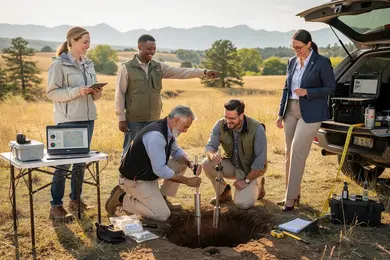
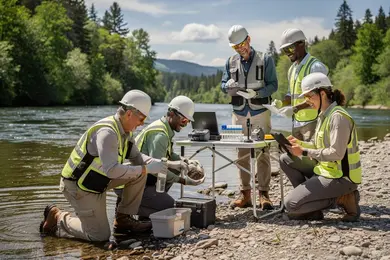
Many online environmental science degrees require at least one on-site or local field experience, such as a 40-hour internship, a supervised capstone, or a weekend lab residency. Programs often use virtual labs for theory, but students must still complete hands-on sampling, GIS, or environmental assessment work.
References
- Online Environmental Science Degree | BS Environmental Science | University of Phoenix https://www.phoenix.edu/online-liberal-arts-degrees/environmental-science-bachelors-degree.html
- How to Verify a US Partner School's Accreditation Before Committing https://www.amerigoeducation.com/news/how-to-verify-a-us-partner-schools-accreditation-before-committing
- 2025 Most Affordable Online Environmental Science Degrees https://www.onlineu.com/most-affordable-colleges/environmental-science-degrees
- Educations https://educations.com
- Environmental Sciences https://dein-studium.uni-hohenheim.de/en/applying-and-enrollment/applying/application-for-masters-in-environmental-sciences-soil-water-biodiversity
- Online Environmental Science Degrees: Compare Schools https://www.degreesforgood.org/online-degrees/environmental-science/
- Explore Environmental Career Profiles | ECO Canada https://eco.ca/career-profiles-index/
- 10 careers you can have with an environmental science degree - SMWC https://www.smwc.edu/10-careers-you-can-have-with-an-environmental-science-degree-blog-july-20/
- CHEA - Find Accredited Higher Education Institutions & Programs https://www.chea.org/directories
- How to Check If an Online School Is Accredited: Full Guide https://pkg-12.com/is-your-online-school-really-accredited-what-parents-must-check/