2027 Best Online Bachelor's in Environmental Science for Conservation and Natural Resource Career Paths

Co-Founder and Chief Data Scientist
Facing an urgent need to address habitat loss and climate change, conservation professionals require specialized knowledge combined with practical skills to influence natural resource management effectively. Yet, many aspiring environmental scientists struggle to balance rigorous fieldwork preparation with their existing work and personal commitments.
As the National Center for Education Statistics reports a 23% rise in enrollment among adult learners in online undergraduate programs since 2022, this shift reflects growing demand for flexible education that accommodates career transitions without sacrificing program quality. This article identifies top online bachelor's degrees suited for conservation and natural resource careers, focusing on accessibility, curriculum strength, and alignment with evolving workforce needs.
Key Things You Should Know
- Online environmental science bachelor's programs often sacrifice lab-intensive training, which employers in conservation prioritize; graduates may face tougher entry without fieldwork components validated by recent U.S. Fish and Wildlife Service employment surveys.
- Federal environmental agencies increasingly require GIS and remote sensing proficiencies-only 52% of online degree curricula included these in 2024, limiting graduate competitiveness for climate adaptation roles per NOAA workforce analytics.
- Cost premiums for accredited online programs rose 12% since 2024, disproportionately affecting midcareer students balancing income loss and accelerated degree demands, as reported by the National Center for Education Statistics' recent funding analysis.
What is an online bachelor's in environmental science and who is it best suited for?
An online bachelor's in environmental science programs for conservation careers provide a practical path for professionals balancing employment, family, or location constraints. These programs emphasize applied science skills critical to natural resource management, covering disciplines such as ecology, geology, toxicology, and policy analysis. This approach equips students to contribute to sectors including government agencies, non-profits, and environmental consulting firms without pausing their careers.
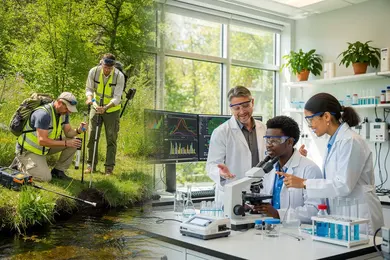
A working wildlife technician, for example, can use remote coursework focused on habitat restoration to transition toward specialist roles, demonstrating the degree's relevance for hands-on professionals seeking advancement. However, the format's limited availability of in-person labs means candidates requiring extensive technical field or laboratory experiences should consider hybrid options.
Employers in this field expect graduates to master GIS software, environmental sampling methods, and regulatory frameworks, competencies commonly developed through interactive online modules. The U.S. Bureau of Labor Statistics projects 7% employment growth for environmental scientists and specialists through 2033, reflecting ongoing demand for expertise in conservation efforts.
Students must weigh the rigorous self-discipline required for asynchronous learning and scientific coursework before committing. Those seeking a structured balance of flexibility and industry-relevant skills might explore competitiveness and cost by reviewing online environmental engineering degree science and engineering programs as potential alternatives.
The bachelor's degree in environmental science for natural resource management offers professionals an adaptable credential to meet evolving workforce demands within a growing job market.
How does an online environmental science bachelor's compare to a campus-based program?
Choosing between an online environmental science bachelor's degree and a traditional campus program requires weighing tangible differences in field experience and professional networking. Campus-based programs embed field labs, internships, and hands-on equipment training essential for roles like wildlife management or ecological surveying-training formats that online degrees find difficult to replicate fully.
Graduates from face-to-face programs often enter the workforce with practical skills directly aligned with employer expectations in government agencies and NGOs. The online environmental science bachelor's degree benefits professionals needing geographic flexibility or those balancing work commitments, as such programs primarily use virtual labs and simulations.
However, this format inherently limits development of tacit, teamwork-driven skills cultivated during in-person fieldwork, potentially requiring students to proactively seek local internships to bridge that gap. Salary expectations remain consistent across delivery modes when the programs are accredited and comprehensive, with environmental scientists earning a median $78,980 annually as of May 2024.
Decision-making should also consider individual career goals and logistical constraints, recognizing that campus programs more effectively prepare students for technical field roles, while online options align better with those pivoting careers or constrained by location. Prospective students might also explore pathways like a data scientist degree for complementary skills.
Which accredited schools offer the best online bachelor's in environmental science?
Choosing accredited online bachelor's in environmental science programs requires weighing curriculum relevance against practical workforce needs. Oregon State University's emphasis on ecosystem management and GIS reflects employer demand for spatial data expertise, translating to a median annual wage of $67,950 for conservation scientists in May 2024. In contrast, the University of Florida targets sustainability and resource economics.
Meanwhile, Colorado State University Global offers flexible pacing and hands-on project experience, appealing to working professionals focused on immediate application of skills. These differences highlight that top online environmental science degrees for conservation careers must match individual career goals and learning contexts.
Accreditation from recognized bodies remains non-negotiable, but employers also seek demonstrated technical skills that align with conservation roles-often verified through virtual labs, internships, or local fieldwork integrated into the curriculum. For instance, aspiring government agency conservation scientists benefit from programs strong in policy and remote sensing, while private sector roles may prioritize data interpretation and analytical practicum experience.
Prospective students evaluating programs should also consider tradeoffs between program flexibility and depth of field training to ensure their education meets evolving employer expectations for applied knowledge. Those interested in related health science pathways might find value exploring options like an online exercise science degree to complement environmental expertise.
What accreditation should online environmental science programs have for credible career preparation?
Choosing an online environmental science program without regional accreditation often leads to tangible career setbacks. Public agencies and many private employers in natural resource management prioritize candidates from regionally accredited institutions, as this accreditation signals that curricula meet recognized academic standards and facilitate credit transfer. For example, graduates from non-accredited programs might find themselves excluded from competitive government internships or fellowships.
Prioritizing regional accreditation for environmental science degrees ensures eligibility for such opportunities and signals readiness for workforce challenges. Programmatic accreditation-such as ABET for environmental engineering-can provide additional specialization but is rare among broad environmental science degrees. Students focusing on federal or state conservation roles should view these accreditations as secondary to regional approval.
Practical elements mandated by regional accreditors, including GIS, field methods, and data analysis, directly impact employability by honing applied skills. Cost considerations remain key. While average tuition for public four-year in-state colleges is about $11,610 annually, investments in quality accredited programs typically yield better long-term returns through smoother career entry and advancement.
Prospective students should critically assess course content and institutional reputation rather than defaulting to less expensive but unaccredited options. Given the diversity of environmental science pathways, comparing degree programs side-by-side alongside related fields such as library degrees can clarify career fit. Visitors can learn more about analogous academic options by exploring library degree resources.
What courses and specializations are typically included in online environmental science degrees?
Online environmental science degrees oriented toward conservation and natural resource careers must balance foundational knowledge with applied skills demanded by employers. Core coursework in ecology, environmental policy, chemistry, biology, and geology forms the necessary base, but real employability hinges on specialization and technical proficiency.
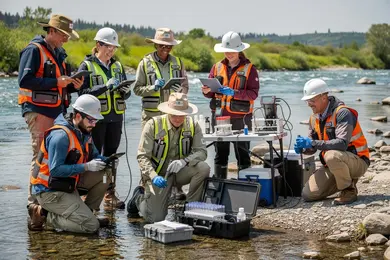
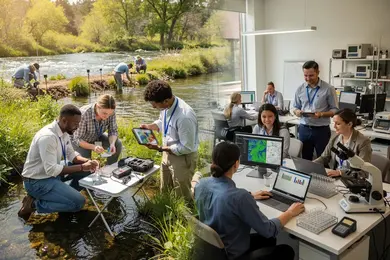
For instance, a student targeting watershed management roles will require training in hydrology, GIS mapping, and environmental monitoring to meet the expectations of government or consulting employers. Graduates without practical experience often struggle in technical roles, making program features like virtual labs, fieldwork components, and internships critical to workforce readiness.
Compliance with environmental regulations also demands familiarity with law and ethics, frequently embedded within these curricula. Specialized tracks addressing renewable energy or climate change extend this knowledge toward sustainability-oriented employers, integrating courses on energy systems and carbon management.
Data analysis, statistics, and problem-solving skills are indispensable across all emphases and are central to evidence-based decision-making. Flexible scheduling options can ease the burden for employed learners but necessitate attention to program accreditation and tangible training opportunities to avoid gaps between education and job market requirements.
- Programs prioritizing applied skills and software tools better position graduates for roles in conservation agencies and resource management firms.
- Income differences underscore the value of bachelor-level training; median weekly wages substantiate investment tradeoffs.
- Verifying practical components and accreditation is essential before committing to an online program.
What are the usual admission requirements for online environmental science bachelor's programs?
Admission to online environmental science bachelor's programs often demands more than basic credentials; applicants must demonstrate proficiency in foundational sciences-biology, chemistry, physics, and mathematics-to align with curriculum rigor. While some schools waive standardized tests like the SAT or ACT, providing official transcripts that reflect competencies in these core areas remains essential.
Applicants with relevant work experience in conservation or forestry gain a practical advantage, though such experience is not always mandatory. Programs frequently request a statement of purpose that clarifies career objectives within natural resource management, alongside letters of recommendation to validate readiness for demanding scientific coursework.
For those without a conventional science background, prerequisite courses or placement exams are common, ensuring students can engage effectively in technical material. Reliable internet access and familiarity with data analysis software are additional gatekeepers in remote learning environments. Realistically, balancing study with ongoing employment requires careful scheduling scrutiny, especially since some programs involve fieldwork or internships that may conflict with online delivery.
Employment growth forecasts show modest increases in forestry (3%) and conservation science (5%) through 2033, reflecting steady but specialized demand. Candidates should weigh program flexibility against these practical constraints to avoid costly delays or skill mismatches upon graduation. Strategic preparation tailored to these admission criteria helps prospective students convert application hurdles into competitive positioning within a nuanced labor market that values both technical knowledge and real-world application.
How long do online environmental science programs take, and what do they cost?
Efficient degree completion timelines significantly impact the value proposition of online environmental science bachelor's programs. Full-time students typically finish in four years, mirroring traditional programs, but accelerated tracks condense this to two or three years for those with transfer credits or capacity for intensive study. Part-time learners, often managing employment or family duties, may extend their timeline to five or six years, which can delay workforce reentry or promotion.
This is an important consideration, given a projected 7% job growth for environmental scientists and specialists by the U.S. Bureau of Labor Statistics. Cost variation between public and private institutions heavily influences decision-making. Public universities generally charge $300 to $600 per credit, totaling $36,000 to $72,000 for a standard 120-credit degree. Private school rates often exceed $800 per credit, sometimes surpassing $96,000.
Beyond tuition, additional fees, study materials, and proctoring can increase expenses by 10-15%. Professionals sponsored by employers need to verify tuition benefits cover the program's full cost and duration to ensure alignment with career timelines and funding caps.
Tradeoffs between scheduling flexibility and program intensity are pivotal. Mid-career government employees might prefer programs with rolling admissions and asynchronous classes to balance work and study, while those seeking faster transitions may accept higher costs associated with accelerated programs. Accreditation and integration with current regulatory frameworks remain critical factors enhancing employability and justifying the investment.
What conservation and natural resource careers can this degree prepare you for?
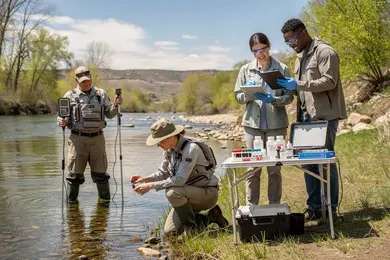
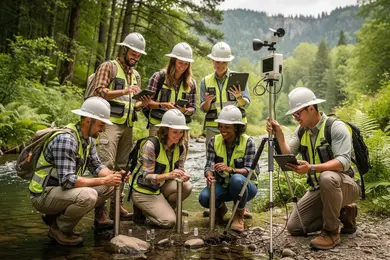
A bachelor's degree in environmental science positions graduates for roles demanding practical expertise in conservation and natural resource management across diverse sectors. Wildlife biologists, for example, conduct detailed population surveys and habitat assessments to guide endangered species recovery, while natural resource managers apply regulatory frameworks to sustainably allocate timber, fisheries, and water.
These roles typically require technical proficiency and the ability to balance ecological data with policy compliance. Environmental scientists may lead projects addressing land restoration or pollution mitigation, navigating interdisciplinary challenges like soil erosion and watershed contamination.
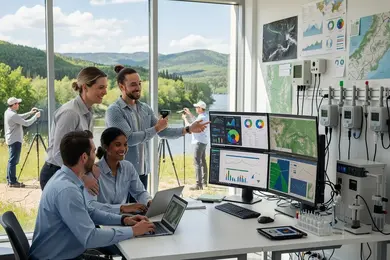
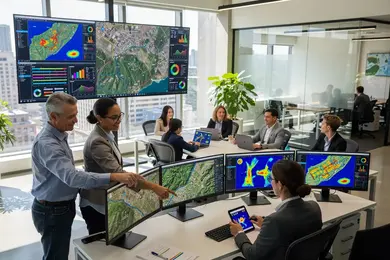
Meanwhile, professionals in environmental policy must interpret complex regulations and environmental impact reports, often mediating between development pressures and ecological preservation in urban planning or energy projects. Conservation technology jobs increasingly demand skills in GIS mapping, remote sensing, and data modeling, serving as essential tools for monitoring natural resources.
Entry-level positions generally require field data collection experience paired with statistical software capabilities, reflecting a labor market increasingly valuing interdisciplinary knowledge and practical field expertise. The financial tradeoff remains significant: with an average federal student loan debt near $37,000 for environmental science graduates, starting salaries between $40,000 and $55,000 necessitate strategic considerations. Internships and workforce programs can reduce hiring times and ease this burden by building relevant experience.
What salary ranges and job outlook can environmental science graduates expect?
Graduates with a bachelor's degree in environmental science face a clear salary growth plateau without additional qualifications or specialized skills. Entry-level roles, typically within government agencies or private consulting, range from $50,000 to $75,000 annually, with federal positions often starting near $60,000. Progressing beyond mid-level jobs usually requires advanced credentials or targeted expertise in areas like data analysis or regulatory compliance.
Mid-career salaries hover between $65,000 and $85,000 for typical titles such as environmental analyst or natural resource manager, but exceeding $90,000 generally demands a master's degree. The U.S. Bureau of Labor Statistics highlights this gap: master's degree holders earn roughly 20% more weekly than those with just a bachelor's. This premium reflects employer expectations for leadership or complex technical roles.
The environmental science job market is projected to grow 5% through 2032, driven by sustainability and climate adaptation initiatives. However, positions linked to government or nonprofits can be vulnerable to budget cuts, making grant writing and policy skills essential for maintaining employment stability.
- Data analysis software proficiency enhances consulting and corporate sustainability prospects.
- Without advanced skills, career advancement stalls despite steady job openings.
How can students choose a reputable online environmental science program aligned with their goals?
Choosing an online environmental science program demands a clear-eyed assessment of accreditation and how well the curriculum aligns with specific career targets. Regional accreditation remains essential for validating curriculum rigor and ensuring employer recognition. Meanwhile, specialized accreditation from organizations like the Society of Environmental Toxicology and Chemistry (SETAC) or the Ecological Society of America (ESA) signals that the program stays current with evolving industry standards.
For professionals aiming at federal or state natural resource positions, prioritizing programs with coursework in policy analysis, GIS technologies, and ecosystem management is critical. Employers in these sectors often seek candidates with direct experience or knowledge applicable to regulatory frameworks and field operations.
Affordability considerations must extend beyond sticker price. With average tuition exceeding $43,000 annually at private nonprofit four-year colleges, prospective students should rigorously evaluate return on investment by examining local job placement rates and entry-level salaries. For example, a working professional pivoting into environmental consulting should focus on programs offering flexible schedules and robust internship or practicum relationships with local agencies.
Faculty expertise and active research partnerships influence exposure to current conservation challenges. Programs incorporating synchronous sessions tend to promote deeper engagement and professional networking than fully asynchronous formats. Additionally, career services tailored specifically to environmental science help navigate a highly competitive job market. Finally, understanding whether a curriculum emphasizes theoretical foundations or applied skills can determine readiness for immediate employment versus further academic study.
Other Things You Should Know About Environmental Science
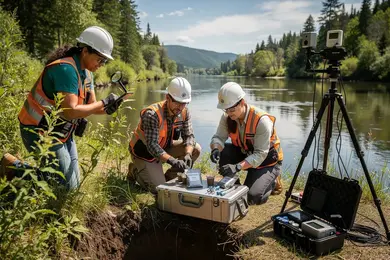
Most online environmental science programs require some level of fieldwork or hands-on experience despite their remote format. This usually comes in the form of local internships, lab work, or short on-site residencies, which can be challenging to coordinate but are essential for skill development employers expect. Prospective students should prioritize programs with clear, supported pathways for in-person practical experience, as purely theoretical online degrees often limit job prospects in conservation and natural resource roles.
Yes. Many conservation-focused online environmental science degrees require 3 to 6 credits in GIS, remote sensing, or spatial analysis, usually in upper-division courses. These classes support habitat mapping, land-use planning, and natural resource monitoring, which are core skills for conservation careers.
Employer acceptance of online environmental science degrees increasingly depends on the program's reputation and accreditation rather than modality alone. However, many employers still prefer candidates with documented applied skills and real-world experience over purely academic credentials. Graduates from online programs should complement their degree with internships or certifications to address lingering skepticism about practical readiness and improve competitiveness in conservation and natural resource job markets.
The rigorous scientific coursework and required field components in an online environmental science program make time management critical for working adults. Programs with flexible asynchronous classes ease scheduling but may increase self-discipline demands, while cohort-based formats provide structured pacing but less flexibility. Working professionals should evaluate their personal time availability and select programs that align with their capacity to commit evenings or weekends, as underestimating workload leads to prolonged completion times or compromised learning quality.
References
- Online Environmental Science Degrees | OnlineColleges.net https://www.onlinecolleges.net/degrees/environmental-science/
- Choosing a bachelor's in environmental science | edX https://www.edx.org/resources/how-to-choose-a-bachelors-in-environmental-science
- Careers in Natural Resource Management https://www.angelo.edu/career/career-exploration/majors/natural-resource-management.php
- Environmental Science https://www.ualberta.ca/en/undergraduate-programs/bachelor-of-science-environmental-science.html
- Online Environmental Science Degree | BS Environmental Science | University of Phoenix https://www.phoenix.edu/online-liberal-arts-degrees/environmental-science-bachelors-degree.html
- Online Environmental Science Degrees: Compare Schools https://www.degreesforgood.org/online-degrees/environmental-science/
- 12 Types of Jobs You Can Get as a Natural Resources Professional https://www.nrep.org/blog/natural-resources-jobs