2027 Best Online Environmental Science Degrees for Environmental Compliance Careers

Co-Founder and Chief Data Scientist
Professionals aiming to ensure regulatory compliance confront a complex landscape of evolving federal and state environmental standards, where a single oversight can trigger costly penalties exceeding millions of dollars. Navigating this landscape requires up-to-date expertise tailored to regulatory nuances, yet many working adults face rigid schedules and geographic barriers that make traditional degrees infeasible.
Recent data from the National Center for Education Statistics reveals a 21% surge in online environmental science program enrollments since 2023, reflecting growing demand for flexibility without compromising credential credibility. This article examines top online environmental science degrees that align with compliance career needs, guiding readers to pragmatic educational choices that accommodate their professional and personal constraints.
Key Things You Should Know
- Bachelor's degrees in environmental science average $450-$750 per credit nationwide, with programs spanning 2-5 years; accelerated tracks reduce opportunity cost but may limit part-time work capacity, increasing financial strain per NCES data.
- Employers increasingly require measurable compliance experience alongside degrees; 2025 EPA workforce analysis finds 62% of hires prioritize internships and certifications over coursework intensity alone.
- Regional disparities appear in state licensing reciprocity for environmental compliance roles, complicating career mobility for remote or online program graduates per 2024 National Association of Environmental Professionals report.
What is an online environmental science degree and how does it prepare you for environmental compliance careers?
Environmental science degrees tailored for compliance roles equip students with specialized knowledge in regulatory frameworks and practical application, setting them apart from general environmental programs. Such degrees emphasize proficiency in EPA standards, OSHA regulations, and state-level compliance requirements, reflecting employer expectations for managing complex legal and technical challenges.
Graduates acquire skills through case studies, virtual labs, and data analysis to identify contamination sources, prepare compliance reports, and lead environmental audits. For example, professionals in the petrochemical industry apply this expertise to oversee hazardous waste disposal and maintain adherence to federal permits, preventing costly violations and operational shutdowns. This real-world procedural knowledge is a critical benefit of an online environmental science degree for environmental compliance careers.
Core courses cover environmental policy, toxicology, risk assessment, and geographic information systems (GIS), reinforced by capstone projects or internships designed to simulate practical workplace challenges. The U.S. Bureau of Labor Statistics projects a 7% job growth for environmental scientists and specialists through 2033 with a median annual wage of $80,060, indicating consistent market demand for candidates versed in both science and compliance management.
Online delivery can mitigate logistical hurdles for working professionals by allowing schedule flexibility and eliminating relocation requirements, though success depends on disciplined time management and digital literacy. Prospective students evaluating this pathway should weigh these operational tradeoffs while considering the advantages of gaining proficiency crucial to advancing in compliance-focused roles.
Those seeking information on cost-effective educational options may refer to programs specializing in the online environmental engineering degree.
How do online environmental science programs compare to campus-based options for compliance-focused careers?
Online environmental science degrees for compliance careers deliver comparable theoretical knowledge to campus-based options but fall short in practical skill-building essential for regulatory roles. Employers expect candidates to demonstrate proficiency in field sampling, environmental audits, and reporting-competencies often developed through in-person labs and supervised internships more accessible in campus programs. This gap is critical given that roles like environmental science and protection technicians earned a median wage of $49,490 in May 2024 with a 7% growth projection through 2033, emphasizing the value of hands-on experience.
Students must weigh campus-based versus online environmental science programs for regulatory compliance carefully, as online students need to secure local internships independently to meet employer rigor. The online format offers flexibility suitable for working professionals but limits spontaneous mentorship and networking vital for mastering complex compliance challenges. Employers tend to scrutinize graduates from online programs more closely when hiring for technical field positions, especially in industries requiring robust practical skills.
Key factors for candidates evaluating programs include:Availability of supervised fieldwork or lab components in online curriculaAccess to local compliance agencies or firms for internshipsEmployer recognition of the program's practical training rigorAbility to build professional networks and soft skills essential for compliance negotiations and reporting
For instance, an online student targeting water quality compliance roles must proactively arrange local practical experiences, whereas campus students often benefit from institution-facilitated placements that enhance early-career readiness and hiring prospects in regulatory sectors. Understanding these tradeoffs-and aligning them with personal circumstances-is crucial for career progression in environmental compliance. Professionals considering advanced specialization may also explore options such as an online PhD in data science to augment their analytical capabilities in environmental data management.
Which accredited online schools offer the best environmental science degrees for environmental compliance roles?
Top online schools offering environmental science degrees for environmental compliance demand a practical alignment with employer expectations, particularly for mid-level engineer or analyst roles. Accredited programs at institutions like the University of Florida, Oregon State University, and Colorado State University integrate rigorous coursework in environmental law, risk assessment, and compliance management, aligned to industry certification standards such as the Certified Hazardous Materials Manager (CHMM).
These degrees emphasize applied skills through case studies on EPA regulations, preparing students for real-world challenges like complex permitting and regulatory reporting in sectors such as waste management and energy. For example, Oregon State University's program equips students to engage immediately in roles monitoring water quality or controlling air emissions, where regulatory adherence can prevent costly penalties or operational shutdowns.
Choosing between fully asynchronous and hybrid models is critical: programs offering live sessions foster interaction with compliance professionals and bolster real-time problem-solving skills that employers prioritize. Graduates with these credentials enter a workforce with a median annual wage of $104,170 and a projected 7% job growth through 2033, making environmental compliance a viable field for those focused on regulatory expertise and practical risk management.
Prospective students weighing these pathways should also explore complementary options such as a librarian degree online to diversify skills relevant in regulatory research and data management environments.
What admissions requirements do online environmental science programs typically have for prospective compliance professionals?
Admission criteria for online environmental science programs focused on regulatory compliance reveal a distinct divide between accessibility and credential strength. Programs that enforce prerequisites like a bachelor's degree aligned with science, engineering, or policy, a 3.0 GPA minimum, and sometimes GRE scores, tend to yield graduates better recognized by compliance employers. However, these requirements can exclude career changers lacking traditional science backgrounds. By contrast, more flexible programs emphasize relevant regulatory or environmental work experience over testing, facilitating quicker enrollment but often demanding greater self-driven mastery of foundational concepts once admitted.
Students weighing online environmental science program admissions criteria for compliance careers must prepare comprehensive documentation: official transcripts, professional licenses, and proof of sector-specific practical experience. Many master's and certificate programs also request essays outlining regulatory awareness and career objectives or require background checks and foundational coursework in chemistry, environmental law, or statistics. Balancing these demands affects not only acceptance chances but also how well students are prepared for technically demanding roles in sectors like energy, manufacturing, and public administration.
The surge to 149 master's-level distance programs in 2025 reflects both the growing market and diverse admissions philosophies. This variation reflects employer realities-some prioritize established credentials, while others value demonstrated workplace proficiency. Prospective students should consider how each program's model aligns with their professional background and goals to avoid mismatches that could hinder on-the-job competence or advancement.
For learners concurrently exploring the broader landscape of online degrees related to compliance careers, evaluating options such as a library science degree may offer alternative pathways aligned with regulatory or compliance frameworks.
What core courses and specializations should an online environmental science curriculum include for environmental compliance work?
Effective preparation for environmental compliance careers through online environmental science programs hinges on targeted coursework grounded in regulatory realities rather than broad scientific coverage. Candidates must gain proficiency in environmental law, toxicology, risk assessment, and policy analysis since compliance officers routinely interpret complex site assessments to ensure alignment with EPA and state-specific mandates. Technical competence in environmental chemistry and geology supports this regulatory interpretation, while practical skills in data management and geographic information systems (GIS) are critical for managing compliance within industrial or municipal infrastructures.
Different sectors demand specialized focuses. For instance, professionals in manufacturing compliance must navigate the Clean Air Act's emission limits, whereas water resource managers confront regulations rooted in the Clean Water Act and watershed dynamics. Programs offering applied projects or virtual internships with regulatory agencies yield clear workforce advantages by simulating inspection and reporting challenges.
From a cost-benefit perspective, students face tradeoffs balancing tuition under $8,000 annually against the necessity for deep, applicable knowledge that employers prioritize-particularly expertise in permits, audits, and remediation. Programs that exclude specialized compliance law or monitoring technology risk producing graduates unprepared for immediate operational impacts.
- Core courses must integrate law, toxicology, and policy tied to real-world cases.
- Applied learning that mirrors agency workflows accelerates career readiness.
- Cost considerations should not eclipse essential technical mastery for compliance roles.
How long do online environmental science degrees take and what do they cost for compliance-focused students?
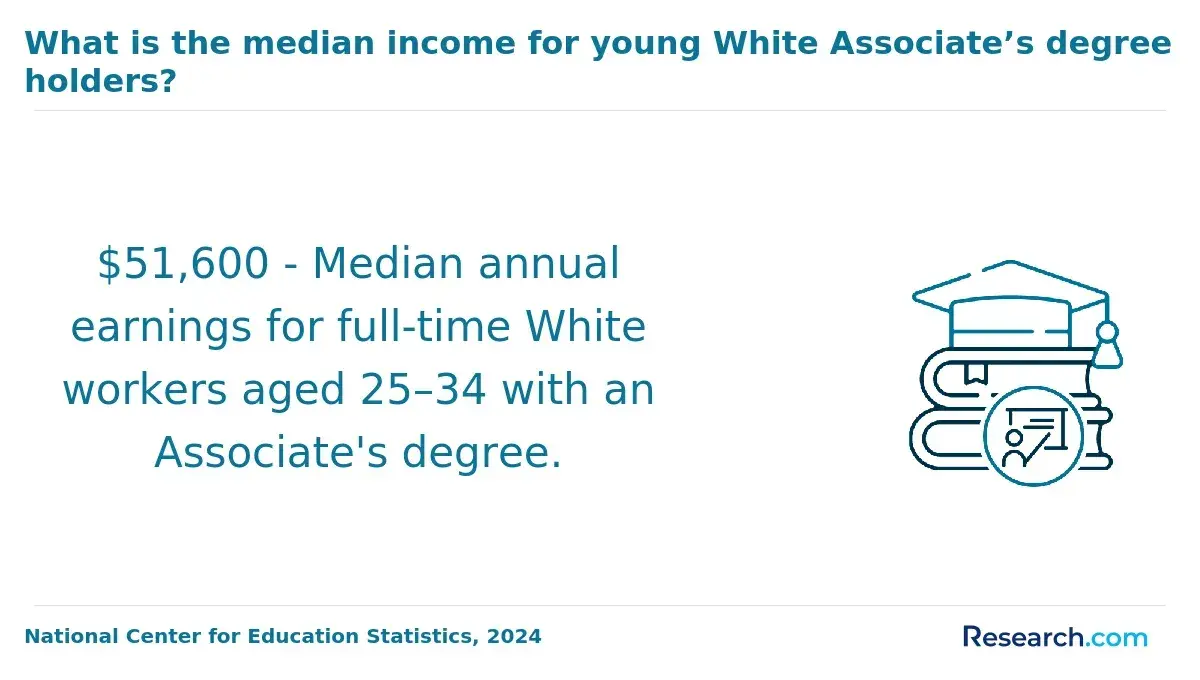
Choosing an online environmental science degree tailored for compliance roles requires careful consideration of both program length and cost implications. Associate degrees or certificates aim to prepare technicians within roughly 1.5 to 2 years, making them viable for entry-level compliance positions. Bachelor's degrees, typically spanning 3 to 4 years full-time, remain essential for most federal regulatory jobs, with part-time paths extending to 4-6 years, imposing longer tuition and opportunity costs. Accelerated formats can reduce completion time to about 2.5 years but often demand intensive year-round study.
Costs vary significantly due to institutional type and program design. Public state schools generally charge $8,000 to $15,000 annually for in-state students, whereas private schools may exceed $25,000, particularly when including lab-intensive compliance concentrations that increase expenses by 10-20%. Additional fees frequently arise from specialized technology requirements and licensing exam preparation.
Students targeting federal agencies like the U.S. EPA or U.S. Geological Survey must align their education with employer expectations, favoring compliance knowledge paired with timely credentialing. For professionals balancing work and study, choosing part-time enrollment requires weighing extended tuition accrual against potential employer tuition support caps.
- Associate and certificate programs suit compliance technicians and entry roles.
- Bachelor's degrees are often mandatory for government regulatory positions.
- Accelerated programs reduce time but intensify workload demands.
- Compliance-specific courses raise overall costs due to labs and fieldwork.
Financial planning should incorporate indirect expenses and realistic timelines to balance immediate costs with long-term employability, reflecting the dynamic regulatory sector's evolving skill requirements.
What environmental compliance jobs can you get with an online environmental science degree?
Choosing an online environmental science degree influences one's position within a spectrum of regulatory and sustainability roles, each demanding distinct technical and managerial capabilities. Entry-level jobs, such as environmental compliance specialists, focus on monitoring adherence to environmental regulations through audits, data collection, and agency coordination. These roles require a bachelor's degree and emphasize practical skills in field inspections and reporting. Moving into positions like environmental consultant entails advising sector-specific industries-manufacturing, energy, or construction-on risk reduction and regulatory strategies, reflecting the need for adaptable expertise in diverse operational contexts.
Graduate education becomes crucial when targeting leadership roles like environmental compliance manager or regulatory affairs manager, which demand navigating complex legislation and coordinating multi-jurisdictional compliance programs. Data from OnlineU's 2026 analysis places median salaries for environmental scientists and specialists near $78,980, signaling a clear market premium on advanced qualifications and management experience.
Students should weigh the tradeoff between continuous learning and regulatory enforcement demands. Effective professionals combine technical knowledge with project management, environmental law, toxicology, and risk management competencies to handle challenges such as hazardous waste or air quality regulation. Employers prioritize candidates fluent in environmental data analytics and sustainability integration, making interdisciplinary skills essential for career progress in this evolving field.
What salary ranges and advancement opportunities exist for environmental compliance professionals with online degrees?
Salary outcomes for environmental compliance professionals holding online environmental science degrees vary widely, shaped by employer sector, geography, and credentials beyond the degree itself. Entry-level roles in local government or small firms typically offer $48,000 to $55,000 annually, while seasoned analysts or managers in federal agencies and large corporations can command $85,000 to $110,000, consistent with U.S. Bureau of Labor Statistics 2024 and Chapman University's 2026 reports.
Growth beyond entry level often hinges on supplementary certifications and hands-on policy experience. For instance, advancing within government regulatory roles to senior analyst or manager positions usually requires these additional qualifications to exceed $100,000 salaries. In private industry, combining technical expertise with project management often leads to director-level roles overseeing sustainability efforts, with compensation reflecting company scale and environmental risk exposure.
Professionals with online degrees face typical hurdles including limited field experience and networking gaps, which can be mitigated by targeted internships or industry certifications. A practical example is an environmental compliance officer in manufacturing who gains ISO 14001 certification, enabling a transition to global compliance coordinator roles and effectively doubling salary potential within five years.
Employers place high value on skills in regulatory interpretation, risk mitigation, and environmental management software. Career progression usually follows measurable impact on organizational sustainability and adherence to regulations, starting at technician or analyst levels. Graduates should plan strategically for incremental advancement rather than expecting immediate high-tier roles.
Are any licenses, certifications, or professional credentials required for environmental compliance careers?
Environmental compliance roles rarely require universal licenses but depend heavily on certifications tailored to specific industries and employer expectations. For example, hazardous waste management professionals must hold the EPA's Hazardous Waste Operations and Emergency Response (HAZWOPER) certification to perform on-site compliance duties. State certifications vary widely, particularly in water quality and air pollution control sectors. In emerging areas like renewable energy or carbon management, credentials from bodies such as the Institute of Environmental Management and Assessment (IEMA) or certifications aligned with sustainability frameworks like GRI or SASB carry increasing weight.
Graduates specializing in environmental science are shifting toward focused fields including carbon management, climate-resilience planning, renewable energy, and circular economy roles. These areas emphasize practical certifications, such as Life Cycle Assessment (LCA) or Verified Carbon Standard (VCS), that validate technical expertise rather than general professional licenses.
Employers expect compliance officers in heavy industry to document regulatory mastery and participate in ongoing training to meet federal and state standards. Conversely, climate-resilience roles often prioritize credentials related to project management or geographic information systems (GIS). Without targeted certifications, candidates face delays in hiring or may need to accept entry-level positions unrelated to compliance.
Pragmatically, students and professionals must assess the industry niche and employer demands before pursuing certifications, aligning credential efforts to maximize hiring prospects and career progression.
How can you evaluate and choose a reputable, accredited online environmental science program for compliance careers?
Choosing an online environmental science program aimed at compliance careers demands prioritizing accreditation recognized by the U.S. Department of Education or CHEA. This validation confirms that the curriculum meets industry standards essential for regulatory roles and professional credentialing often required by employers in manufacturing, energy, or government oversight sectors.
Programs without explicit coursework in environmental regulations, compliance procedures, and risk management tend to underprepare graduates, limiting their practicality in compliance-driven environments. Alignment with established competency frameworks-such as those endorsed by the National Environmental Health Association-matters, as these frameworks map directly to employer priorities like EPA compliance and environmental impact reporting.
Key offerables that boost employability include verified graduate employment data and internships specifically linked to compliance roles. Students seeking to pivot mid-career benefit from programs offering part-time or asynchronous formats, which accommodate full-time work schedules while providing access to updated environmental databases and relevant software tools favored in compliance positions.
With the EnvironmentalScience.org 2026 career guide projecting a 6% job growth rate through 2034 and median salaries near $78,980, committing to a program integrated with these market trends safeguards investment. This practical orientation-not just theoretical content-determines immediate workplace relevance and long-term career resilience.
Other Things You Should Know About Environmental Science
Many online environmental science programs offer the same curriculum and faculty qualifications as their on-campus counterparts, but rigor varies widely. Employers in compliance roles prioritize applicants who have completed programs with substantial hands-on components, such as virtual labs, case studies, or internships that simulate regulatory environments. When evaluating programs, prioritize those that integrate applied learning experiences and alignment with current environmental laws to ensure the degree meets workplace standards.
Online programs demand consistent self-discipline, especially in technically complex fields like environmental science where data analysis and field research concepts are key. Working professionals must expect a heavier cognitive load compared to some other online degrees due to the blend of scientific content and regulatory knowledge. Scheduling real-time virtual labs or group projects alongside full-time work can create conflicts; selecting programs with flexible asynchronous options and clearly defined milestones improves completion chances without sacrificing learning quality.
Graduates often pursue the LEED Green Associate, ISO 14001 Internal Auditor, or HAZWOPER 24-hour training to strengthen compliance credentials. For federal or state permitting work, employers may also value training tied to the EPA, OSHA, or a state environmental agency, depending on the job duties and industry.
Online degrees often limit in-person networking, which can be vital in regulatory and compliance fields that rely on professional connections for job opportunities and mentorship. Program size, presence of active alumni networks, and access to industry professionals via virtual events differ significantly. Prioritize programs that offer structured networking platforms, such as cohort-based learning, career services, and partnerships with regulatory agencies, to offset the typical isolation of online study and promote career growth.
References
- How to Become an Environmental Compliance Officer https://ehscareers.com/employer-blog/become-environmental-compliance-officer/
- Certification Guide for Young Professionals - Board for Global EHS Credentialing https://gobgc.org/professional-environmental-certifications-professionals/
- Environmental Science Degree Jobs | University of Phoenix https://www.phoenix.edu/articles/environmental-science/environmental-science-degree-jobs.html
- New Certifications https://www.nrep.org/certifications
- Four Key Certifications to Enhance Your Environmental Remediation Career - The Planet Group https://www.theplanetgroup.com/blog/enhancing-your-career-in-environmental-remediation-four-key-certifications
- Environmental Compliance Officer Courses https://www.courses.com.au/career/environmental-compliance-officer
- Online MPA Programs with a Specialization in Environmental Policy & Management https://www.onlinempaprograms.com/specializations/environmental-policy-management
- Online Environmental Science Degrees | OnlineColleges.net https://www.onlinecolleges.net/degrees/environmental-science/
- Environmental Certifications for entry-level and career changers https://www.theenvironmentalcareercoach.com/certification-links
- Become an Environmental Professional (EP) | ECO Canada https://eco.ca/designations/environmental-professional/