2027 Employers Hiring Most Aggressively for Environmental Science Talent

Co-Founder and Chief Data Scientist
Professionals seeking to enter the environmental science workforce often grapple with navigating employer expectations amid surging demand for specialized expertise. A recent U.S. Bureau of Labor Statistics report found environmental science jobs growing nearly 11% over the next decade, spurring urgent hiring needs but also intensifying competition for candidates with both field experience and adaptable education credentials. This growth highlights a shift toward valuing flexible program structures, including part-time and online learning, as over 45% of adult learners now prioritize these formats to maintain career mobility. These dynamics challenge candidates to align educational choices with evolving market demands and operational realities.
This article identifies the employers currently pursuing environmental science talent most aggressively and provides actionable insights to help professionals and students target opportunities that match their timing, skills, and credential strategies.
Key Things You Should Know
- Federal environmental agencies increased job postings by 38% in 2025, pressuring employers to prioritize candidates with direct policy and compliance expertise over broader scientific generalists.
- Employers report 45% more difficulty sourcing candidates with hands-on data analytics skills tied to environmental sensor networks, shifting workforce demands toward hybrid STEM-environmental training.
- Lengthy certification pathways and rising tuition costs, averaging 12% annual increases, delay entry into the workforce, causing companies to favor candidates with fast-track, modular credentials despite narrower scope.
Which industries are hiring the most environmental science graduates and early-career professionals?
Demand for environmental science graduates across industries in the United States increasingly exceeds supply, complicating early-career entry. The sectors hiring environmental science graduates in the United States most aggressively include energy, consulting, manufacturing, and government, each with distinct operational requirements that shape talent pipelines.
In energy, employers prioritize candidates who can perform environmental impact assessments and emissions management for projects in solar, wind, and bioenergy, yet many graduates face hurdles meeting experience-based expectations. Environmental consulting firms, among the top sectors recruiting early-career environmental science professionals, require swift mastery of regulatory frameworks and sustainability reporting, with a steep learning curve tied to compliance standards such as GHG inventories and the Clean Air Act.
The manufacturing sector, particularly automotive and chemical industries, demands applied knowledge of environmental management systems like ISO 14001 to effectively handle waste reduction and lifecycle assessments. Government agencies continue to seek candidates with prior internships or governmental work exposure to navigate the complexities of regulatory enforcement and climate adaptation efforts.
Given these realities, prospective students must evaluate their programs for strong integration of applied skills and internships to surmount experience-related barriers. The gap between green hiring growth and related workforce supply means deliberate credential and skill choices are critical for career viability.
For those considering the pathway, knowing what jobs can you get with an environmental science degree and aligning educational investments accordingly will influence employability and long-term progression.
What entry-level and mid-career job roles are most common for environmental science majors?
Entry-level environmental science technician positions in the United States often require more than foundational knowledge; employers expect candidates to handle geographic information systems (GIS), environmental impact assessments, and compliance reporting with proficiency. Job titles like environmental technician, field data collector, and junior sustainability analyst demand certifications such as HAZWOPER or LEED Green Associate to meet OSHA and industry standards, which adds time and financial commitments for students but improves job prospects.
Mid-career environmental consultant roles for sustainability projects typically shift focus toward project management, policy advising, and cross-department collaboration. For instance, a sustainability specialist in manufacturing might balance supply chain optimization against regulatory compliance, demanding an interdisciplinary skill set in data analytics and stakeholder communication. Industry projections estimate a 33% growth in sustainability specialists and a 34% increase in environmental protection professionals by 2026, creating approximately 1 million new positions worldwide.
Educational program evaluation should emphasize practical internships, industry credentials, and sector-specific skills aligned with employer needs. Without these, graduates risk longer job searches or underemployment in general roles. Furthermore, distinguishing between roles focused on technical application versus policy guidance is critical; program choices that favor applied science or environmental law significantly affect employability. Professionals considering role shifts can compare workforce data and related fields through resources like the SLP salary overview to better understand market dynamics.
How strong is the current and projected job outlook for environmental science careers?
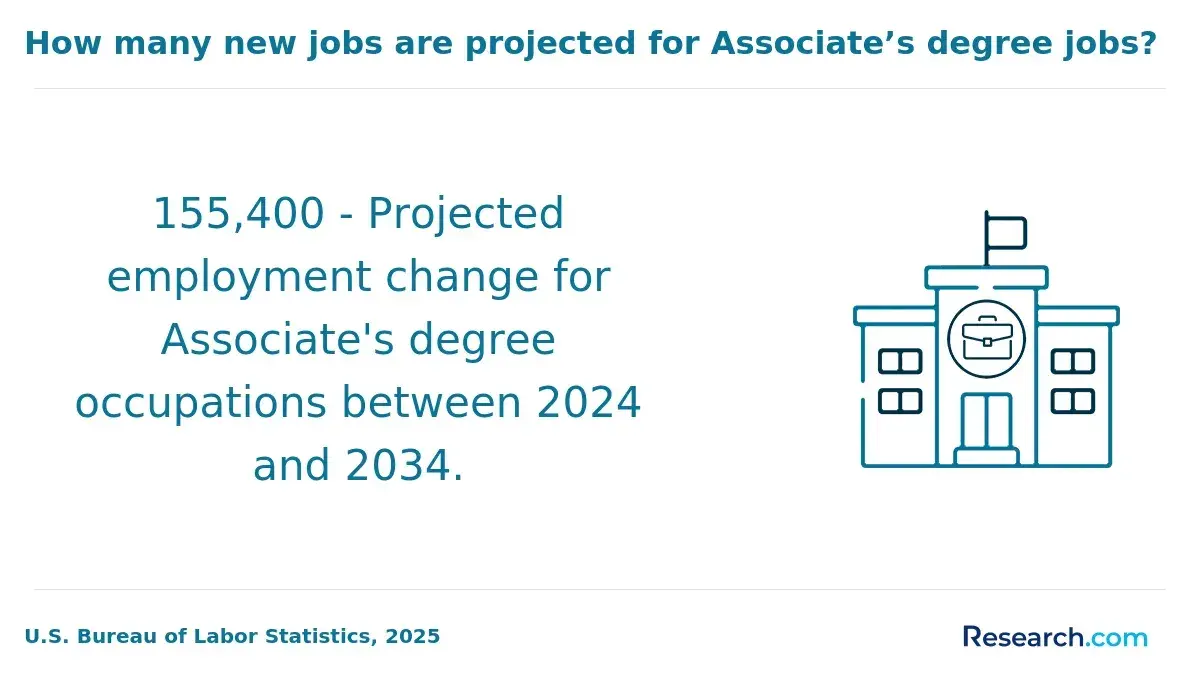
Job growth projections for environmental science careers in the United States demand a clear-eyed assessment of where opportunities concentrate and what skills translate into tangible workforce value. Demand in this sector is tightly linked to regulatory pressures, sustainability priorities, and technical competencies rather than broad academic qualifications alone. For example, municipal water treatment specialists must navigate the challenge of meeting federal compliance standards with a capacity for real-time data monitoring and mitigation-a scenario that sharply distinguishes qualified candidates.
The median wage of $80,060 reported in May 2024 reflects specialized expertise in GIS, data analysis, and impact assessment software, not generalist knowledge. Employers often expect candidates to balance compliance outcomes with cost efficiencies, especially in private consulting roles where business constraints compete with environmental rigor.
Environmental science job growth in the United States also varies significantly by geography and field specialization. Graduates focused on urban planning or environmental law should acquire niche credentials aligned with these subfields to avoid stagnation. Continual learning that adapts to advancements such as remote sensing or machine learning applied to environmental data becomes essential to maintain relevancy in a shifting labor market.
Prospective students should consider realistic time and resource investments against outcomes when choosing how to advance their credentials. Those looking for flexible study options may explore an exercise science online degree as a comparative illustration of online pathways' role in managing educational friction, although direct environmental science parallels exist.
What education level and degree majors do employers prefer for environmental science positions?
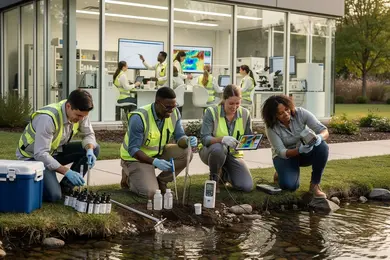
Employers seeking environmental science talent most aggressively typically require at least a bachelor's degree in environmental science or a closely related field such as geology, biology, chemistry, or environmental engineering. The education level required for environmental science jobs reflects a preference for candidates with interdisciplinary skills, including Geographic Information Systems (GIS), statistical modeling, and a solid understanding of environmental policies. For example, environmental consulting firms prioritize graduates who interpret complex regulations and conduct risk assessments, while government roles favor hands-on experience with field sampling and laboratory techniques.
While associate degrees or certifications can open doors to entry-level roles, these positions offer fewer opportunities and slower growth compared to those with a bachelor's degree. Advanced degrees become an important consideration for professionals targeting senior technical specialist roles, especially in sectors like renewable energy or waste management where expertise in ecological modeling or advanced chemistry is valued. However, many mid-level environmental science positions are accessible with a bachelor's degree combined with relevant certifications.
The practical tradeoff lies between pursuing specialized graduate training versus entering the workforce sooner with a versatile undergraduate degree. Broad environmental consulting and regulatory compliance roles emphasize practical experience and interdisciplinary undergraduate preparation, while highly technical niches demand graduate education. Prospective students should also consider costs when planning their path; for related fields, reviewing resources like the MLIS degree cost may provide helpful financial context.
- Preferred degree majors for environmental science careers typically include natural sciences with integrated regulatory coursework.
- Education level required for environmental science jobs generally starts at a bachelor's degree for broader opportunities and career progression.
Which U.S. regions and cities currently offer the most environmental science job opportunities?
Environmental science job opportunities concentrate heavily in distinct U.S. regions, with the West Coast, Northeast, and parts of the Southeast dominating demand due to local industry priorities and regulatory frameworks. California's solar and wind sectors require candidates who master state-specific policies and advanced renewable technologies, contrasting sharply with Northeast roles where climate data modeling and regulatory compliance expertise are paramount. This geographic variation demands strategic skill tailoring rather than a broad environmental knowledge base to successfully navigate hiring challenges.
Employers report an 8% annual growth in green talent demand against only a 4% increase in qualified supply, intensifying competition and emphasizing the importance of specialized expertise over general credentials. This supply-demand mismatch also impacts relocation decisions, where candidates must weigh higher costs of living against salary adjustments and access to niche training or professional networks.
Key practical implications for aspiring environmental science professionals include:
- Choosing regions aligned with their existing skills or willingness to adapt through focused education.
- Prioritizing competencies reflective of local industry needs, such as renewable energy policy in California or urban resilience planning in the Northeast.
- Recognizing that failure to develop actionable, role-specific expertise can limit employment prospects despite overall job growth.
By critically evaluating regional job market distinctions and adjusting educational pathways accordingly, candidates can optimize both employability and long-term career trajectory within environmental science fields.
How do salaries and benefits compare across major environmental science career paths?
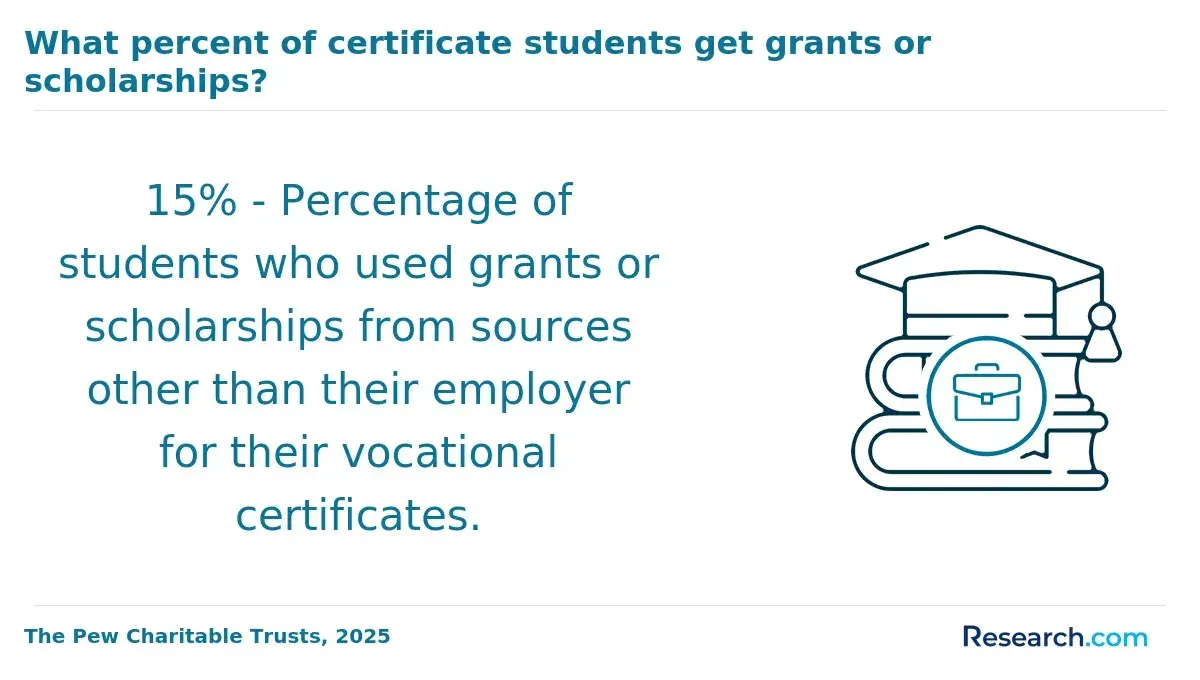
Salary trajectories in environmental science reflect complex dynamics between specialization, geography, and employer sector. Entry-level roles such as environmental technicians earn roughly $40,000-$55,000, where lower credential requirements set a modest baseline. Mid-level professionals-analysts and specialists-typically make $60,000-$80,000, with variation tied closely to industry focus and location. Roles specializing in policy analysis or regulatory compliance, especially within government or consulting, frequently command $90,000-$110,000, but this comes with demands for advanced credentials such as master's degrees or specific certifications.
Senior leadership positions, like environmental engineers or sustainability managers in private or international projects, often surpass $120,000, leveraging both technical depth and management responsibilities. Candidates must consider tradeoffs: public-sector roles generally offer more stable benefits but lower pay ceilings, while private-sector positions may provide performance bonuses and equity but require longer hours and more travel.
Geographic shifts prominently influence compensation and career pace. The UAE and Saudi Arabia, for example, stand out as hotspots for sustainability talent, offering premium pay concentrated in renewable energy and circular economy sectors. For career changers from unrelated fields, targeting specialized roles in these high-demand regions-or emerging fields like environmental data science-can accelerate wage growth. Conversely, regulatory-focused paths may demand extensive education upfront but promise greater long-term stability.
Understanding these variables is essential for aligning educational investments with realistic occupational outcomes and personal career timelines.
What technical and soft skills do employers most frequently seek in environmental science talent?
The environmental science job market is increasingly centered on candidates who combine strong quantitative skills with regulatory fluency. Employers prioritize expertise in data analysis tools like MATLAB or R and Geographic Information Systems (GIS) to meet the surge in climate-risk assessment demands. This trend emerges from mounting corporate requirements for climate-related disclosures and biodiversity reporting, especially with new regulatory frameworks introduced since 2024.
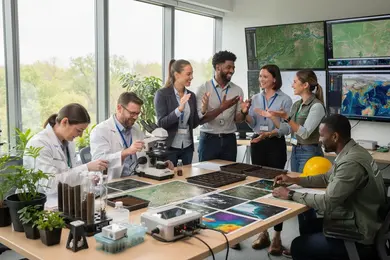
Strong technical proficiencies must be paired with well-developed soft skills, as the role involves translating complex scientific data for non-specialists within interdisciplinary teams-particularly in sectors like renewable energy development. Clear communication, project management, and coordination across diverse stakeholders are necessary to navigate the complexity of corporate and governmental environmental initiatives.
Adaptability is key for managing evolving regulations and emergent technologies, where candidates must balance scientific rigor with pragmatic, cost-conscious real-world constraints. Moreover, negotiation and teamwork skills directly influence outcomes when interacting with regulatory agencies or community groups.
Educational programs focusing exclusively on theoretical knowledge frequently fail to prepare students for these multifaceted demands. Emphasizing applied quantitative methods, regulatory frameworks, and communication strategies better aligns graduate competencies with employer expectations. Without this integrated skill set, candidates risk limited access to roles where environmental data drives strategic decision-making or compliance.
- Technical mastery in environmental modeling and GIS
- Communication skills tailored for diverse audiences
- Project management and cross-stakeholder collaboration
- Regulatory compliance understanding and adaptability
How do hiring trends differ for candidates from online versus campus environmental science programs?
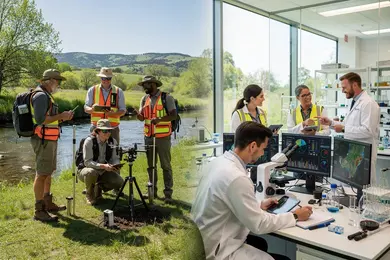
Employers distinctly prioritize campus-based environmental science graduates for roles demanding hands-on fieldwork, laboratory access, and in-person collaboration-skills best developed through structured internships and on-site labs. Positions in environmental consulting and government agencies often require this direct experience, making campus degrees the preferred entry point for multidisciplinary team leadership tracks.
By contrast, online program graduates tend to enter faster-growing early-career roles such as environmental scientists, compliance specialists, or environmental technicians. Their strengths lie in remote data analysis, GIS mapping, and regulatory compliance, where digital fluency and self-directed learning outweigh physical field exposure. Firms in environmental technology and remote consulting increasingly value these tech-driven competencies but often request supplementary certifications or contract internships to offset gaps in applied experience.
Graduates from online programs face a practical tradeoff: lower initial networking opportunities without institutional career services, which means proactively pursuing local internships or volunteer fieldwork is critical when aiming for positions like environmental remediation or natural resource management. This divergence also impacts salary and promotion trajectories, where campus alumni generally advance more rapidly into leadership roles while online graduates evolve in specialized analytical functions.
- This distinction necessitates clear strategic decisions about which career path aligns best with one's access to hands-on opportunities and preferred work settings.
- Understanding employer expectations about skill verification and networking is crucial for bridging experience gaps in a competitive labor market.
- Balancing flexible learning formats with practical exposure directly influences long-term employability and role specialization across environmental science sectors.
Which environmental certifications and professional licenses most improve employability and advancement?
The most impactful certifications in environmental science reflect clear industry expectations for specialized expertise and legal accountability. A Professional Engineer (PE) license with environmental focus or the Certified Environmental Professional (CEP) credential signal readiness to manage compliance, risk, and remediation projects under regulatory scrutiny. Candidates ignoring this alignment may face limited advancement, especially in government or engineering-driven contracts where legal responsibility for work is mandatory.
When targeting occupational health roles, lean toward Certified Industrial Hygienist (CIH) or Certified Hazardous Materials Manager (CHMM) certifications to demonstrate proficiency in workplace hazard controls and hazardous waste management. These credentials shape career trajectories in manufacturing, construction, and federal agencies more concretely than generalized qualifications.
Advanced certifications such as Leadership in Energy and Environmental Design (LEED) Accredited Professional are essential for those pursuing sustainable construction and urban planning-areas where technical knowledge must translate into leadership on green projects. OSHA 30-Hour General Industry Certification remains a baseline requirement for many regulatory jobs, reflecting a practical minimum in environmental health and safety knowledge.
Wage differentials underscore the value: federal environmental scientist roles that require such credentials offer a median salary of about $114,000, significantly above the $80,000 median for the profession overall. This disparity reveals how employers price verified specialization in politically complex and technically demanding niches.
- New graduates aiming for federal or regulatory environments should emphasize PE or CEP certifications early rather than a scattershot credentials approach.
- Established professionals in environmental health should prioritize CIH or CHMM before expanding into unrelated certifications.
Adopting a focused certification strategy reduces risk of overextension and maximizes return on the significant time and financial investment these credentials entail.
How can students strategically choose environmental science programs to align with employer demand?
Growing demand for expertise in waste management, renewable energy, and energy-efficient technologies has reshaped hiring patterns in the environmental science sector, with UK data showing a 34.6% increase in green jobs since 2015. Students must align educational choices tightly with these market realities to avoid skills gaps that prolong unemployment. For instance, pursuing specialized coursework and internships in solar or wind energy can offer a clearer hiring advantage over generalized environmental programs.
Conversely, those targeting waste management roles should seek direct experience with operational settings such as recycling facilities. Without this focus, graduates risk limited job prospects and longer job searches.
Evaluating faculty expertise, program partnerships, and placement outcomes in these key fields offers insight into real-world employability. Interdisciplinary options combining environmental science with data analytics and policy reflect increasing employer preference for versatile candidates able to navigate technical and regulatory landscapes.
Tradeoffs exist between program duration, cost, and career trajectory. Short-term certificates focusing on energy efficiency provide faster workforce entry but commonly limit advancement compared to bachelor's or master's degrees with broader foundations. Regional labor market differences further impact relevance, emphasizing localized research during program selection.
- Prioritize hands-on training and certifications linked to target sectors
- Assess faculty credentials and industry connections critically
- Balance program length against skill depth and advancement opportunities
Other Things You Should Know About Environmental Science
Choosing to specialize early can lead to deeper technical expertise valued in narrow job niches like water resource management or environmental toxicology. However, employers increasingly seek candidates with broader analytical skills who can adapt across sectors such as policy analysis, fieldwork, and data modeling. Students prioritizing specialization may limit flexibility and risk slower career shifts if market demand changes. It is advisable to secure a solid foundational skill set during undergraduate studies and pursue specialization through targeted internships or graduate-level work to balance adaptability with expertise.
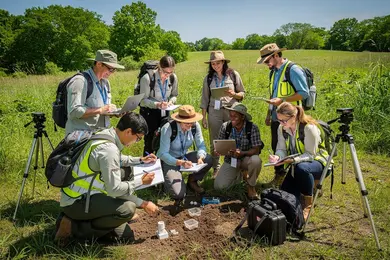
Employers prioritize practical experience, especially demonstrated problem-solving in real-world settings, over purely academic grades or theoretical knowledge. Internships, fieldwork, and involvement with regulatory projects often weigh more heavily in hiring decisions. Candidates with strong academic credentials but limited hands-on exposure may face challenges competing against those with proven practical outcomes. For meaningful placement, applicants should seek opportunities to apply classroom learning in professional environments rather than relying solely on GPA or academic honors.
Programs that combine technical training with policy understanding and communication are preferable for most environmental science careers due to employer demand for multidisciplinary expertise. Candidates able to interpret scientific data while influencing regulatory decisions and public awareness have a distinct advantage. Focusing narrowly on natural sciences without complementary policy or communication skills often restricts career advancement into leadership or consultancy roles. Students should prioritize educational paths that provide this integrated approach to improve employability and long-term impact.
The most valued credentials are OSHA 30 for field safety, HAZWOPER 40 for hazardous-site work, and LEED Green Associate for sustainability roles. For water, air, and stormwater jobs, employers also look for state-issued technician licenses and EPA-compliant training records.
References
- Environmental Job Market Trends | ECO Canada https://eco.ca/research-and-resources/environmental-job-market-trends/
- New Certifications https://www.nrep.org/certifications
- 64 sustainability certifications to advance your career in 2025 | Trellis https://trellis.net/article/64-sustainability-certifications-to-advance-your-career-in-2025/
- Four Key Certifications to Enhance Your Environmental Remediation Career - The Planet Group https://www.theplanetgroup.com/blog/enhancing-your-career-in-environmental-remediation-four-key-certifications
- Environmental Career Profiles Australia https://environmentaljobs.com.au/resources/environmental-sustainability-careers
- Best Cities For Environmental Jobs https://unity.edu/career-corner/best-cities-for-environmental-jobs/
- Environmental Science Degree Jobs | University of Phoenix https://www.phoenix.edu/articles/environmental-science/environmental-science-degree-jobs.html
- Green Jobs in High Demand and Where They Are https://vault.com/blogs/job-search/where-the-green-jobs-are-and-which-green-jobs-are-needed
- Corriculo: Specialist Environmental Science Recruitment https://corriculo.co.uk/science-recruitment/environmental-science/
- Online degrees viewed more positively post-pandemic, VCU research finds https://www.eurekalert.org/news-releases/1117802