2027 Online Environmental Science Degrees With Earth Systems and Environment Concentrations

Co-Founder and Chief Data Scientist
Environmental professionals often confront urgent challenges balancing complex earth systems data while meeting tight regulatory deadlines. Managing localized ecosystem changes demands expertise that integrates atmospheric, geologic, and hydrologic variables, yet many existing programs offer rigid schedules ill-suited for working adults seeking to pivot or advance careers. According to the National Center for Education Statistics, over 40% of college students are now enrolled exclusively online, reflecting a critical need for flexible learning in fields like environmental science where workforce demand is rising.
This shifting educational landscape pressures candidates to prioritize programs with adaptable structures and credible concentrations in earth systems and environment. This article examines online environmental science degree options featuring these specializations, offering detailed guidance to navigate accessibility, curricular rigor, and employability trade-offs for informed decision-making.
Key Things You Should Know
- Earth systems and environment concentrations demand robust quantitative skills; US Bureau of Labor Statistics data shows 22% wage premium in roles requiring advanced modeling, creating a critical tradeoff between STEM rigor and program accessibility.
- Employers prioritize graduates with integrated field data analysis and regulatory knowledge, per National Environmental Workforce Survey 2025, increasing hiring odds by 35% but penalizing narrow theoretical curricula.
- Average total online program cost exceeds $35,000 per NCES 2024, often extending completion beyond four years due to balancing work, impacting mid-career professionals' ROI and timing for transition into environmental sectors.
What is an online environmental science degree with earth systems and environment concentrations?
An online environmental science degree program with earth systems concentrations demands precise analytic capability paired with practical technical skills, particularly in geospatial analysis and climate modeling. This specialization distinguishes itself by focusing on the physical, chemical, and biological processes governing terrestrial and atmospheric dynamics-skills essential for roles centered on systemic environmental challenges rather than localized regulatory tasks. For instance, environmental consultants applying earth systems principles must integrate data with regulatory frameworks to predict land use impacts effectively.
Balancing theoretical depth with applied competencies such as GIS and remote sensing forms a core challenge many students face in these rigorous programs. Those pursuing the best online degrees in environmental science and environment studies should anticipate substantial self-discipline to navigate interdisciplinary content remotely and often concurrently.
Graduates generally qualify for mid-level technical roles but should consider supplementary internships or credentials to improve mobility. Employment in this sector is projected to grow by 6% over the next decade, driven by steady demand for specialists adept at assessing evolving environmental systems. This outlook reflects practical workforce needs rather than abstract occupational growth.
Prospective students evaluating their options may benefit from understanding what can you do with an environmental science major to align educational choices with realistic career trajectories.
Are online environmental science degrees as respected as campus-based programs?
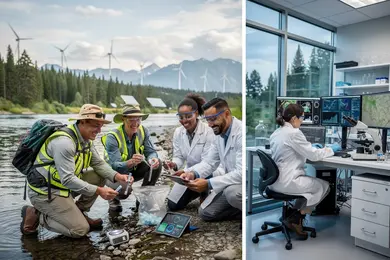
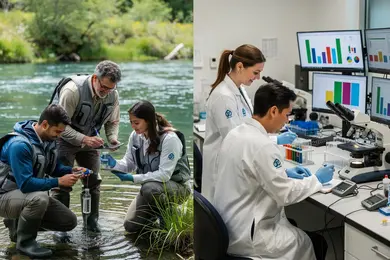
Online environmental science degree credibility increasingly hinges on the integration of practical experience, which directly affects employability across sectors. While employers no longer reject online credentials outright, degrees lacking applied learning elements remain at a disadvantage in fields that demand hands-on skills. For example, environmental consulting or regulatory compliance roles frequently require proven technical proficiencies often developed through supervised fieldwork or labs typically tied to campus programs.
Employer preferences differ markedly:
- Government agencies favor graduates with verifiable supervised field experience, more reliably offered through campus programs.
- Private environmental firms accept online degrees if candidates present concrete project outcomes, internships, or certifications.
- Research roles expect lab technique familiarity and collaboration skills that purely theoretical online programs struggle to provide.
Choosing between online and campus environmental science programs involves tradeoffs in logistics, cost, and networking. Online formats offer flexibility but demand proactive efforts to secure local internships or virtual lab experiences, critical to avoid employability penalties during initial job searches. In contrast, campus students benefit from embedded practical resources but generally face higher tuition and less scheduling freedom. The median annual wage of $78,980 for environmental scientists (May 2023) underscores a market that values demonstrable skills over delivery format.
Professionals pivoting careers with established networks may find online degrees adequate for advancement. Prospective students should ensure their programs emphasize experiential learning and leverage local opportunities. For comparative cost and salary insights relevant to environmental science and related fields, see online animal science degree salary.
How do online environmental science degrees compare to on-campus options in format and flexibility?
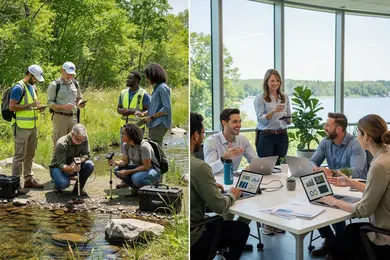
Online environmental science degree format and flexibility often favor working professionals aiming to shift careers or enhance skills without disrupting income. These programs primarily offer asynchronous learning options, unlike rigid on-campus schedules, enabling students to manage coursework during off-hours. However, this convenience comes with clear tradeoffs: hands-on laboratory and field experiences remain limited or virtual, which may underprepare those targeting roles requiring practical ecological or soil science skills. Students focusing on urban planning or GIS data analysis often find online formats sufficiently robust, balancing their technical skill acquisition with flexible study.
Employer demand in environmental sectors reflects this tension. The U.S. National Climate Assessment attributes billions in economic losses each year to climate-related impacts, increasing the urgency for environmental science expertise grounded in applied experience and team collaboration. Hiring managers typically prioritize candidates with synchronous group work and in-person research exposure, areas where traditional on-campus degrees excel. Nevertheless, well-designed online programs that incorporate virtual labs and timed collaborative projects are progressively narrowing this gap, though institutional quality varies significantly.
Prospective students evaluating comparing on-campus and online environmental science programs should scrutinize how each integrates fieldwork and employer engagement. For example, environmental policy professionals may succeed entirely online, while aspiring field technicians depend on hybrid models or local internships to fulfill practical skill requirements. Accessibility benefits and reduced costs favor online paths, but accreditation and applied research support remain critical filters. For those exploring alternative STEM pathways, examining computer science degrees online also offers insights into online learning structures and career pivot frameworks.
What accreditation should environmental science programs with earth systems concentrations have?
Regional accreditation is non-negotiable for credible online environmental science programs with earth systems concentrations, influencing not only academic quality but critical workforce outcomes. Recognized accreditors such as the Higher Learning Commission (HLC), Middle States Commission on Higher Education (MSCHE), or WASC Senior College and University Commission (WSCUC) validate that curricula align with essential geology, ecology, and environmental policy competencies employers demand. For instance, federal and state agencies often mandate graduation from an accredited program to consider candidates for environmental protection specialist roles, which data from Arizona State University highlight with a 4.4% job growth projection and median earnings near $82,220.
Specialized accreditations, like those from the Association of Environmental Engineering and Science Professors (AEESP), add nuanced value but remain uncommon and should be weighed against program requirements. Without appropriate accreditation, students risk ineligibility for necessary state licensure or certifications such as the Certified Environmental Scientist (CES), limiting advancement in government and industry positions. Programs lacking rigorous practical components-including fieldwork or internships-frequently extend job search durations and narrow career trajectories.
Prospective students evaluating regional accreditation for environmental science degrees with earth systems focus should also prioritize institutions with substantive career services and industry connections. Verified program quality correlates directly to smoother workforce integration and aligns with employer expectations for compliance and applied expertise.
For a broad comparative view on affordable options in related fields, consider this resource on MLIS.
What courses and specializations are offered in earth systems and environment concentrations?
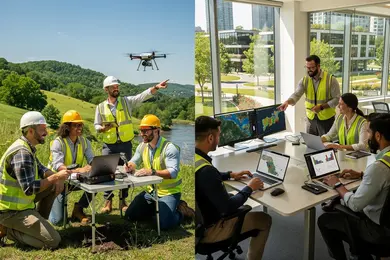
Online environmental science degrees that focus on earth systems and environmental concentrations prioritize interdisciplinary skills essential for applied workforce impact. Core coursework combines atmospheric science, geology, ecology, and hydrology with geospatial technologies like GIS and remote sensing. Graduates develop proficiencies in environmental modeling and field data interpretation, directly relevant to natural resource management and urban resilience planning.
Specializations that incorporate advanced data science cater to roles involving large-scale environmental datasets. With the demand for data scientists in earth and environmental sciences growing significantly and median salaries exceeding $120,000, proficiency in Python, R, and machine learning is a distinct advantage. Employers specifically seek candidates able to incorporate environmental data into policy or engineering solutions, addressing challenges such as watershed management and biodiversity conservation.
For working professionals, programs balancing technical coursework with applied capstones or internships enhance readiness for regulatory and reporting requirements. However, program flexibility on practicum components and access to current software tools critically affect how smoothly students transition into the workforce.
In practice, those targeting sectors like energy or agriculture will find geospatial analysis skills vital for minimizing ecological harm while optimizing operations. Conversely, urban sustainability roles demand knowledge of environmental justice and policy frameworks to influence municipal decision-making effectively.
What are typical admission requirements for online environmental science bachelor's and master's degrees?
Admission requirements for online environmental science bachelor's and master's degrees reflect distinct expectations grounded in academic readiness and contextual professional relevance. Undergraduate applicants typically need a high school diploma or GED with a GPA around 2.5 to 3.0, alongside coursework in biology, chemistry, or earth sciences to avoid remedial classes. Quantitative skills are essential, as program rigor demands analytical competency aligned with environmental data interpretation.
Master's candidates must hold a relevant bachelor's degree with a minimum 3.0 GPA and often provide evidence of research or sector-specific experience, essential for navigating graduate-level complexities. While GRE requirements have diminished, some programs still mandate quantitative reasoning scores. Admissions weigh recommendation letters and statements of purpose heavily, especially when applying to concentrations focused on earth systems or policy analysis, which directly influence employability and specialization opportunities.
Practical tradeoffs emerge for working professionals balancing study with employment, as online environmental science programs require strong discipline and reliable technology, occasionally verified through readiness assessments. Candidates targeting federal or public sector roles should prioritize programs offering robust scientific training and research exposure, given median government wages nearing $107,990 and competitive hiring standards.
- Undergraduate admission hinges on academic benchmarks and foundational science coursework to support program demands.
- Graduate admissions emphasize research experience, relevant professional background, and targeted statements of purpose.
- Technology readiness can impact enrollment and completion success for online learners juggling employment.
- Federal employment prospects improve with credentials aligned to environmental science specialties and rigorous program content.
How long do online environmental science programs take, and what do they cost?
Choosing an online environmental science program hinges on balancing time-to-completion with financial burden and career goals. Bachelor's degrees typically require about 120 credit hours, which full-time students can complete in approximately four years, although accelerated options and transfer credits may reduce this to 2.5-3 years. Master's programs involve 30 to 45 credit hours and often take 1.5 to 2 years, but professionals juggling work responsibilities might extend their timelines. Since tuition is usually charged per credit hour, pacing directly influences overall cost.
Cost variations between programs can be significant. For instance, Oregon State University Ecampus's tuition starts around $359 per credit hour, resulting in nearly $43,000 for a 120-credit bachelor's degree, before additional fees. More expensive programs charging $600 or higher per credit double these educational expenses. This disparity has tangible consequences for graduates entering public sector roles, where salaries often fall between $40,000 and $60,000 annually, making lower debt essential to financial stability.
Key considerations beyond credit costs include technology fees, textbooks, and possible travel for required fieldwork or residencies-components that affect both total investment and scheduling flexibility. Moreover, employers in environmental science heavily value applied skills, so programs offering substantial practicum or internship opportunities may better position students for competitive roles despite potential increases in time and expense.
- Full-time vs. part-time enrollment directly impacts program duration and cost
- Lower tuition per credit correlates with reduced long-term debt, critical for public sector entrants
- Applied competency from internships influences employability more than higher credit costs alone
- Additional fees and travel requirements complicate budgeting and time management
What careers can graduates pursue with an environmental science degree focused on earth systems?
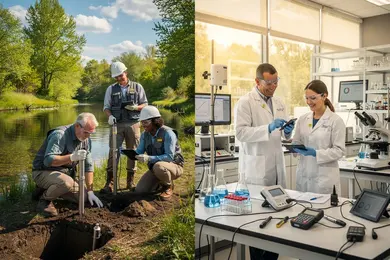
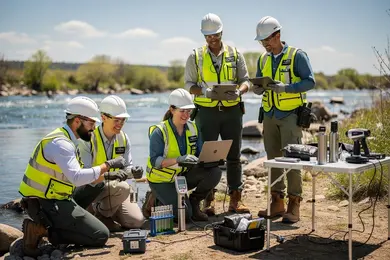
Success in environmental science careers with an earth systems focus demands integrating analytical acumen with applied understanding of physical processes such as hydrology, geology, and atmospheric dynamics. For instance, environmental consultants assessing contamination sites must combine soil and groundwater knowledge with regulatory frameworks to develop effective remediation plans. This exemplifies how theory translates into operational expertise employers require.
Roles within government entities like the Environmental Protection Agency and U.S. Geological Survey depend heavily on managing complex environmental datasets and competency in geospatial technologies. These positions often necessitate supplementary certifications or hands-on training beyond formal coursework to handle policy implementation and sustainable land use management effectively.
Graduates targeting energy or agriculture sectors face increasing demand for skills that enable systemic evaluation of environmental impacts from resource extraction or farming. Decision-making in these areas requires proficiency in designing data-driven monitoring and mitigation strategies that respond to dynamic ecosystem interactions.
Program structures can affect graduates' readiness. For example, the earth and environmental sciences online degree from Arizona State University involves 120 credit hours, ensuring comprehensive foundational knowledge but potentially limiting niche specialization required for technically demanding roles. Consequently, further experience or graduate education is advised for certain career tracks.
- Environmental consultancy focusing on site assessment and remediation
- Government environmental analyst roles involving policy and compliance
- Climate data analyst positions using earth system modeling
- Resource management specialist in agriculture or energy sectors
- Technical roles requiring geospatial analysis and field research
What salary ranges and job outlook can environmental science graduates expect in the U.S.?
The variability in starting salaries for environmental science graduates-ranging roughly from $45,000 to $60,000-reflects key regional and sectoral differences that prospective students must consider. Early-career professionals often benefit from selecting specializations that align closely with employer demands, as generalist credentials risk being overlooked in a market increasingly favoring technical skills and applied experience.
For instance, Texas A&M University-Corpus Christi's Earth Systems Science concentration, which requires 27-31 semester hours, exemplifies the depth of coursework needed to master niche areas such as climate modeling or geospatial analysis. This kind of targeted academic investment often correlates with mid-career salaries that rise to the $65,000-$85,000 range and can exceed $100,000 in senior roles, reflecting both skill accumulation and sector-specific demand.
Employers value graduates who couple technical proficiency with internships or fieldwork, especially in government agencies, environmental consulting, and renewable energy. These industries project an 8% job growth rate from 2024 to 2034, signaling relatively robust opportunities. Conversely, professionals without clear specialization face more challenges standing out, particularly given the rise of certifications linked to environmental policy, GIS, or sustainability.
Career changers should evaluate concentrations in emerging fields like climate resilience or water resource management, as these provide pathways that mitigate stagnation risks and align with evolving regulatory and market frameworks. Planning coursework to balance academic rigor and practical relevance thus becomes critical for long-term employability and salary potential.
How can students evaluate and choose a reputable online environmental science program?
Selecting an online environmental science program requires careful scrutiny of accreditation and tangible workforce alignment to avoid costly detours. Regional accreditation and recognition by the Council for Accreditation of Environmental Education are minimal filters ensuring curriculum credibility and employer acknowledgment. However, prospective students must dig deeper into graduate employment rates and partnerships with agencies or firms focused on sustainability to gauge practical outcomes.
Programs that prioritize applied skills-such as GIS technology, data analysis, or environmental policy-better prepare learners for roles in a specialized labor market of approximately 80,500 professionals (U.S. Bureau of Labor Statistics). For example, courses tied to state environmental agencies or sustainability consultancies often embed relevant regulatory frameworks and industry trends, aiding direct job placement.
Operational factors like synchronous versus asynchronous formats, internship facilitation, and recognition of prior experience heavily influence degree completion and career pivot viability for midcareer professionals. Additionally, evaluating faculty expertise and research output is critical to assess academic rigor and sector relevance.
Cost considerations extend beyond tuition to time investment, fees, and available career support services. Programs offering credential preparation, alumni networks, or tailored career services increase return on investment. In essence, dissecting program structure alongside labor market data from sources like EnvironmentalScience.org equips decision-makers with a grounded view of pathways leading to specialized environmental science roles.
Other Things You Should Know About Environmental Science
Most programs require college algebra, introductory chemistry, biology, and sometimes statistics before upper-division work. Students may also need 2.5 to 3.0 GPA minimums and a completed general education core. Some schools accept placement into prerequisite courses, but science labs often must be finished with a grade of C or better.
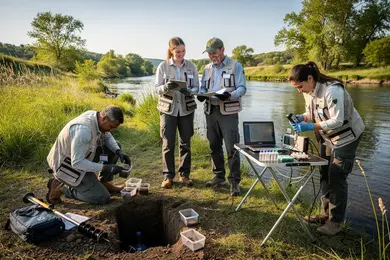
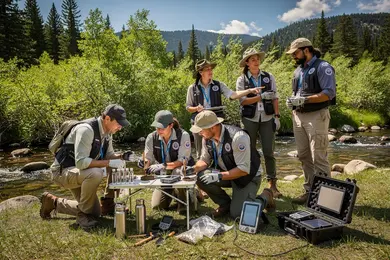
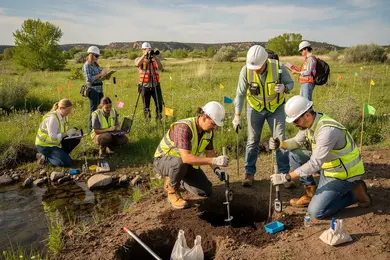
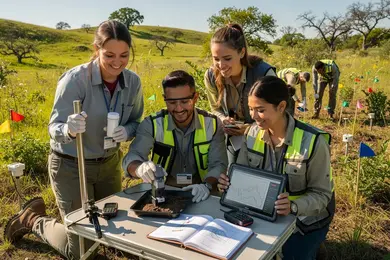
Fieldwork remains a critical component of environmental science despite program delivery mode. Many online programs require local field experiences, internships, or research projects that involve hands-on work, which can be difficult to coordinate and add logistical challenges for remote learners. Students should prioritize programs that incorporate accessible fieldwork options because employers highly value practical experience. Choosing online programs without strong fieldwork integration risks weaker practical skills, limiting immediate employability and advancement in technical roles.
Employers prioritize relevant skills and demonstrated experience over delivery mode but scrutinize program rigor and outcomes closely. Graduates of online programs face more questions about their applied skills if the program lacks clear, verifiable lab, research, or project components. Candidates should choose programs with transparent hands-on or capstone requirements to ensure employer confidence. Emphasizing measurable technical competencies over just degree completion mitigates potential hiring biases and reflects better career readiness.
References
- Earth and Environmental Systems https://www.minerva.edu/concentrations/earth-and-environmental-systems/
- Studying Online vs On-Campus: Which Is Better for You? | UNF https://www.unfc.ca/blog/studying-online-vs-on-campus-which-is-better-for-you
- Environmental Career Profiles Australia https://environmentaljobs.com.au/resources/environmental-sustainability-careers
- Online Environmental Science Degrees: Compare Schools https://www.degreesforgood.org/online-degrees/environmental-science/
- Online Environmental Science Degree | BS Environmental Science | University of Phoenix https://www.phoenix.edu/online-liberal-arts-degrees/environmental-science-bachelors-degree.html
- New Master of Science program opens doors to careers in environmental sciences https://www.athabascau.ca/news/university-news/news-and-announcements/interdisciplinary-master-of-science-applications-open.html
- Environmental and earth sciences | Subject guides https://www.whatuni.com/advice/subject-guides/environmental-and-earth-sciences/
- Choosing a bachelor's in environmental science | edX https://www.edx.org/resources/how-to-choose-a-bachelors-in-environmental-science
- Environmental Earth Sciences BSc (Honours) 2026 entry https://www.st-andrews.ac.uk/subjects/earth-environmental-sciences/environmental-earth-sciences-bsc/