2027 Online Environmental Science Degrees With Environmental Management Concentrations

Co-Founder and Chief Data Scientist
Environmental science professionals often face the complex challenge of advancing expertise in environmental management while balancing full-time work and family commitments. The Bureau of Labor Statistics projects a 6% growth in environmental science jobs over the next decade, intensifying competition for specialized credentials that demonstrate practical management skills.
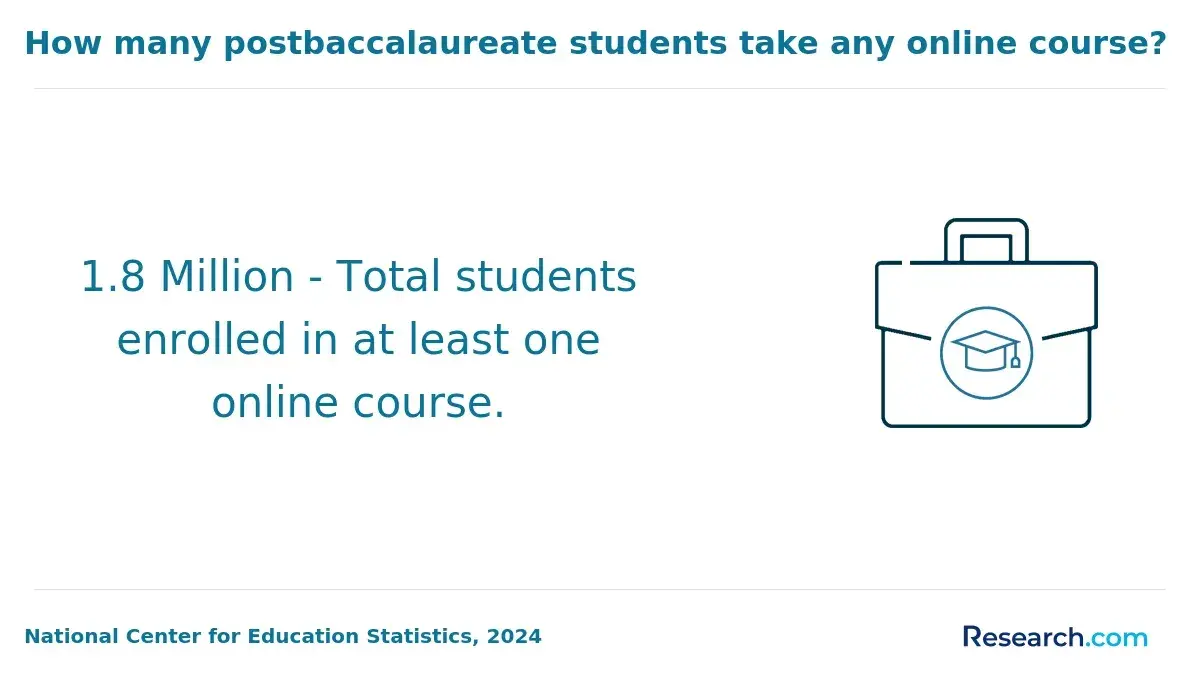
Meanwhile, a 2024 National Center for Education Statistics report shows a sustained 12% rise in adult learners enrolling in online programs, signaling a shift toward flexible education formats that accommodate demanding schedules. This trend reflects growing recognition that traditional campus programs no longer suit many midcareer students seeking strategic career pivots. This article examines online environmental science degree programs with environmental management concentrations, focusing on accessibility, curriculum alignment with workforce needs, and how these programs address the scheduling and career advancement challenges faced by today's professionals.
Key Things You Should Know
- Online environmental science degrees with environmental management concentrations average 15-20% lower total cost than in-person equivalents, yet extended program durations by 10% on average, delaying workforce entry per NCES 2024 data.
- Employers prioritize candidates with demonstrated project-based environmental management skills over purely theoretical online credentials; the U.S. Bureau of Labor Statistics notes this gap reduces entry-level hiring success by up to 18%.
- Tradeoffs in online programs include limited access to local regulatory internships critical for EPA or state agency positions, constraining some students despite growing demand for regionally specialized environmental managers projected to rise 12% through 2030.
What is an online environmental science degree with an environmental management concentration?
Professionals weighing an online environmental science degree with environmental management focus must recognize the balance between technical proficiency and managerial application this path requires. Graduates are expected not only to grasp ecological data but also to translate it into actionable policies and compliance strategies that industries depend on.
For instance, a graduate in manufacturing might implement waste reduction initiatives adhering to Environmental Protection Agency regulations while navigating internal operational priorities. Environmental science degree programs with management specialization emphasize competencies such as environmental policy analysis, risk assessment, and resource management to prepare students for diverse roles-from government regulators conducting impact assessments to conservationists shaping sustainable practices.
These applied skills reflect employer demand for workers who can integrate scientific understanding with regulatory frameworks and operational realities. This modality suits individuals managing ongoing employment or family obligations by offering flexible schedules and remote learning tools like virtual labs and case studies.
However, the absence of in-person networking poses a tangible challenge for building career-relevant connections needed for advancement. Job prospects remain solid, with environmental scientists earning a median wage of $78,980 in 2026 and experiencing a projected growth rate of 6% through 2032, aligning with sectors under increasing regulatory scrutiny. For those comparing specializations, exploring an online environmental engineering degree may offer alternative technical trajectories within environmental fields.
How do online environmental management concentrations compare to campus-based programs?
Choosing between campus and online environmental management degree benefits requires a clear-eyed assessment of real-world tradeoffs. Campus programs excel in delivering immersive, hands-on experiences-students engage directly with fieldwork, laboratories, and face-to-face networking opportunities essential for careers in environmental consulting or regulatory compliance.
This environment accelerates skills in nuanced problem-solving and access to specialized equipment, as seen in natural resource management roles. Conversely, online environmental management concentrations emphasize adaptive technology skills and digital fluency.
Learners often develop stronger capabilities in managing geospatial analysis software, remote sensing, and virtual data labs. However, these advantages come with challenges like fewer spontaneous mentorship moments and a necessity for proactive local internships to secure practical experience comparable to that of on-campus peers.
Such dynamics matter in urban sustainability sectors where employers increasingly value demonstrable project-based expertise. Prospective students should factor in workforce demand trends; for instance, the U.S. Bureau of Labor Statistics anticipates a 33.5% growth for data scientists, a role requiring environmental analytics proficiency that online coursework often supports.
Those evaluating environmental science programs comparison must also consider how localized experiential learning mission-critical to employer preferences can affect long-term employability. For insights on data-driven education paths, see MS data science online.
Are online environmental science degrees with environmental management accredited and credible?
Employers in regulatory and sustainability sectors prioritize graduates from accredited and credible online environmental science programs with environmental management concentrations because these credentials verify curriculum rigor and alignment with industry expectations. Regional accreditation and approvals from recognized bodies like the Society for Environmental Toxicology and Chemistry (SETAC) or the National Environmental Health Science and Protection Accreditation Council (EHAC) remain essential, yet without embedded practical skills, graduates face limited job prospects.
For example, an environmental consultant must demonstrate proficiency in GIS mapping, data analytics, and project management to qualify for roles involving permitting or impact assessments. Candidates lacking hands-on experience from virtual labs or local internships often find employers reluctant to hire, even if their degrees are accredited.
This distinction defines true program value beyond formal recognition. Graduates possessing strong statistical and data analysis skills alongside their online environmental science degrees command a national median salary of $104,350, reflecting demand for quantitative competencies in applied environmental management.
Accreditation also influences eligibility for advanced certifications and federal or state licenses, which are prerequisites for supervisory roles such as remediation specialist or compliance manager. Prospective students should critically examine programs to ensure practical training integrates with theoretical foundations.
Employers' scrutiny of accreditation status is coupled with expectations for demonstrated applied expertise, creating a necessary balance for career advancement. Those exploring interdisciplinary science options might compare pathways with an exercise science degree online to evaluate how program format, skills emphasis, and outcomes vary across fields.
What core courses and specializations are offered in environmental management online programs?
Core courses in environmental management online typically ground students in ecological principles, environmental policy, natural resource management, and environmental impact assessment. These foundational subjects build necessary expertise to interpret regulatory frameworks and address environmental risks.
Within environmental management degrees, specializations further sharpen employability by focusing on sector-specific skills. For instance, water resource management specialization equips graduates for operational roles in municipal water treatment, where understanding hydrology and contamination control is essential.
Conversely, environmental compliance tracks produce professionals adept at navigating EPA regulations, a critical asset for corporations aiming to avoid regulatory penalties. Employers increasingly require proficiency in geographic information systems (GIS), environmental statistics, and risk analysis, underscoring a shift toward data-driven decision-making in the field.
Graduates lacking these competencies may struggle to access senior roles. Academic programs integrate case studies relevant to industries such as agriculture, manufacturing, and urban planning, providing practical frameworks for solving real-world environmental challenges.
Cost is a significant factor; Florida Gateway College offers the most affordable online environmental science degree in 2026, with an average annual tuition near $3,609. While low-cost options reduce debt burden-an important consideration for working adults balancing education with employment-some specialized concentrations require additional expenses for software licenses or lab access. Prospective students should weigh these costs against career outcomes and program focus areas. Those evaluating this path should also consider comparing these programs to online MLIS programs, particularly for those interested in interdisciplinary roles involving environmental data management or policy research.
What admission requirements and prerequisites do these online programs typically have?
Admission to online environmental science degrees with environmental management concentrations hinges on meeting specific academic prerequisites that directly influence program efficiency and workforce readiness. A high school diploma or equivalent with a minimum GPA near 2.5 to 3.0 is standard, alongside required coursework in biology, chemistry, and mathematics.
These prerequisites ensure foundational competency needed for advancing in interdisciplinary topics such as policy analysis and ecological data assessment. Applicants with collegiate experience generally must provide transcripts verifying completed STEM or general education courses.
For professionals switching careers, relevant work experience or certifications in environmental fields may replace formal prerequisites, a tradeoff that can accelerate entry but requires careful validation by programs. Missing these requirements risks extended study periods as foundational classes are retrofitted, increasing time and financial costs.
Consider a candidate targeting roles at environmental consulting firms: prior coursework in environmental law or statistics often differentiates between immediate eligibility and delayed onboarding. Employers prioritize candidates who can quickly apply regulatory frameworks and scientific methods without remedial training.
Given reported median wage growth in the $70,000-$80,000 range, upfront prerequisite compliance improves timely program completion and access to competitive positions in policy development, corporate sustainability, or natural resource management. Candidates neglecting these steps risk prolonged studies and reduced employability prospects in specialized environmental management roles.
How long do online environmental science degrees with environmental management usually take to complete?
Employers in environmental roles expect candidates to demonstrate a balance of academic progress and applied experience, which shapes how students approach environmental science degrees with management concentrations. While full-time students typically finish in four years, part-time learners-often those working in renewable energy or consulting-extend their programs to five or six years to maintain employment without sacrificing practical exposure.
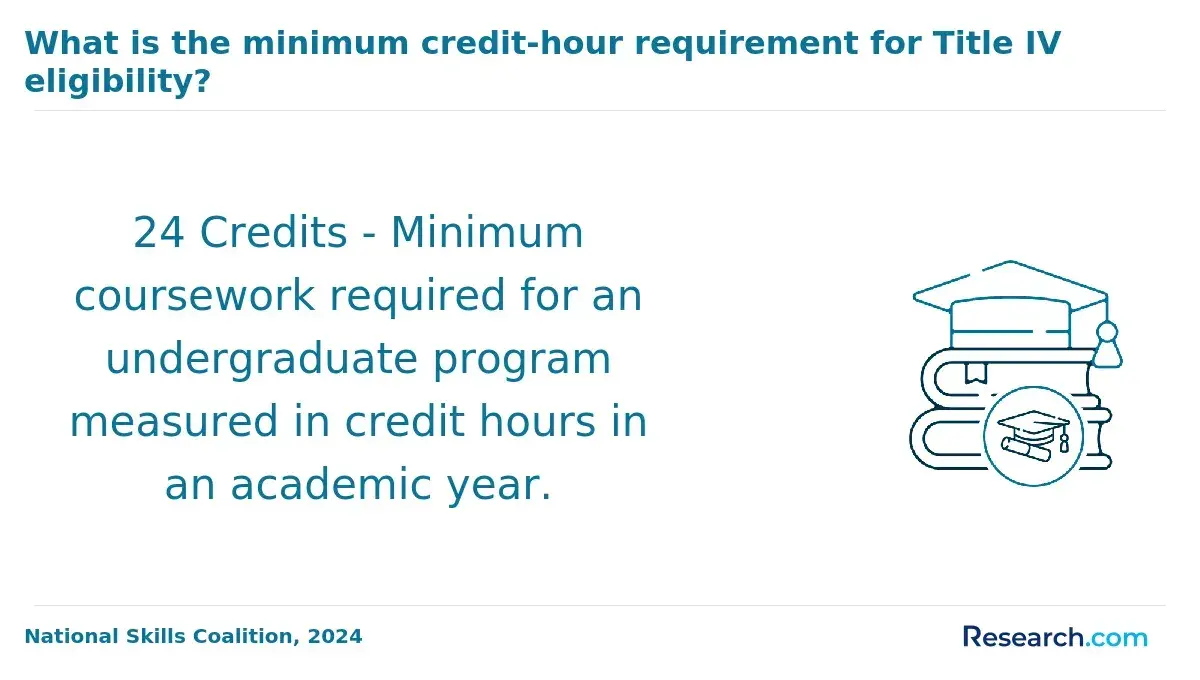
The credit load per semester heavily influences completion time: full-time students take 12 to 15 credits, whereas part-timers enroll in 6 to 9. Accelerated three-year tracks exist but require intensive scheduling, making them impractical for professionals juggling work or family obligations.
Lab work, internships, and capstone projects tied to many environmental management concentrations create scheduling constraints, sometimes compelling face-to-face or synchronous participation that may extend timelines. This reality requires students to strategically plan coursework to avoid interruptions that could affect employability and the ability to engage in practical training valued by hiring managers.
Program availability and structure vary widely across accredited schools, leading to completion time differences of one to two years. Students must assess tradeoffs carefully between faster, full-time options and flexible, part-time schedules aligned with real-world responsibilities, recognizing that neither path guarantees a linear trajectory but influences early career momentum.
What do these online environmental management degrees cost, and what financial aid is available?
Deciding on an online environmental management degree requires balancing upfront costs with tangible salary outcomes and labor market requirements. Tuition ranges from approximately $400 to over $1,200 per credit hour depending on public or private institutions, totaling $15,000 to $40,000 or more.
For professionals shifting careers, the crucial question is whether the program's curriculum, especially quantitative environmental methods like statistics, aligns with roles commanding median salaries near $76,480 for experienced analysts.
Students often underestimate additional expenses beyond tuition, such as specialized software or mandatory fieldwork, which can inflate overall costs. Strategies to reduce financial burden include selecting accelerated programs, leveraging credit for prior learning, and engaging employer tuition reimbursement plans.
Federal loans, Pell Grants, state grants, and scholarships focused on environmental studies offer varied aid, but loan forgiveness programs tied to public service demand strict eligibility verification. Prioritizing programs with robust quantitative training enhances employability and long-term earnings, counteracting the risk that high tuition alone does not guarantee return on investment. Comparing net price calculators is vital to uncover the real cost after financial aid. These decisions fundamentally impact career trajectory in environmental science fields heavily influenced by data analysis capabilities.
What careers can graduates of environmental management concentrations pursue?
Environmental management graduates confront nuanced employment landscapes shaped by sector-specific demands and regulatory complexity. For example, environmental managers in manufacturing must reconcile strict compliance under laws like the Clean Air Act with operational imperatives, balancing risk and efficiency on a daily basis.
Conversely, NGO specialists prioritize policy analysis and community engagement, requiring proficiency in data interpretation and environmental impact assessment software. The U.S. Bureau of Labor Statistics forecasts a 6% increase in environmental scientist and specialist opportunities through 2032.
Growth is concentrated in sectors integrating sustainability into core operations, including energy and public administration. However, metropolitan job markets present competitive entry points, underscoring the value of hands-on experience and targeted certifications like Certified Environmental Manager (CEM). Prospective candidates should approach environmental science education with a clear understanding of these tradeoffs and align their skill development with specific employer expectations across industry and regulatory contexts.
What salary ranges and job outlook can environmental management graduates expect?
Graduates of environmental management programs typically enter the workforce with median salaries between $73,010 and $82,220, metrics that remain stable whether credentials are earned online or on campus. The projected job growth around 3% to 4.4% aligns with Bureau of Labor Statistics forecasts for environmental scientists and specialists, signaling steady demand rather than rapid expansion.
This reinforces the necessity to assess the practical return on investment beyond initial salary expectations. Location and sector greatly influence earning potential and career trajectories. For example, environmental analysts employed by state agencies in regions like California or New York generally command higher salaries due to stringent regulatory frameworks and robust sustainability initiatives.
Conversely, roles within nonprofits may offer lower starting pay but provide access to varied project experience and essential professional networks. Employers increasingly prioritize candidates who complement their environmental management degree with practical skills such as project management and data analytics.
Certification pathways like Certified Environmental Professional (CEP) further distinguish applicants for specialized positions offering salary premiums. Online graduates should anticipate challenges around building networks and securing internships remotely, factors that directly affect job placement and compensation negotiation in a competitive labor market.
How can students choose a reputable online environmental science program in environmental management?
Programs lacking accreditation from recognized bodies such as ABET or regional agencies often fail to prepare graduates for core demands in environmental science careers, especially where analytical and quantitative skills are paramount. Employment in this field is projected to grow modestly, with a notable emphasis on data-driven roles requiring expertise in statistical modeling, GIS, and regulatory compliance.
Graduates who do not engage in rigorous coursework aligned with these market expectations risk diminished employability, particularly in specialized sectors like environmental consulting and resource management. Evaluating a program's value requires scrutiny beyond accreditation. Prospective students and career changers should assess graduate employment rates, targeted job sectors, and average time-to-employment, drawing from both institutional data and third-party sources.
Equally vital is confirming faculty proficiency in applied environmental methods and available technological resources such as virtual labs and software simulation to reflect workplace conditions. Consider a professional aspiring to urban environmental planning: missing GIS and statistical training narrows their job prospects significantly.
Alternatively, candidates focused on policy roles should verify inclusion of environmental law and stakeholder engagement content. Flexible delivery formats, including synchronous and asynchronous online options, also impact the feasibility of balancing work with education without sacrificing substantive skill development.
Other Things You Should Know About Environmental Science
Many online environmental science programs assume foundational knowledge in biology, chemistry, or earth sciences. Students without this background face a steeper learning curve, especially in technical courses requiring quantitative analysis and scientific reasoning. Prospective learners should prioritize programs that offer preparatory or bridge courses and consider additional self-study to avoid falling behind. Choosing a program that balances accessibility with academic rigor is essential to ensure progression and employability.
Most online programs still require 1 to 3 lab courses or field experiences, often completed through short campus residencies, approved local sites, or virtual labs. Programs usually expect students to document field hours and complete safety training before any hands-on environmental sampling or site assessment work.
Employers in environmental science roles remain cautious but increasingly accept online degrees that come from accredited and well-established institutions. However, they emphasize demonstrable hands-on experience and practical skills over the mode of delivery. Candidates should complement their online studies with internships, certifications, or work projects that prove their applied competence. Balancing credential recognition with tangible experience is critical to meeting employer expectations.
References
- What are the Admission Requirements for Online MSW Programs? https://www.onlinemswprograms.com/faqs/admission-requirements/
- Online MPA Programs with a Specialization in Environmental Policy & Management https://www.onlinempaprograms.com/specializations/environmental-policy-management
- Online Environmental Science Degrees: Compare Schools https://www.degreesforgood.org/online-degrees/environmental-science/
- Environment and Sustainability Career's Above Average Job Satisfaction https://www.astutis.com/astutis-hub/blog/is-environment-sustainability-an-attractive-career
- FAQs About Undergraduate Admissions Requirements for Online Programs https://www.umassglobal.edu/blog-news/faqs-undergraduate-admissions-requirements-online-programs
- Environmental Career Profiles Australia https://environmentaljobs.com.au/resources/environmental-sustainability-careers
- High School Classes Required for College Admission - National Association for College Admission Counseling (NACAC) https://www.nacacnet.org/high-school-classes-required-for-college-admission/
- Greener Careers https://greenercareers.co.uk/blog/what-can-you-do-with-an-environmental-science-degree-job-opportunities-explained
- 2025 Most Affordable Online Environmental Science Degrees https://www.onlineu.com/most-affordable-colleges/environmental-science-degrees
- Online Prerequisites: A Smart Choice for Students https://www.sophia.org/blog/higher-education/online-prerequisites-smart-choice-for-students/