2027 Environmental Science Job Market Outlook Through 2030

Co-Founder and Chief Data Scientist
Midcareer professionals pivoting into environmental science face a complex challenge: balancing accelerated workforce demand against the realities of inflexible program structures and uncertain credential recognition. While the U.S. Bureau of Labor Statistics projects a 9% growth in environmental science jobs through 2030, many prospective students encounter limited access to fully online, part-time options that accommodate working adults or those shifting careers.
A 2024 National Student Clearinghouse report shows adult enrollment in online degree programs increased by 15%, signaling growing demand for adaptable education pathways but also highlighting persistent institutional gaps in meeting nontraditional learner needs. This analysis evaluates employment trends, educational models, and credential utility to guide strategic decisions for sustainable career advancement in environmental science through 2030.
Key Things You Should Know
- Environmental science bachelor's degree holders face a 12% wage premium but need 1-3 years of targeted field experience per the 2024 U.S. Bureau of Labor Statistics, delaying career income acceleration.
- Employers prioritize proficiency in geospatial analysis and regulatory compliance, with 65% of job postings requiring advanced software skills, creating a skills bottleneck for graduates lacking specialized training.
- Graduate degrees increase placement in federal roles by 40% according to NSF 2024 data but incur 18-24 months of opportunity cost, pressuring candidates to balance immediate employment against long-term advancement.
What does the environmental science job market look like in the United States through 2030?
Job openings for environmental science professionals in the US are expected to grow moderately at about 4% annually through 2034, generating around 8,500 new positions per year. This growth rate, slightly below fast-growing sectors, indicates steady but competitive labor market conditions. Prospective students and mid-career changers should note that employers prioritize expertise in data analysis, geographic information systems (GIS), and regulatory frameworks such as the National Environmental Policy Act (NEPA).
Those evaluating an environmental science career growth in the United States must weigh the necessity of specialized skills and credentials against the sector's modest expansion. The median annual wage of $80,060 underscores a baseline compensation that rewards technical depth and advanced training. For example, a biologist transitioning into environmental science typically needs additional qualifications in policy or risk assessment to qualify for roles demanding regulatory knowledge and sustainability expertise.
Operationally, many public-sector jobs focus on climate adaptation strategies and sustainability metrics, while private-sector roles concentrate on environmental consulting and impact assessment. Selecting educational programs with practical exposure, including internships or local agency partnerships, can improve employability amid persistent competition. For candidates seeking cost-effective preparation, reviewing the cheapest online environmental science degree pathways offers an important option to minimize financial barriers while meeting core market competencies.
What environmental science careers are most in demand and where are the jobs located?
Demand for environmental science careers is regionally concentrated, driven by rapid expansion in the clean energy sector that outpaces the growth of qualified candidates. This disparity creates a competitive hiring environment, particularly for positions like renewable energy engineers and environmental compliance specialists in areas with strong renewable investment. For instance, the U.S. West Coast-especially California and Washington-continues to lead in solar and wind initiatives, while Texas and the Southeast focus on energy storage and grid modernization. Such geographic clustering affects employment decisions, requiring some professionals to weigh relocation against existing cost-of-living differences or seek remote work.
Employers emphasize interdisciplinary skill sets that blend technical environmental knowledge, data analytics, and regulatory understanding. Candidates with narrow academic backgrounds but limited applied clean energy experience often struggle to meet these demands. Practical experience, such as internships and certifications in battery management or carbon accounting, enhances employability amid this skills gap.
Addressing sector-specific workforce needs demands ongoing education aligned with evolving regulations and technologies. Prospective students aiming for this field should carefully evaluate how regional demand aligns with their willingness to relocate or embrace remote roles-critical considerations in the environmental science career demand by region. For professionals considering further education, an online data science masters can complement environmental expertise by improving analytical capabilities essential for sustainability-focused roles.
In summary, understanding the top locations for environmental science jobs, alongside practical training and geographic flexibility, forms the basis for strategic career planning in this dynamic market.
What salary ranges can environmental science professionals expect across key job roles?
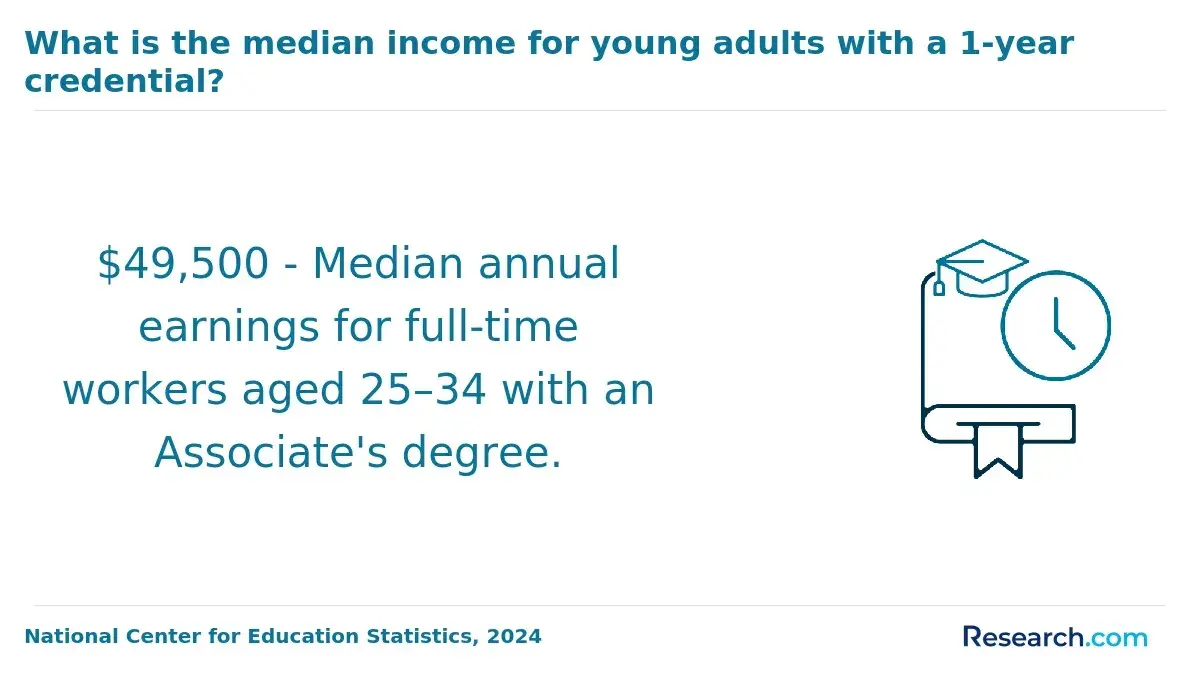
Environmental science professional salary ranges by job role reveal a pronounced divide between entry-level and advanced positions, shaped by industry demands and required expertise. Entry-level technicians or analysts often start below $50,000 annually, particularly in smaller private firms or roles with limited specialization. This lower threshold reflects the practical challenge of breaking into the field without advanced credentials or relevant experience.
The median wage for environmental scientists employed by the federal government, a significant employer segment, stands near $113,980. Government roles offer more predictable compensation with benefits, contrasting with private sector consultants whose salaries can vary widely depending on contract size and client budgets. Project managers and policy advisors in environmental impact or urban planning typically earn between $80,000 and $120,000, contingent on jurisdiction and agency scale.
Industry sectors like energy and waste management demonstrate wage polarization: professionals without advanced quantitative, regulatory, or GIS skills face stagnant pay, while those adept in these areas often exceed $120,000. Career pivots incorporating data analytics or regulatory compliance provide a higher salary ceiling and diminish risk of skill obsolescence. Achieving relevant certifications or graduate degrees directly influences this upward mobility.
For those assessing pathways to enter or advance in this field, evaluating practical outcomes and wage ranges is critical. Prospective students should consider accredited programs, including online options that align with workforce needs. Resources such as online library schools can support preliminary research into suitable educational routes for environmental science professional salary advancement.
What degrees and educational pathways lead to environmental science careers?
Graduates aiming for a sustainable career in environmental science should recognize that a bachelor's degree in fields like biology, chemistry, or geology remains the baseline credential demanded across consulting firms, government agencies, and nonprofits. These environmental science degree programs in the United States emphasize technical competencies such as geographic information systems (GIS) and environmental impact assessment, often acquired through hands-on internships integral to curricula. However, practical problem-solving skills and communication capabilities weigh heavily in hiring decisions, meaning degrees without applied experience offer limited leverage.
Advancement into specialized roles-such as environmental engineering or toxicology-frequently necessitates a master's degree or a professional graduate program. This is particularly true when addressing geographically specific challenges; for instance, a professional focused on water quality remediation in the Pacific Northwest benefits from graduate study that targets regional hydrology and regulatory frameworks. Job market data from the U.S. Department of Labor reveals over 56,000 opportunities, with salaries growing 6% in five years, underscoring rising demand but also elevating the value of advanced credentials.
Technical certifications like Certified Environmental Scientist (CES) can bolster credentials but rarely substitute for formal education. Prospective students must weigh the cost-benefit tradeoffs of graduate education, especially given hiring trends shaped by shifting environmental regulations and increasing reliance on technology-driven monitoring tools. Practical skills continue to outperform credential inflation in dynamic market segments tied to niche expertise.
Those researching pathways should also consider broader educational options; for example, individuals exploring graduate study may compare affordability and modality through resources such as the library science masters listings, which highlight cost-effective online programs comparable in rigor and structure to some environmental science master's degrees.
- Strong quantitative and communication skills developed during undergraduate education remain essential for entry-level roles.
- Advanced degrees improve employability for specialized environmental science careers, especially in regions with targeted ecological or regulatory needs.
How do online environmental science programs compare with campus-based options for careers?
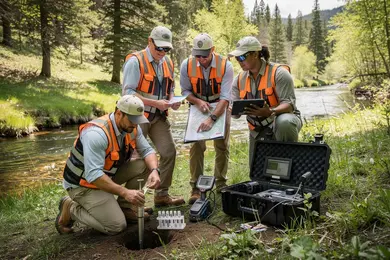
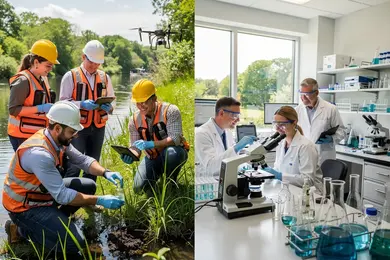
Online environmental science programs offer valuable theoretical knowledge but often lack the intensive hands-on training essential for employer expectations in technical roles. Practical experience with specialized equipment, such as fieldwork in ecology or soil analysis, remains a key hiring criterion that virtual labs rarely replicate with equal effectiveness. For instance, government and consultancy employers typically prioritize candidates who have demonstrated direct supervised practice, making campus-based or hybrid programs more favorable for those targeting applied positions.
Choosing an online pathway requires balancing convenience against potential delays in skill acquisition. Programs that incorporate mandatory field residencies or partnerships with local labs can partially bridge this gap but tend to extend time-to-completion and increase costs. Working professionals seeking foundational credentials or targeted certifications in areas like GIS and geospatial analytics may find online offerings aligned with industry growth driven by AI, smart cities, and environmental monitoring. Yet, these credentials predominantly support roles focused on software proficiency and data analysis rather than multi-disciplinary problem solving demanding integrated field experience.
Key considerations include:
- Employer preference for verifiable practical skills often favoring hybrid or campus formats
- The tradeoff between online convenience and the slower accumulation of hands-on expertise
- The growing market demand for geospatial analytics expertise accessible via online certificates
Students aiming for lasting employability should critically evaluate how each program's structure aligns with workforce requirements and skill validation rather than relying solely on flexible online access.
What core courses and specializations are included in environmental science degree curricula?
Environmental science degree programs often struggle to match employer expectations, as theoretical knowledge alone falls short when applied skills are essential. Professionals entering environmental consulting, for example, must adeptly handle a web of local, state, and federal regulations, making courses in environmental law and risk management critical. Conversely, corporate sustainability roles demand proficiency in lifecycle analysis and carbon accounting to meet the rigorous scrutiny of investors and stakeholders.
While core curricula focus on ecology, environmental chemistry, geology, and statistics, a persistent gap exists in training for practical tasks like data visualization and statistical software use-skills employers regularly seek but many programs under-emphasize. Specialized tracks including climate change science, renewable energy, and GIS address some demand but risk narrowing career flexibility if chosen without regard to broader competencies.
Given the 40% increase in green skills demand since 2015 contrasted with just 13% global workforce possession, students should prioritize programs offering internships or interdisciplinary project work that develop real-world abilities and regulatory compliance expertise. Alternative credentials in green technology or sustainable engineering may provide a necessary edge for quicker workforce integration. Balancing specialization with adaptable skills aligns better with dynamic labor market signals from the U.S. Bureau of Labor Statistics and the World Economic Forum.
What admission requirements, program length, and tuition costs should students expect?
Choosing an environmental science program requires balancing several practical considerations, especially when working professionals seek to pivot careers. Admission standards emphasize foundational science competencies-mathematics, biology, chemistry, and physics-though some programs allow flexibility by valuing relevant professional experience or certifications. Degree completion typically spans four years but extends beyond this if students pursue part-time or accelerated tracks while working.
Tuition costs vary significantly, with public universities charging roughly $10,000 to $15,000 annually for in-state students, while private institutions often exceed $30,000. More affordable options like community colleges or online programs may restrict critical hands-on experiences such as lab access or internships, which employers prioritize for practical skill validation.
Realistically, securing roles in government agencies or consulting firms demands more than a diploma. Employers expect demonstrable fieldwork experience, GIS software proficiency, and strong data analysis capabilities. Without these, graduates face constrained job prospects despite satisfactory academic credentials.
Wage data reflects this skills gap: environmental engineers earn median salaries around $104,170, geoscientists $99,240, and hydrologists $92,060, with steady growth projections. This underscores that investing time and resources into programs aligned with industry-recognized accreditation and applied training yields better labor market returns.
- Evaluate programs not only on cost but also on realistic time-to-degree for those balancing employment.
- Consider how curriculum matches expected job skills, including field experience and technical software.
- Understand that extended enrollment due to part-time study can increase overall expenses despite lower per-term tuition.
How do accreditation and program quality impact environmental science career opportunities?
Employers in environmental science increasingly require candidates from accredited programs to ensure workforce readiness and relevant technical skills. Accreditation bodies such as ABET or regional higher education agencies validate curriculum quality, faculty expertise, and access to professional resources, reducing friction for graduates entering competitive sectors like environmental consulting or government regulatory agencies. Graduates from nonaccredited programs often encounter challenges securing roles that demand professional certifications or advanced analytical capabilities.
A practical example is a student from an accredited program featuring partnerships with local environmental organizations and advanced laboratories, who gains hands-on internship experience. This direct exposure translates into competitive advantage within a labor market projecting approximately 90,000 environmental science jobs nationally, median pay near $80,000, and steady 4% job growth through 2034, according to U.S. Department of Labor data.
Key workforce implications include:
- Access to internships and research roles critical for skill development and employment pipelines
- Eligibility for federal environmental positions and competitive project contracts often contingent on recognized qualifications
- Reduction of retraining time and improved return on educational investment for mid-career professionals pivoting into the field
Failing to prioritize program quality can limit career mobility, create credential credibility concerns, and restrict access to licensure or specialist certifications that many employers require for advancement.
Are licenses or professional certifications required for environmental science roles, and which ones?
Licenses and certifications in environmental science serve as critical gatekeepers for roles demanding regulatory accountability and technical validation but differ sharply in employer requirements and job functions. For example, environmental engineers and soil scientists often must secure a Professional Engineer (PE) license or similar credentials like the Certified Industrial Hygienist (CIH) to perform legally recognized work, especially where public safety and environmental compliance intersect. Conversely, technicians or research roles typically prioritize certifications signaling proficiency over mandatory licensure.
The rising prominence of geospatial analysis within environmental decision-making shifts credential priorities. Jobs for GIS specialists are projected to grow around 9% annually through 2028, driven by the integration of automated analytics and AI. Consequently, certifications such as the GIS Professional (GISP) or Esri's technical credentials are increasingly prerequisites for eligibility and can influence salary brackets.
Candidates reconsidering their trajectory should weigh the time and cost of acquiring or renewing credentials. Those targeting compliance-heavy roles benefit from Registered Environmental Manager (REM) certification, which carries state-level legal recognition. Meanwhile, GIS-focused professionals face ongoing investments in software-specific certifications to stay competitive amid automation trends.
Given the variability across states and industries, consulting licensing boards alongside labor market data ensures credential choices align with evolving employer expectations. This strategic alignment mitigates the risk of misdirected effort and optimizes employability in a field where technical acumen and regulatory authority distinctly impact career pathways.
How can students evaluate and choose a reputable environmental science program in the U.S.?
Choosing an environmental science program requires scrutinizing measurable outcomes like graduate employment rates in sectors with growing labor demand. Green jobs in energy, science, and planning have grown faster than traditional roles due to expanded ESG commitments and climate policies. For example, a student targeting regulatory roles should prioritize programs with internship ties to EPA branches or state agencies rather than those focused primarily on academic research.
Key factors to evaluate include:
- The integration of practical skills such as GIS modeling, environmental compliance, and data analysis, which align with employer expectations in municipal, nonprofit, and corporate sectors
- Accreditation and faculty expertise that ensure curricula reflect current industry standards rather than outdated theory
- Part-time or flexible scheduling options for working professionals seeking career pivots
- Alumni placement data indicating job placement timing and employment sectors
- Geographic proximity to metropolitan areas or regions with active green infrastructure investments, which enhance networking and job access
Programs investing in ESG-related training respond directly to labor market signals showing consistent global hiring growth outpacing other sectors. Prospective students should critically assess these dimensions because surface-level program claims often obscure crucial differences in real-world utility.
Other Things You Should Know About Environmental Science
Employers increasingly want ArcGIS, QGIS, Excel, R, and basic Python, plus skills in remote sensing and environmental data management. The U.S. Bureau of Labor Statistics projects steady demand through 2030 for scientists who can interpret field data, map risk, and support regulatory reporting, especially in consulting and government.
Specializing in a niche area, such as environmental toxicology or GIS applications, enhances competitiveness for specific roles but narrows job market options if demand shifts. Conversely, a broad environmental science degree offers wider employment opportunities but may limit depth in cutting-edge technical skills. For career pivots or adaptability in a volatile job market, a broad foundation coupled with targeted skill-building through certificates or short courses is typically more strategic.
As of 2027, while a graduate degree can enhance opportunities for advancement, many roles in environmental science start at the bachelor's level. Specialized positions, such as environmental consulting or policy-making, often require advanced degrees. It largely depends on the specific career path, industry, and individual goals.
Environmental science jobs frequently depend on project cycles driven by funding availability and season-specific field conditions, resulting in variable workloads and temporary contracts. Professionals must be prepared for possible employment gaps or relocation. Planning for financial resiliency and developing a diverse skill portfolio increases stability. Prioritizing employers with year-round monitoring or in-house research capabilities may provide more consistent employment.
References
- Study costs for international students in Canada https://www.educanada.ca/programs-programmes/education_cost-cout_education.aspx
- Choosing a bachelor's in environmental science | edX https://www.edx.org/resources/how-to-choose-a-bachelors-in-environmental-science
- International admissions https://en.uit.no/admission
- Online Environmental Science Degrees: Compare Schools https://www.degreesforgood.org/online-degrees/environmental-science/
- Explore Environmental Career Profiles | ECO Canada https://eco.ca/career-profiles-index/
- Top 15 Environmental Science Colleges https://www.collegeadvisor.com/resources/environmental-science-colleges/
- Environmental Career Profiles Australia https://environmentaljobs.com.au/resources/environmental-sustainability-careers
- 10+ Green Job Opportunities Worth Considering https://www.berry.edu/articles/blog/2024/environmental-job-opportunities
- Environmental Science Major Classes https://vaccination.gov.ng/virtual-library/DUCQcF/1S9023/EnvironmentalScienceMajorClasses.pdf
- Environmental Quality Analyst Job Description (Updated 2026 With Examples) | ACBSP https://careers.acbsp.org/career/environmental-quality-analyst/job-descriptions