2027 Best Online Environmental Science Programs for Stable Environment and Sustainability Careers

Co-Founder and Chief Data Scientist
Environmental science professionals often confront the challenge of balancing urgent climate mitigation goals with immediate workforce demands, forcing many to seek flexible yet credible education options that align with dynamic career entry points. The National Center for Education Statistics reports a 12% surge in online program enrollment among adult learners since 2024, reflecting an increasing preference for adaptable schedules and accelerated pathways amid job market volatility.
This shift highlights a critical need for programs that deliver both rigorous science training and practical applicability without compromising access or pacing. This article evaluates online environmental science programs designed to meet these real-world constraints, guiding readers toward stable and sustainable career development choices.
Key Things You Should Know
- Online environmental science programs with strong applied data analytics components report 22% higher graduate employment rates per 2024 National Science Foundation data, yet often require costly advanced software licenses, inflating total education expenses by up to 15% for students.
- Employers in sustainability sectors prioritize graduates with field-based skill endorsements verified via hybrid intensives, meaning fully remote credentials can limit entry-level job competitiveness despite similar curriculum coverage.
- The average program duration varies by over six months across accredited online offerings as of 2024 IPEDS datasets, indicating significant timing tradeoffs that impact mid-career professionals' opportunity costs and income continuity.
What are the best accredited online environmental science degree programs for U.S. students?
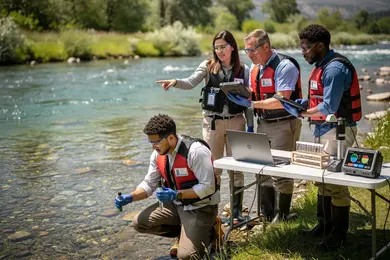
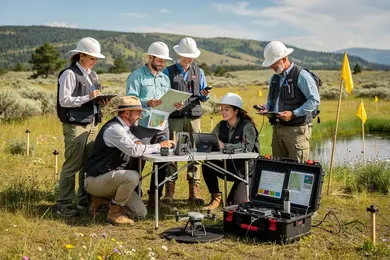
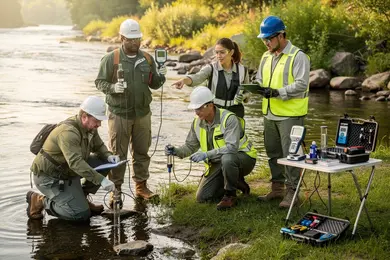
Top accredited online environmental science degree programs in the U.S. must be evaluated through the lens of tangible employment outcomes and practical skill acquisition instead of mere curricular breadth. Graduates lacking hands-on experience in GIS, data analysis, or environmental regulations struggle to compete for roles in consulting, compliance, or sustainability management despite holding accredited degrees.
For example, states with strict enrollment authorizations impose constraints on out-of-state students, a critical logistical barrier often overlooked by applicants but crucial for program choice. Programs connected to regional accreditors like the Higher Learning Commission often embed applied learning via internships or government partnerships, which directly correlate with improved job prospects.
Conversely, purely theoretical offerings without fieldwork or lab simulations typically see lower completion rates and weaker workforce integration. Real-world environmental roles demand familiarity with compliance inspections or remediation projects, skills rarely developed in abstract curricula. U.S. students must weigh state authorization limits, faculty expertise, and experiential opportunities that align with employer expectations.
Selecting programs with active connections to agencies such as the EPA or state environmental departments enhance marketability in technical positions. This practical orientation is essential to avoid the pitfalls of credential inflation and non-transferable academic credit. For those comparing pathways, considering related fields may add strategic value, for instance through complementary geology online degree programs.
Prospective students can explore these adjacent options at geology online degree listings to broaden their applied environmental expertise and improve career resilience.
How do online environmental science degrees compare to campus programs for quality and outcomes?
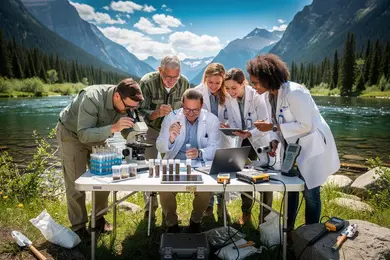
Employers in environmental science prioritize tangible skills and applied experience over the delivery mode of education, making the difference between campus versus online environmental science program outcomes less significant when rigorous standards and practical elements are integrated. Programs that include virtual labs, remote data analysis, or localized internships foster comparable readiness to hands-on campus training.
For example, a student completing supervised field projects remotely can gain equivalent lab experience essential to workforce entry. Tradeoffs remain, particularly in networking and resource access. Campus students benefit from direct faculty mentorship and on-site career fairs, which often facilitate quicker local job placement. Online students face the challenge of independently cultivating professional networks via industry groups or virtual events to compensate for fewer immediate connections.
The labor market outlook supports the strategic viability of online pathways as well. Environmental scientists and specialists report an average annual wage of $76,480, alongside an 8% projected job growth through 2032, underscoring steady sector demand where curriculum quality and market-relevant competencies matter most.
Given these nuances, prospective students evaluating an online environmental science degree quality comparison should prioritize accredited programs with explicit applied learning components linked to local agencies or firms to avoid skill gaps that hinder competitive employment.
Flexibility remains a primary benefit for working professionals or geographically remote students, preserving access to accredited education without sacrificing practical skill-building. Those seeking immediate lab access and in-person collaboration may find campus programs better suited despite logistical constraints. For more specific tuition and fee considerations, consult guidance on the best online animal science degree.
What environmental science degree levels and specializations are available fully online?
Choosing a fully online environmental science degree program involves balancing specialization, cost, and the practical demands of career goals. Bachelor's and master's degrees are the most common online options, with bachelor's programs providing foundational skills for roles such as environmental analysts or regulators while master's degrees focus on advanced technical expertise like environmental data analytics and climate resilience.
Those pursuing a master's often encounter hybrid formats due to necessary lab work or field components, particularly relevant for environmental compliance officers needing hands-on experience. Associate degrees, while less available online, offer efficient entry points for technician roles or transfers from community colleges. Doctoral programs typically require on-campus residencies, limiting fully online options for research-focused careers.
Specializations such as sustainability consulting frequently prioritize fully online tracks to accommodate working professionals, emphasizing policy and analytics to avoid disruption. Annual tuition for affordable online environmental science bachelor's degrees can start near $6,750, though elite programs exceed $66,000 annually. This cost variance impacts decision-making, especially for career pivots or students balancing employment.
Key considerations include:
- Alignment of specialization with workforce needs in climate mitigation and environmental compliance
- Program structure accommodating hands-on requirements versus fully remote learning
- Tuition affordability relative to long-term debt and employability outcomes
Many students also compare online environmental science degree programs and specializations with related fields for transferable skills and job prospects, often referencing resources like online degree for library science as a benchmark for evaluating broader online education quality.
What core courses and concentrations are included in online environmental science curricula?
Core courses in online environmental science degree programs are designed to intersect scientific fundamentals with quantitative analysis, emphasizing marketable skills such as GIS, statistics, and data modeling. These technical competencies align with workforce demands in sectors handling complex environmental data, demonstrated by roles like data scientists, which command median salaries exceeding $120,000 and robust job growth.
Programs focusing predominantly on foundational science, without this quantitative edge, risk graduating students less competitive in evolving job markets. Concentrations and specializations in environmental science studies reflect divergent career paths but entail tradeoffs. Policy and management tracks prioritize navigating regulatory frameworks and environmental law-key for government or NGO positions requiring legal acuity.
In contrast, conservation biology and ecosystem management demand deep ecological expertise, fitting for roles centered on biodiversity and land stewardship. Renewable energy specializations emphasize applied engineering skills, responding to an expanding, technology-driven sector. Successful graduates balance technical rigor with communication proficiency, crucial for translating scientific data to diverse stakeholders.
Programs that integrate project-based or applied research mirror workplace collaboration, narrowing the gap between academic theory and employer expectations. For professionals considering a pivot or layering skills, comparing environmental science curricula with related pathways such as a master's in library science may reveal distinct approaches to data management and interdisciplinary integration.
What admission requirements and prerequisites do online environmental science programs typically have?
Admission to online environmental science programs requires strategic alignment between prior academic preparation and career goals. Bachelor's level entry generally demands a high school diploma with demonstrated proficiency in biology, chemistry, and quantitative reasoning, while graduate applicants must hold related undergraduate degrees or provide substantive professional experience in sustainability or science fields.
Programs often set minimum GPA thresholds near 2.5-3.0, balancing selectivity with workforce readiness. Professionals pivoting into environmental compliance should weigh tradeoffs between accelerated programs accepting broader experiential credentials and those emphasizing foundational scientific literacy. For example, meeting laboratory technique and data analysis prerequisites upfront mitigates risks of course failure, which can extend completion time and increase tuition.
Reliable technology access is another operational necessity for completing virtual labs and GIS training critical to regulatory and consulting roles. Applicants targeting public sector roles must also consider factors such as security clearance eligibility and relevant civic engagement, as these affect both admission chances and employment competitiveness.
The field's projected 4.4% employment growth and median specialist salaries around $82,220 underscore demand, but only candidates who navigate these academic and logistical requirements effectively will leverage tangible career outcomes.
- Essential prerequisites include completed coursework in biology, chemistry, and math or statistics
- Technical proficiency and reliable internet access are mandatory for completing core skill components
- Federal and state employment pathways impose additional criteria beyond academics, including security clearances
How long do online environmental science degrees take and what do they cost to complete?
Choosing an online environmental science degree demands a careful balance between time, cost, and career goals. Typically, associate degrees take about two years, while bachelor's degrees require four years of full-time study, though accelerated or part-time options can alter these timelines. Working professionals, in particular, must manage course loads alongside job responsibilities.
Costs for online environmental science vary substantially. Public in-state bachelor's programs generally range from $7,000 to $15,000 annually, while private institutions may exceed $20,000 per year. Additional expenses for materials and technology can add up. Specialized tracks-such as climate policy or sustainability-often carry premium pricing, reflecting the focused expertise and resources involved.
Consider a mid-career policy analyst aiming to shift into sustainable urban planning: investing extra time and money in certificates or minors that go beyond general environmental science coursework can significantly improve job prospects in specialized roles. Job market data from ASU Online projects a 4.4% growth for climate change analysts with median salaries around $82,220, indicating steady demand for candidates with both foundational knowledge and niche expertise.
Employers increasingly seek educators who integrate applied environmental policy and sustainability skills. Before committing, prospective students should analyze how program length, costs, and curriculum specificity align with their immediate employment objectives and long-term sector stability.
How does accreditation work for online environmental science programs and why does it matter?
Accreditation deeply influences the practical value of an online environmental science degree by directly impacting employability, certification eligibility, and access to financial aid. Regional accreditation assures institutional standards, but programmatic accreditation focused on environmental science competencies typically dictates whether graduates meet the technical rigor expected by government agencies, consulting firms, and NGOs.
For example, state environmental regulators may reject applicants from unaccredited programs, citing inadequate technical validation. Costs for an online bachelor's in environmental science can reach $366 per credit, totaling nearly $66,000 for 180 quarter credits-often surpassing in-state tuition at public universities. Such a significant investment demands scrutiny of accreditation status to avoid paying a premium for credentials that may lack labor market recognition.
Unaccredited options might seem cost-effective initially but risk limiting internships, funding, and career mobility, effectively imposing hidden long-term costs. Students should consider:
- Whether both institutional and program-specific accreditations are recognized by employers and certification bodies
- The balance between upfront price and long-term professional benefits
- The likelihood of job market acceptance in compliance-driven sectors requiring verified expertise
Ignoring accreditation can lead to financial and career setbacks, particularly where regulatory compliance and sustainability practices demand validated competencies-making accreditation a critical decision factor beyond simple affordability.
What stable environment and sustainability careers can you pursue with an environmental science degree?
Career stability in environmental science heavily depends on specialized skills and targeted educational investment. Roles such as environmental consulting blend scientific expertise with regulatory and economic frameworks, requiring professionals to navigate complex compliance landscapes. Sustainability management demands both operational savvy and responsiveness to evolving legal and public pressures.
Natural resource management frequently involves collaboration with public agencies or nonprofits to optimize ecological preservation alongside resource utilization, necessitating technical proficiencies like GIS mapping and ecosystem analysis. Environmental policy analysts must couple scientific acumen with persuasive communication to shape enforceable legislation and policy recommendations effectively.
Educational costs for advancing in these sectors illustrate significant tradeoffs: a master's program at institutions like the University of Illinois Urbana-Champaign averages about $24,160 in tuition, providing a pragmatic option for mid-career professionals balancing affordability and credentialing. Conversely, online doctoral degrees often exceed $70,000, reflecting the increased specialization needed for senior policy, research, or academic positions but requiring a careful cost-benefit assessment relative to long-term career impact.
- Environmental consultants integrate science with legal and economic considerations to ensure regulatory compliance.
- Sustainability managers address operational efficiency within stringent environmental regulations.
- Advanced degrees correlate with leadership opportunities but entail significant financial and time commitments.
What salary ranges and job outlook can environmental science graduates expect in sustainability fields?
Environmental science graduates face a wide salary spectrum shaped by their role, sector, and experience, typically ranging from $50,000 for entry-level positions to $85,000 or more for specialized consulting or sustainability management. Job growth is projected at 5% through 2032 according to federal data, reflecting expanding regulatory priorities.
However, choosing an employer type impacts income stability-government and large firms offer steadier compensation and benefits, whereas nonprofits and startups tend to fluctuate but may accelerate career development through diverse responsibilities. Professional roles also diverge sharply in skill demands and wage trajectories.
For instance, a sustainability analyst at a Fortune 500 company must continuously update technical and regulatory competencies to stay competitive, while field technicians often hit salary plateaus without advancing certifications or technical training. Financial investment spans from roughly $5,400 for a 12-credit certificate to $12,900 for a 60-credit associate degree.
Lower tuition can be attractive, but students should weigh this against the possibility that additional credentials or skills-such as data analytics and internship experience-are increasingly expected by employers. Geographic location also influences earnings, with urban centers and renewable energy hubs typically offering 10-20% higher salaries. For those balancing work and study, maintaining income momentum during education transitions is a pragmatic challenge frequently overlooked.
How can prospective students evaluate and choose a reputable online environmental science program?
Choosing an online environmental science program demands careful scrutiny of accreditation, faculty credentials, and tangible experiential learning. Accreditation from bodies like the Council for Accreditation of Educator Preparation (CAEP) ensures the program meets rigorous academic and industry standards, which significantly affects employer acceptance. Equally important is faculty expertise-preferably those with doctoral degrees and active professional engagement-to maintain curriculum relevance amid rapidly evolving environmental challenges.
Applied experience often differentiates candidates in this field. Programs offering internships or partnerships with governmental and environmental agencies can provide students with critical regulatory insights and project management practice. For example, an aspiring environmental analyst at a federal agency should prioritize programs that facilitate federally affiliated internships, enabling direct exposure to real-world environmental policies.
Other practical considerations include the quality of online delivery-synchronous sessions, student support, and access to GIS or laboratory simulations. These elements strongly impact readiness for technical roles. Working students must also weigh program flexibility and typical time-to-completion to avoid career stagnation.
The field's projected 8% job growth through 2032 surpasses many sectors, reflecting expanding demand for environmental science specialists. Optimal programs balance theory with career-oriented outcomes and transparent graduate success metrics. Avoid courses heavy on abstract theory without hands-on applicability or verified employment data, as these diminish workforce relevance and long-term value.
Other Things You Should Know About Environmental Science
Many reputable environmental science programs require hands-on fieldwork to develop practical skills employers expect, but this creates a tradeoff for fully online students. Some programs arrange local internships or partner with regional organizations to meet this need, while others substitute virtual labs or case-based projects, which can limit real-world experience. Prospective students should prioritize programs offering verified fieldwork or strong experiential components, as these enhance job readiness and network building in sustainability careers.
Yes. Many accredited online environmental science programs require one year of college biology and one year of college chemistry, each with lab sections, plus college algebra or higher. Some also ask for a minimum 2.5 GPA and official transcripts before admission.
Online degrees often focus on scientific and technical content but may offer limited exposure to policy-making or community engagement without specific courses or internships. If your goal is a career in advocacy or environmental policy, look for programs that integrate policy analysis, legal frameworks, and strategic communication alongside science curricula. Prioritize degrees with practical policy components and opportunities for real-world engagement; otherwise, you risk graduating with strong science knowledge but weaker policy influence skills.
References
- 16 Best Colleges for Environmental Science | HelloCollege https://sayhellocollege.com/blog/best-colleges-for-environmental-science/
- Online Environmental Science Degree | BS Environmental Science | University of Phoenix https://www.phoenix.edu/online-liberal-arts-degrees/environmental-science-bachelors-degree.html
- Environmental Career Profiles Australia https://environmentaljobs.com.au/resources/environmental-sustainability-careers
- Online Environmental Science Degree | Programs & Career Options https://www.learnhowtobecome.org/best-online-bachelors-in-environmental-science-degree-programs/
- Choosing a bachelor's in environmental science | edX https://www.edx.org/resources/how-to-choose-a-bachelors-in-environmental-science
- Introduction to Environmental Science https://www.straighterline.com/online-college-courses/introduction-to-environmental-science/
- Online Environmental Science Degrees: Compare Schools https://www.degreesforgood.org/online-degrees/environmental-science/
- Environmental Science Courses & Degrees https://www.open.edu.au/study-online/science/environmental-science
- Accredited Online Environmental Science Degree: 17 Powerful Benefits for Permaculture Diploma Seekers https://gaiauniversity.org/accredited-online-environmental-science-degree-17-powerful-benefits-for-permaculture-diploma-seekers/