2027 Online Environmental Science Degrees With Strong Resource Management Training

Co-Founder and Chief Data Scientist
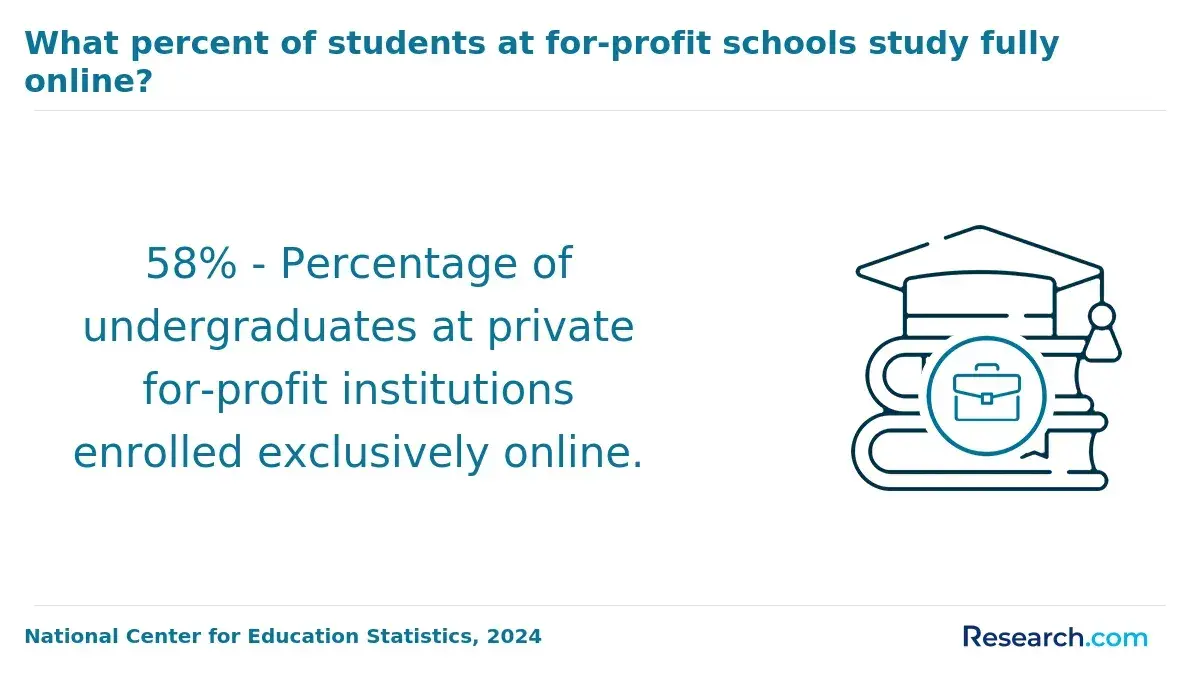
Facing escalating resource scarcity and complex regulatory demands, professionals in environmental science must master advanced resource management techniques to influence sustainable outcomes effectively. Yet many professionals delay upgrading their credentials due to rigid schedules and geographic constraints. The National Center for Education Statistics recently reported a 20% surge in adult enrollment in online degree programs since 2024, signaling a decisive shift toward flexible learning formats that accommodate working students.
This trend unlocks new pathways for mid-career specialists aiming to pivot or advance into roles requiring integrated resource management expertise. This article evaluates accessible online environmental science degrees with robust training in resource management, guiding readers through options aligned with career mobility and practical workforce needs.
Key Things You Should Know
- Resource management specialization within 2026 online environmental science degrees often reduces exposure to broader ecological systems, risking narrower technical expertise that limits adaptability in multidisciplinary roles, as detailed by the National Center for Education Statistics.
- Employers increasingly prioritize graduates with integrated data analytics and policy experience alongside resource management, reflecting a 25% hiring growth for interdisciplinary professionals in EPA workforce forecasts released in 2024.
- Programs offering resource management focus average 15-25% higher tuition and reduced grant access than general environmental science tracks, imposing delayed return on investment for mid-career professionals, per the Department of Education's 2024 cost report.
What is an online environmental science degree with a focus on resource management?
Graduates of online environmental science degrees with resource management specialization face a concrete demand to bridge ecological science with policy implementation across multiple sectors. Employers are less interested in theoretical knowledge and more in candidates who can convert complex environmental data into integrated resource strategies that comply with tightening regulations.
Programs focused on sustainable resource management emphasize applied skills in water, soil, forestry, and wildlife alongside data analysis and regulatory frameworks. This prepares students for roles such as designing watershed protection plans for government agencies or optimizing energy usage within private firms.
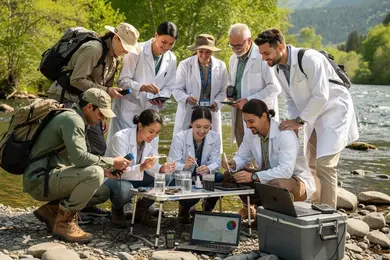
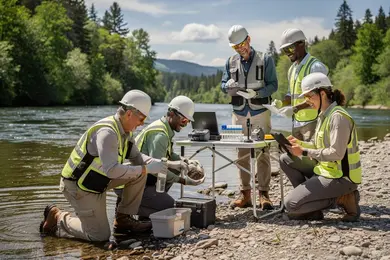
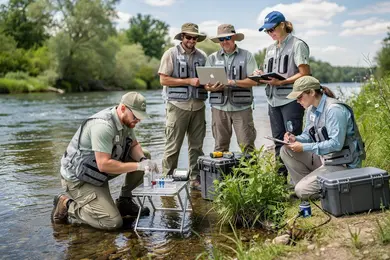
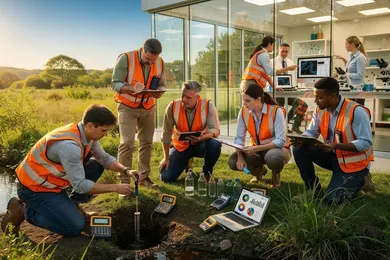
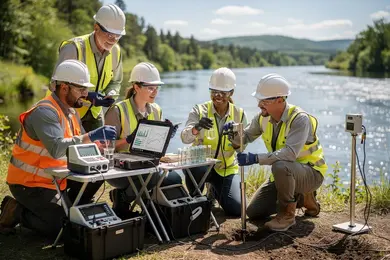
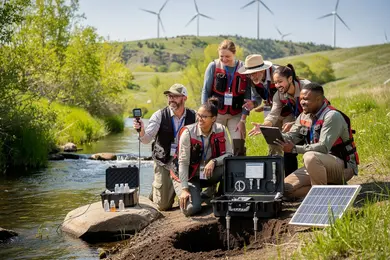
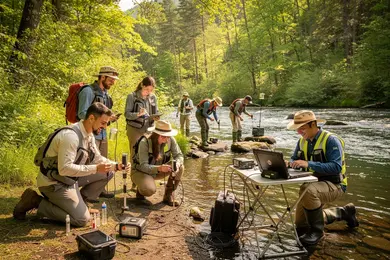
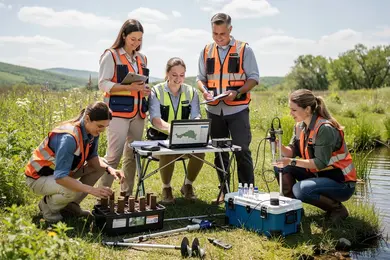
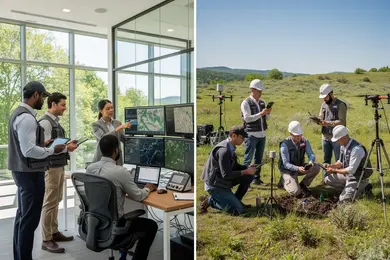
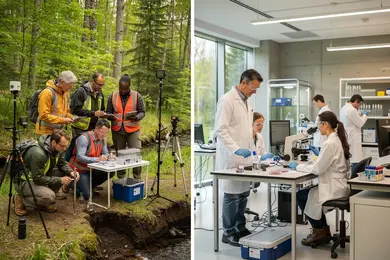
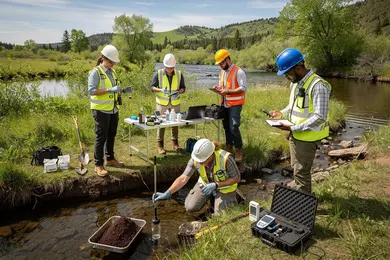
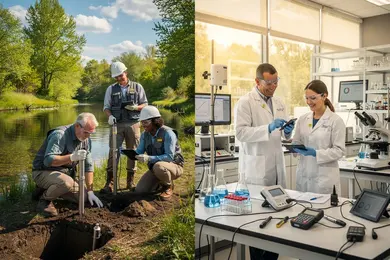
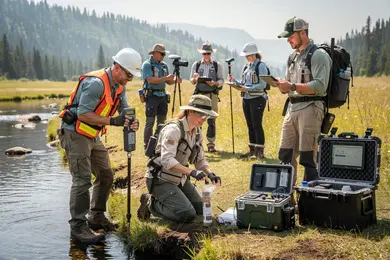
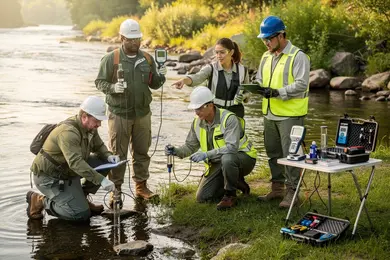
Fieldwork remains a critical yet challenging component. Some programs offer virtual labs or local placements, which may suit working professionals outside urban centers, but not all do. Prospective students should verify in-person requirements carefully to avoid delays caused by logistical conflicts or incomplete training in practical competencies.
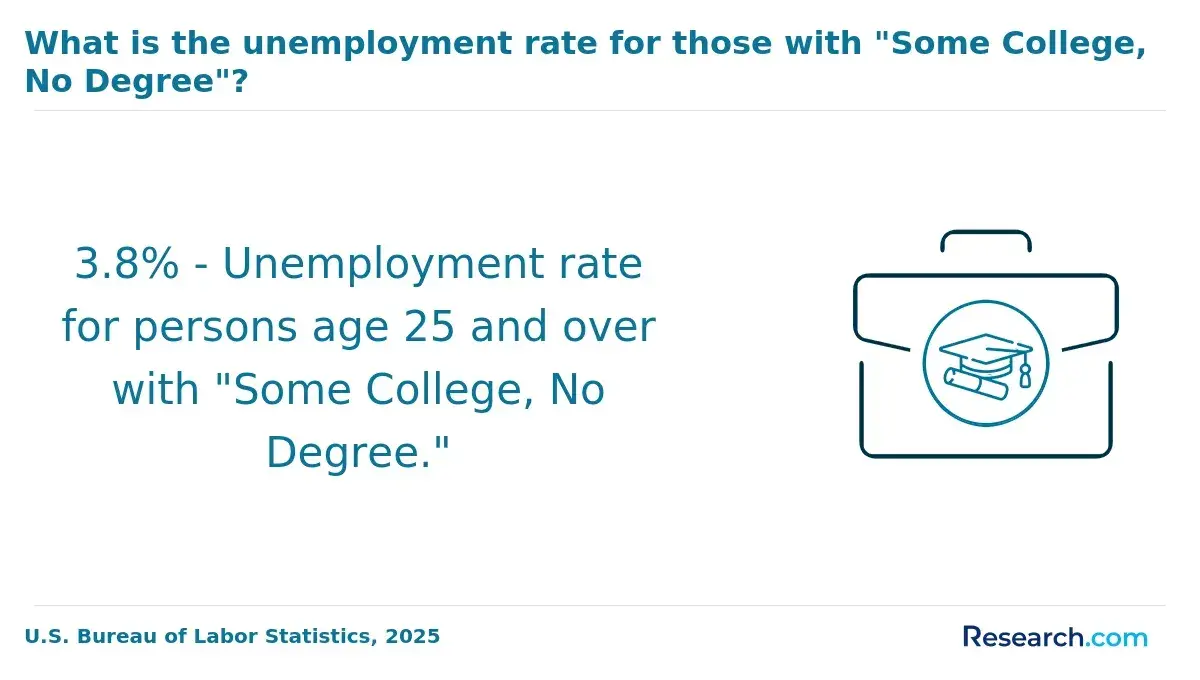
The U.S. Bureau of Labor Statistics forecasts a 6% growth rate for environmental scientists and specialists over the coming decade, translating to roughly 6,600 annual job openings. However, graduates lacking resource management expertise or management skills risk underperformance in roles demanding multi-stakeholder coordination and resource-heavy responsibilities.
Those evaluating environmental science programs focused on sustainable resource management must scrutinize curriculum rigor, accreditation, and internship pipelines to align education with employer expectations. To understand career outcomes further, see what jobs can you get with an environmental science degree.
How do online environmental science programs compare to campus-based options?
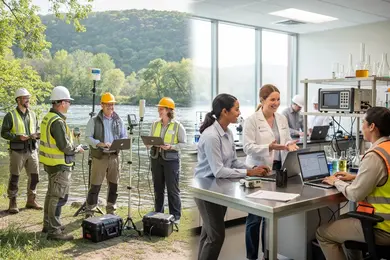
The choice between an online environmental science degree vs campus-based programs hinges largely on access to practical experience and employer expectations. While theoretical coursework and resource management principles align closely across both formats, fieldwork remains a differentiator. State resource departments and federal agencies frequently require candidates with tangible project experience, which on-campus students gain through lab collaborations and faculty-led research.
Online students must often secure local internships independently, posing a considerable challenge when balancing work or family commitments. This distinction reflects a broader comparison of resource management training in environmental science degrees: campus environments facilitate direct mentorship and networking with government partners, which can accelerate employment in specialized roles.
Online programs offer flexibility but impose additional responsibility on students to fill experience gaps.For those pivoting careers or entering the workforce immediately, campus-based options often provide crucial advantages in hands-on exposure. Working professionals managing existing jobs may find online pathways more feasible, though they should allocate time to complete field components outside the virtual setting.
Job market trends underscore this practical divide. Resource management postings have surged over 60% nationally in 2024, emphasizing demand for candidates who combine academic knowledge with real-world skills. Prospective students evaluating these tradeoffs may also consider costs and tuition differences, as explored in the analysis of the best online animal science degree options, which illuminate parallels in online science education affordability and structural challenges.
Which accredited schools offer strong resource management training online?
Employers in state agencies, consultancies, and nonprofits demand resource management professionals with tangible skills and policy fluency, emphasizing experiential learning over theoretical knowledge. Accredited schools offering resource management training online in 2026-such as Oregon State University, Colorado State University, and University of Florida-integrate practical elements like geographic information systems (GIS), sustainability practices, and natural resource policy into their curricula.
These online environmental science degrees with resource management specialization are designed to minimize gaps that arise from remote learning by including virtual labs and project-based capstone requirements relevant to current ecological challenges. Graduates from these programs face only a 3-5% median early-career earning gap compared to on-campus peers, according to the Georgetown University Center on Education and the Workforce, 2024.
This reflects employer acceptance contingent on maintaining accreditation and industry-aligned coursework. The cost benefit is notable, as online tuition typically runs 25-30% lower, but students must navigate potential constraints such as time zone differences and limited faculty mentorship that can influence how well practical skills translate into real-world application.
Prospective students should prioritize programs with regional accreditation and advisory input from environmental professionals. These elements support curriculum relevance and expand networking critical to career pivots within complex ecological and regulatory environments. For those evaluating alternative pathways, this analysis complements insights found in broader resources like the online sports science degree landscape, which shares parallels in balancing accessibility with professional readiness.
What courses and concentrations emphasize environmental and natural resource management?
Environmental and natural resource management education prioritizes applied skills in water, land, and wildlife systems necessary for compliant operations and ecosystem stewardship. Core topics like watershed hydrology, soil science, and environmental policy build expertise in monitoring and managing resources sustainably while meeting regulatory demands. Concentrations often include advanced geospatial analysis and environmental impact assessment techniques to provide realistic tools for addressing human-environment interfaces.
Programs such as online environmental science offering natural resource management courses emphasize practical competencies over theoretical content. For instance, water resource management training integrates chemical and microbiological testing with infrastructure operations, responding directly to workforce needs in water and wastewater treatment-a field that grew 11% in employment in 2024 with median wages near $52,300.
Graduates with these hands-on skills are better aligned with employer expectations around system maintenance and environmental compliance. Land and wildlife modules focus on habitat restoration and species recovery, presenting challenges like balancing conservation with resource extraction pressures under shifting policies.
Professionals intending strategic pivots should seek curricula that blend lab work, field experience, and regulatory knowledge without excessive abstraction, reflecting real labor market demands in utilities, agencies, and consulting. Students evaluating these pathways may also consider complementary areas, such as a library science degree, which can augment research and data management skills useful in environmental contexts.
Overall, choosing programs with embedded practical training increases employability and adaptability in a competitive sector driven by environmental regulations and technological monitoring.
What admission requirements and prerequisites do online environmental science programs have?
Admission to online environmental science programs typically hinges on a solid foundation in biology, chemistry, and mathematics, with GPA minimums around 2.5 to 3.0 reflecting the technical demands of the curriculum. Programs with a focus on resource management expect proficiency in statistics and algebra, sometimes requiring introductory calculus; lacking this can necessitate remedial coursework that extends time to degree completion.
For example, a professional transitioning from a non-technical role may need additional preparation to handle quantitative course components, impacting both cost and duration of study. Employers in environmental fields increasingly value practical experience alongside academic credentials, making work history or certifications potential substitutes for standardized tests such as the SAT or ACT, which are often optional.
Applicants should anticipate submitting transcripts, recommendation letters, and a personal statement that demonstrates alignment with environmental challenges and resource management priorities, as faculty assess candidates' applied science readiness rather than purely theoretical knowledge.
Financially, data show significant tuition disparities-approximately $340 per credit in public institutions versus $525 per credit at private schools-highlighting the importance of credit transfer and prerequisite validation to avoid repeated courses. Such financial and academic tradeoffs directly affect students' timelines and workforce reentry strategies.
How long do online environmental science degrees take and what do they cost?
Time-to-degree in online environmental science programs varies markedly across levels and enrollment status, directly influencing career timing and opportunities. Associate degrees typically require around 2 years, while bachelor's programs take closer to 4 years full-time. Accelerated pathways and credit transfers can compress these timelines but may restrict access to specialized courses in resource management.
Master's degrees generally span 1.5 to 2 years, with part-time options extending duration by up to two years, which can delay workforce entry or career shifts. Cost is a significant factor with public institutions charging $10,000 to $20,000 annually for in-state students and $20,000 to $35,000 for out-of-state, while private schools often exceed $40,000 per year.
Total bachelor's degree costs can range from roughly $40,000 to over $100,000 depending on residency and program length; master's tuition typically falls between $15,000 and $50,000. Financial aid and employer tuition assistance are viable but require active planning to mitigate financial burden. Employment realities underscore the necessity of aligning program focus with sector demands.
Forty-one percent of environmental scientists are employed by state and local governments emphasizing conservation and regulatory compliance. Another 26% work in technical consulting firms where applied science skills and schedule flexibility are pivotal. Prospective students must evaluate program flexibility, costs, and specialized course availability against these employment contexts to optimize workforce readiness, leveraging internships and networking where possible.
What environmental science careers focus on resource management for program graduates?
Resource management roles for environmental science graduates demand balancing ecosystem preservation with economic utility, such as managing timber harvests while maintaining biodiversity or optimizing water usage amid agricultural drought. These positions require interpreting complex environmental data, designing sustainable practices, and navigating regulatory requirements, minimizing the need for retraining. Employers value this interdisciplinary expertise, reflected in compensation patterns.
Mid-career salaries indicate clear market recognition. Holders of bachelor's degrees in environmental science or natural resources earn a median of $68,000 annually, about 24% more than workers with only a high-school diploma earning close to $55,000, based on data from Georgetown University's Center on Education and the Workforce 2024 update. This differential underscores the practical value of technical skills and problem-solving that degree holders bring to resource management challenges.
The career landscape also involves important tradeoffs:
- Forestry resource managers often work in rural or state-managed lands, requiring flexibility to relocate or travel extensively.
- Environmental compliance specialists typically operate within urban agencies or consulting firms focused on regulatory adherence.
Collaboration with engineers, policymakers, and cross-sector teams demands strong communication and project management skills-areas that integrated academic programs can develop effectively. Understanding these realities helps prospective students evaluate whether this educational pathway aligns with their long-term employment stability and geographic preferences.
What salary ranges and earning potential exist in resource management roles?
Resource management roles in environmental science present a clear earnings gradient heavily influenced by experience, sector, and educational format. Entry-level salaries start around $50,000 in public or nonprofit organizations, while seasoned professionals in corporate sustainability and consulting can command $90,000 or more. Management roles often exceed $100,000, emphasizing the value of strategic oversight.
Sector differences are notable:
- Federal agency resource managers typically earn 10-15% more than those in local government, reflecting broader responsibilities.
- Private sector positions in renewable energy or compliance pay 15-25% above nonprofit roles but demand advanced technical and leadership skills.
Program format flexibility also shapes career outcomes. Students engaging in at least 50% online coursework report 10-15% higher full-time employment rates without significant drops in completion compared to fully in-person peers. This structure supports ongoing professional experience, which combined with education, can accelerate salary growth.
Tradeoffs include slower wage growth if coursework extends due to part-time study. However, hybrid or competency-based programs may expedite certification eligibility, a common trigger for pay increases. Effective candidates leverage real-time work experience alongside academic progress to secure rapid advancement, particularly within their first five years. These patterns highlight the necessity of balancing educational delivery with work realities when planning an environmental science career pivot or advancement path.
What professional certifications or licenses relate to environmental resource management careers?
Credentialing in environmental resource management often carries more weight with employers than academic degrees alone, especially given sector-specific demands. For instance, the Certified Environmental Professional (CEP) credential not only attests to verified managerial and technical skills but also aligns candidates with the rapid 30% employment growth reported by the International Labour Organization in the environmental goods and services sector in 2024.
Specialized state licenses such as Professional Soil Scientist (PSS) or Professional Wetland Scientist (PWS) are often non-negotiable for legally conducting assessments or generating official reports in fields like soil conservation and wetland restoration, underscoring how geography-based regulatory frameworks shape credential requirements.
Federal and state agencies typically expect designations like Certified Hazardous Materials Manager (CHMM) for roles involving compliance with EPA hazardous waste regulations, risk evaluation, and environmental health safeguards. Similarly, sustainability-focused credentials such as LEED Accredited Professional (LEED AP) have gained traction due to rising employer demand for green building expertise linked to policy mandates.
These certifications can improve salary negotiation leverage and selective placement but require balancing cost and study time against sooner workforce entry. Choosing an educational path that integrates an online degree with targeted certifications can better prepare candidates to meet complex regulatory and sustainability standards shaping opportunities in natural resource management and environmental policy sectors growing worldwide.
How can students evaluate and choose a reputable online environmental science program?
Selecting an online environmental science degree involves more than convenience; it requires prioritizing accreditation and curriculum alignment with evolving workforce demands. Programs focused on sustainable agriculture, water resource management, and forestry are critical as global green jobs are projected to grow by up to 24 million by 2030. Accreditation from recognized agencies ensures not only curriculum rigor but also eligibility for federal financial aid..
Transparency about graduate employment rates and partnerships with industry reveal whether a program delivers meaningful outcomes. For instance, a professional aiming to work in sustainable municipal water systems must assess if their program emphasizes hydrology, regulatory compliance, and offers practical experience through virtual labs or internships, critical for market-ready skills.
Technical delivery shapes applied skill development: synchronous labs and project-based capstones often outweigh purely asynchronous formats by fostering hands-on learning and interaction with mentors. Faculty involvement in resource management research and connections to government or research organizations provide access to current data and regulatory frameworks, an advantage in sectors adapting to low-carbon economies.
Prospective students should also weigh cost, duration, and credential stackability relative to their career pivot or advancement goals. Flexible scheduling that complements full-time work and certifications valued by employers often determines long-term return on investment in these programs.
Other Things You Should Know About Environmental Science
An environmental science degree provides essential technical knowledge, but employers in resource management often expect practical experience or internships. Graduates without hands-on project work or field experience may face difficulty securing roles that require immediate applied skills. Prioritize programs that integrate applied learning components or facilitate internships to bridge this gap.
Programs emphasizing resource management combine science, policy, and management courses, which typically results in a higher workload than pure science programs due to the interdisciplinary curriculum. Expect significant time allocated to both quantitative analysis and case study evaluations. Plan for consistent time management as the dual emphasis increases complexity and practical assignments.
Yes, many programs require a 3- to 6-credit capstone, and some also require a supervised field practicum. The practicum often includes 120 to 240 hours in conservation, water, or land-use work, with documentation approved by the program and an academic supervisor.
Many employers recognize part-time online degrees but weigh them against candidate experience and demonstrated competency. While part-time study shows commitment, slower completion may delay access to higher-level roles. If career acceleration is the goal, prioritize programs with flexible but efficient pathways that maintain rigorous standards over extended timelines.
References
- HR Salary in the UK: How Much Can You Earn at Every Level? https://www.avadolearning.com/blog/what-jobs-salaries-can-i-expect-in-human-resources/
- Human Resources Salary in 2026: What You Could Earn (and How To Increase It) https://www.aihr.com/blog/human-resources-salary/
- What Can You Do With an Environmental Science Degree? https://willamette.edu/academics/college/environmental-science/career-options
- Choosing a bachelor's in environmental science | edX https://www.edx.org/resources/how-to-choose-a-bachelors-in-environmental-science
- Explore UM | University of Manitoba - Environmental Science (BEnvSC) https://umanitoba.ca/explore/programs-of-study/environmental-science-benvsc
- Resource Management Training | The Industry Club https://www.theindustryclub.co.uk/training/effective-resource-management
- Environmental Certifications for entry-level and career changers https://www.theenvironmentalcareercoach.com/certification-links
- Human Resource Management Course Level 4 and 5 | Online Business School https://www.onlinebusinessschool.com/human-resource-management-online-course-level-four-and-five/
- Accredited Human Resource Management Courses Online - Skills Academy https://www.skillsacademy.co.za/accredited-human-resource-management-courses-online/