2027 First Environmental Science Roles for Career Changers Entering Environmental Work

Co-Founder and Chief Data Scientist
Professionals shifting into environmental science face complex barriers: balancing upskilling with existing job demands, navigating fragmented credential requirements, and securing positions amid rapidly evolving employer expectations. The U.S. Bureau of Labor Statistics projects a 5% growth in environmental science jobs through 2032, yet many hiring managers prioritize candidates with specialized knowledge and hands-on experience, complicating entry for career changers. Simultaneously, a National Center for Education Statistics report reveals a surge in adult learners enrolling in part-time and online STEM programs, signaling increased flexibility but also raising concerns about consistency and recognition of diverse educational formats.
This article examines viable first environmental science roles tailored to career changers and offers strategies to align education and experience with employer priorities for effective workforce entry.
Key Things You Should Know
- Employment data from the U.S. Bureau of Labor Statistics shows environmental science technician roles growing only 3% through 2031, pressuring career changers to prioritize specialized certifications over general degrees for entry-level advantage.
- Employers favor candidates demonstrating proficiency in geospatial analysis and regulatory compliance software, with 67% of environmental firms requiring these skills, forcing late entrants to upskill rapidly to avoid stagnation.
- Median program costs for accelerated environmental science certificates exceed $12,000, with credential completion often delaying workforce entry by six months, creating a critical timing-cost tradeoff for pivoting professionals balancing income loss.
What are the best first environmental science roles for career changers?
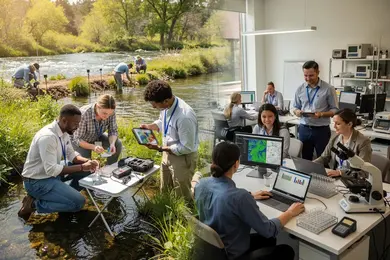
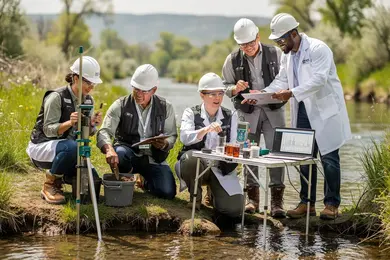
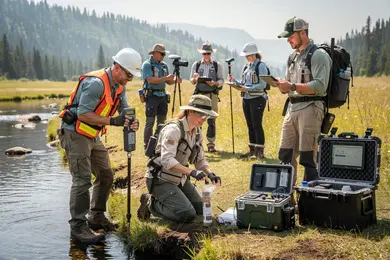
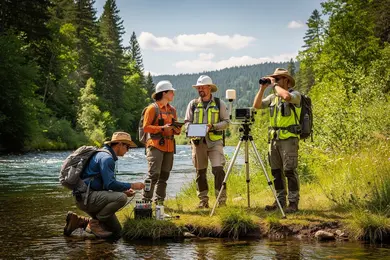
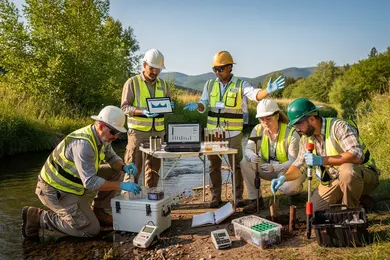
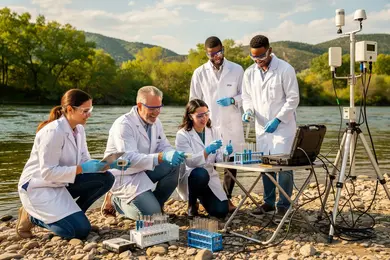
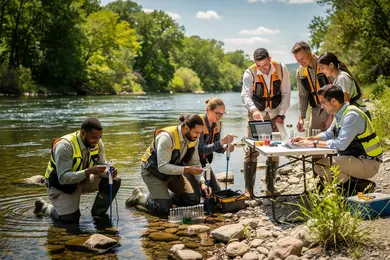
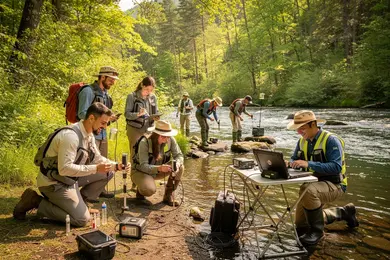
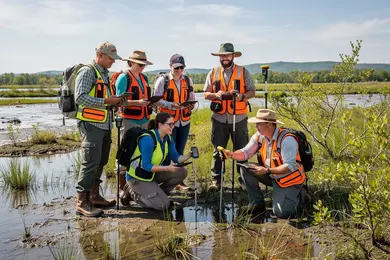
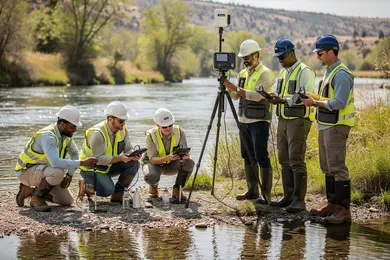
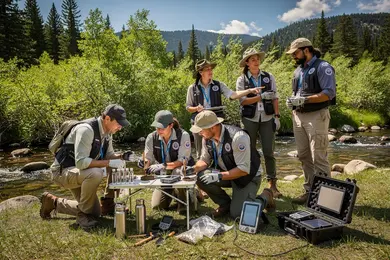
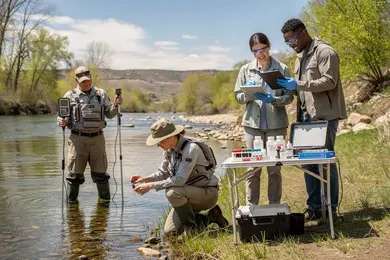
Entry level environmental science jobs for career changers often hinge on practical skill accumulation combined with employer expectations for adaptability. Positions such as environmental technicians serve as pragmatic entry points, leveraging prior experience in fields like construction project management or laboratory operations to meet demands for data collection, sample analysis, and fieldwork. These roles typically require an associate degree or certification, reflecting a balance between accessibility and the need for foundational technical competency.
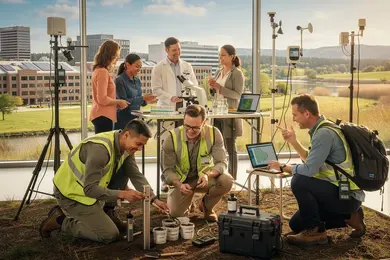
Specialist support roles within environmental consulting provide hands-on exposure to regulatory compliance and impact assessments but demand quick mastery of specific industry software and reporting protocols. For candidates with strong communication skills, environmental education and outreach roles offer a different pathway, integrating public engagement with progressive technical learning. Agencies managing natural resources also recruit environmental compliance coordinators and resource technicians, where prior government or logistics experience is beneficial, although technical training remains crucial.
The U.S. Bureau of Labor Statistics projects a 7% growth for environmental scientists and specialists between 2023 and 2033, with a median annual wage at $78,980. Career changers must weigh immediate wage limitations against time investment for certifications leading to advanced roles. Practical strategies include targeting positions with paid internships or apprenticeships, which combine income and upskilling to mitigate financial risk during the transition. Geographical factors influence opportunity concentration; for example, manufacturing hubs often demand pollution control technicians, whereas government-centric regions lean toward environmental policy analyst assistants.
Prospective students should carefully explore jobs for environmental science majors to align educational choices with real-world career trajectories.
Which degrees or certificates help adults transition into environmental science work?
Transitioning into environmental science careers effectively requires a strategic selection of degrees or certificates grounded in applied skills and direct employer demand. A bachelor's degree in environmental science, biology, ecology, chemistry, or geology remains the key entry point, supported by data indicating around 8,500 annual openings for environmental scientists through 2034. However, adults shifting careers often face the challenge of balancing time and financial investment against immediate job prospects.
Certificates supporting career changes to environmental science work, such as accelerated post-baccalaureate programs focusing on environmental regulations, GIS mapping, or data analysis, typically span 12 to 18 months and offer targeted skills highly relevant to regulatory agencies and consulting firms. These certificates, combined with practical internships or volunteering, can offset a lack of prior science background. Professional certifications like those in Geographic Information Systems (GIS) or Hazardous Waste Operations (HAZWOPER) often serve as employer-preferred credentials for field roles, emphasizing technical proficiency beyond academic credentials.
Associate degrees in environmental technology suit roles centered on monitoring and laboratory analysis but generally lead to more limited career trajectories than advanced degrees, which, while offering access to specialized technical positions, require longer and costlier commitments. For adults navigating these options, evaluating program flexibility, credit transferability, and employer connections is essential to minimize downtime and maximize return on investment.
For practical insights on making significant career shifts, the challenges involved reflect those seen in moves such as from teacher to speech language pathologist, where targeted credentials and hands-on experience are critical.
What entry-level environmental science jobs are open to professionals without prior experience?
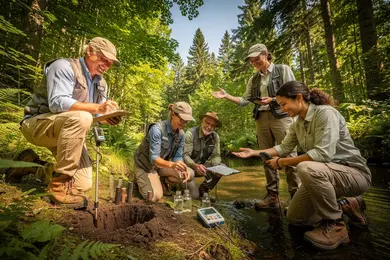
Entry-level environmental science jobs for career changers often involve positions like environmental technician, research assistant, data analyst assistant, or sustainability coordinator, accessible without prior specialized experience. These roles typically value transferable skills such as data management, project coordination, and communication over exhaustive scientific expertise. For example, a research assistant in a nonprofit might handle environmental data collection or sample processing, roles achievable through foundational environmental principles and related training.
Labor market data shows an 8% annual increase in climate-related job postings, highlighting a supply shortage and expanding opportunities for environmental science positions without prior experience. Yet, employers increasingly expect candidates to exhibit tangible skills like GIS software proficiency, familiarity with environmental compliance, or corporate social responsibility frameworks, with some roles prioritizing relevant certifications over traditional scientific backgrounds.
Practical pathways to qualification include short-term certificate programs or targeted internships that focus on environmental regulations or data analysis. These can be completed within six months and provide crucial field experience. Candidates must carefully highlight quantifiable competencies aligned with employer expectations, especially when transitioning from unrelated sectors. Common tradeoffs involve choosing between broad foundational knowledge and targeted skill certification to lower entry barriers.
For those evaluating educational options, pursuing an online degree in exercise science or related fields may complement environmental roles by enhancing data and health-related analytical skills, broadening professional versatility.
How do online environmental science programs compare with campus-based options for career changers?
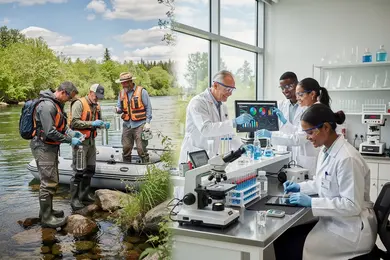
Career changers weighing online environmental science programs vs campus programs for career changers in the United States must consider the stark contrasts in practical training and networking opportunities. Online formats offer flexible, accelerated theory acquisition but often lack the embedded lab work and on-site field experience that campus programs provide. These hands-on components are vital; federal agencies and consulting firms commonly require demonstrated technical skills and local internship exposure, which campus programs integrate more seamlessly.
For example, a professional transitioning from marketing to environmental compliance gains immediate benefits from campus programs' access to specialized equipment and direct faculty mentorship. Without substantial lab or internship components, online learners must independently secure real-world training to compete for roles with median salaries near $113,980, according to Environmental Science.org. The top 10% in this field can earn over $134,830, where demonstrated applied expertise often differentiates candidates.
- Campus programs foster stronger employer connections through embedded fieldwork and internships.
- Online programs excel in theoretical flexibility but may delay readiness without additional practical experience.
- Choosing the appropriate delivery mode hinges on balancing immediate life constraints against long-term technical depth and professional network building.
Prospective students should also explore cost-efficient pathways like the cheapest online computer science degree options that might complement environmental science competencies in data analysis and modeling, enhancing marketability within environmental sectors.
Ultimately, benefits of online and traditional environmental science education for career changers vary considerably. Weighted decision-making should prioritize employer expectations, access to practical experiences, and personalized career objectives rather than convenience alone.
What should career changers look for in an accredited environmental science program?
Choosing an accredited environmental science program demands scrutiny beyond surface credentials. Accreditation from recognized bodies such as ABET or regional agencies directly influences employer confidence and eligibility for licensing, which can be decisive for technical roles like environmental engineering or regulatory compliance. Graduates from non-accredited programs often encounter barriers entering these career paths.
Curriculum relevance is key-programs emphasizing applied skills in environmental risk assessment, GIS technology, and regulatory policy better position students for workforce demands. For example, environmental engineers show a projected 7% job growth rate with a median annual income exceeding $100,000, demonstrating how demand aligns with compensation for technical expertise.
Internships and strong industry partnerships are non-negotiable for career changers, facilitating a smoother transition by building hands-on experience and professional networks. A professional shifting from finance into environmental consultancy will acquire practical credibility faster through project-based learning and mentorship rather than broad theoretical coursework.
Students must weigh logistical factors including program delivery format and duration. Online programs may limit hands-on lab opportunities and networking, while longer degrees can increase financial strain without guaranteeing immediate job placement. Niche specialization-like water management or sustainable manufacturing-can sharpen employability within targeted sectors instead of general environmental training.
What core courses and skills prepare newcomers for environmental science roles?
Success in environmental science roles increasingly demands integration of core scientific knowledge with quantitative and technical skills. For example, an agricultural scientist analyzing soil chemistry and crop data must effectively apply both chemistry and statistics to improve sustainable practices. Fundamental coursework in biology, chemistry, geology, and environmental policy establishes a baseline understanding of ecosystems and regulatory contexts, but these alone offer limited employability without accompanying data analysis and GIS proficiency.
Laboratory and field techniques remain necessary, yet employers prioritize candidates who pair these with computational skills such as programming in R or Python, used for modeling and visualizing environmental data. Communication skills-both written and verbal-are essential for crafting policy briefs and reports, which often influence funding and career stability.
The projected 8% growth in agricultural and food scientist employment by 2033, with a median salary around $76,400, highlights the increasing value of interdisciplinary expertise. Career changers should plan for certifications or practical experiences that prove applied knowledge of environmental regulations and compliance, as many employers expect demonstrated hands-on capability beyond academic theory. Internships or cooperative education arrangements are often critical in bridging classroom learning with real-world environmental challenges.
- Core sciences: biology, chemistry, geology, environmental policy
- Quantitative skills: statistics, data analysis, GIS
- Technical proficiency: lab methods, fieldwork, programming (R/Python)
- Communication: policy briefs, grants, public reports
- Workforce expectations: applied experience, certifications, internships
How long do environmental science programs typically take, and what do they cost?
Selecting an educational pathway in environmental science requires weighing the tradeoff between swift workforce entry and depth of specialization. Associate degrees typically span about two years and equip students for technician or support roles but limit upward mobility in competitive fields. In contrast, a four-year bachelor's degree remains the baseline credential for most environmental scientist positions, including specialized areas like air quality or water management. Master's degrees, taking roughly two additional years, are often prerequisite for advanced research or policy roles, reflecting employer expectations for technical leadership in government and private sectors.
Cost and time investment vary significantly:
- Associate programs at public community colleges range from $3,000 to $7,000 annually for in-state students, providing a more accessible option for working adults.
- Four-year public universities charge $10,000 to $25,000 per year in-state, with private institutions exceeding $40,000 annually.
Consider a professional switching careers targeting a data analysis role within a government agency: an affordable bachelor's program offering internships might optimize both credentials and experience. Conversely, consulting roles demanding complex technical expertise often necessitate graduate-level qualifications. Nationwide, roughly 90,300 environmental scientists are employed, with employment growth forecasted around 4,000 new positions over the next decade, reinforcing that program choice directly impacts employability and career trajectory.
Balancing total duration, cumulative tuition, and alignment with targeted job functions ensures pragmatic decisions. Strategies like pairing associate degrees with industry certifications may hasten workforce entry but risk limiting long-term advancement in this tightening labor market.
What is the salary range for common first jobs in environmental science?
Entry-level pay in environmental science varies significantly based on job role, location, and sector, ranging from about $40,000 to $70,000 annually. Roles like environmental technicians and field analysts often start near the lower end, while conservation scientists, foresters, and consultants can earn closer to or above $68,000 according to ASU's 2023 data. This salary spread reflects a projected 5% occupational growth through 2033, signaling steady demand but not a dramatically expanding market.
Deciding whether to invest in specialized skills or broader environmental science knowledge impacts income potential. For example, technicians in government or engineering settings usually begin between $42,000 and $50,000, whereas conservation scientists in federal or state agencies often start at $60,000+ due to advanced field expertise and regulatory experience.
Certification in areas like GIS or data analysis can boost starting salaries by 10-15%, highlighting practical skill acquisition over academic credentials in hiring priorities. Employers favor applicants demonstrating technical proficiency and adaptability to multidisciplinary teams.
Geographic location also exerts strong influence; urban or resource-rich regions such as the Pacific Northwest and Northeast command higher wages than rural areas. Prospective entrants should balance relocation costs and local salary differences when evaluating opportunities.
- Targeted technical certifications offer measurable salary increases.
- Entry wages differ sharply by employer type and geography.
- Moderate growth suggests stable but competitive hiring conditions.
What is the job outlook for environmental science careers over the next decade?
Environmental science careers are expanding notably due to pressure from climate policies, population growth, and regulatory demands across energy, agriculture, and manufacturing. This growth is uneven across roles and sectors, requiring strategic skill development for meaningful employment outcomes.
Practical technical skills such as GIS proficiency, environmental data analysis, and impact assessment consistently determine hiring success. For instance, renewable energy firms prioritize candidates who can quantify emissions reductions and evaluate project feasibility over those with purely theoretical backgrounds. Such specificity accelerates pathways for career changers seeking tangible workplace relevance.
Hiring environments differ: government positions offer stability and benefits but slower salary progression and longer recruitment cycles, focusing on enforcement and planning. Private sector roles, especially in green tech consulting, reward adaptability and rapid mastery of client regulations and modeling software but demand ongoing credential renewal.
Compensation varies with sector and geography, with better initial pay and faster advancement in the private realm versus steadier but slower growth public roles. Candidates without formal certifications, like the Certified Environmental Professional (CEP), must leverage internships or volunteer projects to demonstrate applied expertise.
Key considerations include:
- Targeted training in data analysis and GIS as foundational competencies.
- Awareness of sector-specific hiring timelines and expectations.
- The tradeoff between government job stability and private sector salary upside.
- Regional concentration of environmental industries directly affects opportunity density.
Are certifications or licenses needed for entry-level environmental science positions?
Entry-level environmental science jobs rarely require formal certifications, but possessing relevant credentials often distinguishes candidates amid competitive hiring for roles like field technician or research assistant. For example, OSHA 40-hour HAZWOPER certification is typically mandatory for hazardous waste positions, while GIS certifications or EPA-approved training enhance prospects in spatial analysis or compliance roles. Job seekers must weigh the tangible benefits of certifications against costs and time investments, especially when targeting sectors such as renewable energy, where practical skills in environmental compliance, energy auditing, or sustainability reporting carry greater value.
Licensing becomes more critical in specialized tracks demanding legal responsibility, such as professional environmental engineers or certified planners, where state-issued licenses replace or supplement certifications. Misaligned credential choices can delay entry and inflate expenses if they do not target specific job functions or regional market demands.
Practical decision-making includes matching credentials to intended roles. For instance, those focused on field consulting should prioritize safety and sampling training, while policy-oriented candidates benefit from environmental law or compliance auditing qualifications.
Employers evaluate certification, experience, and education differently across sectors. Career changers must thus research employer expectations carefully to optimize credential investments for immediate employability without compromising long-term career trajectories.
Other Things You Should Know About Environmental Science
Career changers often encounter gaps in practical field experience and specialized technical skills, which employers prioritize. Many positions require familiarity with data analysis software, environmental regulations, or field sampling techniques that might not be covered in a general science background. Addressing this requires targeted short courses or internships to build relevant experience, rather than solely relying on academic credentials.
While technical competence is critical, networking can heavily influence hiring in environmental science, where many roles are filled through professional connections or referrals. Prioritizing involvement in local environmental groups, attending industry events, and joining professional associations can open opportunities not advertised publicly. However, without solid technical skills, networking efforts alone won't secure jobs, so a balanced approach improves outcomes.
Field technician, environmental compliance assistant, and sustainability coordinator roles often accept career changers with 1–2 years of relevant experience, OSHA 10 or 30 training, and basic GIS or data skills. Employers commonly prioritize transferable skills, lab safety knowledge, and familiarity with EPA reporting requirements.
References
- Explore Career Opportunities in Environmental Science https://www.neefusa.org/story/environmental-education/explore-career-opportunities-environmental-science
- How to make a career transition in to (or within) the environmental sector | ECO Canada https://eco.ca/blog/how-to-make-a-career-transition-in-to-the-environmental-sector/
- How to Become an Environmental Scientist | University of Phoenix https://www.phoenix.edu/articles/environmental-science/how-to-become-an-environmental-scientist.html
- Advice for career changers - Green Jobs for Nature https://greenjobsfornature.org/get-that-green-job/advice-for-career-changers/
- 10 careers you can have with an environmental science degree - SMWC https://www.smwc.edu/10-careers-you-can-have-with-an-environmental-science-degree-blog-july-20/
- How to Find Entry Level Jobs with an Environmental Science Degree https://facs.com/blog/how-to-find-entry-level-jobs-with-an-environmental-science-degree/
- CES - Certified Environmental Scientist https://www.nrep.org/certifications/certified-environmental-scientist-ces
- Environmental Career Profiles Australia https://environmentaljobs.com.au/resources/environmental-sustainability-careers
- Future Jobs: 6 Green Careers Shaping the Next Decade https://www.globalcitizen.org/en/content/future-jobs-green-careers-for-young-people-gen-z/
- Online Environmental Science Degrees: Compare Schools https://www.degreesforgood.org/online-degrees/environmental-science/