2027 Best Online Environmental Science Degrees for Environmental Reporting Careers

Co-Founder and Chief Data Scientist
When environmental reporters confront rapidly unfolding ecological crises, the challenge of translating complex scientific data into clear, actionable stories grows steeper. Nearly 60% of environmental science students now seek flexible online options, according to the National Center for Education Statistics, driven by workforce demands and shifting adult learner priorities.
This surge reflects wider pressure on professionals balancing career pivots with ongoing employment, demanding programs that combine rigor with accessibility. Given employers' increasing expectations for interdisciplinary skills and real-world expertise, selecting an accredited online degree that aligns with these dynamics is critical.
This article examines top online environmental science degrees optimized for environmental reporting careers, guiding informed choices amid these evolving professional pressures.
Key Things You Should Know
- Online environmental science degrees averaging 36 months cost 15-40% less than on-campus programs (NCES 2024), creating access tradeoffs as accelerated cohorts often sacrifice deep fieldwork components critical for reporting accuracy.
- Employers prioritize candidates with quantifiable GIS and data analysis skills; 62% of environmental reporting roles now require proficiency in spatial data tools, shifting curriculum value beyond traditional theory (BLS 2024).
- Delayed entry into master's-level reporting roles costs $18K in median starting salary annually; consequently, programs integrating direct journalistic collaboration in final semesters increase early workforce placement by 23% (IPEDS 2023).
What is an environmental science degree for reporting careers?
An environmental science degree online for reporting careers demands balancing scientific rigor with accessible communication, a tradeoff critical for credible environmental journalism.
Reporting accurately on complex ecological data requires not only familiarity with ecosystem dynamics but also the ability to translate these findings into narratives that non-experts can understand. For instance, a journalist covering industrial pollution must merge quantitative emission analyses with investigative skills to promote accountability without distorting facts.
Programs regarded as the best environmental science programs for environmental journalism focus on this integration, combining scientific methods with media ethics and digital storytelling. Student readiness stems from hands-on experience using real-world data and multimedia tools, reflecting employer preferences for candidates adept at meeting deadlines and maintaining factual precision under pressure.
Labor market data highlights practical relevance: The U.S. Bureau of Labor Statistics projects a 6% growth for environmental scientists and specialists from 2024 to 2034, with 93,500 jobs expected in 2025. This suggests expanding opportunities in government, nonprofits, and media sectors specializing in environmental issues, underscoring the tangible prospects of this educational pathway.
Students targeting this field should focus on skills that enhance reporting clarity and contextual authority:
- Master data visualization software to elevate storytelling impact
- Understand environmental legislation to frame reporting accurately
- Build a portfolio through internships or freelance work with credible outlets
For those exploring career outcomes, insights into jobs with elementary education and environmental science degree provide additional perspective on workforce integration beyond traditional scientific roles.
Which online environmental science programs have proper accreditation?
Employers and federal agencies consistently require degrees from regionally accredited institutions for eligibility, making accreditation a decisive factor when choosing online accredited environmental science degree programs.
Regional accreditation from bodies like the Middle States Commission on Higher Education or Western Association of Schools and Colleges validates curriculum rigor and is a baseline for many environmental reporting roles. Programs with specialized ABET accreditation also signal advanced technical proficiency, which can be critical for positions demanding complex environmental data analysis.
Graduates from unaccredited or nationally accredited schools often encounter barriers such as non-recognition by federal entities, limited access to professional licenses, and hurdles in securing federal grants. These challenges translate into workforce friction that can impede practitioners shifting into environmental reporting careers, particularly when verification of credentials becomes necessary for employment compliance.
Environmental scientists earn a median wage of $78,980 annually according to U.S. Bureau of Labor Statistics data cited by EnvironmentalScience.org, underscoring the market value of verifiable, standardized training. Choosing the best accredited environmental science programs for reporting careers requires weighing curriculum relevance alongside accreditation status to avoid bureaucratic delays and maximize credit transferability for advanced study.
Prospective students should also consider affordability and program returns, which can be explored through resources such as the data science degree rankings that highlight cost-efficient educational options with strong market alignment.
How do online and campus environmental science degrees compare?
Choosing between online vs campus environmental science degree benefits hinges on the practical skill gaps and employer expectations that shape career trajectories.
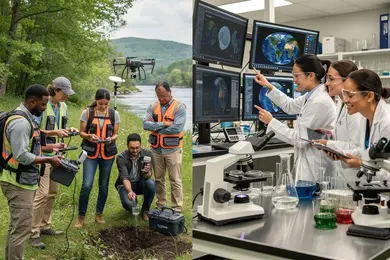
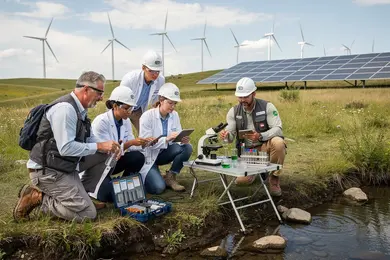
While online programs deliver theoretical flexibility increasingly sought by working professionals or those in remote locations, they often lack the robust hands-on experiences essential for entry-level roles demanding field data collection and community engagement. These tactile competencies, such as environmental sampling and direct observation, remain a distinct advantage of traditional campus programs.
Between 2020 and 2025, fully online environmental science and related degrees expanded by over 35%, reflecting growing availability for students prioritizing flexibility over structured fieldwork. Yet, employers in consulting firms and regulatory agencies continue to privilege graduates with demonstrable in-person lab and field internship experience, reinforcing the value of campus-based immersion.
Students without prior field experience may use online pathways to acquire theory while independently seeking local internships, but such workarounds require significant self-direction.
Practically, candidates must explicitly present portfolios or documented internships to validate competencies regardless of delivery mode, emphasizing the need for program curricula that integrate employer partnerships and lab access. For those evaluating pathways, considering these differences alongside long-term workforce implications is critical to aligning educational choices with career goals.
For prospective students also exploring other areas of study, a nutritional science degree online offers a comparable model of online versus campus tradeoffs relevant across scientific disciplines.
What courses prepare students for environmental reporting jobs?
Effective preparation for environmental reporting careers requires targeted coursework that balances scientific literacy, technical aptitude, and communication skills. Core classes in environmental science cover ecology, environmental chemistry, and geology, providing the foundational understanding essential for interpreting natural processes and data.
Since reporting demands nuanced analysis, programs incorporate statistics, geographic information systems (GIS), and environmental policy to ensure students can critically assess and contextualize information.
Environmental journalists must also refine skills in science communication, media ethics, and digital journalism, often through electives that emphasize translating technical data into clear narratives without compromising accuracy. This blend is particularly important for candidates pursuing online environmental science degree programs for media professionals, where maintaining engagement through virtual formats adds complexity to delivering precise content.
Practical training in data visualization and technical writing is indispensable for interpreting regulatory documents like EPA reports or climate model outputs. Employers typically favor applicants who have real-world experience with monitoring equipment or internships simulating environmental reporting conditions, allowing immediate contribution and reducing onboarding time.
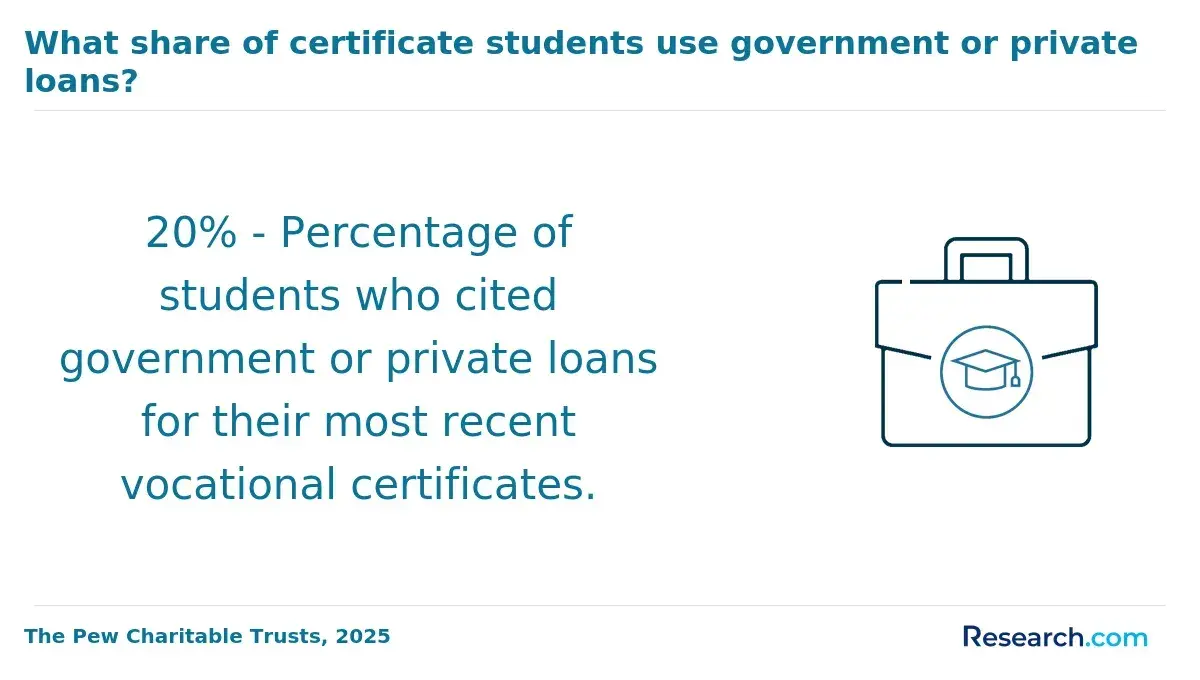
Cost considerations are significant: many programs with strong hands-on components offer annual tuition as low as $4,830, a stark contrast to traditional degrees costing $50,000-$150,000 total. Those weighing options can find valuable insights in a computer science online degree resource, which illustrates comparable affordability patterns in related STEM fields.
To navigate environmental sectors ranging from regulatory agencies to nonprofit watchdogs effectively, prospective students should prioritize rigorous quantitative courses alongside communication training and practical reporting opportunities.
What admission requirements do online environmental science programs have?
Admission into online environmental science programs reflects a balance between academic baseline requirements and workforce realities, particularly for career changers or professionals with prior experience.
A high school diploma or equivalent is standard, but competitive programs often set a minimum GPA near 2.5 to 3.0. Standardized tests like the SAT or ACT remain common but are increasingly waived for candidates who demonstrate applied knowledge or substantial prior credits. This flexibility benefits working professionals aiming to reduce redundant coursework.
Applicants should anticipate submitting a personal statement focused on environmental commitment and communication skills relevant to reporting roles. Letters of recommendation, while not universally required, can substantiate analytical expertise and enhance admission odds. Many programs demand foundational science prerequisites such as biology, chemistry, or math, which can prolong the pathway if these are lacking, an important consideration for those pivoting from non-science backgrounds.
At the graduate level, admission criteria tighten, expecting a bachelor's degree in science, communications, or related disciplines, with transcripts evaluated for quantitative coursework rigor, particularly in statistics and ecology. Employers hiring environmental science communicators prioritize candidates who combine technical proficiency with the ability to produce accurate, accessible reports under pressure. Applicants presenting relevant internships or journalistic experience may gain a distinct advantage.
Projected 6% job growth in environmental science signals steady demand, but admission committees seek candidates capable of translating complex environmental data into actionable insights. Programs that offer flexible admission alongside strong applied-science components can mitigate entry barriers while preparing graduates to meet evolving industry needs.
How long and how much do online environmental science degrees cost?
Pursuing an online environmental science degree involves strategic tradeoffs between time, cost, and employment flexibility. Associate degrees typically conclude in about two years, but bachelor's programs require closer to four years full-time. Part-time learners often extend studies by one or two years, which can delay income growth, a critical factor when entry-level salaries start near $46,000. Accelerated options exist, allowing completion within three years. However, these demand substantial time commitments that may preclude working simultaneously.
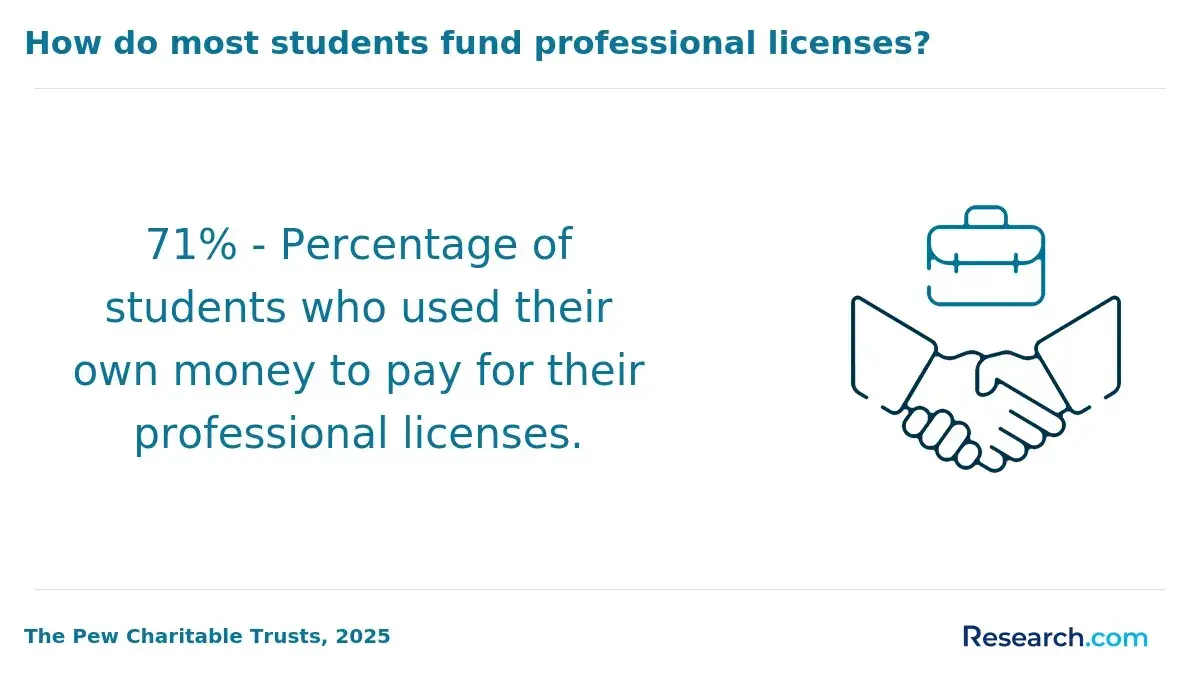
Tuition costs for a full bachelor's degree range widely, from $15,000 to over $50,000, depending on public or private providers. Additional fees for technology and exam proctoring can increase total expenses by 10-15%. Prospective students should thoroughly assess financial aid options, including employer support and government grants, to offset these costs.
Employer expectations increasingly favor graduates with hands-on experience such as internships or project-based learning. Programs integrating these elements often improve employability and justify longer study durations by accelerating entry into mid-level roles earning $120,000 or more annually, based on May 2024 data from the U.S. Bureau of Labor Statistics.
Which environmental reporting careers can this degree support?
An environmental science degree channels graduates into roles that blend technical expertise with communication demands across diverse sectors. Positions such as environmental compliance specialists, impact analysts, and sustainability coordinators require not only scientific knowledge but the capacity to translate complex data for regulatory bodies or corporate leadership.
Wage differences between public and private sectors reflect these varied demands. According to 2024 U.S. Bureau of Labor Statistics data, engineering and consulting roles typically offer median salaries 10-20% higher than comparable government jobs. This premium compensates for higher technical complexity and the need to produce actionable insights under commercial pressures.
Government roles focus more on interpreting regulations and program oversight, suited to those familiar with legal frameworks and policy processes. Consulting positions emphasize project assessments and risk communication, demanding interdisciplinary fluency and adaptability to multiple stakeholders.
For mid-career professionals pivoting into environmental science reporting, the tradeoff often lies between stable public-sector employment with policy influence versus potentially higher pay but increased technical rigor in private consulting. Success frequently depends on mastery of domain-specific software tools, staying current with legislation, and developing practical experience in multi-stakeholder environments.
What salary can environmental reporting graduates expect?
Starting salaries for environmental reporting graduates typically range from $45,000 to $60,000 annually, according to recent U.S. Bureau of Labor Statistics data for 2024 related to environmental science and journalism roles. Professionals with over five years of experience in environmental communication, investigative reporting, or policy analysis generally earn between $65,000 and $85,000, though this varies widely by employer sector and region.
Entry-level roles in local news media or environmental nonprofits often fall on the lower end of the salary scale, whereas positions within federal agencies, such as the EPA, or national research institutions tend to offer higher wages aligned with rigorous technical and reporting requirements. Graduates must consider geographic cost-of-living differences since metro areas offer higher pay but increased expenses.
Online environmental science degrees offer flexibility that enables students to maintain employment while studying; over 70% of students reported balancing work and study in a 2025 FutureLearn survey. However, this choice can limit availability for unpaid internships, which are critical for developing the specialized skills employers seek.
Professionals face trade-offs between full-time study, which may accelerate career entry via internships and networking but sacrifices current income, and part-time study, which supports income but delays advancing into higher-paying roles demanding hands-on experience. Employers emphasize a combination of technical writing, policy knowledge, and certifications to improve salary prospects and employability, particularly in competitive private-sector consulting and media firms.
What job outlook exists for environmental reporting graduates?
Environmental reporting roles in 2026 will require specialized skills that blend data analysis, regulatory understanding, and communication expertise. Employment in related environmental science and communication sectors is expected to grow by about 8% through 2034, driven by regulatory pressures and increasing interest in sustainability.
Career entry points vary notably by sector, presenting distinct challenges: regional agencies and nonprofits often prioritize candidates with documented internships or field experience, while private consultancies and green technology firms look for advanced degrees and cross-disciplinary skills in digital media or policy analysis.
Journalists covering environmental topics must convert complex scientific data into accessible narratives, a demanding combination seldom mastered without targeted training.
Online environmental science programs can offer significant tuition savings of 30-50% compared to on-campus public universities, yet students should weigh these financial benefits against limited networking, mentorship, and research opportunities that influence early career outcomes.
Success in this field depends heavily on continuous learning to keep pace with shifting regulations and media platforms. Key competencies include translating scientific information for non-expert audiences and mastering digital communication tools, areas where many recent graduates face hurdles.
What certifications help environmental reporting professionals stand out?
Certifications like the Project Management Professional (PMP) and Certified Environmental Professional (CEP) shift the focus from technical knowledge alone to managing complex environmental projects with real accountability. For example, a CEP holder collaborating with urban planners on sustainable development projects can more effectively clarify regulatory and policy requirements, elevating the credibility and precision of environmental reporting.
Similarly, the Board Certified Environmental Journalist (BCEJ) credential targets communication proficiency specifically in environmental matters, aligning precisely with employer demand for transparent, accurate public messaging.
Foundational sustainability certifications such as Leadership in Energy and Environmental Design (LEED) bring focused expertise on green building standards, valuable when coverage overlaps with urban planning and conservation. These certifications, however, can require a substantial initial investment of time and money, ranging from several hundred to a few thousand dollars, with ongoing continuing education obligations.
Science communication roles in this sector report median salaries between $60,000 and $80,000 annually according to U.S. Bureau of Labor Statistics data, indicating a meaningful wage premium associated with certifications. Candidates differentiate themselves further with Geographic Information Systems (GIS) and environmental data analysis certificates, especially where those skills intersect with journalism or communication training.
Employers prioritize professionals who can translate complex scientific data into clear narratives, making a combined credential strategy-technical literacy plus communication expertise-decisive for navigating this competitive labor market.
Other Things You Should Know About Environmental Science Degrees
Programs with a broader interdisciplinary approach equip students with versatile analytical and scientific skills but may dilute emphasis on communication and media literacy crucial for reporting careers. Specialized programs targeting environmental reporting integrate writing, data interpretation, and policy analysis more deeply, better aligning with employer demands. For career pivoters prioritizing immediate employability, targeted curricula increase relevance and reduce retraining.
Online programs vary widely in workload, with some designed for full-time commitment and others allowing part-time pacing. Working professionals should select programs offering flexible deadlines and asynchronous content while ensuring rigorous research and writing requirements remain manageable. Overcommitting can delay graduation and weaken skill acquisition, so balancing intensity with career and life obligations is essential for timely completion and performance quality.
Most programs require a laptop with webcam, microphone, and reliable broadband, plus access to Microsoft Office or Google Workspace and a browser such as Chrome or Firefox. Some courses also use GIS software like ArcGIS or QGIS, which may require a Windows or Mac system with at least 8 GB of RAM.
References
- Reporting on climate change - National Council for the Training of Journalists https://www.nctj.com/cpd-courses/reporting-on-climate-change/
- Online Environmental Science Degree | BS Environmental Science | University of Phoenix https://www.phoenix.edu/online-liberal-arts-degrees/environmental-science-bachelors-degree.html
- Environmental Sciences degrees & courses https://universitycompare.com/courses/degrees/environmental-sciences
- CSRD jobs: Which 7 skills are in demand now - CSR Tools https://csr-tools.com/en/blog-en/csrd-jobs-which-7-skills-are-in-demand-now/
- 2025 Most Affordable Online Environmental Science Degrees https://www.onlineu.com/most-affordable-colleges/environmental-science-degrees
- Top Certifications for Remote Environmental Jobs 2025 https://redrockconsultinggroup.com/top-certifications-that-help-you/
- Become an Environmental Professional (EP) | ECO Canada https://eco.ca/designations/environmental-professional/
- Environmental Graduate Career Profile | GRB https://www.grb.uk.com/industry-profiles/environmental/