2027 Best Online Bachelor's in Environmental Science With Climate Science Coursework

Co-Founder and Chief Data Scientist
Environmental science professionals now navigate an intricate landscape where rapid climate shifts demand specialized, interdisciplinary expertise often unavailable in traditional programs. The U.S. Bureau of Labor Statistics projects a 5% growth in environmental scientist roles over the next decade, yet many working adults face inflexible scheduling and geographic barriers when pursuing necessary qualifications.
Recent data from the National Center for Education Statistics reveals a 12% annual increase in online bachelor's enrollment for adult learners, translating to broader access but also heightened competition for programs that truly integrate climate science coursework.
This article evaluates the best online bachelor's programs structured to balance rigorous climate education with flexible, career-oriented delivery for strategic advancement in environmental fields.
Key Things You Should Know
- Programs integrating climate science consistently require 20-25% more dedicated STEM coursework, extending typical degree completion by 6-12 months, raising total costs by approximately $8,000 on average, per 2024 NCES data.
- Employers in renewable energy and climate policy sectors prioritize graduates with applied climate modeling skills; more than 65% list climate specialization as a hiring preference, influencing job market access and salary ceilings.
- Regional labor markets show uneven demand for environmental science graduates with climate expertise, with the Western U.S. offering 30% higher entry wages but less program availability, forcing tradeoffs between cost, location, and employability.
What is an online bachelor's in environmental science with climate science coursework?
An online bachelor's degree in environmental science with climate science focus provides interdisciplinary skills crucial for real-world applications but requires careful consideration of its limitations. Graduates emerge equipped in core environmental principles like ecology and chemistry, paired with climate-specific training in atmospheric dynamics and modeling.
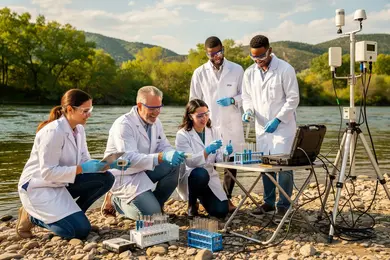
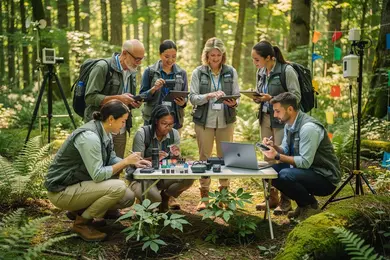
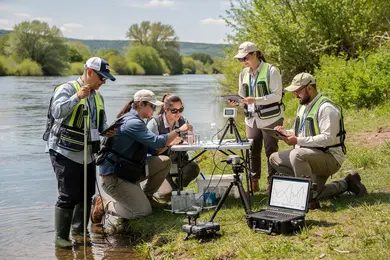
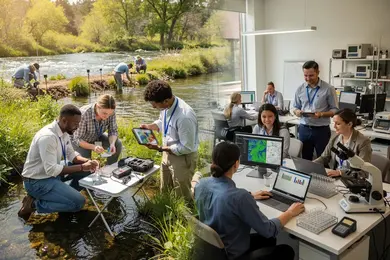
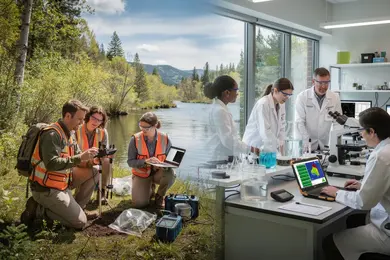
However, practical exposure may be constrained by the online format's limited fieldwork opportunities, necessitating proactive pursuit of internships or local collaborations to build hands-on experience.
Workforce demands favor candidates who combine foundational environmental science knowledge with applied climate methodologies. For instance, urban planners rely on climate projections to enhance infrastructure resilience, while environmental consultants analyze corporate carbon footprints.
This dynamic means that a bachelor's program in environmental science and climate change coursework must integrate not only theory but also software proficiency and regulatory understanding to meet employer expectations.
The U.S. Bureau of Labor Statistics reports an average annual wage of $88,820 for environmental scientists and specialists, with employment growing 8% through 2032. This signals increasing opportunities in sectors responsive to climate adaptation and sustainability. Yet, students should evaluate programs for accreditation, faculty expertise, and alignment with state environmental standards to ensure credentials translate effectively into these expanding roles.
For those navigating career transitions or strategic advancement, understanding these nuances is key. Exploring high-paying jobs with environmental science degree data can clarify which pathways best leverage combined environmental and climate science education while mitigating common online learning tradeoffs.
How does an online environmental science degree compare to a campus-based program?
An online environmental science degree offers distinct operational tradeoffs compared to campus programs, especially when considering applied skill development and employer expectations. Campus-based degrees integrate extensive fieldwork and lab access, essential for sectors like urban planning and natural resource management. In contrast, online programs rely on virtual labs and data analysis, aligning better with roles such as remote environmental consulting or policy analysis.
Students pursuing an online environmental science degree benefit from cost and scheduling flexibility, yet they face hurdles in acquiring direct hands-on experience without proactive local internships or volunteer opportunities.
The workforce is increasingly demanding applied competencies; between 2020 and 2024, U.S. job postings citing "climate resilience" alongside environmental science skills rose by roughly 60%. This surge emphasizes the preference for candidates with tangible field expertise that on-campus experiences more readily provide. Graduates of online programs must therefore distinctly build portfolios showcasing practical skills to remain competitive.
When evaluating the comparison of online versus campus environmental science programs, consider that campus environments often offer direct faculty mentorship and access to research facilities, which can accelerate career trajectories in specialized fields. Conversely, online pathways suit professionals aiming for data science or policy roles but who require flexibility.
For practitioners evaluating a career shift, including roles with different pay scales such as speech language pathologist salary considerations, understanding how education format impacts employability is critical.
How can students verify that an online environmental science program is properly accredited?
Choosing an accredited online environmental science degree program in the United States directly influences professional eligibility and credit transferability. Regional accreditation from one of the six U.S. Department of Education-approved bodies or CHEA ensures that employers and licensing boards recognize the credential. For instance, state government environmental analyst positions often explicitly require graduation from a regionally accredited program, making verification indispensable.
Students must verify accreditation status at both the institutional and program level, since some online environmental science programs may be administratively separate or offered through partner institutions. Practical investigation involves checking accrediting lists against the specific program, not just the university's overall status.
Admissions data highlight that 95% of regionally accredited online bachelor's programs mandate at least one year of high school laboratory science, establishing a baseline of scientific literacy expected by employers and graduate pathways. Specialized programmatic approvals also matter in niche sectors like climate policy or environmental consulting, where targeted preparation affects workforce readiness.
Prospective students seeking how to verify accreditation for online environmental science bachelor's degrees should also consider resources detailing comparative program structures and timelines. Reliable insights can be found by exploring online exercise science programs reviews, which, while focused elsewhere, share analogous accreditation validation techniques valuable for environmental science applicants.
What climate science and environmental coursework do these online bachelor's programs include?
Online bachelor's programs in environmental science with climate science coursework deliver immediate sector-specific skills that align with employer needs in energy, urban planning, and sustainability consulting. These programs emphasize quantitative proficiency, including carbon cycle modeling, GIS, and remote sensing, which are essential for roles requiring climate risk assessment or emissions scenario evaluation.
Graduates often engage with environmental policy frameworks and greenhouse gas inventories, equipping them to translate complex scientific data into actionable strategies for mitigation and adaptation.
The integration of climate change and sustainability courses in online environmental science degrees addresses real-world regulatory challenges and technological applications. Coursework typically covers applied statistics, environmental chemistry, international climate treaties, and climate modeling software-competencies demanded by government agencies, firms advising on renewable energy projects, or environmental nonprofits.
Cost considerations present a tangible advantage: the median online tuition of $9,420 in 2026 compares favorably to $22,930 for on-campus options, enabling working professionals to balance affordability with career continuity.
However, the online format requires self-discipline and technical readiness, especially for software-intensive labs and collaborative projects. Prospective students should scrutinize program depth in climate science modules and opportunities like internships or capstone projects that connect theory to environmental problem-solving, particularly in areas such as urban resilience or carbon accounting.
For those weighing affordability alongside rigor, the library degree affordability rankings illustrate how targeted online programs offer systemic cost benefits without sacrificing critical workforce skills.
What admission requirements and prerequisites do online environmental science programs typically have?
Admission to online environmental science bachelor's programs hinges on meeting defined academic and technical benchmarks that affect program completion timelines and career utility. Applicants typically must hold a high school diploma or equivalent with a minimum GPA between 2.5 and 3.0, but prerequisites extend beyond this baseline. Foundational coursework in math, biology, and chemistry is often required to ensure readiness for the program's scientific rigor.
Standardized testing is less consistently enforced due to widespread waivers, especially for adult learners, yet transfer students face detailed credit evaluations focused on calculus and introductory environmental science courses to prevent costly remedial work. Professionals switching careers frequently confront placement exams or transcript reviews tailored to verify scientific proficiency, a critical hurdle given the specialized climate science components now embedded in over 70% of top programs.
Students must weigh geographic constraints when programs require localized clinical labs, fieldwork, or internships, as virtual lab simulations and data analysis tools may not fully replace hands-on experience. Technology access and competency remain unspoken barriers that can delay progress or reduce employability if not addressed upfront.
Strategically, applicants should confirm how prerequisites align with their background to avoid academic delays or inflated costs. Meeting these admission thresholds is less about entry and more about ensuring workforce readiness, where climate science literacy increasingly dictates career paths in sustainability, policy, and environmental management.
How long does it take to earn this online bachelor's degree, and what does it cost?
Completing an online bachelor's degree in environmental science with climate science coursework often takes four years of full-time study, but part-time options stretch completion beyond six years, impacting both financial and professional timelines. The curriculum generally requires 120 to 130 credit hours, combining foundational environmental science subjects with specialized climate-focused classes essential for roles like climate change analysis or environmental protection.
Cost structures vary widely: public universities typically charge $300 to $600 per credit for in-state online students, while private institutions may exceed $700 per credit. This translates to total tuition between approximately $36,000 and $84,000 for a 120-credit program.
Additional expenses, technology fees, lab supplies, and course materials, add $1,000 to $3,000 annually, which prospective students must account for. Financial aid and employer tuition assistance are available but require deliberate application and eligibility confirmation.
Professionals pivoting careers must weigh the earnings lost during full-time study against prolonged tuition payments and delayed workforce entry with part-time routes. According to Arizona State University's 2025 outlook based on Bureau of Labor Statistics data, median salaries for climate change analysts and environmental protection specialists are near $82,220, with job growth projected at 4.4%. Early degree completion better positions graduates to capitalize on these opportunities.
Program selection should consider accreditation, online support, and access to internships or applied projects that align with real-world job demands. Balancing program cost, duration, and career timing is vital for optimizing return on investment in this competitive field.
What careers can graduates pursue with an online bachelor's in environmental and climate science?
Employers, especially federal agencies like the EPA and state environmental departments, demand regionally accredited degrees for environmental and climate science roles, which directly affect job eligibility and degree credibility.
Graduates targeting positions such as environmental analysts or climate science specialists must weigh the benefit of this accreditation not only for immediate employment but also for ease of credit transfer toward graduate studies, often required in research or academia. Typical professional paths involve regulatory compliance, sustainability assessment, and carbon reduction strategy development.
However, entry into federal roles frequently requires supplemental credentials such as GIS or environmental modeling certifications to strengthen the practical data-analysis skills employers expect. Nonprofit climate advocacy roles typically offer more credential flexibility but require strong communication and policy negotiation capabilities grounded in environmental science knowledge.
Wage prospects vary across sectors and specializations. Entry-level environmental scientists earn around $63,000 annually, while climate risk analysts in finance or urban planning may surpass $80,000, forcing candidates to consider geographic and sector-specific stability alongside skill alignment.
Key considerations for students and professionals include:
- Choosing accredited programs for degree recognition and financial aid access.
- Supplementing coursework with internships or certifications to stay competitive.
- Balancing technical skills with policy and communication expertise depending on intended sector.
- Planning long-term career moves factoring in mobility and market demand.
What are the salary expectations and job outlook for environmental and climate science professionals?
Environmental and climate science salaries vary notably by sector, experience, and specialization, impacting long-term career prospects. Entry-level government analysts generally start near $55,000 but face extended hiring processes due to security clearances and complex procedures.
In contrast, corporate sustainability roles often begin higher and advance faster, demanding strong data analysis and reporting skills aligned with business decision-making. Urban job markets offer more positions amid denser regulatory environments but come with higher living costs; rural roles pay less but provide more hands-on fieldwork.
Employment growth in environmental science is faster than average, approximately 8% through 2032, driven by regulatory expansion and climate mitigation needs. However, this growth underscores a workforce shortage that amplifies demand for candidates with certifications in Geographic Information Systems (GIS) and proficiency in programming languages like Python.
These skills extend beyond traditional degrees and improve both salary potential and job stability by meeting employer requirements for climate modeling and environmental impact forecasting.
Educational programs increasingly integrate remote lab work with mandatory field experience, reflecting employer expectations for practical competency in remote sensing, data software, and ecological assessments. Prospective students should weigh these experiential elements as fundamental to employability rather than optional enhancements.
Are licenses, certifications, or professional credentials needed for environmental and climate science roles?
Professional certifications are often pivotal in environmental and climate science careers that intersect with regulatory compliance, remediation, and specialized analysis. For example, environmental consultants frequently require state-issued professional engineering (PE) or environmental professional (EP) credentials to participate in official assessments or remediation projects.
Meanwhile, agencies and private employers increasingly value certifications such as GIS Professional (GISP), Certified Environmental Scientist (CES), or Climate Change Professional (CC-P) as proof of domain expertise beyond academic qualifications.
Conversely, roles centered on research, conservation, or sustainability strategy emphasize advanced degrees and hands-on experience over formal licenses. This distinction affects workforce mobility and access to senior positions, as certifications like Registered Environmental Health Specialist (REHS) or hazardous materials management credentials often function as gatekeepers in compliance-heavy roles.
Employment rates illustrate that certification requirements generally do not bar entry; graduates of accredited online environmental science programs achieve an 86% employment rate within six months, close to their campus counterparts' 88%. However, obtaining and maintaining these licenses involves continuing education, supervised hours, and notable cost, factors candidates must weigh against their targeted job market and geographic region.
How can prospective students choose a reputable online environmental science program focused on climate?
Prioritizing accredited programs with integrated climate science coursework directly influences the relevance and employability of environmental science graduates. Accreditation ensures degree recognition, mitigating risks related to program quality, while specialized coursework, such as climate modeling, policy analysis, and mitigation techniques, aligns training with demand from government, consulting, and NGO sectors.
Evaluating faculty expertise and the program's research engagement provides insight into how current and applicable the curriculum is. Programs affiliated with significant datasets or research organizations often grant access to practical climate problem-solving tools, enhancing skill applicability.
Given that graduates typically recoup their bachelor's degree cost in about 5.6 years according to CollegeRanker's ROI calculations using BLS wage data, transparency about employment rates and salary trajectories is crucial in assessing true return on investment.
Financial aid targeted at climate-focused students reduces upfront costs and supports career changers, especially when paired with flexible online formats accommodating various schedules without sacrificing faculty interaction. For instance, an aspirant aiming for a government climate analyst role should select programs emphasizing policy and regulatory frameworks plus modeling software, whereas prospective environmental consultants benefit from courses on data interpretation and project management.
Carefully comparing syllabi and post-graduate outcomes is vital to align education with career objectives and market realities, recognizing that trade-offs often exist between specialization depth and broader employability.
Other Things You Should Know About Environmental Science Degrees
In 2027, most online environmental science bachelor's programs integrate virtual simulations and local fieldwork opportunities to meet experiential learning requirements. While some programs might minimize field components, many allow students to complete field tasks in nearby locations, ensuring practical exposure alongside digital learning.
Most programs require 30 to 40 lower-division general education credits before upper-division climate science courses. Common prerequisites include college algebra, introductory chemistry, statistics, and environmental science or biology, plus a writing-intensive course. Some schools also require a minimum 2.0 GPA for progression.
Employers in environmental science increasingly value graduates with practical lab and data analysis skills, especially in climate-related fields. Programs emphasizing hands-on labs better prepare students for technical roles and graduate study acceptance. Those focused purely on theory may limit job prospects in technical or research settings. When choosing a program, prioritize curricula offering robust climate science lab components to align with employer expectations.
Working professionals must balance workload demands, as science-heavy programs often require substantial time for research, labs, and projects. Online formats allow schedule flexibility but can increase self-management challenges and reduce direct faculty interaction. Professionals should weigh program support resources and expect to invest significant effort beyond coursework, especially if seeking career advancement that demands both technical skill and applied experience.
References
- Choosing a bachelor's in environmental science | edX https://www.edx.org/resources/how-to-choose-a-bachelors-in-environmental-science
- Strong Programs in Environmental Studies https://toptieradmissions.com/strong-programs-in-environmental-studies/
- Is Your Online Degree Legitimate? How to Verify Private University Approval https://matchtocollege.com/blog/verify-private-university-online-degree-approval
- Online Environmental Science Degree | BS Environmental Science | University of Phoenix https://www.phoenix.edu/online-liberal-arts-degrees/environmental-science-bachelors-degree.html
- Free Online Environmental Science Course- College Credit, No Books https://www.onlinedegree.com/free-courses/environmental-science-climate-change-the-cyrosphere/
- CES - Certified Environmental Scientist https://www.nrep.org/certifications/certified-environmental-scientist-ces
- Climate Science https://www.albany.edu/daes/programs/bs-climate-science
- Certified Climate Change Professional (CC-P®) Credential — Association of Climate Change Officers https://climateofficers.org/certification-professional
- Checklist for Starting a Career in Sustainability https://www.upskillist.com/blog/checklist-for-starting-a-career-in-sustainability/