2027 Government Agency Roles You Can Target With an Environmental Science Degree

Co-Founder and Chief Data Scientist
Faced with increasingly complex environmental regulations, professionals with environmental science degrees must navigate tight federal and state agency hiring processes that fiercely prioritize specialized skills and relevant experience. A 2024 U.S. Department of Education report found that enrollment in flexible, competency-based programs grew 14% year-over-year, signaling a shift that enables adult learners and career changers to upgrade qualifications without extended time away from work.
This acceleration directly affects when and how candidates can pivot into government roles focused on environmental compliance, policy enforcement, or ecosystem management, where timing and credentials profoundly shape competitiveness. This article identifies key government agency positions suited to environmental science graduates and outlines strategic entry points that align educational choices with practical workforce demands.
Key Things You Should Know
- Federal environmental roles grew 12% since 2020, but 60% require advanced specialty certification, creating a tradeoff between faster entry-level hiring and limited upward mobility without extra credentials.
- EPA and USGS prioritize candidate experience in GIS and regulatory compliance, pressuring employers to value practical tech skills over academic prestige, reshaping recruitment and retention.
- Public sector budgeting cycles delay hiring by 6-9 months on average, increasing opportunity cost for degree holders in environmental science seeking timely workforce entry, especially amid rising tuition debt.
What government agency jobs are available with an environmental science degree?
Government agencies employ nearly a quarter of U.S. environmental scientists and specialists, establishing these roles as a substantial entry point for environmental science degree jobs in government agencies. However, applicants face complex hiring processes including civil service exams, security clearances, and strict compliance with application protocols on platforms like USAJOBS. Practical experience through internships or co-op programs frequently distinguishes candidates, as government employers prioritize demonstrated applied skills over academic credentials alone.
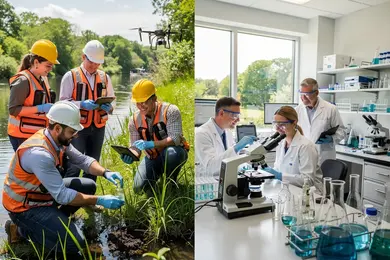
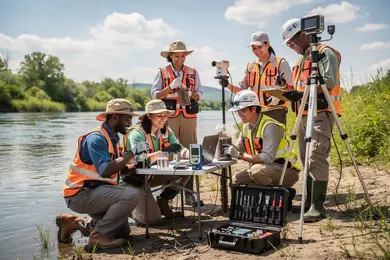
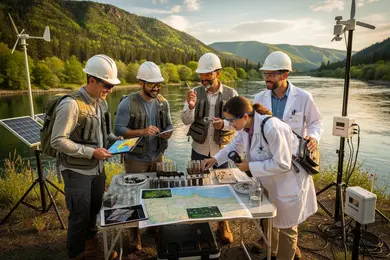
Federal bodies such as the Environmental Protection Agency (EPA) engage environmental scientists in field research, regulatory enforcement, and pollution assessment, while the U.S. Geological Survey (USGS) demands advanced competencies in GIS and data science for ecosystem and hazard studies. State and local agencies often blend technical and regulatory duties, including public education, permitting, urban planning, and waste management, requiring strong communication skills alongside scientific knowledge.
Career progression in government roles depends notably on specialized certifications and sector-specific expertise in areas like toxicology or environmental law. Understanding these requirements and strategically networking within agencies are crucial for long-term advancement. Given the breadth of opportunities, candidates should weigh the operational realities of varied fieldwork conditions and the bureaucratic environment when pursuing government careers for environmental science graduates.
For those evaluating educational pathways, considering a practical-focused option such as an environmental engineering online degree can offer relevant technical skills complementing an environmental science degree.
Which federal agencies hire environmental science graduates and what roles do they offer?
Federal agencies hiring environmental science graduates navigate a highly selective and skill-specific landscape, where success depends on understanding nuanced operational demands. Agencies like the Environmental Protection Agency (EPA), U.S. Geological Survey (USGS), National Oceanic and Atmospheric Administration (NOAA), and Department of Energy (DOE) each prioritize distinct competencies aligned with their missions. For instance, EPA positions typically require regulatory expertise and experience in risk assessment, while USGS roles lean heavily on GIS proficiency and technical fieldwork.
Environmental science degree jobs in federal government show a 5% employment growth at state and local levels from 2022 to 2023, surpassing general public-sector expansion. This growth reflects increasing reliance on data-driven environmental compliance and ecosystem management. However, applicants face hurdles such as competitive hiring cycles and the necessity for security clearances tied to sensitive data.
Graduates who present measurable outcomes from internships or applied research demonstrate the applied practical value federal employers seek. The DOE emphasizes sustainable energy solutions, adding another complex layer to candidate qualifications. Success depends on combining multidisciplinary skills-data analysis, policy interpretation, and communication-to impact agency decisions and navigate slower federal hiring timelines.
For those weighing educational options that complement federal roles, examining specialized programs is critical. Notably, an animal science bachelor degree online can intersect with environmental fields involving ecosystem health and resource management, broadening pathways within government agencies.
What state and local government environmental roles can environmental science majors pursue?
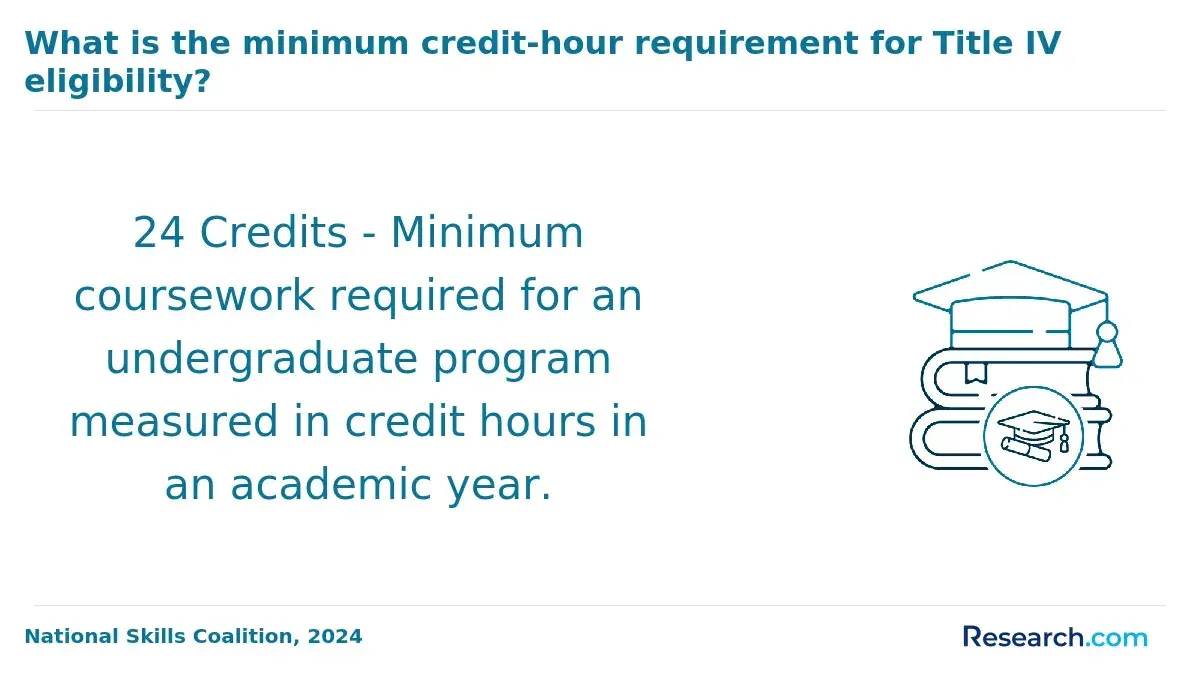
State and local government positions for environmental science majors now demand a blend of technical expertise and community engagement, especially given the 60% workforce increase focused on climate resilience since 2016. Candidates pursuing environmental science career opportunities in municipal agencies must navigate practical challenges such as fluctuating budgets and project-based contracts, which affect job stability and advancement.
Typical roles include environmental protection specialists enforcing regulations, climate adaptation coordinators collaborating across agencies to implement flood-resistant infrastructure, and water resource managers overseeing sustainable supply. A climate adaptation coordinator's responsibilities often require skills in data modeling, policy analysis, and multi-stakeholder negotiation, illustrating the cross-disciplinary demands in these government roles.
Employers place high value on proficiency with regulatory frameworks like the Clean Water Act and local zoning laws, as well as on technical competencies such as GIS mapping. Those lacking hands-on experience or community outreach skills may face limited upward mobility. Advancement often hinges on specialized certifications, including environmental impact assessment or public administration.
For prospective students evaluating these career paths, the curriculum's alignment with real-world requirements matters significantly. Individuals considering alternative or complementary degrees might explore options such as library science degrees online to strengthen research and data management skills that are increasingly relevant in public sector environmental work.
What degree level and coursework best prepare you for government environmental careers?
The most effective educational route into government environmental positions balances foundational science degrees with targeted, practical skills. A bachelor's in environmental science, environmental engineering, biology, or chemistry remains the best degree program for government environmental careers but must be complemented by coursework in ecology, hydrology, soil science, environmental chemistry, and geographic information systems (GIS). Candidates lacking statistical and data analysis training often face challenges meeting the technical demands of environmental monitoring and compliance.
Advanced roles, particularly within agencies like the EPA or Department of the Interior, commonly require a master's in environmental management, public policy with an environmental focus, or environmental science. These graduate degrees significantly improve prospects for policy formulation, regulatory assessment, and research careers. However, students should weigh the time and cost investments against their desired specialization and salary expectations.
Workforce relevance also hinges on real-world experience; internships or cooperative education placements within government bodies sharpen understanding of agency-specific regulations, software, and documentation protocols. Familiarity with frameworks like the National Environmental Policy Act (NEPA) and Clean Water Act compliance frequently sets candidates apart. Certifications such as Certified Environmental Professional or GIS Specialist add value but rarely replace the critical quantitative coursework needed for technical writing and data interpretation tasks.
Environmental scientists and specialists earn a median annual wage of $80,060, approximately 34% above the overall U.S. median wage, reflecting the sector's specialized skill demands. For individuals evaluating educational pathways focused on the best degree programs for government environmental careers, comparing options including masters in library science online program may provide insights concerning interdisciplinary skill sets useful for managing environmental data and documentation.
How do online environmental science programs compare to campus programs for government work?
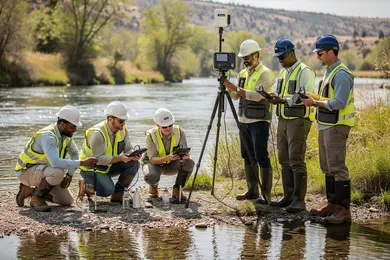
Government agencies hiring for environmental science roles emphasize hands-on expertise that online programs often fail to provide. Field data collection, environmental impact assessments, and habitat management require direct experience with specialized equipment and field conditions-elements typically embedded in campus-based coursework. For instance, forest conservation positions demand real-time environmental monitoring skills, difficult to replicate remotely.
Online degrees tend to focus on theoretical frameworks such as policy analysis and GIS technologies, which serve well for mid-career professionals or those unable to access campus programs. Yet, candidates pursuing federal or state conservation scientist roles usually must compensate with internships or contract work to demonstrate practical competencies. Without these applied experiences, online education alone seldom meets the threshold expected by government employers.
Employment growth for conservation scientists and foresters is forecasted at 4% through 2033, with around 2,000 new federal positions driven by habitat preservation priorities. As a result, students targeting entry-level public-sector jobs should prioritize academic pathways offering direct field placements.
- Campus programs frequently align with agency standards by incorporating site visits and lab work.
- Online pathways benefit those balancing work or relocation constraints but require supplemental hands-on training.
- Employers increasingly accept accredited online credentials only when paired with verifiable practical experience.
Decisions between program formats hinge on access to fieldwork opportunities, career stage, and the hiring expectations of specific agencies. For newcomers, campus programs are generally more conducive to immediate government employment. Experienced professionals may strategically blend online learning with targeted practical engagements to meet job qualifications.
What accreditation should an environmental science program have for government agency hiring?
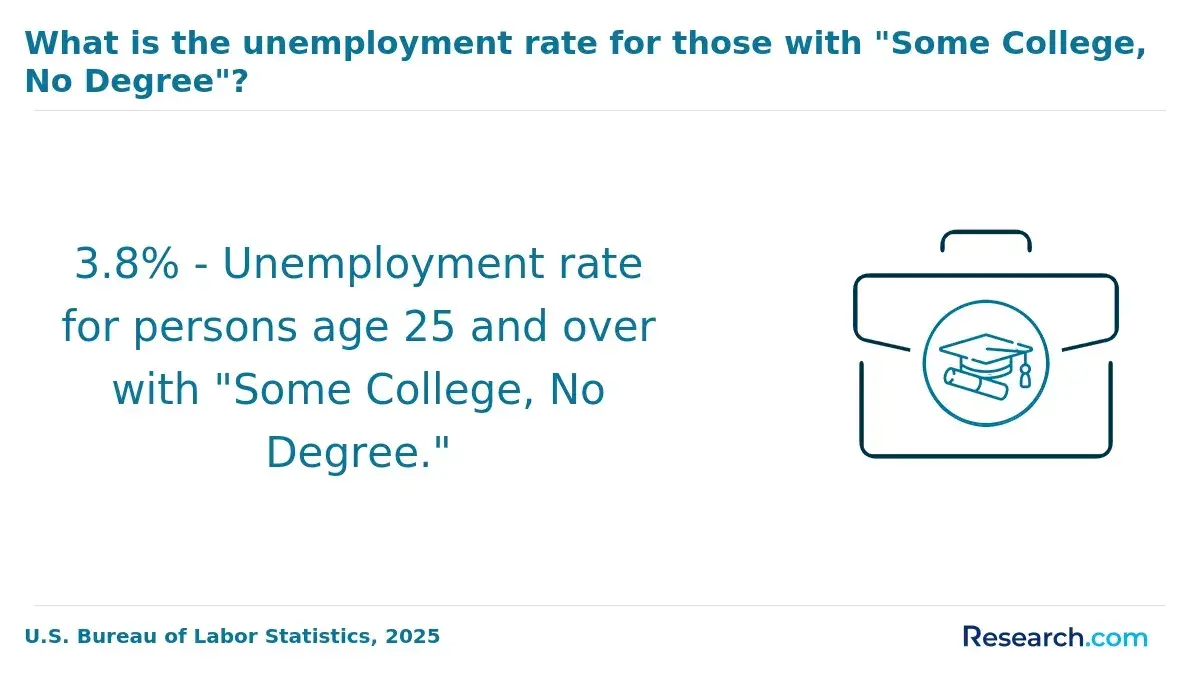
Regional accreditation recognized by the U.S. Department of Education combined with ABET accreditation for environmental or environmental engineering-related degrees is a practical necessity rather than a mere formality for environmental science professionals targeting government roles. These accreditations ensure that programs deliver up-to-date, workforce-aligned curricula covering essential topics such as water quality, environmental law, and pollutant mitigation. Without ABET accreditation, graduates often face significant employability gaps, especially in technical roles tied to water and wastewater treatment, which represent over 300,000 local government jobs and are projected to grow 5% by 2033.
Employers prioritize candidates from accredited programs because such graduates possess verified competencies in process design, regulatory compliance, and data analysis-skills critical for maintaining strict public health and environmental standards. Candidates from non-accredited or foreign programs typically must pursue additional certifications or equivalency assessments, delaying entry into frontline positions like water operator roles.
The tradeoff between practical certifications and accredited degrees influences hiring timelines and job eligibility. Accredited programs facilitate faster licensing and EPA certification pathways, making graduates more immediately deployable. Additionally, accredited curricula are periodically updated to reflect regulatory changes and technological advances, reducing risks that graduates enter the workforce with outdated knowledge.
Students aiming for governmental employment should weigh accreditation heavily in their program selection to align educational investment with labor market realities and to minimize future credentialing delays.
Are professional certifications needed for environmental science roles in government agencies?
Certification requirements in government environmental science roles vary widely, affecting the scope of work and earning potential. While many positions, especially in regulatory compliance or hazardous waste management, mandate credentials like the Registered Environmental Manager (REM) or Certified Hazardous Materials Manager (CHMM), others prioritize demonstrated experience or advanced degrees over formal licenses.
For example, a state Department of Health environmental scientist overseeing water quality and site remediation generally needs proper certification to perform legally binding assessments. Without these credentials, the roles available can be limited, constraining career growth. Conversely, roles focused on data analysis or policy may not require certifications but favor a solid track record and educational background.
The decision to pursue certification involves weighing tangible costs and time commitments against market demand and job specificity. Continuing education to maintain credentials adds ongoing friction, especially for mid-career professionals transitioning from private sectors without prior certifications. Job seekers should carefully scan government postings to identify mandatory qualifications to avoid investing in unnecessary certifications.
Employment projections show a 7% growth in certified environmental scientists employed in government health and safety sectors through 2033, signaling an increased premium on validated expertise. This demand reflects the high stakes tied to regulatory accountability and technical precision in public roles.
What are typical salaries and benefits for government environmental science positions?
Salary progression in government environmental science roles often reflects structural pay scales that favor steady increases over rapid jumps, creating tradeoffs for career pivots versus long-term tenure. Entry-level environmental technicians or analysts in local governments typically start around $50,000 annually, while federal mid-career specialists or program managers earn between $70,000 and $85,000. Senior positions, especially in state regulatory agencies or specialized federal units, can exceed $95,000.
Beyond base salary, total compensation benefits heavily from comprehensive packages including health insurance, retirement plans such as the Federal Employees Retirement System, and paid leave. These benefits add an estimated 30-40% to overall value and combine with job security and predictable cost-of-living adjustments, which may offset limitations in salary growth pace.
Growth in sustainability-focused roles-rising nearly 40% in local governments from 2018 to 2023 according to the Urban Sustainability Directors Network-has intensified competition for specialized skills like climate resilience modeling and environmental justice policy, influencing salary dynamics.
Candidates targeting government environmental science roles should weigh the practical impact of agency size and domain; for example, mid-career scientists in large metropolitan transit agencies can approach $85,000, whereas similar roles in smaller municipalities may max out closer to $65,000. Investing in certifications tied to renewable energy or GIS analysis can help navigate pay scale rigidities and improve negotiation leverage.
What is the job outlook and hiring demand for environmental scientists in government?
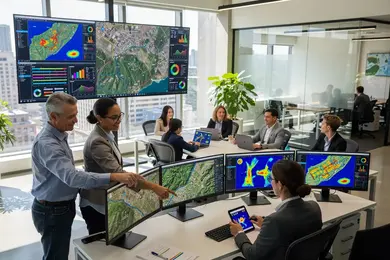
The job market for environmental scientists within government agencies increasingly hinges on proficiency in geospatial technologies, particularly GIS, which has seen a 50% rise in demand between 2017 and 2023. Candidates combining environmental science expertise with advanced spatial data analysis gain a significant edge, as agencies-from federal to local levels-need professionals capable of managing large, complex datasets for policy enforcement and climate resilience projects.
This evolution reflects a shift in government priorities toward infrastructure requiring detailed environmental assessments and adaptive climate strategies, especially at state and local jurisdictions. However, navigating federal hiring remains a barrier due to extended timelines and stringent documentation requirements. Internships or cooperative education positions within government entities are practical pathways to circumvent these challenges.
Students and professionals aiming for government roles must prioritize applied GIS and data analytics in their training. Neglecting these skills restricts access to a growing proportion of jobs that emphasize real-time environmental impact tracking and disaster response coordination. For example, the Environmental Protection Agency frequently recruits candidates skilled in geospatial software to support habitat restoration and pollution control enforcement.
Key considerations for aspirants include:
- Balancing scientific competence with technical geospatial abilities
- Understanding that government hiring protocols often extend beyond qualifications alone
- Leveraging practical experience that demonstrates applied data handling in environmental contexts
The intersection of environmental science and geospatial data defines the most viable route into government environmental jobs, underscoring the need for curricula and career planning that align tightly with evolving agency demands.
How can you strategically plan a college-to-career path into government environmental roles?
Employers filling government environmental positions increasingly demand candidates who combine technical expertise with regulatory familiarity. Between 2019 and 2023, climate- and environment-focused emergency management roles in the U.S. grew nearly 30%, signaling a shift toward integrated science-policy skill sets in public safety. This workforce trend amplifies the need for targeted education and applied experience rather than purely theoretical knowledge.
To remain competitive, prospective applicants should prioritize developing proficiency in geographic information systems (GIS), climate risk modeling, and federal environmental policies like the National Environmental Policy Act (NEPA). Practical experience with agencies such as the Environmental Protection Agency (EPA), state Departments of Environmental Quality, or FEMA provides exposure to real-world tasks like hazard mitigation and environmental impact assessments. Gaining hands-on experience in multi-agency collaboration often results in faster advancement.
Consider the tradeoffs between pursuing advanced degrees and specialized certifications: while graduate education can deepen analytic skills, certifications focusing on federal regulatory frameworks may better align with immediate job market expectations in compliance or permitting roles. Navigating federal hiring processes-including obtaining required security clearances and mastering USAJOBS documentation-is also a critical, frequently underestimated barrier.
- Practical skills valued include environmental data analysis and emergency response logistics.
- Internships or fellowships at governmental agencies enhance job readiness.
- Understanding agency-specific qualifications outperforms generic credentials.
Other Things You Should Know About Environmental Science
Government agencies prioritize candidates with practical experience, especially internships or fieldwork directly related to environmental issues. Without this, applicants face significant competition, as hands-on experience demonstrates both technical competency and familiarity with agency protocols. To improve employability, prioritize internships, volunteer placements, or cooperative education during your program since these open essential networking opportunities and skill-building that coursework alone does not provide.
Technical skills like data analysis, GIS mapping, and environmental sampling are foundational, but government roles increasingly require strong policy understanding to navigate regulations and legislative impact. Candidates should balance both, with a slight emphasis on technical skills initially, as they open more entry points. However, investing in coursework or certificates in environmental law or policy will enhance promotion prospects and effectiveness in cross-agency collaboration.
Most federal environmental science openings are posted on USAJOBS, the official hiring site for U.S. agencies. You must create a profile, upload a federal résumé, and answer screening questions. Many vacancies require a 3- to 5-page résumé, and some jobs close after 100 applications or on a set date.
References
- Preparing High School and College Students for a Career in Environmental Science https://www.neefusa.org/story/environmental-education/preparing-high-school-and-college-students-career-environmental
- Certification Guide for Young Professionals - Board for Global EHS Credentialing https://gobgc.org/professional-environmental-certifications-professionals/
- Biological and Environmental Sciences https://gogovernment.org/career/biological-and-environmental-sciences/
- Become an Environmental Professional (EP) | ECO Canada https://eco.ca/designations/environmental-professional/
- 4 ways high school and early college students can prepare for a green career https://www.seiinc.org/stories/4-ways-high-school-and-early-college-students-can-prepare-for-a-green-career
- Environmental Certifications for entry-level and career changers https://www.theenvironmentalcareercoach.com/certification-links
- 10 careers you can have with an environmental science degree - SMWC https://www.smwc.edu/10-careers-you-can-have-with-an-environmental-science-degree-blog-july-20/
- 16 Innovative Environmental Science Careers https://www.collegeadvisor.com/resources/environmental-science-careers/
- Online Environmental Science Degrees: Compare Schools https://www.degreesforgood.org/online-degrees/environmental-science/