2027 Online Environmental Science Degrees With Environmental Health Career Alignment

Co-Founder and Chief Data Scientist
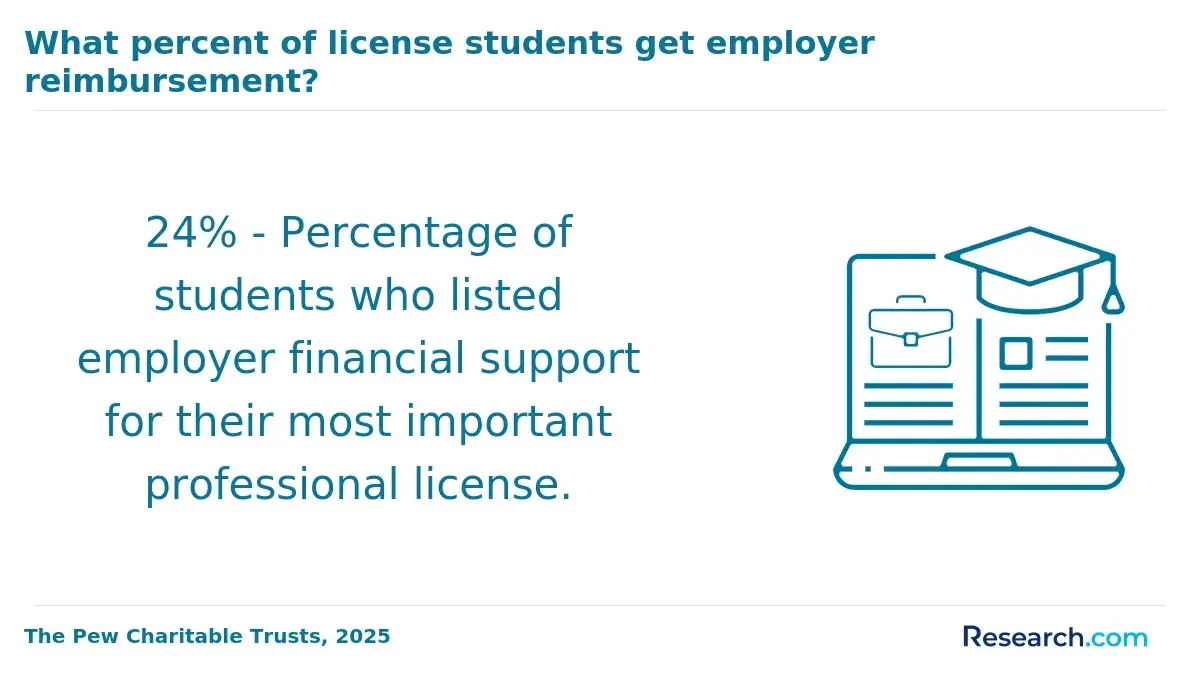
Facing scrutiny over increasing industrial pollution, professionals in environmental science must quickly gain specialized knowledge in environmental health to influence regulatory compliance and public safety effectively. Yet, many are constrained by rigid schedules and geographic limits, a problem given that over 40% of graduate students now pursue online learning, according to NCES data from 2024.
This shift reveals a growing preference for flexible, accredited programs that accommodate working adults seeking career alignment without pausing employment. Selecting the right online environmental science degree with an environmental health focus thus demands evaluation beyond rankings, emphasizing structure, curriculum relevance, and employer recognition. This article examines key degree options designed to address those challenges and support informed career advancement decisions.
Key Things You Should Know
- Accredited online environmental science degrees with environmental health tracks often omit critical lab components, requiring costly in-person residencies or limiting eligibility for EPA-standard roles, creating a tradeoff between accessibility and credential completeness per 2024 EPA workforce guidelines.
- Data from the U.S. Bureau of Labor Statistics indicates a 9% growth in environmental health technician roles through 2032, emphasizing employer preference for degrees with applied toxicology and epidemiology courses, directly shaping hiring pools.
- Median online program costs surpassing $20,000 pose affordability barriers; coupled with employer demand for state-specific licensure knowledge, candidates face timing delays and added post-graduate certification expenses impacting career transitions.
What is an online environmental science degree with an environmental health focus?
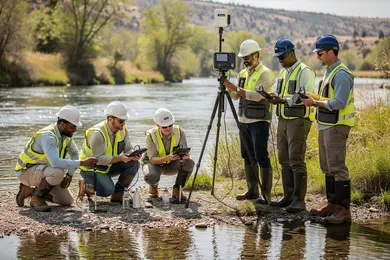
Graduates of online environmental science degrees with environmental health focus face distinct challenges and opportunities compared to broader environmental science programs. This specialization prioritizes managing human health risks linked to environmental exposures such as pollutants, hazardous waste, and industrial chemicals rather than ecosystem conservation. For instance, a typical role might involve analyzing groundwater contamination to prevent localized disease outbreaks, requiring proficiency in epidemiology, risk assessment, and environmental law.
These programs integrate core science with occupational health and regulatory standards, reflecting employer expectations for technical expertise alongside regulatory literacy. Candidates must navigate complex datasets, adapt to changing EPA guidelines, and communicate scientific risks effectively to varied audiences. Many online environmental science programs aligned with environmental health careers incorporate virtual labs and local internships to develop practical skills, though prospective students should carefully verify these experiential learning components.
Employment data underscores market demand: the U.S. Bureau of Labor Statistics reports a median annual wage of $80,060 for environmental scientists and specialists, with top earners exceeding $134,000. This wage premium signals the value of applied environmental health expertise in public safety roles across municipal, industrial, and federal sectors. However, students weighing this path should consider the tradeoff between a focused environmental health curriculum versus broader environmental science training, depending on their career targets.
Besides environmental health knowledge, building complementary skills such as geographic information systems is advantageous. Options like a geographic information systems degree can enhance employability in data-intensive environmental roles.
How do online environmental science programs compare to campus-based options for environmental health?
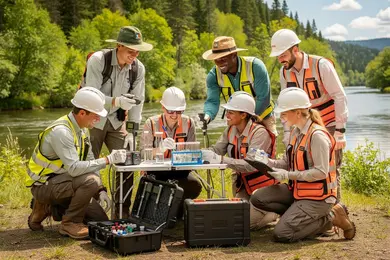
Choosing between online environmental science programs vs campus-based options for environmental health careers hinges on how students weigh experiential learning against flexibility. Campus programs excel in providing direct access to laboratories, hands-on hazardous materials management, and field sampling-skills routinely prioritized by employers in environmental health fields. Students on campus benefit from embedded industry and regulatory connections that streamline hiring in occupational health roles.
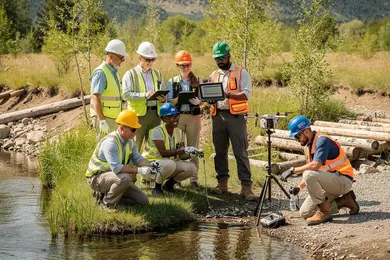
Online programs offer flexibility critical for career changers needing to continue working while studying. However, those enrolling in online environmental science studies must proactively secure local internships or practica, as many programs depend on students to arrange supervised, regionally based experiential learning aligned with evolving federal and state compliance standards. This reality underscores a practical tradeoff when comparing online and traditional environmental science education for environmental health specialization.
The workforce implications are clear:
- Environmental health roles have a median salary near $83,910 with projected 12% job growth through 2034.
- Campus learners typically access integrated career services and embedded networking, expediting transitions to government and consulting jobs enforcing occupational safety.
- Online students are advised to augment credentials with certifications like Certified Hazardous Materials Manager (CHMM) while leveraging flexible local fieldwork options.
Prospective students must balance their immediate employment needs and geographic constraints against the long-term value of rigorous practical training and professional integration. For those researching degree alternatives, the data science degree online resource offers insight into flexible graduate education models that can complement environmental science skill sets.
Are online environmental science degrees for environmental health careers properly accredited?
Securing a regionally accredited environmental science program for environmental health is an essential filter for those targeting regulatory or licensure-dependent roles. Employers in government and industrial sectors require proof that candidates understand frameworks set by agencies like the EPA or OSHA, which unaccredited online programs frequently neglect. Without recognized accreditation-such as from the Higher Learning Commission-graduates risk limited career mobility and reduced eligibility for certifications critical to public health or industrial hygiene positions.
In practical terms, this means evaluating program curricula for more than just academic rigor; students should prioritize mastery of data analysis, policy implementation, and field techniques directly aligned with environmental health practice. The U.S. Bureau of Labor Statistics projects a 4% employment growth over a decade for environmental scientists and specialists, highlighting consistent job openings but also ongoing competition from well-qualified applicants.
Choosing an accredited online environmental science degree accredited for environmental health careers significantly improves the chances to meet employer standards and comply with legal credentialing demands. Those considering alternative online offerings should benchmark these quality indicators carefully to avoid wasted time and diminished workforce prospects. For a broader comparison of relevant pathways, see best online library science programs.
What environmental health courses and specializations are typically offered in these online degrees?
Specializing in environmental health within online environmental science degree programs demands a strategic balance between scientific rigor and regulatory proficiency to meet labor market realities. Core coursework centers on toxicology, epidemiology, environmental policy, and occupational health, yet the practical value lies in quantitative methods like GIS mapping and statistical analysis. For instance, municipal agencies prioritize candidates skilled in GIS-based pollution tracking, a capability strongly emphasized in environmental geospatial analysis courses.
Federal and state regulatory roles require familiarity with EPA standards and OSHA compliance frameworks, directly influencing professional outcomes. Prospective students must weigh the tradeoff between broader environmental science curricula and focused regulatory expertise since employers increasingly screen for compliance assurance and risk mitigation competencies.
Sector-differentiated specialization shapes employability:
- Industrial hygiene tracks deepen occupational hazard control knowledge.
- Community health concentrations prioritize toxicology and epidemiology.
This specialization approach aligns with clear salary implications; environmental scientists earned a median wage of $80,060 in 2024, with top-tier roles exceeding $134,830. These figures reflect employer demand for both scientific acumen and regulatory skills, underscoring tangible rewards tied to precise credentialing.
Online environmental science degree specializations in environmental health also present considerations regarding program design and student effort. Individuals evaluating this path should compare comprehensive offerings while assessing the hands-on applicability of subjects like environmental law and compliance. For comparative perspective, those exploring adjacent fields may consult resources on an online computer science degree to understand different demand dynamics and instructional models.
Candidates benefit from targeting curricula tightly matched to employer expectations, avoiding generalized training that can delay entry into regulatory or technical positions.
What admission requirements do online environmental science programs usually have for adult learners?
Admission requirements for online environmental science programs are tailored around practical readiness rather than academic formality alone, reflecting employer expectations and workforce realities. A high school diploma or equivalent remains the baseline, with foundational coursework in biology, chemistry, or math often required to ensure scientific literacy. Transfer credits can accelerate completion, especially for adult learners with previous college experience.
Career changers should note programs often emphasize quantitative skills and scientific reasoning, frequently necessitating standardized test scores like the SAT or ACT-though exceptions exist for applicants with relevant work experience or prior degrees. Supplemental materials such as personal statements remain standard, framing motivations and alignment with career objectives, while letters of recommendation are rare unless competing in highly selective fields or switching from unrelated disciplines.
Technical competence is increasingly critical, with candidates needing reliable internet, compatible devices, and familiarity with specialized tools such as GIS software or data analysis platforms. These tools mirror actual job requirements and indicate program alignment with labor market demands.
Pragmatically, only about 31% of graduates enter directly related professions (e.g., environmental professionals, conservation specialists, health and safety managers), pointing to the necessity of additional certifications or internship experience to improve employment prospects. For instance, those targeting occupational health and safety roles should verify that their education meets industry certification standards, as degree completion alone may not suffice.
How long do online environmental science degrees take and what do they cost?
The duration of online environmental science degrees significantly shapes both financial and career outcomes. Bachelor's programs typically require four years of full-time study but compressing this to two and a half to three years through accelerated pacing or transfer credits can reduce total cost and time-to-employment-a decisive factor for working professionals balancing income and study.
Tuition ranges generally between $15,000 and $40,000 for public institutions, rising beyond $50,000 at private entities. Additional costs, such as lab kits or software, must also be anticipated. Prospective students should weigh these expenses against potential lost wages if study demands reduce work hours.
Specializations matter: programs focusing on environmental health align better with in-demand roles. For example, medical scientists addressing environmental health issues earn median annual wages around $100,590, confirming the value of targeted expertise where labor market demand justifies investment.
Practical selection criteria include credit transfer maximization and flexible pacing options. Most employers in environmental health expect candidates to hold at least a bachelor's degree with supplementary specialized training. Graduates who enter public agencies, consulting, or research should balance the rigor and cost of the program against the credential's impact on employability and earnings trajectory.
- Degree length directly affects opportunity cost and financial burden.
- Program specialization influences labor market relevance.
- Affordability and completion speed determine overall return on investment.
- Employer expectations typically require bachelor's plus targeted skill training.
What environmental health careers can you pursue with an online environmental science degree?
Graduates with an online environmental science degree frequently target specialized roles that balance scientific knowledge with regulatory and technical skills, but outcomes vary significantly by occupational focus. Environmental engineers, whose median wage exceeds $104,000 annually per U.S. Bureau of Labor Statistics data compiled by ASU Online, benefit from combining engineering proficiency with environmental science fundamentals, increasing their demand in sectors such as water quality management and pollution control.
By contrast, positions like industrial hygienists or environmental health specialists require a deeper grasp of workplace safety regulations (e.g., OSHA) and risk mitigation strategies, which may necessitate supplemental coursework or certifications in occupational health. These roles prioritize practical inspection and monitoring skills to manage chemical, biological, and physical hazards in diverse environments.
Public health analysts using environmental science data integrate epidemiological approaches to assess population exposure risks, a role often situated within governmental or NGO frameworks. This path demands quantitative competencies, including statistics and data analytics.
A strategic professional path involves pursuing sector-specific credentials such as registered environmental health specialist (REHS) certification or professional engineering licensure. These augment the foundational degree with tangible industry recognition, directly impacting both employability and earning potential.
- Environmental engineers apply design principles to limit pollution and manage waste effectively.
- Industrial hygienists focus on compliance monitoring and hazard identification in workplaces.
- Public health analysts require strong data integration skills for policy development.
- Certification supplements are critical for meeting employer expectations.
What salary ranges and earning potential exist for environmental health professionals?
Entry-level positions for environmental health professionals typically start near $40,000 annually, yet reaching the upper range above $80,000 depends heavily on sector, experience, and credentialing. For instance, quality control inspectors in both food and environmental safety average $47,460 yearly and face a strong job market with about 69,900 openings per year, according to Bureau of Labor Statistics data. This demand confirms the value of practical skills tailored to regulatory and compliance needs.
Advanced roles often require specialized certifications or graduate-level training, especially for those managing hazards or conducting epidemiological studies. Employers in manufacturing and public health increasingly prioritize candidates with expertise in toxicology, data analysis, and environmental regulations. The combination of scientific knowledge and regulatory experience creates a wage premium, particularly in government or regulated industries.
Choosing between public and private sectors involves tradeoffs: government roles offer structured pay increases linked to tenure and qualifications, while consulting jobs may start with higher salaries but fluctuate with market conditions. Specializing in niches like occupational health or water quality can boost income but demands ongoing education and greater responsibility.
Prospective environmental health graduates should focus on clearly aligned educational pathways that meet employer expectations in applied skills, shaping their negotiation leverage and long-term mobility.
What is the job outlook and demand for environmental health careers in the United States?
Employment growth for environmental health professionals is expected to outpace overall job markets by about 8% through 2032, driven by stricter regulations on pollution, workplace safety, and public health systems. Demand concentrates in urban and industrial hubs, where environmental scientists collaborate with governments and industries to tackle contamination and enforce compliance.
Salary benchmarks, such as those from Indeed salary analytics reported by Texas State University Online, indicate an average environmental scientist salary of $73,919 as of October 2025, with notable regional variation. This highlights a clear return on investment for those pursuing specialized online environmental science degrees tailored to workforce needs, particularly programs integrating epidemiology, toxicology, and regulatory knowledge.
Prospective students must critically evaluate program accreditation and curriculum alignment with federal and state agency requirements. Without recognized credentials or targeted health-related training, advancement opportunities shrink substantially. For example, professionals entering fast-paced environmental consulting firms must rapidly assimilate evolving regulations and data modeling techniques, requiring education that emphasizes applied skills and internship experience.
Transitioning candidates from unrelated fields face a steeper learning curve; selecting programs with practical components reduces onboarding delays and supports immediate contribution to multidisciplinary teams engaged in risk assessment and policy execution.
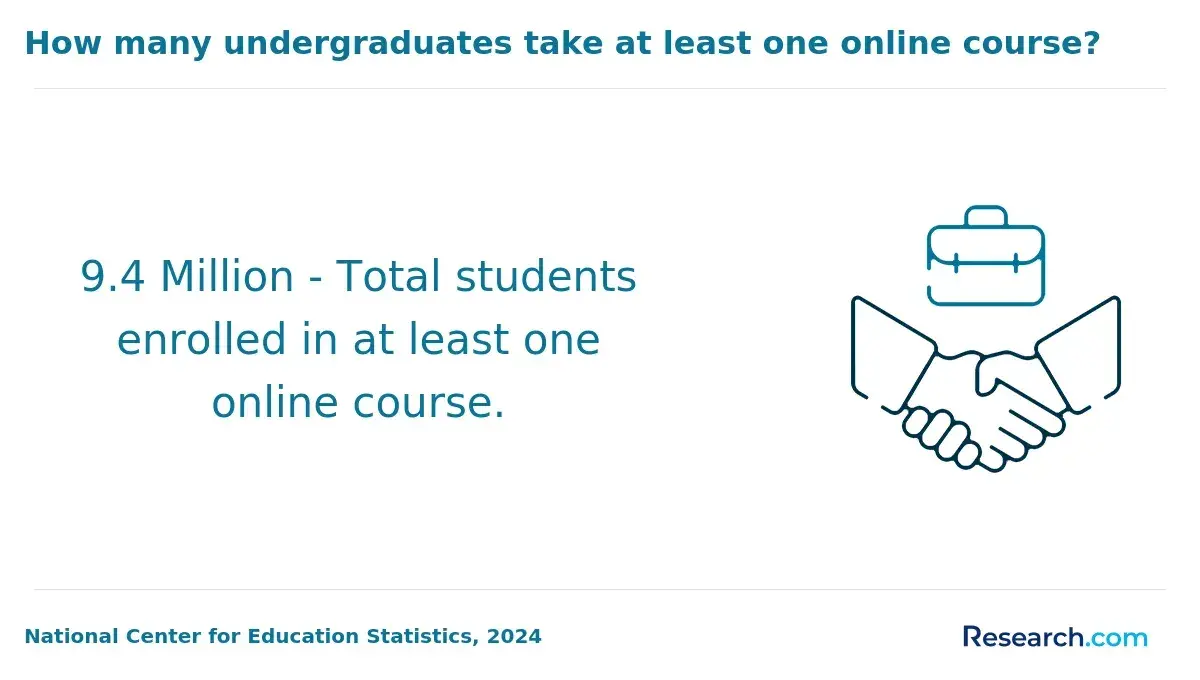
How do licensing and certifications work for environmental health roles after graduation?
Securing licensure or certification is often unavoidable for environmental health roles that intersect with regulatory compliance and public safety. For example, achieving state-level Registered Environmental Health Specialist (REHS) certification typically requires candidates to pass a rigorous exam and complete up to two years of supervised, practical experience after graduation. Such a process prioritizes applied skills over academic credentials alone, which can delay immediate entry into inspection or field roles dealing with food safety or hazardous waste management.
National certifications like the Certified Industrial Hygienist (CIH) cater to professionals focused on occupational health hazards but demand ongoing coursework, documented fieldwork, and periodic recertification. This maintains technical currency but adds long-term educational and financial obligations. Employers in evolving sectors such as climate change adaptation often seek candidates who combine these credentials with specialized domain expertise.
Key workforce considerations include:
- Direct entry without certification remains mostly confined to research, data analysis, or policy roles, primarily within federal agencies or consulting firms.
- The environmental health workforce is expected to grow by approximately 6% through 2032, driving demand for licensed or certified professionals.
- Graduates should weigh the tradeoff between longer credentialing timelines and immediate employability, as many employers require certification for frontline operational positions.
Planning for licensure after graduation improves alignment with real-world job expectations and ensures regulatory compliance-critical aspects in a field where practical oversight outweighs theoretical knowledge.
Other Things You Should Know About Environmental Science
Most online environmental science programs incorporate limited or optional fieldwork, which can create challenges for students needing hands-on experience critical to environmental health roles. When selecting a program, prioritize those offering in-person internships, local practicums, or partnerships with local agencies to satisfy employer preferences for applied skills. Programs purely based on remote labs or simulations may limit readiness for field-based environmental exposure assessments, site inspections, or compliance audits.
Accelerated online programs compress curriculum into shorter terms, greatly increasing weekly workload and stress, especially when balancing full-time employment. For working professionals targeting environmental health careers requiring deep technical understanding, traditional pacing often leads to better knowledge retention and skill development. Choose program length carefully, weighing the urgency of career advancement against the risk of burnout or shallow learning from accelerated schedules.
Yes. Many programs require one or more safety modules, often covering EPA hazardous waste rules and OSHA laboratory or field safety. A few also expect bloodborne pathogens or HAZWOPER awareness before internships, and some require proof of completion before site placements or field labs.
References
- Explore UM | University of Manitoba - Environmental Science (BEnvSC) https://umanitoba.ca/explore/programs-of-study/environmental-science-benvsc
- Introduction to Environmental Science https://www.straighterline.com/online-college-courses/introduction-to-environmental-science/
- Environmental Health | Academy Online Learning https://academyonlinelearning.com/access-environmental-health
- Environmentalscience https://www.environmentalscience.org
- How to Become an Environmental Health Specialist: Education to Certification https://masterspublichealth.com/how-to-become-an-environmental-health-specialist/
- Job and Pay - Environmental and occupational health and hygiene professionals https://wageindicator.org/en-ng/work-in-nigeria/jobs-and-pay/environmental-and-occupational-health-and-hygiene-professionals
- Online Environmental Science Degrees: Compare Schools https://www.degreesforgood.org/online-degrees/environmental-science/
- Environmental Health Jobs in Public Health https://www.publichealthcareers.org/jobs/environmental-health/
- The Truth About Environmental Health and Safety Jobs in 2025 [Salary Guide] | EHS Jobs https://ehscareers.com/career-resources/find-the-job-5/environmental-health-and-safety-jobs-in-2025-salary-guide-1
- Certification Guide for Young Professionals - Board for Global EHS Credentialing https://gobgc.org/professional-environmental-certifications-professionals/