2027 Online Environmental Science Degrees With Strong Fieldwork Training

Co-Founder and Chief Data Scientist
Professionals entering environmental science often confront the dual challenge of gaining robust fieldwork skills while managing full-time jobs or family obligations. The U.S. Department of Education reports a sustained 12% increase in online program enrollment among adult learners since 2024, signaling heightened demand for flexible yet hands-on education.
This trend reflects a growing recognition that theoretical knowledge alone undermines employability in roles requiring on-site data collection, regulatory compliance, and ecosystem assessment. Without integrated field opportunities, graduates risk skill gaps that limit career advancement and practical impact. This article examines online environmental science degrees designed to deliver substantial fieldwork training to resolve these critical educational gaps effectively.
Key Things You Should Know
- Programs emphasizing extensive fieldwork reduce theory-practice gaps but extend degree completion time by 20%-30%, raising total costs by average $8,000 compared to purely online curricula, according to NCES data from 2024.
- Employers prioritize candidates with documented hands-on skills; 67% of environmental firms surveyed by the National Association of Environmental Professionals in 2025 reported preferring degrees featuring accredited fieldwork components.
- Restricted access to local field sites forces many online students into regional consortiums, increasing travel expenses and logistical complexity, disproportionately impacting nonresident learners and delaying workforce entry by up to six months.
What are online environmental science degrees with fieldwork training?
Online environmental science degrees that integrate practical fieldwork components address a critical employer expectation often missed in purely remote studies: verifiable hands-on experience. Graduates who lack direct exposure to field measurements, ecological assessments, or environmental monitoring tend to face competitiveness gaps compared to those with supervised internships or lab practicums.
For instance, candidates pursuing regulatory compliance roles must provide evidence of real-world skills in environmental impact assessments, typically achieved through field-based reporting and data collection exercises embedded in the curriculum. These top online programs for environmental science with hands-on field training coordinate local placements to reduce logistical barriers.
Students should anticipate scheduled on-site commitments lasting from days to weeks, which can affect work and travel plans. Effective programs often leverage employer partnerships to facilitate streamlined, relevant placements, minimizing disruption while enhancing job market readiness. From a workforce perspective, environmental scientists are projected to grow by 7% over the coming decade, generating about 5,500 new annual positions as climate adaptation and regulatory demands rise.
This growth reinforces the strategic value of degrees combining theoretical instruction with practical experience, crucial for consulting, conservation, and public policy employment sectors. Prospective students evaluating their options can consult rankings such as the best online geology degree listings to identify programs with verified field training components that align with career objectives.
How do online and campus environmental science programs compare?
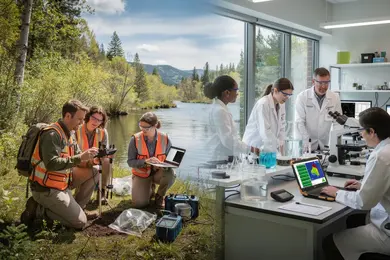
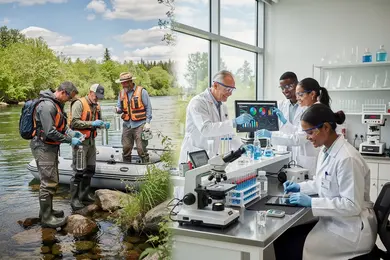
Employer emphasis in environmental science often hinges on verifiable fieldwork experience, a domain where campus programs distinctly outperform most online options. Campus curricula integrate supervised, multi-day fieldwork tied to specific ecosystems and standardized methods valued by hiring managers, particularly in roles paying median wages near $80,060 annually.
Conversely, many online environmental science degrees with fieldwork opportunities leave practical training to students' initiative, causing inconsistent exposure to recognized protocols and diverse natural settings. For professionals pursuing an online path, such variability mandates meticulous documentation and proactive engagement with local environmental organizations to approximate formal training quality.
This dynamic is especially crucial when targeting sectors like hazardous waste management, where certified sampling and hands-on assessment are prerequisites generally accessed through campus programs. Differences between campus versus online environmental science program differences become most apparent when weighing access to specialized equipment and structured internships against time or geographic constraints.
Urban online learners can still build relevant experience, albeit with less direct supervision. Prospective students should evaluate these tradeoffs, understanding employers may scrutinize credentials based on the robustness of the practical component. Those seeking broader methodological rigor or who cannot relocate might consider hybrid options or purposefully integrate verified external fieldwork.
Students may also explore related paths, such as a master of data science online, to augment analytical capabilities alongside environmental expertise.
Which accreditations matter for environmental science programs?
Regional accreditation remains the definitive benchmark for assessing the legitimacy and practical utility of online environmental science degrees. Many federal and state environmental agencies explicitly require degrees from regionally accredited institutions for credential verification, security clearances, and eligibility for professional certifications.
Specialized accreditation for environmental science is scarce, so the emphasis falls on whether the program's curriculum and fieldwork components meet recognized academic and industry standards. Fieldwork-focused environmental science program certifications matter significantly since hands-on training shapes workforce readiness in applied ecology, environmental consulting, and regulatory compliance roles.
Without accredited field experiences, graduates often face barriers in federal licensing or struggle to translate academic knowledge into employer-acknowledged competencies. For example, the University of Arizona Online's BS in Environmental Science charges $525 per credit-an investment reflecting integration of field preparation and academic rigor. However, prospective students must weigh such costs against the availability of local internships or lab access.
Choosing programs lacking regional accreditation compromises long-term job mobility and federal financial aid options, especially for professionals pivoting into environmental science. Selecting an accredited program with strong fieldwork emphasis aligns credentials with market expectations and certification pathways. Those exploring comparable options can also consider an online degree in exercise science as an alternative pathway where practical skill integration is similarly prioritized.
What fieldwork does an online environmental science degree include?
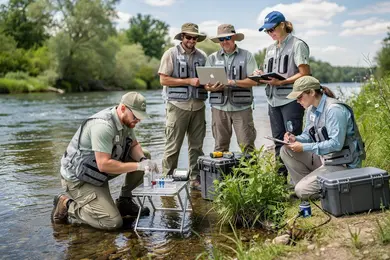
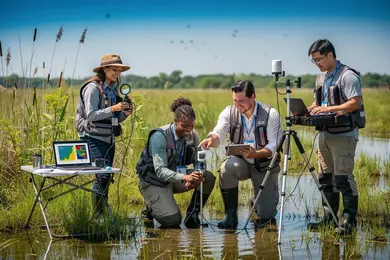
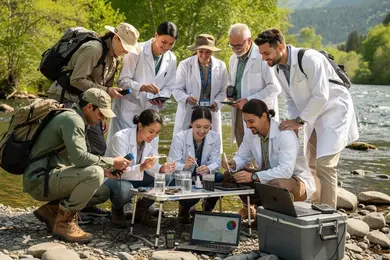
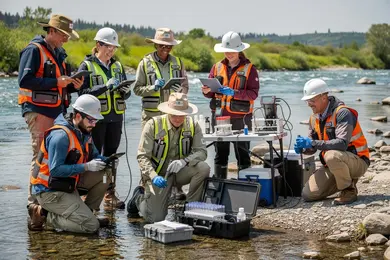
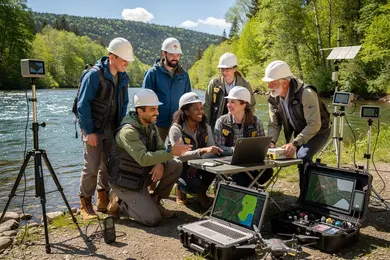
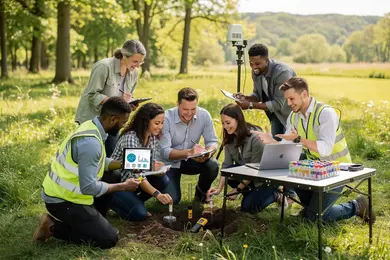
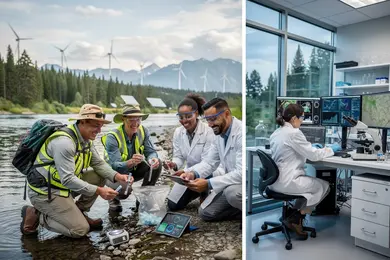
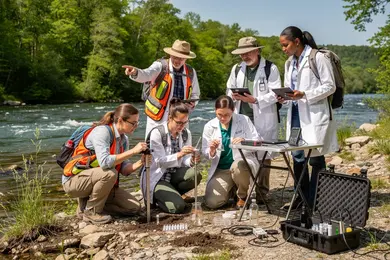
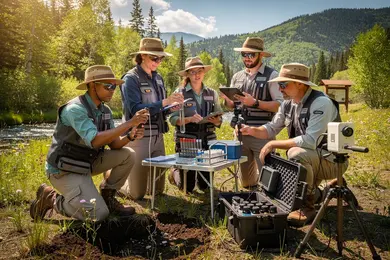
Online environmental science degrees with fieldwork components must balance practical skill development with logistical constraints, a challenge often overlooked by students evaluating these programs. Field experience usually involves supervised hands-on activities such as ecological assessments, water and soil sampling, or wildlife monitoring, frequently conducted in partnership with local agencies or field stations.
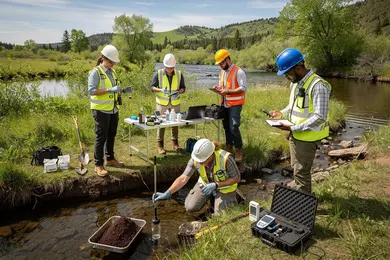
A typical scenario might require a student focused on freshwater ecology to perform standardized water quality tests at regional waterways, measuring indicators like pH, turbidity, and contaminants under expert supervision. Employers consistently expect demonstrated proficiency in actual field methodologies, especially for positions in environmental consulting, regulatory compliance, and natural resource oversight.
However, fully online degrees tend to blend virtual simulations with limited, intensive on-site labs, requiring students to strategically plan around weekend or block sessions. For working professionals, this scheduling tradeoff affects feasibility and career pacing, particularly as fieldwork locations may impose travel burdens not covered by tuition-for example, the University of West Alabama's Online program charges $325 per credit hour but excludes associated costs for travel or equipment.
Fieldwork opportunities in online environmental science degrees also foster essential soft skills, including teamwork, precise data recording, and adherence to regulatory reporting standards. Prospective students should critically assess whether required hands-on components are realistically accessible without excessive time or financial commitment, as these factors heavily influence timely degree completion and job readiness.
Overall, field assignments that integrate active environmental monitoring are decisive for real-world competence and long-term employability over theoretical instruction alone. For cost context, prospective students may consult the average cost of MLIS degree US as a comparative metric within allied environmental and science-related programs.
What courses are required in an environmental science degree?
A core challenge for environmental science students is the practical gap between classroom learning and employer expectations, particularly regarding fieldwork skills. For example, soil sampling and water quality testing methods differ significantly between environmental consulting and government natural resource positions, demanding tailored course emphases. This practical divergence impacts career readiness and hiring prospects.
Quantitative competencies, including GIS and remote sensing, are baseline requirements across most job markets, as proficiency in spatial data interpretation and environmental database management directly influence employability and job performance. Programs also prioritize subjects differently based on sector-specific needs-for instance, integrating soil science and hydrology for roles in agriculture or urban planning.
Students considering accelerated paths or career switches must evaluate credit transfer policies carefully. Texas State University Online's option to transfer up to 90 credits in its Geography and Environmental Studies degree can significantly reduce redundant coursework, lowering both time and financial barriers. Such flexibility, however, requires candidates to align prior education and skills strategically with degree requirements.
Fieldwork, often embedded in capstone or practicum courses, remains a decisive factor in candidate competitiveness. Graduates lacking substantial applied experience may need supplementary certifications or face constrained employment opportunities. Balancing theoretical knowledge and hands-on training is essential for meeting regulatory demands and effective real-world problem-solving.
What are the admission requirements for online environmental science programs?
Admission standards for online environmental science programs go beyond a simple credential checklist; they act as gatekeepers for the rigor and applied demands of the field. Practical readiness often hinges on having completed coursework in biology, chemistry, and math, reflecting the scientific foundation necessary for comprehending environmental complexities.
For example, Oregon State University requires transfer students to bring at least 60 upper-division quarter credits, ensuring candidates can manage specialized upper-level content. Working professionals attempting a strategic pivot should weigh the additional documentation expected, such as personal statements and recommendation letters, which serve to demonstrate not only motivation but preparedness for intensive field components.
Unlike fully theoretical programs, environmental science curricula often mandate access to local field or lab environments; students need to proactively arrange these as part of their admission verification, a hurdle not present in many other online disciplines. Balancing employment and study introduces real tradeoffs.
Programs with high upper-division credit thresholds implicitly demand substantial time commitments over multiple semesters, which might limit feasibility for some. Employers in environmental consulting or resource management specifically seek graduates from accredited online programs who satisfy these academic criteria.
How long does an online environmental science degree take?
Choosing the duration of an online environmental science degree involves a critical tradeoff between accelerated completion and comprehensive practical training. Programs offering completion in as little as 12 months, like Virginia Wesleyan University Online's accelerated Environmental Studies BA, appeal to students with prior credits or relevant experience but demand full-time dedication and strong time management.
This fast track often suits professionals shifting careers quickly or those balancing employment. However, shorter programs may limit hands-on fieldwork, which employers in sectors like environmental consultancy and government frequently require for technical positions. Longer pathways-typically 2-year associate or 4-year bachelor's degrees-provide more structured opportunities for internships and supervised field experiences essential for roles involving physical data collection, monitoring, and regulatory compliance.
As a practical example, a candidate aiming for wildlife management may prefer a 4-year program with embedded practicum over an accelerated option due to employer expectations for documented field competencies. Prospective students should carefully assess credit transfer policies and whether programs facilitate local or supervisory fieldwork arrangements. The decision hinges on balancing a swift degree completion timeline against developing tangible skills critical for certification and employability in the environmental science workforce.
How much do online environmental science degrees cost?
Tuition for online environmental science bachelor's degrees ranges widely, typically from $15,000 to over $40,000, influenced by institution type and residency status. Public universities usually charge less, often under $20,000 for in-state students, while private colleges can surpass $35,000. These figures mainly cover tuition; mandatory fees for labs, software, or field equipment add $1,000 to $3,000, adding layers to total costs that are critical for hands-on training.
For professionals transitioning careers, such costs impact employer tuition reimbursement eligibility and decisions around accelerated versus traditional pacing. Programs with substantial fieldwork components commonly require short, in-person residencies or internships, which introduce travel and lodging expenses and potential time away from work-factors often underestimated but vital to budget realistically.
Military personnel and spouses can access significant tuition reductions, such as a 30% discount reported by Southern New Hampshire University, bringing costs closer to $10,500-$28,000, depending on program specifics. This reduction is a critical consideration for veterans weighing education versus swift workforce reentry.
Employers, especially in environmental consulting or government sectors, favor candidates from accredited programs with comprehensive field training that mirrors real-world conditions. Evaluating tuition against program outcomes-including job placement and employer partnerships-is essential for a strategic investment. Budget planning should also encompass ancillary expenses and possible wage disruption during field periods.
What jobs can you get with an environmental science degree?
Success in environmental science roles depends heavily on applied skills beyond academic knowledge, particularly field sampling, data collection, and regulatory compliance. For example, environmental consultants managing remediation projects must conduct site assessments following EPA regulations while balancing client deadlines and risk evaluation. These demands place a premium on candidates with verified hands-on experience rather than solely textbook understanding.
Specialization within environmental science significantly influences employment outcomes. Graduates with water resource management expertise often secure positions in municipal water authorities or environmental protection agencies with relative ease. Conversely, those targeting ecology-related careers face seasonal work fluctuations and may need geographic flexibility to engage in wildlife conservation roles.
Online environmental science programs are growing, yet prospective students must critically assess whether these courses incorporate practical fieldwork or maintain partnerships for local internships. Without this, graduates might lack the practical exposure pivotal to overcoming hiring barriers in roles requiring federal and state permitting knowledge, such as environmental impact assessment.
Practical challenges include securing relevant field placements and managing time commitments, particularly for mid-career individuals pivoting into the sector. Salary ranges reflect experience and role complexity, roughly from $45,000 at the entry technician level to $85,000+ for senior consultants in urban or industrial environments.
- Hands-on fieldwork experience is crucial for employability and advancement.
- Specialization shapes both job availability and work conditions.
- Online degree formats require supplemental practical components to remain competitive.
- Salary varies significantly with experience and sector focus.
What are the salary and job outlook for environmental scientists?
Environmental science graduates face a distinct divide between field-intensive roles and more analytical positions, with earnings and job demands reflecting this split. Data from EnvironmentalScience.org indicate an average salary of $76,480, but compensation varies significantly based on skill application, workplace setting, and geographic location. Field roles-common in government inspections or industrial projects-require physical stamina and adaptability.
Conversely, analysts focusing on policy or lab data tend to encounter more predictable schedules and potential for remote work, although starting salaries can be comparatively lower. This divergence shapes employability since employers emphasize immediate technical proficiency, particularly in field methods and geospatial technologies, over theoretical knowledge alone. Graduates lacking hands-on experience frequently struggle to bridge this skills gap.
Geographical context also matters: metropolitan regions with stringent environmental regulations, such as California and the Northeast, offer the most lucrative opportunities. Prospective students should critically assess degree programs on their ability to integrate practical internships or certifications, which directly impact job placement speed and salary trajectories.
Growth projections from the U.S. Bureau of Labor Statistics anticipate an 8% employment increase through 2032, underscoring steady demand but also signaling intensifying competition where practical capabilities determine outcomes.
Other Things You Should Know About Environmental Science
Online environmental science programs with strong fieldwork components can prepare students for field-intensive roles, but the quality and depth of field experience vary widely by program. Prioritize programs that require supervised, hands-on field placements rather than only virtual simulations, since employers expect demonstrated practical skills. Graduates of programs with minimal or entirely simulated fieldwork may face challenges when applying for roles that demand independent field assessments or equipment handling.
Many 2027 online environmental science degrees require 120 to 128 total credits, with 12 to 30 credits tied to labs, field courses, or a capstone. Programs often add one or two weekend or summer field sessions, plus supervised local data collection or internship hours.
Employers recognize online degrees if they include verified fieldwork training and come from accredited institutions, but some still show preference for traditional degree holders due to perceived rigor and networking opportunities. When possible, choose programs that provide documented field experiences and opportunities for direct faculty or professional mentorship to enhance credibility. Highlight actual field competencies and real-world projects on your resume to offset skepticism associated with online learning.
Specializations like environmental compliance, geographic information systems (GIS), or natural resource management are practical online options with fieldwork because they combine analytical skills with manageable field assignments. Avoid highly lab-intensive or technical specializations like environmental toxicology, which often require on-site labs not easily replicated online. Selecting a specialization that aligns with available local fieldwork opportunities improves skill acquisition and employment prospects.
References
- Qualification Accreditation Scheme https://www.eianz.org/resources/qualifications-accreditation-scheme
- Bachelor of Science in Environmental Science | Royal Roads University https://www.royalroads.ca/programs/bachelor-science-environmental-science
- Online Environmental Science Degrees: Compare Schools https://www.degreesforgood.org/online-degrees/environmental-science/
- What Can You Do With an Environmental Science Degree? https://willamette.edu/academics/college/environmental-science/career-options
- Online Environmental Science Degree | BS Environmental Science | University of Phoenix https://www.phoenix.edu/online-liberal-arts-degrees/environmental-science-bachelors-degree.html
- Environmental Science Courses & Degrees https://www.open.edu.au/study-online/science/environmental-science
- Environmental Science - ABET https://www.abet.org/accreditation/new-and-developing-program-areas/environmental-science/
- Environmental Science Undergraduate Degree Courses https://www.whatuni.com/degree-courses/search
- Environmental Science, B.Env.Sc. Major https://catalog.umanitoba.ca/undergraduate-studies/environment-earth-resources/environment-geography/environmental-science-benvsc-major/