2027 Sustainability and Climate Roles You Can Target With an Environmental Science Degree

Co-Founder and Chief Data Scientist
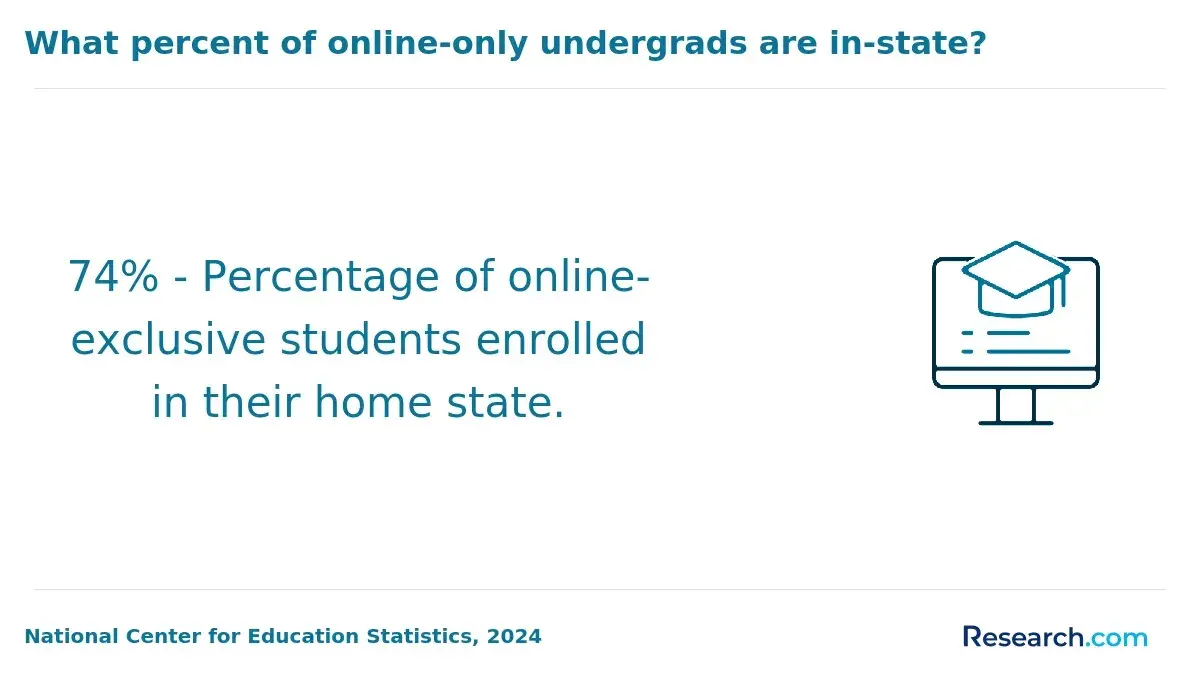
Professionals entering environmental science often confront the challenge of aligning career goals with rapidly evolving employer demands amid complex regulatory landscapes. A 2024 National Center for Education Statistics report shows a 35% rise in adult learners enrolling in flexible, online programs, indicating a shift toward adaptable education models that accommodate working students' schedules and career pivots. This trend underscores the necessity of selecting roles that not only match academic credentials but also offer practical avenues for impact and advancement.
This article identifies sustainable and climate-focused roles suited to environmental science graduates, guiding candidates through actionable career targets to optimize opportunity and relevance in shifting labor markets.
Key Things You Should Know
- State and federal environmental compliance roles grew 7% between 2022-2024 per BLS data, but increased automation in monitoring demands dual expertise in GIS and data analytics, limiting opportunities for generalist graduates.
- Private sector demand for sustainability analysts rose 12%, yet 60% of hiring managers prioritize candidates with cross-disciplinary skills in policy interpretation, creating a workforce expectation beyond core environmental science knowledge.
- Average bachelor's degree debt in environmental science exceeds $32,000, with employer preference shifting toward candidates holding specialized master's for project leadership, introducing cost and timing tradeoffs for those targeting advanced roles.
What sustainability and climate careers can you pursue with an environmental science degree?
Environmental science degrees lead to roles that require more than technical knowledge; they demand operational savvy and nuanced stakeholder negotiation. For instance, an environmental consultant working with manufacturing companies must integrate pollution controls without imposing unsustainable operational costs. This balance is key in sustainability careers with an environmental science degree, where practical constraints often dictate project feasibility more than ideal solutions.
Climate change job opportunities for environmental science graduates are evolving, shifting toward positions involving regulatory compliance, impact analysis, and sustainability metrics in government, nonprofits, and private sectors. These roles require strong quantitative skills alongside regulatory fluency, with advancement often contingent on certifications in areas like Geographic Information Systems (GIS) or environmental law.
Graduates aiming for leadership in environmental management should anticipate the necessity of real-world experience managing complex projects and budgets. These positions tend to be reserved for candidates demonstrating both technical expertise and proven project oversight, emphasizing the value of internships during studies. The tradeoff between entry-level salaries and the potential for long-term growth in the sector is a critical consideration for prospective students.
For those weighing their educational options, examining program quality and alignment with career goals is vital. Resources such as the best online geology degree listings provide data-driven perspectives to navigate these choices more effectively.
How does an environmental science degree prepare you for climate-focused job roles?
Demand for professionals with an environmental science degree career paths in climate roles continues to outpace supply, forcing graduates to navigate complex intersections of scientific expertise and evolving industry demands. Job growth data from LinkedIn, summarized by the University of Waterloo, indicates an 8% annual increase in climate-related jobs, yet candidates must often supplement their core training with adaptable skills in data visualization and stakeholder communication to meet employer expectations.
The curriculum's strengths lie in technical competencies like Geographic Information Systems (GIS), climate modeling, and environmental impact assessments, which align with sustainable job opportunities with an environmental science degree. However, integrating these within sector-specific contexts, such as urban planning, requires practical tradeoffs-blending environmental data with civil engineering constraints to achieve viable carbon-reduction strategies.
Because environmental science roles demand translating complex data into actionable policy or business strategies, graduates face ongoing professional development pressures to stay abreast of certifications and emerging tools. Employers seek candidates who can manage regulatory compliance and risk while effectively engaging diverse stakeholders across government, consultancy, and renewable energy sectors.
For those considering a strategic pivot or advancement, understanding operational realities is crucial. Supplementary skills often influence employability and long-term impact as much as degree content. Comparing the trajectory to other specialized fields, such as speech pathology, reveals cross-field career transitions can benefit from targeted labor market research, like reviewing an SLP salary report for guidance on market demands and role-specific benchmarks.
What are the typical salary ranges for sustainability and climate roles in environmental science?
Salaries for sustainability and climate jobs in environmental science reflect complex tradeoffs among employer type, role seniority, and geographic market. Entry-level positions such as sustainability coordinators typically offer $45,000 to $60,000 annually, tied closely to operational responsibility rather than strategic impact. By contrast, mid-career roles like renewable energy project managers or environmental analysts command $65,000 to $90,000, with compensation linked to proven technical and leadership skills. Senior-level roles-climate consultants, sustainability directors, or research scientists-often surpass $100,000 and generally require advanced expertise in areas like carbon management or renewable energy systems.
The average pay scale for environmental science sustainability roles varies by sector, with private energy and consultancy firms occupying the upper wage tiers due to project financing and profit goals, while government positions emphasize job stability with more modest pay ceilings. Academic and nonprofit opportunities tend to offer lower salaries but may hold appeal for candidates focused on research or policy development rather than market-driven outcomes.
The 2024 projections from the University of Waterloo spotlight a surge of 12.9 million new renewable energy jobs globally by 2030, underscoring demand for interdisciplinary skills that merge traditional environmental science knowledge with project management, data analysis, and regulatory fluency. Practical career pivots require weighing salary aspirations against the need for advanced degrees or certifications, as well as gaining measurable impact in emissions reduction or resource optimization.
Professionals need targeted training in emerging sustainable infrastructure and technologies to remain competitive. For those weighing educational pathways, programs like the best online exercise science degree offer insights into balancing practical skills with marketable credentials within STEM fields, providing useful parallels for environmental science curricula development and strategic workforce positioning.
Which types of environmental science programs best support sustainability and climate careers?
Strong interdisciplinary bachelor's and master's programs that merge environmental science fundamentals with climate modeling, data analytics, and policy analysis best prepare students for sustainability careers. For example, a petroleum professional pivoting to renewable energy consulting needs rigorous quantitative training in GIS, statistics, and remote sensing to interpret emissions data and forecast project impacts accurately. The best environmental science degrees for climate change jobs incorporate this technical expertise alongside applied experiences.
Environmental science programs for sustainability careers that emphasize concentrations like sustainability management or ecosystem services offer a competitive edge for corporate roles focused on resource efficiency and sustainable supply chains. These roles require more than natural science knowledge-they demand business acumen and strategic thinking. Conversely, academic tracks lacking fieldwork or laboratory components often leave graduates unready for regulatory compliance or hands-on restoration work.
Programs that integrate internships with government agencies or firms improve employability by providing familiarity with permitting, regulatory frameworks, and stakeholder engagement. The U.S. Bureau of Labor Statistics reports median wages for environmental scientists at $80,060 annually, with top earners exceeding $134,830, primarily in consulting and impact assessment fields.
Students should weigh curriculum flexibility, skill development aligned to roles, and networking opportunities. Degrees combining computer science and environmental science outperform traditional programs for climate data analytics. Those aiming at policy or resilience careers need robust social science and ethics coursework paired with environmental law. For context on credential pathways in allied fields such as library science, consider whether do you need a masters to be a librarian.
How do online environmental science degrees compare to campus programs for climate careers?
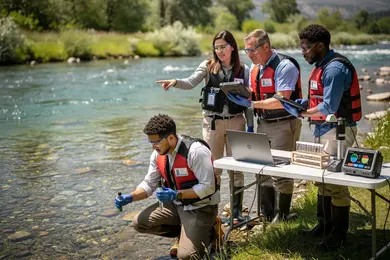
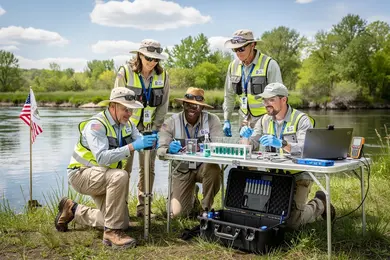
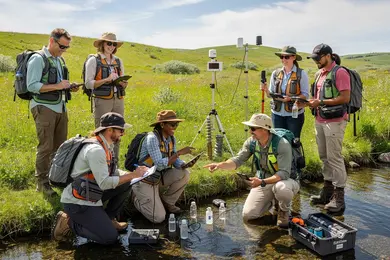
Hands-on experience remains the defining factor separating online and campus environmental science degrees, crucial for careers in climate risk and resilience. While online programs offer flexible scheduling appealing to working professionals, they often lack integrated practical training like site assessments or field data collection, which campus programs embed in their core curricula. Graduates pursuing roles in climate resilience planning typically require proficiency in geospatial analysis and environmental impact evaluation, skills best acquired through direct fieldwork and laboratory access.
Online students must actively seek external internships or local labs to fill these gaps, a process that can delay job readiness or extend time to degree completion. Employers in environmental sectors place high value on demonstrated applied abilities over theoretical knowledge alone, giving campus graduates an advantage in competitive job markets.
Networking opportunities constitute another critical distinction. Established campus programs maintain close partnerships with government agencies and industry employers, facilitating better access to internships and entry-level positions. Conversely, online degrees from less-connected institutions may struggle to replicate these channels, impacting initial placement outcomes despite comparable academic content.
- Environmental science employment is expected to grow about 4% from 2024 to 2034 with approximately 8,500 annual openings.
- Candidates showing practical skill proficiency and region-specific engagement will meet employer demand most successfully.
- Online learners must supplement their education with strategic networking and applied experience to compete effectively.
These dynamics underscore that the choice between on-campus and online environmental science degrees should weigh the realistic availability of hands-on training and employer networks against flexibility needs.
What courses and specializations support careers in sustainability and climate action?
Data analytics, GIS, and climate modeling have become nonnegotiable specializations for those pursuing careers in sustainability and climate action. Emphasizing coursework in statistical methods and programming languages like Python or R aligns with employer expectations for candidates who interpret complex climate data and develop predictive models. Proficiency in GIS platforms such as ArcGIS is often a baseline requirement for sectors including urban planning and disaster management.
EnvironmentalScience.org reports roughly 90,300 environmental scientists employed nationally, a figure driven by the surge in data-intensive roles. A coastal climate analyst, for example, must convert atmospheric data into risk assessments, an operation demanding strong quantitative and environmental modeling skills combined with practical knowledge.
Students face a tradeoff between deep technical training and broader interdisciplinary exposure. While courses in environmental law, policy, economics, and sustainable development enhance applicability in regulatory and advisory positions, prioritizing these may constrain hands-on data science experience. Aligning course selection with targeted employment-whether private analytics firms, governmental bodies, or nonprofit entities-is essential.
Gaining practical experience through internships or research with live climate datasets drastically improves employability. Candidates who can manage large datasets, apply rigorous statistical analysis, and understand ecosystem dynamics simultaneously meet the multifaceted demands of climate action roles more effectively.
What admissions requirements and prerequisites do environmental science programs usually have?
Environmental science programs demand rigorous foundational knowledge in biology, chemistry, physics, and advanced math, which function as gatekeepers for technical competence in this field. Applicants typically must meet GPA minimums near 3.0 and submit standardized test scores, though some institutions have moved to test-optional policies. For transfer and graduate entrants, one year of college-level biology and chemistry with labs, along with statistics and calculus, reflects the quantitative demands employers require for tasks like environmental modeling and data interpretation.
Relevant laboratory and field research skills underpin the core curriculum, with some programs adding prerequisites in geology or ecology depending on specialization. These requirements shape workforce readiness, ensuring candidates can manage interdisciplinary content involving data science, policy, and conservation biology.
Federal government positions, for example, conservation specialists earning median salaries above $110,000 strictly require this academic preparation, linking theoretical knowledge to ecosystem assessment and regulatory duties. For career changers, neglecting prerequisite coursework prior to matriculation risks delayed progression and reduces access to competitive internships or research, limiting employability.
Prospective environmental science students should weigh these prerequisites carefully, factoring in the tradeoff between upfront course investment and broader access to opportunities that require integrated analytical and applied skills fundamental to meaningful employment across public and private sectors.
How long do environmental science degrees take and what do they cost?
Choosing between a bachelor's and a master's degree in environmental science significantly shapes your entry into the workforce and earning potential. While a bachelor's degree, typically completed in four years, suffices for most federal or state agency positions, specialized roles-such as environmental analysts focused on climate justice or environmental health-usually require a master's and related expertise.
Tuition costs differ sharply: public universities charge between $10,000 and $25,000 annually for in-state students; private institutions demand $30,000 to $50,000, excluding an additional $15,000 to $20,000 yearly for living expenses and supplies. Online or part-time routes extend the timeline beyond four years, adding complexity to cost and completion.
Realistically, students face tradeoffs between upfront debt and future salary. A graduate with $40,000 in debt and only a bachelor's may start below the national average salary for environmental analysts-$64,378 per year as reported by Indeed. Completing a master's can boost starting salaries by 15% to 30%, often compensating for the increased educational cost over time.
Employers emphasize applied experience, certifications, internships, and project work alongside formal degrees. Financial aid, federal loans, and employer tuition reimbursement should be integral to planning decisions. These factors collectively influence not only access but also long-term employability and compensation outcomes in environmental science careers.
What certifications or licenses enhance employment in sustainability and climate-related roles?
Certifications like Leadership in Energy and Environmental Design (LEED), Certified Energy Manager (CEM), and Sustainability Accounting Standards Board (SASB) credentials shape employability in sustainability roles but vary sharply in immediate workforce impact and sector relevance. For instance, LEED certification is essential for professionals managing green building projects, frequently hired by municipal agencies focused on urban sustainability initiatives. In contrast, CEM credentials align closely with energy management roles in renewables firms prioritizing cost and efficiency audits.
Environmental consultants with specialized certifications command a national average salary near $73,000 annually, indicating that niche expertise in circular economy and waste reduction significantly influences market value. Meanwhile, pursuing a Professional Engineer (PE) license concentrated on environmental projects offers access to higher-responsibility roles involving regulatory compliance and impact assessments, but the lengthy prerequisites and exam process can delay entry-level employment.
Decision-making around credentialing should weigh:
- Sector-specific demand for certifications versus general credentials
- Time and financial investment against expected role and employer expectations
- Practical skill validation versus theoretical knowledge emphasis
Successful candidates target certifications corresponding with operational needs rather than broad recognition. For example, renewable energy companies require CEM-certified professionals, while cities emphasize LEED-accredited staff for sustainability coordination. Such alignment improves job-fit and minimizes credentialing friction.
How can you evaluate accredited environmental science schools for sustainability career outcomes?
Programs in environmental science vary significantly in their ability to deliver tangible sustainability career outcomes, making it essential to scrutinize graduate employment rates and industry alignment rather than institutional reputation alone. Graduates entering fields tied to solar installation or clean energy, which command U.S. national average salaries near $62,622 according to Indeed's 2024 climate-jobs data, demonstrate clearer pathways to viable employment. Without verified placement data, prospective students risk investing in programs that emphasize theoretical knowledge over practical skills, limiting immediate career applicability.
Key practical considerations include program partnerships with local employers, integrated industry-recognized certifications, and access to internships within green technology firms or environmental agencies. For example, a student attending a school in California-a region with expanding renewable energy sectors-may find a smoother transition to employment compared to one in regions lacking such local industry ecosystems, where additional certifications or relocation might be necessary.
Employers increasingly seek graduates fluent in environmental justice and policy frameworks alongside technical expertise. Programs combining these aspects yield candidates better equipped to manage regulatory and social complexities within sustainability roles, enhancing competitiveness. Review third-party verified alumni outcomes and consider regional industry growth trends critically to avoid misaligned educational investments.
Other Things You Should Know About Environmental Science
In 2027, graduates with a bachelor's degree in environmental science can still find influential roles, especially if they gain relevant experience through internships. Entry-level roles can lead to impactful positions, with opportunities to grow into policy-making and management as expertise and experience expand.
Internships often weigh more heavily than academic grades because they provide hands-on experience and industry connections. While strong academics demonstrate technical knowledge, employers in sustainability and climate fields prefer candidates who have applied skills in real-world settings. Prioritize securing internships or practical projects even if it means less focus on perfect grades, as experiential learning directly enhances employability and relevant skill development.
Yes. Many employers expect GIS, ArcGIS Pro, and Excel, plus basic data analysis in R or Python for monitoring, reporting, and climate-risk work. Entry-level roles often list these skills as preferred, and some environmental consultancies require them for analyst positions from day one.
References
- Best Colleges for Environmental Science and Sustainability https://www.collegeflightpath.com/cfp-blog/colleges-for-environmental-science-and-sustainability
- Sustainability Jobs : Shape a Resilient Future https://enable.green/sustainability-jobs/
- Environmental Science, B.Env.Sc. Major https://catalog.umanitoba.ca/undergraduate-studies/environment-earth-resources/environment-geography/environmental-science-benvsc-major/
- Elevating Your Environmental Career: The Power of Environmental Certifications https://www.webuildstaffing.com/elevating-your-environmental-career-the-power-of-environmental-certifications/
- Online Environmental Science Degrees: Compare Schools https://www.degreesforgood.org/online-degrees/environmental-science/
- Green Skills: Top 10 In-Demand Green Jobs in 2024 https://www.moeveglobal.com/en/planet-energy/environment/green-skills-top-green-jobs-2024
- How to Start a Sustainability Career in 2025 https://ecoskills.academy/how-to-start-a-sustainability-career-in-2025/
- The 11 Highest-Paying Careers in Sustainability https://www.sustainabilitydegrees.com/blog/highest-paying-careers-in-sustainability/
- Environmentalscience https://environmentalscience.org
- Checklist for Starting a Career in Sustainability https://www.upskillist.com/blog/checklist-for-starting-a-career-in-sustainability/