2027 Environmental Compliance Roles You Can Target With an Environmental Science Degree

Co-Founder and Chief Data Scientist
Facing escalating regulatory scrutiny, many environmental science graduates wrestle with pinpointing roles that balance technical rigor and compliance impact within increasingly complex legal frameworks. The U.S. Bureau of Labor Statistics projects a 5% growth in environmental science jobs by 2032, underscoring steady workforce demand but also intensifying competition. Meanwhile, flexible learning options are expanding.
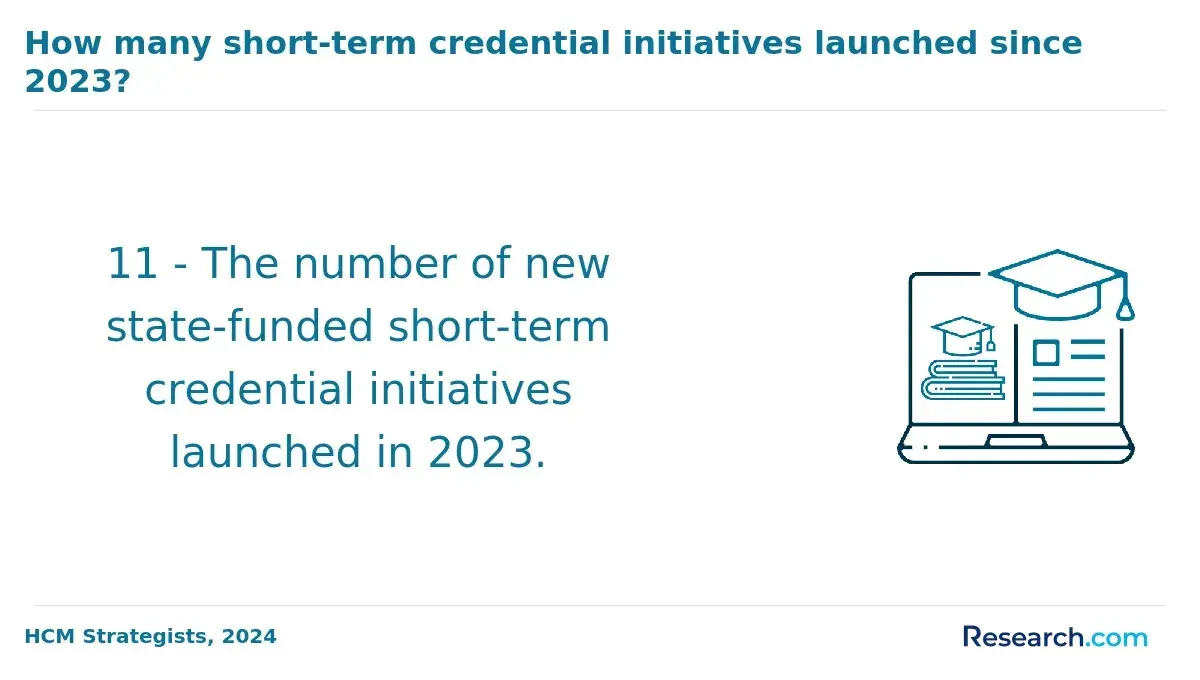
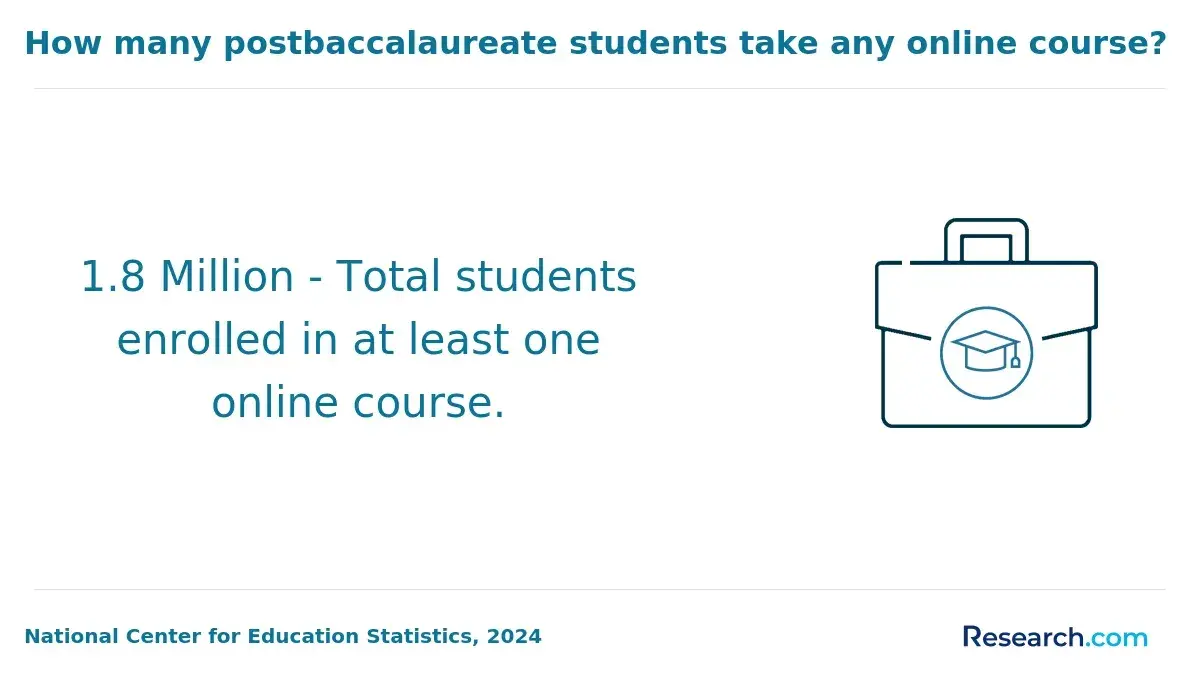
A 2024 National Center for Education Statistics report reveals a 15% rise in part-time and online enrollments among adult learners pursuing relevant degrees, signaling broader access but also emphasizing the need for strategic program selection aligned to evolving employer priorities. This article maps targeted compliance positions that align with these practical realities, helping readers navigate and prioritize roles best suited to their credentials and career timing.
Key Things You Should Know
- Environmental compliance roles require interdisciplinary skills; 75% of employers in EPA reports emphasize applied technical expertise over theoretical knowledge, shifting demand towards candidates with targeted certifications alongside environmental science degrees.
- Job growth projections from the U.S. Bureau of Labor Statistics show a 6% increase for compliance officers through 2032, but geographic concentration in federal and industrial hubs limits opportunities, impacting workforce mobility considerations.
- Cost and timing tradeoffs arise as roles demanding EPA certification or specialized training average 12-18 months longer post-degree, raising entry barriers for career changers balancing income loss and credential expenses.
What environmental compliance careers can you pursue with an environmental science degree?
Environmental compliance jobs for environmental science graduates demand a practical balance between regulatory expertise and operational constraints. For instance, an environmental compliance specialist in manufacturing focuses heavily on ensuring emissions comply with EPA standards, while in construction, the emphasis shifts toward soil erosion control and permit management.
These roles require fluency in laws such as the Clean Air Act and Clean Water Act, alongside proven experience in site assessments and generating compliance documentation. Job growth projections indicate a 4% increase over the next decade, adding approximately 8,500 openings annually according to the U.S. Bureau of Labor Statistics.
However, candidates should recognize that regulatory demands vary widely by location and industry, influencing job availability and scope. Employers typically expect proficiency in data analysis and regulatory frameworks, supported by certifications related to environmental auditing or hazardous materials. Success stems from integrating technical knowledge with communication skills necessary to coordinate between agencies and corporate stakeholders.
Real-world challenges often include managing permitting timelines and navigating cost pressures while maintaining compliance. Applied training in modern environmental monitoring technologies and reviewing enforcement case studies sharpen decision-making within this evolving legal landscape.
For those evaluating career opportunities in environmental compliance with an environmental science degree, an online environmental health and safety degree can provide targeted expertise aligned with current market needs.
Which environmental compliance roles are in highest demand across U.S. industries?
Demand for environmental compliance officer jobs in U.S. industries centers on candidates who can navigate complex regulatory frameworks in both public agencies and private sectors. Government roles in environmental compliance, especially within local, state, and federal agencies, emphasize enforcement of statutes like the Clean Air Act and RCRA, with a median annual salary around $71,625 and steady job growth near 4.14%.
These positions require detailed knowledge of regulatory standards as noncompliance risks entail significant financial penalties and potential operational shutdowns. In private industry segments such as manufacturing, energy, and mining, compliance specialists must implement internal audits aligned with evolving environmental regulations.
For instance, a compliance professional in chemical manufacturing focuses on hazardous waste disposal under EPA guidelines, contrasting with counterparts who monitor water quality in utilities. Employers seek candidates with technical expertise in permit management, emissions tracking, and report generation, alongside the ability to interpret regulatory shifts swiftly.
Typical hurdles include mastering multifaceted permitting processes and coordinating with diverse regulatory bodies, underscoring the importance of certifications like Certified Hazardous Materials Manager or state-specific licenses. Experience overseeing multi-facility compliance programs or leading audit successes significantly influences salary progression and advancement opportunities.
Students or professionals evaluating this pathway should consider how specialized credentials and practical skills weigh against educational investments. Concurrently, individuals exploring an advanced educational route to deepen domain expertise might assess options available in environmental science degrees, which vary widely in scope and employability outcomes.
Interested learners examining doctoral-level credentials could find value in programs such as an online PhD in data science, where quantitative and analytical skills increasingly intersect with environmental regulatory compliance and monitoring technologies. High-demand environmental regulatory specialist positions in the United States require more than theoretical knowledge; operational adaptability and proven regulatory navigation form critical determinants of career longevity and impact.
What education and skills do you need for entry-level environmental compliance jobs?
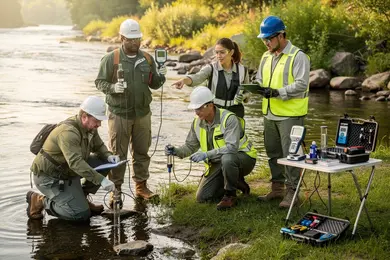
Entry-level environmental compliance positions require a bachelor's degree in environmental science or a related STEM field such as chemistry, biology, or environmental engineering. Employers prioritize candidates with solid knowledge of environmental regulations like the Clean Air Act and Clean Water Act, accompanied by practical skills in data collection, environmental sampling, and regulatory reporting.
In sectors such as manufacturing and energy, proficiency with compliance software and Geographic Information Systems (GIS) is crucial for accurate emissions and waste tracking, enhancing employability in a competitive landscape. Possessing strong analytical skills to interpret environmental data and produce precise compliance reports is essential, alongside soft skills such as effective communication and project management.
For example, a compliance specialist managing both federal and state permits at a manufacturing facility must demonstrate rigorous organization to meet diverse regulatory requirements. Internships or cooperative education programs offering hands-on experience with audits or inspections substantially improve readiness for these roles.
Compared to senior environmental compliance managers who can earn $80,000 to $100,000+, entry-level salaries generally range from the mid-$50,000s to mid-$60,000s, reflecting limited experience. Certifications like the Associate Safety Professional (ASP) or Registered Environmental Manager (REM) may expedite career progression but entail additional time and expense. Continuous education through workshops or online courses is necessary to keep pace with regulatory changes.
Those weighing entry-level environmental compliance education requirements should consider practical program outcomes and skills alignment with employer expectations. For students exploring relevant degrees, programs like an exercise science online degree may illustrate the importance of field-specific training combined with compliance proficiency.
How does an environmental science degree prepare you for regulatory and permitting work?
Graduates with an environmental science degree for regulatory compliance careers must translate complex laws into actionable tasks that secure permits and maintain ongoing approvals. Unlike general science degrees, this specialized training combines legal frameworks with environmental data analysis, enabling professionals to interpret statutes such as the Clean Water Act or NEPA based on project-specific factors in sectors like energy or construction.
Skills gained from an environmental science degree in permitting processes include geospatial analysis and environmental sampling, which help generate precise documentation for regulatory agencies. For example, an analyst at a manufacturing site might use soil and water sampling data to prove adherence to pollutant discharge standards, reducing violation risks and project delays.
The ability to work cross-functionally with legal teams, engineers, and policymakers reflects the degree's focus on multidisciplinary collaboration and regulatory timelines. This coordination is essential because environmental compliance demands managing bureaucratic requirements alongside scientific accuracy, a balance often overlooked in other education paths.
Employment projections from the U.S. Bureau of Labor Statistics indicate a 4% growth for environmental scientist and specialist compliance roles through 2034, translating to around 8,500 new jobs annually. Employers expect meticulous documentation skills and risk management aptitude tailored to regulatory contexts, distinguishing candidates in this competitive market.
Professionals exploring options for pivoting or upskilling may also consider military-friendly online electrical engineering degree programs as an alternative pathway for technical specialization aligned with regulatory environments.
What are typical salaries and earning potential in environmental compliance careers?
Salary progression in environmental compliance careers hinges on the intersection of role complexity and sector demands. Entry-level positions, such as environmental policy and planning analysts, typically earn between $50,000 and $65,000 annually-figures that align with candidates holding recent degrees in environmental science. However, advancing into mid or senior roles requires mastering regulatory interpretation and stakeholder coordination, with salaries rising to a range of $80,000 to $130,000.
Choosing an industry specialization directly affects financial outcomes. For instance, compliance officers embedded in manufacturing or energy sectors often receive higher compensation compared to their counterparts in government or nonprofit agencies. This discrepancy results from the complexity and scale of regulations in these industries, which demand advanced technical skills and practical experience with federal and state frameworks.
Employers value candidates who integrate environmental science expertise with legal or policy acumen, as these professionals can more effectively manage regulatory costs. To accelerate earning potential, individuals should prioritize certifications and regulatory experience that enhance their ability to navigate evolving compliance landscapes.
Prospective students and professionals should weigh these tradeoffs carefully-securing a higher starting wage often means pursuing roles that require specialized knowledge and longer preparation. The balance between entry access and long-term salary growth is a defining factor in shaping a sustainable career path within environmental compliance.
What is the job outlook for environmental compliance specialists and managers?
Environmental compliance roles increasingly demand a blend of regulatory fluency and technical expertise, especially where sectors face intensified oversight such as chemical manufacturing or renewable energy development. Employers weigh candidates' ability to interpret complex regulations alongside practical skills in permitting software and scientific methodologies.
Starting salaries for entry-level environmental compliance consultants typically range from $55,000 to $70,000, with private consulting firms generally offering higher pay but at the cost of longer hours and client pressures compared to government jobs, which prioritize stability but feature slower advancement.
Professionals aiming for managerial positions must develop competencies in compliance program design, risk analysis, and cross-department coordination, reflecting the operational realities of handling inspection responses and evolving EPA regulations. This continuous learning requirement shapes workforce demand and differentiates candidates who can align evolving legal frameworks with business objectives.
- Private sector roles favor adaptable specialists with consulting experience and faster compensation growth.
- Government agency positions are suited for those seeking steady career paths despite lower initial pay.
- Mastery of environmental policy and regulatory technology remains a differentiator across all employers.
Prospective students considering environmental science pathways should assess how curricular focus and credentialing match these practical workforce expectations, balancing upfront education costs against long-term employability and sector-specific opportunities.
Do environmental compliance roles require specific certifications or professional licenses?
Environmental compliance roles often hinge on the possession of specific certifications, which can decisively influence hiring, especially within regulated industries like manufacturing or energy. For instance, a compliance coordinator at a chemical plant typically must hold safety-related certifications-such as the Certified Environmental Professional (CEP) or OSHA training-to effectively manage hazards and regulatory mandates. Without these credentials, candidates risk being sidelined despite having relevant degrees.
Entry-level positions, including Environmental Health & Safety (EHS) coordinators, may accept candidates lacking certifications if they hold pertinent degrees. These roles usually offer starting salaries between $50,000 and $65,000, according to EnvironmentalScience.org's 2024 data. However, moving beyond these junior roles generally requires credentialing or specialized training to prove expertise in environmental law, auditing, or risk assessment.
Mid-career professionals with such certifications command salaries ranging from $90,000 to $130,000 or more, reflecting employers' emphasis on verified competencies. Certification importance varies by employer size, industry risk, and regulatory exposure:
- Small companies in less-regulated sectors may prioritize experience and degrees over certifications.
- Large corporations, due to compliance complexity, often mandate professional licenses to mitigate liability.
For those planning a strategic shift in Environmental Science careers, obtaining relevant certifications within six months post-degree can expedite advancement and salary growth. Balancing certification costs and time investment with immediate job demands is critical; some roles require OSHA 30-hour training, while others expect multi-year experience combined with credentialing, shaping realistic career timelines.
How do online environmental science programs compare to campus options for compliance careers?
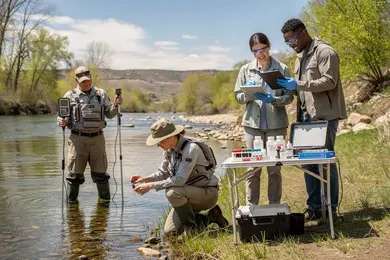
Online environmental science programs often lack the hands-on field and laboratory experience that employers require for compliance roles focused on regulatory monitoring. While these programs offer scheduling flexibility, they fall short in delivering the direct practical skills needed for site inspections and field sampling that campus programs provide through coordinated exercises and in-person collaboration.
For example, an environmental compliance specialist managing industrial wastewater must master site-specific sampling protocols that are difficult to simulate virtually. Employers hiring for technician-level roles-such as Environmental Science and Protection Technicians, with a median annual salary near $47,369 and a projected job growth of 5.88% per College Board, prioritize candidates with demonstrated applied competencies.
Online students must compensate by seeking local internships or partnerships to gain needed field exposure and actively build networks that are more readily accessible in campus settings. Programs incorporating synchronous labs, virtual simulations, or strong regional employer connections can mitigate some online limitations, but securing supplemental practical experience remains essential.
Decision makers weighing online versus campus options must consider this experience gap, especially when targeting roles demanding both theoretical knowledge and tangible field skills. Balancing convenience with rigorous experiential learning is critical to aligning education with workforce expectations in environmental compliance.
How can you evaluate and choose an accredited environmental science program for compliance work?
Choosing an environmental science program for compliance work requires rigorous verification of accreditations such as from the Council on Education for Public Health (CEPH) or the Accreditation Board for Engineering and Technology (ABET). These certifications confirm curricula aligned with federal and state regulatory expectations, which directly influence job readiness.
For example, specialized courses in environmental law, regulatory policy, GIS mapping, and data analytics are essential for compliance roles; GIS and environmental data analysts in this field earn a median weekly salary of $1,473.37, demonstrating tangible labor market value based on College Board data.
Practical experience through internships with environmental agencies or regulatory bodies often differentiates candidates by providing direct exposure to compliance challenges. Prospective students should examine program graduation rates and career service statistics, emphasizing actual employment outcomes rather than institutional claims.
Flexibility in delivery format matters for professionals balancing work or family obligations. Online or hybrid options with access to current GIS and data visualization software can mitigate barriers to study without sacrificing skill acquisition.
Faculty involvement in compliance-focused research or consulting ensures courses stay relevant to evolving regulations. Additionally, curricula incorporating training on EPA or OSHA compliance reporting formats provide essential workplace competencies, smoothing transition into compliance roles and maintaining operational standards in regulatory environments.
What long-term career pathways exist beyond entry-level environmental compliance positions?
Progressing beyond entry-level environmental compliance roles demands specialized skills coupled with effective leadership and strategic influence within organizations. Professionals with an environmental science degree often move into positions like sustainability reporting managers, ESG compliance specialists, or environmental policy advisors. These roles require rigorous understanding of regulatory frameworks, stakeholder engagement, and advanced data analysis.
For instance, entry-level sustainability reporting and ESG compliance specialists typically earn between $50,000 and $65,000, while experienced professionals can command salaries upward of $90,000-$130,000+, according to EnvironmentalScience.org's 2024 sustainability careers analysis. Career trajectories often hinge on mastering complex areas such as carbon accounting, lifecycle assessments, or integrated reporting.
Environmental compliance officers in manufacturing might advance by leading initiatives to reduce pollution and promote circular economy approaches, balancing technical expertise with business acumen. Conversely, in consulting, success depends on managing multiple clients and projects with strong interpersonal skills.
Leadership roles require navigating evolving regulations and translating them into organizational strategy, demanding continuous education and specialized certifications like LEED or GRI. Practical experience with sector-specific sustainability software and data platforms is also essential to establish credibility and effectiveness in the field.
Other Things You Should Know About Environmental Science
In 2027, typical responsibilities include ensuring compliance with environmental laws and regulations, conducting environmental audits, preparing reports, and advising on best practices. Professionals may also engage in policy development and provide training on regulatory compliance and sustainable practices within organizations.
A general environmental science degree offers broad scientific grounding but may leave gaps in regulatory knowledge crucial for compliance roles. Specialized compliance programs emphasize environmental law, policy, and standards, which employers prioritize for mid-to-senior positions. If your goal is a regulatory compliance career, consider a curriculum with legal and policy concentrations to reduce training time and improve your preparedness for specialized tasks.
Most environmental compliance roles work under the U.S. Environmental Protection Agency, plus state environmental agencies that enforce delegated programs. Depending on the industry, the Occupational Safety and Health Administration and the Department of Transportation may also apply, especially for hazardous waste, spill response, and transport compliance requirements.
While experience in regulatory tasks builds practical expertise, most employers view advanced degrees as a critical factor for leadership roles, especially in government or consulting firms. A master's degree focused on environmental policy or compliance accelerates access to management positions and complex projects. For professionals aiming to move beyond entry-level roles, investing in graduate education is a strategic decision that outweighs relying solely on work experience.
References
- Bachelor's in Environmental Science https://www.ccis.edu/degrees/environmental-science-bachelor
- Compliance with Licensed Professionals - EnviroTrac https://envirotrac.com/what-we-do/compliance-with-licensed-professionals/
- Environmental Compliance Inspectors Career Guide: Salary, Skills, Growth & Free MAPP Assessment https://www.assessment.com/business-and-financial-operations/environmental-compliance-inspectors
- Sustainability Compliance Manager Jobs with Salaries https://enable.green/esg-roles/sustainability-and-esg-careers/sustainability-compliance-manager-job-description/
- Environmental Science Degree Jobs | University of Phoenix https://www.phoenix.edu/articles/environmental-science/environmental-science-degree-jobs.html
- How to Become an Environmental Compliance Officer https://ehscareers.com/employer-blog/become-environmental-compliance-officer/
- Greener Careers https://greenercareers.co.uk/blog/what-can-you-do-with-an-environmental-science-degree-job-opportunities-explained
- Unlock Success with fixmycareer: Your Pathway to Career Brilliance https://www.fixmycareer.in/career/law-public-service-government/law/environmental-compliance-specialist
- Four Key Certifications to Enhance Your Environmental Remediation Career - The Planet Group https://www.theplanetgroup.com/blog/enhancing-your-career-in-environmental-remediation-four-key-certifications
- Will Environmental Compliance Inspectors be replaced? https://willrobotstakemyjob.com/environmental-compliance-inspectors