2027 Online Environmental Science Degrees With Strong Environmental Health Foundations

Co-Founder and Chief Data Scientist
Professionals aiming to pivot or advance in environmental science frequently encounter the challenge of balancing rigorous work schedules with the need for specialized education in environmental health. The Bureau of Labor Statistics projects a 5% growth in environmental science jobs through 2032, increasing demand for workers with cross-disciplinary expertise. Yet, only 40% of adult learners in STEM fields enroll in fully online programs as reported by the National Center for Education Statistics, reflecting ongoing concerns about curriculum quality and career relevance. This tension forces candidates to weigh accessibility versus comprehensive training crucial for emerging environmental health challenges.
This article evaluates online environmental science degrees that integrate strong environmental health foundations, equipping readers to select programs that optimize flexibility without compromising the technical depth vital for career mobility and effectiveness.
Key Things You Should Know
- Employers increasingly require integrated environmental health expertise, with 62% of environmental science job postings in 2024 emphasizing cross-disciplinary competencies, forcing program seekers to prioritize courses with proven health-related skill applicability.
- Online degrees averaging $22,000 per year in total cost create a pivotal cost-benefit tension against slower employment outcomes, as Bureau of Labor Statistics data links health-focused environmental graduates to 12% slower average job placement than specialized technical peers.
- Emerging federal funding priorities favor curricula embedding real-world toxicology and epidemiology, yet 48% of existing accredited programs lag behind, constraining timely access to workforce-aligned credentials essential for advancing in environmental health sectors.
What is an online environmental science degree?
Choosing an online environmental science degree program with an environmental health focus involves weighing how well coursework integrates toxicology, epidemiology, and exposure pathway analysis. These elements align closely with employer expectations for professionals capable of assessing environmental hazards affecting human populations. Unlike pure environmental science tracks, distance learning environmental science degrees emphasizing health foundations provide a specialized lens critical for roles in pollution control and public health agencies.
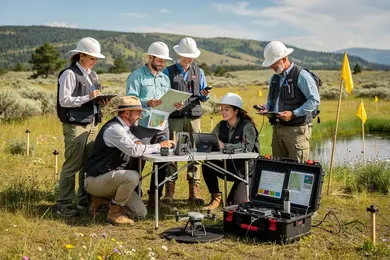
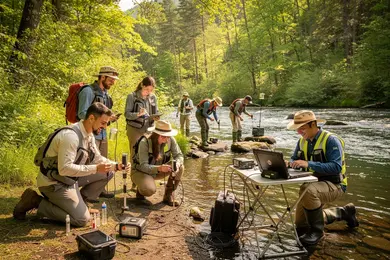
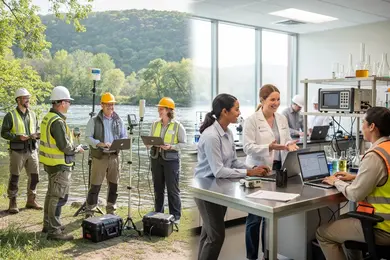
Students face practical challenges such as asynchronous classes and remote labs, making program selection important-especially those with on-site components or partnerships enabling hands-on field experience. Balancing multimedia coursework with field skill development is essential for employability, particularly for working professionals seeking flexible yet substantive training.
Employment growth for environmental scientists and specialists is projected at 8% from 2022 to 2032, partly driven by ongoing regulatory demands and monitoring needs. Median wages near $76,480 (2022 data) underscore mid-career earning potential tied to proficiency in environmental health risk analysis. For candidates, mastering this interdisciplinary skill set is increasingly a differentiator.
Prospective students should carefully evaluate curricula and practicum availability to align with careers in government or private sector roles focused on risk mitigation and compliance. Additionally, exploring the best GIS schools may complement environmental science studies, given GIS's integral role in spatial data analysis for environmental health assessments.
Are online environmental science degrees accredited?
Without recognized accreditation, pursuing an online environmental science degree risks practical setbacks including non-transferable credits, limited access to federal aid, and diminished employer recognition. Regional accreditations-such as those from the Higher Learning Commission or Middle States Commission on Higher Education-are essential benchmarks ensuring programs meet workforce standards and stay aligned with evolving environmental health requirements. Accredited online environmental science programs in the US balance foundational coursework with specialized skills relevant to compliance, risk assessment, and applied public health challenges.
For professionals targeting roles intersecting with data science in environmental fields, the curriculum in accredited programs equips graduates with statistical analysis, data management, and domain-specific applications at a time when jobs for data scientists in environmental disciplines are projected to grow by over 30%, with an average salary above $120,000, according to Arizona State University's labor market data. Choosing accredited programs also affects eligibility for certifications such as Registered Environmental Health Specialist (REHS) and access to graduate studies, critical for certain advanced roles.
- Government and consulting employers often mandate degrees from accredited programs to validate candidate expertise and regulatory familiarity.
- Non-accredited degrees can substantially limit professional licensure and graduate education prospects.
- Early verification of accreditation through official U.S. Department of Education resources prevents misaligned educational investments.
Students interested in combining environmental science with quantitative competencies may explore an online master in data science to enhance both technical skills and career marketability.
What environmental health courses are included?
Environmental health courses in online environmental science programs tend to equip students with practical skills that align with employer expectations across sectors like public health, regulatory bodies, and sustainability enterprises. Core environmental health topics in environmental science degrees often include environmental toxicology-teaching pollutant impact analysis via bioaccumulation and exposure pathways-and risk assessment methodologies that combine qualitative and quantitative tools to determine chemical safety levels. Graduates with this foundation are prepared for roles demanding data interpretation tied to environmental factors affecting community health.
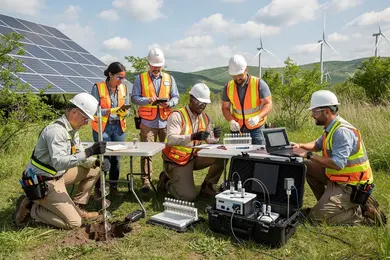
For example, epidemiology coursework focuses on environmental exposure studies, crucial for professionals tasked with public health surveillance related to contamination in air, water, or soil. Students also engage with environmental policy and law, gaining familiarity with frameworks such as the Clean Air Act, essential for compliance-focused roles. Occupational health instruction addresses workplace hazards, tailoring expertise to industries like construction, where environmental safety is closely monitored.
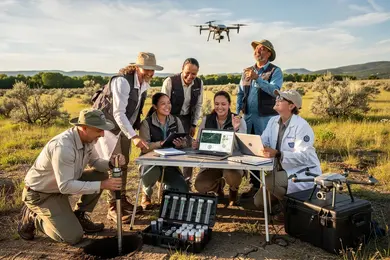
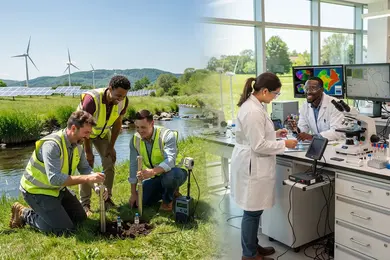
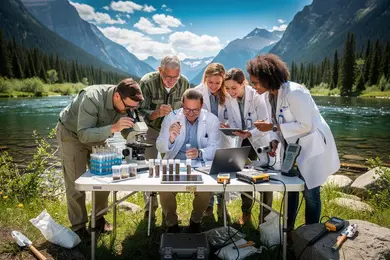
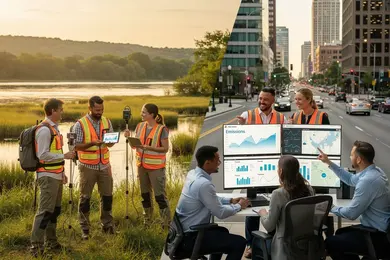
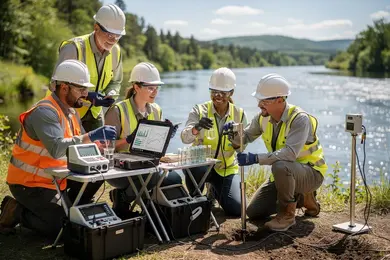
Beyond theoretical learning, hands-on experience in environmental sampling, data analysis, and GIS applications equips candidates with competencies valued in fieldwork, urban planning, and environmental justice advocacy. Such integration reflects a pragmatic response to workforce needs rather than abstract scientific study. The balance of program costs and market entry barriers is significant: accredited online bachelor's programs in this domain start at approximately $4,725 annually, nearly two-thirds below average public in-state four-year tuition, making it feasible for career changers to develop these rigorous competencies.
Prospective students evaluating environmental health courses in 2026 online environmental science degrees should also consider interdisciplinary alternatives such as online library science programs, which may complement their skillset for specialized research positions.
How do online and campus environmental science programs compare?
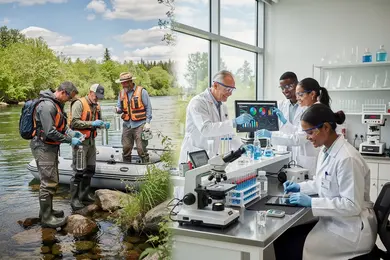
Choosing between online environmental science programs vs campus programs hinges on practical tradeoffs tied to hands-on experience and professional networking. Online options deliver flexible schedules ideal for working professionals balancing family or job duties, facilitating immediate application of technical skills in sustainability and compliance roles. Yet, they frequently lack the depth of lab work and field training that campus programs provide-critical for roles involving environmental sampling or technical remediation projects where employers expect demonstrated equipment proficiency.
The choice becomes particularly significant in environmental science degrees with environmental health focus, where tactile skill development and peer collaboration often bolster complex problem-solving abilities. Campus settings naturally cultivate communication and teamwork through group projects, while online learners must intentionally pursue virtual networking or local internships to build similar competencies. These internships are often more structured and accessible on campus, affecting students' job market readiness.
For mid-career professionals targeting consulting roles within scientific and technical services-fields with reported salaries exceeding $120,000 for experienced staff-online programs can align directly with job responsibilities but may miss nuanced practical exposure. Early-career students without relevant backgrounds may find on-campus study more advantageous for foundational skills and connections.
Ultimately, prospective students should assess their current role, learning style, and advancement timeline carefully. Those considering a shift in focus might also consult whether is a masters in library science worth it fits broader career objectives.
What admission requirements do these programs usually have?
Admission criteria for online environmental science degrees with environmental health emphases reflect workforce realities that prioritize foundational science competency. Programs typically require a high school diploma or equivalent with minimum GPA thresholds around 2.5 to 3.0, though many have moved toward test-optional policies responding to accreditation shifts and pandemic disruptions. Transfer students or career changers often must demonstrate proficiency in biology, chemistry, or math, either through prior coursework or placement exams. These requirements acknowledge that insufficient science preparation delays graduation and undermines employment prospects, especially in roles demanding quantitative aptitude such as environmental consulting.
Employers value candidates who can apply environmental health knowledge concretely, making admissions elements like transcripts, recommendation letters, and personal statements essential to assess motivation and applied skills rather than mere academic metrics. Financial factors also influence enrollment decisions; for example, the University of West Alabama's online bachelor's charges $325 per credit plus a $75 technology fee each semester, positioning it as a cost-conscious option for working adults balancing study and income. Prospective students must account for these fees early to avoid registration delays.
In practical terms, applicants should proactively verify prerequisite requirements with admissions offices to ensure their background aligns with program expectations and to mitigate attrition risks. This clarity helps candidates navigate the tension between accessibility and the rigor needed for long-term career viability in environmental science fields connected to public and occupational health.
How long does an online environmental science degree take?
Completing an online environmental science degree requires strategic time and financial planning, as typical full-time bachelor's programs span four years, while part-time students-often balancing employment or family-may take six to eight years. This extended timeline can delay entry into roles demanding both analytical knowledge and practical skills, such as environmental consultancy or regulatory compliance.
Degree programs generally mandate around 120 credit hours, blending core sciences with specialized environmental health coursework and electives. For example, the University of Arizona Online charges $525 per credit hour, which aggregates to approximately $63,000 for the full degree. Such tuition costs necessitate careful budgeting, especially since financial aid access varies and online degree quality can differ significantly.
Accelerated or competency-based formats offer faster completion but require sustained self-motivation and intensive study, a difficult tradeoff for those managing work and life commitments. Conversely, the conventional part-time path increases program duration but can ease immediate workload pressure while extending the timeline for benefits linked to credential attainment.
Prospective students should also factor in prerequisites and preparatory courses that add time before degree milestones. Effective course sequencing, including summer or intersession options, can reduce overall duration without compromising content depth. Ultimately, aligning duration, cost, and practical skill acquisition is critical to positioning oneself competitively within environmental health and related sectors.
How much do online environmental science degrees cost?
The cost structure of online environmental science degrees directly impacts students' financial strategy, especially those balancing employment and education. Public universities typically charge $200 to $500 per credit, whereas private institutions often exceed $400, sometimes reaching over $1,000 per credit. Total expenses range from approximately $20,000 to $60,000, influenced by factors like program length, credit requirements, and residency status.
Beyond tuition, students must anticipate supplementary costs such as digital materials, lab kits, or occasional on-site residencies, potentially adding $1,000 to $3,000. Part-time enrollment, while offering flexibility, extends completion time and total financial outlay.
- Graduates often pursue roles like climate change analyst or environmental protection specialist.
- Median salaries for these positions average near $82,000 nationally, reflecting steady demand.
- Programs that integrate career services, internships, and credentialing support improve post-graduation employment prospects.
Such data highlights the necessity of assessing total costs against long-term return on investment and labor market realities. Students should critically evaluate programs for transparent pricing, indirect expenses, and career support to minimize unexpected debt and align education with evolving employer expectations.
What jobs can you get with this degree?
Graduates holding an online environmental science degree with a focus on environmental health typically enter the workforce in positions such as environmental health specialist, industrial hygienist, or sustainability coordinator. Early responsibilities emphasize data collection, regulatory compliance, and evaluating health risks-tasks that require familiarity with EPA standards, for example, conducting air and water quality tests within a municipal setting. Progression to roles like senior safety manager demands advanced skills in scientific data interpretation and policy advising on environmental and worker safety.
Salary expectations range from approximately $46,000 for entry-level roles to over $120,000 for seasoned professionals. This disparity signals the demand for expertise in regulatory negotiations and cross-disciplinary project leadership at higher levels.
Practical obstacles include securing field certifications (e.g., Registered Environmental Health Specialist), mastering GIS technology, and developing knowledge in toxicology or epidemiology. Employers prioritize candidates with applied experience, making internships or comparable practical exposure essential. Sector-specific hiring patterns also affect job opportunities, requiring candidates to stay adaptable.
- Continuous skill development in emerging areas like climate resilience and environmental justice analytics is necessary to maintain employability.
- Failure to adapt to evolving workforce demands can significantly restrict career advancement, regardless of technical degree completion.
What is the salary outlook for environmental science graduates?
Environmental science graduates face a complex salary spectrum shaped by geography, sector, and experience, making strategic choices essential. Entry roles frequently hover around $50,000 annually in nonprofits or government, while consulting or corporate sustainability positions may exceed $70,000 within five years. Specialized careers-such as environmental engineering or industrial hygiene-can surpass six figures but typically demand advanced credentials or graduate education.
Cost considerations intensify given undergraduate programs range from $50,000 to $150,000 in tuition and fees, a substantial upfront investment. Online degrees may reduce expenses and offer flexibility, yet their value hinges on accreditation and employer recognition, factors that materially impact job prospects and salary potential.
Regional demand heavily influences wages: states with stringent regulations like California and New York command premiums, whereas rural or less industrialized areas present restricted salary growth regardless of similar responsibilities. Specialists in toxicology or occupational safety exploit regulatory complexities to command higher pay.
Success in this field depends on developing marketable skills-GIS, data analysis, and compliance expertise-and securing internships to stand out amid growing applicant pools. Decisions about location, sector alignment, and credentialing significantly affect return on investment and career trajectory.
Do environmental science careers require licenses or certifications?
Environmental science employment demands hinge heavily on certifications rather than formal licensing, except in specialized regulatory roles. For example, positions in environmental consulting or industrial hygiene generally require credentials like the Certified Environmental Scientist (CES) or Certified Industrial Hygienist (CIH), mandated by bodies such as the National Registry of Environmental Professionals. Candidates without these certifications face tangible disadvantages when seeking roles in government agencies or private firms with strict compliance mandates.
Licensing usually applies to narrowly defined functions involving direct regulatory compliance or hazardous materials management, such as asbestos or lead paint abatement. This legal threshold means that even with an environmental science degree, individuals might need additional state or federal permits to perform specific tasks.
Employers frequently set certifications as a baseline for advancement. An environmental analyst lacking these credentials will likely encounter barriers when pursuing senior or leadership positions in environmental health sectors.
The 2026 OnlineU data shows multiple accredited online environmental science bachelor's programs with total tuition below $30,000. This affordability enables students to strategically invest in post-degree certifications or specialized training necessary for workforce readiness.
- Professional certifications drive employability far more than general licensing in most environmental science roles.
- Licenses are critical primarily in safety-sensitive or regulatory enforcement careers.
- Cost-effective online degrees can reduce financial burdens and support credentialing pathways post-graduation.
Other Things You Should Know About Environmental Science
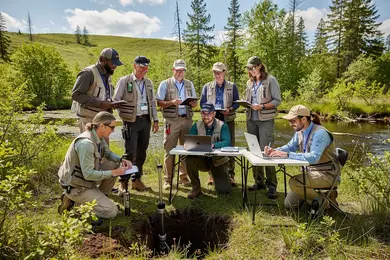
A strong program should require at least one supervised field methods course and one laboratory course, often totaling 3 to 6 credits each. Look for required sampling, GIS, or data-analysis labs, plus documented field hours in air, water, soil, or public-health monitoring.
Balancing full-time work with an online environmental science degree requires disciplined time management and readiness for intensive study periods. Curricula often involve technical lab simulations, data analysis, and environmental field assignments that may require weekend hours or flexible scheduling. Some programs expect synchronous participation or virtual group projects, which can conflict with work hours. Selecting programs with asynchronous coursework and clear flexibility will reduce stress and increase the feasibility of completing the degree without sacrificing job performance.
Choosing between specialized environmental health tracks and broader environmental science programs depends on career goals and employer needs. Specialization offers targeted expertise in pollutant control, toxicology, or regulatory compliance, which appeals to public health agencies and private firms focused on health impacts. Broader environmental science curricula provide versatility but may dilute focus, making it harder to demonstrate expertise for certain roles. For career advancement in environmental health sectors, prioritize programs with strong foundational coursework and applied training aligned with industry certifications.
References
- Online Environmental Science Degrees: Compare Schools https://www.degreesforgood.org/online-degrees/environmental-science/
- Online Environmental Science Degree | BS Environmental Science | University of Phoenix https://www.phoenix.edu/online-liberal-arts-degrees/environmental-science-bachelors-degree.html
- Environmental Certifications for entry-level and career changers https://www.theenvironmentalcareercoach.com/certification-links
- Environmentalsciencedegree https://www.EnvironmentalScienceDegree.org
- CES - Certified Environmental Scientist https://www.nrep.org/certifications/certified-environmental-scientist-ces
- Environmentalscience https://www.environmentalscience.org
- I have a degree, now what? https://targetjobs.co.uk/careers-advice/career-ideas/i-have-degree-now-what
- Environmental health training and courses | Online & in-person courses https://www.cieh.org/training-and-courses/
- Environmental Health | Academy Online Learning https://academyonlinelearning.com/access-environmental-health
- Admissions Criteria https://ed.wum.edu.pl/pl/admissions-criteria