2027 Online Environmental Science Degrees for Sustainability and Climate Careers

Co-Founder and Chief Data Scientist
The urgent demand to address climate change while managing sustainable resources forces professionals to rapidly acquire specialized skills amid shifting job market dynamics. Yet balancing full-time employment, often in unrelated sectors, with advanced education remains a critical barrier.
Recent data from the National Center for Education Statistics reveals a 42% surge in online enrollment among adult learners pursuing environmental and sustainability-related degrees, signaling a tactical pivot toward flexible, career-compatible education models. This trend reflects growing recognition that traditional campus programs often fail to align with the schedules and mobility needs of today's workforce, particularly those aiming for mid-career shifts or upskilling.
Decision-makers in environmental science must weigh program credibility, employer recognition, and applied skills alongside delivery format. This article examines online environmental science degree options tailored to sustainability and climate careers, focusing on their relevance, structure, and labor market impact to guide informed educational choices that support tangible career advancement and sector-specific employment outcomes.
Key Things You Should Know
- Remote environmental science degrees show 15% lower median starting salaries than in-person counterparts per 2024 National Center for Education Statistics, pressuring candidates to weigh cost savings against long-term earning potential.
- Employers increasingly prefer graduates with integrated climate policy and GIS analytics skills, with 68% of 2025 EPA workforce data indicating digital competency as a top hiring criterion.
- Accelerated online formats reduce time-to-completion by 30%, but 2024 Bureau of Labor Statistics alerts highlight elevated dropout risks that can delay workforce entry and increase total education costs.
What is an online environmental science degree and how does it prepare you for sustainability careers?
Employers in sustainability and climate-focused roles increasingly prioritize candidates from online environmental science degree programs that emphasize applied skills over theory. These degrees integrate ecology, chemistry, geology, and data analysis with practical competencies like geographic information systems (GIS), environmental impact assessment, and regulatory compliance.
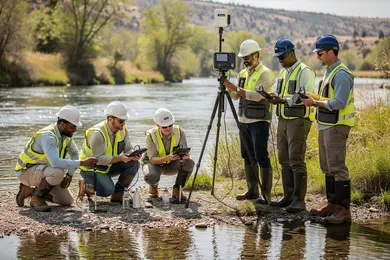
For professionals pivoting into fields such as urban planning, understanding environmental effects on infrastructure is critical, while conservation positions demand expertise in ecosystem monitoring through remote sensing. Choosing programs aligned with the online environmental science degree benefits for sustainability careers requires scrutiny of experiential learning opportunities.
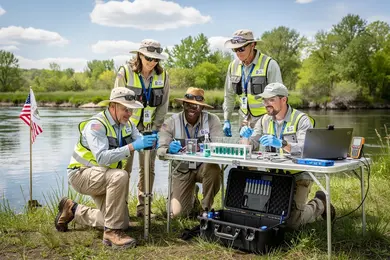
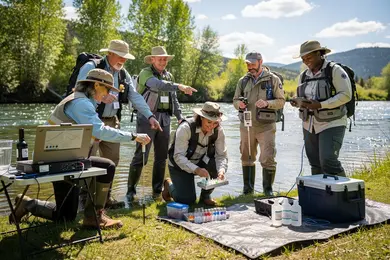
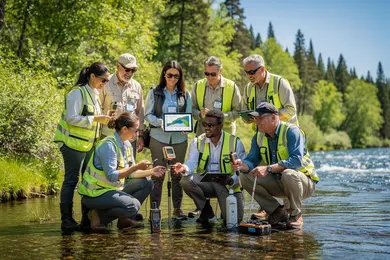
Online delivery offers flexibility but places the onus on students to secure access to virtual labs or partnerships for local fieldwork. Without hands-on training-whether remote internships or lab kits-graduates risk gaps that hinder certification or job readiness.
Developing quantitative analysis, technical writing, and environmental law literacy is essential to meet employer expectations. Labor market trends forecast a 4% growth in environmental scientists and specialists through 2034, translating to about 8,500 annual job openings.
This moderate expansion means competition will intensify, especially for candidates lacking practical experience or up-to-date technical skills. Programs with industry connections and specialized tracks in climate resilience or sustainable resource management provide a tangible edge.
Those assessing best online environmental health and safety programs should weigh these factors alongside curriculum rigor. Additionally, understanding how an online environmental science program prepares climate professionals involves evaluating its integration of real-world policy evaluation and applied science components critical for nonprofit, government, and private sector roles.
How do online environmental science programs compare to on-campus degrees for quality and outcomes?
Online environmental science degree program quality comparison reveals that while accredited online programs match on-campus degrees in academic rigor, they often fall short in delivering practical field experience essential for many roles. Fully online formats typically require students to independently arrange in-person labs, internships, or local fieldwork.
Without these, graduates risk entering the workforce with limited hands-on skills highly valued in sectors like environmental consulting and natural resource management. Employers consistently prioritize applied competencies verified through internships and projects over theoretical knowledge alone.
On-campus programs usually facilitate easier access to university partnerships and specialized equipment, which enhances networking and job referral opportunities. Conversely, online programs offer flexibility for working professionals but demand strong self-direction to secure quality field placements, often resulting in weaker peer and faculty connections.
Outcomes of online versus on-campus environmental science degrees reflect these dynamics. The U.S. Bureau of Labor Statistics reports a median annual wage of $80,060 for environmental scientists and specialists in May 2024, with higher salaries tied to documented practical experience.
Prospective students should weigh the availability of hybrid options or field component support against the challenge of independently obtaining relevant experience. For those also considering adjacent fields, resources like the animal science degree online can offer insights into comparable program costs and structures.
How can you tell if an online environmental science degree program is properly accredited?
Accreditation is a practical filter that directly influences employability and eligibility for federal aid in environmental science. Prospective students must verify if their program is recognized by a U.S. Department of Education-approved regional or national accrediting agency such as the Higher Learning Commission, Middle States Commission on Higher Education, or WASC Senior College and University Commission.
Programs lacking this recognition often fail to meet rigorous academic and industry standards, reducing professional mobility and certification validity. In sectors like government environmental services, degrees from regionally accredited institutions are non-negotiable, as these roles frequently require credentials tied to federal salary structures topping $134,000 for top specialists.
When evaluating how to verify accreditation for environmental science programs, it is also critical to check for programmatic accreditation-for example, through ABET-which aligns technical curricula with workforce demands. Curriculum relevance matters equally.
Programs deficient in sustainability and climate science competencies risk stagnating graduates' career progression. Students should confirm faculty expertise and curriculum currency to avoid limited industry applicability and impediments to certification exams. For a broader understanding of credible academic options, compare different fields; for example, an online library science degree program's accreditation process offers a benchmark for evaluating institutional rigor and recognition across disciplines.
What concentrations and coursework are offered in online environmental science degrees?
Choosing an online environmental science degree concentration requires weighing practical workforce demands against curriculum design and student circumstances. Concentrations aimed at sustainability careers focus heavily on corporate environmental strategies, lifecycle assessments, and green supply chain logistics-skills sought in private sectors managing regulatory compliance and sustainability reporting.
Yet, these tracks often balance technical skill acquisition with ecological theory, necessitating a substantial time investment for competency, especially in remote settings. For roles addressing climate change, environmental science coursework emphasizes atmospheric science, climate modeling, and carbon accounting.
These build the quantitative toolkit needed by government agencies and NGOs involved in climate adaptation policies, but students must commit to mastering advanced data analysis and programming languages like R or Python. This technical intensity can be prohibitive without clear practicum or internship pathways aligned to employer expectations.
Students opting for fieldwork-intensive concentrations face tradeoffs, such as arranging local partnerships or participating in short residencies that complicate schedules, particularly for working professionals. Employers emphasize demonstrable technical skills alongside relevant projects, so integrated practical experiences become decisive.
Reflecting labor market realities, UK environmental science graduates encountered a 6.9% unemployment rate six months after graduation, underscoring the necessity to match degree focus tightly with job market needs. In comparison, some degree pathways like a degree in library science may offer clearer direct employability metrics, highlighting the importance of understanding specific market entry barriers. Prospective students should critically assess how online environmental science degree concentrations for sustainability careers and environmental science coursework for climate change jobs position them in a technically demanding but competitive field.
What are the typical admission requirements for online environmental science bachelor's and master's programs?
Admission criteria for online environmental science bachelor's programs generally emphasize a solid foundation in math and science, including biology, chemistry, and algebra, coupled with a minimum GPA typically between 2.5 and 3.0. Policies regarding standardized tests are shifting toward optional submissions, reflecting an accessibility trend.
Beyond transcripts, applicants may need to provide personal statements or recommendation letters to demonstrate relevant experience and motivation. Master's programs demand a completed bachelor's degree in environmental science or related fields like biology or engineering.
Candidates usually must maintain a GPA of 3.0 or higher and submit GRE scores, although some schools waive this based on work experience or academic record. Practical experience-internships, research, or employment-is particularly influential, given programs' focus on applied skills and leadership potential in sustainability roles.
Wage disparities between environmental scientists and environmental engineers underscore a critical decision point for students. With environmental engineers earning a median salary of $104,170 annually compared to $80,060 for scientists, the choice to pursue engineering-centered training often involves accepting more rigorous admission standards and advanced quantitative coursework. This tradeoff can significantly impact employability and income trajectory within the environmental sector.
How long do online environmental science degrees take and what do they cost?
Choosing an online environmental science degree requires balancing time, cost, and workforce readiness. Accelerated bachelor's programs can cut standard four-year timelines to three, but risk compressing specialized training in areas like climate modeling or sustainability policy.
Conversely, extended part-time enrollment suits working professionals but delays entry into roles that often demand hands-on experience beyond coursework, such as internships with environmental agencies or consultancies. Bachelor's degrees typically range from $30,000 to $70,000 depending on residency, institution type, and fees, with graduate programs averaging $20,000 to $50,000. Out-of-state tuition for public universities might approach private institution costs, impacting financial feasibility.
Students must also consider expenses outside tuition-fieldwork materials, software licenses, and exam fees-that are critical in specialized topics like GIS or environmental monitoring. The U.S. Bureau of Labor Statistics reports a median annual wage of $92,060 for hydrologists, illustrating strong demand within water resource sectors.
Graduates should weigh longer degree durations against opportunity costs of delayed employment. Applied skills and verified internships often matter more to employers than degree prestige, influencing hiring in government and consultancy roles focused on practical environmental challenges. Financial planning and timeline choices directly affect how quickly students enter competitive environmental roles and their capacity to address complex sector demands.
What sustainability and climate-focused careers can you pursue with an environmental science degree?
Choosing a degree in environmental science leads to diverse roles that balance technical skill sets with sector-specific demands and geographic realities. For instance, conservation scientists and foresters earned a median wage of $69,060 as of May 2024, highlighting localized opportunities in land and resource management where expertise in ecological assessments and regulatory compliance is critical.
Jobs in urban development stress data analysis and GIS proficiency, addressing challenges like stormwater management and urban heat mitigation under increasing policy pressure for measurable environmental outcomes. Renewable energy roles demand nuanced understanding of federal and state regulations, ecosystem protection laws, and carbon footprint modeling to mediate project feasibility and sustainability.
Those targeting climate policy or advocacy confront institutional constraints that often slow implementation, emphasizing the need for skills in environmental risk assessment and policy analysis. Progression into senior or specialized positions frequently requires graduate-level study or robust professional experience in climate policy, environmental law, or sustainability management.
What salary ranges and earning potential are common for environmental science and sustainability roles?
Salary outcomes in environmental science and sustainability strongly depend on specialization, sector, and geographic factors, creating important considerations for students and professionals alike. Entry-level positions in environmental consulting or regulatory compliance typically offer salaries between $50,000 and $65,000, reflecting limited budgets and foundational skill requirements.
By contrast, roles that blend technical expertise with leadership-such as environmental engineers or sustainability directors-routinely surpass $100,000 annually. For example, environmental engineers rank in the 90th percentile wage at $144,810, according to the U.S. Bureau of Labor Statistics.
This premium highlights the advantage of combining engineering skills with climate policy knowledge. However, government and natural resource management roles often offer lower ceiling salaries but compensate with job stability and benefits, illustrating a tradeoff between immediate compensation and long-term security.
Market dynamics favor candidates who invest in graduate education or certifications in areas like data analytics and environmental modeling to unlock senior roles. Private sector jobs, especially in renewable energy or consulting firms, tend to pay higher salaries and may include performance-based bonuses.
For instance, a project manager in a Fortune 500 corporate sustainability initiative might start around $90,000 but can exceed six figures with experience and results. Prospective entrants must weigh the balance between starting salary, career growth, and sector expectations when planning educational investments and job searches.
What is the job outlook for environmental science, sustainability, and climate-related careers?
The employment landscape for environmental science, sustainability, and climate-related roles is sharply divided by sector expertise, requiring targeted technical and regulatory competencies. In 2022, the U.S. workforce included roughly 80,500 environmental scientist positions, with growth concentrated in energy, government, and consulting sectors.
These employers highly value applied skills such as environmental impact assessments, GIS mapping, and regulatory compliance. For example, professionals concentrating on urban sustainability need strong familiarity with local zoning regulations and infrastructure challenges, while those in renewable energy must collaborate closely with engineering teams.
Navigating this segmented market often demands interdisciplinary capabilities, combining environmental science with data analysis or policy acumen to stand out. Job seekers generally confront geographic clustering in metropolitan hubs or regulatory centers, limiting options without relocation and shaping salary potential.
Entry-level openings typically require 2-3 years of practical environmental fieldwork, pushing recent graduates to secure internships or specialized training immediately after completing degrees. Trade-offs arise as employers increasingly seek not only scientific rigor but also effective communication and policy translation skills, pressuring candidates to expand beyond core technical knowledge. Without project-based experience or relevant credentials, candidates risk stagnating below advanced roles or consulting contracts.
How should you evaluate and choose a reputable online environmental science program in the U.S.?
Choosing an online environmental science program requires more than verifying accreditation; it demands assessing how well the curriculum maps to specific career sectors. For example, renewable energy roles are set to grow 12% from 2024 to 2034 according to the U.S. Bureau of Labor Statistics, making programs with a focus on sustainable energy technologies more likely to enhance employability in expanding markets.
A mismatch between a program's specialization and your intended job market can limit your practical readiness and hiring prospects. Faculty expertise and program resources shape skill development-access to remote labs, data analysis tools, and structured internship or fieldwork opportunities materially affect the ability to transition from theory to applied work.
Programs lacking strong industry partnerships often result in fewer meaningful employment connections, an important consideration when evaluating post-graduation outcomes. Graduation rates and recent job placement data that align with your chosen specialty provide useful indicators of a program's workforce relevance.
Delivery format-synchronous versus asynchronous-also impacts networking possibilities and time management, critical for professionals balancing study with work. Cost must be weighed against expected returns: compare tuition against realistic starting salaries within the environmental science sector.
Without this balance, students risk over-investing in credentials that do not translate into viable employment. Ultimately, selecting a program with rigorous accreditation, clear specialization aligned to market growth, and transparent outcome metrics will best position candidates for roles in climate-resilient infrastructure, policy, or renewable energy industries.
Other Things You Should Know About Environmental Science
Online environmental science programs often demand more self-discipline due to asynchronous coursework and limited face-to-face interaction. While flexible, the workload can be intense because students must independently manage complex topics, lab simulations, and research projects. Those without prior science coursework or strong time management skills should expect a steeper learning curve and consider hybrid or cohort-based models for more support.
Employers in environmental fields increasingly recognize accredited online degrees but still value demonstrated practical skills and applied experience over the mode of instruction. Graduates who supplement online degrees with internships, certifications, or real-world projects generally see better hiring outcomes. When choosing a program, focus on how well it integrates applied learning components and prepares you for professional networking.
Most programs require one year of high school or college biology, one semester each of chemistry and algebra, and sometimes precalculus or statistics. Some schools also ask for a minimum 2.5 GPA before admission. For upper-division transfer students, completed general education credits are often required.
References
- Is a degree in environmental science worth it? | edX https://www.edx.org/resources/is-a-degree-in-environmental-science-worth-it
- Online Environmental Science Degree | BS Environmental Science | University of Phoenix https://www.phoenix.edu/online-liberal-arts-degrees/environmental-science-bachelors-degree.html
- 2025 Most Affordable Online Environmental Science Degrees https://www.onlineu.com/most-affordable-colleges/environmental-science-degrees
- What Can You Do With an Environmental Science Degree? https://willamette.edu/academics/college/environmental-science/career-options
- Best Majors for Climate & Sustainability Careers | Student Guide https://pathivy.com/blog/best-majors-for-climate-sustainability-careers-student-guide
- Environmental Career Profiles Australia https://environmentaljobs.com.au/resources/environmental-sustainability-careers
- The Future of Green Jobs: Non-Traditional Roles in Sustainability and Social Impact - Green Career Centre https://www.greencareer.ca/whats-new/the-future-of-green-jobs-non-traditional-roles-in-sustainability-and-social-impact/
- Environmental Job Market Trends | ECO Canada https://eco.ca/research-and-resources/environmental-job-market-trends/
- Online Environmental Science Degrees: Compare Schools https://www.degreesforgood.org/online-degrees/environmental-science/
- Careers in Sustainability https://www.sustainabilitydegrees.com/careers/