2027 Online Environmental Science Degrees With Climate Science Career Alignment

Co-Founder and Chief Data Scientist
Experienced environmental professionals and students often struggle to find flexible degree programs that align with rapidly evolving climate science careers while balancing work and personal commitments. The U.S. Department of Education reports that online enrollment surged by over 6% in 2024, reflecting growing adult learner demand for adaptable education paths that support career shifts without geographic constraints.
This shift signals a critical reevaluation of program structures among prospective students aiming to enter fields requiring both scientific expertise and practical policy understanding. This article examines current online environmental science degrees tailored to emerging climate science roles, helping readers identify programs that match their career timing, mobility, and specialization needs.
Key Things You Should Know
- Remote environmental science degrees face a 12-month average completion timeline, often extending costs by 15%, per National Student Clearinghouse, pressuring candidates balancing ongoing employment against accelerated career entry.
- Employers increasingly prioritize candidates with verified climate modeling proficiencies and GIS certifications post-pandemic EPA workforce studies, challenging generic environmental science degrees to integrate specialized skills for meaningful job placement.
- Tradeoffs intensify as programs with strong climate science alignment frequently require advanced quantitative methods, raising attrition risk among non-STEM entrants and intensifying selection pressure on prospective students.
What is an online environmental science degree and how does it focus on climate science?
Online environmental science degree programs focusing on climate science equip students for data-intensive roles that demand practical skills in analyzing and modeling environmental phenomena. These programs integrate core scientific principles with climate science applications, enabling graduates to work in fields such as urban planning, where assessing climate resilience is essential, or in energy sectors targeting emissions reductions.
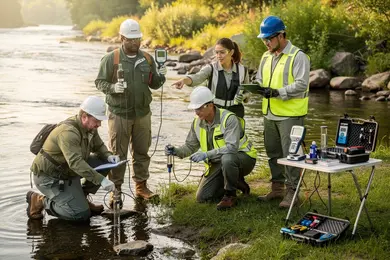
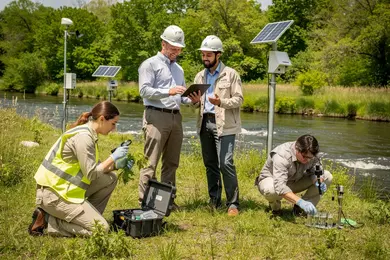
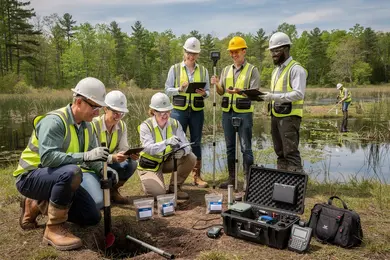
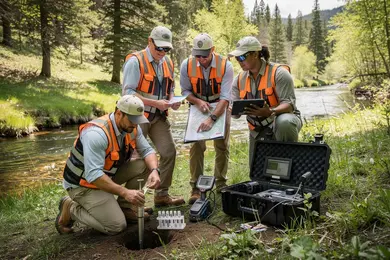
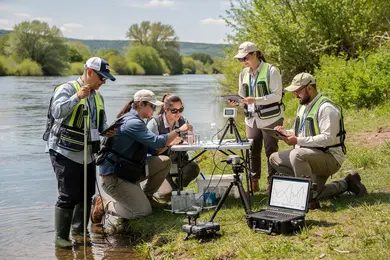
However, the remote structure necessitates self-directed acquisition of hands-on experience, often through local internships or collaborations, since employers prioritize applied competencies in technical climate science positions. Key challenges include navigating remote access to labs, GIS tools, and climate simulation software while compensating for the absence of on-site fieldwork.
Students who strategically supplement virtual learning with real-world projects enhance their competitiveness in a job market where demonstrated skills in environmental data interpretation, policy analysis, and sustainability strategy strongly influence hiring decisions. With 41% of U.S. college students enrolled partially or fully online, the prevalence of these programs has increased, underscoring the importance of verifying practical components within curricula.
Climate science career pathways through environmental science degrees increasingly hinge on a balanced mix of flexible learning and verifiable applied experience, particularly for positions involving regulatory compliance or environmental consulting. Prospective students should explore jobs for environmental science majors to align program choices with tangible employer expectations and secure a foothold in competitive climate-related roles.
How do online environmental science programs compare with campus-based options for climate science training?
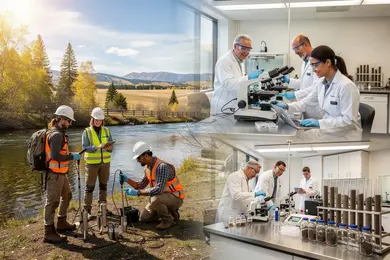
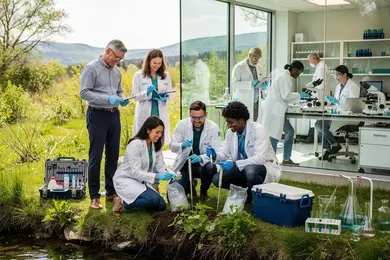
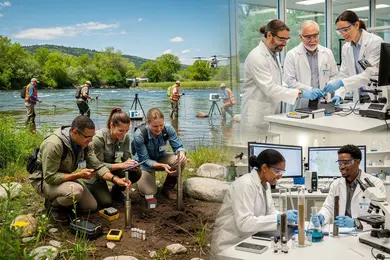
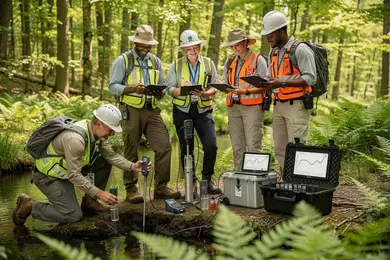
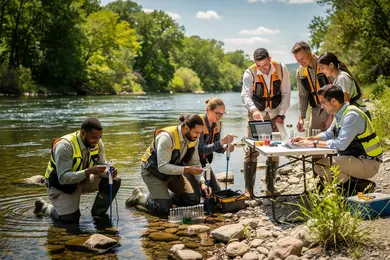
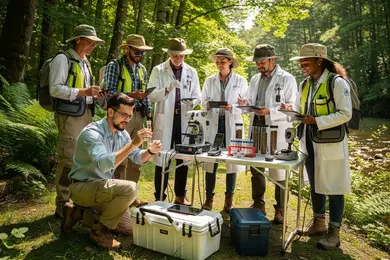
Campus-based climate science training maintains a distinct advantage in delivering hands-on experience essential for entry into environmental scientist roles that demand practical skills like field sampling and GIS applications. Employers in government and consulting sectors emphasize direct exposure to labs, fieldwork, and internships, which online environmental science degrees often lack unless supplemented by local or hybrid practicum arrangements.
Those pursuing online environmental science degrees compare with campus students primarily in theory but face challenges acquiring comparable field experience without proactive efforts to secure remote or regional partnerships. This tradeoff can extend time-to-employment or necessitate extra certifications to meet the practical expectations introduced by 8,500 annual job openings projected by the U.S. Bureau of Labor Statistics for this sector through 2034.
Online learners benefit from flexibility, accommodating working professionals and caregivers, yet they frequently encounter gaps in peer collaboration and immediate mentorship, factors that established campus programs better facilitate and that often improve employment outcomes. Networking limitations particularly impact those aiming for specialized climate roles such as carbon accounting or environmental policy analysis.
Decisions about online versus campus pathways must consider personal discipline, internet reliability, and career focus areas. Campus programs impose more structured timelines and resource access, easing professional development, whereas online degrees require self-direction. For a detailed overview of program costs and logistics, see the analysis on the best online animal science degree options.
How online environmental science degrees compare with campus-based climate science training elucidates critical differences influencing workforce readiness and long-term career integration within sustainability and regulatory frameworks.
What types of online environmental science degrees are available and which best align with climate careers?
Choosing an online environmental science degree program with a climate focus requires prioritizing technical skills that meet employer demands in climate policy, carbon management, and data-driven climate risk analysis. Degrees emphasizing applied climate modeling and environmental economics align most closely with roles requiring targeted climate insights, unlike broader environmental degrees that often necessitate additional specialization to pivot effectively into climate science careers.
Practitioners shifting to renewable energy project management or climate change policy should prioritize sustainability and energy systems coursework over general ecology to enhance practical readiness. Students eyeing regulatory or conservation roles might find general environmental science degrees adequate but will need complementary training in GIS or climate data analytics to remain competitive in climate-centric job markets.
Cost considerations are significant. Accredited online environmental science bachelor's degrees typically range from $36,000-$60,000+ in tuition, offering better ROI than many on-campus options and freeing resources for additional certifications or graduate education critical for specialization. Balancing price with program content is a key decision factor for candidates targeting climate science trajectories.
For those evaluating the best online environmental science degrees for climate science careers, focus on programs that integrate explicit climate science elements and maintain solid accreditation to improve employability and control educational time and expense. Professionals should also examine program outcomes relative to their career pivot ambitions to avoid investing in broad degrees that lack focused application.
Prospective students can compare related program options, including the best online nutrition degree, to understand how specialized online degrees position candidates differently depending on industry demands and skill alignment.
How can students verify accreditation and program quality for online environmental science degrees?
Accreditation verification directly impacts whether an online environmental science degree holds practical value in the workforce. Students must confirm regional or national accreditation recognized by the U.S. Department of Education or the Council for Higher Education Accreditation rather than rely on unrecognized agencies or mere state licenses, which often fail to meet employer standards or support professional certification.
Program quality assessment should move beyond course titles to evaluate current alignment with climate science and industry needs, emphasizing applied learning such as internships or projects partnered with environmental agencies. These practical components matter because environmental scientists and specialists earned a median annual salary of $80,060, with experienced professionals exceeding $120,000 in specialized roles.
Graduation rates, job placement, and employer networks offer concrete data on program efficacy, but direct contact with alumni can reveal whether degrees translate into meaningful credentials or strategic career pivots in climate-focused sectors. Given the substantial investment involved in higher education, prospective students may benefit from comparative cost insights found in resources like the MLIS degree cost listings to balance price against program value and long-term outcomes.
Within this context, verifying program quality for environmental science degrees online requires a disciplined approach that prioritizes real-world outcomes over institutional reputation or marketing claims to mitigate risks of stalled career progress.
What climate science and sustainability courses are typically included in online environmental science curricula?
Online environmental science degrees with a focus on climate science and sustainability must reconcile technical depth with practical workforce demands. Graduates primarily enter roles requiring fluency in climate systems, data analytics, and policy compliance-skills that remote work trends have made more essential, especially given a 60% rise in remote opportunities for sustainability professionals in 2024.
Key coursework includes climate change fundamentals, GIS for environmental impact quantification, and energy system management aligned with decarbonization strategies. Practical competence in statistical programming languages like R or Python is often indispensable for modeling and risk assessment roles, while policy tracks emphasize international climate frameworks and stakeholder engagement. These elements shape divergent career paths:
- Technical analyst roles demand extensive hands-on experience with climate modeling and data platforms.
- Managerial or policy positions require interdisciplinary training combining scientific knowledge with regulatory navigation and advocacy skills.
Students targeting environmental consulting or public agency compliance should prioritize programs integrating lifecycle assessment and environmental impact evaluation. Meanwhile, those advising municipalities on climate adaptation must grasp regional vulnerabilities and resilience planning. Failure to align program strengths with intended career trajectories risks skill gaps and diminished employability.
What are the usual admissions requirements and prerequisites for online environmental science bachelor's and master's programs?
Online environmental science bachelor's programs demand applicants to have a solid foundation in science and math, typically evidenced by a high school diploma or equivalent and a GPA around 3.0. Admission committees prioritize coursework in biology, chemistry, and environmental studies to ensure students can engage productively with core classes.
While some schools still require SAT or ACT scores, many have adopted test-optional policies, shifting focus toward personal statements that clarify professional intent and alignment with environmental stewardship. Master's level programs expect a relevant bachelor's degree, usually with prerequisites in statistics, ecology, environmental policy, and quantitative methods, and a minimum GPA near 3.0.
Work experience in environmental sectors can provide an edge but is often not mandatory. GRE requirements have waned, with many programs favoring professional recommendations and demonstrated applied skills. The implication for working professionals-such as an environmental consultant aiming to transition to climate data analysis-is the need to verify program flexibility, especially regarding synchronous sessions or fieldwork schedules.
Weekend labs and limited residency options can significantly affect feasibility. The growing volume of online environmental science degrees, with over 60 programs available in Australia alone as tracked by Open Universities Australia, increases choice but simultaneously requires careful scrutiny of accreditation and program rigor to avoid investing in credentials that may not translate into meaningful career progression.
How long do online environmental science degrees take, and what do they cost compared with campus programs?
The time to complete an online environmental science degree varies by enrollment status and program intensity, with accelerated bachelor's paths enabling completion in approximately two years for students with prior credits, while traditional bachelor's programs typically span four years. Master's degrees are usually completed in 18 to 24 months online, providing working professionals greater flexibility.
However, these programs maintain similar per-credit tuition compared to on-campus options, meaning cost savings primarily stem from avoiding relocation, commuting, and housing expenses rather than reduced tuition. Choosing a fully online format can create a disconnect with employer expectations in sectors like environmental consulting and government, where hands-on lab work or field experience remains valued.
Hybrid or accredited synchronous programs often mitigate these concerns but may extend time-to-degree due to required in-person components. Online students focused on climate science, policy, or data analysis benefit from programs that meet or exceed traditional academic standards, as seen in enrollments from over 50 states and numerous countries. Yet, employers may differentiate between purely online credentials and those augmented by practical experience.
Prospective students must weigh these tradeoffs:
- Flexible pacing suits those balancing full-time work or gradual transitions.
- Traditional or hybrid programs better serve candidates targeting intensive research or field-based roles.
- Cost savings from online study offset by potentially limited practical exposure and employer preferences.
According to College Board data, average annual undergraduate tuition at public institutions for in-state students is near $10,000, with out-of-state and private schools charging around $25,000 regardless of delivery mode.
What climate-focused career paths can graduates pursue with an online environmental science degree?
Graduates with an online environmental science degree enter roles requiring precise quantitative analysis, climate modeling proficiency, and policy literacy. Positions such as atmospheric scientists earn median salaries around $97,450, reflecting employer demand for advanced data interpretation skills. In federal or private sector settings, these professionals analyze weather and climate trends crucial for forecasting and risk assessment.
Policy analysts handle complex regulatory frameworks, converting scientific findings into actionable guidance that can shape legislation or sustainability strategies. This role demands both technical knowledge and clear communication, differentiating it from environmental consultants who focus on regulatory compliance and direct client engagement related to project feasibility and impact mitigation.
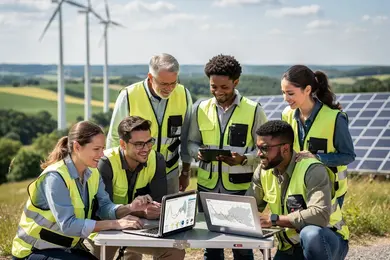
Renewable energy analysts combine climate data with market insights to advise on clean energy investments and infrastructure planning, requiring fluency in environmental conditions and economic drivers. Choosing relevant program concentrations-such as climate modeling, GIS, or environmental law-is necessary to meet employer expectations in these specialized roles.
Key challenges for graduates include securing certifications, collaborating across disciplines, and maintaining up-to-date expertise amid evolving methodologies. Employers often prioritize hands-on experience, making internships or research aligned with climate science vital. These career paths emphasize analytical rigor and pragmatic problem-solving informed by current environmental science demands.
What salary ranges and job outlook can environmental science and climate professionals expect in the U.S.?
Environmental science roles in the U.S. demand interdisciplinary expertise that integrates technical, regulatory, and policy knowledge, with environmental engineers exemplifying this blend. These professionals earned a median salary of $104,170 in 2024, reflecting market value for skills addressing complex climate adaptation and sustainability challenges. Job growth at 7% through 2033 surpasses average occupational expansion, buoyed by infrastructure projects and evolving compliance demands.
Salary trajectories vary by sector and experience. Entry-level positions in private renewable energy or consulting firms often start near $70,000, rising sharply with certifications and proficiency in climate risk modeling. Government roles trade rapid salary growth potential for stability, with mid-career pay typically between $80,000 and $110,000. Navigating bureaucratic pathways and mastering grant writing enhance advancement prospects.
Those pivoting careers face a key tradeoff: specializing deeply in technical tracks requiring advanced degrees versus broader environmental management roles offering wider access but lower salary ceilings. Practical program choices should keenly consider this balance, especially as skipping advanced credentials tends to limit earnings below the $104,170 median.
Aligning educational investment with these realities enables candidates to target fast-growing sectors where environmental science skills translate to tangible salary and job security gains, rather than abstract credential accumulation.
Are professional certifications or licenses needed for climate science and environmental careers, and how do degrees prepare students?
Professional certifications and licensure can be decisive differentiators in environmental science careers, particularly where regulatory compliance and public safety oversight intersect. For example, environmental engineers typically need professional engineering (PE) licensure to lead infrastructure projects under state and federal guidelines. Roles handling hazardous materials or remediation often require OSHA or state-specific environmental permits.
Conversely, many environmental scientist and analyst positions weigh academic credentials and technical training more heavily than formal licenses. Environmental science degrees develop essential expertise in ecology, chemistry, geology, GIS, and climate modeling, often integrating coursework on sustainability, policy, and regulatory frameworks aligned with evolving industry demands.
The U.S. Bureau of Labor Statistics projects a 7% growth in analytical environmental jobs through 2033, outpacing a decline in forestry and conservation roles. This shift favors candidates who combine academic degrees with applied certifications like Certified Environmental Professional (CEP) or Leadership in Energy and Environmental Design (LEED). Such combinations reflect employers' preferences for professionals balancing technical competence and regulatory knowledge.
Students targeting public agencies or consulting sectors should consider programs that embed certification pathways or collaborate with credentialing bodies, minimizing delays between graduation and qualification. Without these credentials, individuals risk stalling in highly regulated segments where compliance expertise is nonnegotiable, limiting long-term career flexibility and advancement.
Other Things You Should Know About Environmental Science
Many climate-focused online environmental science programs require 120 to 300 internship hours before graduation. Programs that align best with climate science careers also include a capstone, field methods lab, and at least 30 semester credits in atmospheric science, ecology, or geospatial analysis.
In 2027, online environmental science programs increasingly incorporate virtual simulations, at-home lab kits, and partnerships with local organizations to ensure students gain necessary fieldwork experience. These innovative methods strive to offer hands-on practice comparable to traditional programs, aligning with climate science career needs.
Prioritize programs with a curriculum tightly integrated with climate data science, policy analysis, and sustainability practices over those with broader environmental scopes. Employer demand focuses on graduates who can interpret climate models, work with environmental regulations, and communicate impact assessments effectively. Also, consider program connections to industry or governmental internships that facilitate employment pathways post-graduation.
References
- Online Environmental Science Degrees: Compare Schools https://www.degreesforgood.org/online-degrees/environmental-science/
- Environmental Science https://ucr.nl/education/courses/environment-sustainability/environmental-science/
- Educational Pathways for Climate Careers: Degrees and Certifications | EuroClimateJobs https://www.euroclimatejobs.com/article/764/educational-pathways-for-climate-careers-degrees-and-certifications
- Is a degree in environmental science worth it? | edX https://www.edx.org/resources/is-a-degree-in-environmental-science-worth-it
- CES - Certified Environmental Scientist https://www.nrep.org/certifications/certified-environmental-scientist-ces
- Environmental Science Degree Jobs | University of Phoenix https://www.phoenix.edu/articles/environmental-science/environmental-science-degree-jobs.html
- Environmental Sciences https://dein-studium.uni-hohenheim.de/en/applying-and-enrollment/applying/application-for-masters-in-environmental-sciences-soil-water-biodiversity
- Certified Climate Change Professional (CC-P®) Credential — Association of Climate Change Officers https://climateofficers.org/certification-professional
- Environmental Science Courses & Degrees https://www.open.edu.au/study-online/science/environmental-science