2027 Online Environmental Science Degrees With Strong Conservation Training

Co-Founder and Chief Data Scientist
Environmental professionals face mounting pressure to integrate rigorous conservation techniques amid escalating ecosystem degradation and regulatory shifts. Nearly 45% of students enrolled in environmental programs now prioritize flexible, online formats, according to the National Center for Education Statistics, reflecting a broader demand for accessible education that accommodates career interruptions and geographic constraints. This trend signals a shift away from traditional campus-centric models, compelling prospective learners to reconcile program quality with scheduling agility.
Employers increasingly seek candidates versed in applied conservation methods, yet graduates often struggle to find programs that balance scientific depth with practical training. This article evaluates online environmental science degrees emphasizing conservation, guiding decision-makers through options that align academic rigor with real-world applicability.
Key Things You Should Know
- Online environmental science degrees with conservation focus often prioritize ecosystem management over quantitative skills, limiting graduate eligibility for data-intensive roles despite rising market demand-Environmental Protection Agency data shows 22% growth in analyst jobs requires advanced statistical competency.
- Employers increasingly value internship-integrated programs; 63% of hiring managers in the environmental sector report practical field experience as decisive, pressuring online programs to forge stronger local partnerships, which remains uneven nationally.
- Cost disparities remain significant: recent National Center for Education Statistics data indicate online degrees vary up to 45% in tuition for similar conservation curricula, forcing career-advancing students to balance affordability against program reputation and networking access.
What is an online environmental science degree with a conservation focus?
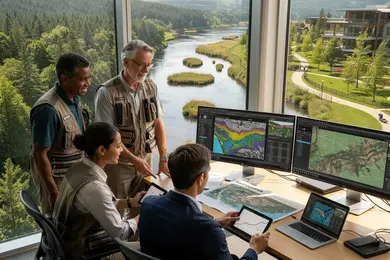
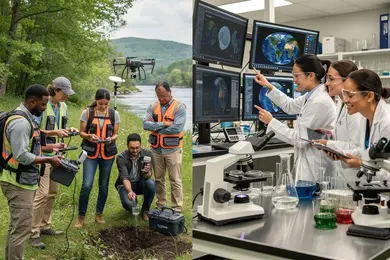
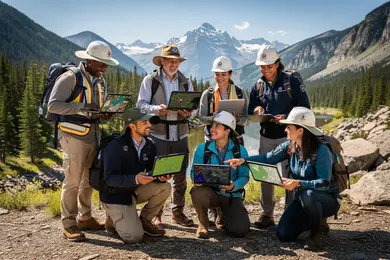
Online environmental science degrees with conservation training deliver targeted expertise essential for roles centered on ecological preservation and sustainable resource management. Graduates equipped with this specialized knowledge often apply practical skills in GIS mapping, field data analysis, and environmental impact assessments to complex scenarios, such as balancing species protection with regional economic development. This focus contrasts with broader environmental science programs that may lack the applied conservation components critical for careers in forestry, environmental consulting, or state wildlife agencies facing real-world ecosystem challenges.
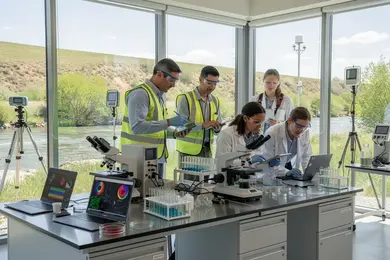
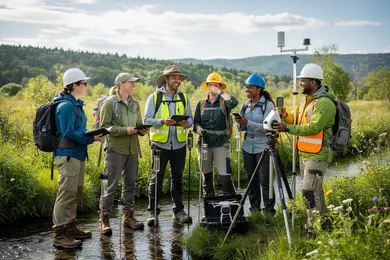
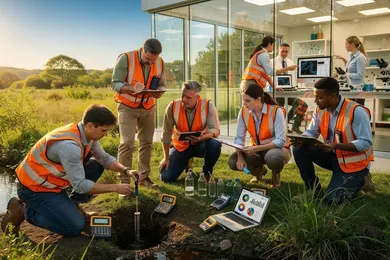
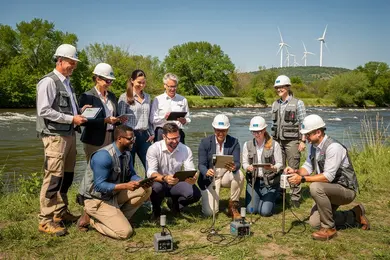
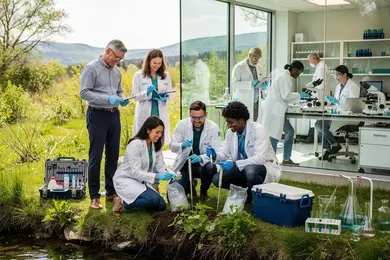
The choice of a program must consider how well it integrates conservation skills with hands-on learning, whether via virtual labs, hybrid formats, or field internships that simulate authentic conservation environments. Limited fieldwork opportunities remain a significant barrier for many, impacting employability in specific technical roles. Attention to accreditation and alignment with industry certifications further distinguishes programs likely to yield meaningful employment outcomes.
Students should evaluate how a curriculum supports competencies recognized by employers, especially in niches requiring applied conservation expertise. This evaluation is crucial given the projected 6,900 annual job openings in environmental science specialties through 2032, outpacing average occupational growth. Additionally, prospective learners often need to weigh cost, program length, and faculty background in conservation science to optimize career ROI.
Integrating skills from environmental science programs focused on conservation skills with proficiency in geospatial technologies strengthens career prospects. Resources such as the best GIS programs in the US serve as valuable references for aligning technical competencies in this evolving sector.
How do online environmental science programs compare to campus-based options for conservation training?
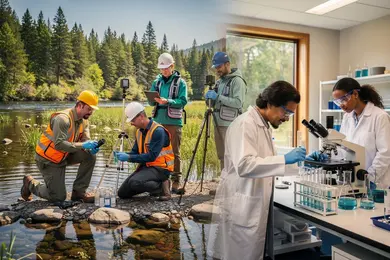
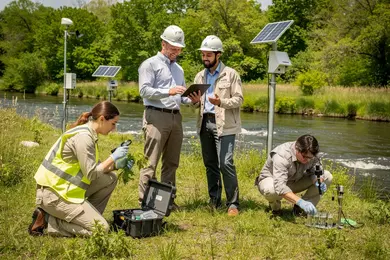
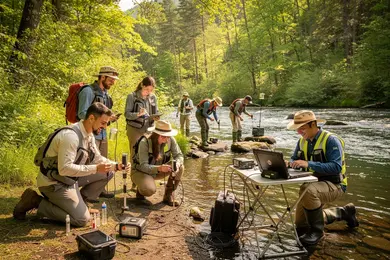
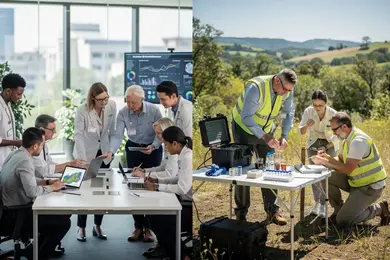
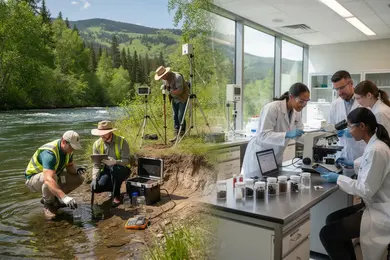
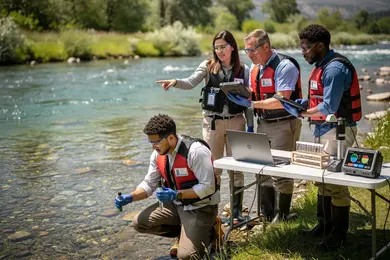
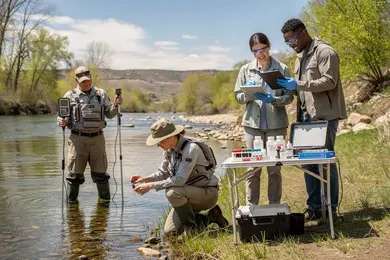
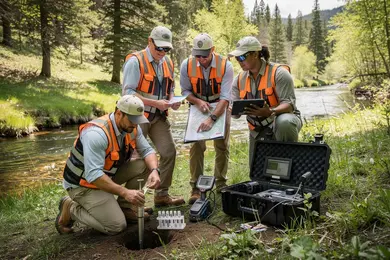
Online environmental science programs with conservation training often deliver comparable theoretical knowledge and regulatory understanding to campus-based courses but fall short in providing consistent hands-on and fieldwork experience. This disparity matters for roles in environmental consulting and habitat restoration, where agencies expect proficiency in sampling techniques and field data collection obtained through supervised, in-person instruction.
The practical gap has tangible workforce implications: campus programs facilitate networking and immediate access to equipment and ecosystems, easing entry into jobs that rely on direct environmental interaction. In contrast, a comparison of online versus campus environmental science courses for conservation reveals online students must independently arrange field experiences or supplement their training with additional certifications, which can be hindered by geographic or scheduling constraints.
These considerations weigh heavily on employability in the expanding U.S. environmental consulting market, which grew to $43.7 billion in revenue with steady annual increases. Employers expect candidates to demonstrate applied skills alongside policy expertise, making self-driven fieldwork essential for distance learners.
Prospective students should weigh these tradeoffs against personal circumstances and career goals. For those balancing work or location limits, hybrid approaches or external hands-on opportunities become critical. For broader options including related fields, exploring a master of data science online may offer complementary analytical skills valued in conservation projects.
Which accredited U.S. schools offer reputable online environmental science degrees?
Choosing among online environmental science degree programs in the US with conservation focus requires balancing curriculum design against career outcomes and student circumstances. Oregon State University's bachelor's program prioritizes applied conservation through virtual labs and simulations, enabling students without location flexibility to gain hands-on skills. In comparison, Colorado State University's online master's targets professionals with prior field experience, emphasizing conservation biology and environmental policy to prepare for leadership roles influencing regulations or corporate sustainability.
The University of Florida offers a hybrid approach combining ecological theory and advanced data analysis, producing graduates capable of roles requiring both extensive field knowledge and proficiency in remote sensing technologies. This blend meets a market need for specialists who couple conservation competence with quantitative analysis.
Employers value candidates who integrate conservation training with robust data skills. The U.S. Bureau of Labor Statistics lists a median annual wage near $78,980 for environmental scientists, with senior roles exceeding $137,000, particularly in federal agencies, consultancies, or corporate sustainability departments.
When evaluating top accredited US schools offering online environmental science degrees, consider accreditation, technology relevance such as GIS, and certification alignment. Internships and policy-oriented training elevate practical readiness amid growing demand for climate resilience expertise.
For insights beyond environmental science, prospective students might also explore options like an online library science degree to diversify their academic portfolio or pivot fields.
What conservation-focused courses and fieldwork are included in these online programs?
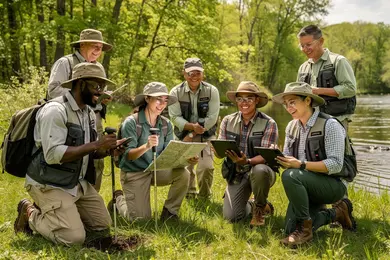
Effective online environmental science degrees that prioritize conservation-focused courses and practical fieldwork enable students to meet employer expectations for applied ecological skills. These programs typically allocate 20-30% of 120 to 130 credit hours to hands-on conservation training and ecological field experience, balancing flexibility with essential competencies like species monitoring, GIS mapping, and environmental impact assessment.
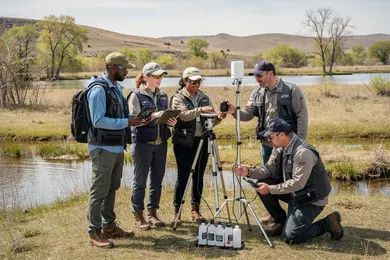
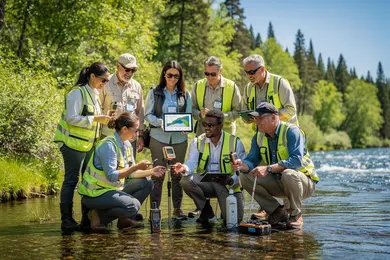
Fieldwork arrangements pose a distinct challenge; securing credible local internships or environmental partnerships often requires student initiative. Programs neglecting substantial experiential learning risk underpreparing graduates for roles in federal agencies, conservation nonprofits, or environmental consultancy firms, where practical skills in habitat restoration and regulatory compliance are vital.
Consider a working professional seeking to pivot into park management: besides core science, they must gain facility with community engagement and policy enforcement-elements best acquired through applied learning rather than purely theoretical study.
Data from EducationData.org shows the rise of online enrollment, with over 3.7 million U.S. students learning exclusively online and increasing demand for specialized conservation training.
For those shaping career plans, understanding costs is crucial; exploring details like MLIS degree cost insights can provide comparative pricing perspectives when budgeting educational investments.
What admission prerequisites do online environmental science degree programs typically require?
Admission into online environmental science degree programs hinges on demonstrated mastery of foundational sciences and quantitative skills, a requirement shaped by employer demand for analytical rigor in roles spanning conservation, policy, and industry. Applicants typically must have completed high school-level biology, chemistry, and math courses, with many programs requiring lab-inclusive versions to reflect real-world scientific methods.
For working professionals seeking career shifts, prior college credits in math or science-validated via transcripts, standardized assessments, or relevant work experience-can accelerate degree progress, mitigating both time and financial burdens. For example, Southern New Hampshire University's online BS in Environmental Science charges $330 per credit hour, which totals $39,600 for 120 credits before transfer, illustrating the cost impact of successfully leveraging existing coursework.
Beyond transcripts and letters of recommendation, competitive programs value documented field experience such as internships and volunteer work, aligning admission filters with employer expectations that prioritize applied skills and professional exposure. This anchor in practical competence is critical since errant assumptions about prerequisite equivalencies or insufficient documentation can delay enrollment, particularly affecting working adults balancing job and study commitments.
Choosing a program also demands alignment between prerequisites and the student's targeted environmental sector, as technical demands vary considerably-from the ecological focus prevalent in conservation agencies to more quantitative lab emphasis in industrial sustainability roles.
How long do online environmental science degrees take and what do they cost?
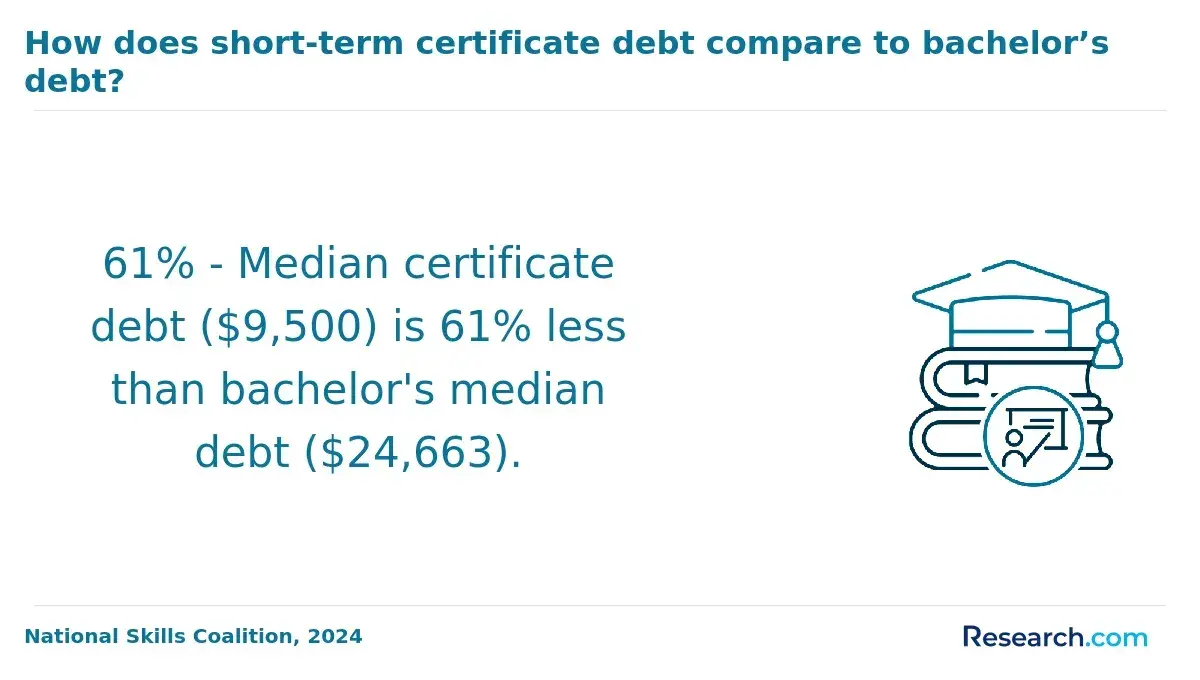
Choosing an online environmental science degree requires clear evaluation of time, cost, and workforce relevance, especially when balancing existing job commitments. Bachelor's programs typically span four years full-time, though accelerated options leveraging transfer credits can reduce this to about three. Part-time schedules frequently extend completion beyond five years, impacting both tuition costs and income stability. Total tuition varies widely: public universities range from approximately $15,000 to $40,000, while private institutions can exceed $60,000, excluding additional expenses such as fees and materials.
The employment outlook for conservation and forestry specialists shows moderate growth of 5-7% over a decade, with unemployment rates for bachelor's holders remaining below average. This suggests reasonable job security, yet candidates must prioritize programs with tangible skill-building elements like virtual labs or local fieldwork to meet employer expectations-particularly government agencies or NGOs. For example, a mid-career biologist transitioning into conservation should seek curricula emphasizing hands-on credentials rather than broad theoretical study.
Practical tradeoffs include time-to-degree versus cost and the depth of applied experience versus program convenience. Clear understanding of these factors supports making informed commitments aligned with career objectives and market realities.
What careers can you pursue with an online environmental science degree in conservation?
Graduates with an online environmental science degree focused on conservation face distinct employment dynamics tied to their chosen specialization, geographic location, and sector demands. Securing roles often depends on navigating the interplay between scientific expertise and practical skills like GIS mapping, data analysis, and cross-agency coordination. For example, wildlife conservation professionals typically oversee species recovery programs and habitat assessments, requiring patience for lengthy regulatory processes and fieldwork intensity. Meanwhile, climate conservation specialists engage with greenhouse gas mitigation and urban planning policies, demanding strong communication with policymakers.
- Career outcomes frequently center on state or federal agencies, nonprofits, and research firms, where over 90% of Colorado State University's Fish, Wildlife & Conservation Biology graduates found related employment within six months.
- Realistic expectations include geographic constraints tied to natural resource regions and salary ranges influenced by position type-federal roles often pay better but entail security clearances, whereas nonprofits emphasize mission alignment over compensation.
- Advancement can hinge on additional certifications such as Professional Wetland Scientist or Certified Wildlife Biologist that validate field experience beyond the degree.
Decision-makers should weigh program specialization critically against targeted roles since practical skills and credentialing often determine employability more than degree completion alone. Understanding these tradeoffs aids prospective students and professionals in choosing paths aligned with long-term workforce viability and operational realities.
What salary ranges and earning potential exist for conservation-related environmental science jobs?
Salary trajectories in conservation-related environmental science illustrate a clear correlation between technical proficiency and earning potential. Entry-level roles like conservation technicians typically earn $45,000-$60,000, constrained by budgets common in government and nonprofit sectors. Mid-career professionals, such as environmental consultants and wildlife biologists with specialized conservation training, command $65,000-$90,000. However, the most significant salary gains accrue to those skilled in quantitative methods-particularly data analytics-with median wages around $120,230. This differential reflects the increasing reliance on data management, GIS, and statistical modeling by employers seeking evidence-backed conservation solutions.
For example, a conservation technician who acquires advanced GIS skills and statistical expertise may pivot into an environmental data scientist role, realizing a $20,000-$30,000 salary increase. Conversely, professionals lacking these skills often hit a salary ceiling near $70,000, regardless of experience. Federal agencies and environmental consulting firms tend to offer higher salaries but expect advanced degrees or certifications, raising the barrier to entry.
Geographic location also materially impacts compensation; states with robust conservation technology investments tend to offer higher wages. Prospective students and mid-career changers must weigh programs emphasizing quantitative conservation methods against the upfront investment in skill acquisition, balancing job stability and long-term salary growth in a competitive job market.
What certifications, licenses, or professional memberships support conservation careers?
Professional certifications in environmental science carry distinct operational value depending on the career focus. For example, the Certified Wildlife Biologist (CWB) credential is often a baseline requirement for state or federal wildlife management positions, reflecting its critical role in qualifying candidates to legally conduct fieldwork. In contrast, the Certified Ecologist (CE) designation caters more to consulting professionals involved in habitat restoration and regulatory compliance, where ecological expertise shapes project viability and client trust.
Licenses tied to specific functions, such as wildlife handling or pesticide application, emphasize the necessity of aligning certification routes with targeted job responsibilities rather than general professional prestige. Memberships with organizations such as The Wildlife Society facilitate access to current research and networking but do not replace formal certification; they sometimes function as prerequisites or status indicators valued by employers.
Educational pathways also influence certification eligibility and workforce readiness. Among 37 accredited online environmental science programs worldwide, those integrating curricula closely related to certification requirements accelerate practical qualification milestones, benefiting students focusing on conservation, climate, or sustainability tracks.
Consider a mid-career professional aiming for conservation policy: direct certification may impose significant time and financial costs with limited hiring impact, as policy roles often prioritize advanced degrees and demonstrated outcomes over licenses. Conversely, entry-level technician roles frequently mandate strict licensing to comply with legally regulated activities.
How can prospective students evaluate and choose a high-quality online conservation program?
Employer recognition in environmental sectors depends heavily on program accreditation and the applicability of its curriculum. Choosing a regionally or nationally accredited online conservation program ensures adherence to academic standards, which also impacts eligibility for federal financial aid and professional certifications. Employers increasingly expect graduates to combine theoretical frameworks with hands-on skills in areas like wildlife management or environmental consulting, meaning programs must integrate practical conservation techniques alongside current environmental policies and technologies.
Credit transfer policies significantly affect total educational costs and time to degree. For example, Southern New Hampshire University's acceptance of 30 transfer credits into its online BS in Environmental Science reduces tuition by nearly 20%, from $39,600 to $31,860, illustrating how prior learning assessments can alleviate financial burden while accelerating completion. Prospective students should critically analyze how transfer credits and prior experience factor into their chosen program's structure.
Faculty expertise and access to applied research or internships shape student readiness for workforce demands. Programs connected to active research publications, government agencies, or NGOs provide networking advantages and updated content. Similarly, fieldwork opportunities-virtual or in-person-help develop real-world competencies valued by employers.
Graduation and job placement rates available through sources like the National Center for Education Statistics or industry reports offer objective quality indicators. Finally, robust online learner support-including advising, career counseling, and digital resources-correlates with timely degree completion and improved employability in environmental careers.
Other Things You Should Know About Environmental Science
Online programs often limit direct access to hands-on fieldwork, which is critical in conservation careers. Students must proactively seek internships or local volunteer opportunities to gain essential practical skills. Prioritizing programs with built-in field components or partnerships with local organizations mitigates this deficit and better prepares graduates for employer expectations in applied conservation roles.
In 2027, online environmental science programs often provide dedicated career services including job placement support and employer connections through virtual career fairs, dedicated job boards, and alumni networks. These resources are valuable for enhancing employment prospects in conservation-focused roles.
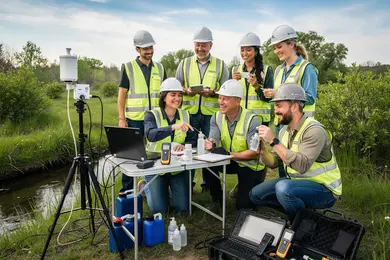
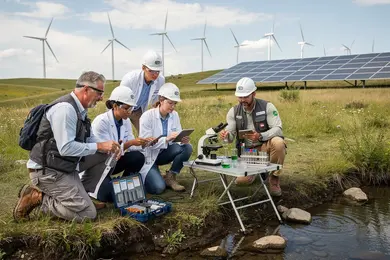
A strong program should include species monitoring, GIS mapping, habitat assessment, environmental sampling, and restoration planning. Look for at least one field methods course and a supervised practicum or capstone with conservation data analysis, field protocols, and report writing tied to land, water, or wildlife management.
References
- How to Start a Career in Conservation – Top FAQs Answered | GVI https://www.gviusa.com/conservation-career-faqs/
- Online Environmental Science Degrees: Compare Schools https://www.degreesforgood.org/online-degrees/environmental-science/
- Environmental Science Degree & Course Requirements https://www.ohiodominican.edu/academics/bachelors-degrees/environmental-science/course-requirements.html
- Environmental Science Courses & Degrees https://www.open.edu.au/study-online/science/environmental-science
- Environmental Conservation Degrees, East Yorks | Bishop Burton College | Bishop Burton College https://www.bishopburton.ac.uk/university-centre/study/subjects/environmental-conservation
- 12 Types of Jobs You Can Get as a Natural Resources Professional https://www.nrep.org/blog/natural-resources-jobs
- Green Jobs and Careers in Conservation - Project Learning Tree https://www.plt.org/educator-tips/green-jobs-careers-conservation/
- Top Conservation Training Opportunities | From short courses to masters https://www.conservation-careers.com/top-conservation-training-opportunities/
- Salary Ranges for Conservation Roles in Canada https://www.workcabin.ca/salary-ranges-for-conservation-roles-in-canada/