2027 Online Environmental Science Degrees With Strong Cross-Disciplinary Science Training

Co-Founder and Chief Data Scientist
Facing increasingly complex environmental challenges, professionals must integrate diverse scientific disciplines to design effective solutions. Yet many find their current training lacks the depth in biology, chemistry, and data analysis that employers now prioritize. The National Center for Education Statistics reports a 27% rise in online degree enrollment among working adults since 2023, signaling a shift toward flexible learning models that accommodate ongoing careers.
This trend reflects a growing demand for programs blending environmental science with cross-disciplinary rigor, enabling timely skill acquisition without career interruption. This article outlines top online environmental science degrees offering comprehensive science training to guide informed program selection aligned with career goals.
Key Things You Should Know
- Programs integrating cross-disciplinary science reduce the 25% employer-reported skill gaps in environmental modeling and data analysis, directly affecting roles in climate resilience and regulatory compliance sectors.
- Employers increasingly prefer candidates with dual expertise in biology, chemistry, and computational tools, with workforce analytics showing a 40% hiring premium for multidisciplinary training from 2024 labor market studies.
- Extended degree lengths by 0.5-1 year for rigorous cross-disciplinary curricula raise opportunity costs, disproportionately impacting career switchers needing timely upskilling amid budget constraints noted in 2024 federal education expenditure reports.
What is an online environmental science degree with strong cross-disciplinary science training?
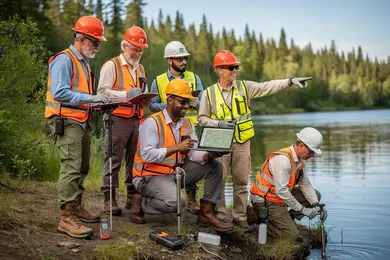
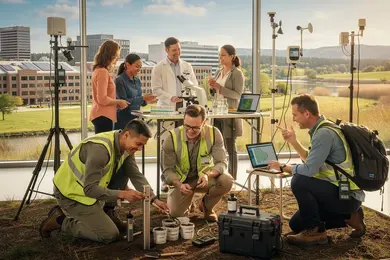
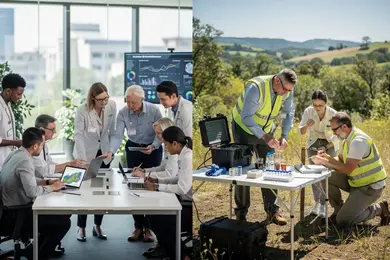
An online environmental science degree with interdisciplinary training demands more than a basic grasp of policy or biology; it must equip students with core competencies in biology, chemistry, geology, data science, and quantitative analysis. This cross-disciplinary science education in environmental science degrees prepares graduates to meet complex employer expectations for multifaceted problem-solving. For instance, a professional tasked with water quality monitoring needs combined skills in chemistry, remote sensing, and statistical modeling-capabilities often absent in narrowly focused programs.
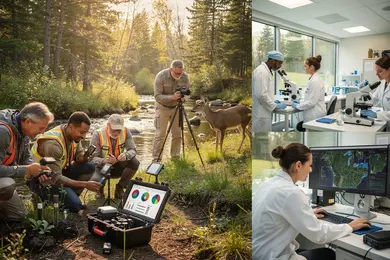
Programs designed with this integrated approach typically include coursework fostering expertise in field methods, environmental chemistry, and data analytics, meeting workforce needs in consulting, regulatory compliance, and research. Key practical tradeoffs include assessing program access to hands-on or virtual labs and ensuring math and physical science prerequisites are robust enough to foster applied learning. This combination reduces friction in transitioning to roles demanding technical fluency.
The median annual wage for environmental scientists and specialists was $78,980 as of May 2023, with a job growth projection of 6% through 2032. This reflects sustained demand for adaptable scientists capable of crossing disciplinary boundaries. Candidates evaluating programs should also consider logistical factors like time management and technology access to avoid common pitfalls during remote learning.
Prospective students looking for environmental engineering degrees online often discover that programs integrating interdisciplinary training better align with evolving environmental roles than traditional tracks.
How do online environmental science programs compare to campus-based programs for science-focused students?
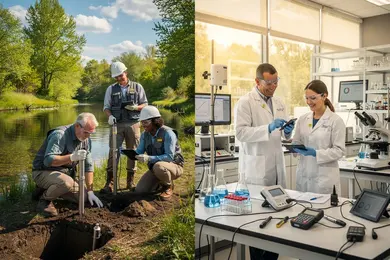
Choosing between online environmental science programs vs campus-based programs for science students hinges largely on access to hands-on experience. While both deliver cross-disciplinary environmental science training in online vs traditional programs-covering ecology, chemistry, and geology-only campus programs typically embed essential fieldwork and laboratory internships within their curricula. These immersive experiences are crucial for acquiring applied skills employers prioritize in roles involving environmental consulting, toxicology, or climatology.
Online degrees, by contrast, offer flexibility attractive to working professionals but require deliberate pursuit of supplementary opportunities such as local internships or virtual lab simulations to compensate for the lack of built-in practical exposure.
Employers evaluating graduates often discern a gap when practical competencies are unsubstantiated, which can influence salary negotiation leverage and career progression. Students fully online must plan for summer fieldwork or volunteering to bridge this divide, or risk entering technical roles with theoretical knowledge alone.
Career outcomes show online environmental science graduates earned average salaries near $76,480, with field growth projected at 8% through 2032 according to data summarized by EnvironmentalScience.org. Understanding these workforce demands is critical when selecting programs, especially for those considering advanced options like a doctorate in data analytics online, which increasingly integrates environmental data science with rigorous applied methodologies.
Which U.S. online environmental science degrees are accredited and academically reputable?
Not all online environmental science degrees offer equivalent value for professionals targeting data-driven roles. Prioritizing regionally accredited online environmental science programs in the U.S. that embed quantitative skills-such as statistics, GIS, programming with R or Python, and environmental modeling-is essential for securing positions beyond technician level. Graduates lacking this technical rigor often face limited career mobility and lower starting salaries.
Top U.S. universities offering reputable environmental science degrees online typically provide curricula aligned with applied data analysis and cross-disciplinary methods validated by regional accreditors like HLC, SACSCOC, or MSCHE. These programs integrate virtual research labs and collaboration opportunities with industry, which better prepare students for workforce demands and EPA or state certification prerequisites.
For instance, a working professional pivoting into environmental consulting will benefit most from degrees emphasizing analytic competency, translating directly into higher employability. According to EnvironmentalScience.org, environmental scientists with strong quantitative skills command a median salary of $104,350 nationally, outperforming the broader field.
Prospective students should also consider programs' flexibility regarding synchronous and asynchronous practical components to develop applied expertise efficiently. For complementary insights on degree pathways emphasizing fitness and health applications, students can also research exercise science online degree options.
What core curriculum and laboratory or field experiences do these online programs typically include?
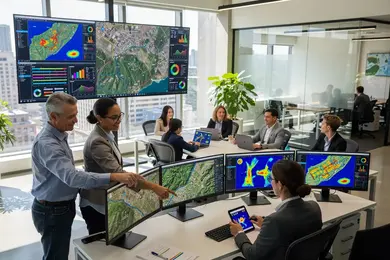
Online environmental science core curriculum with laboratory training must bridge theoretical rigor with practical application to meet workforce demands. The integration of biology, chemistry, geology, and ecology with applied quantitative skills such as GIS, statistics, and data modeling prepares students for evolving roles requiring data-driven environmental analysis. Employers increasingly seek expertise in environmental sensors and satellite monitoring, which grows faster than average for environmental scientists, reinforcing curriculum relevance.
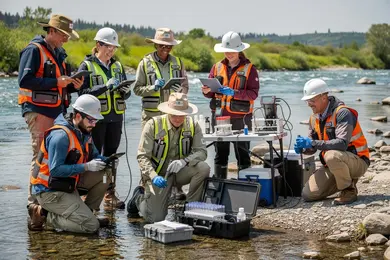
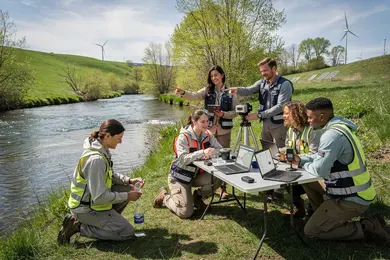
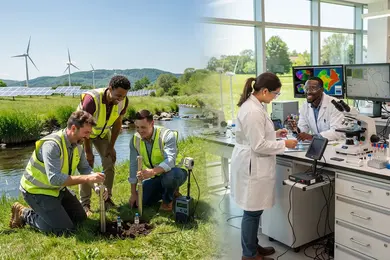
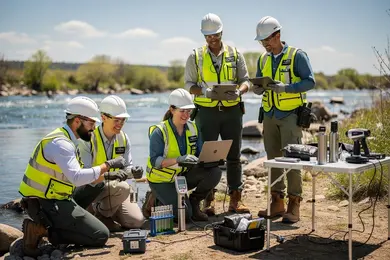
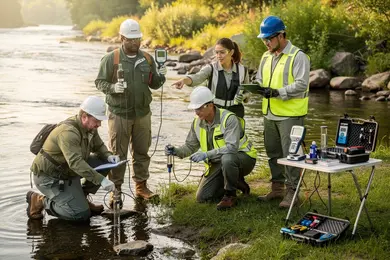
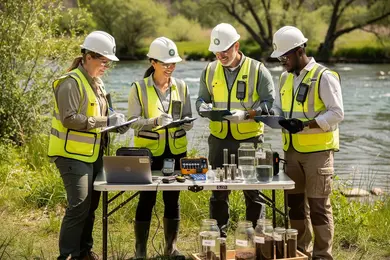
Cross-disciplinary science field experience in environmental science programs often relies on hybrid approaches that combine virtual labs, remote sensing, and independently coordinated local fieldwork. For example, a student might collect water quality samples near their residence and use online software to interpret results, reflecting workflows used in consulting or regulatory settings. These experiential components, including capstones and internships, are crucial for validating proficiency valued by hiring managers.
Students should anticipate logistical challenges balancing remote lab kits, field site access, and self-managed internships, with support varying widely across programs. Demonstrable practical experience with environmental monitoring technologies is non-negotiable in competitive job markets. Weighing program credibility in hands-on training alongside theoretical coursework is essential to ensure preparedness for data-intensive roles.
For those considering a pivot to this field, comparing the depth of interdisciplinary science field experience and laboratory training across options remains critical. Additionally, prospective students exploring cost-effective pathways might consider strategies linked to a library degree as a model for navigating affordability without sacrificing academic rigor.
What admission requirements and prior science coursework are needed for online environmental science degrees?
Admission to online environmental science degree programs hinges on a solid foundation in core sciences-biology, chemistry, and mathematics, especially algebra and statistics. Applicants lacking these prerequisites often encounter extended timelines due to remedial coursework, a critical factor for working professionals balancing time and finances. In fields like environmental engineering or geosciences, physics and earth science prerequisites strengthen candidacy, directly impacting employability in specialized technical roles.
Employers in consulting and regulatory sectors prioritize candidates with integrated scientific knowledge and quantitative skills. For example, ecological field researchers without adequate chemistry or statistics preparation risk delays, while those pursuing environmental policy may leverage social science backgrounds but must still meet fundamental science criteria to apply scientific principles effectively.
Programs vary in flexibility; some offer bridge courses online, but these rarely replace core prerequisites. This nuance affects career pivots and workforce-readiness, requiring upfront planning. The rapid growth in environmental science degree completions-6,697 bachelor's degrees awarded in 2017-2018 with a five-year increase of 1,155 according to the U.S. Department of Education-indicates rising demand but also heightened admission standards to maintain quality and job market alignment.
How long do online environmental science degrees take, and what do they cost?
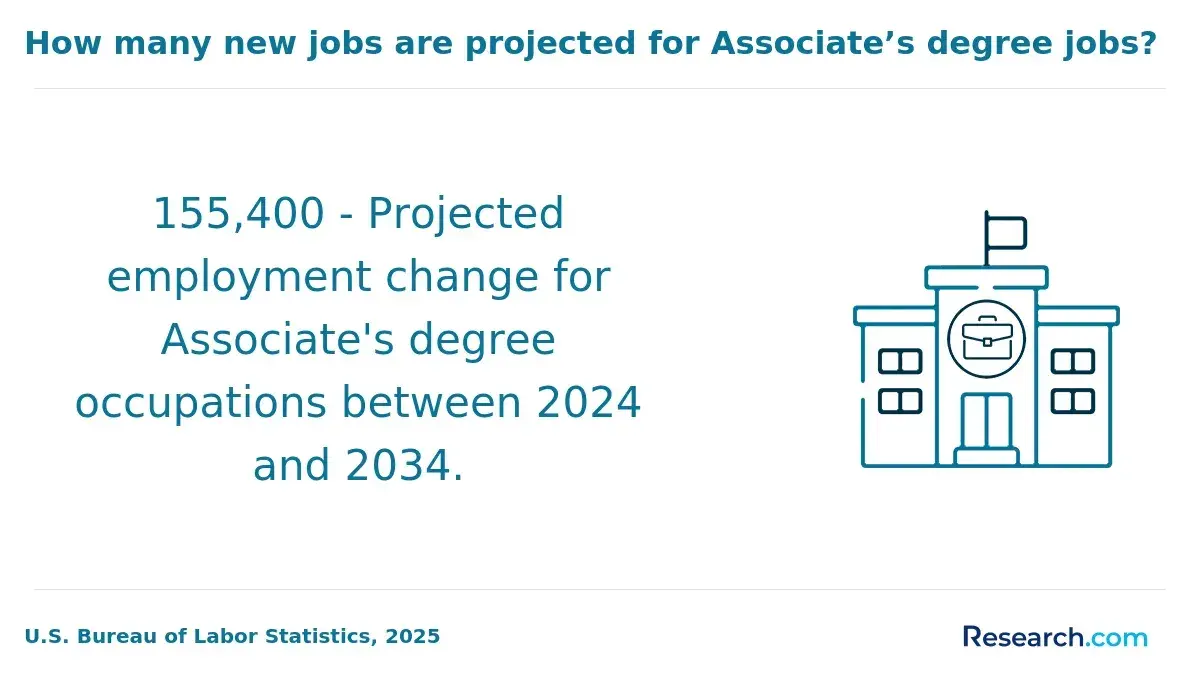
Choosing between an associate, bachelor's, or master's degree in environmental science involves weighing clear tradeoffs in time, cost, and career outcomes. While associate degrees typically take two years, bachelor's programs require four years full-time; master's degrees generally span one to two years but demand higher tuition and upfront investment.
Public universities often charge $300 to $500 per credit hour for online bachelor's degrees, making total tuition range from $36,000 to $60,000. Master's programs cost $500 to $1,000 per credit hour, resulting in $15,000 to $45,000 overall. Private institutions usually exceed these figures.
Salary data from OnlineColleges.net reveal early-career earnings averaging around $42,100 for bachelor's graduates and $50,400 for those with master's degrees. Mid-career salaries rise to $73,500 and $84,700 respectively, reflecting a notable return on investment for advanced study despite longer completion times and higher costs.
For example, a field technician in environmental consulting pursuing a project manager position will reduce advancement time through a master's degree, but must balance this against extended study and tuition burden. Employers in regulatory agencies and specialized research typically require or favor master's credentials, making this pathway strategically worthwhile in those contexts.
- Associate: ~2 years, lower cost, limited advancement
- Bachelor's: ~4 years, moderate cost, standard entry-level roles
- Master's: 1-2 years, higher cost, faster advancement, and specialized positions
Prospective students should evaluate these factors alongside their immediate workforce needs and career goals to determine the optimal level of commitment and credential.
What interdisciplinary career paths can graduates pursue with an online environmental science degree?
Graduates holding an online environmental science degree often navigate career paths that integrate multiple disciplines, such as ecology, chemistry, geospatial analysis, and policy interpretation. Hiring managers in public agencies look for skills in regulatory compliance and data analysis, frequently requiring familiarity with environmental legislation and monitoring frameworks.
Corporate roles, including sustainability analyst or environmental consultant, expect candidates to apply scientific knowledge to business operations, especially to support environmental, social, and governance (ESG) reporting and carbon footprint reduction strategies. Nonprofit organizations emphasize communication skills for program coordination, education, and advocacy efforts.
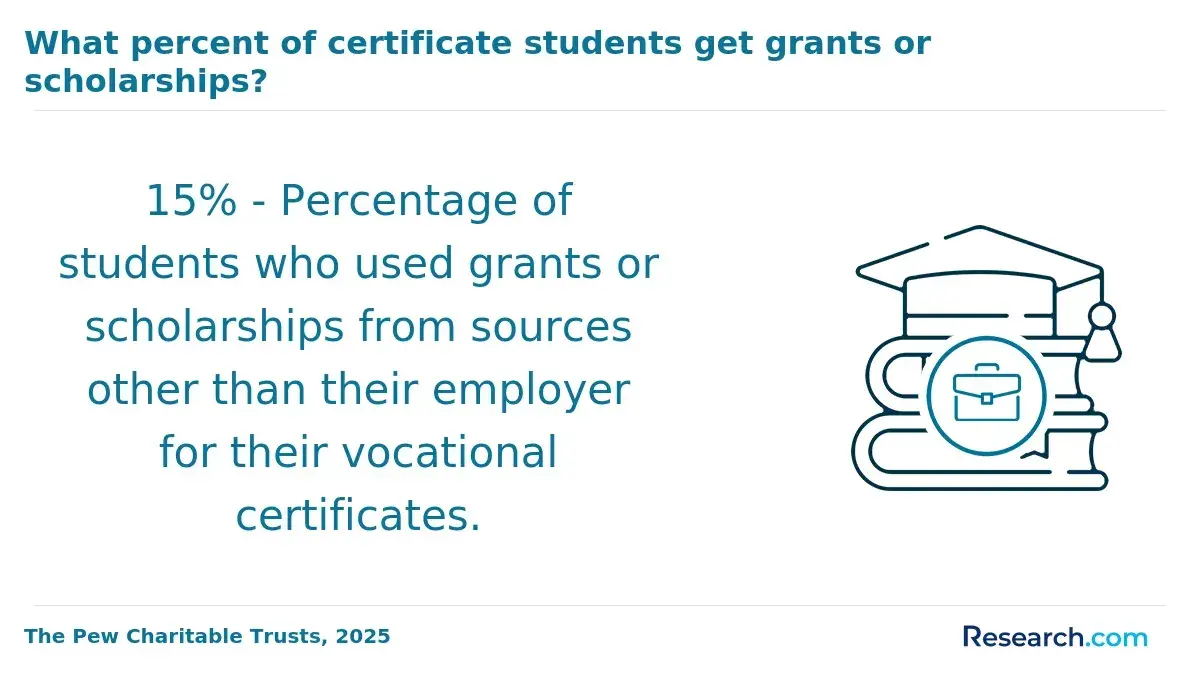
Cost considerations heavily influence enrollment decisions. Tuition for bachelor's programs starts near $366 per credit, potentially totaling around $66,000 for a full 180-quarter credit course load, while certificates offer a lower-cost option-approximately $5,400 for 12 credits-that may suit professionals seeking targeted expertise without extensive financial commitment.
Technical certifications, such as GIS or environmental impact assessment credentials, are frequently necessary supplements to academic degrees. These certifications directly affect employability and career progression, as employers often prioritize them alongside formal education.
- Interdisciplinary foundation accommodates transitions to emerging data science and climate risk fields.
- Affordability and credentialing requirements serve as critical factors shaping workforce entry.
- Online programs must emphasize applied skills reflecting employer demands.
What salary ranges and earning potential exist for environmental science and related roles?
Salary prospects for environmental science graduates beginning in 2026 vary widely based on role, sector, and location, with typical starting salaries near $50,000 for entry-level positions such as environmental technicians. Advancement into roles like environmental consultant or project manager can push earnings to the $75,000-$85,000 range within five to seven years, while specialized government roles may exceed $90,000 for experienced professionals.
Graduates integrating environmental science with complementary technical skills-particularly in environmental engineering or GIS analysis-can command a 10-15% salary premium early in their careers. Employers increasingly prefer candidates with interdisciplinary science capabilities spanning biology, chemistry, and data management over narrow subject expertise.
Cost-effective online programs with annual tuition under $8,000 offer ways to limit educational debt, but prospective students must weigh tuition savings against the potential impact on employer recognition and practical training quality. Programs accredited by established bodies that provide experiential learning linked to regional labor markets enhance long-term employability.
When selecting an educational pathway, consider:
- Alignment of curriculum with targeted job markets and required certifications
- Opportunities for hands-on experience or internships that build practical skills
- Degree versus certificate tradeoffs in relation to salary ceilings and advancement potential
What is the job outlook for environmental scientists and related cross-disciplinary careers in the U.S.?
Employment growth projections for environmental scientists and related interdisciplinary roles exceed average occupational expansion at 8% from 2022 to 2032, emphasizing demand in areas like renewable energy and government regulation. Candidates combining expertise in ecology, chemistry, and energy systems hold a clear advantage for sustainability assessments and contamination remediation. Without hybrid skills that integrate data science, GIS, and policy knowledge, applicants often struggle in technical roles requiring both environmental analysis and regulatory compliance.
U.S. employers increasingly favor professionals able to collaborate across sectors, blending environmental science with technology, business, and policy. For instance, an environmental scientist partnering with urban planners to develop climate-resilient infrastructure must navigate environmental data interpretation alongside regulatory frameworks. This shift prioritizes applied research and multi-disciplinary curricula over traditional single-discipline study.
Practical experience remains critical to employment success. Students should assess programs based on internship availability and industry networking, particularly in energy, agriculture, and public health sectors. Lack of real-world exposure is a notable barrier to entry in this competitive field. Targeted certifications-such as those in energy management or environmental compliance-provide measurable hiring advantages and bridge skill gaps frequently unaddressed in academic programs.
- Combining scientific disciplines enhances competitiveness for specialized roles.
- Cross-sector collaboration skills align with evolving employer expectations.
- Internships and certifications significantly improve job market readiness.
How can students evaluate and choose the best online environmental science program for their goals?
Selecting an online environmental science program requires matching curriculum depth to clear vocational targets and realistic labor market trends. For example, jobs like data scientist, which are projected to grow by 33.5% with median salaries of $120,230, demand integrated expertise in data analytics, computer science, and policy understanding. Conversely, climate change analyst roles show slower growth (4.4%) and pay less ($82,220), illustrating why program choice should align closely with specific occupational paths.
Practical program outcomes-such as transparent graduate employment statistics and ties to established research institutions-provide vital signals of instructional quality and workforce relevance. A candidate aiming at urban sustainability planning must verify that coursework includes GIS and environmental modeling, as municipal employers specifically seek these skills.
Prospective students should weigh logistical factors that impact completion rates and real-world readiness: part-time options, synchronous versus asynchronous formats, credit transferability, and available technical support.
Faculty expertise linked to current environmental challenges enhances access to internships and capstone projects with industry or government partners, giving tangible advantage in competitive job markets.
Lastly, accreditation aligned to recognized certifications ensures credentials are meaningful in professional contexts. Balancing these factors reduces risk of investing time and resources in programs misaligned with evolving environmental science labor demands or individual career timelines.
Other Things You Should Know About Environmental Science
Online environmental science programs with strong cross-disciplinary science elements often assume foundational knowledge in subjects like biology, chemistry, and math. Students without this background face a steeper learning curve and may need to complete prerequisite coursework before fully engaging with core material. Programs that incorporate foundational science modules or offer flexible pacing better accommodate such students, but others may not support those needing remedial preparation. Prospective students without science experience should prioritize programs that explicitly integrate or allow time for these foundational courses to avoid falling behind.
Employer recognition of online environmental science degrees varies depending on the program's reputation, accreditation, and the student's demonstrated practical skills. Degrees from institutions with robust cross-disciplinary training and hands-on components-like virtual labs or local fieldwork-are viewed more favorably. Employers prioritize candidates' ability to apply diverse scientific methods to environmental problems, regardless of delivery mode. Students should select online programs emphasizing applied learning and ensure they build relevant experience through internships or projects to enhance employability.
Most programs require at least one year of college biology and one semester each of chemistry and college algebra or statistics. Some also expect introductory physics or earth science, plus a minimum 2.5 to 3.0 GPA for admission.
References
- Environmental Science, B.Env.Sc. Major https://catalog.umanitoba.ca/undergraduate-studies/environment-earth-resources/environment-geography/environmental-science-benvsc-major/
- Fulfilling Core Curriculum Course Requirements https://live-villanova-catalog.cleancatalog.io/fulfilling-core-curriculum-course-requirements
- Agriculture and Environmental Science Degree Careers and Salary in Europe - StudyinEurope.eu https://www.studyineurope.eu/agriculture-environment/agriculture-environment-degree-careers-salary-europe/
- Bls https://www.bls.gov
- Learn About Career Tracks https://www.setac.org/career-development/career-tracks.html
- Online Environmental Science Degrees: Compare Schools https://www.degreesforgood.org/online-degrees/environmental-science/
- Environmental Science Courses & Degrees https://www.open.edu.au/study-online/science/environmental-science
- Online Environmental Science Degree | BS Environmental Science | University of Phoenix https://www.phoenix.edu/online-liberal-arts-degrees/environmental-science-bachelors-degree.html
- Explore UM | University of Manitoba - Environmental Science (BEnvSC) https://umanitoba.ca/explore/programs-of-study/environmental-science-benvsc