2027 Best Online Environmental Science Degrees for Climate and Resilience Planning Careers

Co-Founder and Chief Data Scientist
Professionals aiming to lead climate resilience initiatives confront a pressing challenge: reconciling urgent workforce demands with constraints on time and location. The U. S. Bureau of Labor Statistics projects a 10% growth in environmental science roles by 2032, intensifying competition for qualified candidates who also require flexible educational models.
Yet, recent research from the National Center for Education Statistics reveals nearly 45% of graduate Environmental Science enrollees are adult learners balancing work and family, emphasizing the need for adaptable programs that maintain academic rigor. Navigating program quality, accreditation, and career relevance becomes essential amid this evolving landscape.
This article analyzes the best online environmental science degrees tailored to climate and resilience planning careers, focusing on options that balance accessibility, employer expectations, and long-term career impact.
Key Things You Should Know
- National Center for Education Statistics data from 2024 show that programs emphasizing climate resilience modeling often extend completion times by 20%, raising opportunity costs compared to more general environmental science degrees.
- Employers in climate risk management increasingly require proficiency in advanced GIS and predictive analytics, shifting hiring preferences toward graduates with specialized technical skills over traditional environmental science backgrounds.
- The U.S. Bureau of Labor Statistics projects a 14% job growth in climate adaptation roles by 2030, yet many programs lag in internship placements, creating a critical experiential gap affecting graduate employability.
What is an online environmental science degree?
Online environmental science degree programs for climate resilience offer a targeted curriculum emphasizing applied skills critical to addressing urban infrastructure, natural resource management, and disaster adaptation.
This pathway prioritizes flexible, often asynchronous coursework supplemented with virtual labs and GIS software, making it particularly viable for working professionals balancing education with employment. However, candidates should anticipate compromises such as reduced direct field experience, relying more heavily on simulations and remote data analysis methods.
Consider a municipal planner who integrates risk assessment and environmental policy coursework into their current resilience projects. This real-time application accelerates professional impact and community benefits. Distance learning environmental science degrees in the United States must be carefully evaluated for accreditation, interdisciplinary depth, and digital resource quality to ensure graduates acquire competencies that reflect evolving employer expectations in climate resilience sectors.
Employers demonstrate growing demand for candidates with green skills. According to LinkedIn's Global Green Skills Report 2023, job postings requesting these capabilities increased over 15%, with such candidates 29% more likely to be hired than average. This dynamic highlights the strategic advantage of earning an online environmental science degree from a workforce perspective, especially amid shifting climate-related labor markets.
Prospective students can explore comparative program details and verified rankings through resources like the environmental health and safety bachelor degree online guide, which provides vetted insight into program attributes crucial for informed decision-making.
How do you choose an accredited online program?
Selecting accredited online environmental science degrees for climate planning is critical to ensure the program meets recognized academic standards and that credits transfer efficiently. Employers in fields like resilience planning careers in environmental science prioritize candidates from accredited institutions, particularly when specialized expertise in climate adaptation is involved.
Working professionals must weigh course structures against career objectives: programs integrating applied projects or collaborations with agencies better prepare graduates for empirical challenges than purely theoretical options.
Key evaluation metrics include:
- Accreditation by established bodies such as the Higher Learning Commission.
- Graduation rates surpassing 70-80% indicating program retention and completion.
- Alignment with labor market data, including a 7% growth in environmental science jobs and 4% for urban planners.
- Faculty with relevant industry experience or ongoing research in resilience and climate adaptation.
- Flexible scheduling to accommodate employed students.
- Transparent cost structures that reflect realistic time-to-degree expectations for financial return on investment.
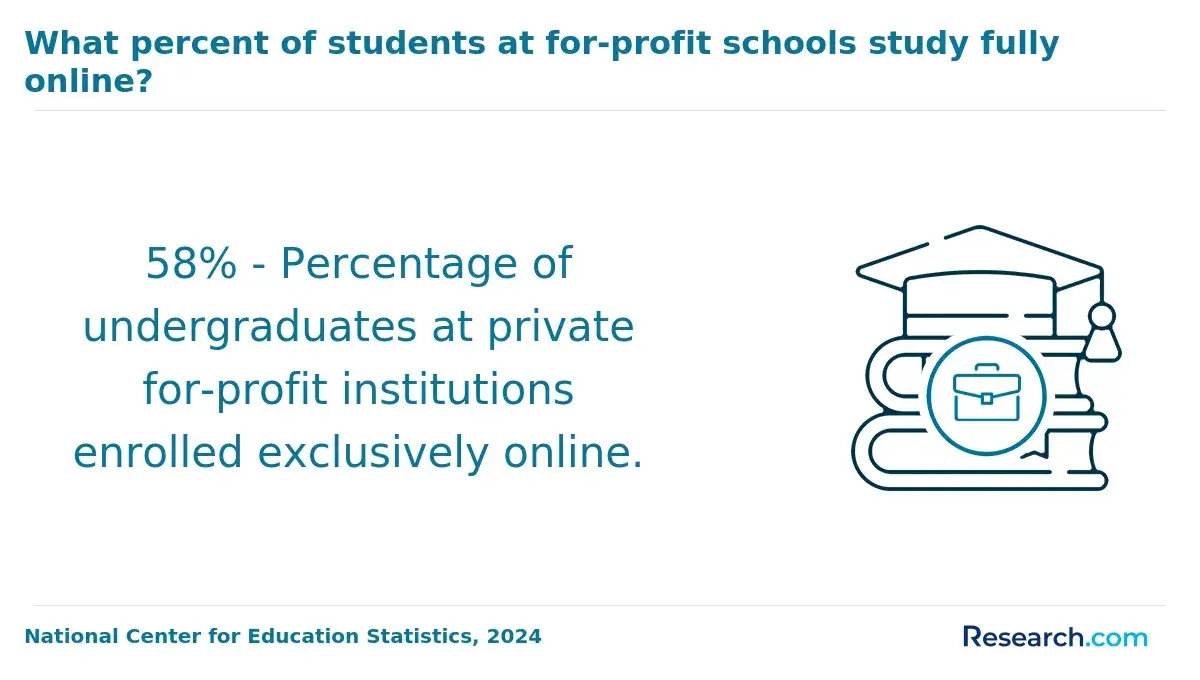
For professionals weighing options, avoiding for-profit programs that promise rapid credentials but lack adequate career support is vital. Graduates should target programs matching practical requirements given median wages near $79,000 for environmental scientists and $82,000 for urban planners, emphasizing efficient completion.
Comparing the best online programs for resilience planning careers in environmental science against personal goals can enhance employability prospects. Additionally, prospective students can explore alternatives such as a data science master online, which may complement or expand career pathways in technical and analytical roles related to environmental data and climate modeling.
What climate and resilience careers use this degree?
Climate resilience career opportunities in environmental science demand more than theoretical knowledge. They require applied technical skills and strategic collaboration across sectors.
For example, a disaster resilience manager in an urban setting must combine expertise in emergency services with urban planning to design systems that effectively reduce community vulnerability. Median salaries for these roles typically range from $85,000 to $110,000, reflecting high responsibility and the necessity to navigate complex regulatory environments.
Other positions, like sustainability consultants and climate risk analysts, also require deep familiarity with data interpretation, climate modeling, and stakeholder engagement. Sustainability consultants integrate regulatory frameworks and supply chain considerations to align environmental practices with fiscal realities, earning $80,000 to $110,000 in median pay. Climate risk analysts, with similar salary expectations, often advise both private and public sectors by assessing physical and financial exposures to climate threats.
The disconnect between environmental science theory and practical climate resilience work means online environmental science degrees for climate adaptation jobs must emphasize GIS, case studies, and communication skills. Prospective students should weigh the competitive hiring landscape, where certifications and internships focusing on applied resilience project management offer a critical advantage.
For those evaluating flexible pathways, the exercise science online degree programs offer a useful comparison in terms of balancing career pivot flexibility with the need for specialized expertise in evolving fields like climate resilience.
How do online and campus programs compare?
The choice between online environmental science degrees vs campus programs hinges on distinct tradeoffs affecting practical skills and employability. Campus programs prioritize immersive, hands-on experiences with lab work, field assessments, and direct networking-factors municipal planners and environmental consultants value when evaluating candidates for technically demanding roles like climate adaptation projects.
Online programs cater to working professionals requiring flexibility to pivot careers quickly amid the surge in climate-related employment, projected to add millions of jobs globally. These programs can deploy specialized training modules aligning with emerging industry needs but fall short in replicating direct fieldwork and peer interaction critical for teamwork in resilience planning.
When comparing campus and online environmental science program comparison, consider factors such as career stage and target roles. For example, a mid-career public health analyst might prefer an online pathway to balance work and education while accessing needed expertise for green job growth. Conversely, recent graduates targeting regulatory compliance roles benefit more from campus-based hands-on training.
Decision-makers should weigh degree credibility, access to field opportunities, and time availability, recognizing hybrid models remain rare. Exploring affordability and program structures like a library degree can provide insights into scalable online education models transferable to environmental science pathways.
What coursework is included in the curriculum?
Graduates of online environmental science programs centered on climate and resilience planning must balance technical expertise with practical application under real-world constraints.
This curriculum prioritizes skills in climate systems analysis, risk assessments, and adaptation tactics that directly influence infrastructure decisions across varied geographies, such as coastal zones vulnerable to flooding or wildfire-prone regions. Students develop proficiency in spatial analytics and GIS, vital tools for modeling urban vulnerability.
Regulatory navigation and policy fluency are essential, given the complex legal frameworks professionals encounter. Quantitative competencies, including environmental modeling and scenario planning, equip graduates to forecast impacts and allocate resources amid uncertainty. Effective communication strategies foster stakeholder engagement, bridging scientific data with actionable policy.
Employers increasingly expect candidates who can manage projects with demonstrable outcomes. To meet this demand, many programs incorporate partnerships with local governments or NGOs in final projects, offering exposure to sector-specific challenges like agricultural water management under drought or energy infrastructure resilience to extreme weather.
Cost considerations significantly affect accessibility. For example, a 30-credit MS program in climate change adaptation and resilience at Unity Environmental University charges $550 per credit, totaling $16,500. This pricing compares favorably to traditional programs, representing a pragmatic choice for mid-career professionals seeking to limit educational debt without sacrificing relevant expertise.
What are the admission requirements for applicants?
Admission to online environmental science degree programs demands more than a high school diploma and sometimes standardized test scores, which can be waived given sufficient academic or professional background. The emphasis on prior coursework in biology, chemistry, earth science, and algebra reflects employer expectations for technical proficiency early in the curriculum, minimizing the risk of students falling behind in quantitative subjects.
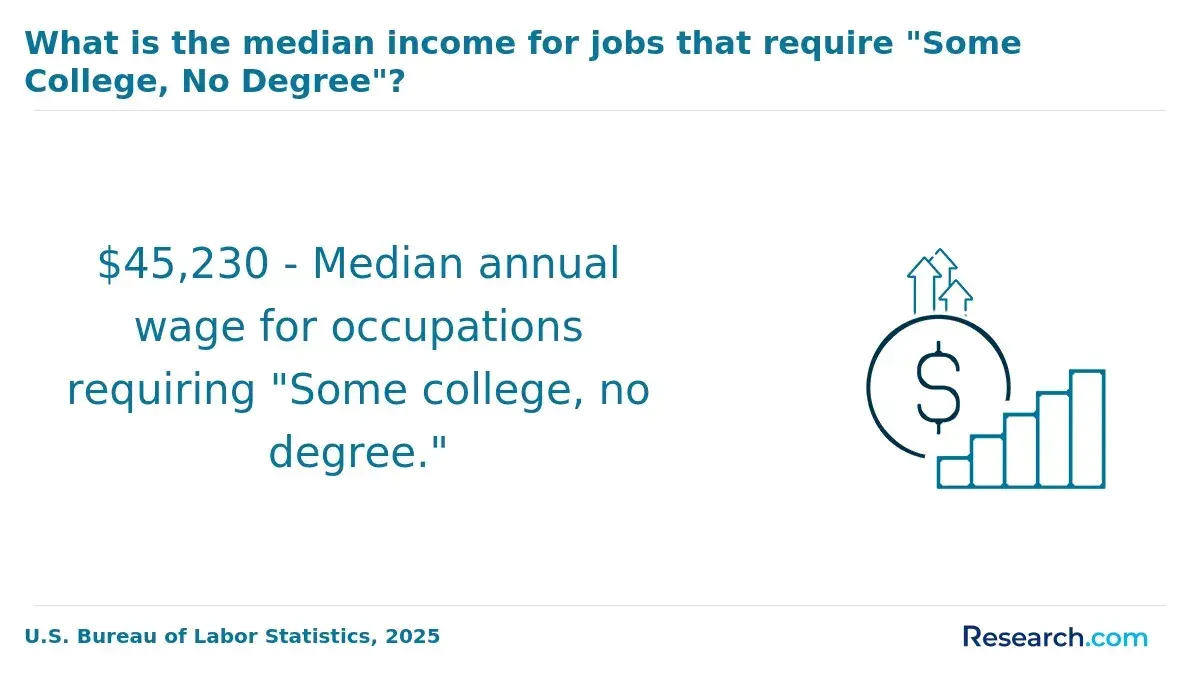
Transfer applicants must often maintain a GPA between 2.5 and 3.0 with official transcripts from prior institutions. However, those with significant work experience in environmental sectors can occasionally bypass strict academic prerequisites, offering a practical route for professionals pivoting careers without a traditional science foundation.
Admissions committees review personal statements and recommendations with a focus on applicant alignment to climate adaptation and resilience roles, fields where holding a bachelor's degree particularly with strong technical skills is critical, especially for entry into environmental engineering jobs.
Labor market data projects a 7% growth for environmental engineers over the next decade, with median earnings exceeding $100,000, making fulfillment of these admission criteria vital for individuals aiming to remain competitive in evolving climate-related employment sectors.
How long does the degree take and cost?
Choosing an online environmental science degree with a focus on climate and resilience planning involves balancing duration, cost, and workforce demands. Bachelor's degrees typically require three to four years full-time, while master's degrees add one to two years post-bachelor's.
Accelerated options are available but may increase academic stress and reduce time for gaining applied experience, which employers in government, nonprofit, and consultancy sectors highly value. Part-time associate degrees or certificates designed for career changers extend over one to two years and can suit working professionals needing flexibility.
Cost variability is significant: public university tuition for bachelor's degrees generally falls between $15,000 and $40,000, with master's programs ranging from $20,000 to $50,000 or more. Geographical residency also impacts rates. Programs offering asynchronous formats allow ongoing employment but may dilute momentum toward completion.
Employers emphasize practical skills and internship exposure over the speed or prestige of the degree. For example, a mid-career professional balancing a part-time master's with work experience might achieve better job market outcomes than a student rushing through an accelerated track.
Salary data from Georgetown underscores realistic returns on investment: environmental health specialists earn median salaries of $55,000 to $75,000, while climate and health analysts typically make between $65,000 and $85,000, illustrating the need for strategizing education choices within expected income ranges.
What salary can graduates expect in these roles?
Online environmental science degrees geared toward climate and resilience planning yield divergent entry points shaped by geography and role specificity. Starting salaries hover between $55,000 and $75,000 annually but can stretch higher with experience and specialization. Mid-tier professionals with three to seven years of practice typically earn $75,000 to $95,000, while senior specialists or managers often surpass $110,000.
In metropolitan regions, for instance, a municipal climate resilience planner might begin near $65,000, rising above $90,000 as they acquire expertise in project management or regulatory compliance. Conversely, environmental analysts in private consulting often start closer to $60,000, relying on bonus structures linked to client and project successes to enhance compensation.
Green labor market data from Georgetown indicates those with relevant competencies are 29% more likely to secure employment, underscoring a tangible advantage in negotiation leverage. Yet continuous skill development, such as GIS proficiency, environmental policy fluency, and climate modeling, is critical. The absence of these delays wage growth and advancement.
Decision-making on geographic location weighs heavily: Californias, New York, and Washington State offer premium pay alongside stiffer competition, whereas emerging markets provide faster progression but with lower initial salaries. A strategic understanding of these tradeoffs is essential for navigating education-to-employment transitions effectively.
What is the job outlook for this field?
Demand for environmental science professionals reflects shifting industry needs, regulatory complexity, and funding variations that require strategic educational choices. Employment for environmental scientists and specialists is projected to grow 8% through 2032, above average occupational growth, but sector-specific conditions can substantially affect job stability and advancement.
For example, urban planners and infrastructure resilience experts often find more stable roles within municipal governments or private firms focused on climate adaptation, where multi-agency coordination and large-scale projects create ongoing opportunities. In contrast, professionals working in natural resource management contend with cyclical government budgets, creating uneven funding cycles that influence long-term security.
Entry-level salaries exceeding $80,000 highlight solid financial returns, yet employers prioritize candidates with interdisciplinary skills that include:
- Data analysis fluency
- Technical expertise relevant to environmental standards
- Policy understanding and regulatory navigation
- Effective communication across diverse stakeholder groups
Such competencies underpin success in multidisciplinary teams addressing resilience and sustainability. Prospective students should weigh these operational realities when selecting programs and consider tradeoffs between nontechnical challenges and specialized technical skills. This approach better aligns education decisions with employer expectations and evolving workforce demands.
What certifications support climate planning careers?
Selecting the right certification in climate-related fields shapes both employability and career trajectory by aligning credentials with specialty areas and employer expectations. The Certified Climate Change Professional (CC-P) credential, for example, suits professionals targeting climate risk assessment and policy roles in government and NGOs, requiring documented project experience that can extend over several months.
In contrast, certifications like the Professional Wetland Scientist (PWS) or Certified Environmental Professional (CEP) cater to ecosystem management-focused roles, favored in consulting and the public sector where technical accreditation influences contract decisions and promotions.
Practical tradeoffs shape certificate choices:
- Time and cost: LEED accreditation demands rigorous exams and ongoing education, impacting those balancing work with certification pursuit.
- Subfield relevance: Climate adaptation specialists align better with CC-P or CEP, while ecosystem restoration professionals benefit more from PWS or Certified Crop Adviser (CCA) credentials.
- Market demand: Agricultural scientists with CCA certification address growing climate-smart food system needs, reflecting an 8% job growth rate and median salaries near $76,400.
Employers frequently expect certifications alongside practical experience. For instance, an environmental science graduate aiming for urban resilience roles in municipal government should integrate CC-P certification with internships focusing on local climate impact assessments. This combination enhances readiness for technical and policy challenges in sustainability projects and resilience planning.
Decision-making for aspiring professionals should weigh certification rigor, subfield fit, and practical experience integration to navigate workforce requirements efficiently.
Other Things You Should Know About Environmental Science Degrees
Fieldwork remains a critical component in environmental science careers, especially those focused on climate and resilience planning. Online programs that integrate virtual simulations with required local fieldwork or internships provide more practical skills and are preferred by employers. Prospective students should prioritize programs offering structured, supervised field opportunities to build hands-on experience and competitive resumes in this applied discipline.
Online environmental science degrees vary significantly in workload intensity and flexibility. Programs with asynchronous coursework and extended timelines allow working professionals to manage study alongside full-time jobs more effectively. However, programs requiring synchronous sessions or intensive lab components can limit flexibility and prolong completion time, so evaluating course scheduling and workload upfront is essential for realistic planning.
Many programs require at least one applied geospatial methods course, and some include 3 to 6 credits in GIS, remote sensing, or spatial analysis. Employers in resilience planning often expect these skills for mapping flood risk, land use change, and vulnerable infrastructure.
References
- What are the best paying jobs for graduates? https://targetjobs.co.uk/careers-advice/career-ideas/what-are-best-paying-jobs-graduates
- Your Guide to High School Subjects – The Core Subjects and Electives That Make Up a Standard High School Curriculum https://www.educationdegree.com/articles/what-a-high-school-curriculum-includes/
- Environmental Career Profiles Australia https://environmentaljobs.com.au/resources/environmental-sustainability-careers
- What Is a Curriculum and How Do You Make One? https://www.icevonline.com/blog/what-is-a-curriculum
- Accredited Online Courses: How to Pick Programs That Actually Count https://www.upskillist.com/blog/accredited-online-courses-how-to-pick-programs-that-actually-count/
- How to Choose an Online College in 10 Easy Steps https://www.straighterline.com/blog/choose-accredited-online-college-10-easy-steps
- Online College Courses https://www.elearningcollege.com/online-college-courses
- How long does it take to get a bachelor's degree? | edX https://www.edx.org/resources/how-long-does-it-take-to-get-a-bachelors-degree