2027 Online Environmental Science Degrees With General Environmental Science Concentrations

Co-Founder and Chief Data Scientist
Environmental science professionals often confront demanding timelines to upskill amid shifting regulatory landscapes and urgent climate initiatives. Balancing current job responsibilities with education can pose a serious challenge, especially when traditional campus programs lack flexibility.
The National Center for Education Statistics reports a 20% increase from 2022 to 2024 in enrollment among adult learners in online degree programs, highlighting a structural shift toward remote education that meets career-driven schedules. This growth reflects broader workforce mobility and the necessity for adaptable learning models suited to mid-career pivots or advances.
This article examines online environmental science degrees featuring general environmental science concentrations and guides prospective students in navigating program features, admission criteria, and career outcomes aligned with professional goals.
Key Things You Should Know
- Specialized environmental science degrees average 25% higher starting salaries but often extend time-to-degree by 12-18 months due to intensive concentration requirements, affecting opportunity cost for mid-career enrollees, per 2024 National Center for Education Statistics data.
- Employers in sustainability sectors prioritize interdisciplinary skills over narrow specialization; graduates with general environmental science concentrations show 40% higher placement rates in diverse fields, according to a 2024 Environmental Workforce Report.
- Rising program costs, with median tuition up 8% year-over-year, disproportionately impact non-traditional students' return on investment, pushing many toward associates or certifications rather than full degrees, per the Council for Graduate Schools 2024 survey.
What is an online environmental science degree with a general concentration?
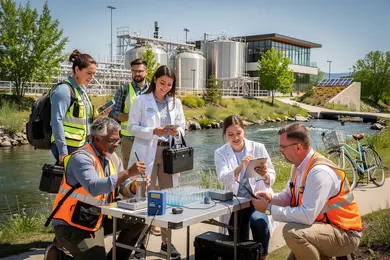
Choosing an online environmental science degree programs with general concentration means opting for adaptability over specialization, preparing graduates for a range of roles rather than niche expertise. Employers often seek candidates who can navigate shifting tasks such as environmental impact assessments, regulatory interpretation, and field data collection without highly technical modeling skills.
For example, a professional might alternate between compliance monitoring one day and ecosystem data analysis the next, requiring broad knowledge across disciplines rather than deep specialization.
The labor market reflects steady demand with a median salary near $78,980 for environmental scientists and specialists. However, this generalist pathway typically funnels entry-level workers into roles emphasizing data gathering and regulatory collaboration rather than advanced research, which often depends on targeted graduate training or certifications. Those considering general environmental science degree online options must weigh the tradeoff between program flexibility and potential limits when seeking specialized positions.
Students should rigorously verify how programs address core technical areas like GIS, environmental chemistry, biology, and resource management to ensure real-world readiness. Given limitations inherent in online delivery, supplementing coursework with internships or local projects becomes essential to demonstrate applied skills valued by employers. Practical proficiencies, such as analytical software use and cross-stakeholder communication, often outweigh credentials alone.
Planning strategically around experiential learning and continuous skills growth is crucial for professionals pivoting through general environmental science degree online options to remain competitive. To explore more specific outcomes and career trajectories, consider what can you do with an environmental science degree as detailed at what can you do with an environmental science degree.
Which online environmental science programs are accredited?
Employers in government agencies and consulting firms regularly require applicants to have graduated from regionally accredited environmental science programs online, as accreditation ensures curricula match current regulatory and technological standards.
For example, a state environmental protection department hiring for specialized roles will verify that candidates come from institutions recognized by bodies like the Higher Learning Commission or Southern Association of Colleges and Schools Commission on Colleges. Missing this accreditation can limit eligibility regardless of a student's academic performance.
Choosing an online accredited environmental science degree program that balances practical training with sound scientific theory significantly affects graduate preparedness. Although some programs seek national accreditation such as ABET for engineering-related tracks, the core value remains regional accreditation. Candidates must verify both institutional and program-specific status to avoid credentials that may not hold equal weight in the field.
Operationally, the median annual wage for environmental scientists and specialists rose from $76,480 to $78,980 between 2022 and 2023, a 3.3% increase according to U.S. Bureau of Labor Statistics data. This wage growth signals steady demand for qualified professionals who can navigate evolving environmental regulations.
Prospective students weighing options should also consider that accredited programs often embed workforce-relevant skills, reducing friction in transitioning to roles requiring immediate compliance and technical competence. For those evaluating comparative costs and format flexibility, resources like online MS data science program listings can offer insight into comparable affordability standards across disciplines.
How do online and campus environmental science degrees compare?
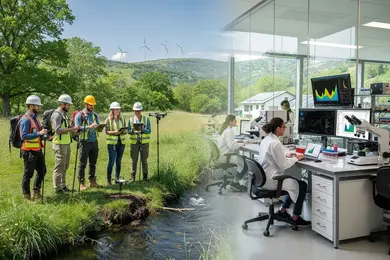
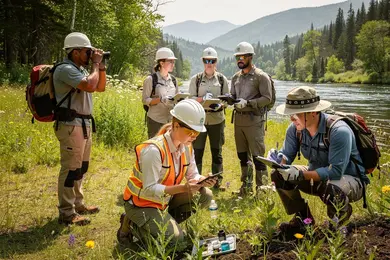
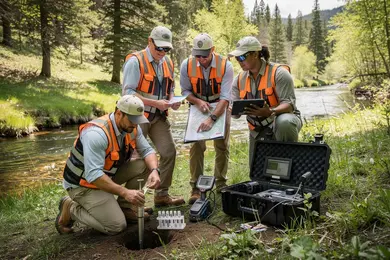
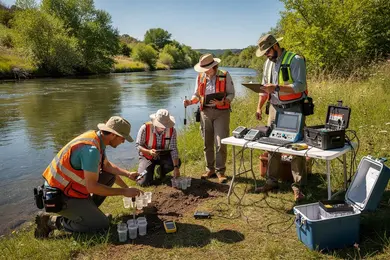
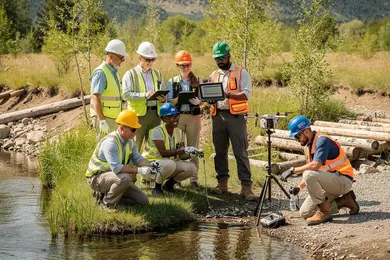
Choosing between online and campus environmental science degree options involves weighing distinct tradeoffs affecting career readiness. Campus programs excel in providing hands-on lab work, direct faculty engagement, and field research—critical components for roles that demand applied skills like GIS technologies or environmental sampling. These elements align with employer expectations in government and consulting sectors, where demonstrated technical proficiency and teamwork are heavily valued.
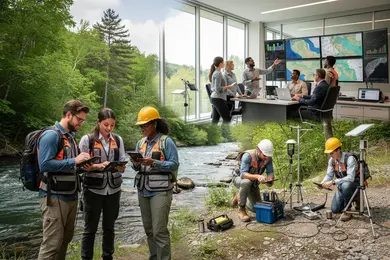
Alternatively, flexible learning options for environmental science students offered by online programs cater to professionals requiring schedule adaptability and geographic freedom. However, remote labs and simulations often replace direct experiential learning, which can influence hiring decisions in highly technical positions.
Online degrees that integrate data science and facilitate access to internships, industry software, and mentoring can mitigate these drawbacks, especially important given that environmental scientists with expertise in statistical analysis earn a median $104,350 salary.
Decision-making should also consider sector-specific realities: regulatory agencies may favor traditional campus credentials and on-site internships, while private tech firms may prioritize analytical skills accessible via online pathways. Students must navigate logistical barriers-either relocating and committing full-time for campus programs or maintaining self-discipline and proactive networking online.
For those assessing online exercise science programs as a reference for digital delivery models, evaluating how well an environmental science program balances flexibility with industry relevance is essential when comparing online environmental science degree vs campus degree benefits.
What courses are in a general environmental science concentration?
Employers in environmental science increasingly expect graduates to blend scientific expertise with applied technical and regulatory skills. Core classes in environmental science concentrations typically include environmental chemistry, biology, geology, soil science, and data analysis. These build competencies essential for understanding pollutants, managing earth resources, and interpreting complex datasets—capabilities vital for roles in environmental consulting and natural resource management.
Beyond science fundamentals, practical skills in geographic information systems (GIS) and remote sensing directly respond to workforce demand for spatial data literacy, crucial in urban planning and conservation. Courses on environmental policy and ethics prepare students to navigate regulatory frameworks, a frequent job requirement in government and corporate compliance roles.
The selection of electives shapes specialization and employability tradeoffs. For example, prioritizing soil and water chemistry aligns with remediation careers, while focusing on environmental economics and impact assessments targets sustainability consulting. This underscores the importance of tailoring the curriculum to concrete career aims rather than a broad general environmental science degree courses online approach.
Salary data from the U.S. Bureau of Labor Statistics via PublicServiceDegrees.org records environmental scientist wages ranging from $48,580 (10th percentile) to $133,660 (90th percentile), with median earnings near $78,980. Mastery of core and specialized courses influences long-term salary trajectories and job prospects.
Students should also weigh financial commitments associated with online learning options. Comparing tuition variations, such as those found in computer science degree cost analyses, could guide decisions on balancing quality, affordability, and career relevance.
What are the admission requirements for online environmental science programs?
Admission to online environmental science programs balances academic prerequisites with practical readiness and financial capacity, directly impacting career trajectory and time to employment. Programs require a high school diploma or GED, minimum GPAs typically between 2.5 and 3.0, and submission of official transcripts.
Many waive standardized test scores like the SAT/ACT for working adults, but portfolios or interviews may be required to assess applied competencies relevant to environmental sectors such as ecology consulting or policy analysis.
Prerequisite coursework in biology, chemistry, and math is often non-negotiable, ensuring students possess foundational knowledge before advancing. Candidates with documented skills, like GIS proficiency or laboratory techniques, may gain admission advantages, particularly when switching careers or targeting specialized roles. Transfer students face the additional step of credit evaluation, which can influence the cost and length of their studies.
Financial considerations remain a significant barrier; total tuition can approach $66,000 for a bachelor's degree at roughly $366 per quarter credit. Delays from unmet prerequisites or funding shortfalls extend enrollment timelines, potentially increasing debt and postponing workforce entry. Reliable technology and time management are also practical admission considerations for distance learners, often verified through orientation or questionnaires.
Employers expect graduates who combine theoretical knowledge with practical application, so candidates should approach admission as a strategic process balancing academic readiness, financial planning, and demonstration of real-world skill alignment.
How long does an online environmental science degree take?
The typical four-year timeline for an online environmental science degree aligns with employer expectations across consulting firms, government, and nonprofit sectors where a bachelor's degree is the minimum credential. Students aiming to enter the workforce promptly must weigh this standard timeframe against the realities of their personal commitments and program structure.
Part-time study arrangements frequently extend completion to five or six years, reflecting course load restrictions and work-life balance demands. Accelerated programs condense this to about three years but require year-round, intensive enrollment that often limits the ability to maintain employment simultaneously.
Specialized concentrations such as ecology or environmental policy add both credit hours and duration beyond the general environmental science core, potentially delaying career entry and increasing education costs. Conversely, a generalist focus offers faster completion and versatility for switching sectors due to its balanced curriculum emphasizing foundational science and broad environmental systems knowledge.
Online students also face logistical challenges including access to lab components or fieldwork, often necessitating occasional on-site visits that can extend timelines. Selecting programs with integrated virtual labs or flexible practicum options can mitigate these delays.
How much do online environmental science degrees cost?
Choosing an online environmental science degree requires evaluating how tuition costs intersect with real workforce benefits and practical constraints. Total tuition typically ranges from $15,000 to $45,000 depending on factors like institution type and residency, but effective cost must include technology fees, software requirements, and potential income lost during extended study periods.
Public universities usually offer lower rates, particularly for in-state students, while private schools approach the higher end. Many programs charge $400 to $900 per credit hour, with degrees often requiring 40 to 50 credits. Candidates balancing work and study should note that slower pacing inflates indirect costs and delays graduation, reducing timely employment prospects.
The labor market prioritizes candidates with applied data skills, supporting a projected 33.5% growth in environmental data scientist roles and average salaries near $120,230, per Arizona State University estimates. Programs that embed practical data tools, certifications, or badges in environmental data science can justify higher tuition through enhanced employability and salary potential.
Prospective students must weigh tuition against curriculum relevance to data analysis and sector needs rather than sticker price alone. For example, environmental consulting roles demand explicit technical competencies that premium-priced programs may better develop, offsetting initial financial outlay through faster and higher-paid job placement.
What jobs can you get with an environmental science degree?
Graduates with an environmental science degree often enter roles that require navigating regulatory frameworks and applying technical skills such as GIS and environmental modeling. Typical positions include environmental analyst, field technician, and compliance specialist, each demanding practical experience in data collection and impact assessment.
For example, a city planner leveraging this degree may need to balance urban development with environmental risk mitigation, demonstrating how regulatory acumen intersects with real-world project constraints.
Job growth in the environmental science sector is projected to outpace many fields, but salary ranges from roughly $50,000 to $70,000 at entry-level indicate the financial tradeoffs, especially when considering lower initial compensation in government or nonprofit sectors. Professionals targeting environmental policy or resource management should anticipate additional certifications or experience to be competitive.
Online environmental science programs can significantly lower tuition debt compared to traditional campuses, impacting graduates' flexibility in pursuing sector-specific roles that often require hands-on internships and networking to overcome competitive job markets. Candidates must be prepared for fieldwork challenges and diverse employer demands.
What is the salary potential for environmental science graduates?
Environmental science graduates in 2026 encounter a distinct salary landscape shaped by sector, specialization, and geography. Federal and state government roles typically start near $62,000, advancing to beyond $90,000 with tenure.
These positions offer greater stability but slower wage growth. Private sector jobs, particularly in engineering consulting, energy, and remediation, begin around $70,000 with senior roles exceeding $95,000, though often demanding greater geographic flexibility.
Strategic decisions hinge on weighing immediate salary gains against long-term growth and job security. For instance, environmental consultants might accept mobility and variable workloads for higher pay, while those in government may prioritize benefits and predictability. Leadership or project management trajectories require multidisciplinary skills and certifications, with salaries surpassing $100,000 but necessitating sustained professional development.
Labor market demand outpaces average occupational growth, driven by climate impact analysis, pollution control, and sustainable resource management. Employers increasingly require competencies in data analytics, GIS, and regulatory compliance, raising baseline expectations beyond the degree.
Regional cost-of-living adjustments are crucial, as urban and coastal markets pay 15-25% more than rural areas. Candidates should leverage current labor reports and focus salary negotiations on specialized technical skills aligned with evolving environmental challenges.
What certifications help environmental science career prospects?
Certifications in environmental science function as critical differentiators in a job market where specific regulatory and technical competencies strongly influence hiring decisions. For professionals targeting government roles, credentials like the Certified Environmental Professional (CEP) emphasize expertise in managing compliance and permitting processes. In contrast, the Registered Environmental Manager (REM) credential aligns more closely with industrial and consulting positions focused on hazardous waste and sustainability.
Cost and time investment must be weighed against practical returns. Certification exams such as CEP and Certified Hazardous Materials Manager (CHMM) typically demand relevant experience plus fees between $300 and $600, compared to the often prohibitive expense and duration of formal degree programs. For example, a CHMM credential holder working in environmental health within the private sector often gains faster access to supervisory roles than peers with only academic qualifications.
Sector-specific preferences also shape the value of certification: government agencies prioritize regulatory compliance credentials; consulting firms value project and technical certifications for client deliverables; nonprofit employers may prefer broad interdisciplinary recognition to support diverse advocacy efforts.
Prospective candidates should map certifications not only to immediate employability but also to long-term career pivots, recognizing that maintenance through continuing education and sector alignment can either accelerate or limit professional mobility.
Other Things You Should Know About Environmental Science Degrees
Online environmental science programs commonly demand equal or greater self-discipline compared to on-campus degrees, as they require more independent study and time management. The workload may be comparable in terms of credits and assignments, but remote students must handle technical aspects and engage with digital resources proactively. Students without strong time-management skills can quickly fall behind, so choosing a program with structured deadlines and accessible faculty support improves completion chances.
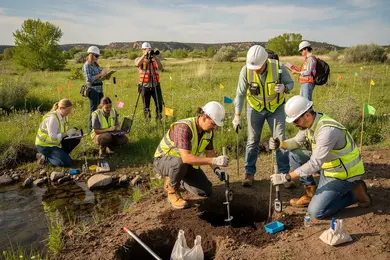
Most online environmental science programs require a field or lab component of 1 to 3 credits, completed through local site work, summer residencies, or approved research projects. Regional accreditation and department approval usually govern whether these experiences can be finished away from campus.
When deciding between flexibility and faculty expertise, prioritize faculty expertise if your goal is to enter specialized or research-driven roles in environmental science. Experienced faculty bring relevant industry connections and up-to-date knowledge that shape curriculum quality and networking opportunities. Flexibility matters most if you are balancing work or family responsibilities, but lowest priority should be given to programs lacking strong faculty credentials, as this can undermine learning depth and career relevance.
References
- What Can You Do With an Environmental Science Degree? https://willamette.edu/academics/college/environmental-science/career-options
- Online Environmental Science Degree | BS Environmental Science | University of Phoenix https://www.phoenix.edu/online-liberal-arts-degrees/environmental-science-bachelors-degree.html
- Top Certifications for Remote Environmental Jobs 2025 https://redrockconsultinggroup.com/top-certifications-that-help-you/
- Environmental Science, Science Area of Concentration https://www.ccbcmd.edu/Programs-and-Courses-Finder/Program/environmental-science-science-area-of-concentration.html
- Certification Guide for Young Professionals - Board for Global EHS Credentialing https://gobgc.org/professional-environmental-certifications-professionals/
- CES - Certified Environmental Scientist https://www.nrep.org/certifications/certified-environmental-scientist-ces
- 2025 Most Affordable Online Environmental Science Degrees https://www.onlineu.com/most-affordable-colleges/environmental-science-degrees
- Online Environmental Science Degrees: Compare Schools https://www.degreesforgood.org/online-degrees/environmental-science/
- Elevating Your Environmental Career: The Power of Environmental Certifications https://www.webuildstaffing.com/elevating-your-environmental-career-the-power-of-environmental-certifications/