2027 Climate Analyst Roles You Can Target With an Environmental Science Degree

Co-Founder and Chief Data Scientist
Facing urgent climate challenges, professionals with environmental science degrees often encounter a bottleneck: identifying roles that align with evolving labor market demands while balancing educational accessibility and career mobility.
The U. S. Department of Education reports a 22% surge in online enrollments for science-related fields since 2023, signaling shifting preferences toward flexible learning models that accommodate working adults and nontraditional students. This trend influences when and how prospective analysts enter the workforce, often compressing timeframes for gaining specialized skills needed in climate-focused roles.
This article maps targeted climate analyst positions suited for environmental science graduates, highlighting practical pathways to bridge education and impactful employment outcomes.
Key Things You Should Know
- Demand for climate analysts with environmental science degrees grew 12% from 2022 to 2025 per the Bureau of Labor Statistics, pressuring candidates to upskill in data modeling over purely ecological expertise.
- Employers increasingly prioritize interdisciplinary proficiency, blending GIS and policy analysis, creating workforce tension as specialized environmental science graduates must adapt or face stagnant career trajectories.
- Graduate-level specialization substantially raises entry costs and time investment, yet 48% of reported climate analyst roles require a master's degree or higher, complicating access for mid-career pivots without employer sponsorship.
What does a climate analyst do and how does this role align with environmental science?
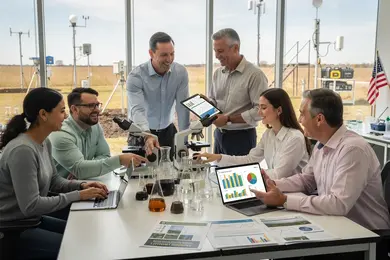
Climate analysts must combine diverse datasets and domain knowledge to generate actionable insights amid data inconsistencies and urgent time frames. For example, integrating climate models with localized environmental information helps urban planners design infrastructure countermeasures for region-specific challenges such as altered precipitation or increased heatwave frequency.
This scenario exemplifies the operational weight of climate analyst job responsibilities in environmental science, which extend beyond theory to include rapid risk assessment and interdisciplinary communication.
An environmental science degree equips candidates with foundational skills in GIS, environmental chemistry, and data interpretation, but practical employment increasingly demands proficiency in advanced statistical software and climate-specific modeling tools. These technical competencies serve as key differentiators due to rising job market competition.
Aspiring analysts should critically assess curriculum offerings and seek programs, such as some listed among the best online EHS programs, that emphasize these applied skills alongside traditional training.
The median wage for environmental scientists and specialists was $80,060 in May 2024, coupled with a 4% projected employment growth through 2034. This reflects steady demand tied to regulatory compliance, corporate sustainability initiatives, and heightened climate risk awareness. Candidates must also navigate multidisciplinary collaboration with policymakers, engineers, and health officials, requiring strong communication abilities to translate complex climate data into implementable strategies.
Understanding how an environmental science degree prepares for a climate analyst career involves recognizing tradeoffs between theoretical grounding and practical tool mastery, along with readiness for high-stakes decision-making under time pressure.
Which climate analyst career paths are open to graduates in environmental science?
Graduates targeting climate analyst job opportunities for environmental science graduates must weigh sector-specific skill demands that directly influence employability and career trajectory.
For example, climate risk analysts in finance rely heavily on geospatial data mastery and scenario analysis, while carbon emissions modelers prioritize statistical rigor and knowledge of regulatory standards. These nuanced differences underscore a critical tradeoff for graduates: selecting a specialization aligned with both personal strengths and regional job market realities.
Career paths in climate analysis for environmental science degree holders show robust openings, over 8,000 climate science roles are currently active across federal agencies, consulting firms, and private sectors, but practical entry hinges on demonstrated data analytics skills and project experience. Internships remain essential, given employer preferences for candidates who can translate environmental datasets into actionable insights, especially with tools like Python, R, and GIS software.
Regionally, candidates must decide between urban centers that offer diverse roles but higher competition, and rural or resource-focused areas emphasizing monitoring and mitigation projects. Those lacking coding expertise should consider supplementary coursework or certifications, with options such as an online data science masters program providing strategic upskilling paths.
Environmental science professionals must balance these factors, including technical capability, geographic preferences, and employer expectations, to optimize outcomes within the specialized labor market.
What education and skills do you need to become a climate analyst?
Selecting a career path as a climate analyst requires more than meeting baseline education standards; it demands strategic alignment with sector-specific employer expectations and skill demands. A bachelor's degree in environmental science or related disciplines like meteorology or geology forms the minimum threshold. However, understanding the practical implications of quantitative expertise, especially in statistics, GIS, and climate modeling tools such as Python, MATLAB, or R, is critical to competitiveness.
Expect variation across sectors: government roles often add the complexity of security clearances and policy analysis experience, while private companies emphasize sustainability reporting linked to business objectives. Consulting firms prioritize translating dense climate data into actionable risk management frameworks, illustrating how essential skills for environmental science climate analysts must include critical thinking under uncertainty and technical communication tailored to diverse stakeholders.
Given the projected expansion of climate analyst positions to 90,700 jobs by 2033 with 7.3% growth, planning practical preparation is imperative. This includes securing internships or cooperative education opportunities early to substantiate capabilities with real-world projects. Candidates face a tradeoff between entering the workforce sooner with a bachelor's versus pursuing a master's to access senior roles and research positions.
Prospective students may find comparative insights by exploring options like an exercise science degree online program to understand how accelerated pathways and certification models might influence their approach to environmental science studies.
How does an environmental science degree prepare you for climate data and modeling work?
Data proficiency combined with domain expertise shapes employability in climate modeling roles, where an environmental science degree serves as a solid but partial foundation. This degree emphasizes physical and biological sciences while delivering skills in data collection, statistical analysis, and modeling software use critical for climate data interpretation.
For example, graduates working in the energy sector apply predictive models to quantify emissions and forecast environmental impacts aligned with regulatory needs, demonstrating how climate data analysis skills with an environmental science degree translate directly to specialized risk assessment roles.
Yet, the market for climate model developers demands more than foundational knowledge. Employers expect fluency in geographic information systems (GIS), programming languages like Python or R, and advanced quantitative methods, which often require supplemental training or internships beyond a bachelor's degree.
According to the U.S. Bureau of Labor Statistics, a bachelor's in a natural science or related discipline is typically the baseline credential for environmental scientists and specialists entering climate-related fields. This underscores a practical consideration for prospective students exploring climate modeling careers, especially those contemplating the value of broad versus technical programs compared to more specialized options such as computer science degrees.
Environmental science education also integrates scenario analysis and uncertainty quantification, vital for translating raw climate datasets into actionable insights for government or corporate decision-makers. Graduates aiming to pivot toward roles like climate resilience analyst or environmental consultant must strategically acquire additional skills, including AI-assisted climate forecasting tools, to remain competitive and effective in this evolving sector.
Are online environmental science programs suitable for launching a climate analyst career?
Online environmental science programs often fail to meet employer expectations when they lack applied components that develop essential technical proficiencies such as climate modeling, GIS, and statistical software use. Roles in government and environmental consulting require candidates to interpret complex environmental datasets, a skill difficult to acquire without synchronous labs, fieldwork, or guided applied projects. Graduates from purely theoretical online degrees risk entering a competitive job market with insufficient hands-on experience.
Programs that incorporate capstone projects or partnerships with research institutions better prepare students by simulating real-world collaboration and data-driven decision-making. For career changers, supplementing online study with targeted certifications or remote internships focused on climate data tools and policy frameworks helps offset the absence of in-person networking and enhances market readiness.
Salary benchmarks underscore these practical demands: in the UK, UK climate science roles typically pay between £30,000 to £34,000 annually per Indeed UK, indicating entry-level hires must be proficient from day one. U.S. employers similarly prioritize candidates who minimize onboarding through demonstrated applied competence.
When evaluating online environmental science pathways, scrutinize verified graduate employment outcomes and detailed course descriptions emphasizing applied learning. Degrees selected solely for flexibility or tuition affordability may hinder successful entry into climate analyst positions.
What climate-focused courses and specializations should you take in environmental science?
The specialized focus on core climate courses within an environmental science degree directly shapes a graduate's readiness for climate analyst roles, where demand is acute. For example, Canada alone cites 300 current openings. Prioritizing subjects like atmospheric science, climate modeling, and data analysis ensures competence in interpreting and forecasting climate variables, skills expected by employers engaged in risk assessments or regulatory compliance.
Technical tradeoffs arise as programs requiring quantitative proficiency in statistics and programming (Python, R) increase analytical precision but also the learning curve and resource demands for students. This capability is crucial for consulting firms or research bodies facing large, complex climate datasets.
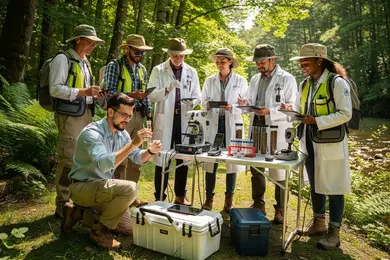
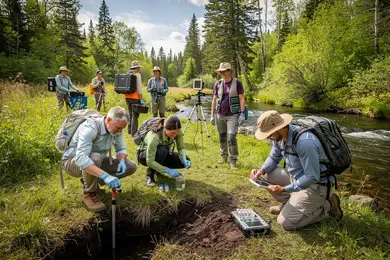
Fieldwork and laboratory experience further differentiate candidates, providing essential hands-on expertise with ecosystem responses and instrumentation that governmental agencies and NGOs prioritize for environmental impact evaluations.
Additionally, specialization in environmental policy and sustainable development equips graduates to translate raw data into actionable strategies, a vital function as organizations navigate evolving climate legislation.
These integrated pathways, combining modeling, policy, quantitative skills, and practical application, offer a focused yet demanding curriculum that aligns with current workforce expectations and evolving climate sector needs.
How much do climate analysts typically earn and what factors affect salary?
Salary prospects for climate change analysts reflect clear stratification shaped by sector, education, and geography. While the median pay stands near $78,980, government and private consulting roles frequently provide 15-30% higher wages than academic or nonprofit positions, signaling the market premium placed on specialized expertise and larger budgets.
Advancing with graduate degrees in environmental science or related disciplines typically yields 10-25% salary gains. This increase hinges on employer demand for technical mastery and research skills, as well as credentials like GIS or statistical programming, which amplify value especially when paired with relevant field experience. Such qualifications help navigate an increasingly data-driven and policy-complex landscape.
Regionally, earnings diverge sharply due to economic priorities and funding. For example, a mid-career analyst working in California's public sector can expect compensation approaching or exceeding $90,000, compared to roughly $65,000 in states with fewer environmental resources or policy incentives. This disparity reinforces the need for geographic mobility or targeted expertise to boost income potential.
Prospective entrants must weigh these dynamics carefully. The choice of employer type, the investment in advanced technical education, and readiness to operate within legislatively active regions significantly shape career returns and long-term employability in climate-focused environmental science roles.
What is the job outlook for climate analysts and related environmental roles in the U.S.?
Modest employment growth in climate analysis reflects a market where technical credentials are necessary but insufficient for job placement. The U.S. Bureau of Labor Statistics projects a 4% increase in environmental science roles between 2024 and 2034, yielding roughly 8,500 yearly openings. However, employers prioritize candidates who bring practical skills like climate modeling, regulatory compliance, and robust data interpretation alongside academic qualifications.
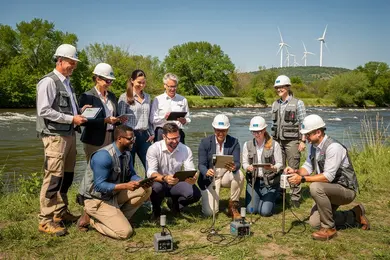
Real-world application increasingly shapes demand, with roles spanning renewable energy, urban planning, and consulting. For instance, a city planning department might need analysts to evaluate climate-related risks to infrastructure, requiring competencies in GIS and policy alongside quantitative analysis. This interdisciplinary expectation creates tradeoffs for job seekers balancing technical depth with communication skills to effectively translate complex data for diverse audiences.
Geographic factors also impact employment opportunities, as government and research institution jobs cluster regionally, compelling some candidates to consider relocation. Clearance requirements or familiarity with federal and state environmental laws further narrow the candidate pool. Proactive strategies such as focused professional development, networking within environmental circles, and engagement in applied research enhance one's practical readiness and marketplace standing.
Committing to these targeted efforts is critical given the competitive landscape, where demonstrated experience decisively influences career trajectory more than formal credentials alone.
Are there certifications or professional credentials that benefit climate analysts?
Credentials meaningfully influence hiring outcomes for climate analysts, with employers emphasizing certifications that directly validate applied expertise in climate modeling, data analysis, and policy comprehension. The Certified Climate Change Professional (CC-P) credential, for instance, specifically signals proficiency in climate risk management, a priority in agencies and consulting firms alike. Similarly, Geographic Information Systems (GIS) certification aligns tightly with technical requirements for roles involving climate data representation and spatial analysis.
In practice, candidates face a tradeoff between immediate entry based on formal education and investing time and money into certifications that yield a measurable salary premium of 15-20%, according to recent U.S. Bureau of Labor Statistics data. For example, a working professional weighing a six-month certification course must consider whether the enhanced employability and potential salary uplift justify the delayed workforce entry.
Federal and state roles often require environmental credentials such as Professional Geologist (PG) or Environmental Professional (EP), reflecting the regulatory and compliance intensity these positions maintain. Conversely, private sector firms place a higher premium on hybrid skill sets, combining climate-specific certifications with data science or statistics training to increase placement competitiveness.
How can you choose an accredited environmental science program geared toward climate analysis?
Choosing an environmental science program with a climate analysis focus requires scrutiny beyond accreditation. It demands alignment with industry-specific skills and employer expectations. Accreditation from recognized regional or national agencies like the Higher Learning Commission ensures institutional standards, but prospective students must confirm that programs include specialized climate analytics coursework integrating data science, remote sensing, and climate modeling essential for competitive technical roles.
Employment outcomes offer a practical metric. Graduates placed in climate-related jobs earning $142,800 to $193,200 annually in tech-centric markets such as Seattle reflect the program's relevance.
Prioritize programs that provide hands-on experience with real-world climate datasets and modeling software, and consider the delivery format's tradeoffs. On-campus programs often facilitate valuable networking and access to specialized labs, whereas online formats favor working professionals needing flexibility but may limit immersive technical training.
Faculty expertise directly impacts curriculum relevance; those contributing to recent IPCC or NOAA research provide access to cutting-edge developments. Look for courses emphasizing statistics, GIS, and programming tailored for climate data analysis and programs that support certifications like Certified Climate Change Professional (CC-P).
Other Things You Should Know About Environmental Science Degrees
Technical skills in data analysis, programming, and climate modeling are essential for landing many climate analyst positions, especially in research or technical roles. However, neglecting policy understanding limits your ability to influence or interpret climate data in regulatory, consulting, or government contexts. Prioritize a balanced program that integrates practical technical training with exposure to environmental policy frameworks to maximize your employability across diverse employers.
Environmental science graduates should learn Excel, Python, R, and GIS software such as ArcGIS or QGIS before applying. Many climate analyst postings also expect familiarity with emissions inventories, remote-sensing datasets, and EPA or NOAA data portals, because those tools support forecasting, reporting, and climate-risk analysis.
Jumping into graduate school can deepen subject-matter expertise and access specialized roles but may delay practical experience that employers value. Many climate analyst positions reward candidates who combine a bachelor's degree with relevant internships or entry-level experience before advancing to graduate studies. Prioritize building a competitive work portfolio alongside or shortly after undergraduate education rather than viewing graduate degrees as mandatory upfront.
Private sector roles often offer higher salaries and faster career advancement but expect greater output demands and narrower project focuses aligned with corporate interests. Public agencies provide more stability and broader exposure to policy and regulatory applications but may involve slower career progression and budget constraints impacting project scope. Choose based on whether you prefer dynamic, high-pressure environments or steadier roles with direct public impact.
References
- Climate change analysts: Salary, career path, job outlook, education and more - RaiseMe https://www.raise.me/careers/life-physical-and-social-science/environmental-scientists-and-specialists/climate-change-analysts/
- Online Environmental Science Degrees: Compare Schools https://www.degreesforgood.org/online-degrees/environmental-science/
- Department of Environmental Sciences and Policy at CEU https://www.ceu.edu/departments/environmental-sciences-policy
- Strong Programs in Environmental Studies https://toptieradmissions.com/strong-programs-in-environmental-studies/
- Occupation Profile for Climate Change Policy Analysts | CareerOneStop https://www.careeronestop.org/Toolkit/Careers/Occupations/occupation-profile.aspx
- Certified Climate Change Professional (CC-P®) Credential — Association of Climate Change Officers https://climateofficers.org/certification-professional
- Fact Sheet | Climate Jobs (2024) https://www.eesi.org/papers/view/fact-sheet-climate-jobs-2024
- Exciting Climate Data Analyst Roles: Your Path to Impact https://enable.green/esg-roles/sustainability-and-esg-careers/climate-data-analyst-job-description/