2027 Online Environmental Science Degrees With Environmental Consulting Career Alignment

Co-Founder and Chief Data Scientist
Environmental science professionals frequently confront urgent demands to translate complex ecological data into actionable consulting solutions amid tightening regulatory deadlines and evolving client priorities. Balancing ongoing work obligations with further education challenges many; the National Center for Education Statistics reports a 12% rise in enrollment among adult learners pursuing online degrees since 2023, signaling a shift toward flexible, career-compatible learning models.
This trend reflects increasing recognition that rigid, on-campus programs limit timely workforce entry and mobility for mid-career changers targeting environmental consulting roles. This article examines online environmental science degree options designed for professional alignment with consulting careers, offering practical guidance to navigate program attributes, employer expectations, and career outcomes for optimized decision-making.
Key Things You Should Know
- Online environmental science degrees reduced fieldwork exposure by 40% according to the 2024 Bureau of Labor Statistics, complicating hands-on skill validation critical for consulting firm hires and regulatory compliance roles.
- Employers report 27% higher preference for candidates with co-op or internship components embedded in their online environmental science programs, spotlighting practical experience as a decisive hiring factor.
- Average online program costs inflated by 12% year-over-year per National Center for Education Statistics data, pressuring mid-career professionals to prioritize accelerated paths linked to immediate credential recognition in consulting careers.
What is an online environmental science degree and how does it prepare you for environmental consulting?
Online environmental science degree benefits for consulting careers rest largely on their ability to integrate scientific expertise with applied skills crucial for fieldwork and regulatory navigation. Graduates frequently undertake roles requiring environmental impact assessments and GIS analysis, bridging technical and legal demands across sectors like construction and government. For instance, an environmental consultant may evaluate development sites to ensure compliance with federal and state laws while advising on minimizing ecological damage.
Employers prioritize candidates who demonstrate proficiency in current data modeling software and the capacity to interpret scientific data within complex regulatory frameworks. These expectations shape coursework, often emphasizing hands-on learning and capstone projects reflective of real consulting challenges. Environmental consulting skills gained from online environmental science programs have a direct bearing on employability, as practical experience mitigates the challenges posed by a labor market expected to grow only moderately, with roughly 8,500 annual openings.
However, students must carefully assess programs for remote lab access or fieldwork opportunities aligned with state certification requirements. Flexible study formats trade off against the necessity for intensive practical training, impacting immediate career readiness. Prospective learners can explore program options through resources such as the best online EHS programs to make informed decisions grounded in workforce demands and experiential learning opportunities.
How do online environmental science programs compare to campus-based options for consulting careers?
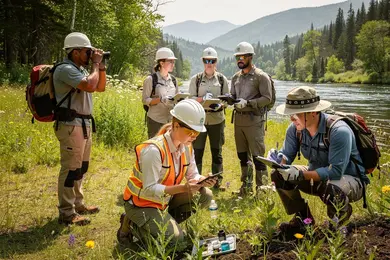
Online environmental science degree programs for consulting careers deliver theoretical knowledge comparable to campus-based education but often lack the intensive hands-on consulting skills that employers demand. Environmental consulting roles require proficiency in fieldwork, regulatory site assessments, and real-time collaboration-competencies typically cultivated through in-person labs, field excursions, and local networking available on traditional campuses.
Demand for environmental consultants has risen by 11-12% globally in 2023-24, while the pool of qualified candidates expanded at roughly half that rate, amplifying competition for candidates with applied experience. Students pursuing consulting should prioritize programs featuring embedded experiential learning components such as localized practicums or professional certifications synchronized with industry standards. For instance, working on environmental impact assessments in construction mandates field experience that purely online curricula rarely provide without hybrid options.
Campus programs also benefit from stronger alumni networks and employer pipelines within environmental consulting firms, facilitating mentorship and job leads. Online learners, especially those changing careers, often face longer job searches absent these embedded supports and must proactively build professional connections.
Deciding between campus-based environmental science education versus online for consulting careers hinges on balancing flexibility against the immediacy and depth of practical exposure. Online degrees can accelerate access but require deliberate efforts to acquire hands-on credentials and network independently to compete in a talent-constrained market.
Prospective students seeking advanced analytics skills related to environmental consulting might explore linked fields such as a doctorate in data analytics online as a strategic complement.
Which types of accreditation should online environmental science degrees have for consulting work?
Accreditation for online environmental science degree programs shapes the trajectory of consulting careers by directly influencing employability and professional licensing prerequisites. Employers and state agencies predominantly recognize regional accrediting bodies sanctioned by the U.S. Department of Education or the Council for Higher Education Accreditation (CHEA), making such credentials a gatekeeper in competitive hiring processes for environmental consulting roles.
Specialized accreditation from organizations like the Accreditation Board for Engineering and Technology (ABET) further validates curriculum rigor, which matters when firms conduct environmental impact assessments or remediation projects requiring precise regulatory compliance and technical accuracy.
Graduates lacking recognized accreditation often confront extended job searches and limited access to certifications like Professional Environmental Auditor or Licensed Environmental Professional-certifications increasingly mandatory for many state-level consulting assignments.
Students targeting consulting positions should weigh tradeoffs between accredited programs, which can entail higher tuition and scheduling demands, versus faster certification eligibility and stronger employer recognition. Evaluating programs that integrate current federal and state environmental regulations, GIS applications, and environmental risk assessment is essential. Notably, recent data from EnvironmentalScience.org shows about 68% of environmental science graduates secure relevant roles within three years, underscoring the advantage of accredited environmental science programs recognized by employers.
For professionals considering a pivot, exploring options such as an online exercise science degree offers insight into alternative pathways with comparable accreditation challenges and workforce implications.
What admission requirements and prior preparation are needed for online environmental science programs?
Admission to online environmental science programs hinges on a candidate's prior academic preparation, especially in biology, chemistry, physics, and mathematics. Undergraduate entry typically requires a high school diploma with emphasis on algebra and laboratory sciences, whereas graduate programs demand a relevant bachelor's degree or significant professional experience. For those pivoting careers, documented scientific or environmental work can sometimes substitute formal prerequisites, but this flexibility often restricts access to advanced coursework and narrows program options.
Standardized testing requirements vary: while most undergraduate programs accepted SAT or ACT scores, many have shifted to test-optional models focusing on GPA and relevant coursework rigor. Graduate admissions commonly require GRE scores unless waived for experience. Applicants must also provide a statement of purpose tailored to specific environmental interests, which helps clarify alignment with sectors such as environmental consulting.
Effectively managing an online environmental science program means anticipating challenges in time management and self-direction, as remote formats exclude conventional lab experiences. Some programs mitigate this with virtual labs or short in-person residencies. Employers prioritize candidates exhibiting concrete skills in data analysis and regulatory frameworks; thus, programs emphasizing hands-on case studies enhance employment prospects. Online degree seekers should weigh these operational tradeoffs carefully.
Salary data from the U.S. Bureau of Labor Statistics reflect incentives for rigorous screening: environmental scientists and specialists earn a median annual wage of $80,060, with top earners exceeding $134,830. This underscores the importance of deliberate educational investment.
Students evaluating an online environmental science program admission requirements must consider how foundational STEM preparation affects both eligibility and career outcomes. For a contrasting perspective on another science field's return on educational investment, see why is a library science degree worth it.
What courses and skills in environmental science align most directly with environmental consulting roles?
Success in environmental consulting demands specialized technical skills that extend well beyond general environmental science knowledge. Critical courses-environmental policy, impact assessment, geospatial analysis, and toxicology-directly prepare students to navigate regulatory frameworks and assess site-specific risks. For example, mapping contamination plumes with Geographic Information Systems (GIS) is non-negotiable when tailoring risk mitigation tactics across industries like manufacturing and remediation.
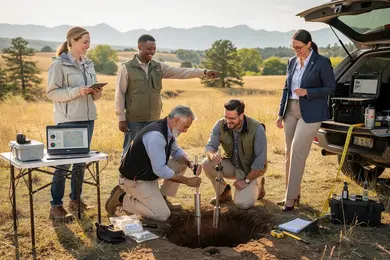
Data analysis and environmental sampling proficiency are equally essential. Consultants tasked with groundwater contamination investigations must synthesize hydrogeology and chemical data to produce actionable remediation plans. Moreover, the ability to create clear, compliance-ready documentation remains a consistent hiring benchmark, underscoring the need for technical writing skills aligned with federal and state guidelines.
Online programs with tuition under $10,000 annually present an affordable alternative, but candidates should weigh potential drawbacks such as limited hands-on field experience. This gap often necessitates supplemental local internships to develop practical sampling and measurement skills. Employers also value contextual understanding of client industries, which minimizes regulatory missteps and costly project delays.
Key competencies employers prioritize include applied environmental law, risk assessment methodologies, and familiarity with project management software. Without these, graduates encounter increased barriers during recruitment, underscoring the importance of programs that integrate real-world, applied training rather than purely theoretical coursework.
How long do online environmental science degrees take and what do they typically cost?
Choosing an online environmental science degree requires weighing time commitments and financial investment against tangible career outcomes. Bachelor's degrees typically take four years full-time, but transfer credits or accelerated formats can shorten this to two, a critical consideration for those balancing employment or career pivots. Master's degrees, meanwhile, usually demand 18 to 24 months full-time, with part-time tracks extending up to three years or more.
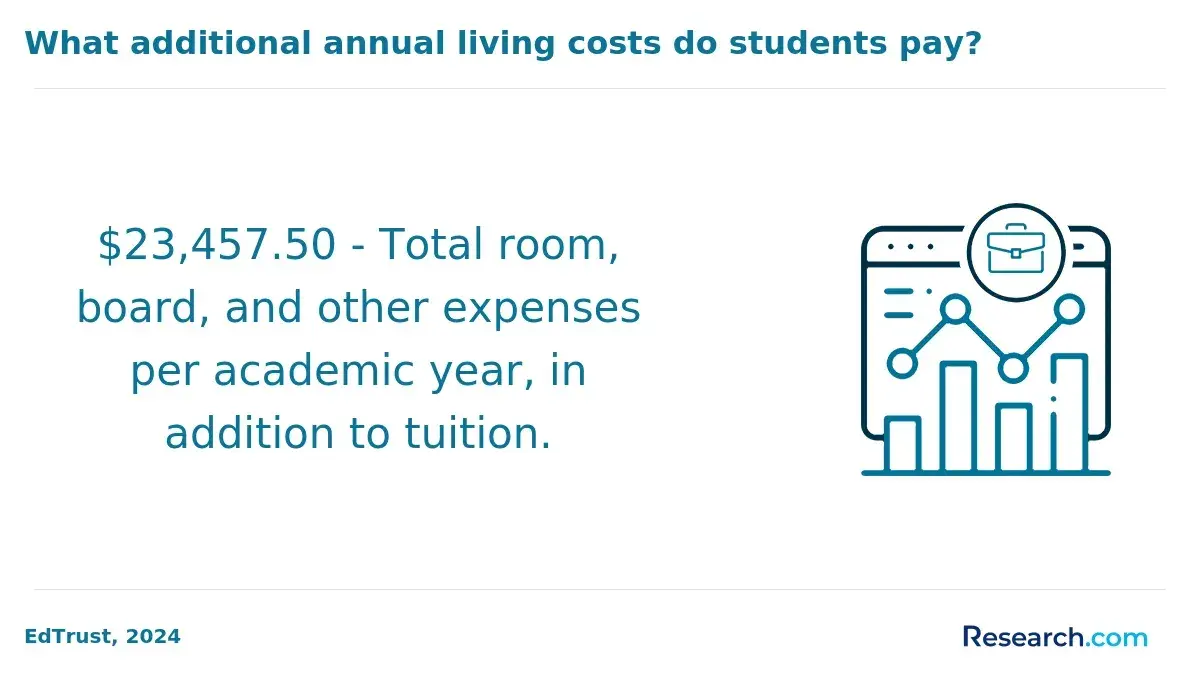
Costs widely vary by institution and residency, with in-state public university tuition ranging from $5,000 to $15,000 annually, compared to private programs charging $20,000 to $40,000 per year. Total tuition for bachelor's programs lies between $20,000 and $60,000, while master's degrees typically cost $15,000 to $45,000 exclusive of supplementary expenses like GIS software or lab fees.
Specializations directly impact employability and program scope. For example, GIS expertise aligns with a projected 9% annual growth in environmental roles, as detailed in Zippia's 2024 labor market analysis. This makes GIS training a strategic addition despite added coursework.
Working professionals must consider flexibility to minimize income disruption. Options allowing credit transfers or competency-based progression can speed completion and lower costs, crucial when balancing full-time jobs.
- Full-time bachelor's: 4 years, with accelerated options
- Master's: 18-24 months full-time, 3+ years part-time
- b: $5,000-$15,000/year (in-state)
- Private tuition: $20,000-$40,000/year
- Total bachelor's tuition: $20,000-$60,000
- Total master's tuition: $15,000-$45,000
- GIS specialization: 9% job growth rate through 2028
What environmental consulting jobs can you get with an online environmental science degree?
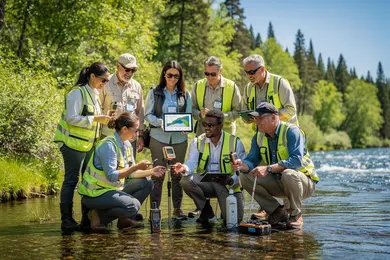
Success in environmental science roles increasingly hinges on combining technical mastery with concrete, verified experience. Graduates often aim for positions like environmental consultant or compliance specialist, yet employers expect familiarity with regulations, data analysis, and impact assessments that extend beyond theoretical coursework. For example, consultants working in industrial contexts must command soil and water testing techniques, frequently developed through online labs or remote simulations embedded in curricula.
The projected rapid expansion of the geospatial analytics sector-forecasted to nearly triple over the next decade-heightens demand for professionals fluent in GIS tools for land use planning and environmental impact evaluation. This creates opportunities but also raises the bar for skill integration across environmental science, data analytics, and communication.
Balancing skill acquisition with hands-on experience is pivotal, as limited access to in-person labs in online programs can hinder workforce readiness. Proactive engagement through internships or volunteering with environmental organizations often proves essential, influencing salary trajectories and eligibility for advancement.
Furthermore, regulatory roles require applied knowledge of EPA guidelines, environmental impact statements, and risk assessment methodologies. The evolving labor market rewards environmental science graduates who continuously update multi-disciplinary competencies rather than solely relying on degree completion.
What are typical salary ranges and earning potential in environmental consulting careers?
Entry-level salaries for environmental science graduates in consulting usually fall between $50,000 and $65,000. This reflects positions focused on field data collection, regulatory compliance, and baseline assessments. Private firms often reward candidates with hands-on technical experience or relevant credentials, pushing earnings toward the higher end. Government roles typically start lower but compensate with clearer advancement routes and benefits. For example, a graduate working for a municipal environmental agency might accept a lower starting wage in exchange for job security and pension plans.
Mid-career professionals-such as GIS specialists or project managers-who accumulate 5 to 10 years of experience and technical proficiency can expect salaries ranging from $70,000 to $90,000+, with advanced certifications or professional licensing often necessary to reach the upper tier. Specialists in remediation or sustainability reporting in urban centers typically command better pay, while those focused on routine compliance in rural areas may see wage stagnation.
Key factors influencing salary growth include geographic location, sector (public vs. private), and specialization. Credentials like Certified Environmental Professional status or advanced degrees increase bargaining power but require investment in time and cost. Prospective consultants should weigh these trade-offs carefully, balancing immediate income needs against long-term career flexibility and job security.
- Entry roles emphasize practical skills and internships.
- Mid-career earnings depend on technical expertise and leadership.
- Location and sector shape wage trajectories significantly.
- Certifications provide measurable salary advantages but require deliberate commitment.
What is the job outlook and industry demand for environmental consultants in the United States?
Projected growth exceeding 10% through 2031 signals sustained demand for environmental consultants across the United States, primarily driven by regulatory compliance and sustainability mandates in manufacturing, construction, and government sectors. However, regional hiring disparities require candidates to strategically target states like California and New York for higher volumes of opportunity, while rural regions may demand expertise in natural resource management.
Graduates from environmental science programs, including online formats, are entering the workforce with relatively strong outcomes-data from Iowa State University reports about 91% of alumni securing relevant roles within six months. This indicates online degrees are competitive, yet practical experience remains non-negotiable. Employers expect consultants to navigate complex regulatory frameworks and deliver detailed environmental assessments, which necessitates internships or project-based learning, especially for midcareer professionals shifting fields.
Key considerations for prospective students include:
- Regional demand variances affecting hiring volume and job types
- Importance of certifications and hands-on experience alongside academic credentials
- Tradeoffs between flexibility of online study and access to in-person practical training
Aligning educational investments with these workforce factors is vital to mitigate friction during job placement and ensure long-term viability in consulting roles within environmental science.
How can you evaluate and choose a reputable online environmental science program for consulting?
Selecting an online environmental science program for consulting demands scrutiny beyond accreditation-program relevance to consulting practice is paramount. Regional accreditation or recognition from bodies like ABET ensures baseline quality, but the curriculum must extend into applied skills such as regulatory compliance, EPA standards, GIS tools, and impact assessment tailored to industrial clients. Without these, graduates risk inadequate preparation for the nuances of consulting roles.
Outcomes data reflecting graduate placement in relevant consulting jobs is a critical metric. Programs offering internships or practicums with direct exposure to environmental sampling or modeling software better equip students for employer expectations. Omitting hands-on experience risks producing candidates strong in theory but unprepared for fieldwork and client-facing challenges.
Considering future job market dynamics, projected job growth of 5-7% over a decade and wage ranges from $49,490 to $104,170 illustrate demand and variability in earning potential linked to expertise and role. Candidates should weigh program flexibility and career support services equally with tuition costs; cheaper programs lacking mentoring can extend job searches, delaying return on investment.
Engagement with employers, through advisory boards or partnerships, often signals that curricula adjust to evolving consulting trends and regional needs, enhancing graduate adaptability. Such alignment can differentiate a program amid competitive environmental science consulting fields.
Other Things You Should Know About Environmental Science
Many online environmental science degrees require 100 to 200 hours of supervised internship or fieldwork for consulting preparation. Programs often place this requirement in the final year, with site-based experience in sampling, compliance reporting, or impact assessment under faculty or employer supervision.
Online programs vary significantly in workload intensity and pacing. Working professionals often underestimate the time required for lab simulations, data analysis, and environmental software training that complement theoretical courses. Programs with flexible deadlines and asynchronous content provide better work-study balance, but those that compress lab components into short periods may create scheduling conflicts for employed students.
Supplemental certifications in areas like Hazardous Waste Operations (HAZWOPER) or Environmental Site Assessment (ESA) are often required or preferred for consulting roles. Earning these certifications alongside your degree improves job prospects and can offset a lack of extensive field experience. Professionals should evaluate their target employer's common certification expectations early and plan to acquire relevant credentials promptly after graduation.
References
- Environmental Consulting Salary: New Grad First Year https://redrockconsultinggroup.com/environmental-consulting-salary-what-new/
- Essential Environmental Consultant Role Explained https://enable.green/esg-roles/sustainability-and-esg-careers/environmental-consultant-job-description/
- Exploring Career Paths in Environmental Consulting - Geo-Technology Associates, Inc. https://www.gtaeng.com/exploring-career-paths-in-environmental-consulting/
- Salary Insights for Environment Consultants https://theenvironmentconsultant.com/2025/02/04/salary-insights-for-environment-consultants/
- Environmental Consulting in the US Employment Statistics for 2026 | IBISWorld https://www.ibisworld.com/united-states/employment/environmental-consulting/1427/
- Environmental / Sustainability Consultant - Green Careers Hub https://www.greencareershub.com/find-your-green-role/job-profiles/environmental-sustainability-consultant/
- Top Environmental Studies Jobs: Careers in Environmental Science https://sustainablebusinessmagazine.net/eco-review/top-environmental-studies-jobs-careers-in-environmental-science/
- A Guide to Great Degrees for Environmental Consultants | LIS https://www.lis.ac.uk/stories/great-degree-for-environmental-consultant
- Environmental Consulting Jobs: Career Guide for Science Grads | Extern https://www.extern.com/post/environmental-consulting-jobs-career-guide