2027 Online Environmental Science Degrees With Water Resources Career Alignment

Co-Founder and Chief Data Scientist
Water resource managers face escalating demands to balance finite supplies amid worsening droughts and aging infrastructure, yet many lack timely access to specialized environmental science credentials crucial for impactful decision-making. Enrollment data from the National Center for Education Statistics shows a 27% growth in online degree students since 2024, reflecting how working professionals prioritize flexible pathways to meet urgent workforce needs without pausing careers.
This shift not only widens access but also demands rigor in aligning curriculum with real-world water challenges and employer expectations. This article evaluates online environmental science degrees with direct water resources career alignment to guide informed academic and professional choices.
Key Things You Should Know
- Online environmental science degrees with water resources specialization often reduce in-person fieldwork, limiting hands-on hydrological skills critical for 40% of hiring managers in water resource roles, per ASCE data.
- Employers increasingly favor candidates certified in GIS and remote sensing alongside degrees, as 62% of U.S. water agencies report digital data analysis proficiency as a baseline expectation by 2025.
- While online programs cut relocation costs by 60%, average completion times extend 15% longer than on-campus tracks, impacting eligibility for federal hydrology technician positions requiring strict certification timelines.
What is an online environmental science degree with a water resources focus?
Specialized online environmental science degree programs with water resources specialization demand balancing scientific rigor with stakeholder-driven outcomes. Graduates must navigate complex regulations, apply hydrological modeling, and interpret watershed data, often under urgent conditions like municipal water contamination events.
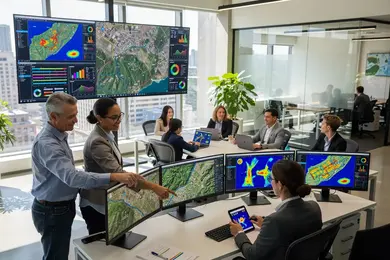
Professionals working in water management need proficiency in data modeling and geographic information systems (GIS) to design regulatory compliance and contamination mitigation strategies that reflect real-world constraints. Choosing the best water resources career-aligned environmental science degrees online requires scrutiny of curriculum relevance, software accessibility, and integration with certification standards for water quality or hydrology.
Employers prioritize candidates who can translate laboratory and case study learning into actionable solutions for urban planning, agriculture, or public utility sectors. Employment growth at 4% through 2034 and a median wage of $80,060, with the top 10% surpassing $134,830, quantify the market value and limitations of specialized expertise.
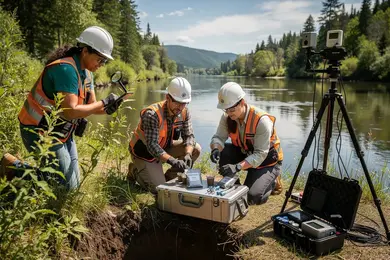
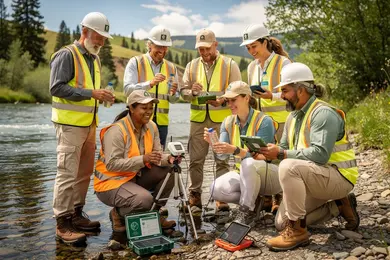
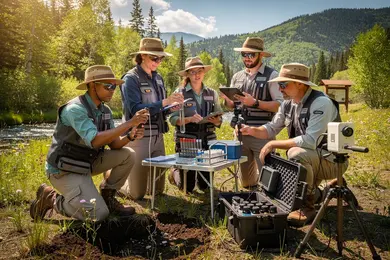
However, online delivery must incorporate robust virtual labs or local agency partnerships for meaningful hands-on experience, an often overlooked but essential tradeoff for working professionals pivoting or advancing in environmental science roles. Prospective students are advised to evaluate program accreditation, such as through accredited online environmental health and safety programs, and measure graduate employment rates in engineering or government agencies.
How do online environmental science programs compare to campus options for water resources?
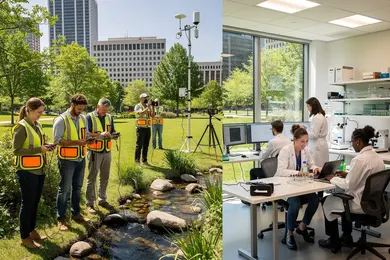
Online environmental science water resources programs often match campus-based curricula in theoretical content but fall short in delivering the practical training essential for water resource careers. Campus programs provide direct lab access, fieldwork, and agency partnerships that develop hands-on skills valued by employers. This distinction matters: roles in water resource management and engineering pay median annual salaries around $153,300 and are projected to grow by 7% from 2025 to 2035.
Working professionals seeking flexibility benefit from online formats, though success requires strong self-motivation given limited real-time mentorship and peer collaboration. For instance, engineers designing sustainable water systems depend on face-to-face teamwork and regulatory navigation skills that virtual programs struggle to replicate fully.
Employers consistently prefer graduates who demonstrate problem-solving abilities in environmental monitoring and remediation projects, which campus offerings facilitate through in-person residencies or local partnerships. Programs' accreditation and curriculum rigor are comparable across modalities, but missing field-based components in online options limit readiness for high-stakes positions.
Students must critically assess whether programs guarantee practical exposure, particularly if aligning with local internship opportunities. Such evaluation is vital within a landscape that includes affordable options as detailed in data science degrees resources, since practical training directly influences employability beyond theoretical knowledge. Choosing between campus versus online environmental science degrees for water resource careers ultimately depends on individual circumstances.
Which U.S. schools offer accredited online environmental science degrees in water resources?
Online environmental science degrees focused on water resources must align with employer demands for combined academic rigor and applied skill, especially in regulated fields such as hydrology and water quality management. Among the top accredited online environmental science programs in the United States, Georgia Military College, Oregon State University, and Southern New Hampshire University stand out for offering accredited curricula with practical relevance.
Georgia Military College's Environmental Science & Water Resource Technology program is notable for its comparatively low annual tuition of $8,415 for 45 quarter hours, providing a financially feasible option for career changers or working professionals. Oregon State University integrates watershed management and sustainable urban planning applications into its online degree, appealing to those targeting regional water resource careers.
Southern New Hampshire University emphasizes regulatory compliance and environmental impact assessment, which aligns with roles in government or consulting. An unavoidable tradeoff in these programs is the challenge of securing in-person field experience, essential for certifications like Professional Geologist or Certified Environmental Scientist. Students must often arrange local partnerships or independent fieldwork to meet licensure standards.
Employers especially value programs with clear pathways to certification and tangible applied experience, making practical training modules a critical factor alongside tuition cost. For students exploring the best U.S. universities for online degrees in water resources management, balancing costs, real-world training, and state-specific licensure requirements is key.
Prospective learners might also consider related biology and health sciences options, as with a well-rounded online exercise physiology degree, to complement environmental science credentials for broader employability. Additional workforce insights on allied fields are available through online exercise physiology degree resources.
What courses and specializations are included in water resources-focused environmental science programs?
Water resources specialization in environmental science degrees demands combining physical science rigor with targeted skill sets that address contemporary water management complexities. Programs incorporating courses in environmental science programs focused on water resource management equip students with hydrologic modeling, geospatial analysis (GIS), aquatic ecology, and water treatment technology expertise.
These skills are essential for tackling challenges like contamination source tracking and regulatory compliance. For instance, predictive hydrologic models inform municipal water system planning by projecting river discharge variability, while GIS supports habitat restoration efforts and pollution mapping.
Applied data science is a core component, with software proficiency in tools like MODFLOW or the Soil and Water Assessment Tool (SWAT) enabling simulation of groundwater and surface water interactions under diverse conditions. These technical competencies meet employer demands for evidence-based infrastructure design, hazard mitigation, and efficient resource allocation.
Real-world projects, including internships with entities such as the U.S. Geological Survey or EPA, help bridge academic work and workforce needs. Across environmental science graduates with this water resources specialization, approximately 68% secure related employment within three years, spanning federal agencies, consulting firms, and research institutions.
However, candidates must weigh the intensity of interdisciplinary training and the variability of regional water issues when aligning their career goals. Students pursuing a strategic pivot through advanced credentials might also consider complementary paths like an online MLIS to expand data management and policy analysis capabilities.
What are typical admission requirements for online environmental science degrees in the U.S.?
Admissions for online environmental science degrees in the U.S. require more than academic credentials; applicants must demonstrate readiness for technical and analytical roles in water resources management. Minimum requirements typically include a high school diploma or GED with a GPA between 2.5 and 3.0, but competitive programs place greater weight on prior coursework in biology, chemistry, math (often calculus), and environmental studies.
Candidates lacking a strong quantitative foundation risk falling behind in programs that emphasize data analysis, GIS, and field applications-skills valued by employers who pay an average of $115,722 to water resource specialists nationwide. Though many schools have made SAT/ACT scores optional, submitting scores can differentiate applicants in competitive pools.
Professional experience or transferable college credits may allow for advanced standing, a crucial factor for working professionals seeking a pivot. Nontraditional students should also consider programs that evaluate resumes or conduct interviews, as these assessments gauge practical readiness beyond transcripts.
Personal statements and letters of recommendation play a pivotal role, especially at graduate levels, offering insight into candidates' motivation and analytical capabilities. Some programs mandate proof of hands-on fieldwork or lab experience, which align closely with workforce demands for applied skills. Prospective students must scrutinize program prerequisites carefully to ensure alignment with their background and career objectives.
How long do online environmental science programs take and what do they cost?
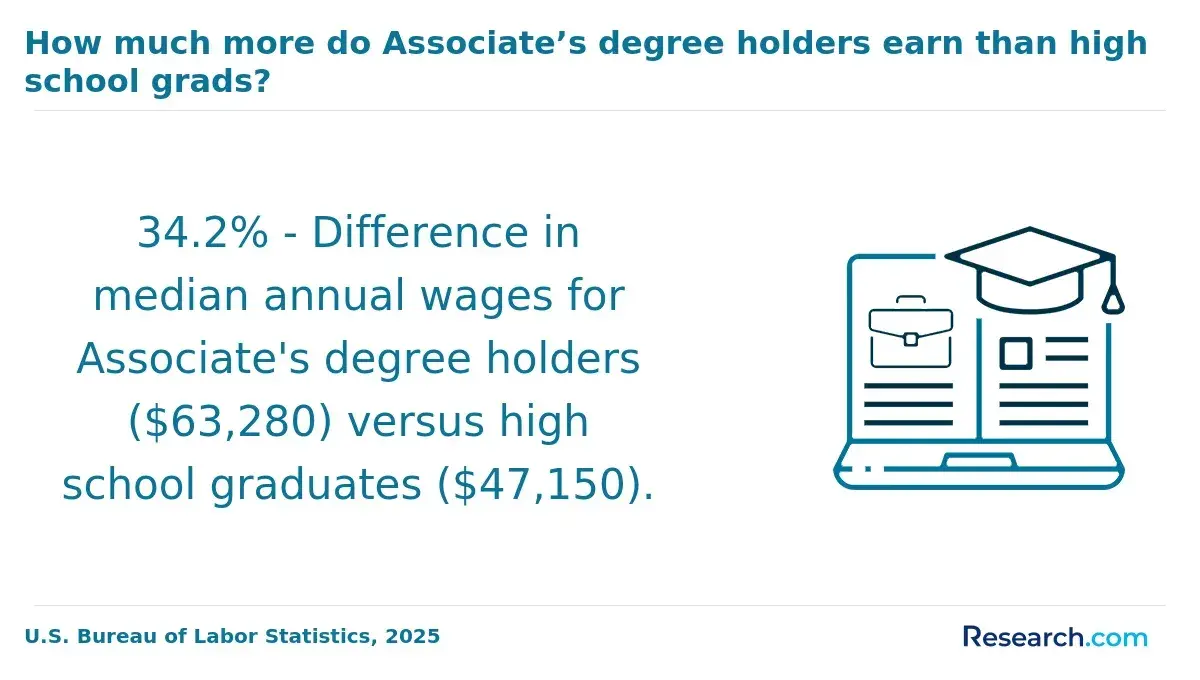
Program duration and cost are critical variables for professionals targeting specialized roles in environmental science with a water resources focus. A bachelor's degree typically requires four years full-time or about three years accelerated, while associate degrees conclude nearer to two years. Master's degrees with water resources specializations generally span 18 to 24 months full-time, but part-time options can extend this considerably, influencing both total financial and time investment.
Costs broadly range from $15,000 to $40,000 for undergraduate degrees and $20,000 to $50,000 for master's programs, with public online institutions often offering more affordable tuition than private ones. Transfer credits and in-state rates significantly affect net costs and should factor into program choice.
Employers in water resources sectors prioritize applied technical skills and certifications, such as GIS or hydrologic modeling, which provide a competitive edge beyond credential acquisition alone. For a mid-career professional shifting from a general environmental position to hydrology, a 24-month master's emphasizing practical water science may offer a better alignment with career outcomes than a longer bachelor's route.
The U.S. Bureau of Labor Statistics projects 3% job growth for hydrologists through 2033, with a median annual wage of $92,060. This stability rewards skillsets that effectively manage water quality and quantity challenges, underscoring that tuition and program length decisions must align with realistic employment prospects and employer expectations in the water resources field.
What water resources careers can you pursue with an online environmental science degree?
Online environmental science degrees open pathways into water resources roles that demand technical skill and regulatory knowledge, such as water resource manager, hydrologist, or environmental consultant. For instance, a water resource manager must integrate watershed management expertise with policy enforcement, often requiring proficiency in geographic information systems (GIS) and environmental modeling software-competencies typically embedded within these online programs.
Working professionals pivoting careers face a balance between tuition costs and flexible coursework. Programs like the University of Kansas Online adopt a flat rate of $795 per credit hour regardless of residency, mitigating financial unpredictability that can disrupt mid-career enrollment. This structure supports professionals maintaining full-time employment, as seen when a city planner transitions to water sustainability projects while juggling job responsibilities.
Real-world impact hinges on additional certifications such as Professional Engineer (PE) licensure or Certified Water Professional credentials; anticipating these helps optimize educational investments. Employability also depends on tangible experience with hydrologic modeling or environmental compliance monitoring, which some online programs achieve through internships or practical labs, though such offerings remain rare.
Prospective students must proactively seek local or virtual experiential learning opportunities to meet employer expectations. Candidate value further varies by state regulations, influencing job access and career trajectories within water resources management.
What are salary expectations and benefits for water resources and environmental science jobs?
Salary trajectories in water resources and environmental science indicate a notable divide between entry-level positions and management roles. Environmental scientists often start with median salaries ranging from $80,000 to $95,000, while natural sciences managers, including senior project leaders, earn upwards of $161,180 annually. This gap reflects the significant value employers place on supervisory experience and specialized knowledge in regulatory compliance and project oversight.
Geographic factors influence job growth and compensation: states investing heavily in water infrastructure typically offer higher salaries and more rapid employment expansion, creating tangible incentives for strategic relocation. Public sector roles provide stable benefits packages, such as health insurance and loan forgiveness, but private sector opportunities might yield bonuses, albeit with less job security.
Advancing through certifications or graduate degrees entails upfront costs and time, yet these investments can produce 20-30% salary increases, particularly when moving into compliance or management positions. Candidates must weigh this against immediate earnings and personal circumstances.
Successful candidates often target programs linked to demonstrated placement rates in municipal water authorities, environmental consulting, or federal agencies, ensuring the credential aligns with current market demands. Practical decision-making balances realistic salary expectations with educational friction to optimize long-term career returns.
- Entry-level environmental scientist median salary: $80,000-$95,000
- Natural sciences manager median salary: $161,180
- Projected employment growth: 4% (2024-2034)
- Salary boost from certifications: 20-30%
- Sector tradeoffs: public sector job security vs. private sector bonuses
What is the job outlook and industry demand for water resources professionals in the U.S.?
Water resources professions face a fluctuating landscape shaped by regulatory demand, environmental policy shifts, and fiscal cycles. While the U.S. Bureau of Labor Statistics projects an 8% employment growth in water resource management from 2024 to 2034, actual career stability hinges on navigating political influences and project funding variability, particularly in public utilities and ecosystem restoration.
Employers prioritize expertise in hydrological modeling, watershed planning, and regulatory compliance coupled with proficiency in GIS and remote sensing technologies. Advanced degrees focused on sustainability or water resource management often serve as critical differentiators for leadership roles and securing federal grants, yet these credentials require continuous certification and relevant practical experience to remain viable in a competitive environment.
This dynamic favors professionals adaptable to multi-disciplinary demands and incremental skill upgrades rather than static qualifications. A notable employment data point: 91% of sustainability/environmental master's graduates at Iowa State University find roles within six months post-graduation, illustrating the advantage of specialized education but also the importance of timing and network access.
Candidates should weigh the tradeoff between entering the workforce quickly and investing in graduate credentials when targeting advancement or sector shifts. Public sector roles may demand patience amid funding delays while consulting and private sector jobs often reward technological agility and cross-sector fluency.
- Projected 8% growth in water resource management jobs through 2034
- Core skills: hydrological modeling, watershed planning, GIS, remote sensing
- Advanced sustainability degrees improve leadership access but require ongoing certification
- Rapid absorption for environmental master's grads: 91% employed within six months
- Career tradeoffs involve navigating funding cycles and upskilling vs. immediate entry
How can students evaluate and choose a reputable online environmental science program?
Choosing an online environmental science program requires prioritizing institutional accreditation and specialized recognition in water-related disciplines to ensure both academic rigor and industry acceptance. Programs should demonstrate a clear alignment of curriculum with fields like hydrology, water policy, and watershed management to match targeted career pathways in water resources.
For example, an aspiring environmental engineer must verify access to coursework on water treatment technologies and environmental modeling to meet employer expectations. Faculty expertise plays a direct role in applied knowledge; faculty engaged in research on water stress or sustainability enhance program relevance. Graduate outcomes offer practical insight: programs placing 70% or more of graduates in relevant water-focused jobs indicate effective professional preparation.
Prospective students should further weigh opportunities for internships or partnerships with environmental agencies, as hands-on experience is essential in this sector. Labor market data compiled by Arizona State University Online, drawing from the U.S. Bureau of Labor Statistics, shows key environmental jobs with median wages ranging roughly $69,000 to $104,000 and growth rates between 4-7% through 2033, reflecting both opportunity and competition.
Finally, the choice between asynchronous formats and those incorporating live sessions affects engagement and skill-building through software like GIS, critical for evolving water resource management challenges.
Other Things You Should Know About Environmental Science
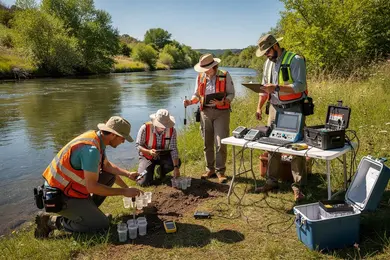
While online environmental science degrees in 2027 often include virtual simulations and projects simulating practical fieldwork, many programs necessitate in-person fieldwork to provide essential hands-on experience. These sessions are usually scheduled at convenient times, such as weekends, to accommodate working professionals.
A strong program should include GIS, remote sensing, hydrology, and watershed management coursework. Look for at least 3 credits in GIS and 3 credits in remote sensing, plus training in ArcGIS or QGIS, because water resources employers often use these tools for mapping, flood risk, and watershed analysis.
Employers increasingly accept online degrees but often scrutinize the program's accreditation and curriculum rigor more closely. Degrees from regionally accredited schools with accredited environmental science programs carry more weight. Graduates should highlight any internships, certifications, or applied projects completed during their studies to compensate for any perceived online learning disadvantages.
Additional certifications in Geographic Information Systems (GIS), water treatment, or environmental compliance significantly enhance job prospects, especially when paired with an online degree. These certifications address employer demands for specialized technical skills often not deeply covered in degree programs. Prioritize certifications aligned with your targeted job market to improve competitiveness and salary potential.
References
- California is Overflowing with Water Career Opportunities | California Water Environment Association https://www.cwea.org/news/water-week-california-is-overflowing-with-water-career-opportunities/
- Master of Science (M.Sc. ) in Water Resource Management | National Council of Training Academy https://nctaindia.in/courses
- Online Environmental Science Degree | BS Environmental Science | University of Phoenix https://www.phoenix.edu/online-liberal-arts-degrees/environmental-science-bachelors-degree.html
- 12 Types of Jobs You Can Get as a Natural Resources Professional https://www.nrep.org/blog/natural-resources-jobs
- Water Resources Careers Outlook - NWF EcoLeaders https://www.nwfecoleaders.org/careercenter/water
- Choosing a bachelor's in environmental science | edX https://www.edx.org/resources/how-to-choose-a-bachelors-in-environmental-science
- Online Degree Programs from GMC Online https://online.gmc.edu/programs/environmental-science-and-water-resources-technology/
- 2,000+ Water Jobs (Updated Today) – Free to Apply https://jobs.watertechintel.com/blog/jobs-in-water-resource-management
- Online PhD in Water Resource Management @EUCLID https://m.euclid.int/programs/online-phd-water-resource-management/