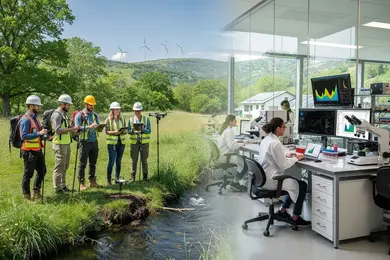
2027 Online Environmental Science Degrees for Outdoor and Fieldwork Careers

Co-Founder and Chief Data Scientist
Field researchers in environmental science face the challenge of balancing rigorous outdoor work with acquiring specialized knowledge amid tight schedules and unpredictable field conditions. With more than 75% of adult learners favoring flexible, online options according to the National Center for Education Statistics, the rise of remote environmental science degrees addresses this tension by enabling access without geographic or temporal constraints.
However, translating online coursework into effective fieldwork readiness requires programs that integrate practical skills alongside theory. This article explores current online environmental science degrees tailored for outdoor and fieldwork professions, highlighting how program structures and delivery formats influence career advancement and preparedness in real-world settings.
Key Things You Should Know
- Data from the Bureau of Labor Statistics in 2024 shows online environmental science degrees often reduce on-campus field experience by 30%, forcing graduates to seek external internships to meet employer hands-on expectations.
- Employers increasingly require proficiency in geospatial analysis and environmental data modeling; programs lacking advanced software integration risk limiting graduates' access to 18% faster-growing specialized roles, according to a 2024 industry workforce analysis.
- Tuition for accredited online environmental science degrees averages 25% lower than traditional programs, but extended completion times-averaging 6 months longer-can offset cost savings by delaying workforce entry, per National Center for Education Statistics data.
What is an online environmental science degree and who is it best suited for?
Online environmental science degree programs in the United States offer flexibility critical to professionals balancing work and study, but require careful scrutiny of fieldwork components. For example, a soil conservationist employed full-time can upskill remotely in ecological risk assessment without relocating, preserving income and continuity.
This practical advantage, however, comes with tradeoffs: many programs mandate hands-on field experiences, often scheduled as summer intensives or coordinated through regional partnerships, which may incur additional travel costs or logistical barriers. Demand for environmental science graduates remains robust, with the U.S. Bureau of Labor Statistics projecting approximately 8,500 annual job openings through 2034 and a median wage of $80,060 as of May 2024.
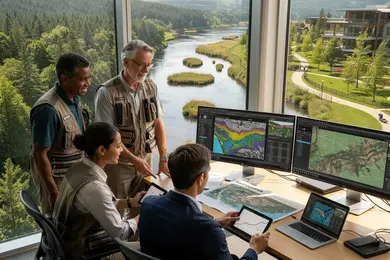
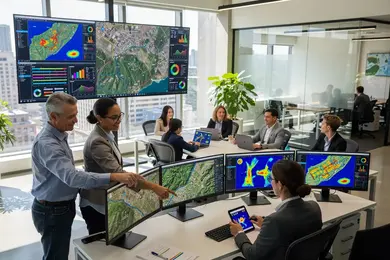
Employers emphasize applied skills such as GIS, data analysis, and environmental policy interpretation, making it essential that degree programs integrate verified practical experience aligned with workforce needs. Prospective candidates, particularly those representing the best candidates for online environmental science degrees with fieldwork focus, must weigh program flexibility against the availability of virtual labs or local internship options to ensure marketable credentials.
To identify viable programs, prospective students should consult resources like this online geoscience degree overview, which evaluates the practical balance of online curriculum and hands-on training opportunities needed for successful career transitions.
How do online environmental science programs compare to campus-based options for fieldwork?
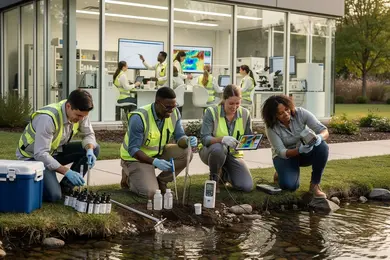
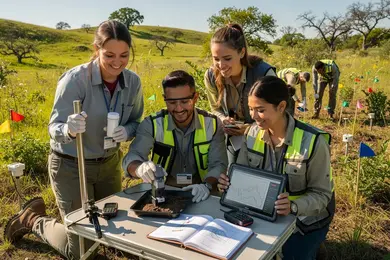
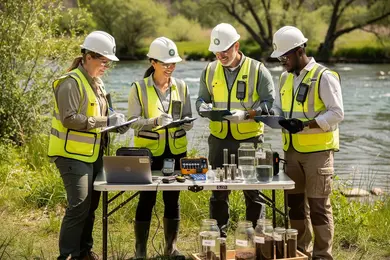
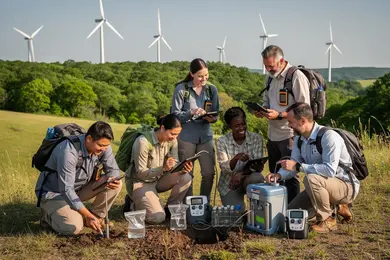
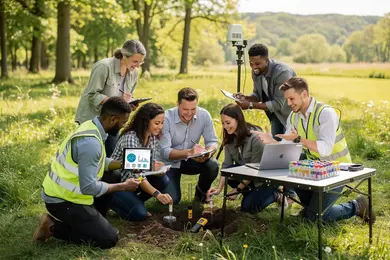
Programs offering online environmental science programs with fieldwork components often fall short in delivering consistent practical training compared to campus-based degrees. Campus students benefit from direct access to laboratories, specialized equipment, and immersive local ecosystems, which facilitate hands-on skills like soil sampling and biodiversity surveys.
Online students frequently face the challenge of securing their own field placements or relying on simulations, resulting in variable exposure that depends heavily on their location and initiative. Employers in roles requiring fieldwork emphasize proven hands-on competence. Campus-based graduates usually leverage structured internships and supervised labs embedded in their curriculum, smoothing entry into technical outdoor positions.
In contrast, online graduates must proactively obtain equivalent experience, which can be difficult for those balancing jobs or living in urban settings with limited access to natural environments, a clear workforce implication of the online versus campus-based environmental science field experiences dynamic. Income data from the U.S. Bureau of Labor Statistics reveals that environmental scientists in the top earning bracket exceed $134,000 annually.
Without substantial field experience, online graduates risk falling below this potential due to employer doubts about their readiness. Prospective students should research how online programs support field placements and mentorship. Those evaluating educational pathways might also explore options like the cheapest online data science master's to supplement their expertise with complementary analytics skills relevant in environmental data interpretation.
How can I verify accreditation for online environmental science degrees in the United States?
Accreditation determines a program's practical value in the US environmental science job market, where steady 4% growth demands credentials recognized by employers and state boards. Regional accreditation is non-negotiable for those targeting government roles or consulting firms; it validates education quality and eligibility for certifications. Without it, students risk enrolling in programs that restrict access to federal financial aid and offer credits with no transfer or certification recognition, delaying workforce entry and credential completion.
When evaluating online environmental science degree accreditation in the United States, one should verify the institution's status through the U.S. Department of Education's Database of Accredited Postsecondary Institutions and Programs (DAPIP). This prevents pitfalls linked to diploma mills or poorly recognized programs, which impair employment and advanced study prospects.
Specialized accreditation or endorsements from scientific professional bodies further ensure the curriculum aligns with industry standards and practical competencies, essential for outdoor careers involving sustainability monitoring or regulatory compliance. Prospective students weighing options should balance accreditation with program relevance and modality, bearing in mind that some credits might not transfer despite institutional accreditation.
For students seeking strategic pivots, understanding how to check accredited online environmental science programs US is vital. Financial aid eligibility, credit transferability, and employer scrutiny pivot heavily on accreditation status. Considering these factors in tandem with market-demand and skill applicability helps avoid costly missteps.
For comparison, individuals also explore pathways through related fields such as online degrees in computer science, where accreditation frameworks operate differently but with similarly critical career impacts.
What environmental science degree levels and specializations prepare you for outdoor careers?
Choosing outdoor environmental science degree programs in the US requires balancing specialized field skills with realistic career trajectories. Bachelor's degrees with specializations in conservation biology, ecology, or environmental field methods directly target outdoor roles such as park ranger or habitat restoration, emphasizing applied fieldwork, wildlife tracking, and remote sensing technology. These programs accelerate entry into practical roles through rigorous hands-on training.
Associate degrees, typically aligned with environmental technician duties, focus on operational tasks like environmental sampling and compliance monitoring. While these can provide immediate employment in entry-level conservation or remediation positions, they often limit access to supervisory roles and advanced field research without further education.
Graduate degrees in environmental management or natural resource conservation prepare students for leadership and specialized research, integrating advanced GIS, environmental policy, and quantitative methods with extensive outdoor data collection. This level aligns closely with employer expectations for technical and managerial expertise in field operations.
Employers prioritize credentials accompanied by field certifications such as Wilderness First Responder or HAZWOPER, alongside relevant coursework. Program delivery modes vary significantly; many online environmental science degree programs in the US differ widely in practicum requirements and local agency partnerships, critically affecting hands-on training opportunities and job placement.
Graduates should consider these practical tradeoffs and local field experience access carefully to avoid gaps between academic preparation and workforce demands. Students also commonly explore options like a computer science degree online to augment technical skills relevant for evolving environmental data analysis roles.
What courses, labs, and field experiences do online environmental science programs include?
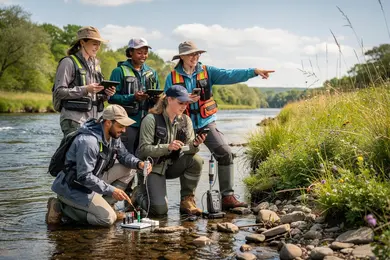
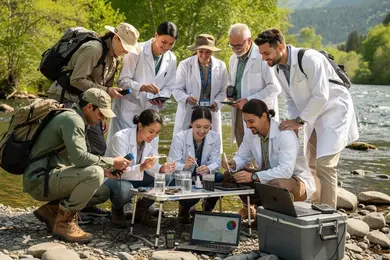
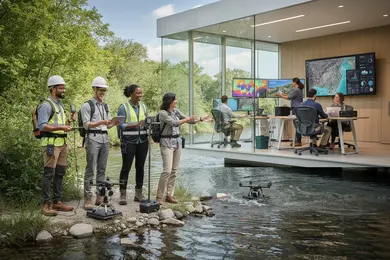
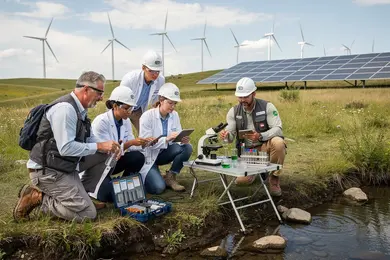
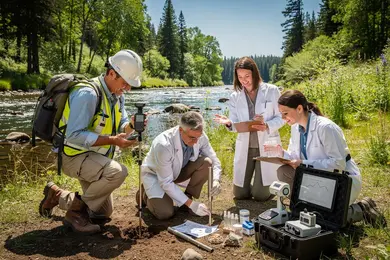
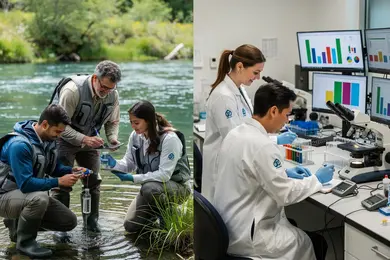
Online environmental science programs must integrate hands-on labs and mandatory field experiences to meet employer standards for outdoor work proficiency. Coursework covering ecosystem analysis, soil science, hydrology, and GIS mapping alone cannot substitute practical skills like water quality testing and species identification, which are essential for natural resource management roles.
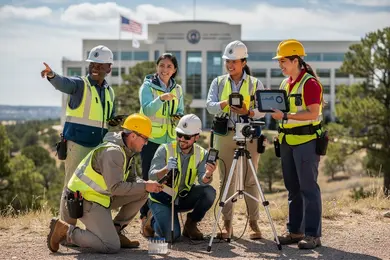
For example, a student specializing in pipeline environmental impact needs to perform on-site soil and water sampling to confirm theoretical knowledge, a task reflecting job realities in pipeline transportation roles that often pay over $108,000 annually. Field components remain unavoidable despite the online format. Many programs coordinate regional field labs or require local internships to reduce travel burdens while ensuring physical skill acquisition.
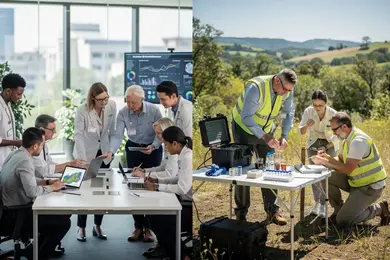
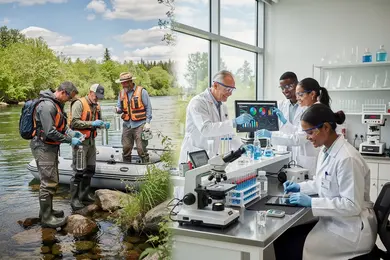
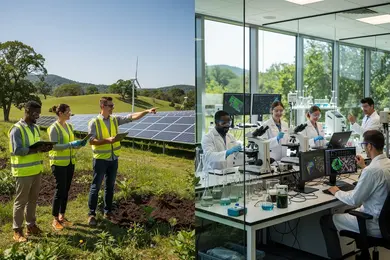
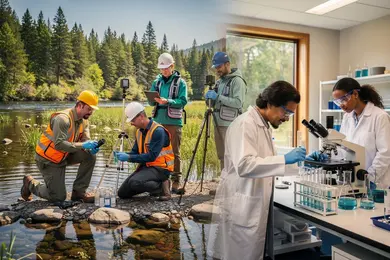
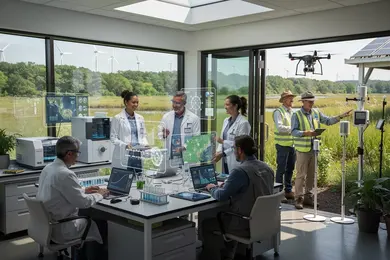
This hybrid model balances remote learning flexibility with the hands-on demands of environmental assessment and regulatory compliance, both critical for employability. Prospective students should critically evaluate how programs incorporate these applied elements. Programs without robust fieldwork risk producing graduates who are ill-equipped for the physical collection and analysis duties typical in outdoor environmental jobs.
Data from College Reality Check, referencing BLS statistics, shows graduates earn an average of $80,090-a figure tied to practical training quality regardless of delivery mode. Key considerations include:
- Availability and regional coordination of field labs or local partnerships
- Requirement for internships or cooperative projects in natural settings
- Alignment of coursework with employer and industry expectations for outdoor readiness
What are typical admission requirements for online environmental science bachelor's and master's programs?
Admission to online environmental science programs often reflects a practical tension between academic preparation and field-readiness, which directly impacts career trajectory and employability. Bachelor's applicants must present evidence of foundational science coursework-biology, chemistry, mathematics-with typical GPA thresholds near 2.5 to 3.0, plus standardized test scores or equivalents.
Transfer students who document relevant general education credits gain advantages through shortened program duration and accelerated entry. Master's level admission demands a bachelor's in environmental science or a related STEM discipline, usually with a minimum GPA around 3.0. Candidates strengthen their applications by including prior coursework in specialized subjects like ecology or conservation biology and securing professional recommendations.
Work experience in outdoor or land management spheres often weighs heavily, especially for programs emphasizing applied research over theoretical study. GRE scores remain optional, but can be a differentiator where requested. Employers in outdoor conservation roles, where median annual wages approximate $69,060, expect graduates to demonstrate both technical skills and hands-on field competence.
Failure to meet these baseline expectations risks delays in hiring or necessitates supplementary internships and coursework post-admission. A realistic evaluation of personal preparedness and explicit articulation of career objectives related to natural resource management is crucial during application. Prospective students should strategically prioritize programs that rigorously assess quantitative and environmental field experiences.
How long do online environmental science degrees take and what do they cost?
Choosing an online environmental science degree demands evaluating time, cost, and hands-on experience tradeoffs that impact employability and long-term earnings. Programs range from accelerated bachelor's tracks finishing in around 2.5 years-beneficial for those with transfer credits-to extended part-time options that may span 4 years, reflecting the necessity of fieldwork and lab components often tied to local partnerships or residencies.
Cost disparities are significant: public institutions usually charge between $12,000 and $25,000 for a full bachelor's program, whereas private and specialized schools can exceed $40,000. Additional expenses-field equipment, travel for practicums, and specialized software-often sit outside standard tuition, requiring careful budgeting. Employer tuition assistance may offset costs but typically requires verifying coverage for online and experiential elements.
Employers, especially in the U.S., prioritize candidates who combine theoretical knowledge with practical field experience and data analysis skills. U.S. professionals in comparable mid-level roles typically earn around $70,000 to $90,000 annually, reflecting strong earning potential. However, graduates should strategically balance accelerated degree completion with sufficient hands-on training to meet workplace expectations and remain competitive in the job market.
- Accelerated programs suit learners with prior credits seeking quick transition or upgrade.
- Part-time tracks better accommodate working professionals but extend total study time and cost.
- Transparent costing and credit transfer policies mitigate financial and academic risk.
What outdoor and fieldwork careers can you pursue with an environmental science degree?
Environmental science degrees demand more than academic knowledge-employers prioritize candidates with verifiable fieldwork experience due to the hands-on nature of most roles. Positions like wildlife biologists or ecological restoration specialists require proficiency in ecosystem assessments and species monitoring in unpredictable outdoor environments. For instance, a wildlife biologist managing longitudinal studies in remote areas must balance scientific methods with adaptability to environmental challenges.
Career pathways differ sharply by sector, with environmental consultants often dividing time between office analysis and onsite audits, requiring flexible schedules and travel readiness. Conversely, conservation scientists working in forest or marine settings invest extensive hours outdoors collaborating with regional agencies, which can slow advancement without strong field qualifications.
Jobs focused on environmental compliance lean more on legal expertise and less on physical field activity, demanding a different skill set. Degree seekers should consider that bachelor's programs in the U.S. typically take four years of full-time study, with average annual tuition ranging from approximately $11,000 at public in-state institutions to $43,000 at private nonprofit colleges.
Master's degrees, which provide deeper field specialization, generally require one to two years to complete and cost between approximately $20,000 and $60,000 in total tuition, depending on the institution and program. Government bodies like the U.S. Environmental Protection Agency expect graduates to back their degrees with practical certifications or internships to meet workplace realities.
Choosing an online program requires scrutiny of embedded field components, since employers regard documented applied experience as a key hiring criterion. Balancing cost, time investment, and hands-on opportunities directly influences employability and long-term success in outdoor-focused environmental science careers.
- Fieldwork adaptability outweighs theoretical credentials in ecological and restoration roles
- Sector dictates how much physical presence versus policy expertise is required
- Practical internships significantly improve hiring potential
- Online degrees must integrate tangible field experience to be competitive
What are the salary expectations and job outlook for environmental science professionals?
The salary range for environmental science professionals, spanning roughly $67,950 to $80,060, reflects diverse roles from field technicians to specialized analysts. These figures, compiled by Texas State University from U.S. Bureau of Labor Statistics data, illustrate tradeoffs between entry-level positions and those requiring advanced technical skills or degrees.
For example, a field technician in a rural area might start near the lower bound but gain appreciable earnings with experience, while specialized analysts in private consulting often command higher salaries at the cost of more demanding credentials and less predictable benefits. Employment growth in environmental science is projected near 8% through 2032, driven primarily by regulatory enforcement, climate efforts, and sustainable management needs.
However, practical demands such as frequent travel, seasonal assignments, and certifications for hazardous material handling or GIS proficiency shape the day-to-day realities for workers.
- Geographic location heavily impacts compensation, with coastal and industrial states offering higher wages that may be offset by elevated living costs.
- Government roles typically provide greater stability and benefits but may start with lower salaries compared to private firms.
- Online degree programs that embed internships improve employment outcomes and help graduates negotiate salaries effectively.
Financial aid and scholarships are critical for offsetting upfront costs, enhancing long-term return on investment given the generally competitive but regionally variable salary environment within environmental science careers.
How do I choose a reputable online environmental science program aligned with my career goals?
Selecting an online environmental science program requires prioritizing accreditation, curriculum specificity, and hands-on experience to meet employer expectations and workforce demands. Accreditation from recognized entities-such as the Council for Higher Education Accreditation (CHEA) or the Environmental Accreditation Commission-provides essential validation of academic quality and industry relevance.
Students targeting roles like forestry specialists or environmental consultants must verify the curriculum's integration of practical skills like GIS mapping, regulatory frameworks, or conservation biology. Programs lacking fieldwork components risk producing graduates unprepared for technical challenges commonly faced in applied settings.
For example, forestry professionals benefit significantly from programs offering remote sensing projects or direct field sampling, while consultants need exposure to policy impact assessments. Employment statistics reflect tangible outcomes: according to data from Texas State University, environmental scientists earn an average of $73,919 per year, with top salaries concentrated in metropolitan areas favoring candidates with verified applied experience and technical certifications.
Prospective students must balance asynchronous coursework flexibility with synchronous or local fieldwork demands, which may involve added logistical or financial burdens. Direct outreach to alumni and faculty is critical to assess support for career placement and continuing professional development, particularly given the variable employer connections across programs.
Other Things You Should Know About Environmental Science
Employers in outdoor and fieldwork environmental science positions value practical experience alongside academic credentials. Online degrees that incorporate well-structured fieldwork components or partnerships with local agencies have stronger credibility. Without hands-on experience, degree holders may face challenges competing for roles requiring robust field skills. Prioritize programs with verified fieldwork integration to maximize employability.
The workload for accredited online environmental science programs is comparable to on-campus options but requires greater self-discipline and time management. Online students must independently handle assignments, labs, and field activities, often coordinating fieldwork locally without direct on-site supervision. This autonomy can increase pressure, so prospective students should assess their ability to balance remote studies with hands-on requirements before committing.
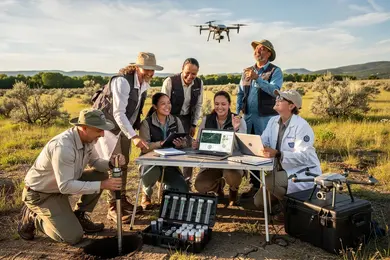
Most 2027 online environmental science degrees require at least one supervised field experience, often 3 to 6 credits, plus 40 to 120 hours of hands-on work in a local lab, conservation site, or agency. Some programs also require an approved field supervisor and documented learning logs.
References
- Explore Career Opportunities in Environmental Science https://www.neefusa.org/story/environmental-education/explore-career-opportunities-environmental-science
- Master of Environmental Sciences https://www.uoguelph.ca/programs/master-of-environmental-sciences/
- Environmental Scientist https://www.ube.ac.uk/built-environment-job-profiles/environmental-scientist/
- Futurelearn https://www.futurelearn.com
- Environmental Education Programs in Higher Education | eePRO https://eepro.naaee.org/learning/higher-education-database
- Environmental Science Courses & Degrees https://www.open.edu.au/study-online/science/environmental-science
- Is Now a Good Time for a Career in Environmental Science? https://www.nrep.org/blog/is-environmental-science-a-good-career
- Environmental Science Degree Jobs | University of Phoenix https://www.phoenix.edu/articles/environmental-science/environmental-science-degree-jobs.html
- Online Environmental Science Degrees: Compare Schools https://www.degreesforgood.org/online-degrees/environmental-science/