2027 Best Online Environmental Science Programs for Professionals Seeking Environmental Monitoring Careers

Co-Founder and Chief Data Scientist
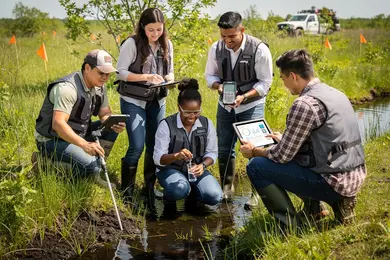
Facing urgent deadlines to assess contamination levels in endangered wetland zones, many professionals find traditional education formats incompatible with their demanding schedules and fieldwork obligations. The Bureau of Labor Statistics projects a 5% growth in environmental monitoring roles through 2032, but a recent National Center for Education Statistics report shows a 30% rise in enrollment among adult learners pursuing online degrees since 2024, reflecting a growing need for accessible, flexible programs that accommodate mid-career transitions.
This article evaluates the best online environmental science programs designed to equip professionals with practical expertise and credentials necessary to navigate these workforce demands efficiently and effectively.
Key Things You Should Know
- Programs emphasizing geospatial analytics and remote sensing show 23% higher employer preference for environmental monitoring roles, indicating graduates with these specialized skills gain faster access to federal and private sector jobs, per 2024 U.S. Bureau of Labor data.
- Cost disparities vary widely: accredited online master's degrees range from $15K to $65K, disproportionately affecting mid-career professionals' net ROI given average Monitoring Specialist salaries near $59K annually, underscoring critical funding tradeoffs.
- Programs integrating internships or fieldwork partnerships shorten transition time to employment by 30%, according to recent National Environmental Workforce surveys, yet are less common online, posing access challenges for remote learners targeting immediate career shifts.
What are the best online environmental science programs for environmental monitoring careers?
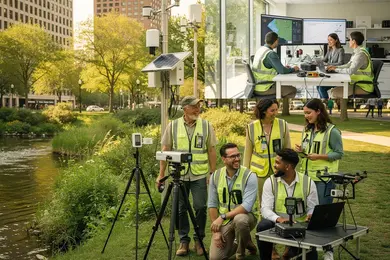
The practical value of the best online environmental science degrees for environmental monitoring careers lies in their ability to equip students with both technical proficiency and regulatory expertise that employers demand. A profession centered on environmental monitoring requires familiarity with EPA regulations, geospatial information systems (GIS), and real-world data analysis methodologies focused on contamination or habitat conservation. For example, graduates entering government roles or consulting firms must navigate complex compliance frameworks and demonstrate applied field skills to impact environmental outcomes effectively.
Employment growth for environmental scientists and specialists is expected to outpace many fields at 7% through 2033, emphasizing the advantage of programs with substantial online lab components or fieldwork collaborations. These hands-on experiences are critical for translating academic knowledge into workforce readiness.
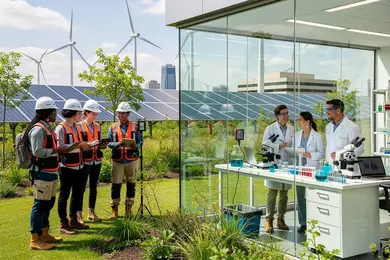
Successful programs integrate biology, chemistry, environmental law, and emerging technology training-such as drone assessments and data modeling-offering graduates a competitive edge. However, working professionals should balance asynchronous scheduling convenience with the availability of mentorship and career placement support, especially when managing full-time employment alongside studies.
For career changers, programs blending foundational science refreshers with advanced monitoring skills help bridge knowledge gaps. Given the variety of offerings, those evaluating options should consider both practical curriculum elements and cost-efficiency. Resources like environmental engineer degree online listings can provide helpful guidance in this regard.
Top accredited online environmental science programs for environmental monitoring professionals are distinguished by their integration of interdisciplinary coursework and real-world application, aligning educational outcomes with evolving employer expectations.
How do online environmental science degrees compare to campus-based programs for working professionals?
Choosing between online environmental science degrees versus campus programs for working professionals hinges on balancing flexibility with hands-on skill acquisition. Online formats offer unmatched adaptability, allowing study alongside full-time employment without geographic limits. However, this flexibility often comes at the cost of limited access to direct laboratory experience, field research, and live collaboration-elements crucial for mastering complex analytical tools and job-ready skills.
Campus programs integrate essential aspects such as internships and community projects that provide practical environmental monitoring and data collection proficiency highly valued by employers. Graduates aiming for entry-level roles or positions requiring extensive fieldwork may find campus-based training better prepares them for immediate workforce demands. Online learners, especially career-focused students, must proactively secure supplemental local internships or certifications to close these experiential gaps.
Real-world outcomes reflect this divide. Employers in regulatory agencies or consulting firms typically prioritize campus-trained hires for initial roles to ensure verified practical competence, while government and non-profit sectors often support online education for upskilling incumbent staff. Earnings potential for environmental scientists and specialists remains competitive, with a median annual wage of $80,060 in May 2024, where applied skills influence salary trajectories as much as degree format.
Prospective students should evaluate how their educational choice aligns with specific job requirements and sector expectations. Those seeking flexible environmental science education options for career-focused students may also consider cost efficiency. For example, reviewing the cheapest data science degree options can provide insight into affordable, practical training pathways that complement environmental science skill sets.
What accreditation should online environmental science programs have for credible career advancement?
Employers increasingly require programs with regional accreditation recognized by the U.S. Department of Education or the Council for Higher Education Accreditation (CHEA) to validate candidates' credentials, ensuring seamless credit transfer and educational quality. For mid-career professionals aiming to transition into federal environmental project management or policy roles, specialized accreditation-such as from the Accreditation Board for Engineering and Technology (ABET) or the Network of Schools of Public Policy, Affairs, and Administration (NASPAA)-is often essential. These endorsements confirm the curriculum meets rigorous standards, integrating science with governance and regulatory frameworks.
For entry-level roles, regionally accredited environmental science degrees for credible jobs suffice, but leadership and technical regulatory compliance positions typically demand graduate credentials from programs with specialized accreditation. Without those, applicants confront higher barriers to federal clearance and advancement.
Candidates must assess accreditation status early to avoid programs lacking critical endorsements, which restrict eligibility for professional certifications and limit employability in regulated environmental monitoring roles. The payoff of pursuing an accredited online environmental science program accreditation for career advancement lies in broader job access, particularly in management, policy, and compliance sectors.
Prospective students can explore comparative data on exercise science degrees online for insight into the importance of accreditation in related scientific fields, noting similar workforce priorities.
What degree pathways prepare professionals for environmental monitoring and compliance roles?
Environmental monitoring and compliance roles commonly require bachelor's degrees in environmental science, natural resource management, or environmental engineering, which equip candidates with essential skills in data collection, regulatory frameworks, and risk analysis. For example, a city public utility's environmental compliance officer monitoring water quality must master EPA standards and lab procedures usually obtained through accredited undergraduate environmental science degree programs for environmental monitoring careers.
Progression toward advanced roles often mandates master's degrees emphasizing environmental policy, GIS technology, or environmental health sciences, reflecting employer expectations in sectors such as manufacturing and energy where integrating compliance protocols with environmental data analytics is critical to mitigating regulatory and financial risk. Graduate degrees that involve applied research and case studies offer measurable advantages in employability and responsiveness to evolving regulatory challenges.
Certificate programs and specialized training-covering remote sensing or environmental impact assessments-are useful supplements for seasoned technicians aiming to enter compliance roles but rarely suffice for leadership positions, as these short-term credentials lack the in-depth regulatory and theoretical grounding necessary. Professionals evaluating online environmental compliance and monitoring degrees for professionals should weigh these limitations against immediate skill-building needs.
The U.S. Bureau of Labor Statistics projects a 7% growth rate for environmental scientists and specialists through 2033, signifying the value of programs integrating fieldwork, regulatory instruction, and data analytics. Decision-makers considering an educational path can also refer to resource options like this library degree for complementary knowledge relevant to data management in environmental contexts.
What coursework and technical skills are taught in online environmental science programs?
Online environmental science programs prioritize technical proficiency over theoretical breadth, reflecting employer demand for graduates who can immediately engage in monitoring and compliance tasks. Core training includes environmental chemistry, ecology, GIS, remote sensing, and data analysis-skills essential for producing actionable insights such as mapping contamination spread or assessing habitat degradation. For example, mastering GIS software allows professionals to translate complex spatial data into reports used by regulators or industry clients.
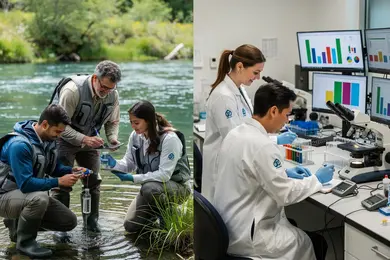
Quantitative methods and hands-on practice, particularly with EPA-approved sampling protocols and environmental monitoring instruments, significantly reduce the time new hires require to become operational. However, many programs fall short on immersive practical experience, making internships or certifications critical supplements to fully meet workforce readiness standards.
Policy and risk assessment coursework equips graduates to interpret and apply regulatory frameworks like the Clean Water Act, a necessity in both governmental and private-sector environmental roles. Yet, the growing availability of 284 online environmental science programs in 2025 presents a wide variance in curriculum quality, especially regarding real-time data interpretation and the integration of emerging technologies.
Students must weigh program depth against hands-on opportunities, prioritizing those with virtual labs or industry partnerships to bridge experiential gaps. These tradeoffs directly affect long-term employability and professional adaptability in a field increasingly reliant on technically skilled, multidisciplinary practitioners.
What are typical admission requirements for online environmental science bachelor's and master's programs?
Admission criteria for online environmental science programs reveal a deliberate balance between academic foundation and practical readiness, especially for professionals aiming at significant career pivots. Bachelor's applicants need at least a high school diploma with strong STEM coursework and generally a GPA around 2.5 to 3.0. The traditional reliance on standardized tests like SAT/ACT has diminished as many institutions adopt test-optional policies, prioritizing demonstrated competencies instead.
Master's admission reflects more stringent academic and experiential requirements. Candidates typically present a bachelor's degree-with preference for environmental science or related STEM fields-and maintain a minimum 3.0 GPA. While GRE scores remain common, exemption trends favor applicants with extensive professional experience. Letters of recommendation serve as validation for both scholarly promise and field-related expertise. A carefully crafted statement of purpose must connect individual goals with specialized curriculum aspects such as environmental monitoring and data analysis.
For those shifting into environmental monitoring roles from adjacent sectors like environmental consulting or regulatory agencies, programs expect or highly value documented industry experience that supplements academic preparation. Technical proficiency in GIS or statistical software is often recommended to meet actual employer demands and justify higher salary trajectories.
Earnings in experienced environmental science roles can surpass $120,000 annually, particularly within engineering and consulting sectors. Aligning admission prerequisites with these realities is critical to maximize return on investment and career relevance.
How long do online environmental science programs take, and what do they cost?
Employers increasingly expect environmental science candidates to combine timely applied skills with relevant experience, placing practical program length and modality at the forefront of decision-making. Full-time online master's degrees typically require 18 to 24 months, but part-time options extend up to 36 months, impacting the speed at which professionals can rejoin or advance in the workforce. For example, a working parent balancing a full-time job benefits from asynchronous programs that eliminate commute time yet should weigh the opportunity cost of prolonged study when considering part-time pacing.
Tuition varies substantially, with public universities charging between $20,000 and $40,000 and private institutions often exceeding $50,000, excluding additional expenses such as textbooks or specialized software licenses. Students budgeting for certification exams and licensure should anticipate an added 10-15% on top of tuition to remain competitive in environmental monitoring or regulatory roles.
Programs incorporating internships or project-based learning address gaps caused by limited campus lab access, providing essential portfolio development that employers value. Ultimately, accelerated, practice-oriented curricula focusing on field skills and data analysis tools can more effectively align with labor market demands and employer preferences, reducing friction for career changers seeking promotion or transitions within this sector.
What environmental monitoring jobs can graduates pursue, and in which industries?
Environmental science graduates frequently enter specialized roles centered on monitoring pollution, managing ecosystems, and overseeing natural resources. Employers in regulated industries such as manufacturing, energy production, and government agencies require candidates adept in both technical data collection and strict compliance with environmental standards. For example, pollution assessors in industrial settings regularly conduct air and water quality audits to ensure adherence to EPA regulations, a task demanding familiarity with regulatory frameworks and precise sensor technology.
Job-site realities differ significantly: manufacturing roles involve rigorous on-site safety protocols and scheduled audits, while natural resource management requires seasonal fieldwork and collaboration with local stakeholders. This variation affects day-to-day operations and influences long-term career adaptability.
In consulting firms and nonprofit organizations, environmental monitors blend scientific expertise with project management to deliver client-driven environmental impact assessments, particularly in urban and construction projects. This hybrid role demands not only technical analysis but also regulatory reporting and administrative coordination.
Graduates equipped with hands-on experience in deploying monitoring technologies and interpreting real-time environmental data are better positioned to meet employer needs focused on data-driven decision-making and regulatory enforcement. The practical skillset emphasized in contemporary programs directly addresses these workforce demands.
What are salary ranges and job outlook for environmental monitoring professionals?
Environmental monitoring salaries range from $45,000 to over $85,000 annually, tightly linked to education, location, and sector. Entry-level technicians in state or local agencies tend to start near $45,000, performing essential data collection and compliance checks. Those who invest in specialized skills or advanced degrees-especially in GIS or data modeling-often secure positions exceeding $80,000 within federal agencies or private consulting firms.
Choosing between public and private sector roles means weighing job stability against earning potential. Public roles typically offer more predictable employment and pension benefits but slower salary growth due to budget limits. In contrast, private-sector consultants may benefit from higher initial pay and bonuses but face contract uncertainty and less employment consistency.
Current demand for environmental monitoring professionals is projected to grow 8% through 2032, driven by regulatory expansions and environmental accountability pressures. Successful candidates combine academic credentials with practical experience; internships and targeted certifications markedly increase employability by bridging academic theory and field application.
The integration of evolving technologies such as remote sensing and data analytics is reshaping job requirements and compensations, increasing value for candidates who maintain technical competence. Montana State University reports graduates filling diverse roles across federal, state, local, and private sectors, underscoring a competitive but breadth-driven labor market.
Are certifications or licenses needed for environmental monitoring, and how do programs help?
Certification or licensing is a pivotal factor in environmental monitoring careers, especially within government and consulting sectors governed by strict regulatory standards. Professionals handling water quality analysis or hazardous waste management must often secure state-issued credentials, without which advancement is severely restricted. Programs tailored to align coursework with credentialing bodies such as the National Registry of Environmental Professionals (NREP) directly influence employability; notably, 74% of employers surveyed in 2024 prioritized certified experience when recruiting for environmental monitoring roles.
Practical skill integration paired with certification prep enhances a candidate's market value, but this often requires verifying that a program's accreditation matches state-specific or sector-specific licensing requirements to avoid post-graduation eligibility pitfalls. Online environmental science offerings address accessibility barriers, bundling essential elements like practice exams and regulatory updates to streamline certification acquisition.
For example, professionals pivoting from biology to compliance can leverage these programs to meet EPA air quality monitoring certification demands quickly. Selection within a competitive, expanding online market now favors providers maintaining direct certification authority ties, offering a clear pathway to licensure-a decisive factor when balancing time, cost, and immediate workforce demands.
Other Things You Should Know About Environmental Science
Graduates seeking advancement into specialized environmental monitoring roles or management should prioritize graduate degrees, which provide deeper technical training and research opportunities valued by employers. Undergraduate degrees may offer broader foundational knowledge but often limit eligibility for leadership or regulatory positions that require advanced credentials. Consider your career goals carefully; a master's degree is generally necessary to access higher-level roles, professional networks, and competitive salary tiers.
Employers prioritize demonstrable competencies over the mode of degree completion but expect online programs to include applied learning components such as virtual labs, project work, or internships. Programs that lack hands-on experience or fail to teach industry-standard tools may produce graduates who require additional on-the-job training. Candidates from online programs should seek to supplement their education with internships or certifications to meet the practical skill expectations of environmental monitoring employers.
A strong program should teach GIS, remote sensing, statistical analysis, and field-data management software. For 2027 environmental monitoring roles, look for training in ArcGIS, QGIS, R, Python, and EPA-style data reporting. These tools support site mapping, trend analysis, compliance tracking, and interpretation of air, water, and soil data.
References
- How Do You Become an Environmental Compliance Officer? https://www.nrep.org/blog/how-to-become-an-environmental-compliance-officer
- Environmental Monitoring Officer - Green Careers Hub https://www.greencareershub.com/find-your-green-role/job-profiles/environmental-monitoring-officer/
- Greener Careers https://greenercareers.co.uk/blog/what-can-you-do-with-an-environmental-science-degree-job-opportunities-explained
- Become an Environmental Professional (EP) | ECO Canada https://eco.ca/designations/environmental-professional/
- Environmental Science Technology AS https://www.hcfl.edu/academics/subjects/environment/environmental-science-technology
- Environmental Certification: What It Is and Why You Need It | Evolve Training https://www.evolvetraining.com/news/what-is-environmental-certification-why-you-need-it/
- Environmentalscience https://environmentalscience.org
- Environmental Career Center - EnvironmentalCareer.com - Environmental and Green Jobs and Internships https://environmentalcareer.com/
- How to Become an Environmental Compliance Officer https://ehscareers.com/employer-blog/become-environmental-compliance-officer/
- Online Environmental Science Degrees: Compare Schools https://www.degreesforgood.org/online-degrees/environmental-science/