2027 Best Online Bachelor's in Environmental Science for Environmental Compliance Career Paths

Co-Founder and Chief Data Scientist
Regulatory compliance officers in environmental firms often face the urgent challenge of mastering evolving federal and state mandates while managing limited on-site training opportunities. This knowledge gap can delay project timelines, trigger costly violations, and even jeopardize community health. According to the National Center for Education Statistics, online enrollment among adult learners rose by 15% in the last two years, signaling a shift toward flexible, career-focused education that accommodates working professionals balancing job demands.
This trend enables quicker access to relevant credentials without interrupting employment, a critical factor given the dynamic nature of environmental policy enforcement. This article evaluates top online bachelor's in environmental science programs that align with compliance career paths, focusing on accessibility, curriculum relevance, and workforce compatibility to help prospective students navigate this complex professional landscape effectively.
Key Things You Should Know
- Regional accreditation and specialized environmental compliance curriculum significantly boost employer confidence; 72% of hiring managers in EPA-related roles prefer candidates with tangible regulatory expertise per the 2024 Workforce Environment Report.
- Online bachelor's programs often exclude mandatory in-person lab or fieldwork, forcing costly local internships or delaying credential completion, resulting in average program length extensions beyond 4.5 years documented by the National Center for Education Statistics.
- Salary premiums for graduates with combined compliance and science-focused degrees exceed 18% nationally, yet transfer credit policies vary widely, causing unpredictable total tuition costs and longer entry-to-employment timelines in 45% of surveyed institutions.
What is an online bachelor's in environmental science and how does it support environmental compliance careers?
An online bachelor's in environmental science for compliance careers is far more than theoretical study; it demands translating regulatory knowledge into actionable workplace practices. Graduates must navigate complex federal laws like the Clean Air Act and Resource Conservation and Recovery Act while mastering risk assessment and pollutant monitoring to limit organizational liabilities.
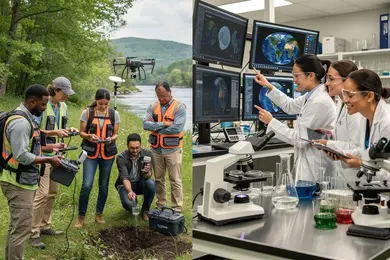
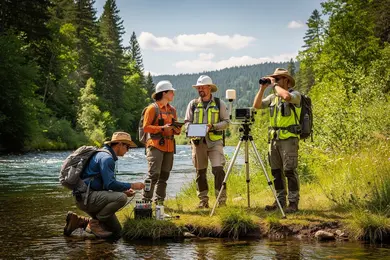
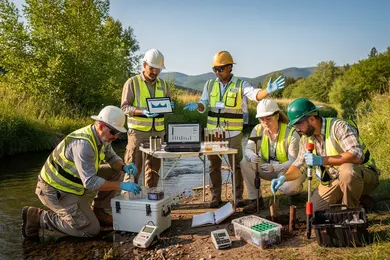
Programs offering hands-on experience through internships or partnerships with regulatory bodies better prepare students for compliance demands that extend beyond textbooks. Consider a manufacturing firm expanding its output: an environmental compliance specialist with an environmental science degree supporting environmental compliance jobs evaluates emission levels, oversees permitting procedures, and recommends sustainable adjustments that prevent costly violations or shutdowns.
Without rigorous training, professionals risk overlooking nuanced regulatory changes causing fines or operational disruptions. Challenges persist in adapting academic learning to software tools and compliance audits commonly required by employers. Flexible online delivery demands self-discipline and technical skill development, which some students may find difficult without structured practical components.
The Bureau of Labor Statistics projects a 4% growth in environmental science and specialist roles from 2024 to 2034, yielding approximately 8,500 annual openings across industries such as energy and construction. Candidates should prioritize programs that emphasize regulatory frameworks, applied science, and experiential learning to meet evolving labor market expectations effectively.
Prospective students can explore options through an online environmental health and safety degree pathway tailored for compliance-focused careers.
How do online and on-campus environmental science bachelor's programs compare for environmental compliance roles?
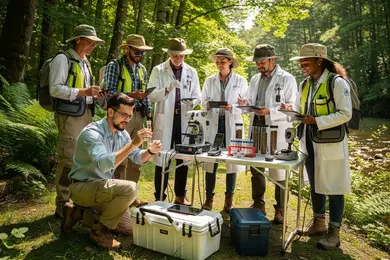
Choosing between an online environmental science bachelor's degree vs on-campus for compliance jobs requires weighing practical experience against logistical flexibility. On-campus programs typically offer mandatory hands-on labs and local internships directly tied to compliance responsibilities such as site inspections and regulatory audits, which many employers in consulting and government sectors explicitly prefer.
Such exposure is invaluable for grasping state-specific environmental policies and complex permitting processes. Conversely, comparing online and traditional environmental science programs for environmental compliance careers reveals a tradeoff: online options provide adaptable scheduling for working professionals but often leave students responsible for independently securing relevant fieldwork. This can disadvantage those lacking proximity to industry contacts, yet it enables continuous employment while pursuing specialization.
Employers emphasize documented project experience over degree format, so robust internships and cooperative work terms remain crucial. Graduates must demonstrate practical problem-solving in regulatory challenges to be competitive, given the median environmental scientist wage of $80,060 as reported by the Bureau of Labor Statistics.
Prospective students should consider:
- Access to hands-on training essential for compliance certification.
- Availability of local internships to complement coursework.
- Employer preferences in target job markets regarding education format.
- Personal constraints including work and location affecting attendance.
For those evaluating options with a focus on affordability alongside practical relevance, researching a data science master online can sometimes complement environmental roles through advanced analytical skills applicable in compliance settings.
Which accreditation and institutional quality standards matter most for online environmental science degrees?
Regional accreditation from agencies recognized by the U.S. Department of Education is fundamental for online environmental science program accreditation standards, especially for careers focused on environmental compliance. For instance, roles such as environmental compliance officers working with the EPA or state regulators require degrees from institutions accredited by bodies like the Higher Learning Commission or the Middle States Commission on Higher Education to meet licensure or certification criteria.
Programmatic accreditation, such as from the Accreditation Board for Engineering and Technology (ABET), enhances the value of top accredited environmental science degrees for compliance careers by confirming curriculum alignment with technical and regulatory competencies demanded by employers.
Employers prioritize candidates from programs demonstrating tangible workforce outcomes, including strong job placement rates in roles involving compliance inspection or regulatory oversight, and those offering internships or partnerships with government agencies or consulting firms. Without these practical elements, credential holders risk limited employability despite academic qualifications.
Credit transfer policies and faculty accessibility in online formats must be validated beforehand to ensure relevance for professional advancement or graduate study. Overlooking these factors can limit a graduate's utility in regulated roles, slowing career growth.
Students comparing environmental science with other online offerings should note that technical fields like computer science also require rigorous standards-as seen in programs like the online computer science degree. The choice between disciplines hinges on aligning accreditation, hands-on experience, and employer expectations with long-term career objectives.
What admissions requirements and prior preparation are needed for an online environmental science bachelor's?
Admission to online environmental science bachelor's programs targeting environmental compliance often balances baseline academic readiness with relevant prior preparation. Applicants typically need a high school diploma or equivalent and must demonstrate proficiency in math and science through coursework or standardized tests, reflecting the quantitative complexity of the field. A minimum GPA around 2.5 to 3.0 is common, underlining rigor and foundational knowledge.
Practical realities include prerequisite classes such as biology, chemistry, and algebra, occasionally extending to physics, which ensures students can engage with core environmental science concepts without delay. Some programs integrate synchronous labs that require real-time participation, highlighting the need for flexible scheduling and reliable internet, factors that can materially affect persistence and success.
Mid-career professionals considering a pivot into environmental compliance should anticipate additional bridging courses-often in statistics or environmental law-to align prior experience with specialized curriculum areas such as risk assessment and pollution control. This approach minimizes costly academic detours and accelerates workforce entry.
Admission processes usually entail submission of transcripts and letters of recommendation. Competitive programs might also request personal statements that clarify applicants' motivation for compliance roles. While prior environmental work experience is not always mandatory, any familiarity with regulatory frameworks or GIS skills strengthens applications and eases transition into the discipline's practical demands.
Given that 41% of compliance officers hold a bachelor's degree according to College Raptor, selecting programs that emphasize degree relevance and practical training becomes essential. For prospective students weighing pathways, understanding these online environmental science bachelor's admissions requirements for environmental compliance helps avoid common pitfalls and align outcomes with career goals.
Those exploring options might also consider cost-efficiency across fields; for example, an online computer science degree may offer a different risk-reward profile depending on workforce demand, schedule flexibility, and prior credentials.
What core courses and specialization options focus on environmental compliance in these programs?
Online bachelor's programs in environmental science that emphasize environmental compliance prioritize practical regulatory expertise paired with foundational sciences such as ecology, chemistry, and toxicology. These curricula prepare students to navigate complex legal frameworks, including EPA and state-specific mandates concerning air, water, and soil quality.
A key workforce implication is that graduates must demonstrate proficiency in interpreting evolving regulations and managing compliance risks-capabilities essential in industries like manufacturing and energy, where violations carry severe penalties. Specialized tracks such as environmental compliance management and hazardous waste management reflect divergent career paths: the former focuses on internal policy implementation and regulatory monitoring, while the latter centers on environmentally safe disposal processes.
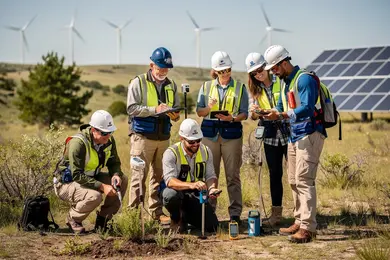
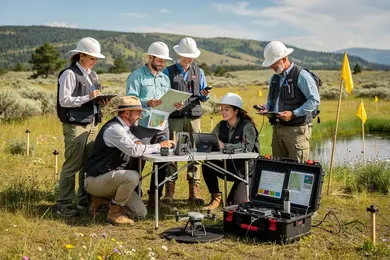
Technical skills like environmental auditing, reporting, and Geographic Information Systems (GIS) are indispensable for site assessments and regulatory documentation. In practice, these skills bridge theoretical knowledge and field application, as compliance professionals frequently engage in inspections and data analyses required by government agencies.
The University of Arizona Online's 120-credit program, priced at $525 per credit, integrates these competencies with career-relevant projects and virtual labs, acknowledging employer demand for tangible experience. This underscores a tradeoff prospective students must consider: balancing program cost against the availability of immersive, hands-on learning that directly supports employability in enforcement-centric roles.
- Comprehensive but costly curricula necessitate careful evaluation of return on investment.
- Specialization choice impacts job function and risk management focus.
- Practical skills training enhances market readiness beyond theoretical knowledge.
How long do online environmental science bachelor's programs take and what do they typically cost?
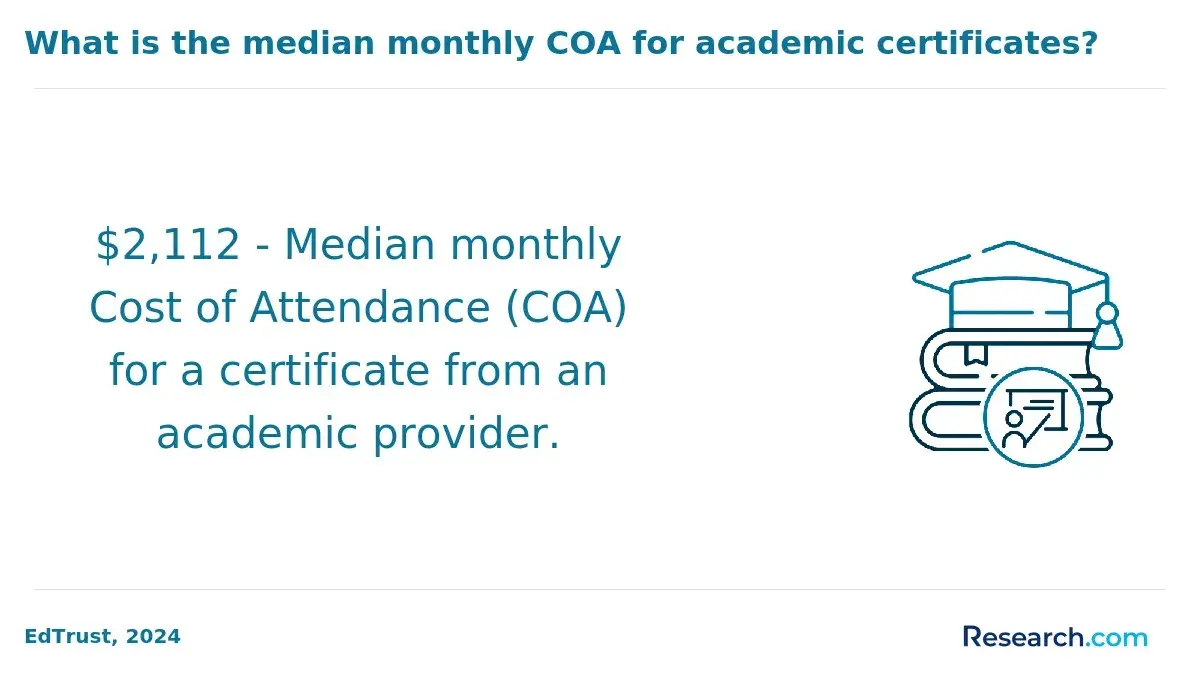
Time-to-completion in online environmental science bachelor's programs significantly affects both financial outlay and employability. Typical full-time tracks span four years and about 120 to 130 credits. Extending to five or six years can accommodate working professionals but may delay access to entry-level compliance roles, where employers prioritize graduates with solid foundations in regulatory frameworks and data analysis completed within a standard timeframe.
Accelerated options condense study into roughly three years through year-round enrollment but often limit work opportunities due to their intensity. This tradeoff affects income continuity during education and should be weighed carefully against faster market entry.
Cost considerations must go beyond sticker price. For instance, Azusa Pacific University's rate of $324 per undergraduate credit plus a $350 graduation fee suggests that each additional credit or term extends the financial commitment significantly. Students should evaluate cost per credit alongside likely completion time to realistically assess return on investment given expected salary trajectories.
Deciding among full-time, part-time, or accelerated formats depends on individual circumstances and workforce demands. Employers in environmental consulting and industrial compliance sectors generally expect timely degree completion to ensure foundational readiness for specialized roles. Balancing program length, cost, and personal work capacity is essential for navigating this critical career pivot effectively.
What entry-level and advanced environmental compliance careers can this degree lead to?
Graduates with a bachelor's degree in environmental science typically enter compliance roles requiring precise regulatory knowledge combined with practical skills. Entry-level jobs, such as environmental compliance specialists or regulatory affairs coordinators, focus on inspections, data collection, and reporting to agencies like the EPA. Early-career professionals often work in government, engineering, or consulting firms handling environmental impact assessments and permit processes.
Success in these roles hinges on mastering detailed regulations and accurate documentation. Advancement to management positions-such as environmental compliance managers or EHS directors-demands expertise in risk management, strategic coordination, and interpreting complex regulations while balancing client and stakeholder interests. For example, a compliance manager in the engineering sector might integrate technological solutions to meet regulatory standards without compromising project goals.
Employment opportunities are concentrated in industries like engineering services, government, and scientific consulting, where employers prioritize candidates who combine scientific rigor with regulatory experience. However, demonstrating proficiency in compliance audits, reporting software, and effective communication is essential to move up.
Obtaining certifications like the Certified Environmental Professional (CEP) can accelerate progression, particularly in consulting and government roles. Geographic location also impacts job availability, with stronger markets found in regions enforcing robust environmental regulations.
What salary ranges and earning potential exist for environmental compliance professionals with this degree?
The salary spectrum for environmental compliance professionals holding an online bachelor's degree in environmental science ranges notably between $45,490 and $69,400. Entry-level technicians typically earn near the lower bound, while specialists with experience and certifications command salaries approaching the higher end.
For example, environmental science and protection technicians earn a median salary of $45,490, contrasted with environmental scientists and specialists who reach around $69,400, based on Bureau of Labor Statistics data. Progression in this field depends less on the degree alone and more on acquiring practical regulatory skills, data analysis proficiency, and certifications that align with employer expectations.
In manufacturing compliance officer roles, certification can be the differentiator enabling graduates to negotiate salaries closer to specialist-level pay. Conversely, compliance roles focused exclusively on field data collection tend to plateau at technician wages unless one adds management responsibilities or advanced credentials.
Key factors influencing earning potential include geographic location-with higher salaries concentrated in regions enforcing stricter environmental standards-and the integration of internships or hands-on learning within degree programs. Prospective students should evaluate curricula with these elements in mind to navigate the tradeoffs between immediate technician roles and longer-term specialist opportunities.
What certifications or licensing might environmental compliance specialists need after graduation?
The demand for environmental compliance specialists equipped with verified certifications has intensified due to stricter regulatory enforcement. Employers increasingly require credentials like the Certified Environmental Compliance Manager (CECM) to confirm technical expertise in regulatory audits and program management. For example, federal inspectors enforcing the Clean Air Act must substantiate their competence through such certifications.
Licenses like the Registered Environmental Manager (REM) validate regulators' proficiency in navigating complex environmental controls and sustainability protocols, particularly in sectors like manufacturing and waste management where compliance risk is non-negotiable. Additionally, many states enforce professional engineering (PE) licenses or technician certifications tied to environmental inspections and compliance reporting.
Continuous education is more than a formality; licensing authorities mandate 20 to 40 continuing education units approximately every two to three years. Failure to meet these requirements jeopardizes credential validity and, by extension, employability. Specialists must allocate time and resources accordingly, balancing workload with regulatory updates.
Key practical considerations when pursuing such certifications include:
- Anticipating varied state licensing requirements that affect mobility and role eligibility
- Understanding that multiple certifications may be necessary depending on the employer or regulatory body
- Budgeting for ongoing education and maintaining certifications to avoid career stagnation
According to data from the U.S. Bureau of Labor Statistics, this credential-focused hiring phenomenon results in a more competitive employment landscape-favoring candidates demonstrating both academic grounding and validated regulatory acumen essential to navigating compliance complexities.
How can students evaluate and choose a reputable online environmental science program for compliance work?
Selecting an online environmental science program for compliance roles demands scrutiny of accreditation and graduate outcomes, as these reflect alignment with regulatory industry standards. Employers prioritize candidates from regionally accredited institutions and those recognized by specialized bodies like the Accreditation Council for Environmental Education. Graduates' employment rates with government agencies or consulting firms often signal a program's real-world relevance.
Curricula must emphasize sector-specific regulatory knowledge: for example, air and water quality regulations dominate compliance in manufacturing, while habitat assessments and site remediation are essential for land development careers. This targeted expertise is critical since compliance professionals apply regulations differently across industries.
Programs offering flexible synchronous schedules accommodate working adults; however, those incorporating virtual labs or internships provide practical experience, a decisive factor for employability. Chapman University data correlates regulatory-driven job growth with environmental policies and demographic pressures, reinforcing the value of applied learning. Without hands-on training or remote internship connections, students may face barriers advancing in the field.
Technical proficiency, especially with environmental data software and GIS, is increasingly required. Faculty with industry experience help bridge classroom theory to evolving compliance demands. Assessing a program's support infrastructure and verified graduate success is essential to ensure preparation for a regulatory environment that grows more complex with each policy update.
Other Things You Should Know About Environmental Science
The choice depends on your target role within environmental compliance. Programs with strong lab components train you in technical skills such as sampling and data analysis, valued in fieldwork and regulatory testing positions. Conversely, programs emphasizing policy and compliance prepare you for roles involving regulation interpretation, reporting, and enforcement. For most career paths in environmental compliance, a balanced program incorporating both practical scientific training and regulatory frameworks offers the strongest foundation.
In 2027, course delivery formats in online environmental science programs significantly affect both workload and learning experience. Synchronous classes may require more consistent time management, while asynchronous formats offer flexibility but demand greater self-discipline. The choice affects interaction levels, accessibility, and how well students can align the learning experience with career-focused compliance skills.
An online bachelor's degree establishes fundamental environmental science knowledge, but many employers require supplemental professional certifications (e.g., Certified Environmental Professional or OSHA credentials) to validate compliance competencies. Employers prioritize candidates who demonstrate both academic credentials and verifiable practical capabilities. Plan to obtain relevant certifications post-degree to remain competitive, especially when targeting regulatory agencies or high-responsibility compliance positions.
Yes, many employers prefer at least one internship, practicum, or supervised field experience tied to environmental compliance work. Programs often require 120 semester credits, and field placements help students document sampling, inspection, and reporting tasks that match EPA, OSHA, or state environmental agency expectations.
References
- Online Environmental Science Degrees: Compare Schools https://www.degreesforgood.org/online-degrees/environmental-science/
- Online Environmental Science Degree | BS Environmental Science | University of Phoenix https://www.phoenix.edu/online-liberal-arts-degrees/environmental-science-bachelors-degree.html
- Online Environmental Science Degree | Programs & Career Options https://www.learnhowtobecome.org/best-online-bachelors-in-environmental-science-degree-programs/
- REP Certification: Registered Environmental Professional Guide https://ehscareers.com/employer-blog/rep-certification-registered-environmental-professional-guide/
- ENVIRONMENTAL & SUSTAINABILITY https://keninstitute.com/environmental-sustainability-studies/
- Choosing a bachelor's in environmental science | edX https://www.edx.org/resources/how-to-choose-a-bachelors-in-environmental-science
- Certified Environmental Specialist Training https://www.osha.com/courses/certified-environmental-specialist.html
- College of Sciences | University of Findlay https://www.findlay.edu/sciences/environmental-sustainability/Pages/environmental-compliance.aspx
- New Certifications https://www.nrep.org/certifications
- Certification Guide for Young Professionals - Board for Global EHS Credentialing https://gobgc.org/professional-environmental-certifications-professionals/