2027 Best Online Environmental Science Degrees for Environmental Field Operations Careers

Co-Founder and Chief Data Scientist
Faced with tightening regulatory deadlines and increasingly complex site assessments, environmental field operations professionals must rapidly upskill while balancing unpredictable schedules. Traditional campus programs often clash with the demands of working technicians and project managers, creating costly delays in certification or advancement. Data from the National Center for Education Statistics shows a 14% rise in online enrollment among adult learners in science disciplines since 2023, signaling a shift toward flexible education solutions.
This trend underscores the necessity for programs that combine rigor with accessibility, helping candidates maintain momentum without sacrificing work commitments. This article evaluates the best online environmental science degrees tailored for advancing practical, field-focused careers in this evolving landscape.
Key Things You Should Know
- Institutional accreditation depth affects graduate access to EPA technical roles; fewer than 20% of online programs have EPA-aligned curricula, making program choice a critical career gatekeeper per EPA workforce data.
- Employers increasingly demand practical GIS and fieldwork certifications alongside degrees, with 73% of surveyed environmental firms in 2024 favoring candidates with hybrid experiential credentials.
- Online environmental science degrees averaging $18,000 to $38,000 can delay market entry by 6-12 months due to practicum scheduling, impacting earnings trajectory and operational readiness in field roles.
What is an online environmental science degree and how does it prepare you for field operations?
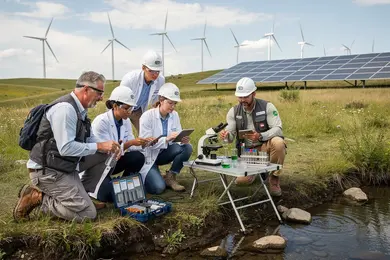
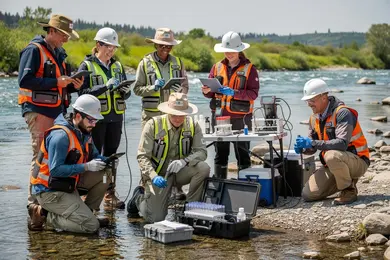
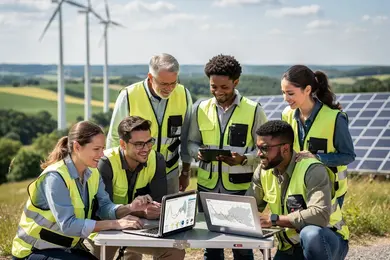
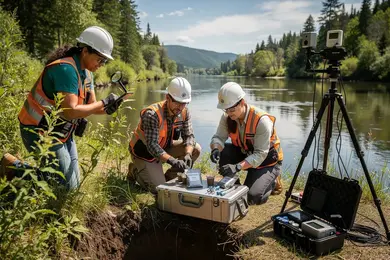
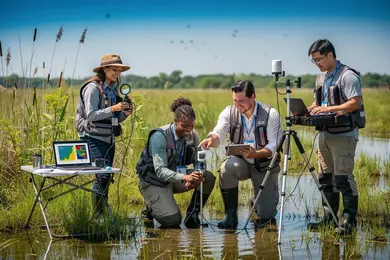
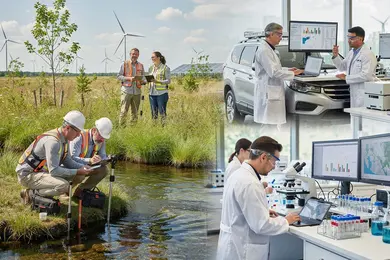
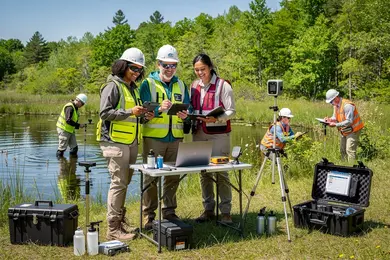
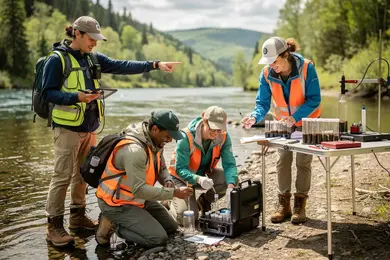
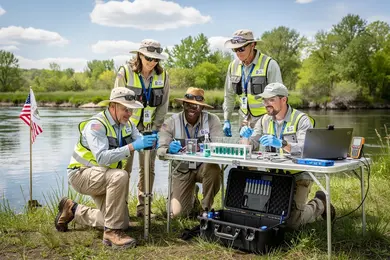
Proficiency in hands-on environmental fieldwork is often the deciding factor in employability for many onsite roles. An online environmental science degree benefits for field operations by delivering critical training in ecosystem assessment, soil and water testing, and regulatory compliance-all essential for environments demanding rapid, accurate field evaluations. For example, remediation assignments in agriculture or industry require sample collection and pollutant analysis consistent with safety thresholds, highlighting a need for field-specific competencies that many programs strive to replicate virtually.
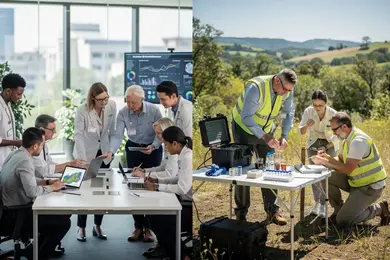
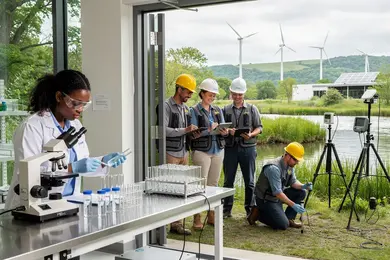
Programs that emphasize practical application integrate tools such as virtual labs, case scenarios, and sometimes optional localized fieldwork, addressing how an environmental science online program prepares for on-site environmental careers. This approach tempers the inherent challenge of learning to operate instruments and calibrate equipment remotely-skills employers recognize as nonnegotiable for roles involving contaminated site assessments or natural resource management.
Employers consistently prioritize graduates capable of precise data handling and regulatory reporting, which translates into stronger job performance and compliance enforcement. Median salaries around $80,060 reflect this demand, with projected field growth reinforcing sustained workforce needs. However, graduates without immersive field components risk underpreparedness for physical job demands or sample integrity issues, affecting their operational effectiveness.
Those seeking specialized technical knowledge might also explore broader applied skills through resources such as the best GIS graduate programs, which complement environmental science expertise with spatial data competencies increasingly valued in field operations.
Which accredited online environmental science programs best support environmental field operations careers?
Online environmental science programs focused on field operations careers must balance technical rigor with hands-on experience to align with employer demands. Graduates lacking integrated practical training often face delays entering roles that require site assessment, regulatory compliance, or remediation expertise. For instance, environmental consulting positions prioritize candidates skilled in field data collection and GIS analyses, underscoring the value of programs embedding applied modules.
Programs with embedded supervised fieldwork or virtual simulations facilitate competency in protocols aligned with EPA standards and improve workforce readiness. Conversely, those without such components or requiring relocation for practicums risk leaving students to secure critical experience independently, which can prolong employment timelines in environmental remediation or natural resource management sectors.
Cost considerations also influence selection; annual tuition for some affordable accredited online bachelor's degrees begins near $4,725, a factor that directly impacts return on investment when paired with internship opportunities. Priorities when selecting the best online environmental science degrees supporting environmental field work include:
- Accreditation from established bodies ensuring credential validity and financial aid eligibility
- Curriculum emphasizing practical environmental monitoring, sampling, and regulatory compliance
- Access to career services and certifications such as HAZWOPER facilitating job placement
- Integration of virtual or physical field experiences replicating real-world site conditions
Those considering advanced pathways might also evaluate related options like a data science PhD online, leveraging data analytics to augment environmental fieldwork effectiveness.

How do online environmental science degrees compare to campus programs for fieldwork training?
Online environmental science degrees present a tradeoff between accessibility and hands-on training quality. While fieldwork exposure is inherently more constrained than in campus programs, the practical value largely depends on whether students secure robust local internships. The fastest growth in online environmental science degrees fieldwork experience is seen where programs require documented supervised internships, addressing employer demands for verifiable hands-on training.
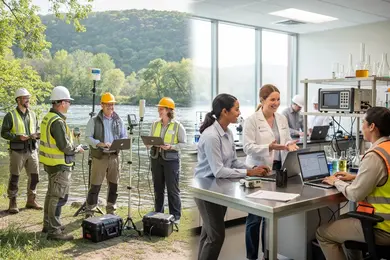
Campus-based programs continue to hold an advantage when it comes to direct access to labs, specialized equipment, and structured field excursions, which are vital for technically demanding roles such as soil sampling or environmental hazard assessments. For example, a student targeting remediation of contaminated industrial sites benefits from immediate, faculty-guided practice with calibrated instruments, an experience harder to replicate fully in online settings.
Employers emphasize demonstrable field competencies and certifications over program delivery mode. Graduates lacking adequate supervised hours often encounter hurdles in positions that require strict regulatory compliance. Online students must proactively arrange quality local fieldwork, introducing variability in experience depth and hiring outcomes.
- Campus programs provide integrated lab and field training with consistent faculty oversight.
- Online degrees depend on students securing local, supervised field opportunities.
- Regulatory and industry employers require verified hands-on experience regardless of degree format.
- Distance learning that mandates internship verifications aligns better with workforce expectations.
For prospective students evaluating educational pathways, comparing campus versus online environmental science training involves weighing immediate skill acquisition against flexibility and geographic constraints. Those considering exercise science degree online programs may find similar parallels in hands-on training challenges, underscoring the importance of fieldwork in scientific disciplines.
What environmental science courses and concentrations are most relevant to field operations work?
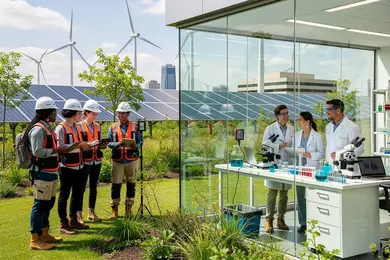
Field operations roles in environmental science demand a curriculum that blends chemical, geospatial, and practical data-collection skills with regulatory literacy. Courses emphasizing environmental science field operations courses and concentrations that include Geographic Information Systems (GIS) are essential for tasks such as mapping pollutant dispersion, managing field sampling, and designing remediation strategies for complex ecosystems. Graduates lacking these competencies often require extensive retraining, which delays workforce integration and increases costs for employers.
Specializations like ecological restoration and environmental health are directly applicable to fieldwork, including soil and water quality testing under government or private contracts. Government hiring practices prioritize candidates adept in applying EPA and OSHA standards on-site, not just in theory. For example, field specialists at Superfund sites must synthesize chemical hazard data with environmental conditions to maintain regulatory compliance and safety, underscoring the operational stakes tied to educational focus.
Practical experience embedded in environmental science field operations courses and concentrations significantly improves readiness for immediate employment. To optimize employability, students should pursue programs offering rigorous lab work, internships with government or consulting agencies, and coursework on environmental legislation and toxicology. These elements foster proficiency where reliable data and prompt problem-solving directly affect regulatory adherence and project costs.
Federal environmental scientists earn a median salary of $107,990, reflecting premium demand for advanced technical and operational expertise. Career pivots or advancement in the environmental science field often require strategic educational choices that weigh these practical demands carefully. Prospective students evaluating educational pathways should also consider cost; options like the cheapest online computer science degree provide different affordability models in technical education but contrast with specialized environmental programs in content and workforce alignment.
What admission requirements and prior experience do online environmental science programs expect?
Admitting to online environmental science programs involves more than holding a high school diploma; competitively, applicants often need foundational college coursework in biology, chemistry, math, or geography. Those lacking prior science education typically face mandatory bridge classes to develop necessary skills before advancing. This preparatory burden can extend time-to-degree and affect employability timelines.
Degree level sharply influences admission criteria:
- Bachelor's programs focus on academic records and relevant prerequisites.
- Master's programs require completed undergraduate degrees in environmental science or related areas, often valuing direct experience such as internships or fieldwork.
Experience with environmental monitoring or regulatory compliance is increasingly sought after, linking academic credentials with practical readiness for roles involving data collection and site assessments. Employers in environmental field operations prioritize candidates who combine technical competence with physical stamina and adaptability to outdoor, remote working conditions.
Applicants should prepare documentation including transcripts and letters of recommendation from supervisors familiar with their science or technical skills. Personal statements centered on career objectives and hands-on experience can influence admissions decisions.
Workforce analysis indicates graduates of top online programs typically start with salaries near $50,000-$55,000, progressing beyond $70,000 mid-career. However, those without prior exposure to science may face longer, more costly pathways, necessitating careful evaluation of whether bridge courses and preparatory steps justify their anticipated return on investment.
How long do online environmental science degrees take and what do they typically cost?
Choosing an online environmental science degree demands careful weighing of program length, cost, and career objectives. Bachelor's degrees usually take about four years full-time, though accelerated or part-time pathways can adjust that between two to six years depending on credits and course load. Associate degrees offer a faster entry in two years, while certifications take less than a year but limit the scope of credentials and job roles accessible.
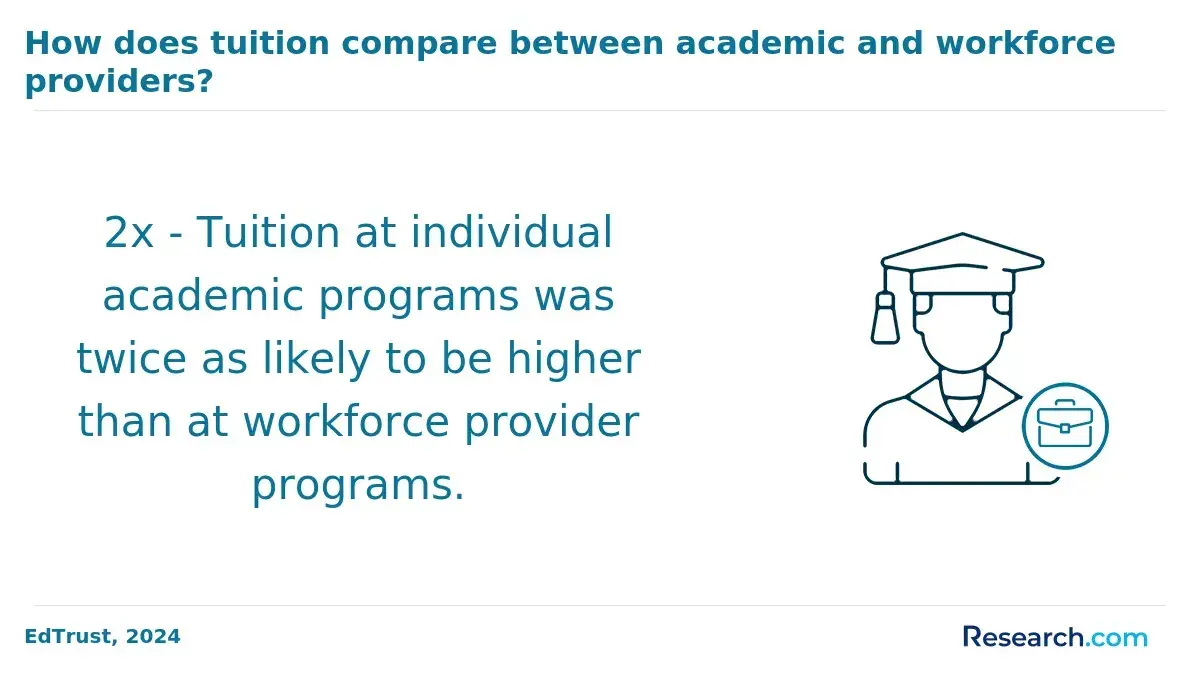
Tuition varies significantly: in-state public university costs for a bachelor's range from $10,000 to $20,000 total, whereas private and out-of-state options can surpass $35,000 to $50,000. Flexible or accelerated formats may charge more per credit but reduce total expenses by shortening enrollment time.
Effective decisions revolve around matching degree type with employment goals and timeline. For example, a working professional targeting technician roles could opt for a two-year online associate degree at approximately $15,000, enabling fast workforce integration with median salaries near $49,490 (EnvironmentalScience.org, 2024). Conversely, aiming for supervisory or specialist positions typically requires a full four-year degree, involving more cost and time but better upward mobility.
Additional costs-lab supplies, software, travel for fieldwork-also influence total investment and must be considered alongside time-to-completion and projected earnings. Programs with robust practical components and recognized accreditation remain vital for meeting employer standards and optimizing long-term returns in this evolving sector.
What environmental field operations jobs can you get with an online environmental science degree?
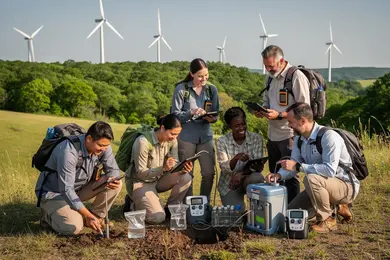
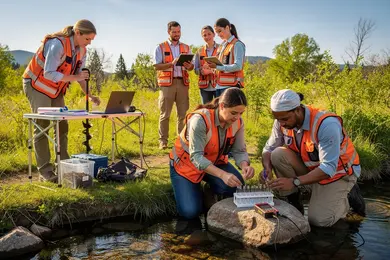
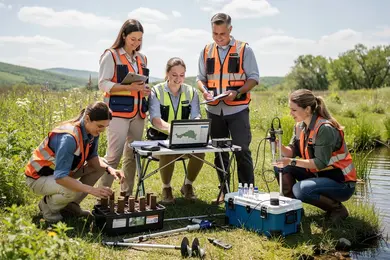
Online environmental science degrees prepare graduates for roles heavily grounded in field operations, where physical site visits and real-time problem-solving outweigh purely laboratory tasks. Positions such as environmental technicians, compliance specialists, and field surveyors demand direct engagement with ecosystems and regulatory complexities, requiring more than theoretical knowledge. For instance, environmental technicians often perform soil, air, and water testing on-site to support comprehensive environmental assessments that inform policy or conservation efforts.
These roles frequently exist within government agencies, consulting firms, or conservation nonprofits, demanding logistical flexibility to access remote or challenging locations and handle weather-impacted conditions.
For students, distinguishing between foundational online coursework and the necessity of applied, hands-on training is critical. Graduates aiming to work with state or federal agencies face competitive hiring processes that value documented field experience, often unavailable through strictly virtual programs. Employers expect proficiency in geographic information systems (GIS), environmental sampling protocols, and regulatory compliance frameworks.
In specialized roles such as atmospheric scientists or meteorologists, which Southern New Hampshire University indicates have a median salary near $97,450 in 2024, advanced training builds on online degree foundations but requires deeper data analysis and physics knowledge.
- Fieldwork demands substantial physical endurance and adaptability across sectors like energy, agriculture, and public health.
- Internships or partnerships offering applied field experience are decisive in employability over purely academic credentials.
How much do environmental field operations professionals earn and what affects salary potential?
Salary outcomes for environmental field operations professionals vary significantly based on experience, location, and sector, emphasizing the importance of strategic credentialing and regional market dynamics. Entry-level roles in government or nonprofits typically offer salaries near $40,000, whereas energy, mining, or construction sectors may offer upwards of $70,000, particularly in states like California and Texas where industrial demand and regulatory enforcement elevate compensation.
Certifications such as HAZWOPER and OSHA training materially increase earning potential by opening access to higher-risk assignments and supervisory duties that can surpass $80,000 annually. Alongside credentials, practical skills like GIS mapping and hazardous materials handling are critical determinants of wage growth and employability. Importantly, affordable online bachelor's degree programs under $200 per credit hour provide a pragmatic route to acquire foundational knowledge without excessive debt.
Consider a candidate with an OSHA certification and an affordable online bachelor's degree applying near industrial hubs in metropolitan areas. This combination can yield starting wages 10%-15% above regional medians by demonstrating both formal education and relevant field skills. Conversely, lacking certifications or advanced degrees often results in stagnant wages and limited upward mobility.
Professionals aiming for sustained growth must invest continuously in skill updates reflecting evolving environmental legislation and technology. Employers typically prioritize candidates who can not only ensure compliance but also navigate operational challenges safely and efficiently.
What is the job outlook for environmental field operations and related environmental science roles?
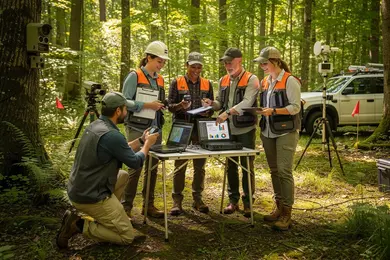
Growth in environmental field operations roles is projected at 6%-8% through 2032-2034, outpacing average occupational growth but accompanied by significant practical requirements. Employers emphasize candidates' ability to perform site assessments, handle data collection, and execute compliance measures across diverse and sometimes challenging environments. This demand favors those with hands-on experience rather than solely theoretical knowledge.
Field roles often involve government regulators, private remediation firms, and energy companies balancing operational impact with sustainability mandates. Rapid technological change-such as increasing use of drone mapping and remote sensing-means foundational degrees must be complemented by continuous skill development, especially in geographic information systems (GIS) and data analysis tools.
Without certifications in environmental health, safety, and regulatory compliance, candidates risk limited progression despite growing job numbers. Mobility is another key consideration since many positions require travel to remote or sensitive locations, creating a practical barrier for some.
Choosing degree programs with embedded internships and strong ties to industry or regulatory bodies can markedly improve employability. Programs lacking these components may leave graduates underprepared for the rigors of fieldwork and regulatory expectations, resulting in underemployment or stalled advancement.
Prospective students should weigh these operational realities against curriculum offerings and long-term career flexibility before committing.
How can you verify accreditation, certification pathways, and licensing needs for environmental field work?
Accreditation verification influences eligibility for federal aid and employer acceptance more than many prospective students realize, especially in environmental field operations demanding precise technical expertise. Regional accreditation verified through databases like the Council for Higher Education Accreditation (CHEA) and the U.S. Department of Education is a decisive factor for both hiring managers and licensing bodies. Neglecting to confirm this can undermine access to key certifications and jobs requiring vetted credentials.
The certification landscape demands a granular assessment tailored to job functions and state rules. Credentials such as Certified Environmental Auditor (CEA) and Registered Environmental Manager (REM) are nationally recognized but involve stringent prerequisites including documented academic credits and supervised field experience confirmed by entities like the Board of Environmental, Health & Safety Auditor Certifications.
Licensing requirements often vary by jurisdiction and scope of work, particularly for tasks like soil analysis or hazardous waste management. Staying current with state environmental agencies and professional boards not only ensures regulatory compliance but directly impacts career trajectories and pay scales. For example, those in consulting roles may find higher salaries but must also invest significant effort to maintain multiple certifications concurrently.
Skipping thorough accreditation and licensing verification prior to enrollment risks redundant training and delayed entry into advanced operational roles. Planning with precise state-specific mandates aligns education with workforce needs, shielding graduates from lower salary bands, especially in federal contracting or sectors with strict environmental oversight.
Other Things You Should Know About Environmental Science
Employers increasingly accept online environmental science degrees, but respect varies depending on program rigor and reputation. Programs that integrate hands-on fieldwork opportunities, even through local partnerships or hybrid models, are valued more because they demonstrate practical readiness. Candidates from purely theoretical or poorly supported online programs often face skepticism about their field skills, making it essential to verify how a program incorporates applied learning before committing.
In 2027, some of the top online environmental science degrees for field operations careers include programs from universities like Arizona State University and Oregon State University. These programs offer flexible online options while covering essential skills and knowledge needed for success in environmental field operations.
Specialized concentrations can improve employability in niche field operations roles but often at the expense of broader environmental literacy. For early-career professionals or those uncertain about specific paths, a broad degree provides versatility and foundational skills that employers across sectors recognize. Conversely, mid-career professionals targeting defined roles like hazardous materials inspection should invest in focused tracks to gain relevant certifications and technical mastery.
Yes. Many programs require at least one field methods or laboratory component, often 1–3 credits, plus a capstone with local data collection. Schools may accept approved internships, but some employers and state agencies want documented sampling, GIS, or safety training for field operations roles.
References
- REP - Registered Environmental Professional® https://www.nrep.org/certifications/registered-environmental-professional-rep
- Environmental Career Profiles Australia https://environmentaljobs.com.au/resources/environmental-sustainability-careers
- The Truth About Environmental Health and Safety Jobs in 2025 [Salary Guide] | EHS Jobs https://ehscareers.com/career-resources/find-the-job-5/environmental-health-and-safety-jobs-in-2025-salary-guide-1
- Explore UM | University of Manitoba - Environmental Science (BEnvSC) https://umanitoba.ca/explore/programs-of-study/environmental-science-benvsc
- Certification Guide for Young Professionals - Board for Global EHS Credentialing https://gobgc.org/professional-environmental-certifications-professionals/
- Certification https://www.abcep.org/certification.php
- Become an Environmental Professional (EP) | ECO Canada https://eco.ca/designations/environmental-professional/
- How to Apply to Environmental Graduate Programs https://www.cjbnetwork.com/articles/how-to-apply-to-environmental-graduate-programs