2027 Environmental Science Skills Most Commonly Mentioned in Job Postings

Co-Founder and Chief Data Scientist
Securing a role in environmental science often demands a precise mix of technical and analytical skills aligned with evolving industry needs. Employers increasingly prioritize competencies like GIS mapping and data modeling, yet many candidates underestimate how rapidly these requirements shift.
Workforce data from the U. S. Bureau of Labor Statistics reveals that environmental science jobs grew 8% in the past two years, driven by expanding climate and sustainability initiatives, signaling intensified competition among applicants. Meanwhile, increased remote and hybrid learning options have reshaped skill acquisition timelines, creating both access and credential verification challenges.
This article identifies the environmental science skills most frequently sought by employers and explains how to leverage this insight to enhance hiring prospects efficiently.
Key Things You Should Know
- Data modeling and GIS dominate 2026 environmental science job postings, comprising over 45% of technical skill requirements per the Bureau of Labor Statistics, signaling a shift toward geospatial decision support despite increased software costs.
- Employers prioritize cross-disciplinary project management skills linked to a 32% higher promotion rate, creating tension for graduates focused solely on scientific expertise without leadership training.
- Certification timelines impact access. Roles demanding EPA-approved credentials extend entry by 6-12 months, disproportionately affecting mid-career changers balancing cost and opportunity costs.
What core environmental science skills are most in demand in current job postings?
Communication skills are often the decisive factor in environmental science hiring, with 63% of job postings emphasizing the need to convert complex data into accessible reports for diverse stakeholders.
For instance, consultants liaising with regulatory bodies must produce clear compliance documents, while renewable energy scientists present technical results to non-specialists. Such practical demands illustrate that employers value environmental science data analysis skills for job seekers who can bridge technical and non-technical audiences.
Technical proficiency in Geographic Information Systems (GIS) and statistical tools like R or Python remains essential, particularly for roles requiring environmental impact assessments or large-scale modeling. Mastery of regulatory frameworks, including EPA standards and the National Environmental Policy Act (NEPA), is not optional.
Lapses often cause project delays or failures. This highlights the importance of top environmental science fieldwork and regulatory knowledge for navigating legal and operational complexities.
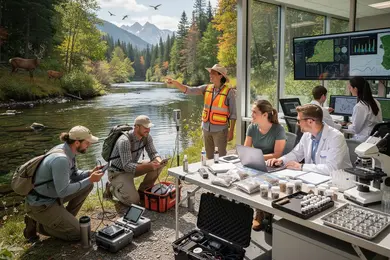
Collaboration across sectors such as public health, conservation biology, and urban planning further requires integrating data and communication expertise. Job seekers should consider how combining these core competencies shapes their employability and practical contributions.
Those evaluating educational pathways should weigh curricula against these realities, since practical skills matter more than abstract credentials. Additional insights on pursuing an environmental science degree clarify how different programs align with workforce expectations.
Which technical and analytical skills do employers seek for environmental science roles?
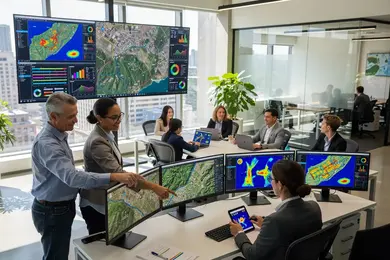
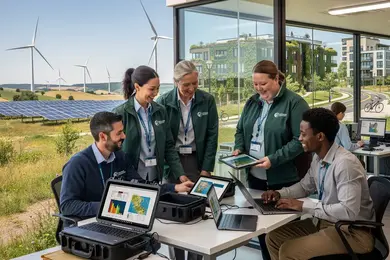
Technical expertise in environmental science roles often hinges on Geographic Information Systems (GIS), statistical programming with R or Python, and remote sensing tools to analyze spatial and environmental data accurately. Integrating these abilities with regulatory compliance and environmental sampling ensures data validity and lawful application.
Analytical skills for environmental science careers demand interpreting complex datasets to drive practical decisions, such as when municipal environmental consultants combine GIS with water quality metrics to design cost-effective pollution remediation plans that navigate fiscal constraints and regulatory requirements.
Employers also prioritize interpersonal qualities. A 2024 national labor survey shows 55% of environmental science job postings highlight teamwork, independent work, and community outreach as vital. Communicating nuanced technical findings remains a frequent challenge for graduates transitioning from academic settings to professional environments.
This emphasizes that educational programs must balance applied technical training with collaborative fieldwork and stakeholder engagement to enhance employability in real-world contexts.
Tradeoffs emerge when programs neglect either dimension: candidates may excel in data handling but struggle with stakeholder collaboration, or vice versa, limiting effective workforce integration. Students considering environmental science should assess curricula carefully, evaluating whether programs emphasize these combined proficiencies. For those concurrently seeking affordability, investigating the cheapest data science masters in USA might offer a complementary path, given the rising overlap in data analytical skills across disciplines.
What fieldwork, lab, and data collection skills are most valued by environmental employers?
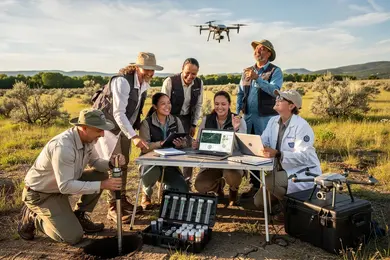
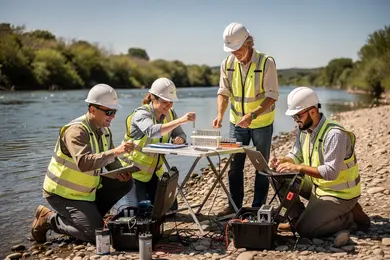
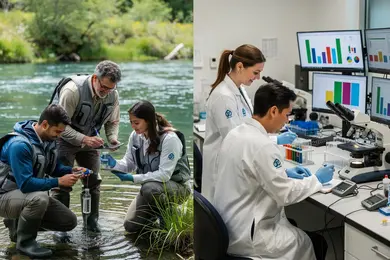
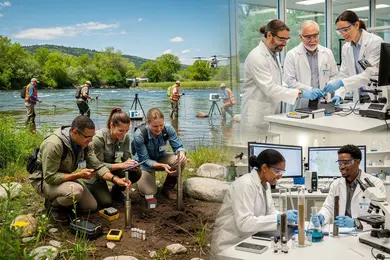
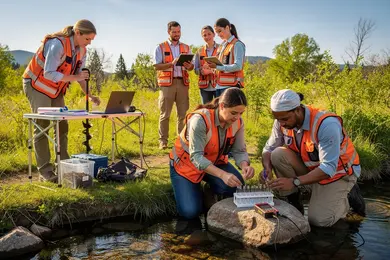
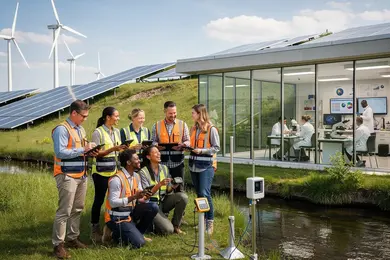
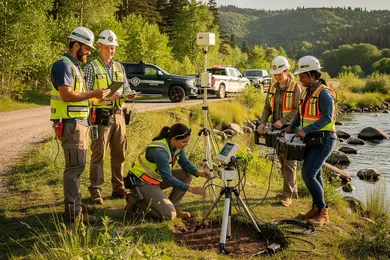
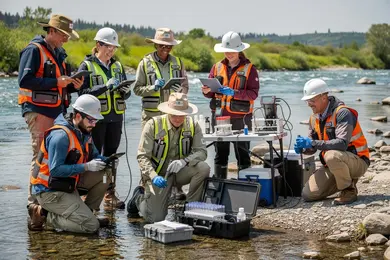
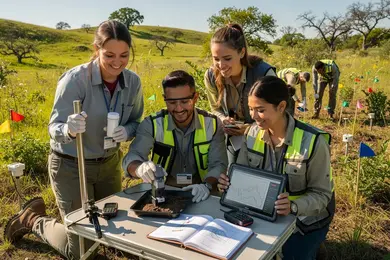
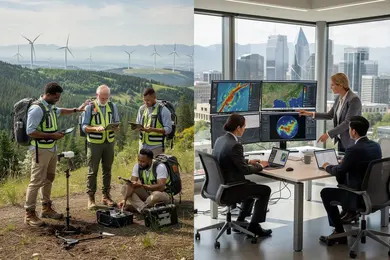
Technical proficiency in digital and geospatial tools directly shapes employer expectations within environmental science roles. In fact, 76% of employers emphasize skills in computer operation, GIS/GPS technology, data collection, and advanced data analysis as essential. Fieldwork techniques for environmental science jobs must accommodate challenges like signal interference or equipment durability when using GPS devices in remote settings, influencing both data reliability and project timelines.
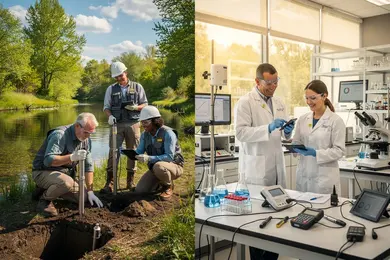
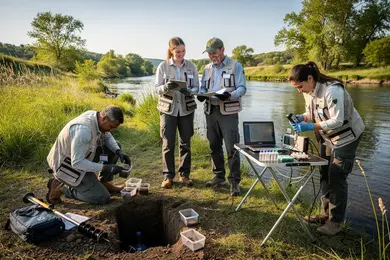
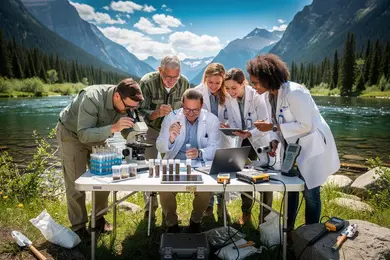
Lab and data collection skills valued by environmental science employers increasingly require integration with digital tracking systems to uphold data integrity and chain-of-custody protocols, particularly where rigorous sample management supports research validity or regulatory compliance.
Beyond manual sampling or instrumentation, the ability to use statistical software or programming languages such as R or Python distinguishes candidates who can transform raw data into actionable insights for environmental policy or sustainability strategies.
Practical tradeoffs emerge between mastering foundational field and laboratory protocols and dedicating time to evolving analytic competencies. Prospective students should consider how educational pathways balance these demands to avoid gaps in workforce readiness. For those seeking to strengthen technical groundwork alongside computing skills, it is worthwhile to explore computer science degrees online that complement environmental science expertise with robust data analysis training.
How can an environmental science degree program build these in-demand job skills?
Employers in environmental science increasingly prioritize candidates with practical skills in communication, leadership, and project management alongside technical knowledge. Degree programs must therefore embed these competencies into the curriculum rather than relying on traditional quantitative training alone.
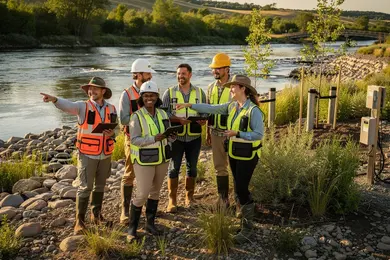
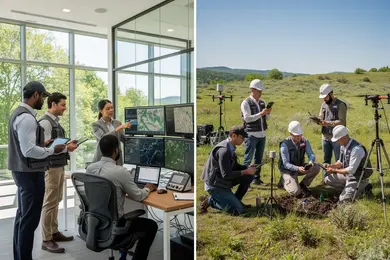
For example, students partnering with local water resource agencies to design watershed assessments must navigate real logistical setbacks, such as inter-agency delays and data gaps, replicating workforce realities. This hands-on skill development in environmental science degree program practical skills development better aligns graduates with employer expectations.
Structured assignments that simulate regulatory writing, like environmental impact reports or grant proposals, sharpen essential documentation skills. Cooperative education placements in government or consultancy settings provide exposure to budgeting and timeline management, reinforcing project oversight capabilities. Programs ignoring these dimensions risk producing graduates whose soft skills lag behind labor market demands, leading to prolonged job searches and slower professional growth.
Assessment mechanisms incorporating peer and client feedback help track communication and leadership progress. Workshops on conflict resolution and cultural competency respond directly to the growing emphasis on environmental justice within the field. The tradeoff for programs lies in reallocating resources toward applied learning frameworks that reflect these multidimensional expectations.
This approach contrasts with other degree paths like those evaluated in is library science a good career, where practical and interpersonal competencies similarly influence outcomes. Programs immersed in in-demand environmental science job skills training better prepare students for the complex stakeholder landscapes they will face.
What environmental software, GIS, and data tools should students learn for careers?
GIS and GPS proficiency combined with data analysis software skills form the core competency environmental science employers prioritize, with 76% emphasizing these capabilities per the 2024 U.S. Bureau of Labor Statistics.
ArcGIS, favored in government roles managing land use and pollution, demands hands-on experience with both ArcGIS Desktop and ArcGIS Pro for candidates to be competitive. Reliance on this platform illustrates a practical tradeoff: students must invest time mastering proprietary software to align with standard workplace tools.
Conversely, open-source alternatives like QGIS offer accessible options for budget-conscious nonprofits and consulting firms, especially given its integration with Python for automating complex data processing. This ability is vital for assessments involving large-scale environmental impacts where reproducibility and scripting efficiency are necessary. Complementing GIS with statistical languages such as R enhances analytical versatility, directly addressing employer expectations for advanced modeling and data manipulation skills.
Remote sensing technologies, including ENVI and Google Earth Engine, represent another skill set crucial for satellite imagery analysis and tracking environmental changes over time. Employers value those who expertly convert raw geospatial inputs into actionable insights, particularly in natural resource management or regulatory compliance scenarios. However, this requires understanding geospatial algorithms and data preprocessing, which can create a steep learning curve for students prioritizing core GIS competencies first.
Practical challenges include navigating data interoperability issues and customizing tools within tight budgets, suggesting that those combining GIS, remote sensing, and statistical programming are most adaptable across diverse environmental science fields.
How do communication and policy advocacy skills impact environmental science career success?
Success in environmental science increasingly depends on the ability to communicate complex data and influence policy decisions, a skillset employers now prioritize alongside technical expertise.
For instance, scientists working with municipal governments must transform technical findings into persuasive policy briefs that motivate sustainable urban planning initiatives. This ability to align science with legislative priorities often differentiates candidates in a competitive labor market.
Experience in navigating political and stakeholder landscapes is frequently cited in job postings as critical to securing higher-level advisory or consulting roles. Beyond technical knowledge, professionals who effectively advocate for funding and policy adoption gain access to more strategic career opportunities.
Key career impacts include:
- Expanded regulatory influence driving system-wide environmental change
- Improved funding success by articulating clear project benefits to diverse audiences
- Enhanced flexibility in cross-sector collaborations requiring policy alignment
However, investing in policy advocacy skills requires continuous effort beyond formal degrees, which poses a tradeoff for practitioners focusing solely on technical specialization. Those who neglect communication risk stagnating in technician-level roles with limited upward mobility.
Workforce data from the U.S. Bureau of Labor Statistics highlights that combining technical proficiency with proven advocacy skills commands pay premiums and competitive advantage in multifaceted environmental careers.
What certifications and professional credentials strengthen key environmental science skill sets?
Employers in environmental science increasingly expect certifications beyond a bachelor's degree as evidence of applied skills in complex regulatory and operational contexts. For example, holding the Certified Environmental Scientist (CES) or Registered Environmental Professional (REP) credentials often distinguishes candidates able to navigate jurisdiction-specific compliance demands effectively.
Without such certifications, candidates can face extended job searches or slower career progression, particularly in federal agencies where credentialed applicants increase hiring chances by an estimated 25%.
In sectors such as contamination remediation or hazardous waste management, the 40-hour Hazardous Waste Operations and Emergency Response (HAZWOPER) certification is frequently non-negotiable for safety and regulatory compliance. Alternatively, professionals targeting sustainability strategy roles benefit from credentials like LEED Accredited Professional, signaling proficiency in sustainable building and urban environmental impact assessment.
Choosing the wrong general certification can lead to wasted time and resources if it lacks regional or sector specificity relevant to one's intended career path, which may include water resource management or climate adaptation. Maintaining active continuing education credits is also essential to uphold certification validity and employer confidence.
Key considerations include:
- Certifications complement academic knowledge with practical, employable skills valued in regulatory and technical roles.
- The choice of credential should align tightly with targeted industry segments to maximize return on investment.
- Certification impacts are tangible, affecting hiring likelihood, safety clearance, and suitability for specialized positions.
How do online environmental science programs develop practical, job-ready skills versus campus options?
Online environmental science programs reshape skill building to fit nontraditional schedules, focusing on remote access to virtual labs and industry-relevant data tools. This format suits working professionals needing to integrate study without halting employment. Key proficiencies, such as environmental data management, GIS applications, and regulatory software, are embedded to meet rising employer demand, especially in consulting and policy roles.
Yet, the lack of continuous on-site lab work means students often rely on local partnerships or designated fieldwork to acquire hands-on experience. This contrasts with campus programs that provide steady in-person lab access but may restrict flexibility for learners balancing jobs or personal obligations.
Employers increasingly expect graduates to demonstrate digital competence and applied project communication, which many online curricula emphasize. However, campus programs tend to offer stronger networking advantages through direct faculty interaction and access to university-affiliated internships, assets in specialized sectors like environmental engineering.
Choosing between these pathways involves weighing immediate adaptability and digital skill development against sustained, in-person collaboration and hands-on training. Those pursuing roles demanding frequent experimentation might find campus or hybrid options more suitable, while others benefit from accredited online programs that integrate virtual labs and local fieldwork to minimize career disruption.
What entry-level environmental science jobs align with common skills in postings?
Entry-level environmental science roles demand a strategic combination of technical and regulatory skills shaped by sector-specific priorities. For example, industrial employers concentrate on pollution control and waste management, while government agencies prioritize habitat monitoring and restoration planning.
Nearly 75% of job openings emphasize environmental data interpretation and compliance reporting, positioning proficiency with environmental regulations such as the Clean Water Act as a non-negotiable skill.
Employers place high value on candidates who can perform chemical and biological sampling and conduct thorough site assessments. However, students face a tradeoff between specializing in lab-intensive work and pursuing broader expertise in GIS and environmental law, which can expand opportunities but often requires supplemental study beyond core curricula.
Practical experience directly influences employability. Hands-on use of environmental monitoring equipment and data analysis software aligns better with market demands seen in consulting firms, government entities, and nonprofits.
Strong report writing and regulatory communication skills are consistently required to produce the compliance documentation that fuels agency operations. According to Indeed's career data, environmental specialists earn a U.S. national average salary of $56,316 per year, a figure reflecting this dual technical-administrative skill mix.
How can students showcase environmental science skills to stand out in the job market?
Success in environmental science hiring hinges on demonstrating verifiable proficiency in key skills rather than merely listing them. Employers consistently seek candidates with measurable experience in environmental compliance, consulting, water quality analysis, and awareness. For example, a candidate involved in environmental impact assessments who quantifies outcomes, such as risk reduction or cost savings, offers tangible proof of capability, a clear advantage over vague claims.
Understanding regulatory frameworks like the Clean Water Act is often non-negotiable. Presenting documented case studies or detailed portfolio evidence showing how compliance challenges were addressed converts abstract knowledge into practical value. Similarly, water quality roles demand documented experience analyzing contamination and applying mitigation techniques, supported by field or lab data.
Effective resumes embed industry keywords within narratives describing project scope, collaboration scale, and specific tools used, such as GIS mapping or pollutant monitoring software, not isolated buzzwords. Without contextualization, candidates risk being overlooked in favor of those demonstrating applicable, outcome-driven skills.
Networking within relevant sectors can reveal current skill gaps and hiring nuances, helping tailor one's profile accordingly. The employment landscape, especially in government and academic sectors, prioritizes a blend of keyword alignment and substantiated achievement to differentiate candidates amid intense competition.
Other Things You Should Know About Environmental Science Degrees
Early specialization can limit adaptability in a field that frequently shifts due to regulation changes and emerging environmental challenges. Employers often value candidates with a broad skill set who can apply multiple methods and perspectives, especially in interdisciplinary teams. Prioritizing foundational competencies like data analysis, field methods, and policy knowledge before specializing improves long-term career flexibility and aligns with common employer expectations.
Unpaid internships can provide critical hands-on experience but can also create financial and time management challenges, potentially limiting access to those with greater resources. Employers increasingly consider paid or structured practical experiences more reliable indicators of work readiness. Prioritizing internships with measurable outcomes or networking opportunities is essential for those aiming to maximize employment prospects in a competitive job market.
Python, R, and Excel are the most frequently mentioned data tools in environmental science postings, along with GIS software such as ArcGIS or QGIS. Employers often want candidates who can clean datasets, map spatial patterns, and build basic statistical models for environmental reporting and compliance.
References
- Understanding GIS Software: Basics, Data & Career Tips https://www.gogeogo.com/en/blog/gis-software
- The Relationship between Advocacy and Communications Strategy https://govcentre.org/the-relationship-between-communications-and-advocacy-strategy/
- Climate Communication and Environmental Advocacy Course https://upskilldevelopment.com/climate-communication-and-environmental-advocacy-course
- Preparing High School and College Students for a Career in Environmental Science https://www.neefusa.org/story/environmental-education/preparing-high-school-and-college-students-career-environmental
- What Soft Skills You Need To Land That Environmental Career https://lgcassociates.com/soft-skills-environmental-career/
- Environmental Advocacy: How to Turn Your Passion into a Profession https://www.webuildstaffing.com/environmental-advocacy-how-to-turn-your-passion-into-a-profession/
- Checklist for Starting a Career in Sustainability https://www.upskillist.com/blog/checklist-for-starting-a-career-in-sustainability/
- How to Find Entry Level Jobs with an Environmental Science Degree https://facs.com/blog/how-to-find-entry-level-jobs-with-an-environmental-science-degree/