2027 Environmental Science Roles That Often Lead to Leadership Positions

Co-Founder and Chief Data Scientist
Facing rapidly evolving regulations, environmental science professionals frequently confront project delays or compliance failures when lacking interdisciplinary leadership skills. For example, the U.S. Bureau of Labor Statistics projects a 7% growth in environmental scientist roles over the next decade, emphasizing rising demand but also fierce competition for leadership roles requiring technical and managerial expertise.
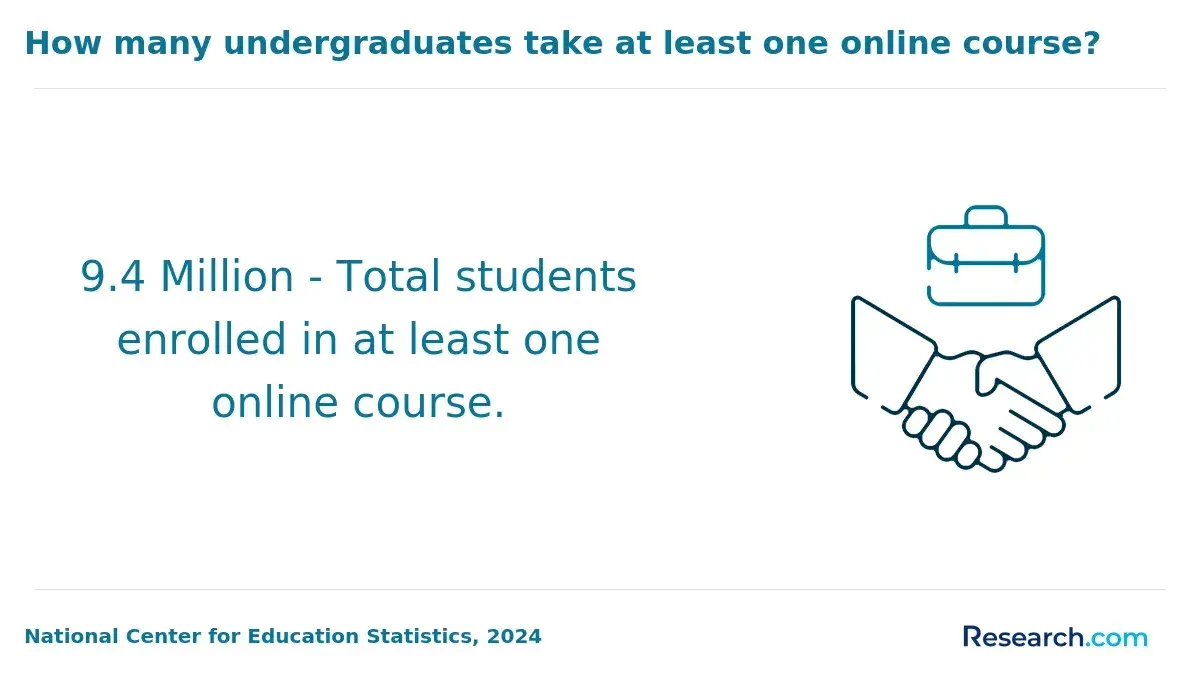
Meanwhile, flexible online program enrollment has surged by 35% according to the National Center for Education Statistics, reflecting adult learners' need for adaptable pathways balancing work, study, and career advancement. This article identifies current environmental science roles that serve as effective springboards into leadership, helping readers target positions that align with strategic career growth and evolving workforce needs.
Key Things You Should Know
- Environmental science roles requiring interdisciplinary mastery now demand graduate degrees for leadership, with U.S. Department of Labor data showing 62% of such positions filled by candidates holding master's or higher, limiting rapid workplace entry.
- Employers prioritize candidates with project management and policy liaison experience alongside technical skills, as EMSI reports a 48% wage premium for hybrid expertise, shaping hiring toward multifunctional leadership pipelines.
- Transition timing aligns with funding cycles in sustainability sectors, where NSF 2024 data reveal 18-month average delays from credentialing to first leadership role, pressuring professionals to strategically time education to capture grant-driven openings.
What environmental science careers most often lead to leadership and management roles?
Leadership roles in environmental science most often emerge from consulting, environmental engineering, and resource management paths, where technical skill alone is insufficient for advancement. Professionals positioned for management combine client engagement, project oversight, and regulatory compliance. For example, the lead environmental scientist managing a complex contamination cleanup project often shifts into regional management within three to five years, demonstrating the value of cross-functional leadership and negotiation. This practical example illustrates how environmental science leadership career paths demand more than technical credentials-they require strategic coordination and communication abilities.
In consulting, especially within the private sector, environmental scientists and specialists earned an average annual wage of $84,845 in 2024, with the top 10% surpassing $133,930, underscoring the financial incentives tied to the top environmental science management roles. Environmental engineers frequently transition into program or operations management by integrating engineering deliverables with policy compliance and budget management, revealing the importance of multi-disciplinary expertise.
Natural resource managers reach leadership through stakeholder negotiation and strategic planning, bridging technical and social dimensions. Advancing beyond specialist roles typically requires project management credentials or advanced environmental policy degrees; those neglecting these risk stagnation despite strong scientific backgrounds. Students and professionals weighing their options for high-paying jobs with environmental science degree should consider these operational realities.
More detailed career outcomes and specialization options can be found at high-paying jobs with environmental science degree.
Which environmental science leadership roles offer the highest salary potential and benefits?
Senior environmental science leadership roles that command top salaries require a precise blend of strategic oversight, regulatory expertise, and extensive experience. Corporate sustainability directors and senior ESG leaders earn between $90,000 to $150,000+ annually, reflecting their responsibility for navigating complex sustainability mandates across sectors like energy, manufacturing, and finance. These positions involve balancing supply chain emissions targets, investor ESG reporting demands, and evolving legal frameworks while securing leadership buy-in.
Among the top paying environmental science management positions in the US, leadership roles demand over a decade of proven impact, often necessitating advanced degrees or certifications integrating business and policy. Mid-level or fieldwork roles generally do not reach these compensation levels without transitioning to strategic management.
For example, an environmental compliance manager in a government agency or a corporate environmental risk director influences critical multimillion-dollar project decisions, highlighting the premium placed on cross-industry fluency and stakeholder engagement. Pragmatically, professionals must anticipate ongoing networking and continuous education to maintain competitiveness.
Those considering a pivot into environmental science leadership should weigh these tradeoffs carefully. Compared to specialized fields like SLPs, this pathway involves steeper experience requirements and broader interdisciplinary fluency.
What is the job outlook for environmental science professionals moving into leadership positions?
Leadership roles growth for environmental science professionals in North America remains steady yet distinctively competitive, especially within urban and regional planning focused on environmental challenges. Projected employment growth of 3% from 2024 to 2034 equates to roughly 3,400 annual openings, highlighting consistent demand for supervisors and managers who integrate sustainability into complex planning frameworks. However, advancing from technical roles to leadership often requires navigating tradeoffs between environmental priorities and economic development pressures while managing diverse teams and budgets.
Those pursuing these environmental science career advancement opportunities in the US confront rising expectations for interdisciplinary skills such as policy fluency, stakeholder negotiation, and environmental impact assessment expertise. A typical career pivot might involve acquiring credentials like graduate degrees in public administration or environmental law to meet standards in municipal or federal agencies, which increasingly value measurable project outcomes and strategic communication abilities.
Median annual salaries for urban and regional planners addressing environmental topics are approximately $83,720, reflecting the value of advanced leadership competencies. Prospective leaders must also accommodate shifting political priorities and budget constraints that affect project implementation and hiring.
For professionals considering educational paths supporting this trajectory, evaluating program relevance against workforce demands is critical. Those weighing online options for foundational or advanced environmental science degrees might consult rankings such as the best exercise science degree online-a resource that, while not specific to environmental science, offers insights into rigorous program structures, online learning quality, and credential legitimacy.
What degrees and specializations best prepare you for environmental science leadership careers?
Environmental science degrees leading to leadership roles demand an intersection of strong technical expertise and managerial skills. Practical specialization in GIS, data analysis, and computational modeling significantly impacts employability, particularly in environmental consulting firms overseeing large-scale remediation efforts. Professionals lacking these skills tend to be confined to technician roles, limiting opportunities for advancement.
Top specializations for environmental science career advancement include sustainability science and environmental policy, but these often require supplementary education in business, law, or public administration to effectively manage multi-stakeholder projects. Federal and state agencies particularly seek candidates with formal environmental law training combined with practical regulatory experience.
Tradeoffs between STEM-heavy curricula and professional certifications reveal distinct pathways: while technical credentials build credibility for advanced analytical roles, project management and stakeholder communication certifications are critical for supervisory positions. Without graduate-level education, salary ceilings typically remain between $92,000 and $145,000, reflecting employer demand for integrated technical and leadership competencies.
Students evaluating this path should also consider the value of cross-disciplinary credentials. Those interested in related fields might explore MLIS programs for complementary information management skills valuable in environmental data archiving and policy analysis.
How do online environmental science programs compare to campus-based options for future leaders?
Employers filling roles in environmental science-with May 2024 median wages around $80,060 and 4% projected growth through 2034-seek candidates demonstrating not only theoretical knowledge but also applied skills in climate risk analysis, resilience planning, and advisory capacities. Campus-based programs inherently support these needs through immediate access to laboratory facilities, fieldwork, and direct mentorship, which foster leadership competencies within structured, collaborative settings.
By contrast, online programs offer critical flexibility for working professionals but shift the responsibility of gaining practical experience onto students. For instance, an environmental specialist aiming to become a resilience planning manager must proactively secure internships or local partnerships to cultivate stakeholder communication and project management skills essential for leadership roles. This self-driven model can result in a slower trajectory toward skill acquisition compared to campus environments.
Employer caution persists regarding candidates with exclusively online credentials unless these are backed by verifiable field experience or certifications. Students targeting roughly 8,500 annual job openings should carefully assess program accreditation and alumni outcomes, and consider hybrid pathways that match online coursework with localized, hands-on opportunities. Such an approach balances flexibility with experiential learning demands, aligning with workforce expectations to increase readiness for leadership pipelines.
How can you choose an accredited environmental science program that supports leadership advancement?
Accreditation in environmental science programs directly impacts career trajectory, especially for roles managing environmental quality and housing compliance, where the average wage significantly outpaces the U.S. median at $84,845. Choosing programs accredited by recognized bodies such as ABET or regional agencies ensures academic rigor aligned with regulatory standards employers demand. Graduates lacking access to such accreditation-verified education risk delayed entry into leadership tracks within government or consulting sectors.
Practical, experiential learning-internships or cooperative placements with environmental agencies-serves as a decisive factor for bridging technical knowledge and management skills. For instance, engaging with a state environmental quality board during studies provides active exposure to stakeholder negotiations and interagency coordination, skills often absent in purely classroom-based settings.
Program evaluation should include faculty research profiles focused on policy impact and regulatory innovation, as well as the strength of alumni networks in leadership roles that facilitate mentorship and job placement. Flexibility in delivery is a double-edged sword; online or hybrid formats may benefit working professionals but can limit peer interaction essential for developing communication and leadership competencies critical to compliance sectors.
- Prioritize programs offering cohort models, leadership seminars, or capstone projects emphasizing strategic decision-making.
- Confirm availability of specialized coursework in environmental law, policy analysis, and project management.
What core courses and skills are emphasized in programs targeting environmental leadership roles?
Programs focused on environmental leadership demand a practical blend of technical expertise and strategic communication to equip students for influential roles in sustainability management. Essential competencies include geographic information systems (GIS), data analysis, environmental modeling, and project management, which form the quantitative backbone supporting data-driven decisions critical for progression into leadership roles such as sustainability director.
Consider a sustainability coordinator at a manufacturing firm who applies knowledge from environmental law and lifecycle assessment to reduce waste output while maintaining cost-effectiveness. This example highlights employer expectations that leadership candidates drive measurable outcomes balancing environmental performance with business objectives.
Leadership curricula integrate systems thinking and risk assessment, training graduates to navigate complex regulatory environments and align environmental initiatives with broader corporate goals. Real-world labor data indicates entry-level coordinators earn $45,000-$65,000, with experienced sustainability directors reaching $90,000-$150,000+, reflecting the premium placed on advanced leadership skills documented by EnvironmentalScience.org.
Students must also pursue experiential learning opportunities-internships or applied projects-that develop negotiation and change management capabilities often neglected in general science programs but vital to leading multidisciplinary teams through organizational change.
- Programs with a narrow leadership focus better prepare candidates for specific sectors like energy, agriculture, or urban planning but may limit theoretical breadth.
- Broad programs provide wider scientific foundations but can dilute readiness for immediate leadership demands.
What admissions requirements do environmental science programs with leadership pathways typically have?
Leadership-focused environmental science programs demand more than foundational knowledge; they require measurable quantitative skills and a blend of technical and managerial competence essential for high-responsibility roles. Admissions processes heavily weigh STEM subject mastery-biology, chemistry, physics, and math-along with calculus and statistics prerequisites. These rigorously defined academic standards ensure candidates can navigate complex analytical challenges inherent in directing environmental projects and teams.
Successful applicants often pair academic credentials with demonstrated leadership through internships or project roles that highlight problem-solving and communication capabilities. Prior professional experience with environmental consulting firms, regulatory bodies, or engineering enterprises is frequently preferred, offering a competitive edge by bridging theory with practical application.
For instance, environmental engineers earning median wages above $100,000 face admissions requirements that reflect the technical rigor of their future leadership responsibilities, including infrastructure oversight and regulatory compliance. Candidates should also anticipate evaluating environments requiring situational judgment through interviews or standardized testing.
Deficits in required skills or coursework can create delays, necessitating remedial measures that affect long-term career trajectories. Certificates or coursework in project management and environmental policy enhance readiness to meet the dual demands of leadership and technical expertise.
How much do environmental science programs geared toward leadership advancement usually cost?
Investing in environmental science leadership credentials requires evaluating substantial upfront costs against long-term career benefits. Certificates and professional courses geared toward mid-career managers generally range from $15,000 to $25,000, focusing on leadership in land management and policy application. In contrast, master's-level or MBA-style programs demand $30,000 to $50,000, aligning with deeper strategic training and longer study commitments.
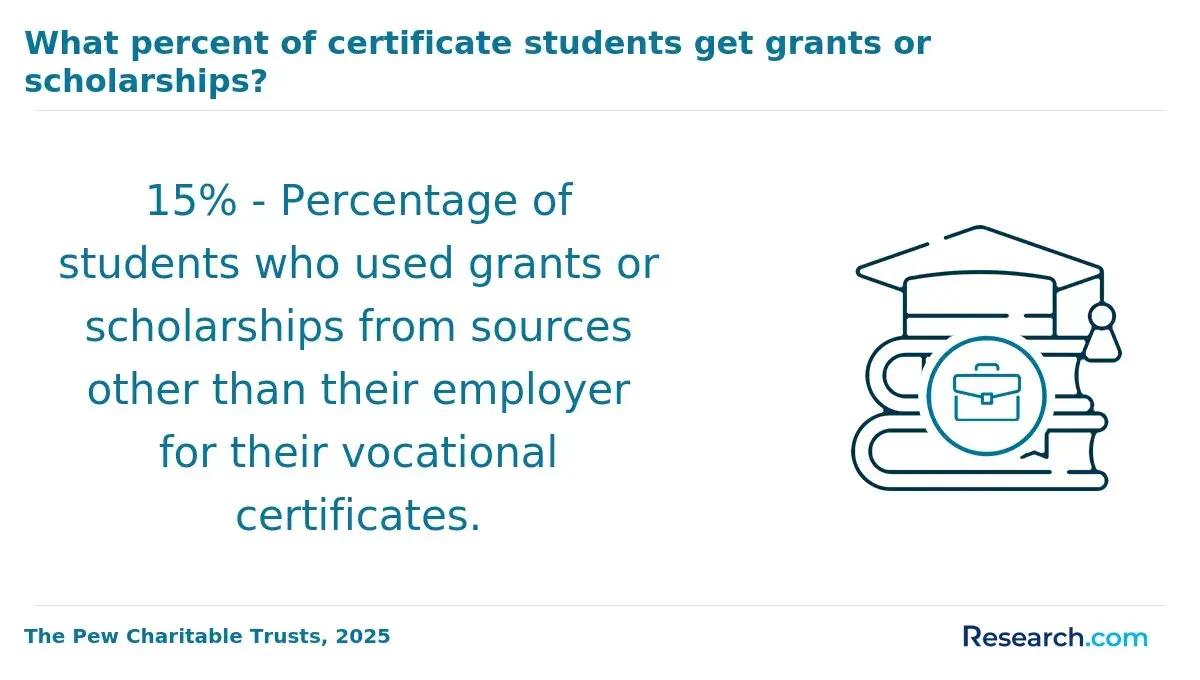
Consider a forester earning a median wage of $69,060, facing a 5% employment growth outlook. Pursuing a $40,000 leadership credential often involves employer subsidies or grants, yet self-funding candidates confront wage suppression risks due to lost work hours and delayed income. These financial dynamics weigh heavily in decision-making, particularly where formal leadership training increasingly influences eligibility for supervisory positions in public and regulated sectors.
Successful candidates assess programs based on:
- Alignment of course content with specific leadership roles
- Opportunities for network development
- Delivery formats that accommodate working professionals without significant income disruption
Integrating employer-sponsored internships or practical projects can reduce opportunity costs by accelerating real-world skill application. Without such support, the heavy tuition burden necessitates thorough financial planning to balance immediate expenses against the potential for steady upward mobility supported by labor market outcomes.
Are certifications or licenses needed for environmental science roles that involve supervising teams or projects?
Environmental science supervisory roles often hinge on certifications that go beyond experience alone, especially within regulated sectors. For instance, professionals charged with compliance oversight typically require credentials such as Certified Environmental Professional (CEP) or state-level hazardous waste operation licenses to lawfully fulfill supervisory duties. These certifications are not mere formalities but gatekeepers ensuring technical proficiency and legal accountability.
In consulting or industrial contexts, combining project management certifications (like PMP) with environmental credentials signals readiness to manage complex operational, financial, and stakeholder demands. This dual qualification frequently separates competitive candidates for leadership roles.
Consider a water quality field supervisor without state-mandated sampling licenses or technician credentials: despite their experience, their scope for independent oversight is constrained. Conversely, those with 3-5 years' hands-on experience complemented by certifications align with labor market trends-such as the U.S. Bureau of Labor Statistics reporting a median wage of $49,490 for environmental science and protection technicians and a projected 7% job growth through 2033-positioning them for accelerated career trajectories.
Employers also factor in certifications to mitigate onboarding time and liability, especially when hazardous materials or compliance audits are involved. However, investing time and resources into these credentials involves weighing upfront training costs against longer-term leadership potential.
Thus, while not universally mandated, certifications function as strategic credentials, enabling reliable advancement into supervisory and project leadership roles across regulatory, consulting, and industrial sectors.
Other Things You Should Know About Environmental Science
Environmental compliance manager, sustainability analyst, environmental consultant, and remediation project scientist are common paths to supervision. These roles usually require a bachelor’s degree in environmental science or a related field, plus 3–5 years of field, regulatory, or project experience before promotion into lead or manager positions.
Advanced degrees offer a foundation in research and complex problem-solving, essential for high-level leadership. Yet, certifications provide targeted expertise relevant to regulatory compliance or project management demanded by many employers. Prioritization depends on career goals: those targeting strategic leadership in government or academia should favor degrees, while roles in industry or consultancy benefit more from specialized certifications combined with practical experience.
Programs that embed leadership development through real-world projects and mentorship drastically improve employability by providing evidence of applied skills in managing teams and stakeholders. Without these components, graduates may struggle to demonstrate leadership readiness despite technical credentials. Choosing a program with built-in leadership practice enables a smoother transition into roles that require managing complex environmental challenges and diverse teams.
References
- Top Environmental Studies Jobs: Careers in Environmental Science https://sustainablebusinessmagazine.net/eco-review/top-environmental-studies-jobs-careers-in-environmental-science/
- Four Key Certifications to Enhance Your Environmental Remediation Career - The Planet Group https://www.theplanetgroup.com/blog/enhancing-your-career-in-environmental-remediation-four-key-certifications
- Environment Career Profiles Case studies https://environmentaljobs.com.au/environmental-career-paths
- Greener Careers https://greenercareers.co.uk/blog/what-can-you-do-with-an-environmental-science-degree-job-opportunities-explained
- 10 careers you can have with an environmental science degree - SMWC https://www.smwc.edu/10-careers-you-can-have-with-an-environmental-science-degree-blog-july-20/
- How to Apply to Environmental Graduate Programs https://www.cjbnetwork.com/articles/how-to-apply-to-environmental-graduate-programs
- Certificate Programmes in Environment and Development https://upeace.org/certificates-ded/
- Top Certifications for Remote Environmental Jobs 2025 https://redrockconsultinggroup.com/top-certifications-that-help-you/
- Top 15 Environmental Science Colleges https://www.collegeadvisor.com/resources/environmental-science-colleges/
- From Environmental Specialist to Environmental Director: Career Path https://ehscareers.com/employer-blog/environmental-specialist-to-environmental-director-career-path/