2027 Online Environmental Science Degrees With Stable Environmental Career Alignment

Co-Founder and Chief Data Scientist
Professionals seeking to transition into environmental science often confront a critical barrier: aligning flexible education options with a labor market demanding specific, evolving competencies. With adult learners comprising over 40% of online college students according to the National Center for Education Statistics, educational accessibility and program adaptability significantly influence enrollment choices and career outcomes.
However, not all online degrees offer curricula or experiential learning aligned with sustainable environmental roles or regulatory requirements, risking prolonged job search or underemployment. This tension shapes strategic decision-making for those balancing work, family, and urgent career pivots. This article analyzes online environmental science degrees with stable career alignment to guide pragmatic enrollment decisions and workforce integration strategies.
Key Things You Should Know
- Online environmental science degrees often lack rigorous fieldwork components; this tradeoff reduces hands-on skills critical for 45% of entry-level roles requiring technical certifications per the U.S. Bureau of Labor Statistics, impacting immediate employability.
- Employers increasingly prioritize candidates with integrated data analysis and GIS expertise-skills 60% of accredited online programs underdeliver-creating discernible hiring disadvantages despite degree completion per 2024 National Environmental Workforce Survey.
- Annual total costs for accredited online environmental science bachelor's range $15,000-$30,000, extending completion times by 20% on average due to part-time pacing, which delays workforce reentry and salary gains, per NCES 2024 tuition data.
What is an online environmental science degree and how does it compare to campus programs?
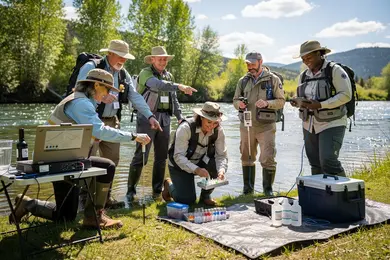
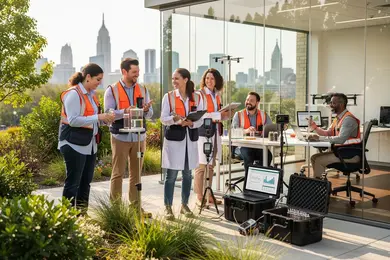
Choosing between online environmental science degree programs in the United States and traditional campus options requires weighing practical tradeoffs in scheduling, access, and field experience. Online degrees offer flexible pacing, critical for working professionals or those balancing caregiving, allowing students-such as environmental scientists involved in urban planning projects-to continue employment while studying.
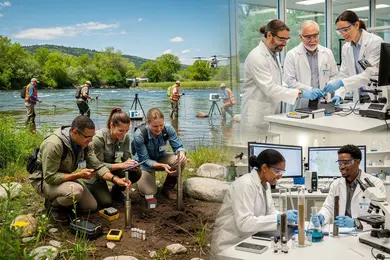
However, success demands significant self-discipline and proactive time management. Campus programs provide direct hands-on labs, face-to-face interaction, and networking opportunities that often lead to internships or immediate job placements.
In contrast, online students must independently secure local fieldwork or internships, which can delay practical exposure but also allows tailored experiences aligned with regional environmental priorities.
Employers recognize accredited online environmental science degrees comparably to campus ones, provided they include rigorous science coursework and verifiable experience. Given that environmental scientists held approximately 90,000 jobs in the U.S., with median wages near $80,000 and projected growth of 4% alongside 8,500 annual openings, program design directly impacts market readiness.
Degrees lacking applied components risk limiting graduates' competitiveness. Understanding these dynamics is essential for those deciding whether to pursue an online environmental science degree. For a detailed exploration of opportunities, see what can you get with an environmental science degree.
How do accredited online environmental science degrees ensure quality and credibility?
Accredited online environmental science degree programs in the United States deliver essential credibility by enforcing strict standards on curriculum relevance, faculty expertise, and measurable program outcomes aligned with industry demands. These accreditation standards for quality environmental science degrees online require core training in ecosystem analysis, environmental policy, and data-centric research methods, ensuring graduates meet the practical skill thresholds employers seek.
For instance, a graduate aiming for a position at a state environmental quality agency must demonstrate proficiency in statistical analysis and regulatory compliance-competencies verified through project-based assessments typical of accredited online programs. Employers in regulatory bodies, environmental consulting, and natural resource management consistently favor candidates with accredited credentials due to the assurance of validated knowledge and applied capabilities.
Equivalency in academic rigor between accredited online and traditional on-campus programs lessens concerns about flexibility compromising quality. This matters because environmental scientists reported a median salary of $80,060 in May 2024, with top earners exceeding $134,000, reflecting a strong link between recognized education and job market competitiveness.
Lack of accreditation often impedes licensing or certification and limits access to federal financial aid, restricting career options. Prospective students should assess whether programs provide verified faculty expertise, research opportunities, and industry connections-factors accreditation frameworks emphasize. Those considering a shift from unrelated fields can explore how to make a career change from teacher to speech language pathologist by reviewing practical educational pathways and workforce integration strategies at teacher to speech language pathologist.
What types of online environmental science degrees are available and who are they best for?
Choosing an online environmental science degree program requires balancing depth of knowledge, practical skill acquisition, and workforce alignment. Bachelor's degrees serve as foundational gateways for recent graduates or career changers targeting entry roles in environmental consulting, policy, or resource management.
For example, those seeking government or conservation nonprofit roles gain essential training in ecology, chemistry, and data analytics. However, these programs often lack intensive hands-on labs, which can pose a hurdle for hands-on technical careers.
Master's programs focus on specialization and applied research, addressing employer expectations for leadership and technical expertise in sustainability, climate science, and regulatory compliance. Professionals-such as environmental engineers moving into project management-benefit from advanced strategic problem-solving modules and GIS training that underpin mid-level to senior career progression.
A key tradeoff is the necessity for greater time commitment alongside the opportunity for stronger labor market positioning. Shorter certificate options address discrete skill gaps in environmental law or hazardous waste management, making them appealing for working professionals prioritizing targeted upskilling without full degree commitments.
Yet, these credentials may not substitute for the broader qualification requirements certain employers demand, especially in scientific or regulatory roles. Considering online environmental science degree programs for working professionals, accessibility to real-world application via internships and field partnerships remains uneven.
Those prioritizing hands-on experience must evaluate how programs integrate practical components to ensure employer recognition. UK HESA statistics report environmental science graduates hold one of the highest rates of permanent employment among STEM fields, indicating stable labor demand-a factor critical when weighing educational investments. For comparative insight, professionals also explore related offerings such as the best online exercise science degree programs, reflecting strategic choices in adjacent health and science disciplines.
What courses and specializations are typically offered in online environmental science programs?
Aligning online environmental science degree specializations with clear career objectives is essential to avoid costly skill redundancy and enhance employability. Coursework commonly integrates ecology, biology, chemistry, geology, and practical competencies like geographic information systems (GIS) and data analysis.
Core classes often span environmental policy and law, natural resource management, and sustainable development, while specializations pivot toward market demand areas such as climate science, conservation biology, environmental toxicology, renewable energy, or environmental impact assessment. Students targeting roles in regulatory agencies or consulting must prioritize understanding compliance frameworks like the Clean Air Act and EPA standards, reflecting the workforce's demand for policy and risk assessment expertise.
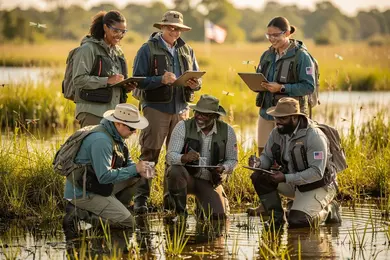
Conversely, careers centered on habitat restoration or conservation lean on biology-intensive curricula coupled with hands-on field techniques. Environmental technology occupations require advanced GIS, remote sensing, and informatics, making software fluency a practical necessity.
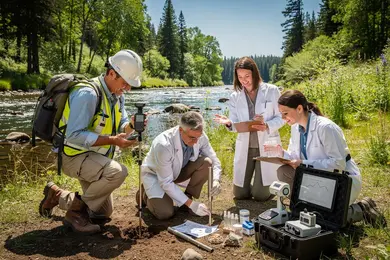
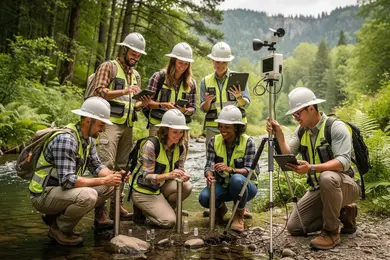
One critical operational consideration in curriculum and courses in online environmental science programs is the requirement of in-person or local fieldwork. This need challenges remote learners but remains important for employers, who favor candidates with practical lab experience or internships over purely theoretical training. Tuition ranges from $9,000 to $24,000 annually, with many public institutions below $12,000. Prospective students can compare these costs in resources on masters in library science that similarly analyze affordability and specialization tradeoffs.
What are the usual admission requirements for online environmental science degrees?
Applicants to online environmental science degree programs face varied entry requirements that reflect both academic readiness and workforce relevance. A high school diploma or equivalent is standard, with many programs requiring minimum GPAs around 2.5 to 3.0 and official transcripts verifying proficiency in biology, chemistry, and mathematics.
For those targeting GIS specialist roles-where job growth is projected at approximately 9% annually and salaries range from $55,000 to $85,000-prior technical coursework or certifications in geospatial technologies markedly improve employability. Candidates lacking this background often must complete bridge courses or demonstrate computer science fundamentals to navigate program demands and employer expectations effectively.
Beyond academics, applicants should assess technological and scheduling challenges inherent to online study. Reliable internet and compatible devices are essential for engaging with GIS software and data-driven labs.
Part-time working professionals must confirm whether asynchronous course structures are offered; synchronous requirements can hinder degree completion due to rigid attendance. Additionally, even online programs frequently include fieldwork, which may require local travel or partnerships, creating logistical considerations often overlooked during application.
Program accreditation by regional or environmental science-specific bodies signals adherence to educational standards and, in selective cases, portfolios or research experience are needed for advanced standing. Meeting minimum criteria seldom guarantees admission, as programs prioritize candidates whose backgrounds align with growth sectors. Understanding these nuanced admission and practical realities can significantly affect outcomes.
How long do online environmental science degrees take and what do they cost?
Choosing an online environmental science degree requires weighing time investment against career outcomes and salary potential. Associate programs take roughly two years and suit entry-level roles but may limit advancement opportunities.
In contrast, bachelor's degrees typically demand 3-4 years and open broader employment prospects, especially when pursued full time or through accelerated tracks. Master's degrees, lasting 18-24 months, position professionals for specialized technical or leadership roles, but require delaying income during study.
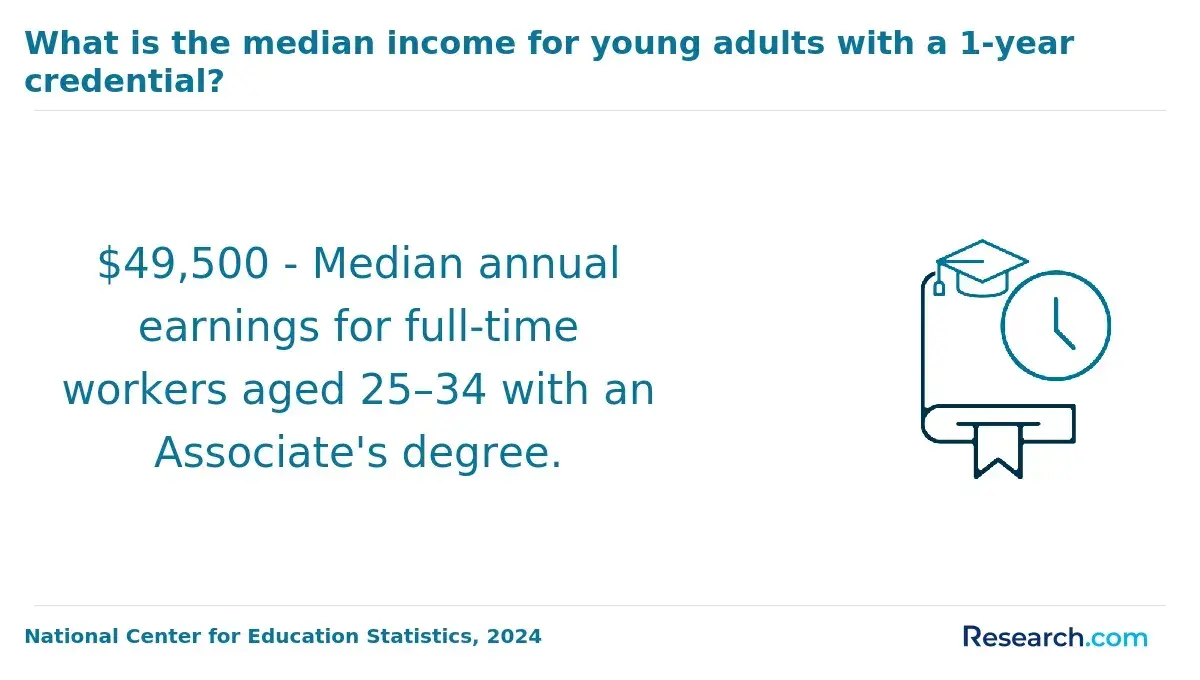
Cost variability is substantial: in-state public bachelor's tuition runs $7,000-$12,000 annually, while private or out-of-state costs can exceed $30,000 per year. Master's programs span from $15,000 to $40,000 overall.
True program value must consider these ranges alongside long-term earnings; environmental scientists averaged $73,919 as of October 2025, with metro areas offering scaled-up pay. Practical considerations also include accreditation and curriculum rigor, which influence employer recognition and job readiness.
Additional expenses-textbooks, software, travel for internships-add to total investment. A mid-career professional might prioritize a master's online over two years, trading short-term earnings for higher pay potential, while early-career students might prefer shorter programs for quicker entrance into the workforce.
What stable environmental career paths can an environmental science degree support?
Environmental science degrees translate unevenly into workforce readiness, with distinct gaps between qualified candidates and rapidly expanding clean energy roles. For instance, while the clean energy sector's workforce expanded by roughly 11-12% recently, credentialed professionals grew at just half that rate, signaling recruitment challenges for roles like renewable energy project managers who must coordinate complex, interdisciplinary efforts under stringent regulatory frameworks.
Jobs such as environmental consultants in manufacturing require applied expertise combining pollution control with operational realities, not just theoretical knowledge. Similarly, positions in government or non-profits-like environmental policy analysts or sustainability coordinators-often stress technical certifications or GIS experience over broad environmental science credentials, which can impede employment prospects absent targeted training.
Prospective students should critically weigh programs offering specialized modules, such as carbon accounting or energy analytics, alongside practical components like virtual labs or field placements. Employers expect proficiency in large datasets, environmental impact assessments, and effective cross-sector communication, which many generic degree tracks lack. Evaluating programs through these operational and market-informed criteria helps graduates navigate the sustainability job market more effectively, avoiding pitfalls linked to insufficient practical experience or outdated curriculum focus.
What are the salary expectations and job outlook for environmental science graduates?
A realistic appraisal of environmental science employment reveals a salary range influenced by sector and geography. Graduates in 2026 can anticipate median starting salaries between $50,000 and $65,000, with certain federal or consulting roles exceeding $90,000. Federal positions typically offer stable pay but limited upward mobility, whereas consulting roles may provide greater financial growth tied to performance, albeit with higher volatility.
The labor market outlook shows an 8% projected growth rate for related jobs through 2032, surpassing the average occupational growth. However, approximately 32% of environmental science graduates struggle to enter directly relevant fields within three years, often due to gaps in specialized skills or professional networks.
Additionally, the evolving workplace environment requires comfort with hybrid or remote arrangements, especially in consulting and research. Prospective students must weigh the tradeoff between the public sector's job security and the private sector's salary potential, aligning their choices with long-term career strategy rather than entry credentials alone.
Are licenses or professional certifications needed for environmental science careers, and how do degrees prepare you?
Licensing and certification significantly shape career trajectories in environmental science, especially where regulatory compliance or hazardous materials are involved. Roles like environmental health and safety specialists typically mandate credentials such as the Certified Hazardous Materials Manager (CHMM), often accompanied by state licenses.
Conversely, positions focused on research or analysis generally emphasize technical skill sets and relevant degrees over formal licensure, underscoring a key tradeoff between certification pursuit and entering roles grounded in data interpretation. Environmental science degrees frequently integrate applied training in GIS, data modeling, and laboratory work, which align with expanding industry demands-for example, the geospatial analytics market is expected to nearly triple by 2030-2035 due to AI and smart city initiatives (Project Geospatial market outlook 2026).
Graduates targeting regulatory roles must prepare for certification exams and comply with shifting regional licensing requirements. Alternatively, candidates emphasizing project coordination or data analysis can gain advantage by prioritizing technical coursework to avoid extensive certification hurdles. Prospective students should weigh whether the investment in certifications aligns with their chosen pathway and geographical scope, given these credentials often dictate eligibility for government and industrial roles versus roles emphasizing analytical capabilities within environmental science.
How can students evaluate and choose a reputable online environmental science program?
Selecting an online environmental science program should hinge on measurable career alignment and tangible skill applicability rather than convenience or price alone. Graduates lacking hands-on protocols, such as environmental data collection or GIS application, risk underemployment despite program completion speed.
For example, technician roles tied to applied bachelor's degrees typically demand proficiency in fieldwork simulation and environmental compliance practices, with median salaries near $49,000 and top quartile earnings exceeding $64,000. Accreditation from recognized bodies remains a non-negotiable factor, signaling both quality and eligibility for crucial federal aid measures that employers often expect.
Practical curriculum elements-internships, verified practicums, and instructor access in real-time-impact skill acquisition and job readiness significantly, especially for career switchers requiring career service support and industry networking. Employment data confirms that programs embedding government agency requirements and industry consultation skills offer more durable wage growth and placement outcomes. Decision-makers must prioritize transparency in graduate success metrics and updated syllabi reflecting evolving regulations rather than superficial program traits.
Other Things You Should Know About Environmental Science
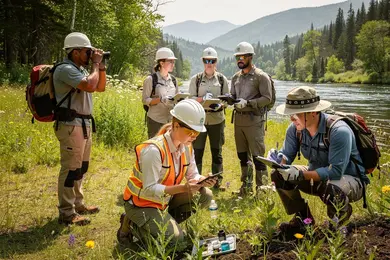
Online environmental science programs often struggle to provide direct hands-on opportunities like fieldwork or laboratory sessions, which are vital for employer readiness. Students should verify if the program includes coordinated internships, local lab partnerships, or virtual simulations that closely mimic real-world environments. Prioritizing programs with structured experiential components is essential since graduates without practical experience face limitations in technical job roles and reduced competitiveness.
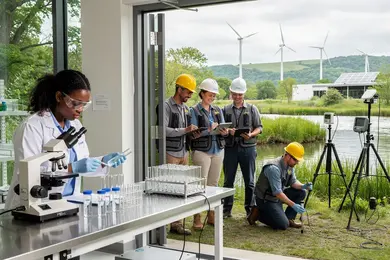
Yes. Many programs require 1–3 laboratory science courses and a field methods or capstone component completed in person or through approved local sites. Accrediting standards and state licensure pathways often expect verified lab contact hours, especially for ecology, chemistry, geology, or environmental monitoring courses.
Employer acceptance depends on the program's accreditation, reputation, and graduate outcomes rather than the modality alone. Graduates from well-established, accredited online programs can compete effectively if their practical skills and internships are demonstrable. Candidates from less-recognized or non-accredited online degrees may face skepticism, delaying career progress, so students should prioritize programs with transparent graduate success metrics and strong industry ties.
References
- Educational Accreditation — The ESG Institute https://www.the-esg-institute.org/educational-accreditation
- Environmental Career Profiles Australia https://environmentaljobs.com.au/resources/environmental-sustainability-careers
- Most Popular Online Environmental Science Degrees 2025 https://www.onlineu.com/degrees/environmental-science
- Understanding Academic Accreditation for Online Universities https://www.qahe.org/article/understanding-academic-accreditation-for-online-universities/
- CES - Certified Environmental Scientist https://www.nrep.org/certifications/certified-environmental-scientist-ces
- The Role of Quality Assurance in Online and Distance Learning https://www.internationaleducationboard.co.uk/post/the-role-of-quality-assurance-in-online-and-distance-learning
- Certification Guide for Young Professionals - Board for Global EHS Credentialing https://gobgc.org/professional-environmental-certifications-professionals/
- How recognised and credible are distance learning degrees? https://www.pfh.de/en/blog/how-recognised-and-credible-are-distance-learning-degrees
- Choosing a bachelor's in environmental science | edX https://www.edx.org/resources/how-to-choose-a-bachelors-in-environmental-science
- Environmental Certifications for entry-level and career changers https://www.theenvironmentalcareercoach.com/certification-links