2027 Online Environmental Science Degrees With Environmental Policy Coursework

Co-Founder and Chief Data Scientist
An environmental scientist tasked with influencing policy to mitigate climate change often faces a bottleneck: finding accessible education that integrates both rigorous science and practical policy training without disrupting their career trajectory. The shift to online learning has expanded options, with the National Center for Education Statistics reporting a 15% increase in graduate online enrollment since 2023, largely driven by working adults seeking flexibility. This trend signals a necessary accommodation for professionals who must balance ongoing work demands with advanced study while staying relevant in a competitive job market increasingly focused on interdisciplinary skills.
This article examines online environmental science degrees featuring environmental policy coursework, aimed at helping prospective students identify programs that offer practical accessibility, relevant curriculum, and career-aligned flexibility to overcome these workforce and educational challenges.
Key Things You Should Know
- Online environmental science degrees with environmental policy coursework often extend program duration by 20%-30% compared to traditional tracks due to integrated policy modules, increasing opportunity costs for mid-career professionals balancing work and study.
- Employers increasingly prioritize candidates with policy expertise alongside scientific skills, as 68% of environmental sector roles now require regulatory knowledge per the U.S. Bureau of Labor Statistics, making integrated degrees vital for competitive hiring.
- State funding disparities create uneven tuition costs for online environmental science policy programs, with public institutions charging 40%-70% less than private, impacting affordability and access for students in high-demand coastal and industrial regions.
What is an online environmental science degree with an environmental policy focus?
An online environmental science degree with an environmental policy specialization requires balancing scientific rigor with legal and political frameworks, preparing graduates to operate at this nexus rather than purely within laboratory or field research. A graduate might, for example, design emission reduction strategies for a manufacturing company that align with evolving regulations while minimizing operational disruption. Alternatively, working with government agencies on urban water pollution legislation will demand fluency in both scientific data interpretation and policy negotiation. Such real-world integration distinguishes this pathway from more technically focused environmental science tracks.
Programs focusing on applied policy analysis, environmental law, and risk assessment run parallel to core courses in ecology, chemistry, and data analytics. Students pursuing online environmental science programs focusing on environmental policy must manage interdisciplinary demands and self-directed study, which can strain working professionals' schedules but enhance essential skills in independent learning and time management.
The U.S. Bureau of Labor Statistics projects a 6% growth for environmental scientists and specialists over 2022-2032, with 6,900 annual job openings emphasizing expertise in both scientific assessment and regulatory understanding. Employers increasingly value candidates able to translate complex data into actionable policy advice, favoring those with practical exposure through internships or applied projects. Prospective students should weigh program accreditation and faculty expertise critically to ensure market relevance.
For those interested in integrating spatial analysis with policy, reviewing the best GIS programs offers insights into complementary technical skills leveraged in environmental policy roles.
Are online environmental science degrees with policy coursework respected and properly accredited?
Online environmental science degrees with policy coursework only hold value when issued by regionally accredited institutions with recognized programmatic approvals. The reputation of online environmental science degrees in environmental policy hinges largely on such accreditation, which ensures that curricula meet industry and regulatory standards. Generic or nationally accredited programs generally fall short, lacking rigor and employer credibility, especially for roles requiring detailed policy analysis or professional certification.
Employers-especially government agencies, consulting firms, and NGOs-expect environmental scientists to grasp specific policies like the Clean Air Act and Clean Water Act. Without integrated policy education, graduates risk under-preparation for essential regulatory compliance and legislative advocacy tasks.
Practical advantages arise when programs provide experiential learning opportunities such as internships or capstone projects with policy-focused organizations. These elements often bridge the gap between remote learning limitations and real-world applicability, although online students typically face reduced access to networking and mentorship compared to on-campus peers.
Environmental scientists earned a median annual wage of $76,530 as of May 2024 according to U.S. Bureau of Labor Statistics data, reflecting competitive compensation for candidates with substantive policy training. Prospective students examining online options should insist on transparent disclosure of accreditation, curriculum depth, and alumni outcomes. This diligence prevents costly mismatches between education and employment demands, a concern highlighted in fields where salary benchmarks mirror those for related careers such as the SLP salary.
How do online environmental science programs compare to campus-based options for studying policy?
Choosing between online environmental science degrees with policy focus and campus programs requires careful evaluation of experiential learning and professional networking, both critical for policy careers. Employers expect practical skills in legislative procedures, stakeholder interaction, and regulatory frameworks-abilities best honed through internships, workshops, and face-to-face engagement typically accessible in on-campus settings.
Online students wanting to compete effectively must seek virtual internships or local agency collaborations to compensate for reduced direct policymaker interaction. Tuition variation can be significant; for example, the University of Arizona Online charges $525 per credit for its environmental science BS, providing a transparent cost benchmark for affordability among online options. This pricing advantage benefits working professionals balancing education with employment without relocation.
However, an online format demands strong self-discipline and technological readiness, which can impact program completion rates. Additionally, state licensing or certification requirements may restrict fully online accessibility if in-person practicum hours or residency are mandated. The comparison of online and campus environmental science programs for policy study reveals that campus alumni networks often accelerate job placement, a resource less available to remote learners without strategic local engagement.
Structured online curricula incorporating synchronous sessions and policy simulations are narrowing experiential gaps but have yet to fully replicate immersive campus exposure needed in environmental consulting or governmental analysis. Prospective students should assess whether flexibility and cost savings offset limitations in hands-on learning and direct policymaker collaboration.
For those exploring educational options in related fields, resources such as the best online registered dietitian programs provide additional insight into rigorous online degree pathways.
What environmental policy courses and specializations are typically included in these online programs?
Programs offering an online environmental science degree policies blend regulatory knowledge with practical application, preparing students for sectors where compliance and policy literacy dictate outcomes. Central coursework often includes federal compliance frameworks such as the Clean Air Act and Clean Water Act, forming the backbone for real-world roles in urban planning, energy, and resource management industries. Graduates are increasingly expected to navigate complex environmental-economic tradeoffs, such as carbon trading and renewable incentives, skills embedded in advanced policy specializations.
These environmental policy specializations in online programs sharpen the capacity to assess and influence sustainability initiatives within both public agencies and corporate environments. However, success hinges on translating legislative frameworks into actionable strategies amid competing stakeholder interests, a challenge often addressed through case studies and policy simulation exercises incorporated in many curricula.
From a financial standpoint, transfer-credit policies materially impact affordability and access. For example, Southern New Hampshire University's acceptance of 30 prior-learning credits can reduce bachelor's tuition to approximately $31,860, an important consideration for mid-career professionals balancing work and education demands.
Students weighing program options should also explore related fields for broader insights; one helpful resource is the library science degree rankings, which illustrate affordability models applicable to environmental programs. Such practical data points help clarify cost-benefit tradeoffs while aligning educational investments with workforce outcomes.
What admission requirements and prerequisites do online environmental science degrees usually have?
Admission to online environmental science degrees with environmental policy coursework hinges on a strong STEM foundation, typically requiring a bachelor's in environmental science, biology, chemistry, or related fields. A critical practical consideration is the minimum GPA, often set between 3.0 and 3.5, which filters candidates based on proven analytical and scientific aptitude.
Applicants must navigate prerequisite coursework in areas such as statistics, ecology, or environmental chemistry, which directly impact their ability to handle policy analysis and quantitative tasks. Lack of these prerequisites commonly necessitates remedial courses, delaying progress and increasing overall costs. For master's applicants, professional experience in environmental policy or management can offset testing requirements, which many institutions have begun waiving as of 2024.
Workforce realities present another layer of complexity. Part-time students balancing jobs need programs offering asynchronous course options. International candidates face additional hurdles with language proficiency tests like TOEFL or IELTS, creating administrative delays that require advanced planning.
For example, the University of Denver's online environmental policy and management master's program, which graduated 166 students last year, illustrates the scale possible when academic rigor meets flexible delivery. However, failure to meet strict prerequisites-and the analytical and quantitative demands they represent-may extend time to degree and increase financial burden, an important factor for professionals strategizing a career pivot or advancement in environmental science roles.
How long do online environmental science degrees take, and what do they cost?
Choosing an online environmental science degree focused on environmental policy demands balancing time, cost, and employer expectations. Associate programs typically require about 2 years, bachelor's degrees 3 to 4 years, and master's studies between 1.5 to 3 years depending on full- or part-time enrollment. Accelerated tracks may shorten timelines but often limit work-study balance, potentially undermining practical skill development valued in government or consulting roles.
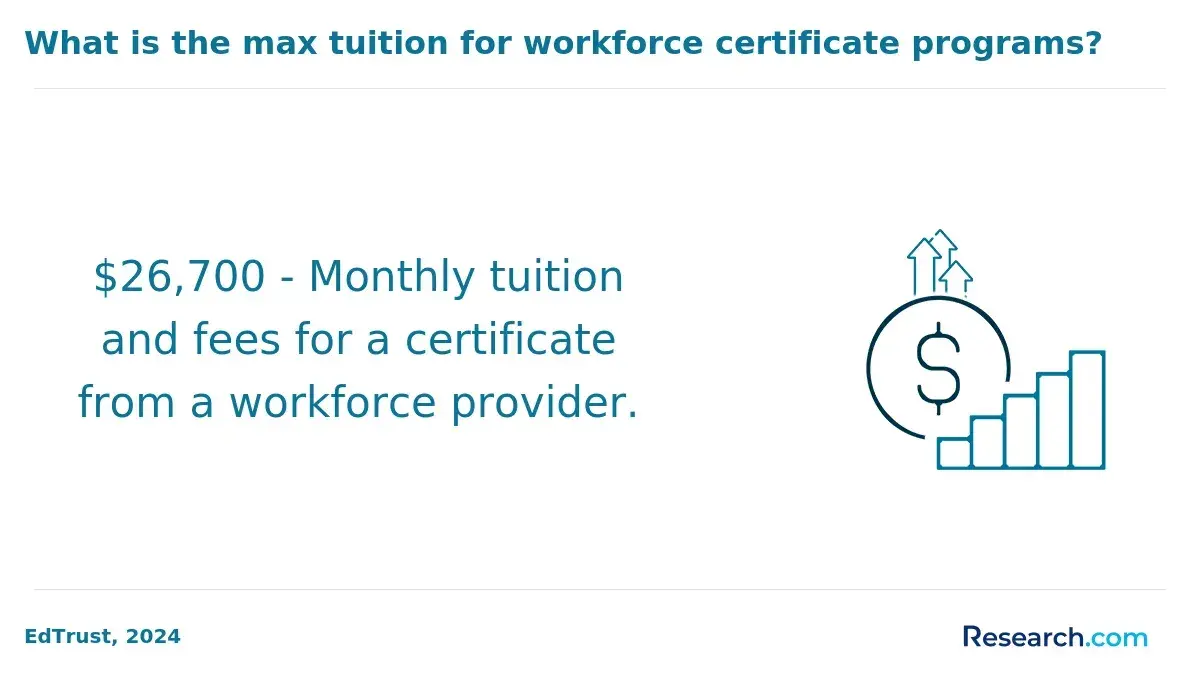
Cost discrepancies reflect institution type and residency, with public bachelor's programs ranging from $15,000 to $40,000, while private can exceed $60,000. Graduate degrees generally cost $20,000 to $50,000, with additional fees for materials and technology. Professionals should weigh if faster, more expensive master's routes without relevant experience justify the financial burden, especially given the national average salary of $88,640 for policy-focused environmental scientists per EnvironmentalScience.org's labor data.
For many, stretching coursework over several years while working can enhance applied experience and employability, carefully managing debt against career growth. This pragmatic approach aligns educational investment with realistic labor market returns rather than purely academic speed.
- The accelerated master's degree risks lower ROI without prior work experience.
- Extended part-time study often improves skill depth and hiring competitiveness.
- Tuition costs vary significantly between public and private institutions.
What careers can graduates pursue with an online environmental science degree in policy?
Graduates holding an online environmental science degree with a policy focus face a workforce that prioritizes the integration of rigorous scientific data analysis and a deep understanding of regulatory frameworks. Roles such as environmental consultants or policy analysts require navigating evolving legislation and translating complex scientific findings into actionable policy measures applicable at the state or federal level. For instance, a policy analyst at a government environmental agency must merge environmental data with local laws to draft enforceable standards.
Employers increasingly expect proficiency in statistics and data analysis software like R or Python, as validation of environmental models becomes a core competency. Environmental scientists skilled in statistical methods command median salaries around $104,350, reflecting employer demand for measurable, data-driven decision-making.
Key operational realities include:
- Balancing technical interpretation with communication tailored to policymakers and non-specialist stakeholders.
- Frequent compliance audits requiring meticulous attention to shifting regulations.
- Career progression tied to certifications such as Certified Environmental Professional (CEP) and data analytical skills.
Those pursuing this degree online should critically assess the availability of applied statistics courses and the presence of internships or practicum opportunities, which are vital for immediate job readiness and long-term professional viability.
What salary ranges and earning potential are common in environmental policy careers?
Environmental policy positions present a salary range influenced heavily by sector, experience, and specialization, typically between $50,000 and $90,000 annually. For instance, environmental analysts experience measurable job growth at 3.4% per year with median salaries around $73,010, driven by regulatory focus on sustainability. Entry-level advisors in government or nonprofit roles start near $50,000 but generally face slower upward mobility compared to corporate compliance or consulting specialists who can surpass $90,000.
Professionals shifting from environmental science degrees often encounter initial pay limitations but can improve prospects by gaining certifications in environmental law or economics, particularly in energy regulation roles where salaries can exceed $80,000 within five years. Conversely, policy advocates at regional NGOs may encounter tighter salary bands but receive leadership opportunities tied to community impact.
Salary disparities also reflect employer type and geography, with federal specialists usually earning more consistently than local agency staff constrained by variable budgets. Employers expect strong skills in data analysis, communication, and applied policy evaluation, making interdisciplinary coursework across environmental science and policy a practical asset.
Practical considerations include the risk of overqualification, which may delay salary advancement, so continuous skill updates aligned with evolving sector demands are essential for stable, long-term earnings.
What is the job outlook and employer demand for environmental science and policy roles?
Employers increasingly seek candidates who combine environmental science expertise with policy acumen, particularly within government, NGOs, and private firms managing compliance and sustainability. The U.S. Bureau of Labor Statistics forecasts a 5% growth for environmental scientists from 2024 to 2034, but those with policy skills encounter a more competitive edge in hiring and higher salary brackets.
This dual competency enables roles such as environmental consultants who interpret regulatory impacts or sustainability managers navigating complex stakeholder environments. However, lacking policy education often confines professionals to technical positions with slower advancement.
Advanced degrees, especially online master's programs costing between $27,488 and $27,900 annually, correlate with median salaries ranging from $85,706 to $91,116. Job seekers must consider the practical tradeoff between investment in graduate education and enhanced employability, especially given employer emphasis on strong analytical abilities and regulatory knowledge.
Geographic and sector-specific factors shape demand: states with stringent environmental laws and industries like energy, manufacturing, and urban planning provide the most openings but require continuous regulatory updates. Career changers benefit from targeted internships and project experience that demonstrate regulatory framework familiarity to overcome hiring barriers.
- Policy knowledge boosts roles influencing decision-making over purely technical positions
- Salary outcomes improve notably with graduate study, reflecting market valuation
- Demand varies regionally and by industry, emphasizing adaptability and regulatory fluency
How can students choose a reputable online environmental science program with strong policy training?
Choosing an online environmental science program requires scrutiny beyond surface credentials, focusing on accreditation and the depth of environmental policy training. Regional accreditation coupled with recognition from specialized bodies like NASPAA ensures programs meet workforce standards and effectively integrate science, law, and economics-core areas vital to policy roles. According to the National Center for Education Statistics, degree options range from bachelor's to doctoral levels, but practical value varies significantly.
For professionals targeting government positions, programs emphasizing legal frameworks and regulatory compliance offer crucial preparation. Conversely, those aiming for sustainability roles in corporate sectors benefit from curricula blending economic analysis and applied policy case studies. The presence of experiential learning-capstones, internships, or research partnerships-often distinguishes programs that enhance employability in policy-driven environments from those with limited applied skill development.
Faculty engagement in active policy research usually correlates with up-to-date content and networking channels, a critical consideration for students balancing work and study. Asynchronous course delivery paired with interactive discussions can accommodate professionals' schedules without diluting academic rigor.
- Verify program accreditation and specialized policy recognition.
- Assess policy content for legal, scientific, and economic integration.
- Prioritize experiential learning opportunities tied to workforce demands.
- Consider faculty policy engagement for current relevance and connections.
- Evaluate program structure for flexibility alongside interactivity.
Other Things You Should Know About Environmental Science
Many employers expect candidates to have hands-on experience beyond coursework, especially in policy-related roles where practical understanding of regulations and implementations matters. While some online programs offer virtual or local placement internships, their absence limits real-world exposure and networking opportunities. Prioritize programs that mandate or strongly support internships, as this directly impacts employability and the ability to apply policy concepts in a professional context.
Yes. Many 2027 online environmental science programs require a 3- to 6-credit capstone, often in the final term. Students usually complete a policy analysis, applied research project, or local environmental plan under faculty supervision, and some schools require a minimum 2.5 GPA before enrollment.
Online policy coursework can provide theoretical and regulatory knowledge but often lacks the nuanced experiential learning found in government internships or advocacy group participation. Graduates aiming for policy advocacy should supplement their degree with active field involvement to cultivate stakeholder engagement and practical communication skills. When selecting a program, consider whether it offers partnerships or pathways to fieldwork opportunities, as this critically shapes readiness for advocacy-oriented careers.
References
- Top 15 Environmental Science Colleges https://www.collegeadvisor.com/resources/environmental-science-colleges/
- Environmental Science with tracks in Biogeochemistry, Biology, Chemistry, and Public Policy - Undergraduate Degree Program | Duke Kunshan University https://ugstudies.dukekunshan.edu.cn/majors/environmental-science-with-tracks-in-biogeochemistry-biology-chemistry-and-public-policy/
- How do I choose an environmental training course? - ECE https://www.ece.fr/en/how-do-i-choose-an-environmental-training-course/
- Jobs With Salary Guide https://i-recruit.ie/jobs-with-salary-guide/
- Environmental Science Courses & Degrees https://www.open.edu.au/study-online/science/environmental-science
- Best Environmental Policy Degree Programs, Online Included https://environmentalsciencedegree.org/programs/environmental-policy/
- Choosing a bachelor's in environmental science | edX https://www.edx.org/resources/how-to-choose-a-bachelors-in-environmental-science
- Master of Science in Environmental Sciences and Policy https://www.ceu.edu/academics/degrees/ms-environmental-sciences-policy
- Online MPA Programs with a Specialization in Environmental Policy & Management https://www.onlinempaprograms.com/specializations/environmental-policy-management
- Environmental Science https://www.ualberta.ca/en/undergraduate-programs/bachelor-of-science-environmental-science.html