2027 Online Environmental Science Degrees With Strong Regulatory Documentation Training

Co-Founder and Chief Data Scientist
Confronted with tightening federal and state regulations, environmental science professionals must navigate complex documentation requirements amid evolving compliance landscapes. Missteps in regulatory reporting can lead to project delays or costly penalties, a risk compounded by fragmented training opportunities.
The acceleration of online education growth-up 12% overall in recent years according to the National Center for Education Statistics-indicates increased demand for flexible learning tailored to working adults juggling strict career timelines and professional development needs. This article evaluates online environmental science degrees with rigorous regulatory documentation training, helping prospective students identify programs that balance accessibility with practical skills essential for regulatory precision and career advancement.
Key Things You Should Know
- Online environmental science degrees with regulatory documentation emphases average $15K-$25K annually, limiting access for midcareer pivots; emerging state financial aid for compliance-focused programs partially offsets this but remains uneven across regions.
- Employers emphasize practical regulatory competence, with 62% of hiring managers prioritizing candidates demonstrating up-to-date EPA and OSHA documentation experience, raising the bar beyond broad environmental generalist credentials.
- Tradeoffs between accelerated online formats and depth in evolving federal regulatory frameworks create risk of credential obsolescence within five years, highlighting the need for continual professional development post-degree.
What is an online environmental science degree with regulatory documentation training?
Employers hiring for environmental science roles increasingly demand proficiency in regulatory documentation, reflecting a critical intersection of science and legal compliance. An online environmental science degree with regulatory documentation training equips professionals to navigate complex regulatory frameworks, producing legally valid records that industries like manufacturing and energy rely on to avoid operational disruptions or penalties.
This skill set varies across sectors: consulting specialists use it to streamline permitting, government agencies to enforce compliance, and nonprofits to underpin advocacy with registered scientific findings. Programs emphasizing environmental science online focused on compliance training must balance rigorous scientific coursework with practical exercises involving permits, impact assessments, audits, and corrective reports.
Students confront evolving regulations and the challenge of translating technical data into defensible documents, a barrier that directly affects their employability in a labor market expecting exactness and efficiency. The Bureau of Labor Statistics forecasts a 6% growth in environmental scientist and specialist positions through 2034, adding nearly 6,900 regulatory-focused roles annually.
This demand underscores the importance of hiring candidates who minimize compliance risks through quality documentation. Prospective students evaluating pathways should also consider how these skills complement other geoscience disciplines by exploring geology degrees online, which sometimes integrate related regulatory training.
How do online environmental science programs compare to campus-based options for regulatory work?
Students considering online environmental science programs for regulatory compliance must recognize that while online curricula offer foundational training comparable to campus-based degrees, significant experiential gaps persis. By 2025, 284 online environmental programs will be available globally, but campus-based vs online environmental science degrees for regulatory documentation show clear divergence in practicum access and engagement with real-world regulatory workflows.
Regulatory employers prioritize candidates with verified applied experience in environmental policy instruments, permit writing, and agency reporting systems-skills often validated through mandatory internships or cooperative education embedded in campus programs. For example, state-level regulators often prefer graduates with in-person, university-endorsed internships, due to complex, jurisdiction-specific documentation processes that are difficult to replicate remotely.
Online students must therefore seek or negotiate hybrid internships to gain similar credibility.
- Campus-based students receive direct mentorship from faculty actively involved in regulatory consulting and government collaborations, fostering immediate feedback on complex regulatory tasks.
- Online learners rely more heavily on virtual forums and limited synchronous sessions, which can limit the depth and speed of support during intensive documentation exercises.
- Fieldwork in online programs tends to be condensed or regionally focused, reducing exposure to the regulatory environments common in diverse campus partnerships.
Those weighing these educational pathways must balance online flexibility and accessibility against the practical reality that supervised, applied documentation experience remains more accessible on campuses. Students pursuing online paths should strategically plan for internships and leverage professional networks to bridge these gaps. For those interested in advancing further, options like an online PhD in data science may offer additional analytical skills relevant to environmental regulatory data management.
Which U.S. schools offer accredited online environmental science degrees focused on regulations?
Programs offering U.S. accredited online environmental science degrees with regulatory focus cater to a critical niche: professionals navigating complex compliance landscapes involving EPA standards and federal regulations. Notably, institutions like Colorado State University Global Campus and the University of Arizona embed technical regulatory documentation, environmental law, and policy interpretation into their curricula.
Graduates from these programs enter fields such as waste management, energy, or water resources, where proficiency in agency-specific report writing and regulatory submissions is demanded. Employers prioritize candidates who can produce legally compliant environmental impact assessments and understand nuanced regulatory frameworks.
This emphasis translates into tangible workforce benefits, with environmental scientists in regulatory roles earning a median salary of $78,400 annually, and top earners exceeding $134,830, demonstrating the premium placed on these skills. Prospective students considering online environmental science programs specializing in U.S. regulatory training must weigh program accreditation-such as regional bodies or CACREP certification.
Balancing asynchronous coursework with access to regulatory experts is essential to managing employment and study demands. This practical focus aligns with industry needs, yet the tradeoff often lies in reduced real-time interaction. Additionally, students evaluating interdisciplinary shifts should also compare paths like online exercise science degrees in terms of program duration and workforce outcomes to inform strategic decisions within STEM domains.
What admission requirements apply to online environmental science degrees in the United States?
Admission standards for online environmental science degree programs in the United States often reflect the tension between academic readiness and practical workforce demands. Many programs require a high school diploma with coursework in biology, chemistry, and math, alongside minimum GPA thresholds around 2.5. However, some programs waive standardized test requirements like the SAT or ACT for applicants with relevant college credits or professional experience, acknowledging nontraditional educational paths.
This approach aligns with the evolving us online environmental science program enrollment criteria that emphasize skills over credentials in certain cases. For professionals eyeing roles in regulatory documentation or compliance, prior certifications or direct experience in environmental policies or hazardous materials handling can substitute formal prerequisites.
Admissions frequently expect letters of recommendation and personal statements to evaluate communication skills essential for navigating complex regulatory environments where precise documentation is legally and financially critical. Targeted fields such as pharmaceuticals or biotech often favor applicants with coursework in applied environmental regulations or biostatistics, which impacts readiness for sector-specific roles.
Given projected 6% employment growth for environmental scientists through 2034, technical writing proficiency or portfolios demonstrating regulatory-focused documentation skills are common requirements. These demanding admission elements highlight the practical tradeoffs applicants must consider when balancing work and study, including reliable internet access and time management for synchronous or asynchronous coursework.
For those simultaneously evaluating degree affordability across disciplines, reviewing online options like a library degree can provide comparative insights on cost and accessibility that complement the environmental science pathway.
What coursework and skills are taught in regulatory documentation-focused environmental science programs?
Specializing in regulatory documentation within environmental science demands precision and a deep understanding of federal and state frameworks, as roles hinge on producing legally definitive, audit-ready reports. These programs focus on key statutes like the Clean Air Act and the National Environmental Policy Act, empowering students to draft complex permit applications, compliance monitoring reports, and environmental impact statements that withstand institutional scrutiny.
Technical writing tailored to regulatory standards is a critical skill, blending scientific data with legal requirements. Students engage with real-world case studies such as site assessments, remediation documentation, and pollution control plans, often using EPA-endorsed software and databases. The ability to maintain traceable and legally compliant records is essential, particularly in projects involving contamination cleanup where errors can trigger costly legal consequences or delays.
Employers prioritize candidates who understand continuous regulatory evolution and can integrate these changes into documentation workflows, signaling a need for ongoing professional development beyond graduation. Prospective students must weigh the investment carefully: for example, the University of Arizona Online's BS in environmental science costs $525 per credit, totaling approximately $63,000 for a 120-credit program-a significant upfront cost linked to mid-career salary gains tied to specialized regulatory expertise.
How long do online environmental science degrees take and what do they cost?
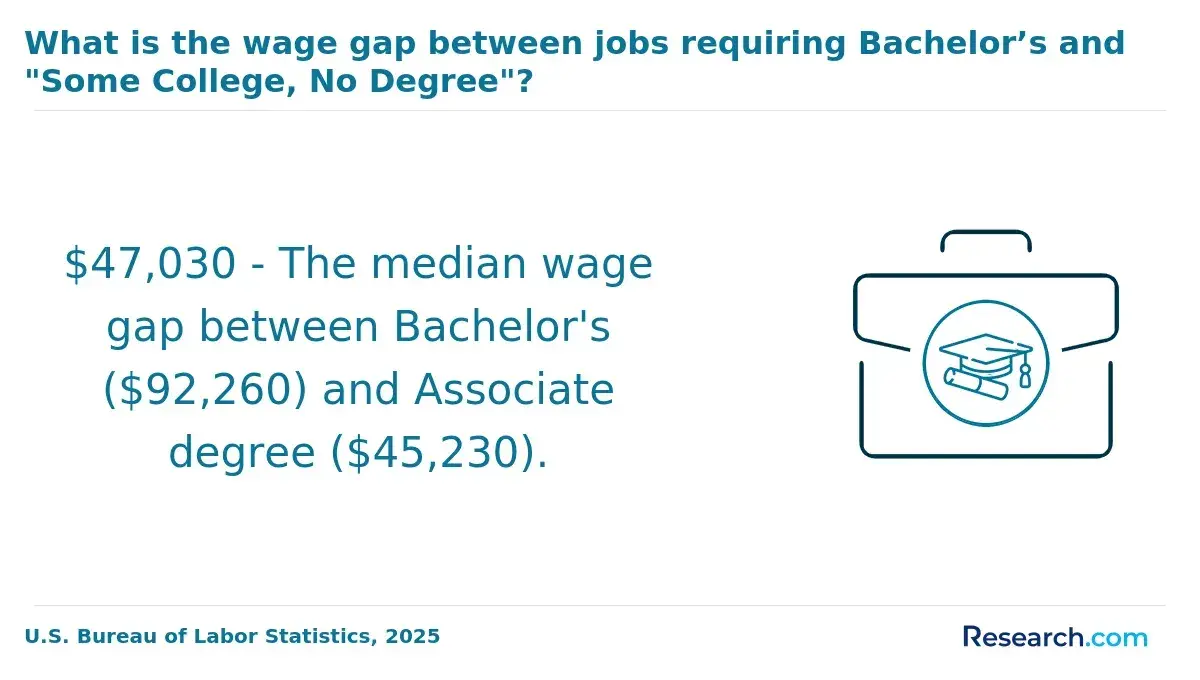
Choosing between associate, bachelor's, or master's online environmental science degrees affects both completion time and workforce readiness. Accelerated bachelor's programs can condense study into about three years, while regulatory-focused master's degrees typically require 18 to 24 months, often integrating practical projects that develop documentation expertise essential for compliance roles.
Extended program durations deepen competency but may delay income generation. Cost considerations vary widely: online bachelor's programs usually range from $20,000 to $60,000 total tuition, while master's degrees focusing on regulatory science sit between $15,000 and $40,000. Public institutions can offer lower rates, though online tuition may be uniform regardless of residency. Additional fees for specialized software, labs, and certifications increase overall investment.
Employment outcomes hinge on measurable skills. Entry-level regulatory science roles start near $50,130 annually, while median salaries approach $80,060. Employers prioritize candidates with proven regulatory documentation abilities, especially in environmental consulting, pharmaceuticals, and government compliance sectors where precise record-keeping is mandatory.
Working professionals often face the tradeoff between part-time study duration and maintaining steady income, as balancing rigorous coursework with full-time employment can extend degree completion. Selecting programs with clear regulatory documentation focus and flexible pacing aligns educational investment with realistic career advancement timelines, ensuring a sustainable pathway toward roles demanding both scientific knowledge and compliance acumen.
What environmental compliance and regulatory career paths can these degrees support?
Environmental science degrees emphasizing regulatory documentation directly address the demand for professionals able to integrate complex multi-agency compliance frameworks such as EPA, DOT, and OSHA into operational environments. For instance, manufacturing firms require specialists who can accurately align OSHA workplace safety standards with EPA pollution control mandates, a skill set strengthened by focused coursework like Lion Technology's Complete Environmental Regulations training.
Career roles span environmental compliance officers, regulatory affairs specialists, and sustainability coordinators in both corporate and government settings. Practical work often involves preparing permits and regulatory reports under tight deadlines, which demands not only regulatory knowledge but logistical rigor in document management.
Key tradeoffs include balancing detailed regulatory training with broader scientific competencies like risk assessment and data analysis, as employers expect proficiency across these domains. In consulting or public sector roles-such as hazardous materials specialists or environmental program managers-candidates must quickly adapt to shifting agency requirements while maintaining compliance accuracy.
The workforce implication is clear: without precise regulatory documentation skills, professionals risk costly penalties or project setbacks. These degrees support a strategic pivot into compliance-heavy environments by furnishing multi-agency regulatory proficiency that meets documented employer standards from authoritative 2024 training outcomes.
What salaries and advancement opportunities exist in environmental regulatory and documentation roles?
Environmental regulatory and documentation roles offer median salaries between $60,000 and $90,000, with senior specialists and managers surpassing $100,000 depending on sector and geography. Growth projections of 6% through 2034 for environmental scientists and regulatory specialists indicate steady demand shaped by evolving compliance mandates across pharmaceuticals, biotechnology, medical devices, and federal agencies.
For instance, professionals focused on pharmaceutical regulatory affairs often transition into compliance manager or director roles, leveraging detailed documentation skills essential for FDA submissions. Meanwhile, environmental scientists within federal agencies might pivot towards policy development or audit-centric positions that integrate documentation expertise with regulatory strategy.
Practical career progress requires ongoing education to keep pace with shifting regulations and mastery of document management systems. Employers prioritize candidates with proficiency in both regulatory standards and environmental science fundamentals, enhancing versatility and salary potential. However, cross-sector shifts-such as moving from tobacco product regulation to vaccine oversight-frequently necessitate re-skilling or additional certification due to domain-specific complexities.
Early roles often emphasize document preparation, while mid-to-senior positions demand risk assessment and negotiation capabilities, highlighting the importance of strategic communication beyond technical writing. Degree programs embedding regulatory training alongside environmental science principles combined with real-world regulatory project experience substantially improve employability in this competitive field.
What certifications or professional credentials relate to environmental regulation and documentation work?
Certifications like Certified Environmental Compliance and Ethics Professional (CEC&EP), Registered Environmental Manager (REM), and Certified Hazardous Materials Manager (CHMM) serve as critical proof points for navigating regulatory complexities such as the Clean Water Act, RCRA, and TSCA. Employers prioritize these credentials because they confirm practical capability in managing and auditing compliance documentation, a core function for regulatory adherence.
Choosing a certification must reflect the specific industry focus. For instance, CHMM is more advantageous for those addressing hazardous waste and pollution control, while REM suits managers and consultants overseeing multifaceted environmental programs. Both demand documented work experience and passing challenging exams grounded in real-world regulatory frameworks and documentation standards.
Environmental Science professionals should weigh the tradeoff between traditional certifications and emerging micro-credentials. The growth of targeted short courses-covering permit writing, environmental auditing, and data reporting-offers a quicker route to skill acquisition and job market entry without extensive degree commitments. However, these micro-credentials typically lack the comprehensive recognition held by established certifications.
Practical implications extend beyond initial certification: professionals engaged in EPA reporting or state enforcement must continuously update credentials to align with evolving laws and digital reporting tools. Selecting programs with sustained education components tied to regulatory shifts can mitigate skills obsolescence.
- Industry specificity and career scope shape the optimal credential choice.
- Balancing depth of certification against speed and focus of micro-credentials impacts employability.
- Ongoing education remains essential to maintain credential relevance amid regulatory change.
How can students evaluate the credibility and accreditation of online environmental science programs?
Regional or national accreditation from bodies like the Council for Higher Education Accreditation (CHEA) or the U.S. Department of Education is a critical filter for verifying the legitimacy of environmental science programs. Employers in environmental science and regulatory fields prioritize candidates from accredited programs because such credentials reflect adherence to quality benchmarks and relevant technical training.
Employment projections estimate a 6% growth rate in environmental scientist and regulatory specialist jobs from 2024 to 2034, with median salaries near $78,400. Top earners exceed $130,000, emphasizing the need for programs that combine practical regulatory knowledge with technical expertise.
Prospective students and professionals should rigorously evaluate programs through these practical steps:
- Verify accreditation on official CHEA and Department of Education databases rather than relying on schools' self-reporting.
- Confirm the inclusion of courses focused on regulatory compliance, vital for roles involving environmental policy enforcement.
- Assess faculty qualifications and their connections with recognized regulatory institutions, ensuring curriculum relevance.
- Review graduate outcomes and the program's industry or government partnerships to gauge career-readiness.
For example, someone transitioning from a general science background to environmental regulation should seek programs accredited by ABET and linked to EPA regulatory frameworks to maximize credential transferability and job market alignment. These verification measures reduce exposure to programs lacking crucial recognition, a common risk in fields governed by regulatory standards.
Other Things You Should Know About Environmental Science
A strong 2027 program should train students on EPA recordkeeping rules, OSHA hazard communication documentation, and NEPA environmental review files. It should also include state permitting forms, chain-of-custody procedures, and audit-ready report writing, because regulatory jobs often require compliant submission packages and traceable evidence.
Students should prioritize programs that integrate hands-on regulatory compliance projects with access to current environmental databases and software used by agencies. Strong faculty with regulatory experience and partnerships with regulatory bodies are critical for practical insights. Graduates benefit more from programs emphasizing applied documentation and real-world policy interpretation over purely theoretical coursework, as this aligns better with employer expectations and field realities.
Online degrees that regularly update curricula and include modules on emerging regulatory frameworks provide better preparation for industry shifts. Given that environmental laws evolve with political and scientific developments, programs lacking ongoing adaptation risk leaving students underprepared. Students should seek programs with resources for continuous learning and regulatory tracking tools to maintain relevance beyond graduation.
References
- Online Education Credential Evaluation for International Students | ECE https://www.ece.org/Blogs/Online-School-and-Credential-Evaluation.htm
- ESG jobs and salaries | [the ultimate guide] https://www.thecorporategovernanceinstitute.com/insights/guides/esg-jobs-salaries-pay/
- Top Certifications for Remote Environmental Jobs 2025 https://redrockconsultinggroup.com/top-certifications-that-help-you/
- 44 sustainability certifications for businesses and sustainability professionals https://fsc.org/en/blog/sustainability-certifications
- Diploma in Environmental Management | Free Online Course | Alison https://alison.com/course/diploma-in-environmental-management
- Online Environmental Science Degree | BS Environmental Science | University of Phoenix https://www.phoenix.edu/online-liberal-arts-degrees/environmental-science-bachelors-degree.html
- Online Environmental Science Degrees: Compare Schools https://www.degreesforgood.org/online-degrees/environmental-science/
- What qualifications are required for regulatory affairs roles in pharma? | RecQ | Suomen laadukkain lääketeollisuuden rekrytointipalvelu. Tutkijoilta tutkijoille. https://www.recq.fi/en/what-qualifications-are-required-for-regulatory-affairs-roles-in-pharma/