2027 Environmental Science Specializations for Sustainability Careers

Co-Founder and Chief Data Scientist
Facing urgent climate adaptation needs, many environmental science professionals must decide whether to specialize in data analytics, policy development, or ecosystem management to maximize their impact and career resilience. This challenge intensifies as employers increasingly demand interdisciplinary skills combined with practical field experience.
According to the National Center for Education Statistics, enrollment in online environmental science programs surged 18% from 2023 to 2024, reflecting a shift toward flexible learning for career-switchers balancing work and study. Such trends reveal a growing preference for modular, accessible education that accelerates workforce re-entry or advancement.
This article evaluates emerging environmental science specializations to help learners strategically select programs aligned with evolving job market demands and personal constraints.
Key Things You Should Know
- Specializing in climate modeling offers high projected growth but demands advanced quantitative skills, limiting accessibility for candidates without strong STEM backgrounds, as shown by National Science Foundation 2024 data.
- Employers increasingly prioritize candidates with expertise in environmental policy analytics, creating workforce pressure to combine technical proficiency with regulatory knowledge, per U.S. Bureau of Labor Statistics trends.
- Extended credential pathways focusing on sustainability assessment raise upfront costs and delay labor market entry by 1.5 years on average, according to 2024 Georgetown University Center on Education statistics.
What are the main environmental science specializations that prepare you for sustainability careers?
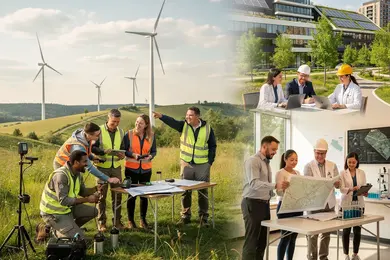
Specializing within environmental science for sustainability careers demands a strategic focus on skill sets aligned with measurable workforce outcomes. Climate change science, for example, directly supports industries transitioning to net-zero emissions, with expertise in climate modeling and carbon accounting proving essential given global clean energy employment exceeds 40 million jobs, mirroring over half of all energy sector roles. Professionals unable to contextualize climate policies within operational frameworks may find limited advancement.
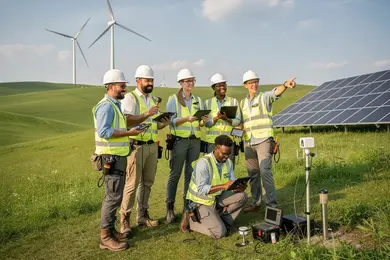
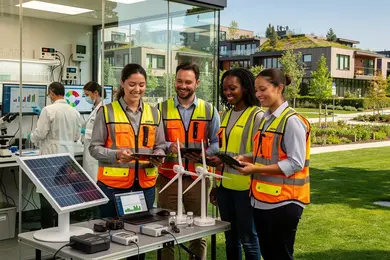
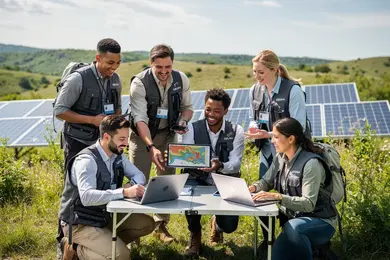
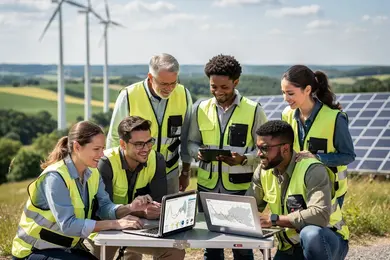
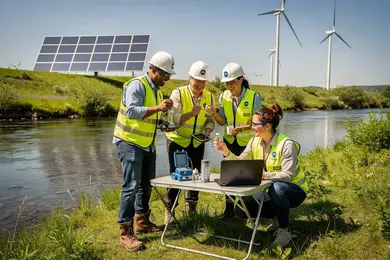
Renewable energy technology specialization targets engineering and project management positions in solar, wind, or bioenergy sectors, but candidates must navigate intricate regulatory structures alongside technical tasks. This dual demand often determines suitability for roles in utilities or private clean energy companies.
Environmental policy and management professionals face the challenge of staying current with evolving regulations while engaging diverse stakeholders, aiding corporations or governmental bodies in compliance and sustainability strategies. Success hinges on advanced communication and analytical abilities rather than purely scientific knowledge.
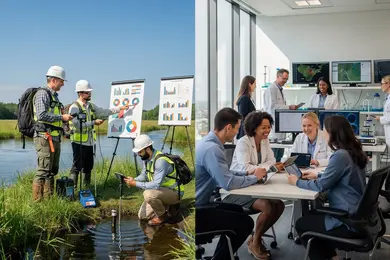
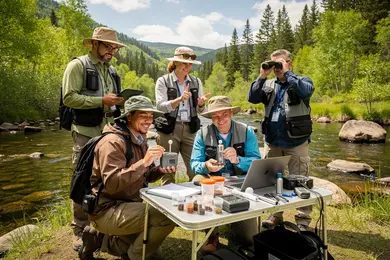
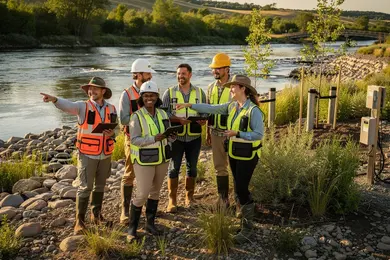
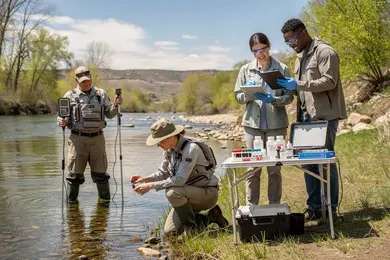
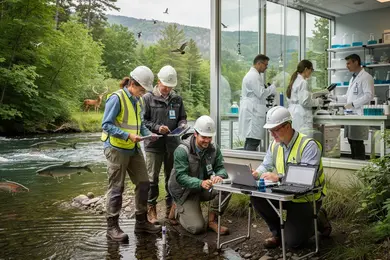
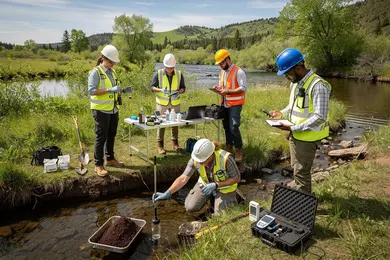
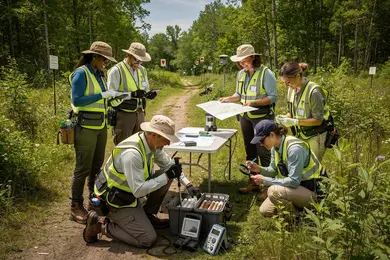
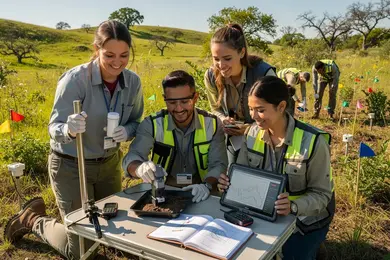
Ecological restoration practitioners focus on habitat recovery requiring field skills and ecosystem expertise, with practical constraints including funding acquisition and proving project impact. Organizations hiring in this niche seek candidates versed in native ecosystems and land-use planning.
Evaluating key sustainability career paths in environmental science highlights the tradeoffs between technical proficiency, policy insight, and applied field experience across these specializations. Students assessing program depth and integration should consider these factors carefully. Prospective learners aiming to pivot or enhance their credentials can explore cost-effective options through an environmental engineering online degree pathway.
How do environmental science degrees support different sustainability-focused career paths and job roles?
Environmental science degrees present distinct specializations each accompanied by specific workforce demands and inherent tradeoffs. For instance, positions in renewable energy prioritize candidates with engineering and financial skills capable of navigating the $2 trillion global investment forecast in clean energy infrastructure. Graduates in this subfield often find roles as energy analysts, project managers, or systems engineers within utilities and firms transitioning from fossil fuels.
Meanwhile, expertise in environmental policy translates into roles shaping regulatory compliance in sectors such as manufacturing and agriculture, where legal acumen and risk assessment proficiency determine the impact on corporate sustainability strategies.
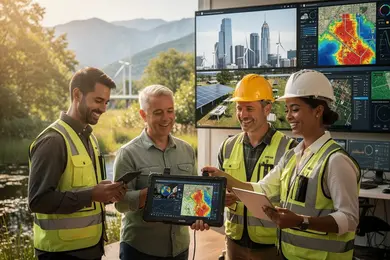
Environmental data science graduates, increasingly relevant in urban planning and conservation, must master GIS, statistics, and modeling to provide actionable insights supporting smart sustainability frameworks. Specialists in ecosystem management face logistical challenges inherent in fieldwork, species monitoring, and community engagement, differing markedly from lab-based environmental science careers.
Prospective students evaluating environmental science degree career opportunities in sustainability should weigh the technical rigor, interdisciplinary communication demands, and practical constraints tied to each path.
Real-world job roles linked to environmental science and sustainable development require nuanced judgment in selecting a specialization, as employer expectations differ sharply. Those considering cost-effective entry points may explore what is the cheapest data science course in the US? to complement or pivot into data-driven environmental roles.
What types of environmental science degrees and certificates best align with sustainability work?
Environmental science degrees for sustainability careers that integrate technical data skills with policy understanding better align with current labor market demands. Graduates proficient in environmental data science, geographic information systems (GIS), and sustainability analytics are increasingly sought after as employers expand capabilities in spatial analysis and big data to shape actionable sustainability strategies. The environmental analytics market's projected growth, from $12 billion in 2023 to over $21 billion by 2030, reflects this trend.
Degrees centered solely on ecological or biological sciences risk limiting employability in integrated sustainability roles without complementary data management and spatial analysis skills. Certificates in GIS, remote sensing, or environmental data analytics offer targeted pathways for career pivots or skill upgrades, especially relevant for professionals emphasizing certifications in environmental science linked to sustainability jobs.
For example, urban planners using combined modeling and GIS skills can play critical roles in climate risk adaptation projects.
Employers prioritize candidates with hands-on experience in software such as ArcGIS, R, or Python, often favoring programs with project-based learning or industry partnerships. Part-time certificate programs mitigate opportunity costs for working professionals while maintaining technical currency. Choosing a specialization that corresponds to local labor market demand enables better navigation of certification requirements and job placement obstacles.
For individuals evaluating educational pathways, considering cross-disciplinary options that fuse data analytics with environmental science is crucial. Working professionals might also explore related fields. For instance, exploring the best online nutrition degree programs demonstrates how focused online programs balance flexibility with market relevance.
What coursework and skills are emphasized in sustainability-oriented environmental science specializations?
Quantitative skills such as data analysis, environmental modeling, and GIS mapping are essential foundations in sustainability-focused environmental science career training, directly interfacing with policy evaluation and sustainable finance.
For example, ESG (Environmental, Social, Governance) investing roles demand proficiency in interpreting complex regulatory frameworks and corporate sustainability disclosures, a necessity given the projection that ESG-labelled assets will approach $50 trillion by 2025. These competencies align with market needs for specialists capable of integrating environmental impact metrics with financial and social governance considerations.
Technical expertise in carbon accounting software and database management is increasingly required, especially when advising sectors like manufacturing or energy under stringent emissions regulations. Strategic communication skills become indispensable to convert detailed sustainability data into clear, actionable corporate decisions—a critical skill in supply chain transparency within retail industries.
Real-world roles, such as sustainability analysts in finance or conservation planners managing development impacts, illustrate the necessity of combining data proficiency with scenario planning and stakeholder analysis.
Students pursuing environmental science sustainability coursework and skills must balance environmental, economic, and social tradeoffs while adapting to evolving standards and technologies such as blockchain for supply chain tracking. Hands-on experiences including internships and multidisciplinary projects help bridge academic theory with workplace realities, highlighting ongoing upskilling demands.
Those interested in expanding allied competencies may consider related paths like a library science masters, which complement research and data management skills applicable across environmental sectors.
How do online environmental science programs compare to campus-based options for sustainability training?
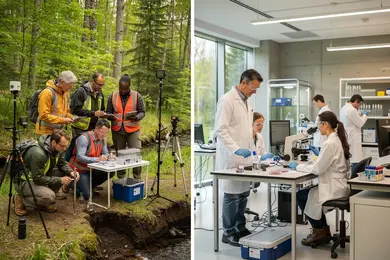
Choosing between online and campus-based environmental science programs hinges on practical skill acquisition essential to employer expectations in fields like conservation biology and biodiversity management. Campus programs are better suited for developing hands-on competencies through structured field research, lab work, and direct ecosystem management.
For instance, addressing the over 44,000 threatened species noted in the IUCN Red List 2024 requires immersive experiences that online formats rarely replicate fully. Employers, especially in government and nonprofit sectors, prioritize graduates with proven in-person experience, often gained via internships and embedded work placements.
Students pursuing online programs must independently secure local internships to gain comparable exposure, which leads to uneven access and variable mentoring quality. Moreover, online cohorts often miss out on multi-disciplinary, collaborative projects critical for real-world problem solving in sustainability careers.
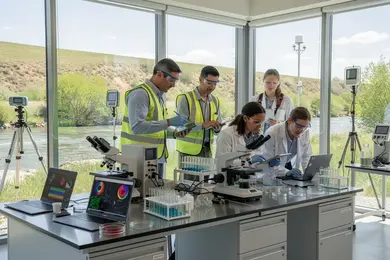
However, digital programs offer flexibility critical for working professionals or those in remote areas, leveraging advanced simulations and ecological modeling tools suited to roles focused on data analysis, remote sensing, or policy development.
Key decision points for prospective students include:
- Whether the career path demands immersive field expertise or primarily analytical and strategic skills
- Availability of local internship opportunities matching program learning objectives
- Employer expectations regarding teamwork and practical experience
Weighing these operational tradeoffs aligns educational investment with workforce readiness amidst expanding biodiversity conservation challenges.
What accreditation and program quality indicators matter for environmental science sustainability programs?
Employers in environmental science sustainability increasingly demand graduates with applied expertise addressing real-world soil and agricultural challenges. Regional accreditation confirms institutional legitimacy but does not ensure curriculum rigor tailored to sustainability sector needs. Specialized accreditation or endorsements from bodies like the Society for Conservation Biology offer stronger signals of industry-aligned training.
Approximately one-third of global agricultural soils are degraded, costing up to $400 billion annually in lost production value, as reported by the FAO State of the World's Land and Water Resources for Food and Agriculture 2024. Programs that integrate fieldwork, lab access, and partnerships with agribusiness or conservation groups directly prepare students to tackle soil restoration and sustainable food system challenges immediately upon graduation.
Students should prioritize transparent graduate outcomes data, employment rates in sustainability roles and employer satisfaction, to discern a program's practical effectiveness. Programs focusing solely on theory typically require longer onboarding times compared to those offering hands-on projects, such as soil remediation tasks, which lead to faster operational impact in the workforce.
Tradeoffs include balancing program flexibility with industry demand: degrees emphasizing current sustainable agricultural practices align better with urgent labor market needs driven by extensive soil degradation. Graduates from programs lacking direct accreditation or employer connections may face skill gaps that delay their career progress.
Selecting outcome-driven environmental science sustainability pathways aligned with these soil and food system crises produces tangible advantages in this expanding sector.
What are typical admission requirements and program lengths for sustainability-focused environmental science degrees?
Choosing an environmental science degree focused on sustainability requires balancing educational rigor with clear workforce outcomes, particularly given the growing policy demands in this sector.
Bachelor's programs, typically four years long, provide entry into policy analysis roles but may fall short for specialized governance or legal fields where advanced degrees carry considerable weight. Accelerated bachelor's tracks can shorten study time but may limit opportunities for internships or fieldwork, which employers increasingly expect.
Graduate programs offer more direct pathways to senior environmental governance positions, especially within federal or international agencies. These roles often require evidence of professional experience, strong academic credentials, and policy drafting capabilities. Students without prior relevant backgrounds can expect two years for a master's, though intensive one-year formats exist for experienced candidates. Doctorates add three to six years based on research demands.
Admission criteria reflect these practical expectations, with undergraduate applicants needing solid STEM preparation and GPAs around 3.0, plus extracurricular evidence connecting them to sustainability work. Graduate admissions emphasize related bachelor's degrees, letters of recommendation, and professional experience.
Graduates should strategically assess programs for robust experiential learning and clarity on policy or governance career trajectories, as employer demands prioritize applied skills over theoretical knowledge alone.
What are the salary expectations for careers tied to environmental science sustainability specializations?
Salary expectations within environmental science sustainability specializations vary notably by focus area, geography, and employer, typically ranging from $55,000 to over $110,000 annually in the U.S.
Urban sustainability roles demand higher compensation due to project complexity and scale, with municipal environmental planners earning $65,000 to $90,000, and consultants in urban infrastructure or green building surpassing $100,000 in major metro areas. This mirrors OECD's findings on substantial investments toward climate-resilient urban infrastructure by 2025, underscoring market-driven salary differentiation.
A clear trade-off exists between location and remuneration: major urban centers offer higher wages offset by elevated living costs, whereas rural or underserved regions may provide lower salaries but accelerated advancement within local agencies or nonprofits. Entry-level roles in conservation or environmental analysis without specialized urban skills may start near $55,000 but increase quickly with certifications or experience in emerging market demands.
Employers seek candidates fluent in data analytics, project management, and regulatory frameworks to navigate complex permits and funding compliance, which significantly influences salary offers. Targeting sectors with vigorous demand, such as urban sustainability consulting or infrastructure resilience, aligns with faster salary growth, while positions in policy or research institutions often offer moderate pay builds aligned with grant performance and reported impacts.
What is the job outlook and industry demand for environmental science sustainability professionals?
The demand for environmental science sustainability professionals increasingly centers on specialized expertise in toxicology, exposure modeling, and regulatory compliance rather than general environmental knowledge.
For instance, a manufacturing firm may prioritize candidates who can integrate toxicological data with cost-effective emission reduction strategies to comply with tightening environmental standards. Meanwhile, government roles focus on precise risk assessments to guide policy adjustments under evolving legislation.
Entry-level employment typically requires a bachelor's degree, but advancing to impactful positions in both public and private sectors often necessitates graduate-level specialization or certifications emphasizing health risk and toxic exposure mitigation. Employers value candidates with demonstrated skills in environmental monitoring and predictive modeling software, reflecting the practical challenges of quantifying risk amid complex urban and industrial settings.
Geographic location also materially affects job availability, with industrial hubs and regions with aggressive sustainability programs offering higher concentrations of opportunities. Effective career positioning demands flexible qualifications capable of addressing sector-specific regulatory environments, along with the capacity to collaborate across disciplines including engineering and public health.
Key operational tradeoffs for professionals include balancing environmental benefits against economic costs and navigating stringent regulations that frequently evolve. Understanding these dynamics is essential for informed educational and career decisions in this high-demand field.
Are there professional licenses or certifications needed for sustainability careers in environmental science?
Certification decisions in environmental science strongly shape career trajectory, especially where regulatory compliance and technical analysis intersect.
Positions focused on environmental impact assessments, waste management, or circular economy practices commonly require credentials such as the Certified Environmental Professional (CEP) or Leadership in Energy and Environmental Design (LEED) accreditation to secure complex projects or government contracts. In consulting, manufacturing, and public agencies, certifications often serve as gating criteria rather than optional extras.
Consider the projected rise in global municipal solid waste from 2.3 billion tonnes in 2023 to 3.8 billion tonnes by 2050, while recycling rates lag below 20%. This gap signals growing demand for professionals versed in life cycle assessment (LCA) methodologies, which measure environmental impacts across product lifecycles. Credentials from entities like the American Center for Life Cycle Assessment deliver the specialized skill set necessary to meet expanding requirements for waste footprint reduction and regulatory alignment.
Without targeted certification, professionals risk stalling beyond entry-level roles, particularly in organizations managing sustainability at scale. Some roles prioritize hands-on experience or advanced academic credentials over formal licenses, underscoring the importance of aligning certifications with specific job functions. For example:
Deciding which credential to pursue requires analyzing employer expectations, time and financial investment, and sector-specific demand to avoid credential inflation and maximize practical employability.
Other Things You Should Know About Environmental Science Degrees
A bachelor's degree is often sufficient for entry-level roles in sustainability, but many employers prefer candidates with specialized knowledge or a master's degree for mid- to senior-level positions. Advanced degrees tend to enhance opportunities in policy analysis, research leadership, and complex project management because they provide deeper expertise and often require practical experience. If your goal is rapid career advancement or work in competitive sectors like consulting or environmental law, prioritizing graduate education or relevant certifications is advisable.
Technical skills such as data analysis and environmental modeling are critical, but without understanding policy frameworks, regulatory compliance, and stakeholder engagement, your ability to influence real-world sustainability outcomes may be limited. Employers in government and non-profits particularly value candidates who can bridge scientific knowledge with policy implementation. Prioritizing combined coursework or experiential learning in both areas makes you more versatile and employable, whereas overly technical or strictly policy-focused paths may restrict job role options.
In 2027, specializations such as renewable energy, sustainable agriculture, and environmental policy analysis are leading the way in sustainability careers. Programs focusing on these areas prepare students for roles in policy development, conservation, and technological innovation, crucial for addressing climate change and natural resource management.
LEED Green Associate, ISO 14001 Lead Auditor, and GIS certification are common additions to an environmental science degree for sustainability jobs. LEED comes from the U.S. Green Building Council, ISO 14001 auditing follows international environmental management standards, and GIS training often requires 30 to 40 hours of coursework.
References
- Environmental Science – Sustainability Emphasis - Keweenaw Bay Ojibwa Community College https://www.kbocc.edu/academics/degree-programs/environmental-science/environmental-science-sustainability-emphasis/
- Greener Careers https://greenercareers.co.uk/blog/what-can-you-do-with-an-environmental-science-degree-job-opportunities-explained
- 44 sustainability certifications for businesses and sustainability professionals https://fsc.org/en/blog/sustainability-certifications
- Best Majors for Climate & Sustainability Careers | Student Guide https://pathivy.com/blog/best-majors-for-climate-sustainability-careers-student-guide
- Environmental Certifications for entry-level and career changers https://www.theenvironmentalcareercoach.com/certification-links
- 10 careers you can have with an environmental science degree - SMWC https://www.smwc.edu/10-careers-you-can-have-with-an-environmental-science-degree-blog-july-20/
- Educational Accreditation — The ESG Institute https://www.the-esg-institute.org/educational-accreditation