2027 Online Environmental Science Degrees With Government Agency Career Alignment

Co-Founder and Chief Data Scientist
Mid-career professionals seeking to transition into government environmental roles frequently confront restrictive program schedules and misaligned curricula that fail to meet federal agency competency demands. The Bureau of Labor Statistics projects a 5% growth in environmental scientist jobs over the next decade, driven largely by regulatory updates and climate initiatives, yet many traditional programs lack the flexibility or targeted training to equip working adults promptly and efficiently. According to the National Center for Education Statistics, 45% of graduate environmental science students now enroll online, reflecting a broader shift toward accessible, modular education that respects career and family constraints.
This article examines online environmental science degree options with explicit alignment to government agency standards to guide strategic educational choices that optimize employability and professional advancement within the public sector.
Key Things You Should Know
- Federal environmental agencies prioritize candidates with targeted field experience; 62% of hires from online environmental science degrees still require supplementary internships, indicating a gap between academic credentials and job readiness per 2024 OPM recruitment data.
- Programs aligned with EPA competency frameworks see 18% higher employment rates but often demand 2+ years longer and 15% greater tuition costs, creating tradeoffs between speed, expense, and market alignment according to recent NCES findings.
- Timing mismatches persist as 40% of government environmental vacancies coincide poorly with typical online degree completion cycles, risking applicant disqualification despite credential relevance, a workforce report from the Bureau of Labor Statistics confirms.
What is an online environmental science degree and how does it prepare for government work?
Online environmental science degree benefits for government careers hinge on their practical alignment with agency workflows and regulatory demands. Rather than broadly academic study, these programs concentrate on applied subjects such as environmental policy, ecology, data analysis, and geospatial technologies, preparing graduates for immediate integration into federal, state, or local roles. For example, those entering the Environmental Protection Agency (EPA) leverage coursework on pollution monitoring and risk management tailored to government compliance frameworks.
While the U.S. Bureau of Labor Statistics projects a modest 4% growth for environmental scientists and specialists from 2024 to 2034, the roughly 8,500 annual public-sector openings reflect steady demand intensified by tighter regulations and need for data-driven enforcement. This creates both opportunity and competition, requiring candidates to demonstrate familiarity with government protocols including security clearances and reporting standards.
How an environmental science degree aligns with government agency roles also involves managing tradeoffs in program delivery. Many online degrees minimize transition friction by integrating case studies of government-led projects, ethics training, and regulatory interpretation. Yet, prospective students must evaluate whether required hybrid or in-person labs fit their capacity for hands-on fieldwork, which remains essential to develop competencies valued in public-sector hiring.
Prospective candidates seeking a strategic pivot or advancement should consult resources like the environmental science degree guide to assess how specific program content and delivery affect workforce readiness and long-term employability in government roles.
How do online environmental science programs compare to campus-based options for agency careers?
Federal agencies recruiting environmental scientists prioritize candidates who demonstrate verified hands-on experience through fieldwork and lab assignments. This practical component remains a decisive factor despite the academic rigor offered by online programs, especially when comparing campus-based and online environmental science programs for public sector careers. Without elements like supervised internships or partnerships enabling remote research projects, online graduates risk falling short of federal hiring expectations.
For students targeting government agency roles, such as with the EPA, NOAA, or DOE, the decision to pursue an online environmental science degree benefits for government agency jobs only materializes if program structures integrate applied learning. This can include local internships or agency collaborations that replicate campus-based experiential opportunities. Employer preferences lean heavily toward proven job readiness over theoretical knowledge alone.
Salary figures highlight the tangible returns for candidates with the right preparation: federal environmental scientists report median annual wages near $80,060, with top earners surpassing $134,000. Prospective learners must also anticipate the networking and mentorship gaps inherent in remote study. Balancing flexibility with sufficient practical exposure dictates outcomes in government-directed environmental careers.
Students exploring related interdisciplinary paths might find value in a data science degree online, which can complement environmental expertise in areas such as modeling and analytics.
Which accredited online environmental science degrees align best with U.S. government agency roles?
Aligning online degrees with regional accreditation bodies that emphasize EPA, NOAA, or USDA standards shapes the most credible path toward U.S. government careers. Degrees embedding compliance frameworks and applied technical training, such as environmental monitoring, GIS, and data analysis, directly suit roles within federal and state agencies. Programs with hands-on virtual labs or cooperative internships mitigate a critical bottleneck: securing government-aligned work experience, which remains a primary filter in hiring decisions for environmental science and protection technicians.
The 2024 median salary for applied technician roles is near $49,000, with upper quartile earners exceeding $64,000, reflecting strong agency demand for graduates capable of navigating complex regulatory environments. Candidates must weigh tradeoffs between accelerated and traditional pacing; faster completion can shorten time to hire but may reduce immersive skill development essential for advanced assessments and reporting. Identifying specializations like toxicology or resource management better matches agency-specific career tracks.
Students should focus on accredited online environmental science degrees for U.S. government careers that integrate agency standards and offer robust internship support to strengthen practical readiness. Program choice heavily influences employability where degrees lacking applied content struggle in local government roles demanding direct regulatory compliance skills.
Consider exploring a fast track computer science degree as a comparative example of how accelerated options can impact hiring timelines and skill depth across technical disciplines.
These top online environmental science programs aligned with federal agency jobs represent a strategic, evidence-based approach focused less on generic credentials and more on operational value in government employment contexts.
What admissions requirements do online environmental science programs typically have for adult learners?
Admission to online environmental science programs for adult learners demands more than just basic credentials; successful candidates typically hold a high school diploma or equivalent and often some college-level coursework in sciences such as biology or chemistry. Meeting a GPA threshold around 2.5 to 3.0 remains common, signaling preparedness for rigorous curricula. Those pursuing advanced certificates or degrees may face additional requirements like letters of recommendation or personal statements highlighting career objectives. These nuances reflect pragmatic selection geared toward candidates ready to manage technical content and practical applications.
For working adults, the requirements for enrolling in environmental science degrees often accommodate previous college credits or relevant work experience, yet policies vary significantly by program. A mid-career professional pivoting into technical environmental roles might need to complete foundational courses prior to fully engaging with advanced material. Critical are early transcript reviews to identify applicable credits and prevent enrollment delays that could disrupt employment transitions.
Realistically, students must also navigate technological and connectivity demands integral to remote labs and data analysis components. Given that 68% of graduates secure related employment within three years-according to EnvironmentalScience.org's analysis-selecting programs with clear science prerequisites and robust support is vital. Additionally, roles in government agencies often require documented internships or fieldwork, emphasizing the importance of portfolios during the admission process.
Deciding on a program also involves assessing comparative online offerings in related disciplines; for example, those evaluating environmental science options might simultaneously consider an online computer science degree to broaden technical competencies complementary to environmental data analysis.
What core courses and specializations support careers in federal and state environmental agencies?
Specializing in environmental science for federal or state agency roles demands a nuanced balance between technical expertise and regulatory competence. Candidates face a key decision: prioritize rigorous hard science skills like toxicology or environmental chemistry, essential for EPA risk assessment roles, or focus on policy and geospatial analytics crucial for natural resource management and land-use planning.
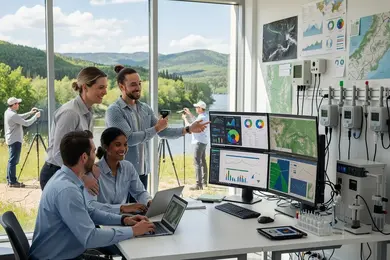
Core courses typically include applied environmental chemistry, ecology, environmental law, and policy analysis, which collectively equip professionals to evaluate risks and navigate compliance. However, the growing prominence of GIS, remote sensing, and spatial analysis underscores shifting workforce requirements-GIS specialist roles in government agencies are projected to grow 5-9% annually, backed by expanding geospatial analytics markets anticipated to nearly triple within 15 years.
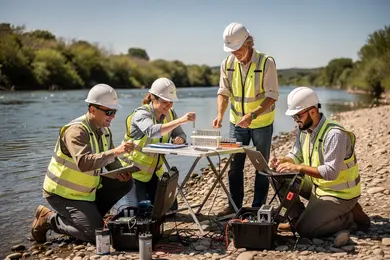
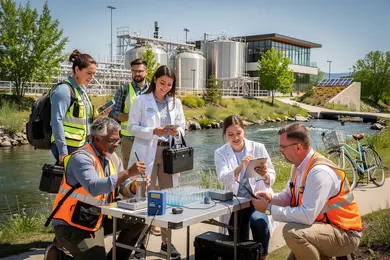
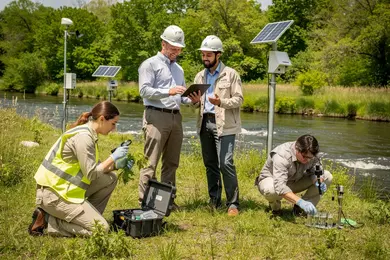
Water quality, hydrology, and ecosystem restoration fields demand applied expertise, serving agency projects that require hands-on sampling and contamination assessment skills. Yet, these technical skills alone may fall short without familiarity with federal and state permitting and enforcement frameworks.
Practicum experiences or internships within government settings provide invaluable exposure to the procedural realities and interagency dynamics that academic coursework cannot replicate. Employers consistently favor candidates who demonstrate not only theoretical knowledge but practical familiarity with government protocols.
- Tradeoff: rigorous scientific training versus policy and regulatory fluency, depending on target agency and role
- Rising demand for spatial analysis skills strengthens prospects in government environmental careers
- Regulatory internships significantly enhance job readiness by bridging theory and public-sector application
How long do online environmental science degrees take and what do they cost?
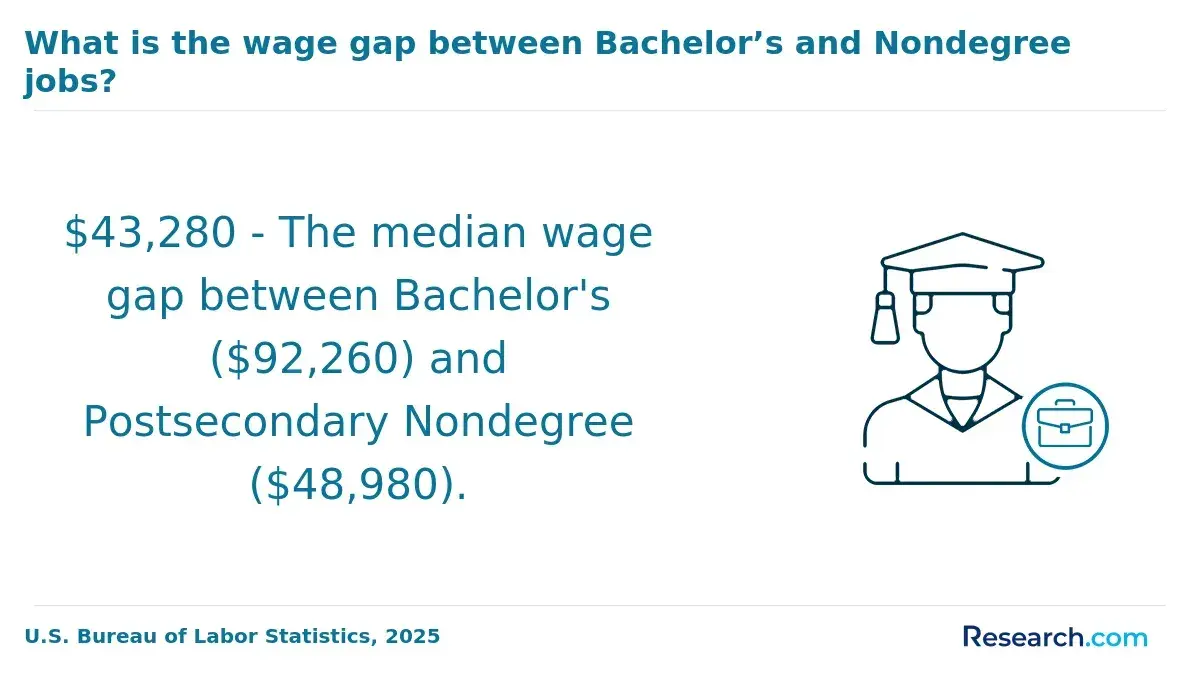
Most government agencies require a bachelor's degree in environmental science completed within a traditional four-year timeframe, which sets a baseline for policy analysts and regulatory staff roles. Accelerated or part-time program options may alter this timeline but risk delaying entry into federal or state positions where direct, timely application of regulatory knowledge is critical. An associate degree typically spans about two years but generally does not meet the minimum credential threshold for these roles.
Cost differences across programs are significant and can influence decisions, especially when balancing current employment and long-term financial return. Public universities charge roughly $7,000 to $12,000 annually for in-state students, whereas private or out-of-state institutions fall between $20,000 and $40,000. Additional fees for online learners, including technology and materials, can add up to $1,500 yearly. Budget-conscious students might consider financial aid or employer tuition reimbursement to offset these expenses.
Salary progression in government environmental careers reflects the degree's strategic value:
- Entry-level positions: $50,000 to $65,000
- Experienced roles: $80,000 to $130,000
Balancing employment with study requires careful pacing to avoid setbacks that hinder advancement. Candidates should weigh whether accelerated credentials risk insufficient mastery of core regulatory concepts essential for public sector roles, where precision and compliance matter.
What environmental science careers exist in government agencies and what degrees do they require?
Government hiring for environmental science roles reveals a distinct divide between entry-level requirements and advanced professional expectations that shape candidate viability. Agencies like the EPA, USGS, NOAA, and DOE typically require a bachelor's degree in environmental science or closely related fields for most technical roles, but positions demanding climate modeling, environmental law, or renewable energy management often prefer candidates with master's degrees or higher. Practical skills such as GIS proficiency, regulatory compliance experience, and data analytics are often as decisive as formal credentials.
For example, climate analysts at the Department of Energy must combine environmental systems knowledge with strong data analytics capabilities due to the agency's complex scientific and regulatory focus. In contrast, wildlife biologists at the US Fish and Wildlife Service prioritize applied ecology and fieldwork experience. This specialization in skills underscores a key challenge for online environmental science programs, which must embed applied training-like remote sensing and environmental impact assessment-besides theory to maintain government hiring relevance.
Labor market data indicate an 11-12% growth in clean energy and sustainability government jobs, outstripping the supply of qualified talent and accentuating a workforce gap. However, the risk of credential inflation remains high if programs lack alignment with specific agency needs, such as EPA Superfund or DOE clean energy initiatives, or fail to facilitate internships and certification prep.
Effective evaluation of online curricula should include:
- Integration of practical skill development alongside foundational science
- Clear pathways to relevant certification and hands-on experience
- Specialization options that correspond to agency mission priorities
What salary ranges and benefits can environmental science graduates expect in government roles?
Government roles for environmental science graduates present a compensation trajectory that balances modest entry salaries against predictable, structured growth and long-term security. Starting salaries in these positions typically range from $45,000 to $55,000, reflecting standard federal or state grading systems for entry-level professionals. By contrast, specialized agencies such as the Environmental Protection Agency or the U.S. Geological Survey offer pay scales that advance consistently with experience and professional certifications.
Beyond base pay, benefits in government positions add significant value through stable health insurance, retirement under the Federal Employees Retirement System, and paid leave, which often surpasses private-sector offerings in total compensation. Additionally, tuition reimbursement and continuous professional development programs mitigate typical career friction points and facilitate upward mobility.
Targeted specialization plays a pivotal role in surpassing median salary benchmarks. Professionals focusing on environmental policy analysis, compliance, or GIS analysis may reach six-figure incomes within a decade, reflecting market demand for these skills. For instance, an entry-level environmental scientist at a state agency might begin near $50,000, but with consistent performance and promotions aligned to defined metrics, salaries can exceed $85,000 within 5 to 7 years.
Prospective students weighing an online environmental science degree should consider this steady government salary progression against private-sector alternatives, where initial pay can be higher but benefits and job security less predictable.
Are licenses, certifications, or security clearances required for environmental science jobs in government?
Licensing is rarely a baseline requirement for most environmental science roles in government, but targeted certifications or security clearances are decisive factors in hiring for specialized positions. Jobs managing hazardous materials or enforcing compliance often require certifications like Certified Hazardous Materials Manager (CHMM) or Registered Environmental Manager (REM). Such credentials validate key technical and regulatory competencies necessary for lawful and safe operations.
Security clearances present a different kind of hurdle, particularly for federal roles involving classified data-examples include environmental assessments on military bases or sustainability initiatives tied to national security. These clearances necessitate extensive background investigations, frequently extending hiring timelines by several months or more. Candidates from the private sector must anticipate this, as clearance absence effectively bars access regardless of academic achievements or certifications.
Practical outcomes from advanced environmental science programs demonstrate added value in government and policy roles. For instance, an Iowa State University sustainability/environmental master's cohort reported about 91% employment in related fields within six months, highlighting the importance of curriculum alignment with real-world job requirements.
- Focus on agency-specific credential and clearance demands before committing to certifications.
- Weigh quick certification gains against potentially long clearance wait times tied to job sensitivity levels.
- Develop a credential strategy that complements-not duplicates-required security clearances.
A strategic approach balancing certifications and clearance qualifications guides realistic career planning and reduces costly credential mismatches.
How can students evaluate and choose a reputable, accredited online environmental science program?
Accreditation from regional or national bodies recognized by the U.S. Department of Education or the Council for Higher Education Accreditation remains the baseline for validating environmental science programs. This credential signals adherence to academic rigor-a non-negotiable for government employers who scrutinize candidate qualifications. Beyond accreditation, prospective students should assess whether curricula directly engage with frameworks such as EPA policy, NEPA regulations, or climate resilience modeling, which are routinely applied in federal and state agencies.
Graduation rates, job placement statistics, and employer partnerships offer measurable outcomes that translate academic credentials into workforce readiness. For example, government hiring managers often prioritize degrees from institutions with demonstrable success in preparing graduates for the environmental public sector. Faculty expertise-especially those actively involved in government projects-can indicate a program's alignment with evolving regulatory and sustainability practices.
Distance learners face distinct challenges: synchronous class scheduling compatible with government work hours, availability of internships or co-ops with public agencies, and access to lab or fieldwork components are critical for developing practical skills. Applicants targeting agencies like the EPA or USGS should confirm if online programs provide equivalent experiential learning, as many technical competencies cannot be acquired remotely without hands-on alternatives.
Employment growth projections for environmental scientists and specialists range from 4% to 7% through 2034, influenced by expanding climate regulation and sustainability mandates within government infrastructure. This growth underscores the importance of educational pathways that emphasize policy analysis, data modeling, and interagency collaboration skills, directly matching workforce demands.
Other Things You Should Know About Environmental Science
Many government agencies expect applicants to bring practical experience even if they hold a degree in environmental science. Programs that integrate internships, cooperative education, or fieldwork components enhance employability by building applicable skills employers demand. Prioritizing online degrees with strong experiential or applied learning elements can offset a lack of prior work history and accelerate entry into agency roles.
Curricula vary in how closely they match current federal and state environmental challenges such as climate change, sustainability, and regulatory compliance. Degrees focused on outdated or overly theoretical content risk limiting career relevancy. Students should prioritize programs with updated syllabi, ties to government research, and skill training in current policy frameworks to ensure their education directly supports agency expectations.
Most federal agencies do not set GRE score minimums for hiring, but many universities require a GRE waiver or a score review for 2027 admission. If a program still asks for the test, expect section minimums such as 150+ in verbal and quantitative reasoning, plus official score reports.
References
- EHS Careers in Federal Government: OSHA, EPA, and Agency Roles https://ehscareers.com/employer-blog/ehs-careers-federal-government-osha-epa-agency-roles/
- Environmental Science Degree Jobs | University of Phoenix https://www.phoenix.edu/articles/environmental-science/environmental-science-degree-jobs.html
- Environmental Specialist (SECRET CLEARANCE) in Huntsville, Alabama, United States of America | Engineering at ICF https://careers.icf.com/us/en/job/R2601994/Environmental-Specialist-SECRET-CLEARANCE
- 16 Innovative Environmental Science Careers https://www.collegeadvisor.com/resources/environmental-science-careers/
- What Certifications are most Valuable for Environmental Science Graduates? https://www.nrep.org/blog/certifications-environmental-science-graduate
- Is a degree in environmental science worth it? | edX https://www.edx.org/resources/is-a-degree-in-environmental-science-worth-it
- Environmental Health | Academy Online Learning https://academyonlinelearning.com/access-environmental-health
- Environmental Career Profiles Australia https://environmentaljobs.com.au/resources/environmental-sustainability-careers
- 10 careers you can have with an environmental science degree - SMWC https://www.smwc.edu/10-careers-you-can-have-with-an-environmental-science-degree-blog-july-20/