2027 Online Environmental Science Degrees With Strong Field-to-Office Career Preparation

Co-Founder and Chief Data Scientist
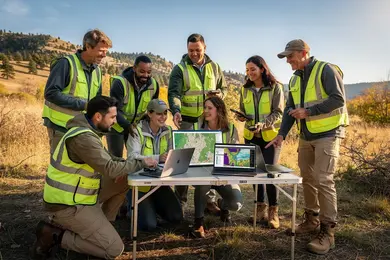
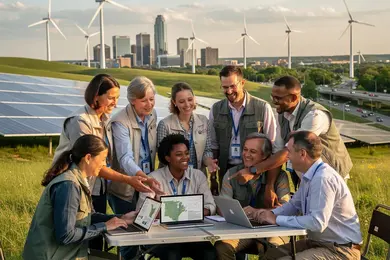
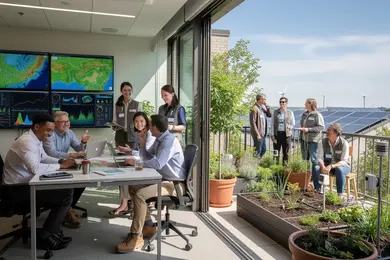
Professionals aiming to advance in environmental science often confront the dilemma of balancing rigorous fieldwork training with the demands of office-based data analysis and policy development. Transitioning between these skill sets requires a program flexible enough to accommodate working adults and comprehensive enough to build practical expertise.
According to the National Center for Education Statistics, nearly 40% of environmental and natural resources science enrollees in 2023 were adult learners seeking flexible options that blend hands-on experience with remote coursework. This shift reflects a growing need for integrated pathways that prepare students for diverse roles spanning field collection, GIS mapping, and strategic planning. This article evaluates fully online environmental science degrees designed to equip students with both field and office competencies to support informed career decision-making.
Key Things You Should Know
- Field-intensive environmental science degrees average 40% higher graduate employment within two years due to applied skillsets; however, the extended duration for fieldwork requirements increases opportunity costs by 15% versus traditional programs, per the National Center for Education Statistics 2024.
- Employers prioritize candidates with verified internship experience-60% of job postings require direct fieldwork credentials-impacting hiring rates and necessitating strategic program selection aligned with regional workforce demands, according to the U.S. Bureau of Labor Statistics.
- Students face a 25% tuition premium for hybrid field-to-office programs integrating GIS and remote sensing, which correlates with a 20% salary boost post-graduation but demands upfront financial and time investment decisions documented by the Environmental Data and Governance Initiative.
What is an online environmental science degree and how does it prepare you for field-to-office careers?
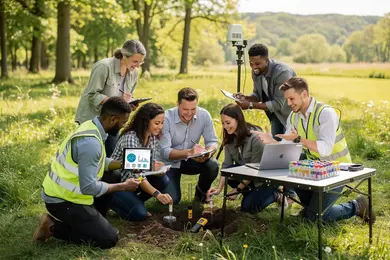
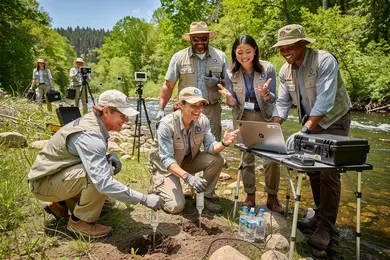
Online environmental science degree programs with fieldwork integration must balance technical rigor with practical limitations encountered by remote learners. A significant tradeoff exists: students gain invaluable office-based analytical skills yet must navigate logistics to complete in-person components such as regional field stations or local internships.
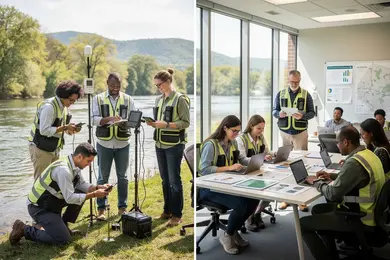
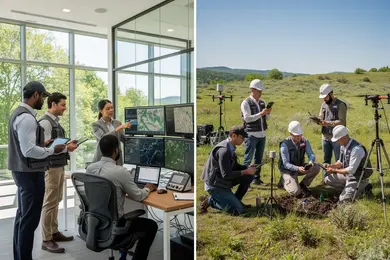
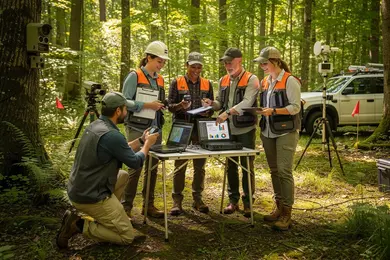
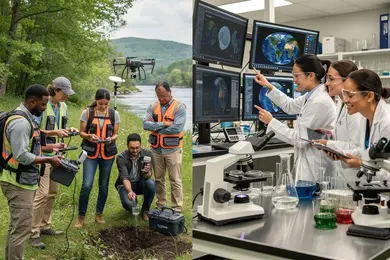
This dual competency is essential since employers seek professionals adept at collecting robust field data and translating it into regulatory or corporate sustainability decisions. In practice, graduates often transition between hands-on roles and data-intensive tasks within the same day.
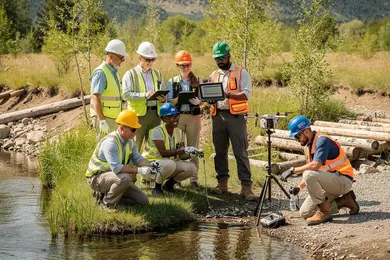
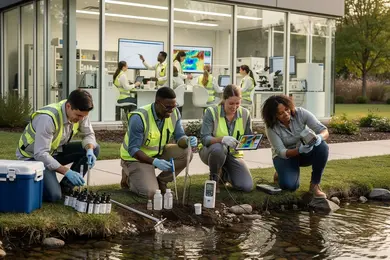
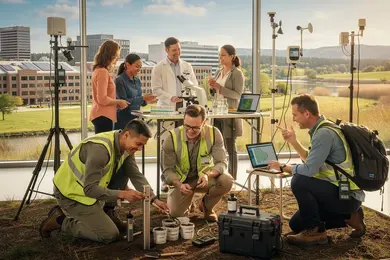
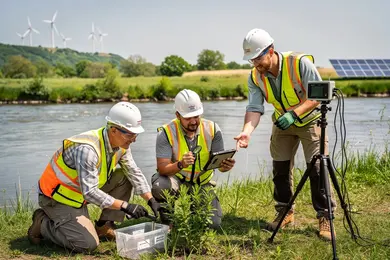
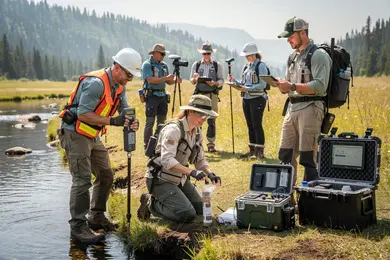
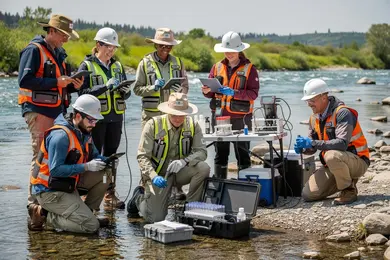
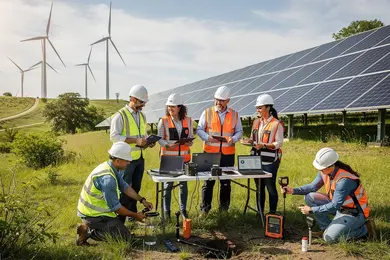
For example, someone working in environmental consulting may spend mornings conducting wetland surveys, then afternoons analyzing samples and drafting EPA-compliant impact reports. These hybrid responsibilities demand programs blend virtual labs with assignments simulating real-world scenarios to prepare students for workforce realities.
Those exploring how online environmental science degrees prepare students for field and office roles should carefully evaluate program support for equipment loans and self-directed projects, which replace traditional labs but require considerable self-motivation and time management skills. Graduates have reported median salaries around $80,060 annually, with top earners exceeding $134,000, underscoring the financial viability of this pathway for those equipped to handle its demands. Prospective students may also find useful insights from resources on online geology degrees, which share overlapping technical and field-based skill requirements relevant to environmental science careers.
How do online environmental science programs compare to campus-based options for hands-on and fieldwork training?
Deciding between online environmental science programs with hands-on fieldwork and campus-based training hinges on field proficiency and employer demands. While online programs often depend on virtual simulations, they cannot fully replicate the unpredictable challenges of multi-day field exercises such as soil sampling or biodiversity surveys.
Campus-based students access specialized equipment, field stations, and faculty-led excursions essential for mastering onsite problem-solving, which remains a distinct advantage in real-world scenarios like environmental impact assessments. The U.S. Bureau of Labor Statistics projects a 7% growth in environmental scientists jobs through 2033, emphasizing the importance of practical field skills combined with analytical expertise.
Employers frequently require demonstrated ability in field methodologies, which online programs must supplement through local internships or partnerships to avoid leaving graduates with critical skill gaps. Prospective students evaluating a comparison of campus-based versus online environmental science training should carefully assess whether online offerings include mandatory field placements or hybrid residencies.
In absence of structured field components, students need to independently seek internship opportunities to meet employer expectations. This proactive approach mitigates postgraduation qualification gaps and accelerates workforce integration in a sector where hands-on experience is non-negotiable. For those also considering related careers, understanding compensation trends like the speech language pathologist salary offers useful insights into workforce dynamics across specialized fields.
Which types of environmental science degrees can you earn online and how long do they take?
Choosing an online environmental science degree involves navigating key tradeoffs between program length, practical training, and career readiness. Associate's degrees, typically completed in two years, prepare students for support roles in environmental consulting but often limit advancement without further education.
Bachelor's degrees, requiring around four years with mandatory local fieldwork or internships, are necessary for full environmental scientist roles or regulatory compliance positions; these practical components are crucial given employer expectations in urban environmental consulting markets where real-world experience correlates with higher starting salaries. Master's degrees extend study by two years post-bachelor's and focus on research, policy, or management functions in sectors like urban planning and natural resource conservation.
Students considering online environmental science degree programs and completion timelines must account for fieldwork requirements that vary by state licensure and program design, which can prolong completion if not integrated efficiently. Specialized areas such as environmental health or ecological restoration might also affect curriculum length and format.
Applied skills like environmental impact assessment and spatial analysis dominate employer demands. Candidates lacking hands-on exposure risk stagnation despite holding degrees. Verification of program accreditation and local internship facilitation remains a strategic necessity.
Those comparing pathways in environmental science may also benefit from exploring related options. For instance, an online CS degree can complement skill sets in data collection and spatial analytics, broadening skill applicability across environmental data platforms.
How can you verify accreditation and overall quality of an online environmental science program?
Hiring managers in environmental engineering and science sectors prioritize candidates from programs with recognized regional accreditation confirmed by the U.S. Department of Education or the Council for Higher Education Accreditation. Verifying accreditation of online environmental science programs is not just a formality; it directly affects eligibility for certifications and licensure that employers require.
Programs holding specialized credentials from organizations like ABET tend to offer stronger alignment with technical industry standards, which is especially important for those moving from fieldwork to policy or engineering roles. Assessing quality and accreditation for online environmental science degrees involves examining curriculum relevance.
Effective programs integrate applied fieldwork, data analysis, and policy studies-skills essential for bridging environmental science with regulatory or engineering functions. For context, environmental engineers earn a median wage of $104,170, with a steady 7% job growth projected over a decade, emphasizing that graduates from well-connected programs often benefit from established employer networks and realistic practicum experiences.
Prospective students should also check if faculty maintain active industry engagement and if the program transparently reports graduate outcomes such as certification exam pass rates and employment statistics. Programs lacking this data frequently hinder students' job prospects in both technical and policy-oriented careers.
Verifying program legitimacy through the Council for Higher Education Accreditation database and aligning with state licensing rules reduces the risk of investing in a degree with limited practical value. For those comparing pathways, note that environmental science is not the only degree to evaluate cautiously-similar diligence applies across fields, as seen in inquiries like is library science a good degree. Cross-sector comparisons highlight the importance of accreditation and outcome transparency in making informed educational decisions.
What courses and specializations are offered in online environmental science programs focused on field-to-office work?
Environmental science programs that integrate fieldwork with office analysis reflect employer demands for versatile professionals who can navigate both terrains. The practical application of Geographic Information Systems (GIS) and remote sensing skills illustrates this: graduates must accurately gather environmental data, such as soil quality or land use during fieldwork, then synthesize those findings into regulatory documents or sustainability reports in an office setting.
Programs lacking in analytical tools or project coordination training risk producing graduates confined to entry-level roles without upward mobility. Specializations typically revolve around resource management, ecological restoration, and environmental compliance, aiming to equip students with hands-on sampling techniques alongside data modeling and stakeholder communication proficiencies.
This dual competency is increasingly a baseline expectation across natural resource agencies and consulting firms. Job growth projections of 33.5% within climate, sustainability, and resource management sectors coincide with the rising median salary-$120,230 for data scientist roles-reflecting a premium on advanced data interpretation skills.
Prospective students should critically assess whether a program's curriculum balances contemporary software proficiency with authentic field experience to remain relevant to evolving workforce needs. Without this balance, graduates may find their technical expertise underutilized, limiting their career trajectory despite growing environmental challenges demanding integrated scientific and analytical approaches.
What admission requirements and prior experience do online environmental science programs typically expect?
Admission to online environmental science programs hinges less on academic credentials alone and more on demonstrated quantitative skills and applied science experience. While bachelor's programs typically require a high school diploma and foundational coursework in biology, chemistry, math, or earth sciences, graduate programs demand a bachelor's degree in environmental science or a closely related STEM field, often with a minimum GPA near 3.0. Candidates who can provide substantive hands-on experience-such as internships, environmental agency volunteer work, or employment in environmental compliance-gain a significant advantage.
This requirement compensates for the lack of physical labs and field access inherent in online formats. Practical experience is critical not only for admission but for post-degree employability, especially in roles requiring integration of field data with office-based analysis.
For example, professionals aiming for leadership roles in environmental health management must demonstrate familiarity with environmental data interpretation and geographic information systems (GIS), skills aligned with median wages above $100,000 for related occupations as reported by authoritative labor statistics. Without such experience, applicants should plan to complete preparatory courses or certifications to improve readiness.
Applicants must also prove access to reliable technology and proficiency with remote data collection tools, as these affect the capacity to engage fully with program requirements. Admissions committees assess this readiness carefully, reflecting the operational realities of a career dependent on both field and digital competencies.
How much do online environmental science degrees cost and what financial aid options are available?
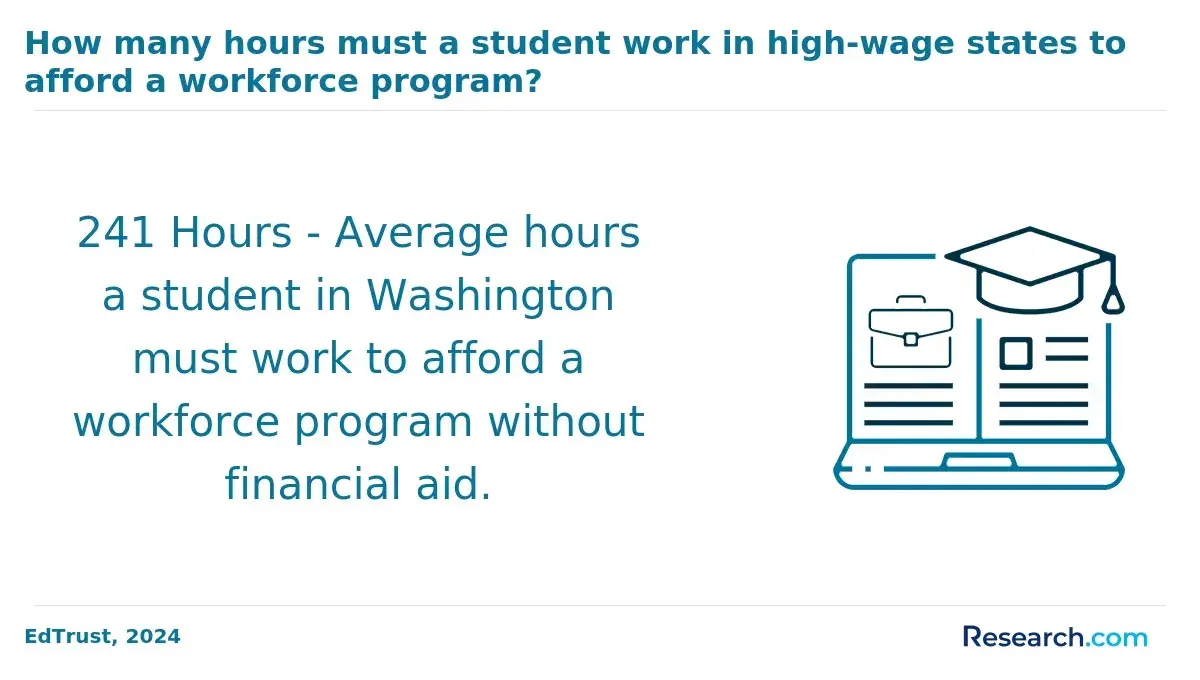
Online environmental science degrees typically cost between $15,000 and $40,000 for bachelor's programs and $20,000 to over $60,000 for master's, with public universities generally offering lower tuition than private institutions. These figures mask important financial tradeoffs that students must consider, including residency status and program level.
Federal aid options like Pell Grants, Direct Loans with fixed interest, and work-study programs help offset costs, but prospective students should also explore scholarships aimed at environmental and STEM candidates as well as employer tuition reimbursement programs-particularly valuable for working professionals seeking advanced credentials. From a workforce perspective, an MPH-level environmental public health graduate can expect to earn between $90,000 and $130,000 annually, which translates to a $25,000 to $65,000 salary premium over bachelor's-level roles.
This differential underscores that employers place tangible value on graduate-level expertise and management skills, validating the investment beyond sticker price. Practical budgeting must account for ancillary expenses such as specialized software, textbooks, and paid internships, which support entry into niche fields like environmental compliance or renewable energy consulting.
Balancing time-cost opportunity by considering part-time study and flexible schedules is also critical. Maximizing return on investment requires selecting programs transparent about competencies and maintaining strong employer ties. Proactive FAFSA submission and financial office engagement are essential steps in securing aid, aligning personal financing with realistic post-graduate salary expectations, and navigating career transitions effectively.
What environmental science careers bridge fieldwork and office-based roles, and how do online degrees support them?
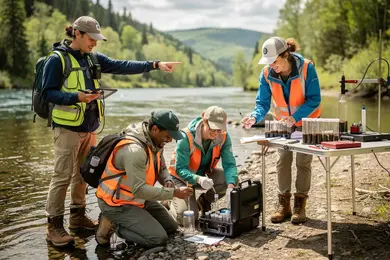
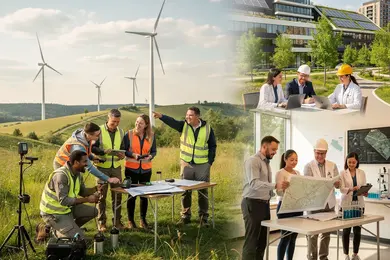
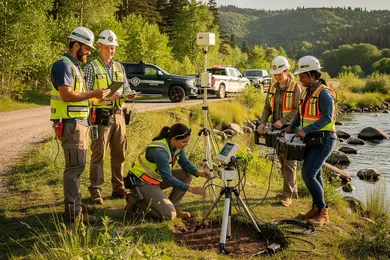
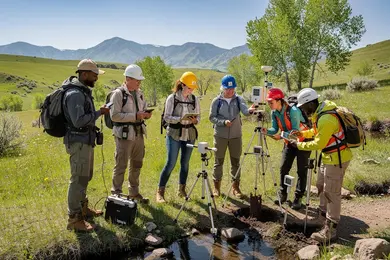
Environmental science roles that combine fieldwork with office analysis demand a versatile skill set rarely emphasized in traditional programs. Professionals like hydrologists collect water samples and soil data onsite, then apply GIS modeling and regulatory frameworks to interpret results in office environments.
This dual competency shapes hiring priorities, where employers seek candidates who navigate both rugged field conditions and technical data analytics without compromises. For example, hydrologists earn a median wage of $92,060 (May 2024) with 3% job growth through 2033, illustrating stable demand for specialists who integrate empirical observation with environmental policy support.
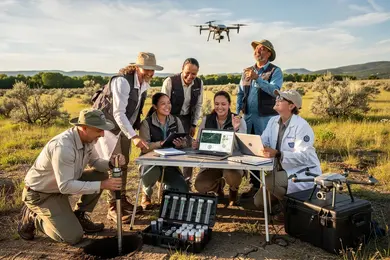
Online environmental science degrees respond by merging remote data collection training and virtual lab simulations with coursework in environmental law and project management. Yet, practical field exposure remains a critical gap in online pathways. Graduates must proactively secure local internships or partnerships with agencies to gain hands-on experience.
This in-field competency combined with digital skills distinguishes candidates in competitive job markets increasingly valuing hybrid expertise. Ultimately, success in environmental science careers hinges on integrating office-based analytical power with credible field proficiency, a nuance online programs can support only with deliberate, experience-focused strategies.
What salary ranges and job outlook can environmental science graduates expect in field-to-office roles?
Salaries for environmental science graduates working in combined field and office roles typically range from $50,000 to $90,000 annually, reflecting a balance between experiential tradeoffs and sector-specific demands. Entry-level government positions often start near $50,000, offering structured advancement but more limited pay.
Consulting roles or specialized sustainability management may exceed $80,000, emphasizing technical skillsets and fewer geographic constraints. Demand for environmental scientists and related green jobs is forecasted to expand at rates outpacing the national average, driven by regulatory intensification and sustainability initiatives.
However, geographic cost-of-living differences significantly impact net income, particularly in metropolitan areas with higher expenses. Professionals must weigh job security factors, with public agency roles offering more predictability and private consulting delivering higher but less stable compensation.
Are there certifications, licenses, or professional memberships that strengthen an online environmental science graduate's career path?
Certifications and licenses are vital filters determining advancement potential in environmental science roles, where employers seek proven expertise rather than general qualifications. For instance, a Certified Environmental Scientist (CES) credential from the National Association of Environmental Professionals validates cross-disciplinary skills that typically position professionals for mid- to senior-level jobs.
Meanwhile, niche certifications like Registered Environmental Manager (REM) and Certified Hazardous Materials Manager (CHMM) address targeted demands in compliance, waste, and regulatory sectors, often expanding career options beyond traditional fieldwork. Licenses issued by states, though less frequent in environmental science than in engineering, remain necessary for specific tasks such as wetlands delineation or legally regulated environmental assessments, requiring formal authorization that can affect employability in regulated industries.
Professional memberships with organizations such as the Society for Environmental Toxicology and Chemistry (SETAC) or Air & Waste Management Association provide ongoing education, research access, and networking critical for individuals seeking technical or managerial roles focused on innovation and compliance. The cost-benefit calculation for certifications includes initial fees, renewal requirements, and alignment with sector demands.
For example, environmental science technicians earn a median annual wage of $49,490 in May 2024 with projected job growth of 7% from 2023 to 2033; obtaining certifications during this phase correlates with promotions to senior analyst or management roles where strategic decision-making supersedes fieldwork. Prospective students and professionals should strategically assess credential relevance tied to their career goals and industry sub-sectors before investing in certifications or memberships.
Other Things You Should Know About Environmental Science
Employers prioritize candidates who demonstrate strong data analysis, GIS proficiency, and field sampling techniques alongside effective communication and project management skills. Online programs that integrate applied fieldwork components or internships produce graduates with a more competitive edge. Programs focused mainly on theory without practical assignments risk leaving students underprepared for real-world technical challenges and cross-disciplinary collaboration.
Programs combining online coursework with fieldwork demand careful time management since field assignments can require travel or weekend commitments outside the regular study schedule. Students balancing full-time jobs should evaluate whether the program's field hours are flexible and adequately supported with local field sites or virtual options. Intense workload spikes around field projects can impact work-life balance and completion timelines if not anticipated.
Many online environmental science degrees require 120 to 180 supervised practicum or internship hours, often completed with an approved agency, lab, or consulting firm. Programs may also require a capstone project and documented field logs, especially for roles that combine sampling, reporting, and office-based analysis.
References
- How to Become an Environmental Scientist | University of Phoenix https://www.phoenix.edu/articles/environmental-science/how-to-become-an-environmental-scientist.html
- Student Opportunities | NAU Earth Sciences & Sustainability Programs https://ses-nau.org/student-opportunities/
- What Can You Do With an Environmental Science Degree? https://willamette.edu/academics/college/environmental-science/career-options
- Become an Environmental Professional (EP) | ECO Canada https://eco.ca/designations/environmental-professional/
- Online Environmental Science Degrees: Compare Schools https://www.degreesforgood.org/online-degrees/environmental-science/
- Best Colleges for Environmental Science and Sustainability https://www.collegeflightpath.com/cfp-blog/colleges-for-environmental-science-and-sustainability
- Validation & verification | Plan Vivo https://www.planvivo.org/projects/certify-a-project/pvnature/validation-verification
- What Certifications are most Valuable for Environmental Science Graduates? https://www.nrep.org/blog/certifications-environmental-science-graduate
- Fieldwork or Lab Work? Exploring Environmental Career Paths https://unity.edu/distance-education-blogs/fieldwork-vs-lab-work/
- Studying an earth and environmental sciences degree https://www.hotcoursesabroad.com/study-abroad-info/subject-guides/studying-an-earth-and-environmental-sciences-degree/