2027 Best Online Environmental Science Degrees for Environmental Consulting Careers

Co-Founder and Chief Data Scientist
Environmental consultants frequently face urgent demands to interpret complex ecological data while balancing evolving regulatory frameworks and client expectations. Many professionals juggle full-time work and family responsibilities, making traditional on-campus study impractical.
The National Center for Education Statistics notes a 15% rise in adult enrollment in online degree programs over the past two years, reflecting a shift toward flexible learning models that support career advancement without compromising income or obligations. Navigating program quality, accreditation, and specialization within these online options is essential for aligning education with marketable consulting skills. This article examines top online environmental science degrees to guide practical, outcome-focused educational decisions in consulting careers.
Key Things You Should Know
- Online environmental science degrees with integrated GIS and data analytics components yield 23% higher employment rates in environmental consulting per 2024 U.S. BLS trends, but increase program costs by 15%-20%, requiring strategic budget planning.
- Employers prioritize candidates completing programs with region-specific regulatory coursework; graduates lacking localized policy knowledge face 18% longer job search durations, indicating a need to align curriculum choices with target consulting markets.
- Accelerated online degrees averaged 30% less time-to-completion as of 2024 NCES data, yet correlate with 12% lower starting salaries versus traditional-paced programs, posing a tradeoff between speed and initial market competitiveness.
What is an online environmental science degree and how does it prepare you for environmental consulting?
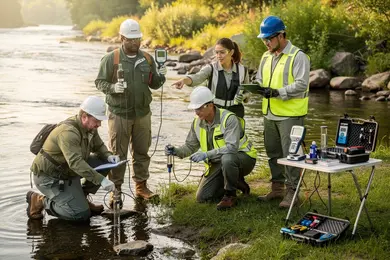
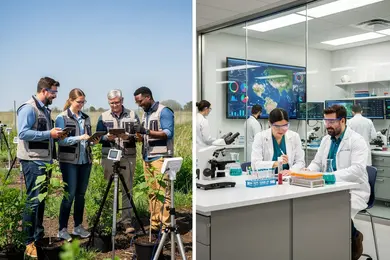
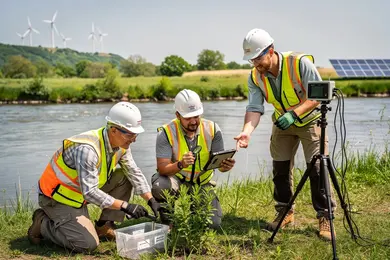
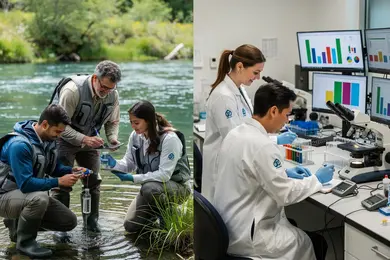
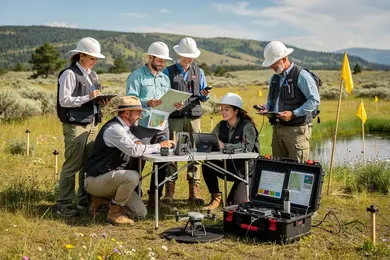
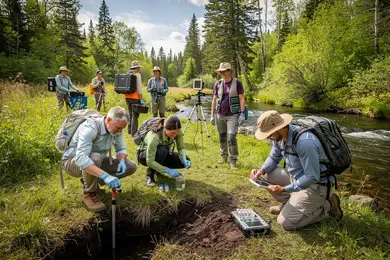
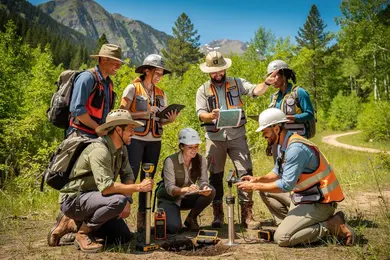
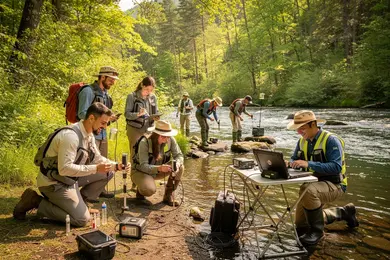
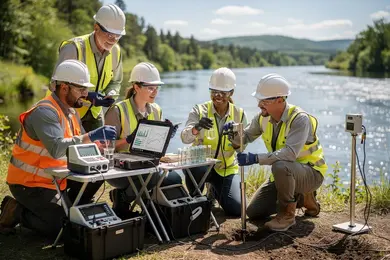
Online environmental science degree benefits for environmental consulting hinge on the program's ability to equip students with applied skills in ecosystem assessment, regulatory frameworks, and data analysis-areas directly tied to consulting tasks. Graduates entering environmental consulting must handle soil and water quality evaluations, geographic information systems (GIS), and site impact studies within industries ranging from construction to natural resource management.
Programs integrating local environmental statutes with sector-specific case studies offer a distinct advantage in preparing consultants for client-specific challenges. How online environmental science programs prepare for environmental consulting careers is evident in the curricular emphasis on laws such as the Clean Water Act and CERCLA and on technical competencies like environmental toxicology and remediation strategies.
However, remote formats require students to confirm access to hands-on lab experiences or simulated practice essential for credibility in consulting roles. A lack of fieldwork could impede employability despite theoretical knowledge.
The labor market projects a 4% growth rate for environmental scientists and specialists through 2034, suggesting steady demand. Still, employment success depends on supplementing degrees with certifications and soft skills, including communication and project management. Prospective students should carefully evaluate program rigor and relevance, ensuring the degree accelerates practical consulting capabilities rather than serving as mere credentialing.
Specialization is key: water management professionals, for example, need training distinct from consultants focused on hazardous waste. For those weighing GIS expertise as part of their toolkit, reviewing the best GIS graduate programs can inform which pathways align with specific consulting niches.
Which accredited online environmental science programs are best for launching an environmental consulting career?
Successful environmental consulting careers depend heavily on targeted practical skills, which are best gained through top accredited online environmental science degrees for consulting that integrate STEM rigor with applied experiences. These programs prioritize competencies in data analysis, regulatory frameworks, and GIS technology, reflecting core employer demands for site assessments and compliance work.
Cost considerations present a significant decision point. Public four-year colleges set median in-state fees near $11,610, while out-of-state costs can exceed $30,000, pushing many to seek programs with in-state eligibility via reciprocity or reduced tuition to avoid unsustainable debt. This tension between affordability and market-ready skills is particularly relevant for those pursuing the best online environmental science programs for environmental consultants, where undervaluing experiential learning risks weaker job placements.
A practical example includes candidates focusing on municipal water quality projects; these students gain by selecting curricula emphasizing sampling methods and local environmental policies taught by faculty with government-sector insight. Conversely, consultancies in energy remediation benefit from electives in soil toxicology.
Key program differentiators include internships or capstone projects offering direct engagement with environmental agencies or firms, critical for credential validation in consulting roles. Programs lacking such partnerships often impede career transitions despite lower tuition. For guidance on related fields' cost structures, consider exploring animal science degrees online as a comparative resource.
How do online environmental science degrees compare to campus-based programs for consulting careers?
Online environmental science degree benefits for consulting careers hinge largely on the integration of practical training within the curriculum. Unlike campus-based programs, which routinely incorporate structured labs, internships, and field research to simulate real-world environmental assessments, many online programs struggle to provide equivalent hands-on experiences.
This difference creates a tangible employment barrier, as consulting roles emphasize proven skills in environmental impact analysis, data collection, and compliance-all best developed through direct, supervised exposure. Campus versus online environmental science programs for consultants must be weighed carefully, especially regarding workforce readiness.
Campus programs often deliver synchronous collaboration and immediate faculty mentorship, accelerating skill acquisition critical for navigating complex regulatory frameworks in consulting roles. Conversely, online degrees offer unmatched flexibility, enabling working professionals to upskill without job interruption, but demand disciplined time management and verification of local internship or capstone project options to avoid gaps in experiential learning.
Potential students should also confirm alignment with industry certifications and state licensure requirements, as these frequently mandate hands-on practice hours that purely remote formats may insufficiently address. For those evaluating alternatives, reviewing curriculum elements alongside real-world consulting demands is essential. To explore related pathways, prospective learners might examine an online dietitian degree as an example of how other health and environmental disciplines approach online and hybrid models of practical learning integration.
What environmental science degree pathways lead to entry-level and advanced roles in environmental consulting?
Completion time is a critical factor for environmental science degree options for environmental consulting careers, as extended undergraduate timelines can delay entry into consulting roles that often prioritize recent technical exposure. The median bachelor's completion time in the U.S. is over four years, which may hinder competitiveness in firms driven by fast-paced project deadlines.
Although environmental science, sustainability, or earth sciences provide necessary technical foundations-including ecology, chemistry, and regulatory frameworks-employers sometimes accept engineering or biology degrees supplemented with environmental coursework if paired with practical internships. Advanced consulting roles increasingly demand graduate-level credentials, with master's degrees focusing on environmental management, policy, or risk assessment, supporting tasks like soil remediation and compliance evaluation.
For experienced professionals, certificate programs offer a streamlined route to acquire targeted skills without stepping away from employment, addressing niche gaps faster than full degrees. Relevant skills include applied lab work, GIS training, and regulatory insight, which employers expect alongside project management capabilities.
Those evaluating advanced environmental science degree pathways for consulting roles must weigh the tradeoffs between program duration and depth of applied skills to align with workforce demands. In some related fields, individuals pursue alternatives like a masters in library science for specialized knowledge transfer and career pivot opportunities.
What core courses and specializations should an online environmental science program include for consultants?
Environmental science programs aimed at consulting careers must balance regulatory knowledge with applied technical skills, a combination often underrepresented in many curricula. Employers demand proficiency in environmental law, risk assessment, and robust data analysis methods like Geographic Information Systems (GIS) for site evaluation and remediation design. Insufficient grounding in these areas can leave graduates unprepared for compliance-heavy consulting roles.
Quantitative skills in statistics and environmental modeling are critical for delivering evidence-based assessments and forecasts, particularly when advising clients across industrial, urban, or agricultural sectors. Coursework must also cover soil science, hydrology, and ecology to understand contaminant pathways and tailor mitigation appropriately.
Consultants benefit from specializations linked directly to market needs: hazardous waste management aligns with industrial regulators, water resource management supports municipal sustainability efforts, and air quality analysis addresses emissions compliance. Each niche guides which field techniques and analytical tools practitioners must master.
Practical experience through internships or capstone projects with consulting firms is indispensable, bridging theoretical knowledge with client-driven problem-solving and reporting standards. Without this, graduates often struggle to meet the precision and communication demands in consultancy roles, limiting employability in a field growing at 6% over the coming decade according to Bureau of Labor Statistics data.
Ultimately, selecting an online environmental science program without emphasis on analytical rigor, regulatory fluency, and sector-specific experience risks inefficient career investment and missed workforce opportunities.
What admission requirements do competitive online environmental science programs typically have?
Admission to competitive online environmental science programs often hinges on more than just a bachelor's degree from an accredited institution; relevant academic preparation in biology, chemistry, geology, or environmental studies is a practical differentiator. Graduate programs generally expect a minimum 3.0 GPA to confirm readiness for technically demanding coursework, with successful candidates submitting official transcripts, resumes highlighting pertinent professional or volunteer experience, and recommendations that attest to analytical rigor and commitment to environmental challenges.
While GRE requirements are diminishing, proficiency in quantitative and analytical skills remains essential due to the STEM-oriented curriculum. Candidates may need prerequisite courses in calculus, statistics, or earth sciences to handle specialized topics like environmental modeling or policy analysis effectively.
A statement of purpose focused on pragmatic environmental consulting career goals and familiarity with regulatory frameworks-such as the Clean Water Act-signals alignment with employer needs amid projected growth of 5,300 jobs in compliance and protection roles through 2034 according to U.S. Bureau of Labor Statistics Employment Projections. Applicants transitioning from unrelated fields should emphasize transferable skills like project management, data analysis, and regulatory experience to bridge background gaps.
Working professionals must realistically assess their capacity to balance rigorous online coursework with job commitments, often necessitating technology fluency and orientation completion. This strategic preparation mitigates common barriers that delay access to a labor market increasingly valuing specialized environmental expertise.
How long do online environmental science degrees take and what do they cost?
Completing an online environmental science degree on a full-time basis typically takes four years, mirroring traditional bachelor's programs, but extending beyond this timeframe is common for nearly half of students who enroll part-time. This extended duration, often six years or more, introduces a critical tradeoff: while it grants flexibility for professionals balancing work or family, it also delays entry into environmental consulting roles where early career momentum impacts salary trajectories and advancement potential.
The cost dynamic is equally complex. Median total tuition ranges from $20,000 to $40,000, with public in-state programs offering the most accessible pricing, while private or out-of-state options can surpass $50,000. Candidates must factor in additional expenses-such as textbooks, technology fees, and mandatory field experiences-that commonly increase the overall investment.
Choosing part-time enrollment can ease short-term financial stress by maintaining steady income streams but often results in higher cumulative costs and potentially dampened employer perception of consistent academic progress. Conversely, candidates who progress faster typically demonstrate time management skills valued by employers in consulting fields, though relevant work experience can mitigate slower academic pacing.
Pragmatic evaluation hinges on credit hour costs, transferable credits, and programs emphasizing applied internships or project-based learning, which can produce better employability outcomes despite possibly higher price or longer duration. These operational considerations shape practical readiness and influence the financial and professional calculus underpinning an environmental science degree pathway.
What jobs can you get in environmental consulting with an online environmental science degree?
Graduates with online environmental science degrees face notable challenges securing roles without significant field experience. While positions such as environmental consultants and compliance specialists demand applying scientific methods to assess contamination, regulatory adherence, and sustainability, employers routinely prioritize candidates with hands-on site exposure.
This dynamic complicates hiring, especially since about 79% of students in environmental science and related fields value field experience highly-as noted in the AIPG/AGI student survey. The limitations of fully online curricula often require graduates to supplement their education with internships or contract roles to gain proficiency in data collection and site inspections.
Without this, entry-level hiring may stall, particularly for career changers competing against on-campus program alumni with direct exposure. For example, compliance specialists must navigate complex federal and state regulations, a task where practical knowledge can distinguish candidates.
Environmental analysts interpret data for risk assessments in consulting firms, whereas sustainability coordinators embed environmental standards in corporate practices, sectors growing in manufacturing and energy. Certifications like Certified Environmental Professional improve professional standing and salary potential but don't replace the need for applied skills.
Meeting employer expectations requires blending online coursework with strategic fieldwork and industry networking. This combination allows graduates to thrive in consulting settings spanning rural remediation projects to urban planning, balancing flexibility with real-world demands.
What salary range and job outlook can environmental science graduates expect in environmental consulting?
Environmental science graduates pursuing consulting roles face a notable income range shaped by expertise, region, and sector focus. Median salaries hover around $80,060 annually according to the U.S. Bureau of Labor Statistics, but early-career consultants or those in less specialized markets may earn below $49,080.
At the other end, seasoned professionals with advanced certifications and project management experience in high-demand niches such as energy or regulatory compliance can command incomes exceeding $134,020. Critical workforce realities include the need for robust data analysis skills and proficiency with geographic information systems (GIS).
Without these competencies, new consultants often experience extended ramp-up periods and reduced starting pay. Income variability is common due to project-based contracts, emphasizing the importance of networking across private and public clients to sustain earnings.
Geographic location significantly impacts compensation and career trajectory. Urban consultants engaged in complex industrial or renewable energy projects generally see higher wages and steadier opportunities. Conversely, rural settings may offer lower salaries but can accelerate advancement via smaller team dynamics.
Employers prioritize candidates capable of environmental impact assessments, compliance auditing, and remediation strategy design. For instance, consultants working on industrial site cleanup under stringent EPA guidelines typically receive premium pay compared to generalist field samplers. Planning for credentialing such as the Certified Environmental Professional (CEP) credential enhances long-term earning potential by validating specialized skills relevant to regulatory and client demands.
Are licenses, certifications, or professional memberships needed for environmental consulting careers?
Licenses and certifications shape career trajectories in environmental consulting by delineating roles tied to regulatory oversight and technical expertise. For example, a Professional Engineer (PE) license is typically required for consultants handling environmental impact assessments or remediation design.
Certifications such as the Certified Environmental Professional (CEP) or HAZWOPER validate skills that employers prioritize for compliance-sensitive positions, especially in government contracting. Choosing to pursue these credentials involves significant investment: candidates must document 1,500 to 3,000 hours of relevant experience and pay exam fees often exceeding $1,000.
This creates a friction point for some professionals who may opt instead for private-sector roles where portfolios and project experience hold more weight than formal licenses. Membership in professional organizations-like the National Association of Environmental Professionals-provides ongoing training and keeps consultants current on regulatory shifts.
These groups facilitate networking vital for accessing niche opportunities in a field where standards and technologies rapidly evolve. Online environmental science programs often include virtual labs and discussion forums, offering flexible formats suited to working professionals balancing certification preparation with employment. Such pragmatic learning environments contrast with traditional campus instruction and respond to the complexity of managing skill acquisition alongside job demands.
Other Things You Should Know About Environmental Science
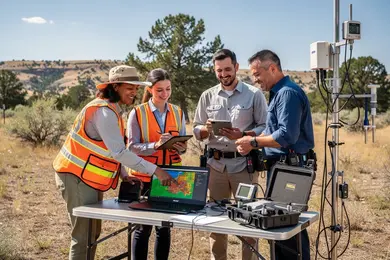
Many accredited online environmental science bachelor’s programs require 1 to 2 lab science courses and a separate field experience, internship, or capstone totaling about 120 to 180 hours. Programs aligned with consulting often expect direct exposure to sampling, GIS, and report writing through approved practicum work.
Online programs with limited hands-on lab work or field experience can leave gaps in practical skills critical to consulting, such as environmental sampling or data interpretation. Candidates without sufficient in-person experience may need to supplement their education with internships or on-site training to meet employer expectations. Therefore, select programs that integrate real-world experiences or plan to gain field exposure independently to remain competitive.
Accelerated degrees reduce time to completion but increase weekly workload, which can strain working professionals balancing jobs and family obligations. This intensity may limit deep engagement with complex topics or reduce networking opportunities. Traditional-paced programs offer more time to absorb material and build relationships critical for consulting but delay entry or promotion in the field. Choose pacing that matches your capacity to maintain quality learning and professional commitments.
Specialized tracks such as environmental policy, toxicology, or GIS align more closely with certain consulting niches and can improve job placement in targeted sectors. However, generalized degrees provide broader flexibility to shift consulting focus or adapt to evolving industry demands. For strategic advancement, it's advisable to select a program with a core foundation plus options for specialization that match your intended consulting area rather than an exclusively general or narrowly specialized curriculum.
References
- REP Certification: Registered Environmental Professional Guide https://ehscareers.com/employer-blog/rep-certification-registered-environmental-professional-guide/
- Salary Insights for Environment Consultants https://theenvironmentconsultant.com/2025/02/04/salary-insights-for-environment-consultants/
- 2025 Most Affordable Online Environmental Science Degrees https://www.onlineu.com/most-affordable-colleges/environmental-science-degrees
- New Certifications https://www.nrep.org/certifications
- Become an Environmental Professional (EP) | ECO Canada https://eco.ca/designations/environmental-professional/
- How to Find Entry Level Jobs with an Environmental Science Degree https://facs.com/blog/how-to-find-entry-level-jobs-with-an-environmental-science-degree/
- Online Environmental Science Degrees: Compare Schools https://www.degreesforgood.org/online-degrees/environmental-science/
- Online Environmental Science Degree | BS Environmental Science | University of Phoenix https://www.phoenix.edu/online-liberal-arts-degrees/environmental-science-bachelors-degree.html
- Environmental Consulting: A Clear-Cut Career Path https://unity.edu/career-corner/environmental-consulting-a-clear-cut-career-path/
- Top Certifications for Remote Environmental Jobs 2025 https://redrockconsultinggroup.com/top-certifications-that-help-you/