2027 Online Environmental Science Degrees for Climate Analyst Roles

Co-Founder and Chief Data Scientist
Professionals aiming for climate analyst roles often confront a critical bottleneck: how to secure specialized credentials without pausing their careers or uprooting their lives. The challenge intensifies as employers increasingly expect candidates to demonstrate both technical expertise and adaptive, interdisciplinary knowledge. Recent federal higher education data reveals that online enrollments among adult learners surged over 15% in the past two years, indicating a shift toward flexible, remote study options that accommodate working professionals.
This trend reshapes access but demands careful selection to avoid programs lacking rigor or industry relevance. This article evaluates online environmental science degrees tailored for climate analyst careers, assisting readers in making strategic decisions grounded in workforce expectations and program outcomes.
Key Things You Should Know
- Online environmental science degrees in 2026 present a cost-access tradeoff: programs with higher employer recognition often require $30K+ tuition and synchronous lab components, limiting affordability and schedule flexibility, per National Center for Education Statistics data.
- Employers in climate analysis prioritize candidates with integrated data analytics and remote sensing skills, with 67% of job postings explicitly requiring hands-on geospatial tool proficiency, indicating online programs must embed these to ensure employability.
- The compressed 12- to 18-month accelerated online degrees yield faster return on investment but reduce internship and fieldwork availability, constraining networking opportunities critical in 72% of successful climate analyst career trajectories reported by the Bureau of Labor Statistics.
What is an online environmental science degree and how does it prepare climate analysts?
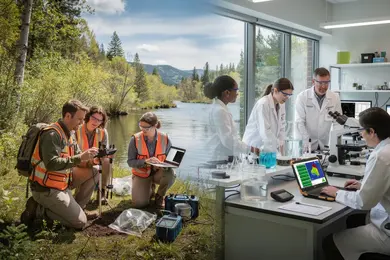
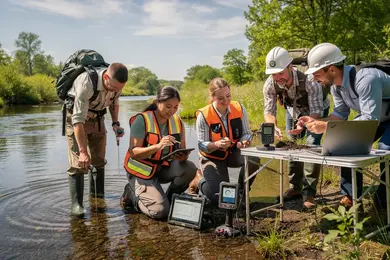
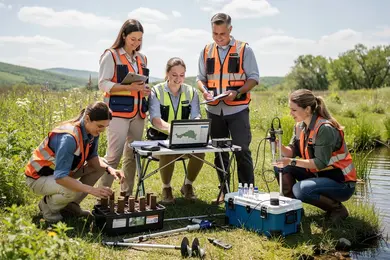
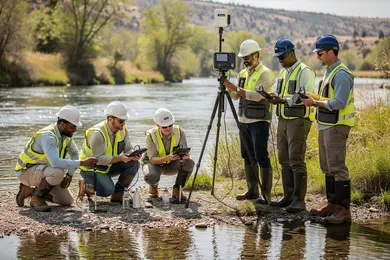
Online environmental science degree benefits for climate analyst careers extend beyond theoretical knowledge, focusing on quantitative skills essential for real-world application. Candidates gain training in GIS mapping, statistical modeling, and remote sensing-tools a climate analyst employed by a state agency might use to analyze temperature trends and forecast localized climate impacts for regulatory compliance.
This practical emphasis addresses employer demand for scientists capable of managing complex environmental datasets and supporting data-driven decisions. Programs preparing climate change analysts balance coursework on environmental policy and sustainability practices with technical competencies, equipping graduates to assess human-environment interactions and devise mitigation strategies prioritized by employers.
However, students should consider that some online formats incorporate in-person labs or internships to ensure adequate hands-on experience, which affects geographic and schedule flexibility. Students weighing this pathway must also factor in workforce realities: a median annual wage of $78,980 and projected job growth of 7.3% through 2033 signal expanding demand within regulatory and corporate sustainability sectors.
For those comparing options, assessing the practical scope of an geoscience online degree against environmental science programs may highlight different emphases on fieldwork and analytical skills relevant to their target roles.
Are online environmental science degrees respected by employers for climate analyst roles?
Employers hiring climate analysts increasingly differentiate candidates based not just on possession of an online environmental science degree but on the degree's accreditation, curriculum rigor, and tangible skills development. Programs that emphasize applied competencies in climate modeling, GIS, and policy analysis, often through live mentorship or internships, are more likely to confer employer recognition for climate analyst jobs than purely asynchronous or theory-heavy formats.
A common tradeoff appears for professionals pivoting into environmental science from unrelated fields: selecting a program that integrates networking with climate agencies or NGOs can materially enhance employability versus one that focuses on abstract concepts without skill validation. The value of accredited online environmental science programs for climate analyst careers lies heavily in aligning coursework with emergent 2024 federal policies and industry tools.
Projected employment growth of about 7% for environmental scientists and specialists suggests steady but competitive demand, meaning graduates must demonstrate updated technical credentials and practical knowledge to stand out. Candidates should assess whether programs certify proficiencies in statistical software or offer certifications recognized by industry professionals.
Key considerations for prospective students include verifying accreditation status, opportunities for hands-on experience, and supplemental skill acquisition outside standard coursework. Those needing cost-effective options might explore the cheapest online data science master's as complementary pathways to bolster environmental data analysis expertise, a critical skill in climate analysis roles.
Which accredited online environmental science programs best support a climate analyst career?
Online environmental science degrees tied closely to applied climate data analytics and geospatial modeling are critical for meeting employer demand in climate analyst roles. Programs from regionally accredited institutions that integrate climate systems, remote sensing, and hands-on GIS applications produce graduates equipped to handle real agency or consulting work from day one.
The best online environmental science programs for climate analyst roles emphasize practical skills in data curation, predictive modeling, and policy-relevant reporting-competencies employers actively seek to fill persistent talent gaps. Graduates stand out by completing capstone projects or internships connected to government or environmental think tanks, gaining exposure to complex environmental challenges.
Working professionals often find programs offering flexible pacing accommodate continued employment, preserving income while building credentials. However, programs lacking clear skill-building and applied components risk producing candidates whose general environmental knowledge falls short of technical fluency requirements.
Considerations for those pursuing accredited online environmental science degrees for climate analyst careers include the financial viability reflected in median salaries reported by Texas State University's 2024 BLS data, which indicate strong earning potential for skilled environmental scientists. For students exploring options that balance speed and quality, an accelerated exercise science degree online illustrates how pacing impacts career timelines across science fields.
How does studying environmental science online compare to campus-based programs?
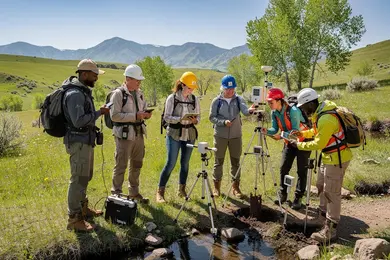
The distinction between online environmental science programs and campus-based degrees becomes most apparent in hands-on training and direct field experience, essential competencies for climate analyst roles. While there are about 70 online environmental degree options in the USA and 13 international master's programs projected by 2025, many online curricula place the onus on students to arrange local internships or fieldwork externally to build practical skills.
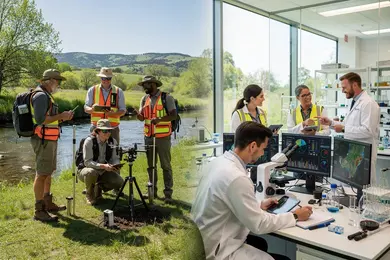
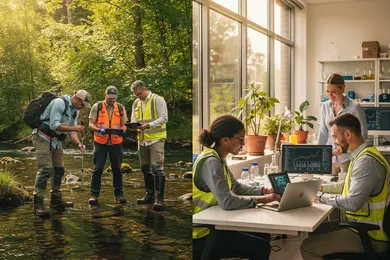
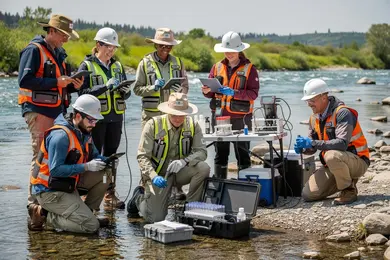
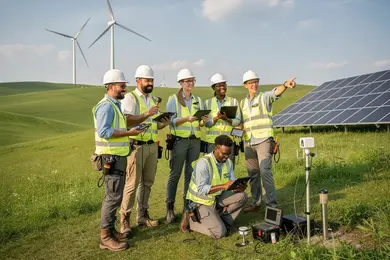
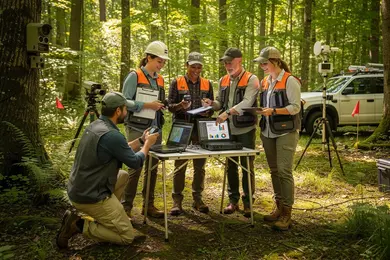
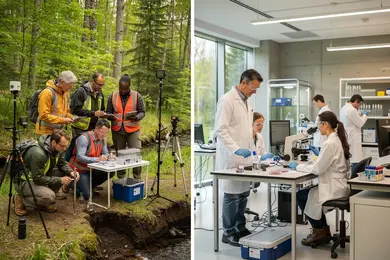
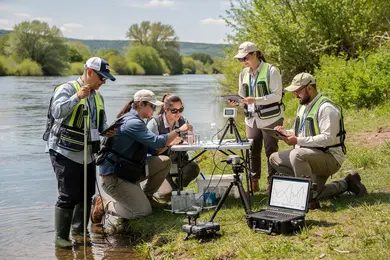
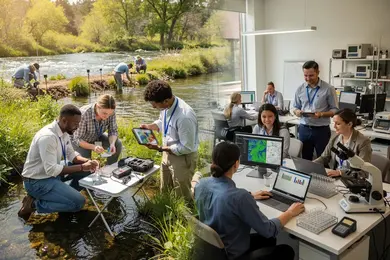
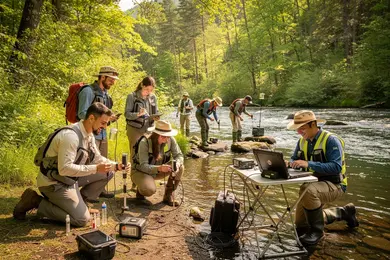
Employers consistently seek candidates with proven ability in data collection, field sampling, and geospatial analysis-skills more systematically embedded in campus programs through supervised labs and on-site projects. Online environmental science programs vs campus-based degrees present a clear tradeoff: flexibility versus immersive experience. Working professionals benefit from asynchronous coursework that accommodates current jobs, maintaining income streams while upskilling.
Yet, students without prior field exposure may face delays in skill acquisition critical for environmental monitoring or climate impact modeling roles, as hands-on components are typically less integrated remotely. Networking opportunities also differ markedly. Campus settings facilitate direct mentorship and research collaborations, increasing chances for referrals. Online cohorts rely heavily on virtual forums, which may not substitute for face-to-face engagement crucial in specialized climate career navigation.
Other practical considerations include access to specialized software like GIS and climate modeling tools, which are often more intensively supported on campus. Prospective students should verify resource availability and employer recognition closely. For those evaluating pathways, it may be useful to compare these dynamics with similar practical fields-for example, exploring computer science degrees, offering insights into balancing flexible study with requisite technical training.
Benefits of studying environmental science remotely for climate analyst careers hinge on individual circumstances, particularly prior experience and ability to secure external internship opportunities, which greatly influence employability outcomes.
What courses and specializations should a climate analyst-focused environmental science program include?
Programs focused on climate analysis within environmental science must go beyond theory, centering on applied skills demanded by employers. Core competencies include climate systems, geospatial analysis, and environmental data modeling, paired with advanced understanding of carbon accounting and regulatory impact assessment. Graduates targeting roles in finance need expertise in econometrics and scenario analysis, while those in government should prioritize environmental law and policy enforcement.
Quantitative skills such as statistics, programming in R or Python, and GIS are fundamental for handling complex datasets and predictive models. Hands-on labs or projects simulating real-world climate data interpretation provide measurable advantages in the job market by showcasing applied knowledge.
The workforce data reveal a clear tradeoff: programs with tuition significantly above $470 per credit often sacrifice this applied focus, negatively affecting return on investment. A practical example is Unity Environmental University's online climate change baccalaureate, charging $470 per credit (with military rates at $423) and eliminating textbook costs in over half the courses-offering a balance of affordability and relevance.
Students must ensure programs integrate up-to-date 2024+ data sources such as IPCC scenarios or EPA reports while maintaining flexibility in climate modeling software training and environmental economics. Risk communication and stakeholder engagement training further distinguish candidates able to translate technical results into actionable strategies for policymakers and businesses.
What are typical admission requirements for online environmental science bachelor's and master's programs?
Admission to online environmental science programs demands more than basic qualifications; it requires alignment with workforce expectations prioritizing quantitative skills and applied experience. For bachelor's degrees, a high school diploma with strong foundations in biology, chemistry, and earth science is necessary. Competitive admissions often hinge on a GPA of 2.5 to 3.0 and, despite many schools going test-optional post-2024, applicants with SAT or ACT scores may retain an edge.
Internships or volunteer work in environmental contexts notably enhance candidacy, given employer insistence on demonstrated practical competence. Graduate admissions favor candidates with relevant bachelor's degrees and at least a 3.0 GPA, supplemented by prerequisite courses in statistics, ecology, or data analysis-areas critical for environmental data analytics careers.
GRE scores remain optional but can mitigate gaps for those shifting fields. Letters of recommendation and a focused statement of purpose help frame alignment with data-driven climate roles. Environmental data analyst roles pay between $76,000 and $85,000 annually and are growing faster (about 23%) than the broader environmental sector (6-8%).
This spread underscores the premium on applied data skills over purely theoretical knowledge. Applicants without direct experience should consider building portfolios using environmental datasets or emphasizing transferable skills to meet market demands effectively.
How long do online environmental science degrees take and what do they cost?
Completing an online environmental science degree typically requires a strategic balance between duration, cost, and workload intensity, especially for individuals transitioning careers or juggling job responsibilities. Bachelor's degrees, often necessary for climate analyst positions, take about four years full-time but can be accelerated to three with prior credits or extended up to six years for part-time students. This flexibility affects both program expenses and time-to-employment.
Tuition ranges notably from $8,000 to $25,000 annually at U.S. institutions, resulting in total costs between $32,000 and $100,000. However, students must also anticipate additional costs including technology fees, textbooks, and expenses tied to required internships or fieldwork, all essential to develop applied skills like renewable energy optimization or climate resilience planning.
For example, a mid-career professional entering carbon management from a nontechnical background will likely need the comprehensive foundation and sector-specific knowledge a full bachelor's provides. Short certificates rarely meet employer expectations for analytical expertise and advanced data competencies such as AI integration.
Accelerated programs reduce total cost but demand significant short-term effort, while extended timelines ease immediate pressure but increase overall expense and delay workforce entry.
- Consider the tradeoff between compressed coursework intensity and financial outlay over time.
- Account for indirect costs essential to hands-on learning and career readiness.
- Recognize that employer requirements emphasize both foundational knowledge and technical skills.
What climate analyst job titles, work settings, and career paths can graduates pursue?
Graduates with online environmental science degrees targeting climate analyst roles face a labor market where skill specificity and sector context shape employability more than generic credentials. Entry positions often revolve around data modeling, GIS analysis, policy review, and carbon accounting-skills applicable across government bodies like the EPA, private consultancies, nonprofits, and corporate sustainability sectors in energy or agriculture.
Career progression demands balancing technical mastery with communication and business development skills. For instance, a municipal climate resilience analyst might advance by managing adaptation projects or ensuring regulatory compliance, whereas consulting professionals must pivot toward client advisement and strategic growth.
Employment outcomes hinge on targeted specialization and ongoing skill development. Iowa State University's data show that 91% of graduates from a sustainability master's program secure related roles within six months-yet long-term advancement requires keeping pace with evolving data technologies and interdisciplinary fluency spanning science, economics, and policy.
Students should anticipate practical challenges, such as varied employer credential preferences. Government roles typically expect risk management or environmental law certifications, while private firms prioritize familiarity with emissions accounting and reporting standards. Recognizing these distinctions beforehand enables strategic decisions on program choice and continuing education.
- Common job titles include Climate Analyst, Sustainability Consultant, Environmental Data Scientist, and Climate Risk Specialist.
- Work settings cover government agencies, consulting firms, nonprofits, and corporate sustainability departments.
- Progression paths differ by sector, emphasizing regulatory leadership or business development.
- Certification needs vary: risk management/law for public sector; accounting/reporting for private sector.
What salary ranges and job outlook can environmental science graduates expect as climate analysts?
Environmental science graduates pursuing roles as climate analysts face a nuanced salary landscape shaped by sector, skill specialization, and geography. Entry-level positions in government and nonprofit sectors typically offer salaries between $60,000 and $75,000, while median wages increase beyond $90,000 within energy, consulting, and technology industries. Professionals who develop advanced skills in data modeling or GIS can expect earnings approaching $110,000 annually.
This variation reflects not only the demand for technical expertise but also the value employers place on directly applicable experience such as urban planning where climate projections influence infrastructure decisions. Labor market projections from the Bureau of Labor Statistics and Texas State University estimate roughly 8,500 new jobs annually for environmental scientists and specialists through 2034.
These openings primarily stem from ongoing climate mitigation efforts, resource management, and public health concerns. While this demand supports salary stability, it concurrently heightens competition, especially for candidates lacking multidisciplinary experience or specialized internships.
In practice, graduates must weigh tradeoffs regarding educational pathways and geographic mobility. Metropolitan areas with concentrated environmental firms and climate risk offer premium compensation but often involve higher living costs. Entry roles in regulatory compliance tend to pay less but provide essential foundational experience. Supplemental certifications or graduate degrees often become necessary to access top-tier salaries and opportunities.
Employers prioritize proficiency in climate modeling software, remote sensing, and policy analysis. Graduates aligning their skill set with industry needs and sector-specific demands are better positioned to navigate this increasingly competitive market.
Are there certifications or professional standards that strengthen climate analyst credentials?
Certifications function as concrete proof of expertise that employers in environmental sectors increasingly require, often surpassing the weight of academic credentials alone. For instance, a climate analyst working within a utility company mandated to comply with greenhouse gas regulations must often hold credentials like the GHG Inventory Quantifier or ISO 14064 lead verifier to demonstrate applied competency.
This specificity in certification signals readiness to manage complex regulatory frameworks or reporting obligations directly impacting organizational compliance or sustainability initiatives. Key certifications such as the Certified Climate Change Professional (CC-P) emphasize capabilities in policy design and carbon accounting, essential for consultancy or regulatory roles predominantly in government or energy sectors.
Meanwhile, technical certifications like Geographic Information Systems Professional (GISP) and LEED attest to skill sets valued for emission modeling and environmental impact reporting tasks, areas where many employers prioritize measurable outcomes over theoretical knowledge. The decision to pursue these credentials requires weighing the significant time and financial investment-often several hundred to a few thousand dollars plus continuing education-against tangible career benefits.
Data from The University of San Diego's climate careers overview shows the average salary range for climate professionals between $76,300 and $86,532, highlighting how verifiable skills align with market compensation.
- Professional memberships in organizations like the American Geophysical Union offer networking and research access that indirectly affect career mobility.
- Strategic alignment between certification and the targeted industry's technical demands is critical to maximize return on investment.
Other Things You Should Know About Environmental Science
Online environmental science degrees require comparable time commitments to traditional programs but demand stronger self-discipline and time management, since asynchronous schedules reduce direct supervision. Students must proactively balance coursework, labs, and research projects without immediate access to in-person labs or study groups, which can slow skill acquisition in field-specific tasks. Choosing programs with synchronous sessions or hybrid components can mitigate isolation and help maintain consistent progress.
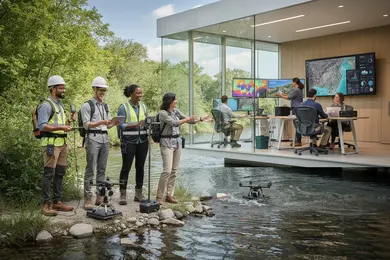
Focus on gaining hands-on experience with data analysis software, geographic information systems (GIS), and climate modeling tools, as employers expect proficiency in these areas alongside foundational science knowledge. Programs that integrate applied projects or internships directly increase marketable skills and demonstrate real-world problem-solving ability. Prioritize programs offering remote access to labs or partnerships with organizations for virtual internships.
Yes. Many accredited programs require 1 to 3 lab science courses and a field methods component, even online. Students often complete these through local approved sites, summer intensives, or hybrid residencies. Programs may also require GIS, statistics, and capstone projects tied to climate data analysis.
Employers increasingly recognize accredited online degrees but emphasize demonstrable skills and relevant experience over degree format. Graduates must prepare to substantiate applied competencies through portfolios, internships, or certification alongside their degree. Selecting programs with strong career services and industry connections improves visibility to employers and addresses skepticism around online learning outcomes.
References
- Climate Change Specialist - CEnvP Scheme https://www.cenvp.org/climate-change-specialist-certification-2/
- Essential Guide to the Climate Change Analyst Position https://enable.green/esg-roles/green-energy-careers/climate-change-analyst/
- The Climate Label Certification | 2026 Standard https://www.changeclimate.org/standards
- Environmental Career Profiles Australia https://environmentaljobs.com.au/resources/environmental-sustainability-careers
- Online Environmental Science Degrees: Compare Schools https://www.degreesforgood.org/online-degrees/environmental-science/
- Climate Science https://www.albany.edu/daes/programs/bs-climate-science
- What Can You Do With an Environmental Science Degree? https://willamette.edu/academics/college/environmental-science/career-options
- 44 sustainability certifications for businesses and sustainability professionals https://fsc.org/en/blog/sustainability-certifications
- Online Environmental Science Degree | BS Environmental Science | University of Phoenix https://www.phoenix.edu/online-liberal-arts-degrees/environmental-science-bachelors-degree.html
- What to Do with an Environmental Science Degree https://bootcampgis.com/what-to-do-with-an-environmental-science-degree/