2027 Environmental Science Careers That Reward Strong Fieldwork Skills

Co-Founder and Chief Data Scientist
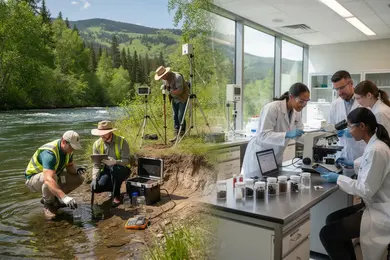
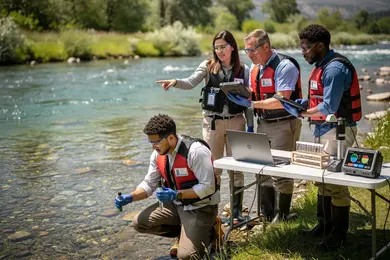
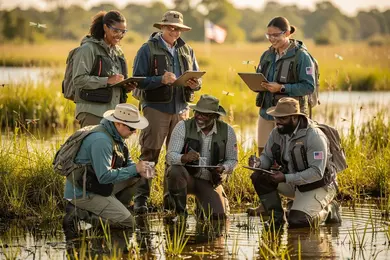
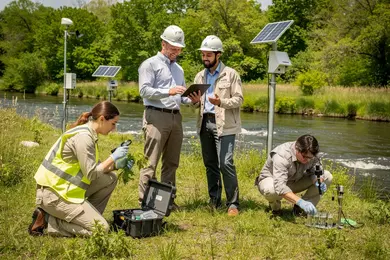
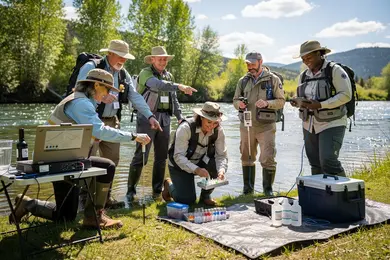
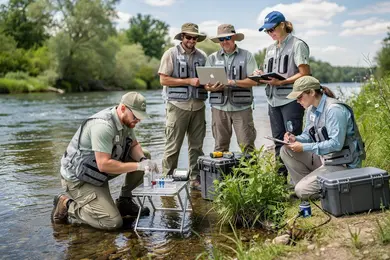
Field researchers studying wetland restoration projects routinely encounter unpredictable weather, limited access roads, and fragile ecosystems where every measurement must be precise to avoid compromising data quality and habitat integrity. These high-stakes conditions demand exceptional fieldwork skills in order to adapt and collect reliable data that informs policy and land management decisions.
According to a 2024 U. S. Department of Education report, flexible enrollment options and hybrid learning formats grew by over 35% in environmental degree programs, signaling a shift toward accommodating working professionals balancing extensive field commitments with coursework.
This article identifies careers in environmental science requiring those field competencies and guides readers in selecting education and training paths that align with such practical demands.
Key Things You Should Know
- Fieldwork-intensive roles in environmental science showed a 12% faster hiring rate in 2024 due to employer demand for hands-on data collection skills, emphasizing tradeoffs between practical expertise and advanced GIS certifications.
- Employers prioritize candidates with documented field project leadership, as reported by the U.S. Bureau of Labor Statistics, where 67% of job postings required demonstrated experience managing unpredictable outdoor conditions, affecting workforce readiness.
- Time and cost for mastering specialized field equipment remain significant barriers; recent surveys indicate 40% of professionals delay certification, impacting entry timelines and favoring programs with integrated field access over purely classroom-based paths.
What environmental science careers rely most on strong fieldwork and outdoor research skills?
Environmental science careers requiring strong outdoor research skills impose operational challenges that extend well beyond academic preparation. Positions like environmental field technicians and wildlife biologists demand endurance and technical proficiency in variable, often remote settings where equipment calibration and safety protocols are non-negotiable.
For example, environmental field technicians, with a median annual wage of $50,220 as reported by the U.S. Bureau of Labor Statistics, must balance complex data collection against field conditions that can degrade sample integrity and delay timelines.
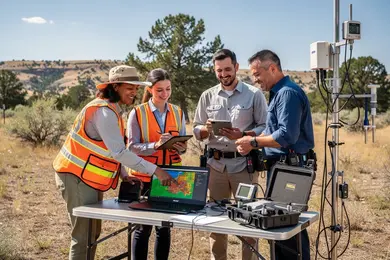
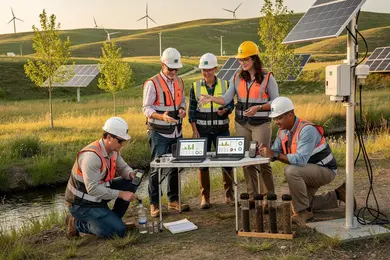
Fieldwork intensive environmental science job opportunities include hydrologists measuring stream flow in rugged terrain and ecological consultants navigating regulatory pressures alongside dynamic weather. These roles require more than theoretical knowledge: proficiency in GPS navigation, on-site data quality assurance, and rapid problem-solving are critical to maintain research validity and compliance.
Prospective students should weigh these physical and logistical demands, including transportation, equipment upkeep, and unpredictable living arrangements, when planning their educational pathway. Practical choices often define career sustainability as much as degree credentials. Those interested in expanding qualifications while managing real-world constraints may consider a geologist degree online, which offers flexibility without sacrificing technical rigor.
What degree in environmental science best prepares you for intensive fieldwork roles?
Degrees in environmental science focused on hands-on fieldwork, especially those emphasizing ecological methods and field biology, provide candidates with the skills needed to perform effectively in rigorous outdoor roles.
Employers in sectors like ecological restoration prioritize graduates who can lead onsite vegetation assessments and handle GPS mapping, soil and water sampling, and wildlife tracking technologies without extensive additional training. This practical proficiency contrasts with candidates whose backgrounds are primarily laboratory-based and lack direct field exposure.
Choosing the best environmental science programs for hands-on field experience means students should seek curricula integrating extensive field labs, government internships, and partnerships with conservation organizations to bridge classroom theory with field realities. Students must also prepare for significant logistical demands, physical endurance, travel adaptability, and wilderness safety, which are often overlooked yet essential aspects of the occupation.
Career prospects in applied ecology remain stable, with the U.S. Bureau of Labor Statistics reporting a median annual wage of $72,860 for wildlife biologists as of August 2025 and employment growth of 2% through 2035. The practical edge gained by well-prepared graduates reduces onboarding time and enhances adaptability in remote environments.
Evaluating degree options that suit this intensive fieldwork focus also involves considering related disciplines, such as data analytics, which increasingly complement field roles. For those interested in broadening quantitative skills remotely, exploring online masters in data science can be a strategic addition to an environmental science degree.
How do campus and online environmental science programs differ in hands-on field training?
Campus environmental science programs provide irreplaceable, consistent hands-on training essential for developing field skills directly aligned with employer expectations.
Regular supervised activities like soil sampling, ecological surveys, and equipment operation on real sites cultivate the situational judgment vital for roles such as conservation scientists, who earned a median wage of $69,060 in August 2025 with a 3% job growth outlook through 2035, per U.S. Bureau of Labor Statistics data. This depth of experiential learning facilitates entry into jobs that prioritize immediate field competency.
In contrast, online environmental science fieldwork opportunities inherently lack uniformity in practical training. While virtual labs and simulations are common, physical engagement with ecosystems is limited. Some programs require local field placements, but quality and scheduling vary, affecting employer recognition of these experiences. Online learners often must independently secure meaningful fieldwork to match campus program outcomes.
For professionals weighing campus versus online environmental science fieldwork opportunities, tradeoffs include consistent credentialed experience versus greater logistical flexibility paired with higher self-direction. Employers remain circumspect about online-only training without verified hands-on proficiency, an important factor amid modest job growth and competitive hiring.
Students who must balance location or life constraints may also consider related fields; research into an online exercise physiology degree illustrates how online options can function effectively when practical components are regionally coordinated and critically evaluated.
What core field methods and lab courses do environmental science majors typically complete?
Proficiency in fieldwork techniques in environmental science degree programs directly shapes employability by equipping students with the ability to navigate complex, variable terrains and execute precise sampling under challenging conditions.
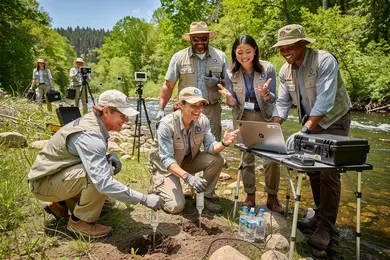
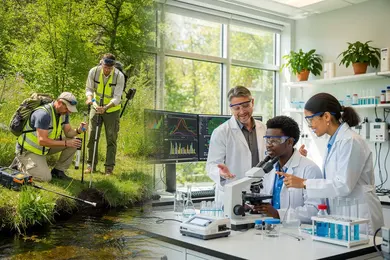
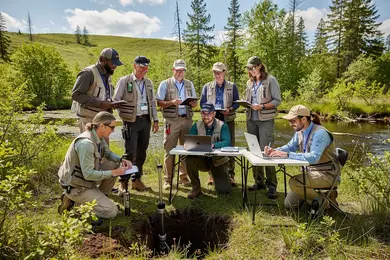
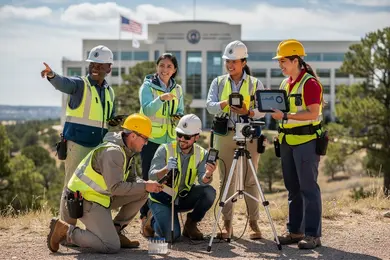
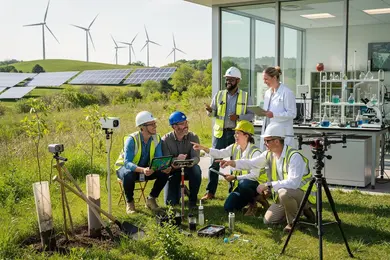
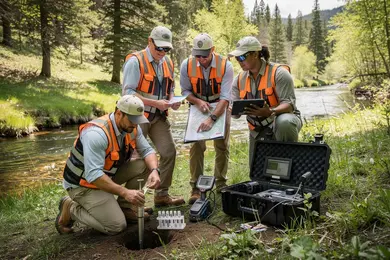
Core courses cover soil sampling, water quality testing, ecological surveys, GPS mapping, and habitat assessment—skills essential for roles such as consulting firms evaluating contaminated sites. These practical experiences ensure graduates meet employer demands for independent site assessments and accurate environmental impact analyses.
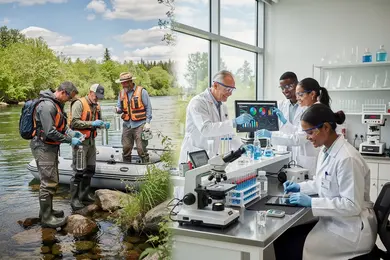
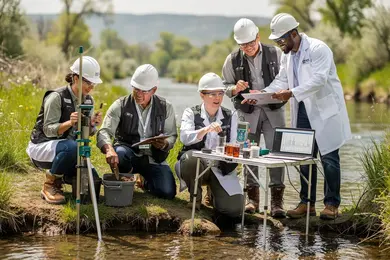
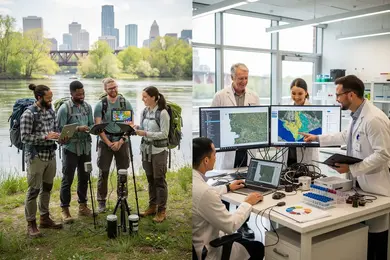
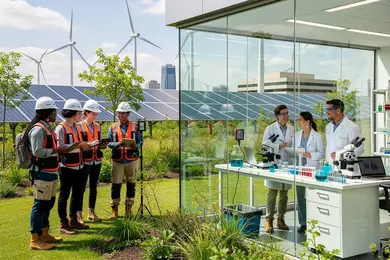
Laboratory courses for environmental science students complement field skills by providing training in chemical analysis techniques like spectrophotometry, chromatography, and microscopy. Mastery of these methods is critical for measuring pollutants, analyzing soil, and interpreting biological samples, all of which support informed decision-making in environmental remediation or policy development.
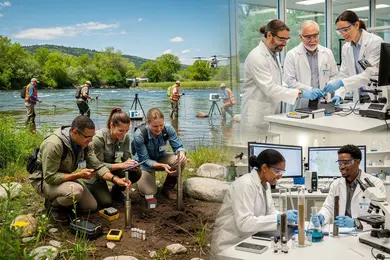
Balancing intensive field exposure with rigorous laboratory work presents logistical challenges, including maintaining chain-of-custody protocols and timely sample transport. Coursework that simulates these real-world constraints helps prepare students for industry standards where both competencies are non-negotiable. Approximately 8,500 environmental science roles open annually require this versatility, impacting career prospects for graduates lacking comprehensive training.
According to the U.S. Bureau of Labor Statistics, environmental scientists earned a median annual wage of $80,060 in May 2024, with a projected growth rate of 4% from 2024 to 2034. This underscores how integrated fieldwork and laboratory expertise remain vital for sustained technical proficiency in this evolving sector.
Prospective students evaluating related pathways might also consider broader credentialing questions, such as do you need a masters to be a librarian, to understand educational tradeoffs across fields.
How long do environmental science degrees take, and what do field-based programs cost?
Degrees in environmental science require a multi-year financial and time commitment that varies significantly by program type and specialization. Bachelor's degrees typically need four years, with master's programs adding one to three more years depending on research intensity. Fieldwork elevates costs beyond tuition, with essential expenses for equipment, travel, permits, and safety training often overlooked during initial budgeting.
For example, pursuing a bachelor's as an Environmental Compliance and Regulatory Field Auditor at a public university might cost around $40,000 in tuition plus approximately $8,000 over four years for mandatory fieldwork fees. These hands-on expenses are critical, as employers expect graduates to have practical field skills alongside theoretical knowledge, especially in regulatory roles where median salaries reach $76,615 and job growth is modest but steady.
Graduate students face higher fees, frequently exceeding $10,000 annually, particularly with specialized monitoring techniques requiring lab access and extended deployments. While assistantships and grants sometimes defray these costs, incomplete field experience or programs lacking industry integration risk producing less competitive candidates.
Prospective students must balance total program costs with expected salary gains and sector demand. Programs with embedded industry partnerships can limit out-of-pocket field expenses and ensure training aligns with compliance and auditing realities, improving employment stability and long-term ROI in environmental science roles.

How can you evaluate accredited environmental science schools with robust fieldwork opportunities?
Programs lacking mandated, hands-on fieldwork risk leaving graduates underprepared for environmental science roles that require adaptive decision-making in complex field conditions.
For example, a candidate pursuing environmental economics must engage in structured resource valuation projects to match skills demanded by a median salary of $106,115 and forecasted employment growth of 7.23%, according to College Board. Fieldwork integrated early in the curriculum and supported by partnerships with agencies or industry enhances real-world readiness more than isolated or virtual simulations.
Students should assess schools based on graduate placement data linked to field experience, faculty research engagement with in-situ work, and availability of paid internships or stipends to offset financial burdens. This is critical as unpaid fieldwork often delays graduation, especially for those with geographic or economic constraints. Access to safety training, field equipment, and data management instruction further distinguishes practical proficiency.
Those targeting niche sectors must verify course alignment with specialized skills: wetland restoration suits ecological roles, while GIS combined with economic valuation supports environmental economics positions. Engaging alumni currently employed in relevant roles offers candid perspectives on whether field components met employer expectations and improved job market competitiveness.
What entry-level environmental science jobs emphasize field sampling, surveying, and monitoring?
Entry-level roles in environmental science that emphasize fieldwork frequently involve tradeoffs between technical skill acquisition and constrained job growth. Positions such as environmental field technicians, biological science technicians, and fish and game wardens demand a combination of physical endurance, precise data management, and regulatory knowledge.
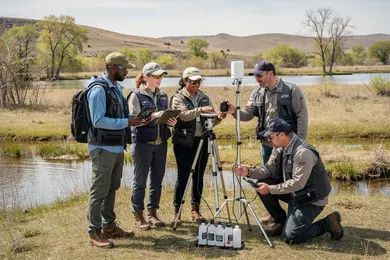
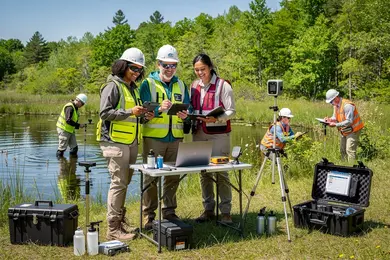
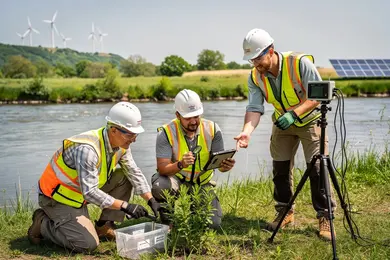
For example, environmental field technicians collect soil, water, and air samples under sometimes challenging conditions, requiring familiarity with GPS and strict sample handling protocols.
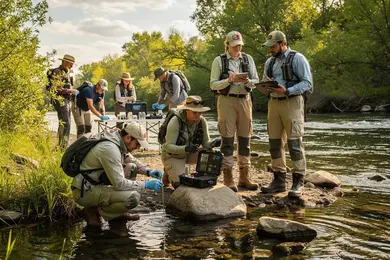
Biological science technicians support wildlife population studies with mark-recapture methods and vegetation surveys, often navigating remote sites and tight deadlines. Fish and game wardens integrate law enforcement and ecological monitoring, but their median salary of $60,530 is tempered by a projected employment decline of 1.50% due to budget cuts and changing enforcement priorities, according to College Board BigFuture data from 2024.
Acquiring certifications like OSHA field safety training and proficiency in data logging software often determine entry viability yet do not guarantee job stability. Decision-makers should weigh transferable sampling and monitoring skills against shrinking workforce demand in specific sectors. For instance, field technicians often find broader applicability across agencies, while wardens face tighter local employment markets.
Aligning field capabilities with regional agency needs and evolving environmental mandates is critical for sustaining a career path amid political and economic shifts affecting staffing and resource allocation.
What are the typical salaries for environmental scientists and technicians with strong field skills?
Field expertise in environmental science often faces a clear financial ceiling unless paired with advanced technical skills or positioned within well-funded sectors. Forestry and conservation technicians, specializing in hands-on fieldwork, earn a median annual wage near $39,293. This modest figure underscores the limited upward mobility of roles focused primarily on physical data collection without supplementary analytical or certification-based qualifications.
For example, a federal agency environmental scientist conducting on-site soil sampling may earn over $60,000, leveraging institutional resources and technical rigor. In contrast, technicians at smaller nonprofits or local governments, performing comparable field duties, typically remain closer to the median salary range.
Key employer expectations include the ability to integrate field observations with data management and regulatory compliance documentation, particularly on federally funded projects. Lack of proficiency in these areas restricts wage growth and career progression.
Job growth for forestry and conservation technicians is stagnant at 0.03%, indicating a saturated labor market that pressures salaries and hiring opportunities. To enhance prospects, candidates should consider
Positions exceeding $70,000 typically demand this hybrid expertise, which reflects a pragmatic career investment rather than reliance on field skills alone.
What is the job outlook for environmental science careers that require extensive fieldwork?
Environmental science careers heavily focused on fieldwork demand a combination of advanced expertise and physical endurance, particularly for roles in environmental consulting and site-specific impact assessments.
The salary differential between entry-level positions, typically starting around $45,000, and master's-level consulting geologists, who begin near $102,900 annually according to AAPG data, reflects the premium placed on specialized field skills. Employers prioritize candidates able to manage the complexity of hazardous site investigations, natural resource evaluations, and environmental remediation oversight.
Real-world implications for students and professionals include preparing for irregular schedules and frequent travel to remote or undeveloped areas, often challenging factors that reduce the viable pool of applicants. Geographic variability in job availability and field intensity necessitates weighing lifestyle tradeoffs against career goals. Graduates without robust, practical field experience may find advancement opportunities significantly restricted.
Increased employability depends on graduate programs that integrate intensive field training and foster direct employer connections. Certifications and internships that simulate or involve extended fieldwork bridge academic knowledge with workforce expectations. Practical considerations for prospective environmental scientists include:
Are any licenses or certifications recommended for environmental professionals focused on fieldwork?
Licenses and certifications shape the practical capabilities and job eligibility of environmental field professionals, often determining access to specific worksites and compliance with federal safety standards. For example, possessing OSHA 40-hour HAZWOPER training enables forestry technicians to work on contaminated land where uncertified colleagues cannot, directly influencing employment opportunities and liability exposure.
Credentials such as Wetland Delineator Certification and Geographic Information Systems (GIS) Certification validate specialized skills crucial to distinct environmental roles, impacting both operational efficiency and regulatory adherence. Certifications like Certified Ecological Restoration Practitioner (CERP) further distinguish candidates in ecological restoration positions by demonstrating applied expertise.
Deciding which certifications to pursue requires balancing factors such as cost, time commitments, and alignment with personal career objectives. Many programs necessitate a combination of academic coursework and logging field hours, which may present logistical challenges for professionals balancing ongoing employment.
Nonetheless, those investing in targeted credentials gain workforce advantages, as reflected by a median faculty salary of $79,062 and a 4.79% projected job growth in related conservation science disciplines, emphasizing steady demand for qualified field instructors.
Employers consistently prioritize certifications that show regulatory compliance, practical safety know-how, and technical specialization. Relevant licenses should be integrated thoughtfully within degree programs or continuing education plans to address evolving environmental regulations and employer expectations.
Other Things You Should Know About Environmental Science Degrees
Workers on remote environmental field sites usually need OSHA HAZWOPER training, site-specific safety briefings, and emergency communication plans. Many employers also require CPR and first aid certification, plus documented heat-stress, wildlife, and hazard-communication procedures before any sampling or survey work begins.
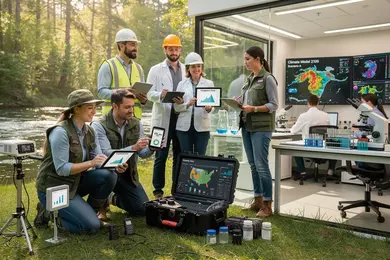
Fieldwork often represents only part of the total workload; substantial time must be allocated to data validation, statistical analysis, and comprehensive reporting that meet regulatory or client requirements. Success depends on strong technical skills in both outdoor methods and quantitative software tools, along with effective time management to meet deadlines. Prioritizing programs that emphasize both field and analytical training prepares candidates to meet these dual expectations.
Specialized certifications in areas like hazardous materials handling or GIS can enhance competitiveness for niche roles requiring advanced field skills but may limit flexibility to shift into other sectors. Broader qualifications provide versatility but risk weaker preparation for specific tasks employers need immediately. Decision-makers should evaluate career goals carefully and consider combining a solid general degree with targeted certifications if the intended fieldwork requires specialized expertise.
References
- Operation Wallacea | Conservation Career Paths https://www.opwall.com/article/conservation-career-paths/
- How to Find the Best Schools for Environmental Studies https://www.pacificu.edu/blog/the-best-schools-for-environmental-science
- 2025 Most Affordable Online Environmental Science Degrees https://www.onlineu.com/most-affordable-colleges/environmental-science-degrees
- Environmental Certifications for entry-level and career changers https://www.theenvironmentalcareercoach.com/certification-links
- Top 15 Environmental Science Colleges https://www.collegeadvisor.com/resources/environmental-science-colleges/
- Strong Programs in Environmental Studies https://toptieradmissions.com/strong-programs-in-environmental-studies/
- What Can You Do With an Environmental Science Degree? https://willamette.edu/academics/college/environmental-science/career-options